Top China Optic Tools Factories & Factory

High-Precision Fiber Transmission Systems, Active Terminal Hardware, and FTTx Deployment Equipment Engineered for Carrier-Grade Networks

Featured Network Terminals & Cable Preparation Instruments

Primary Product Line & Assemblies

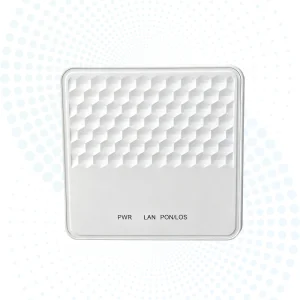
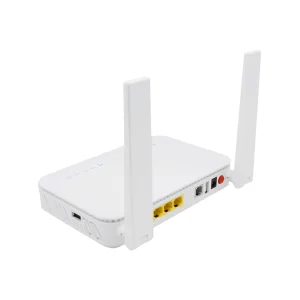
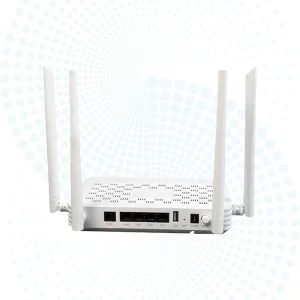
WIFI6 ONU F6610M

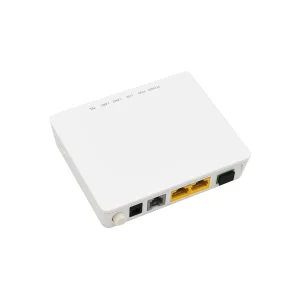
WIFI6 ONU F6610M 4GE XPON ONT Dual Band WIFI English Firmware the Same As HS8546X6/HS8346X6/HS8145X6

View Specifications
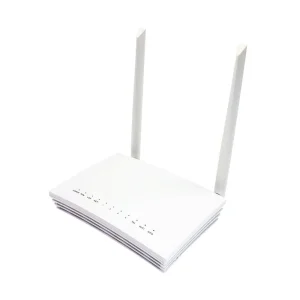
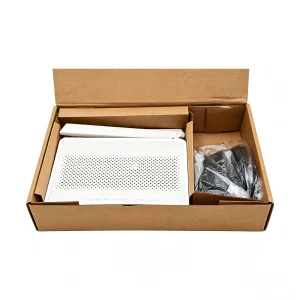
GPON ONU GM220-S

GPON ONU GM220-S Fiber Router with 1GE+3FE RJ45 LAN Ports 2.4G WiFi HGU for FTTH

View Specifications
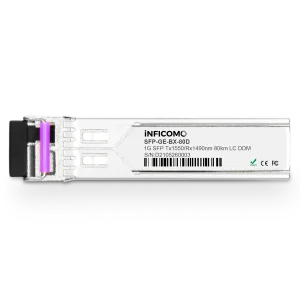
Extended-warranty SFP 1.25G BIDI

Extended-warranty SFP 1.25G BIDI LC SFP 80km 1490/1550nm Optical Transceiver Module SFP

View Specifications
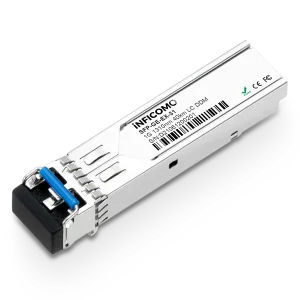
Stable Supply 1.25G 1310nm SFP

Stable Supply 1.25G 1310nm 40Km SFP SMF Fiber Optic Transceiver Module SFP

View Specifications
Full-Home Coverage XPON

Full-Home Coverage XPON 4*+1*VOIP+1*USB + 1*SC/UPC 2.4GHz 5GHz Dual-band WIFI5 AC1200 FTTH Router ONU

View Specifications
Original Eg8145v5

Original Eg8145v5 Hs8546v5 Hg8145v5 FTTH Fiber Optic Modem EG8145V5 GPON XPON ONU RJ45 Ports

View Specifications
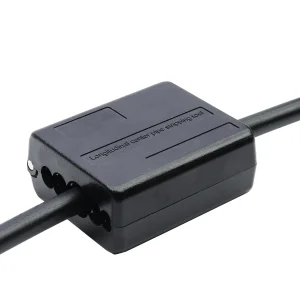
Fiber Optic Sheath Stripper

Fiber Optic Longitudinal Cable Sheath Stripper Cutter Buffer Tube Slitter Model ZXKBQ2 for FTTH FTTB FTTX Networks 18-Month

View Specifications
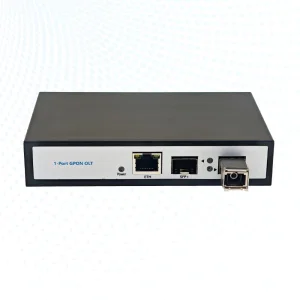
Mini GPON OLT

Mini GPON OLT 1 PON Port Gigabit Fiber OLT for FTTH ISP Broadband Access Network

View Specifications
A decade of Optoelectronic Manufacturing Excellence

Shenzhen Soras Technology Co., Ltd.

As a leading pioneer among China's specialized optic tools factories, Shenzhen Soras Technology Co., Ltd. (known globally as Soraslink) has dedicated over 10 years to engineering, manufacturing, and supplying carrier-grade optical transmission systems and robust FTTx equipment. Our core competence lies in bridging the gap between raw optical components and active broadband hardware, delivering end-to-end reliability for complex internet service provider (ISP) topologies and high-density enterprise communication systems.

Our operation is built on structural quality management, steady supply chains, and consistent technological innovation. We serve as a strategic OEM/ODM partner for telecommunication operators, national utility entities, and wholesale networking distributors across Europe, South America, and North America. By continuously investing in advanced surface mount technology (SMT), automated assembly facilities, and rigorous environmental simulation chambers, Soraslink ensures that every device meets international standards including ISO 9001, UL, CE, FCC, and RoHS certifications.

Soraslink Factory Overview

Enterprise Operating Profiles & Markets

Business Type Manufacturer / OEM / ODM Country / Region Guangdong, China (Shenzhen Hub)
Main Products FTTH ONU & OLT, SFP Transceiver Modules, Fiber Media Converters, PoE Switches, Longitudinal Cable Sheath Strippers Total Employees 11 - 50 Highly Specialized Personnel
Total Annual Revenue US$5 Million - US$10 Million Year Established 2021 (With 10+ years of pre-existing industry expertise)
Standard Certifications ISO 9001, UL, CE, FCC, RoHS Compliant Systems Main Target Markets Domestic (24.00%), Eastern Asia (15.00%), North America (15.00%), Latin America, Western Europe
Direct Factory Floor & QA Traceability

Soraslink Advanced Production & Testing Facility

Our manufacturing operations integrate automated processing with strict manual quality assurance gates, creating a highly traceable path for every transceiver, switch, and ONT unit.

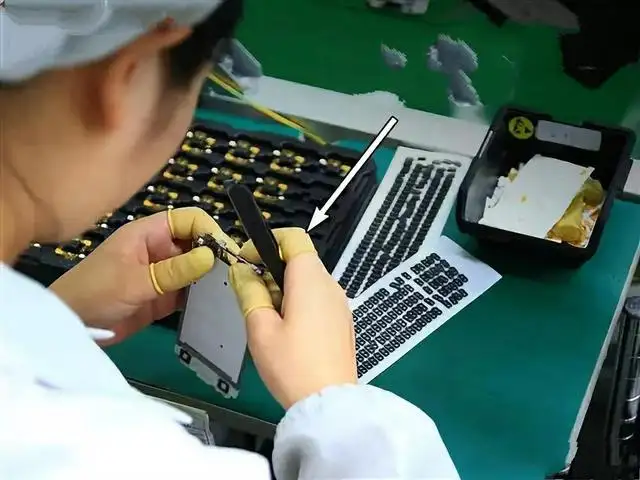
SMT Line at China Optic Factory
SMT Line
QC Line Process Flow
QC Line
Manual Assembly Line
Assembly Line
Modern Warehouse Logistics
Warehouse

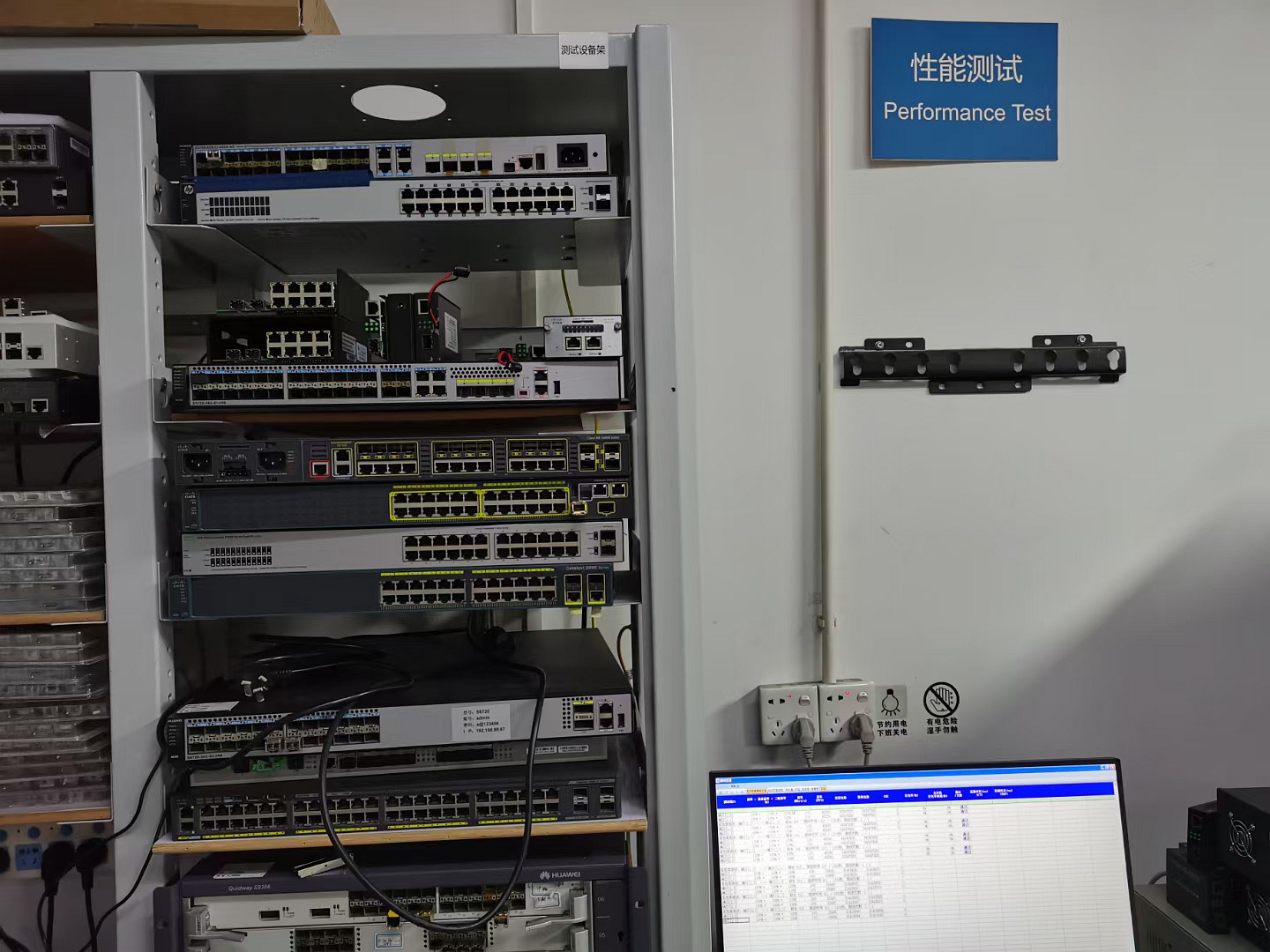
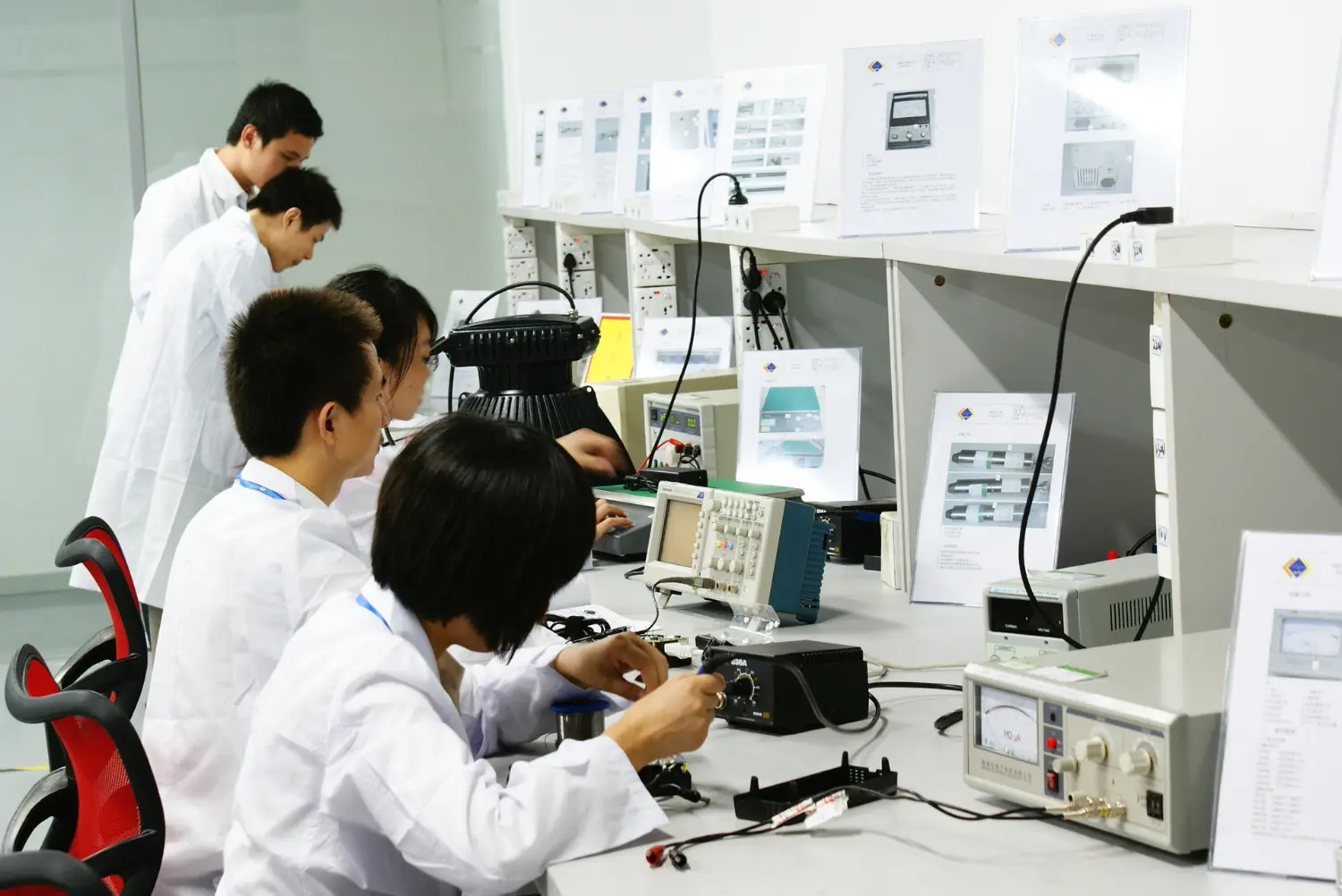
Dedicated Quality Assurance Laboratories

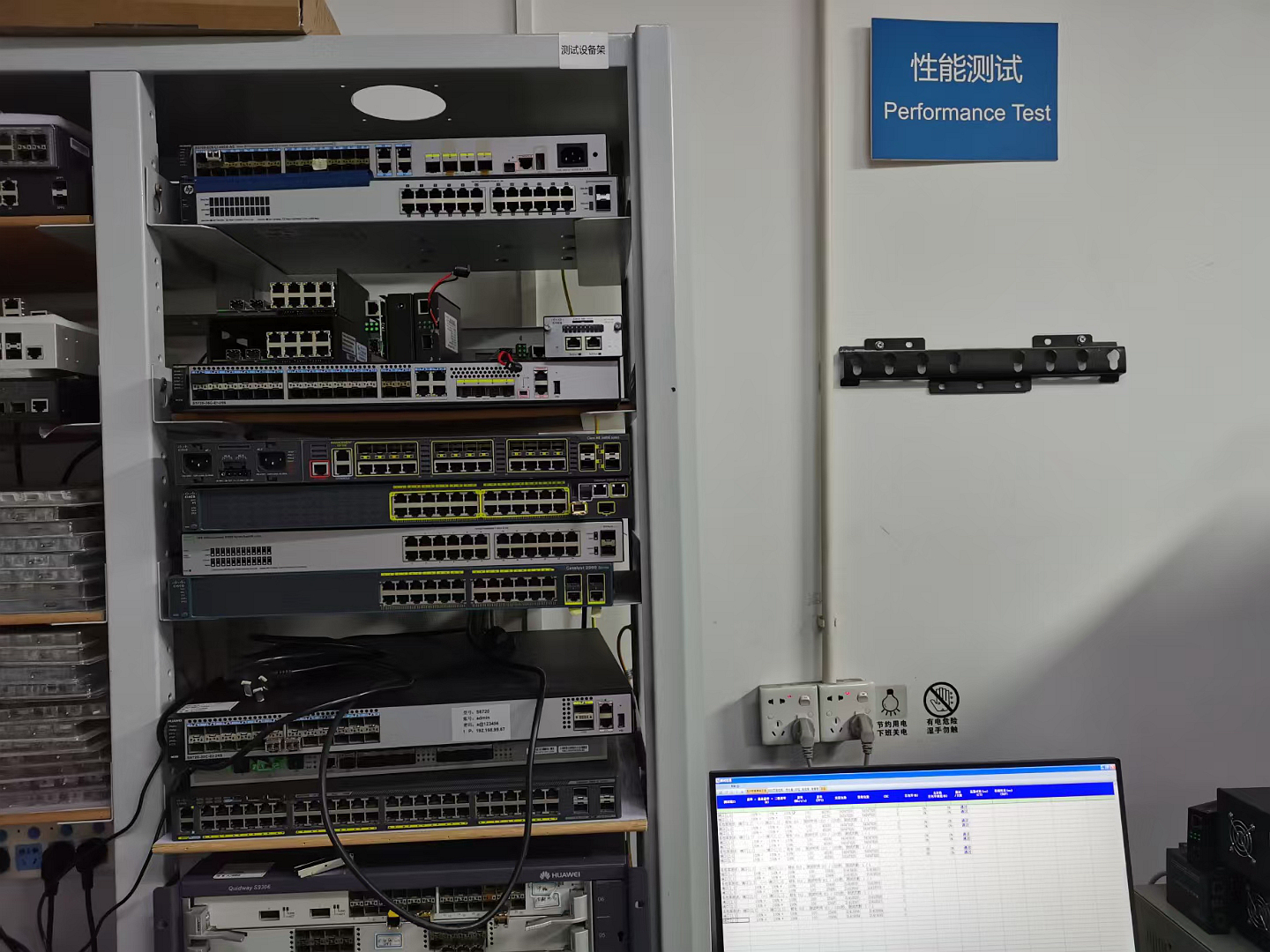
Simulation Test Lab
Simulation Test
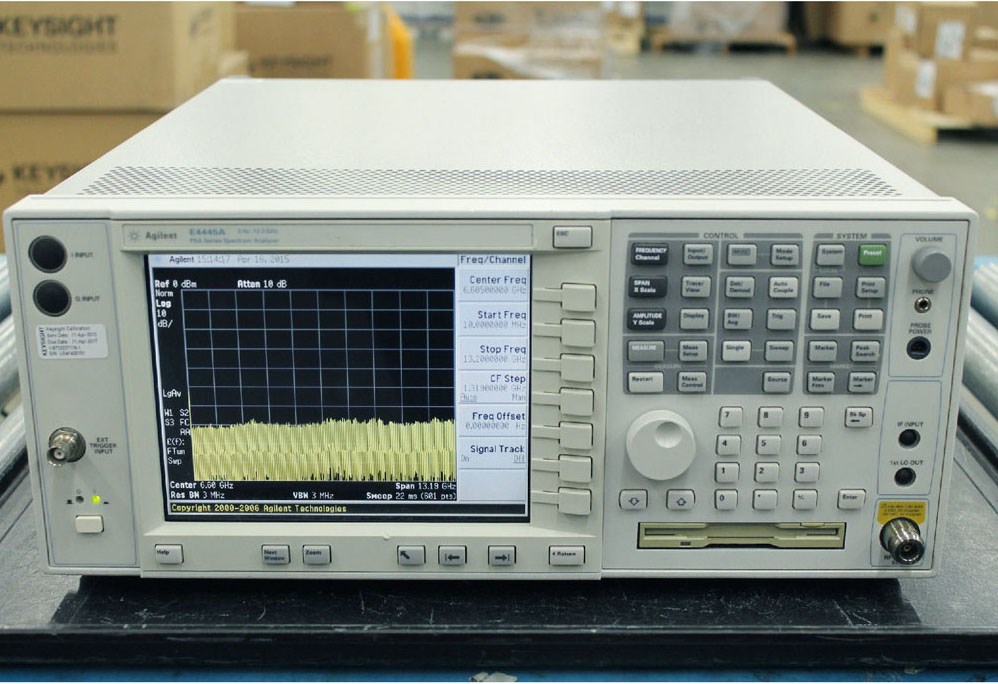
Error Test System
ERROR TEST
WiFi Calibration Testing Chamber
WiFi CALIBRATION
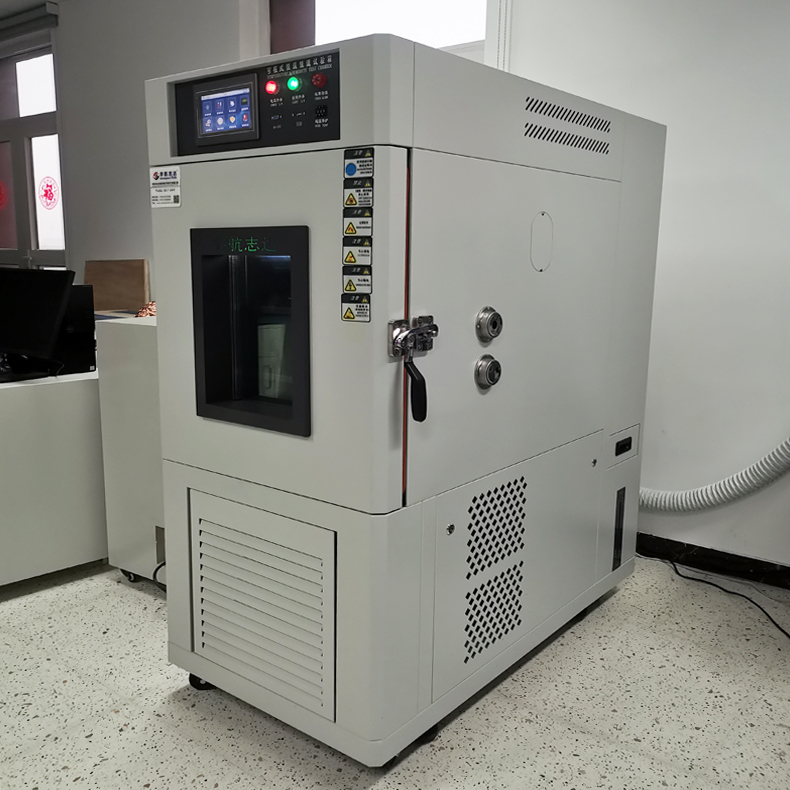
High-Low Temperature Testing
H-L TEMPERATURE
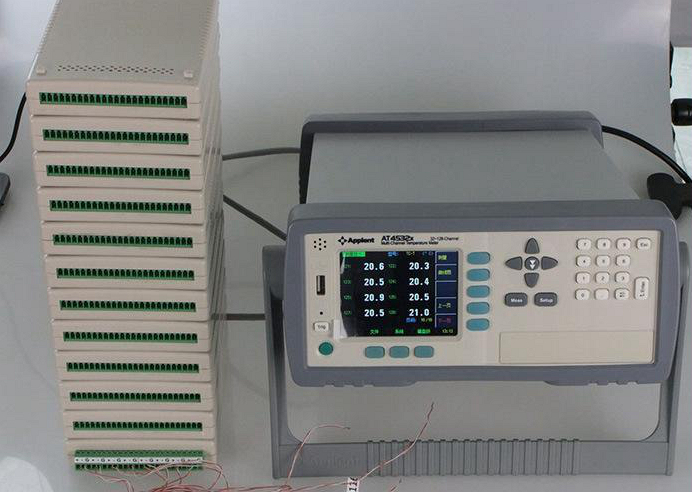
Secondary Simulation Platform
SIMULATION TEST
Functional Performance Verification
FUNCTIONAL TEST

Optical Network Infrastructure & China OEM Strategic Value

A comprehensive technical guide to selecting, importing, and validating carrier-grade active and passive hardware for modern telecom upgrades.

1. The Macro-Industrial Shift: Why Global Telecoms Source Active Hardware from Specialised Chinese Hubs

The global telecommunication landscape is undergoing a massive migration to Next-Generation PON (Passive Optical Network) standards. With global data traffic projected to increase by over 25% annually, telecommunications operators, regional ISPs, and utility organizations face the challenge of modernizing their distribution networks while keeping operational expenditures under control. China's manufacturing clusters in Shenzhen and Guangdong have evolved past simple assembly; they now serve as epicenters for optoelectronic R&D, offering substantial information gain and material cost-efficiency.

In the past, purchasing departments worked with generic export trading firms. Modern deployment strategies require direct interaction with specialized optic tools factories. This shift allows operators to access customizable optical network unit (ONU) firmware, custom wavelength allocations on SFP transceivers, and robust optical line terminal (OLT) architectures configured to regional spectrum allocations. Working directly with manufacturers like Soraslink helps ISPs bypass structural compatibility bottlenecks and ensures long-term hardware reliability in the field.

2. FTTx Network Topologies and the Transition to Wifi 6 Active Terminals

Within the Fiber-to-the-Home (FTTH) and Fiber-to-the-Building (FTTB) deployment cycles, the optical network unit (ONU) is the final link in the service chain. Legacy ONUs utilizing standard 2.4GHz WiFi protocols have become bandwidth bottlenecks, unable to deliver the gigabit speeds provided by single-mode fiber backbones. The implementation of high-performance XPON (supporting both GPON and EPON configurations auto-negotiated at the hardware level) integrated with dual-band WiFi 6 (such as the WIFI6 ONU F6610M) resolves this issue.

These advanced terminals incorporate Orthogonal Frequency Division Multiple Access (OFDMA), Multi-User MIMO (MU-MIMO), and BSS coloring. By resolving co-channel interference and local congestion, these units allow telecommunications providers to offer reliable gigabit plans. Furthermore, backward-compatible designs that share firmware configurations with established carrier models (such as the HS8546X6, HS8346X6, and HS8145X6 series) help field engineering teams integrate new hardware without needing to retrain staff or restructure their network management system (NMS).

Broadband Network Infrastructure Validation

3. Active Optical Transceiver Engineering: The Importance of DDM and Bidirectional Multiplexing

Optical transceiver modules represent the critical active component in fiber networks, responsible for translating electronic signals into high-frequency optical pulses. In long-distance setups (spanning 40km to 80km, like our 1.25G BIDI or 10G SR modules), signal attenuation and chromatic dispersion require precise physical tolerances and high-quality optical components.

  • Digital Diagnostic Monitoring (DDM): Often referred to as DOM (Digital Optical Monitoring), this feature allows network administrators to monitor real-time parameters of the SFP. These parameters include optical output power, optical input power (receive level), temperature, laser bias current, and transceiver supply voltage. DDM serves as an early warning system, helping operators detect fiber degradation or dirty connectors before a link fails entirely.
  • BIDI (Bidirectional) Multiplexing: Traditional optical links require two fiber strands: one for transmitting (TX) and one for receiving (RX). BIDI transceivers use Wavelength Division Multiplexing (WDM) to combine TX and RX pathways onto a single strand of fiber (using distinct wavelengths, such as 1310nm/1550nm or 1490nm/1550nm). This effectively doubles the fiber capacity of existing underground and aerial installations, cutting infrastructure costs in half.

4. Physical Plant Preparation: Why Cable Preparation Tools Directly Impact Optical Budgets

In high-speed fiber-optic deployments, the physical preparation of the glass fiber is just as critical as the performance of the active electronic components. Poor cable stripping, micro-bends, and jacket damage introduce high return loss and localized attenuation, which can degrade the overall optical budget of the link. Tools like the ZXKBQ2 Longitudinal Cable Sheath Stripper are essential for field technicians.

When working with armored or loose-tube multi-core fiber designs (common in FTTH drop cables and industrial FTTB trunk lines), stripping the outer sheath without damaging the internal buffer tubes or the glass cladding is a key technical requirement. High-quality stripper tools employ adjustable double-sided blades designed to score the jacket longitudinally, allowing technicians to peel away outer sheaths cleanly. Proper execution at this step minimizes the need for splicing rework and preserves structural link margins.

Soraslink Quality Performance Metrics

Engineered for Strict Network Standards

Our production output is defined by verified performance indicators, long-term testing methodologies, and international compliance framework approvals.

10+
Years Industry R&D
60+
Exporting Countries
99.98%
Production Yield Rate
<1.5dB
Avg Tool Insertion Loss

5. Regulatory Compliance & Global Certification Frameworks

Exporting optical transmission hardware to highly regulated markets like North America and the European Union requires strict compliance with regional safety and environmental frameworks. Soraslink holds all critical international certifications, providing confidence for both wholesale importers and network engineers:

  • ISO 9001: Standardizes our internal quality management system (QMS), ensuring traceability from incoming raw silicon and optoelectronic components to final testing.
  • UL (Underwriters Laboratories): Validates the electrical and fire safety parameters of our active power equipment, including PoE switches and optical line terminals.
  • CE & FCC Markings: Verification that our active optical modules, ONUs, and switches comply with European and North American electromagnetic compatibility (EMC) regulations, preventing radio frequency interference with adjacent equipment.
  • RoHS Directive: Guarantees that all sub-assemblies, solder compounds, and plastic enclosures are manufactured without hazardous substances, satisfying strict global environmental guidelines.
Global Deployments & Strategic Local Presence

Regional Application Use Cases

Optic Fiber Splicing Calibration

Case Study 1: Latin American ISP Expansion (FTTH Upgrade)
A tier-2 telecommunications provider in South America required a cost-effective, high-reliability upgrade path for their GPON network. By deploying Soraslink XPON ONUs with dual-band WiFi, they minimized subscriber churn caused by poor indoor WiFi coverage. Our direct factory support team provided custom English/Spanish firmware modifications, ensuring smooth integration with their existing OLT management systems.

Case Study 2: North American Municipal Network Deployment
A local government network in the US required high-durability single-mode SFP transceivers for a municipal fiber network. Utilizing Soraslink's 1.25G BIDI 80km modules, they expanded their network reach without needing to lease additional dark fiber. The integrated DDM feature allowed their operations team to monitor transceivers remotely, reducing truck rolls and maintenance costs.

Case Study 3: European Smart City Backhaul Infrastructure
A central European integrator deployed our industrial-grade, interference-resistant PoE switches to power surveillance networks and environmental sensors. The switch's high surge protection and wide operating temperature range (-40°C to +75°C) ensured stable connections in harsh winter conditions, demonstrating the value of choosing specialized components.

The Next Era of Optical Communication

Technical Roadmap: 10G-PON to 50G-PON Evolution

The telecommunications industry is moving quickly toward next-generation access technologies. While GPON and EPON remain the global standards for current deployments, the migration to XG-PON, XGS-PON, and ultimately 50G-PON is already underway. At Soraslink, our design and development roadmap focuses on supporting this transition seamlessly:

  • Symmetric 10G access: We are scaling up production of our XGS-PON ONUs and OLTs to support symmetric 10 Gbps upstream and downstream data rates, helping operators address high-bandwidth enterprise and smart factory applications.
  • Integrated Intelligent Edge ONUs: By incorporating low-power AI processing directly into our terminal chipsets, our future ONUs will support real-time traffic analysis, automated Quality of Service (QoS) adjustments, and proactive network threat mitigation at the user end.
  • Eco-Friendly Manufacturing & Photonic Integration: We are optimizing our SMT production lines to use next-generation lead-free alloys and low-energy reflow profiles. Our SFP module development is moving toward silicon photonics, reducing power consumption per gigabit by up to 30%.
Industry Technical Q&A

Frequently Asked Technical Questions

Comprehensive answers to technical, logistical, and design inquiries from network architects and purchasing directors.
Q1: What is the primary operational difference between GPON, EPON, and XPON ONUs?
GPON (Gigabit Passive Optical Network) operates on the ITU-T G.984 standard, providing asymmetric speeds (2.488 Gbps down, 1.244 Gbps up) with GEM encapsulation. EPON (Ethernet PON) operates under IEEE 802.3ah, using standard Ethernet packets at symmetric speeds (1.25 Gbps down and up). XPON is a dual-mode firmware/hardware implementation that automatically detects the optical line terminal (OLT) type and switches its protocol stack to match, simplifying inventory management for ISPs.
Q2: Why is Digital Diagnostic Monitoring (DDM) considered critical for SFP transceiver modules?
DDM (Digital Diagnostic Monitoring) allows network engineers to monitor critical performance metrics of the SFP transceiver in real time. This includes transmitter optical output power, receiver optical input power, laser bias current, internal temperature, and operating voltage. Monitoring these metrics makes it easier to troubleshoot optical links, locate fiber degradation, and estimate the remaining lifespan of the laser.
Q3: How do Soraslink's PoE switches resist electrical interference in industrial environments?
Our PoE (Power over Ethernet) switches are engineered with industrial-grade electromagnetic compatibility (EMC) shielding and robust surge protection (up to 6kV on Ethernet ports). This helps isolate sensitive switching logic from common electromagnetic interference (EMI) and power surges caused by industrial equipment, ensuring stable data transmission in demanding environments.
Q4: What certifications are mandatory for importing China-made network terminals to the US and EU?
For EU imports, CE marking is mandatory (demonstrating compliance with safety, health, and environmental standards), along with RoHS certification (restricting hazardous substances). For US imports, FCC certification is required for active radio devices to ensure they do not cause harmful interference. Additionally, UL safety certification is highly recommended for consumer and commercial power safety verification.
Q5: Can Soraslink active hardware integrate with other major OLT brands like Huawei, ZTE, or Fiberhome?
Yes, our ONUs are engineered for broad interoperability. The firmware supports compatibility modes that allow them to emulate major carrier OLT profiles (including Huawei, ZTE, and Fiberhome). This makes it easy for network operators to deploy our hardware in existing networks without modifying their central office systems.
Secondary Active Assemblies & Power Switching Gear

Optical Interfaces, Modules & Auxiliary Switch Systems

FTTH FTTX FTTB 1GE+1FE+1POTS

FTTH FTTX FTTB 1GE+1FE+1POTS XPON ONU ONT Compatible with HW EG8120L 1GE1FE RJ45

View Specifications
Interference Resistance 16 Port PoE Switch

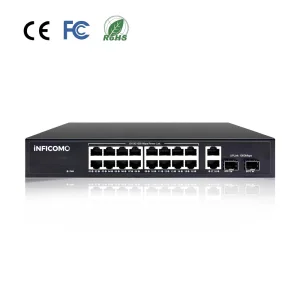
Interference Resistance 16 Port PoE Switch with 2 Gigabit SFP Uplink Ports OEM Gigabit 1000Mbps PoE Switch

View Specifications
1GE 1 SC Port XPON ONU

1GE 1 SC Port XPON ONU for FTTH Support WEB Management Fiber Optic Equipment

View Specifications
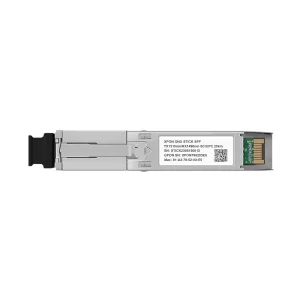
Always Connected XPON ONU Stick

Always Connected XPON ONU Stick FTTH 1.25G/2.5G 1310nm 20km DDM SC Connector with MAC(Inside) XPON GPON EPON ONU Stick

View Specifications
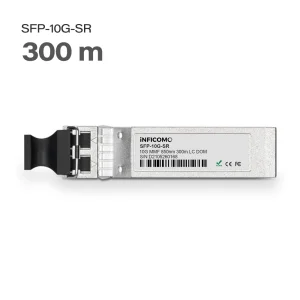
SFP-10G-SR

SFP-10G-SR 10GBASE-SR 850nm 300M OM3 LC 10G SR Optical Transceiver Module SFP-10G-SR-S

View Specifications
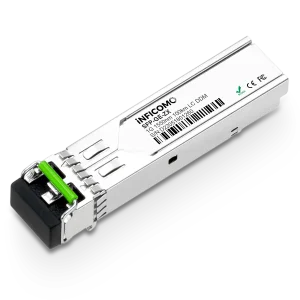
Fiber Optic 1.25G SFP

Fiber Optic 1.25G SFP Dual Fiber LC DDM 1550nm 100Km Optical Transceiver SFP Module

View Specifications
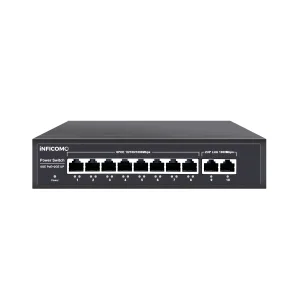
8 Port Gigabit PoE Switch

Volume Discounts 8 Port Full Gigabit PoE Switch 2 Uplink Ethernet 120W Power PoE Unmanaged Switch

View Specifications
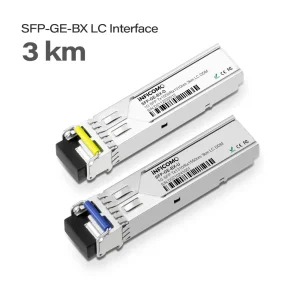
1.25G SFP BIDI

Fully-compatible 1.25G SFP BIDI 1310nm/1550nm 3km LC DDM Simplex Fiber Optic Transceivers Module

View Specifications