Explore our top-tier telecommunications components engineered for low-attenuation transmission, intelligent edge routing, and seamless deployment.
As global data demands surge due to hyperscale cloud data centers, 5G NR deployments, and regional FTTH (Fiber to the Home) rollouts, the physical Layer 1 infrastructure remains the foundational backbone of global communications. At the absolute core of this structural architecture is the optical fiber fusion splicer. The precision of aligning glass fibers core-to-core determines the signal attenuation, total return loss, and physical integrity of long-haul, metro, and local access links.
Historically, fiber joining relied on mechanical splices or rudimentary clad alignment tools. Today, the demands of high-capacity transmission, such as 400G and 800G optical channels operating over DWDM (Dense Wavelength Division Multiplexing), leave virtually zero margin for error. A nominal splicing loss exceeding 0.02dB can critically degrade high-speed link budgets. Therefore, choosing the correct fiber alignment hardware, passive network components, and switching apparatuses defines the long-term reliability and operational expenses (OPEX) of modern telecommunications networks.
Integrated optical infrastructure demands a holistic design where fusion splicers, optical transceivers, active network switches, and passive terminal units work in harmony. At Shenzhen Soras Technology Co., Ltd. (Soraslink), we develop solutions engineered specifically for high-capacity applications:
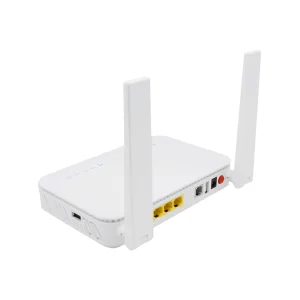
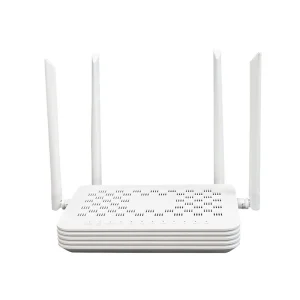
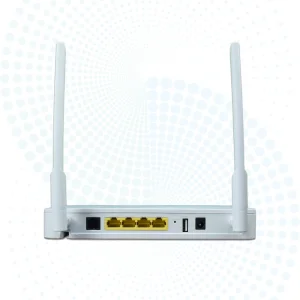
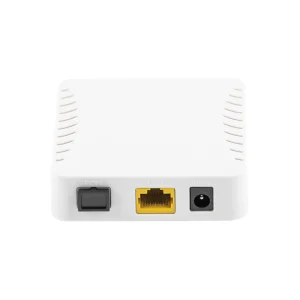
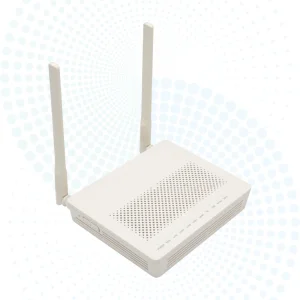
Enabling carriers to execute massive FTTx networks with robust XPON ONUs and high-precision core-alignment fusion splicers. This optimizes subscriber activation metrics and reduces fiber drop failure rates.
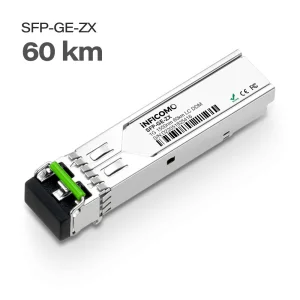
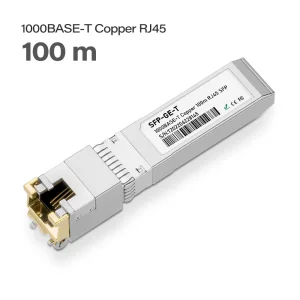
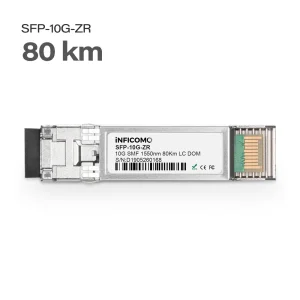
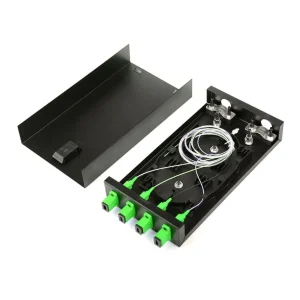
High-density optical transceivers (10G SFP+ to multi-gigabit modules) combined with fast-assembly termination boxes to handle complex routing matrices while maintaining minimal thermal output.
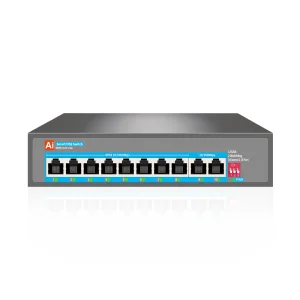
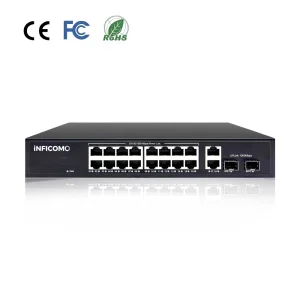
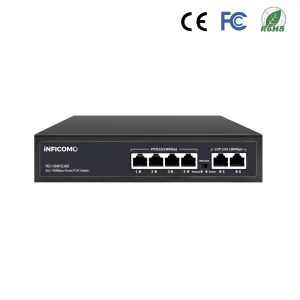
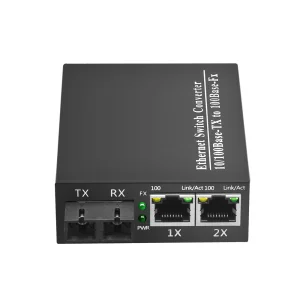
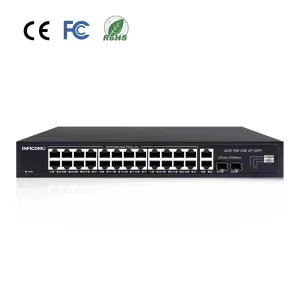
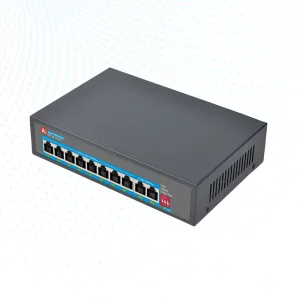
Providing wide-temperature PoE switches and ruggedized media converters that guarantee non-stop performance for remote IP cameras and wireless Access Points in harsh, outdoor settings.
Founded in 2021 as a specialized engineering firm in Guangdong, China, Shenzhen Soras Technology Co., Ltd. (Soraslink) has scaled to become a prominent manufacturer of optical transmission and network terminal products. We maintain a lean, highly efficient facility with 11-50 skilled personnel, pulling in an annual revenue of US$5 Million to US$10 Million. We service a diverse customer base, sending 24% of our production to domestic deployment networks, 15% to East Asian regional infrastructure, 15% to North America, and a substantial volume directly to European FTTH expansion schemes.
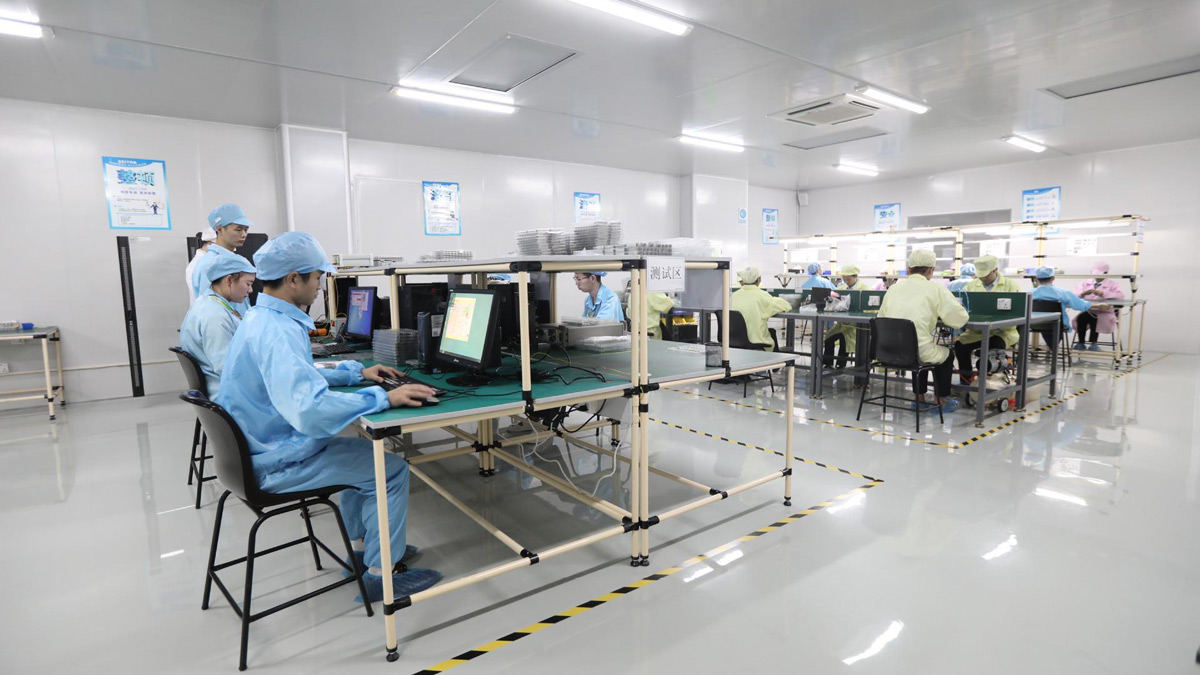
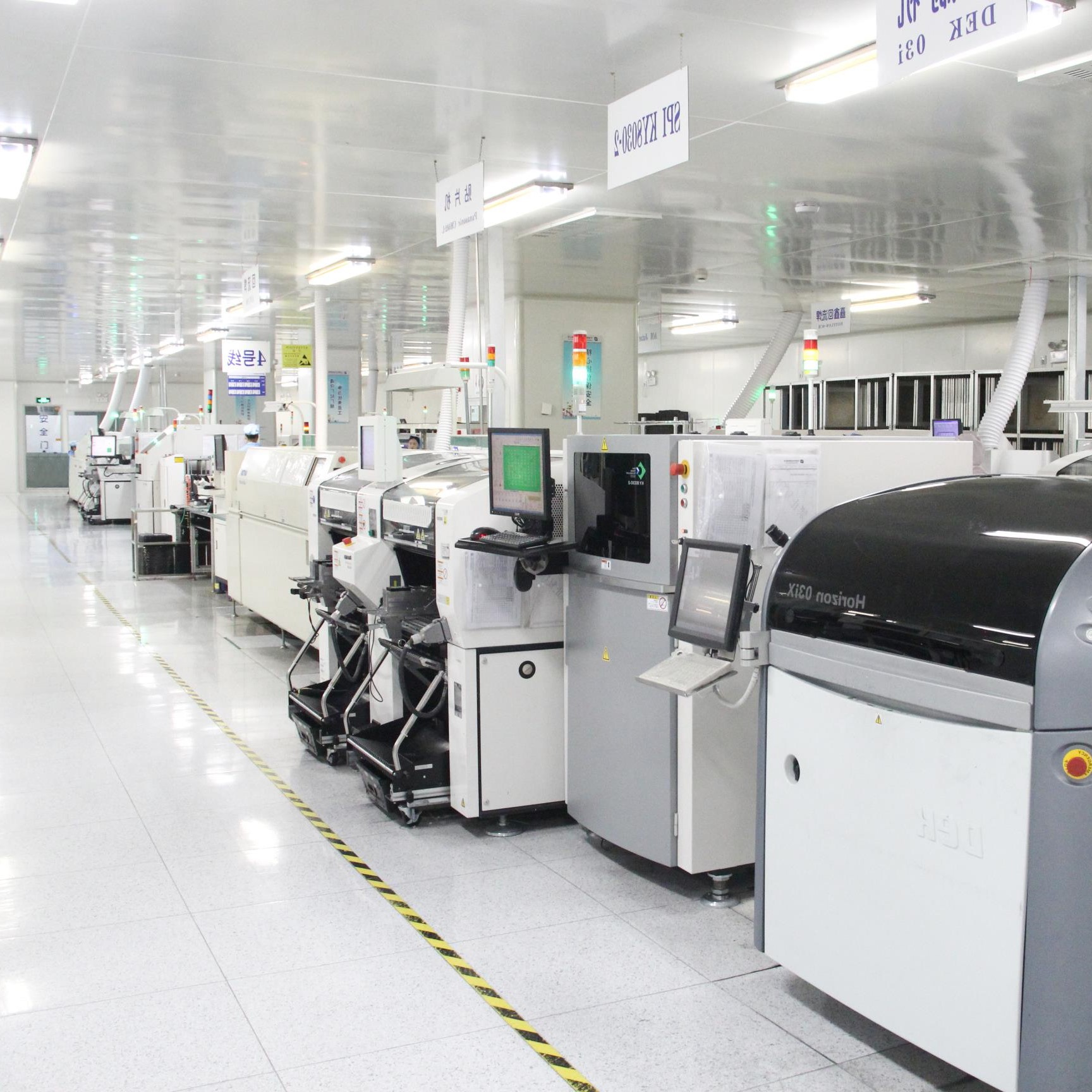
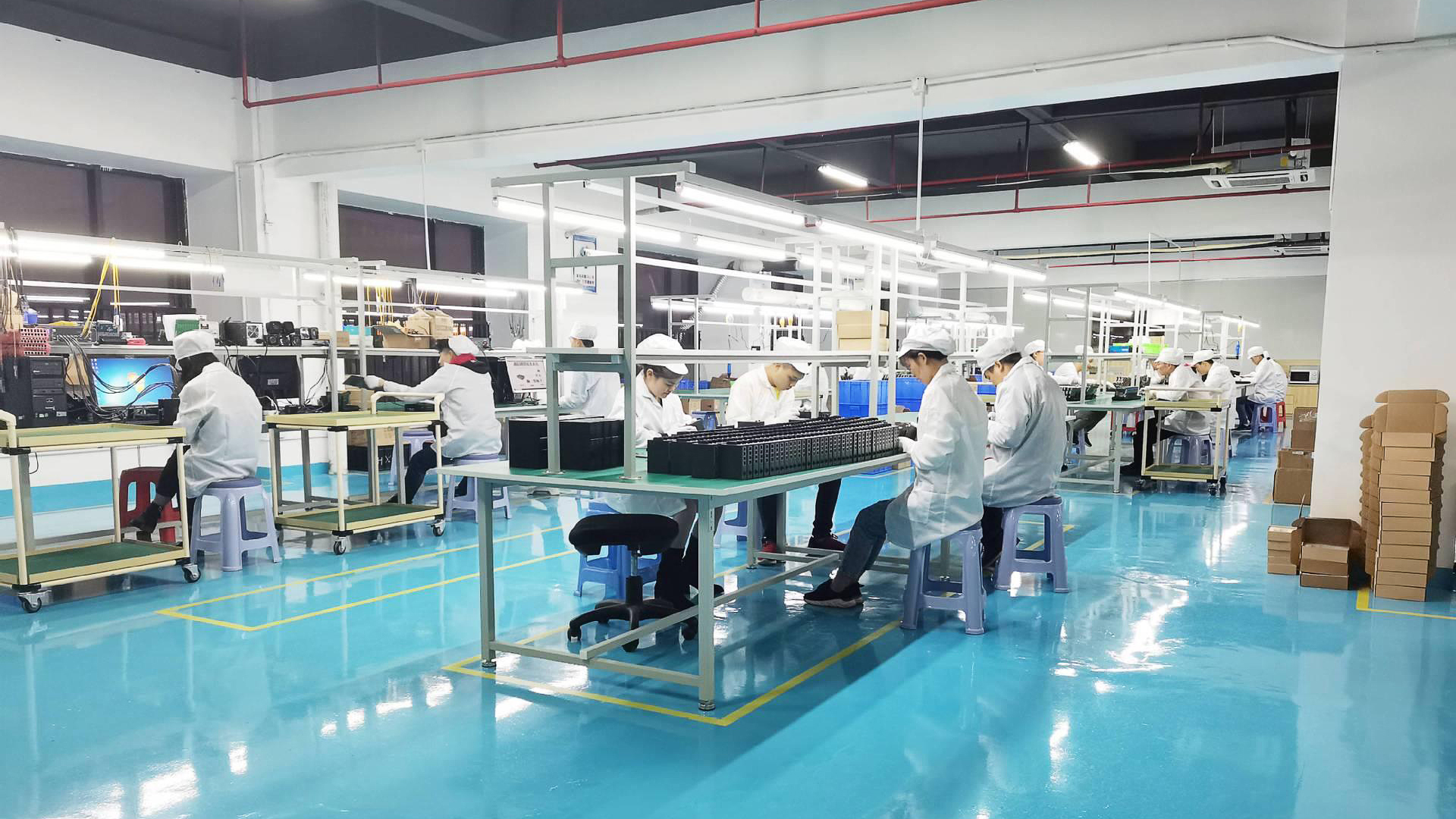
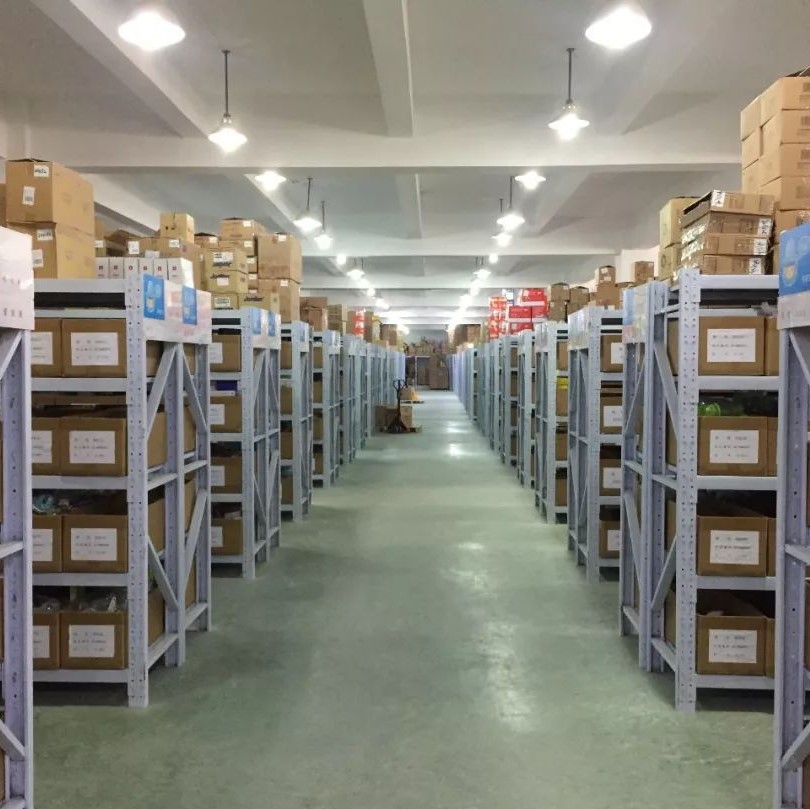
Soraslink operates state-of-the-art production environments, featuring dedicated Surface Mount Technology (SMT) lines, assembly arrays, quality assurance blocks, and secure warehousing. All designs adhere to stringent international standards, holding ISO 9001, UL, CE, FCC, and RoHS certifications. Below is our key company operational breakdown:
| Business Parameters | Details & Capacities | Geographical Distribution | Market Breakdown |
|---|---|---|---|
| Business Type | Manufacturer, OEM/ODM Provider | Country / Region | Guangdong, China |
| Main Products | FTTH ONU & OLT, SFP Transceivers, PoE Switches, Fusion Splicers, Media Converters | Established Year | 2021 |
| Total Employees | 11 - 50 People (R&D-heavy) | Annual Revenue | US$5 Million - US$10 Million |
| Major Exports | Europe, North America, South America, East Asia | Certificates | ISO 9001, CE, FCC, RoHS, UL |
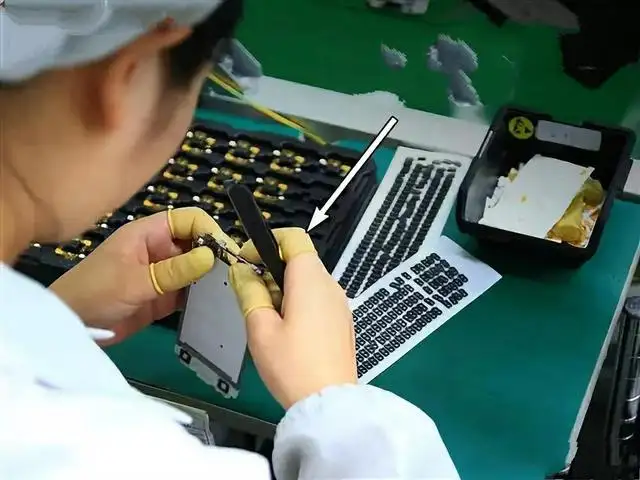
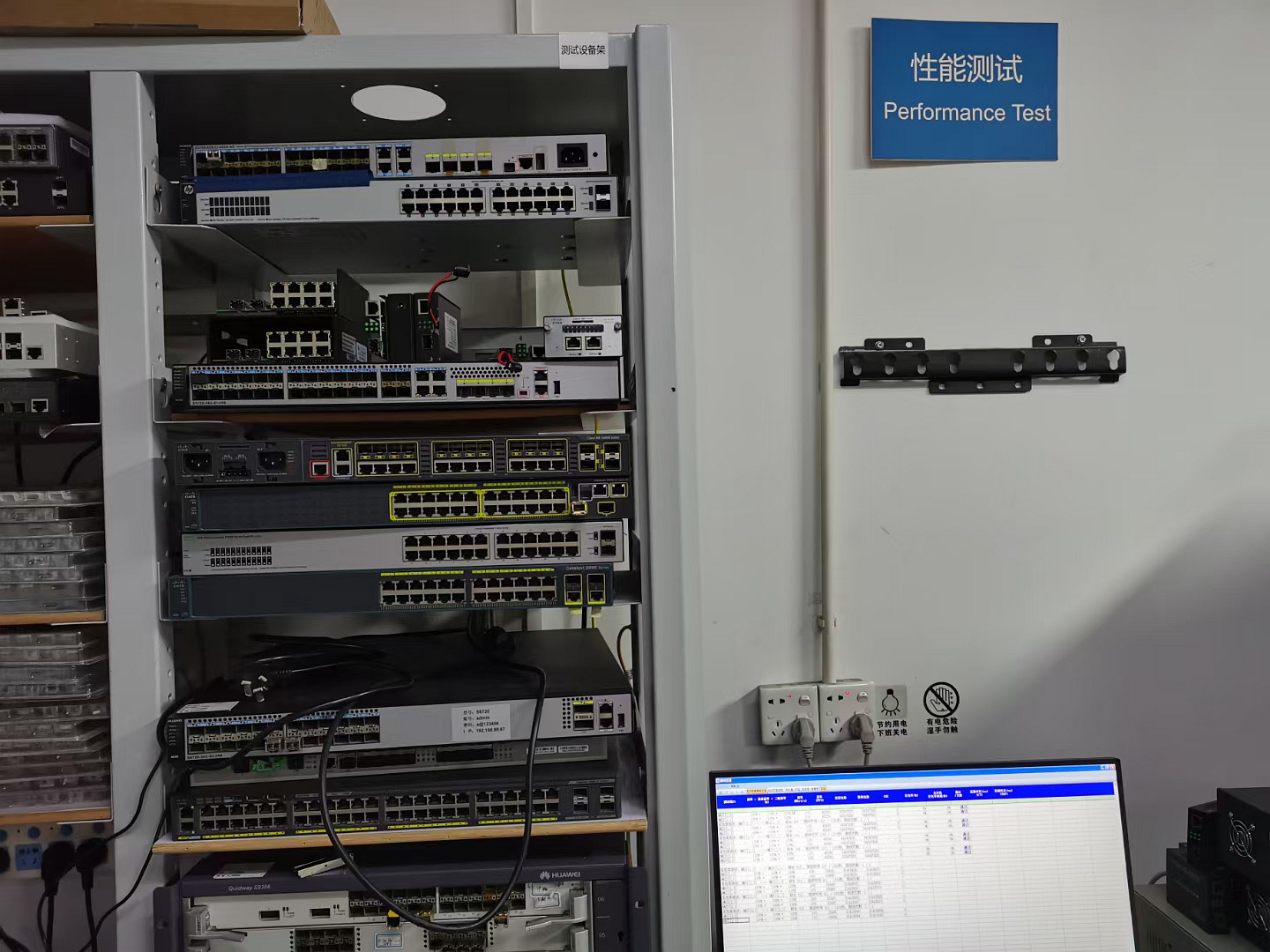
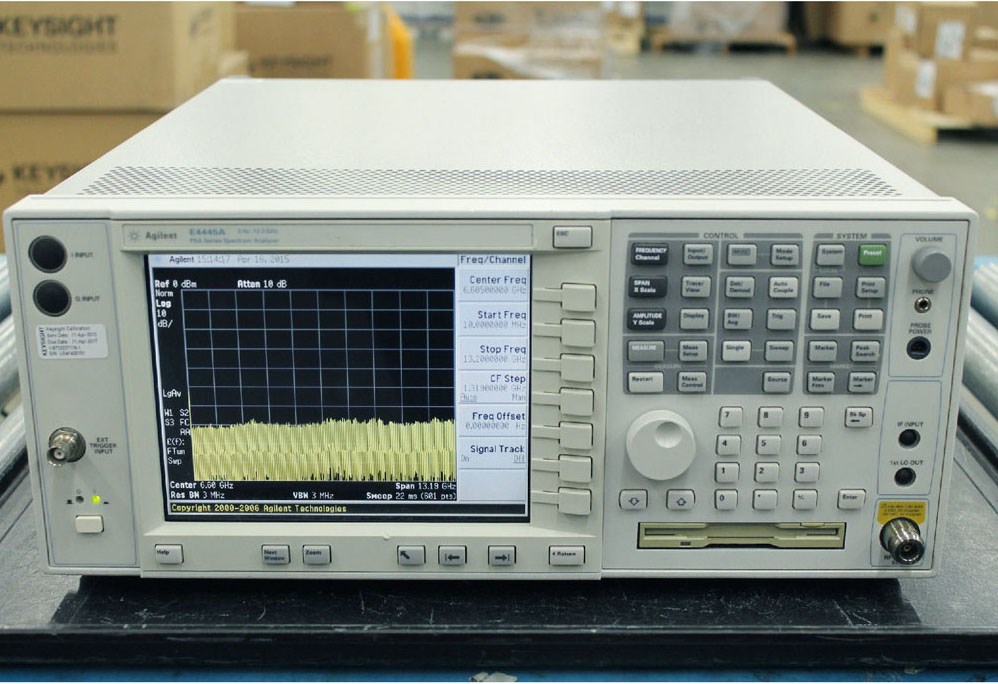
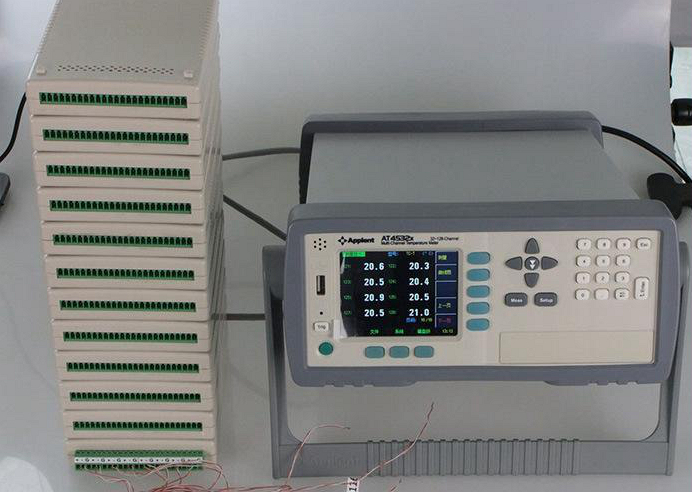
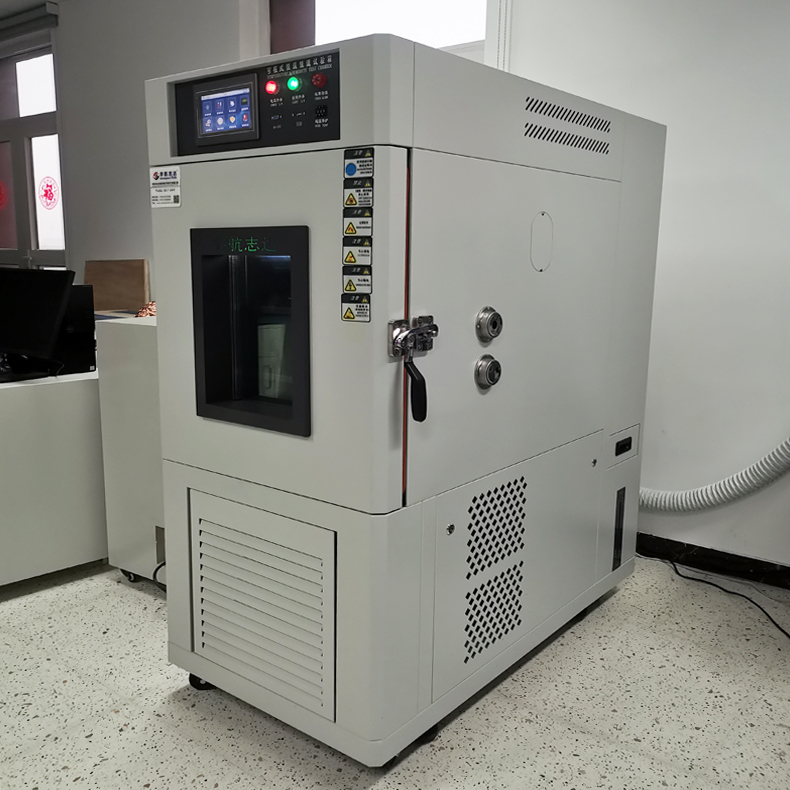
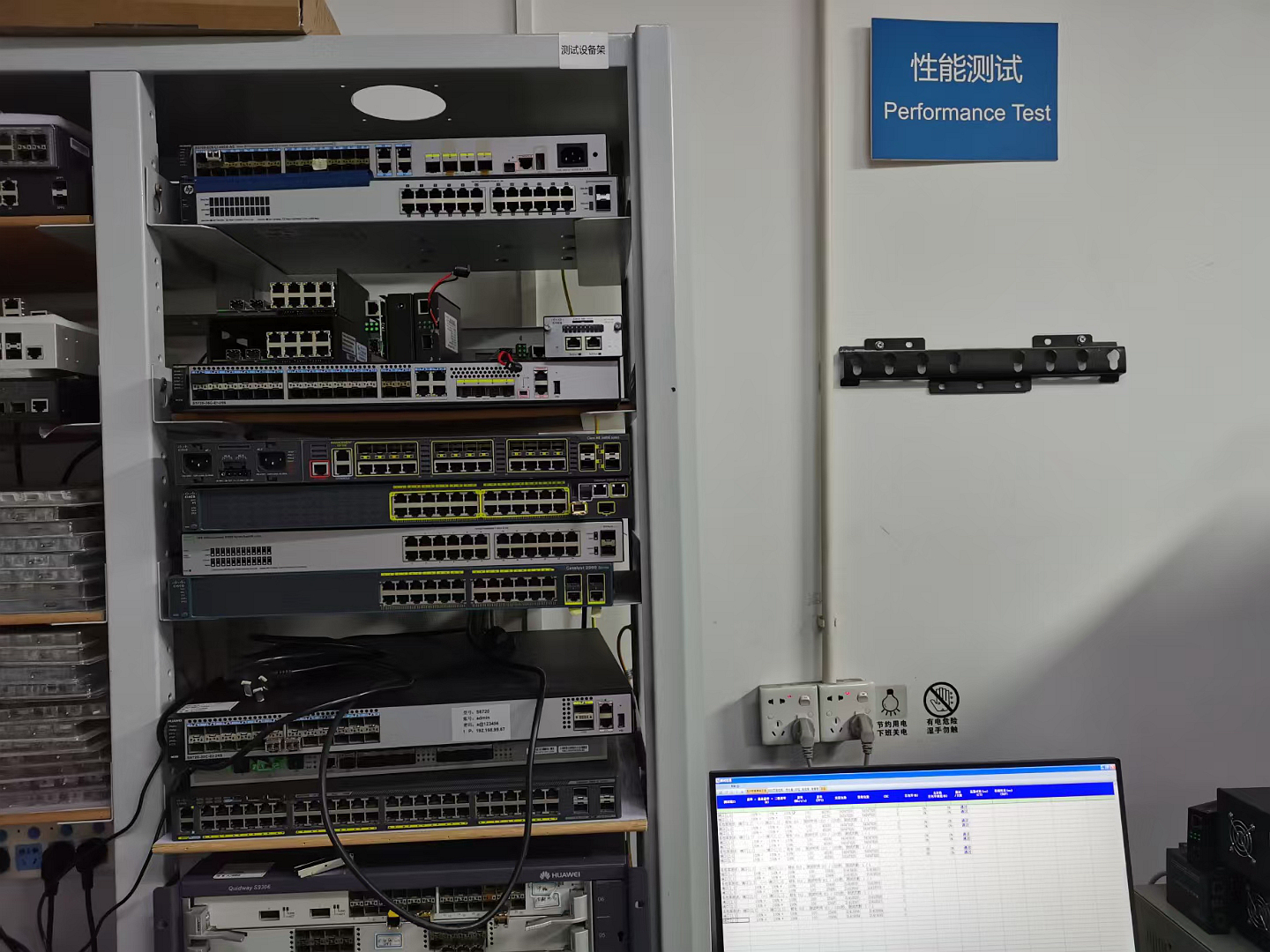
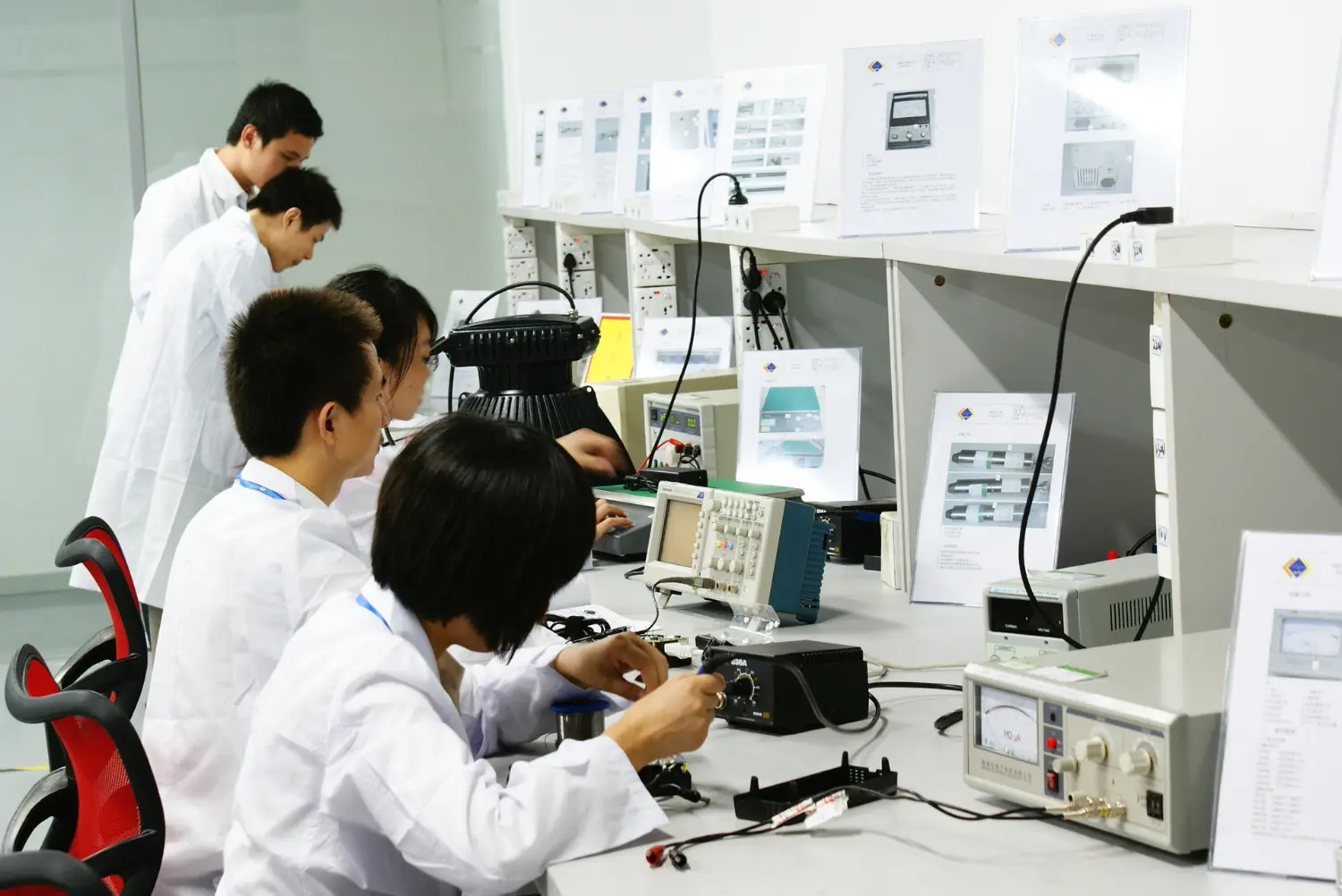
Our commitment to rigorous engineering is validated by our physical testing protocols. Every unit produced passes through several dedicated testing stations to assure absolute performance integrity:


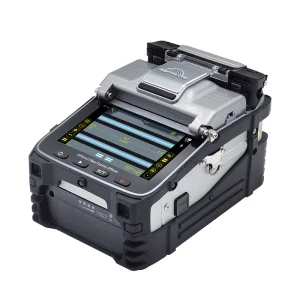
The performance of a fusion splicer is dictated by its core sub-systems. High-end systems, such as the AI-7C FTTH Fiber Fusion Splicer, rely on a six-motor core alignment mechanism. While basic tools use V-groove clad alignment (positioning the external cladding of the fibers), a six-motor design dynamically aligns the internal core of the optical fibers using advanced digital imaging sensors and auto-focus algorithms. This micro-precision adjustment prevents splicing errors arising from fiber eccentricity (where the core is slightly off-center within the cladding).
Our splicer technologies operate across a wide wavelength spectrum (1260nm to 1650nm), ensuring compatibility with Singlemode (G.652, G.657, G.655) and Multimode (G.651) optical fibers. Key structural attributes include:
Importing optical transmission and terminal equipment requires absolute compliance with national electrical and communications standards. Different markets demand specific certifications to ensure that switches, converters, and splicers do not emit harmful electromagnetic interference (EMI) or fail under local electrical conditions:
To support this global distribution network, Soraslink partners with localized distribution hubs and certified service facilities. This structure ensures our clients receive immediate technical support, field-level calibration, and fast warranty processing, reducing downtime to a minimum.
The optical networking industry is shifting toward Space Division Multiplexing (SDM) via multi-core and hollow-core fibers to overcome the physical capacity limit of standard single-core silicon fibers. Handling these ultra-dense multi-core configurations requires fusion splicers equipped with complex angular cameras and advanced rotation motors to align each individual core simultaneously before arc discharge.
Simultaneously, active network endpoints are adopting artificial intelligence. Modern PoE switches and ONU devices incorporate smart watchdog technologies to monitor real-time frame rates and port statuses. If an endpoint device (like an IP camera or AP) experiences a firmware lock or packet loss anomaly, the switch detects the event and automatically power-cycles the corresponding PoE port, reducing manual maintenance visits.
Deploy robust terminal points, transceivers, and managed switching solutions to future-proof your optical networks.
 Soras Tech