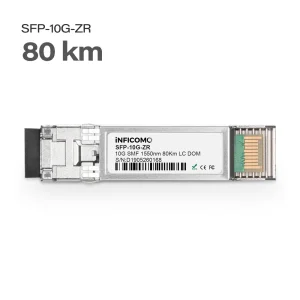
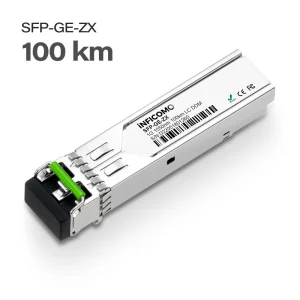
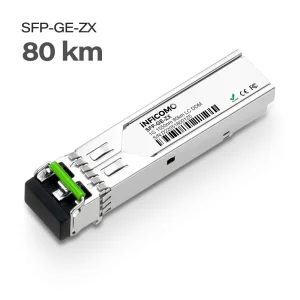
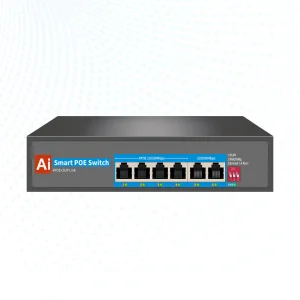
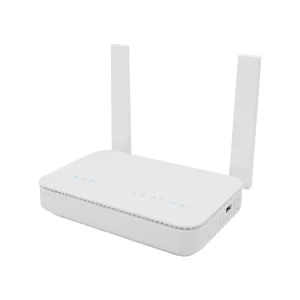
Integrate certified active hardware directly within standard EIA-310-E server cabinets for optimized low-latency enterprise and FTTH topologies.
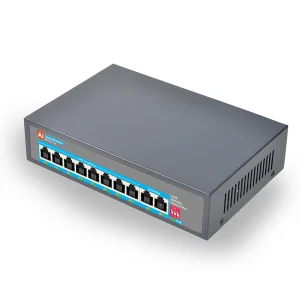
Current industrial stats driving high-density thermal management and physical infrastructure requirements.
As organizations transition to high-density server configurations driven by AI, cloud computing, and machine learning, network racks and server enclosures have evolved from simple metallic containment boxes into highly engineered subsystems. A modern server rack must maintain optimal thermal profiles, support dynamic structural loads, guarantee grounding integrity, and interface with sophisticated active network modules.
Global procurement teams must evaluate manufacturers based on strict multi-regional criteria, which are outlined below:
Understanding the key strengths and technical alignments of major global fabricators is essential for making informed infrastructure investments. Below is a detailed breakdown of the top 10 industry leaders:
Widely regarded as the industry standard-bearer for enterprise data centers. Their flagship NetShelter SX and VX cabinet enclosures excel in high-density power and cable management. They are designed to seamlessly integrate with APC's proprietary row-based cooling systems and intelligent rack PDUs.
Eaton offers robust network infrastructure solutions following its strategic acquisition of Tripp Lite. They specialize in high-capacity SmartRack enclosures and wall-mount brackets for edge nodes. Their systems are highly valued by remote facility administrators for their ease of assembly and cost-efficiency.
Vertiv specializes in mission-critical applications. Their Liebert and Knürr cabinet ranges provide advanced liquid-cooling manifolds and built-in environmental sensor arrays. This makes them ideal for high-performance computing (HPC) nodes and telecom switching centers.
A German engineering powerhouse famous for its modular TS IT platform. Rittal utilizes a unique profile frame structure that maximizes interior space while maintaining high rigidity. They are the go-to provider for industrial environments requiring high NEMA/IP ingress protection ratings.
Legrand designs systems focused on structural flexibility and optical fiber routing. Their cabinets are built to support massive cabling networks, using custom-designed overhead cable paths and vertical organizers that protect single-mode and multi-mode patch cords from micro-bending loss.
CPI is renowned for custom design flexibility. The TeraFrame and Global Frame platforms feature high structural strength and specialized airflow management systems, allowing for customizable rack structures tailored to specific data center thermal footprints.
Panduit is synonymous with structured cabling leadership. Their Net-Access server and network cabinets integrate deep cable routing systems directly into the frame. This configuration allows technicians to deploy high-density fiber patch bays without reducing useful vertical mounting space (U-space).
A major global supplier of infrastructure and connectivity products. Black Box offers premium acoustic cabinets, climate-controlled enclosures for harsh environments, and standard data center frames. These products are popular for remote branch offices and edge distribution hubs.
Belden focuses on end-to-end signal transmission. Their racks are designed to maximize signal integrity for copper and fiber optics, combining structural chassis elements with advanced grounding bars, patch panels, and optical distribution frames (ODFs).
Soras Technology stands out for its system-level integration of passive server frames with active transmission components. By combining custom rack fabrication with active PoE hardware, optical modules, and optical distribution systems, they provide high-value, optimized turnkey physical layer solutions.
A classic bottleneck in data center rollouts is the disconnect between passive rack architecture (structural load, airflow direction, routing capacity) and the requirements of active networking hardware (optical transceivers, switches, ONUs, media converters). A failure to optimize this interface can lead to hot spots, cable strain, and packet loss.
Modern high-density servers draw air from the front cold aisle and exhaust it out the rear hot aisle. Racks must maintain a seal to prevent hot exhaust air from recirculating to the front. To prevent this recirculating flow, systems must use blanking panels in unused U-spaces and brush-strip cable pass-throughs. Additionally, front and rear doors must support at least an 80% open perforation pattern to ensure unimpeded airflow.
High-speed optical fiber links (such as 10G SFP+ transceivers and 40G QSFP modules) are highly sensitive to macro-bending losses. If a patch cord is bent past its minimum rating, light escapes the core, causing transmission errors. Server racks must include dedicated vertical cable channels with built-in bend radius controllers. These channels protect fiber jumpers routing from patch panels to active media converters or XPON ONT routers.
Established as an industry leader in optical and active network transmission components, Shenzhen Soras Technology Co., Ltd. (Soraslink) has over 10 years of design and manufacturing experience. Based in Guangdong, China, Soras Technology bridges the gap between passive rack assemblies and active networking hardware.
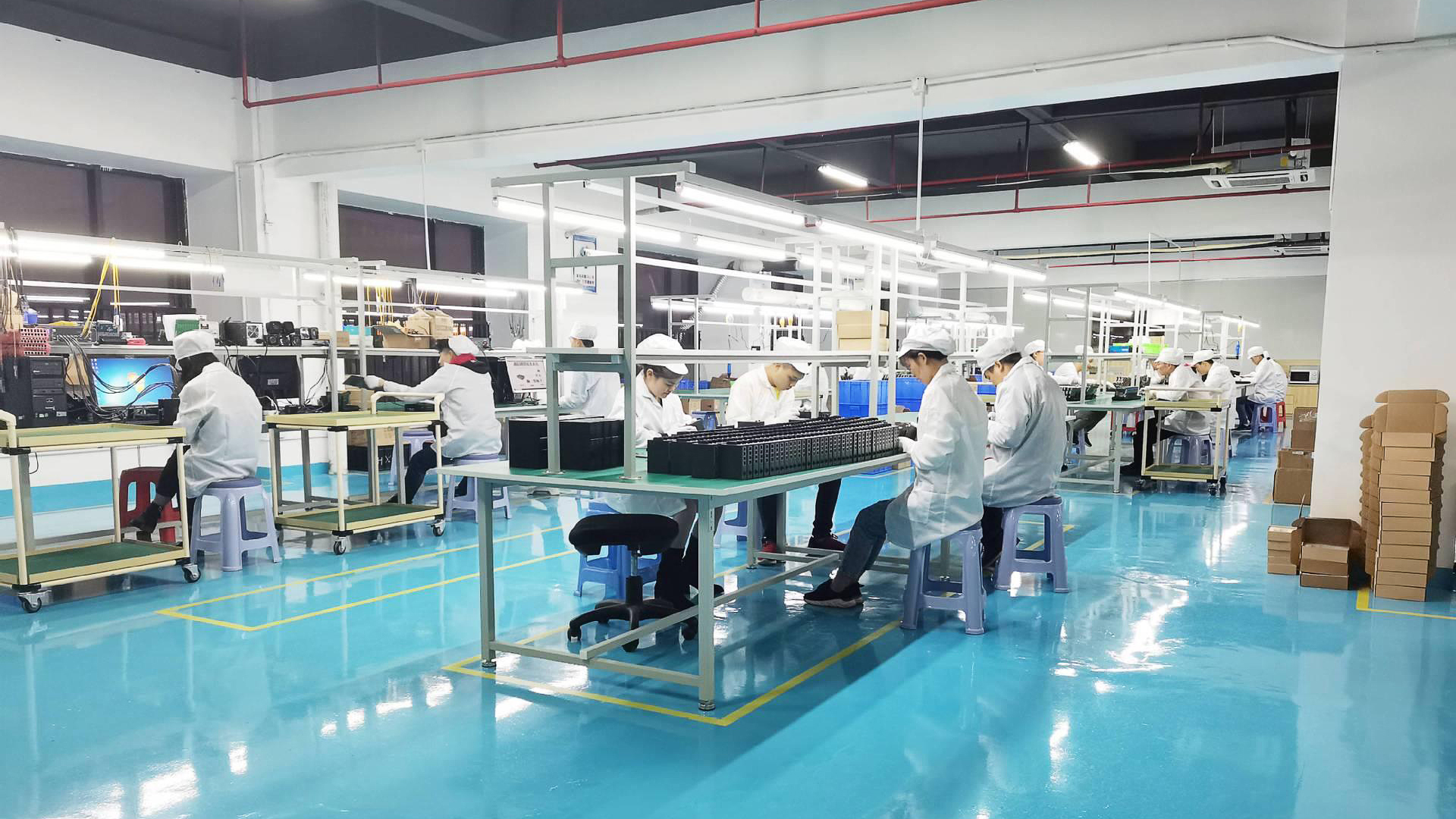
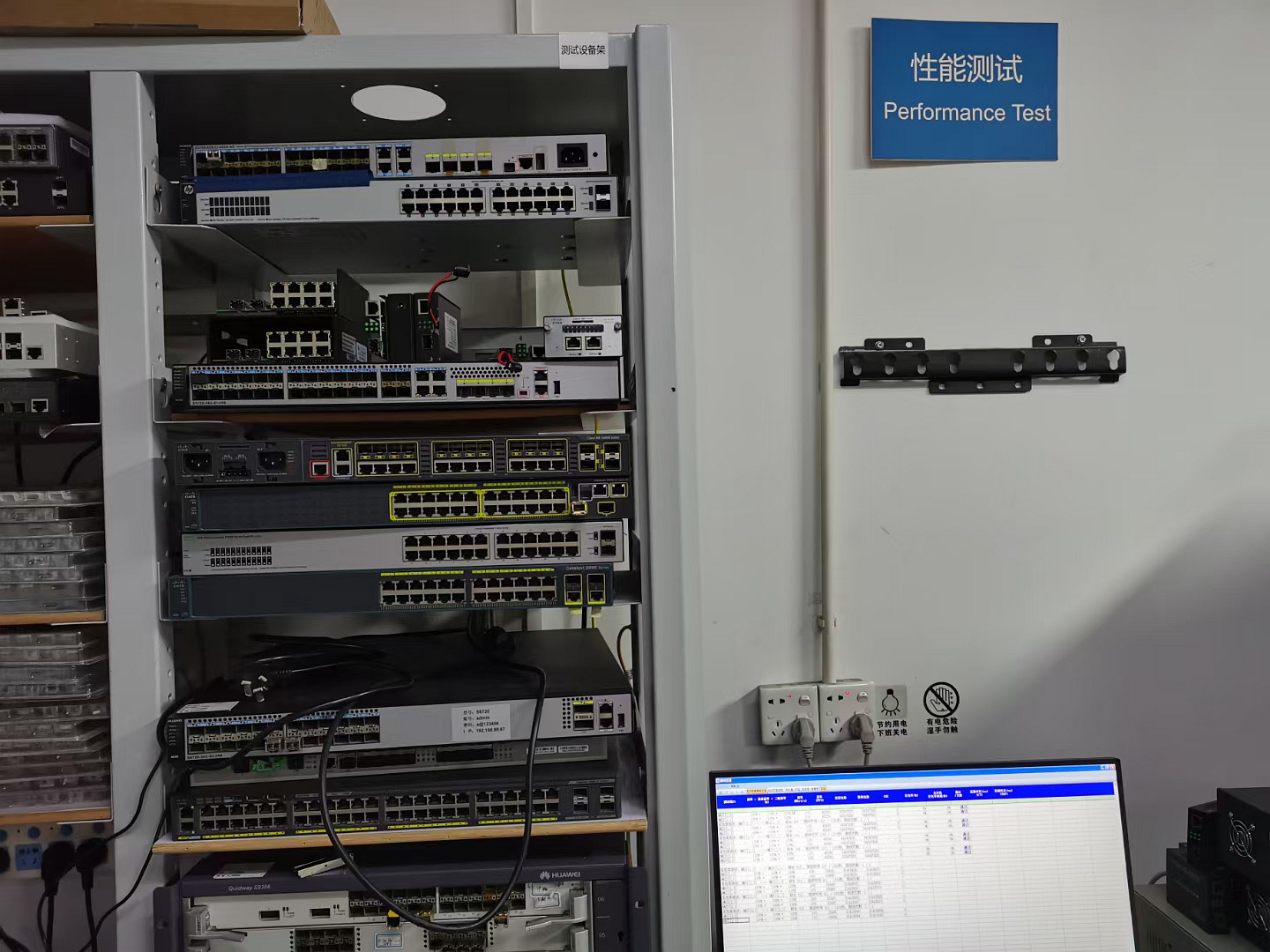
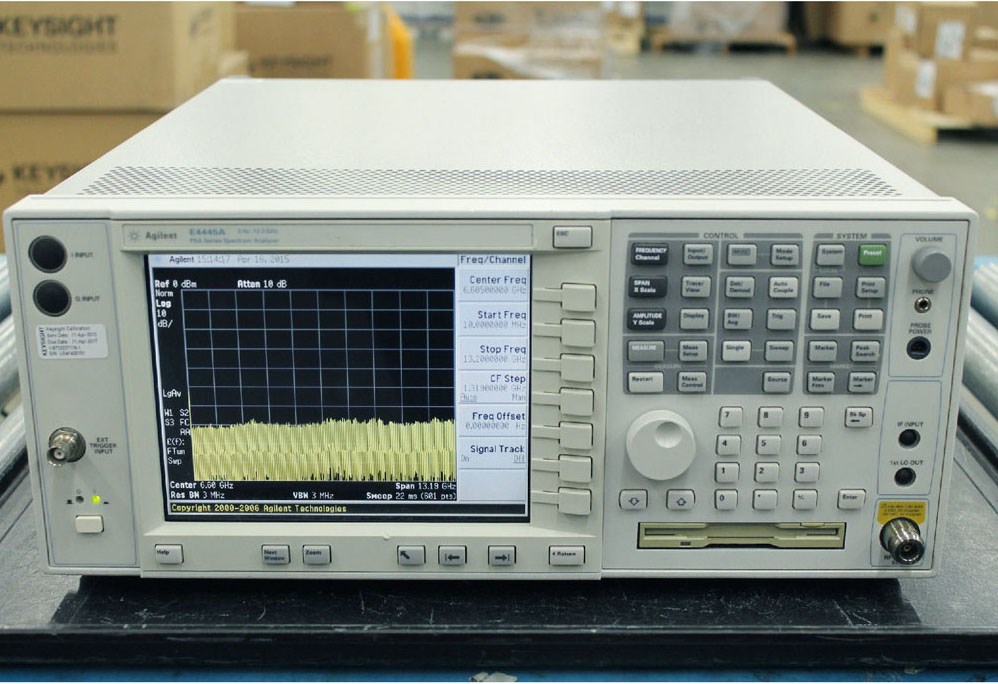
Soras Technology maintains an active manufacturing facility using high-precision SMT (Surface Mount Technology) assembly systems, multi-stage quality control, and strict functional validation systems. The company's processes are audited to meet international quality, safety, and environmental standards, including ISO 9001, UL, CE, FCC, and RoHS certifications.
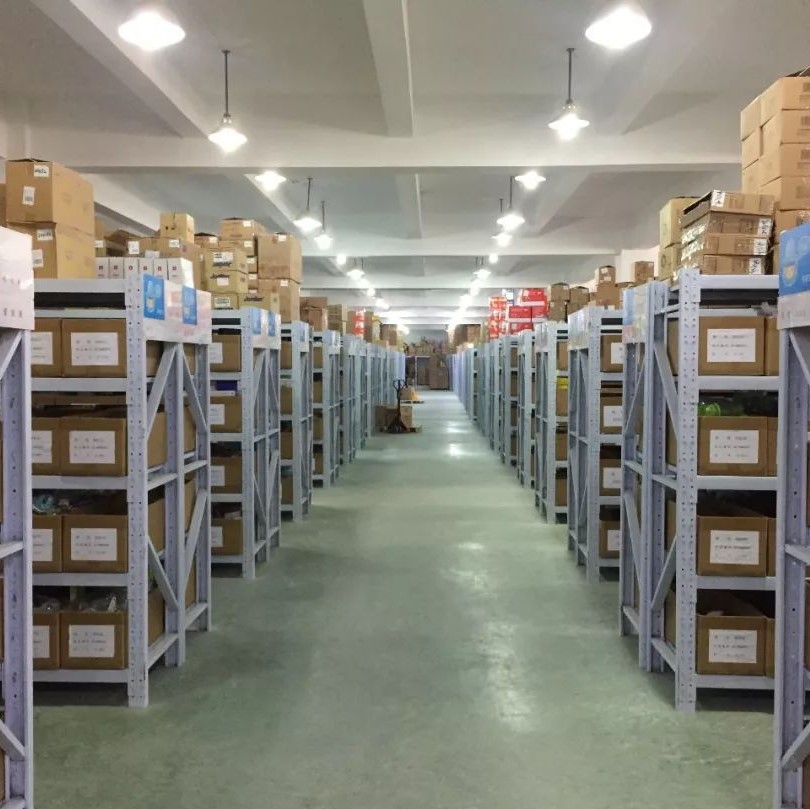
A visual look inside our quality-controlled manufacturing lines, component testing, and warehousing infrastructure.
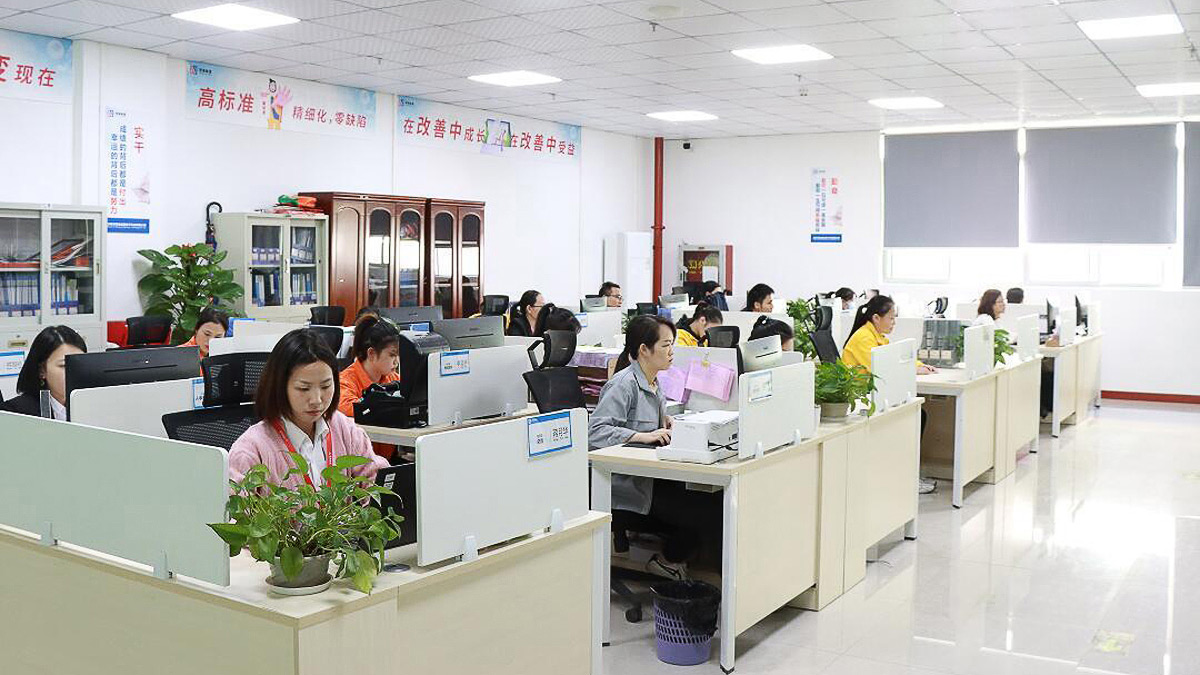
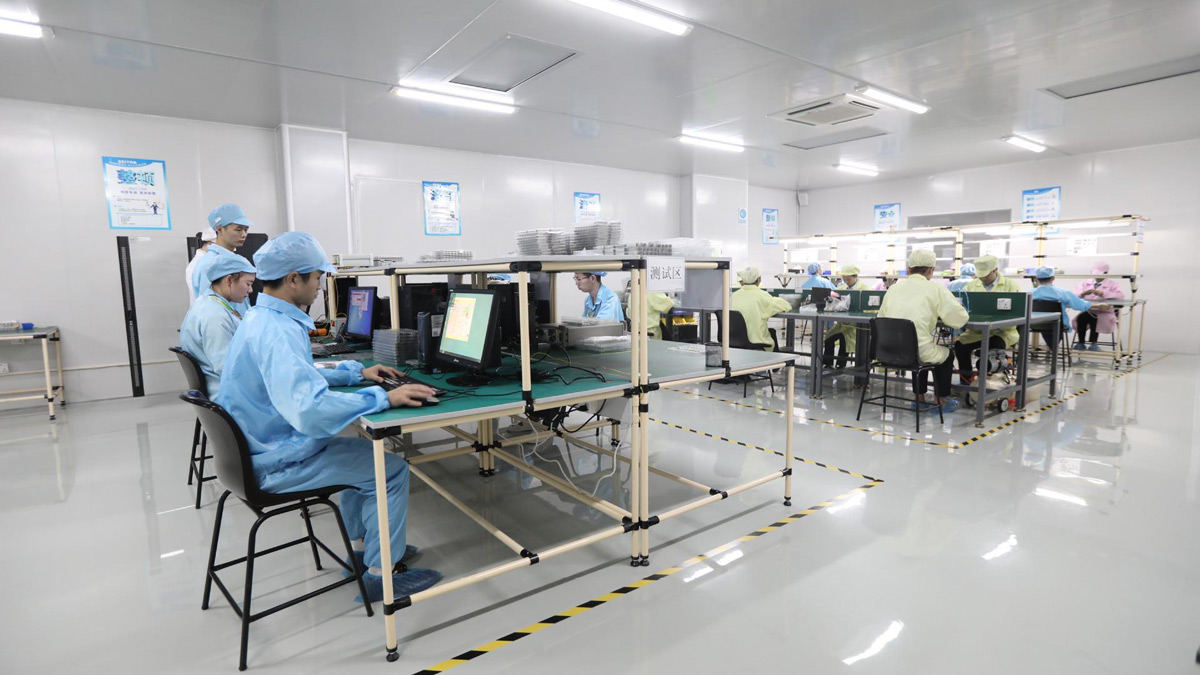
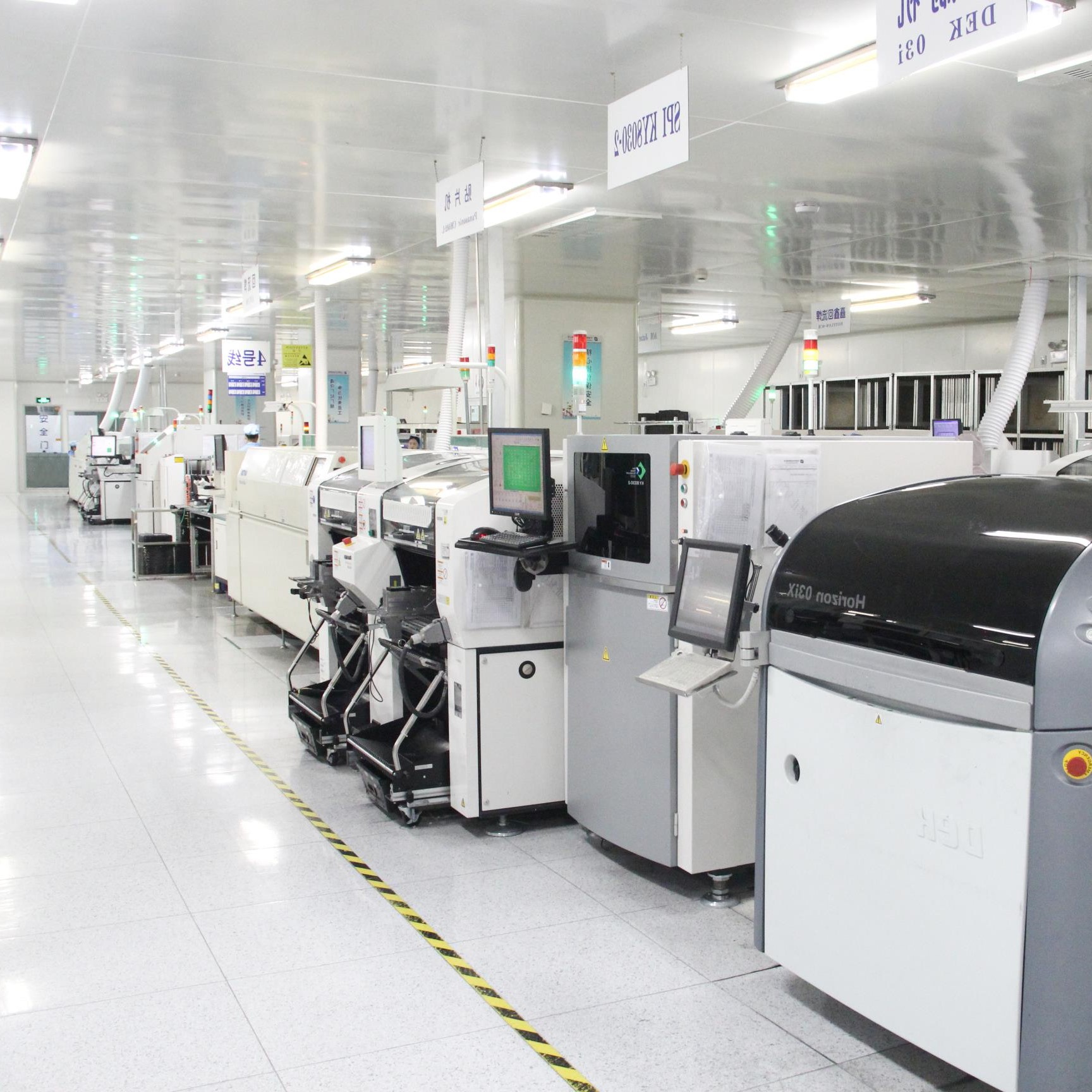
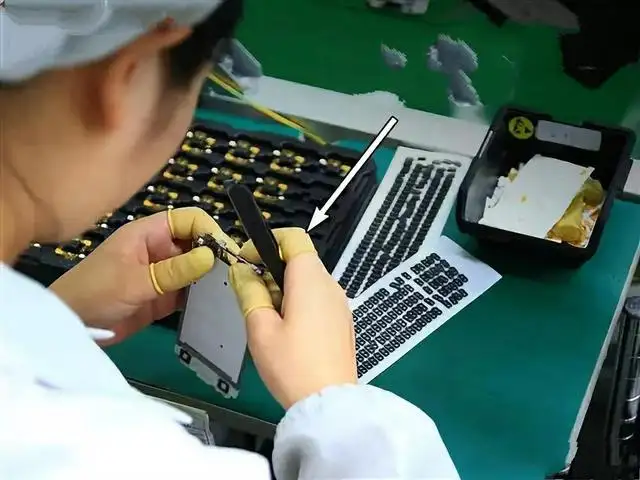
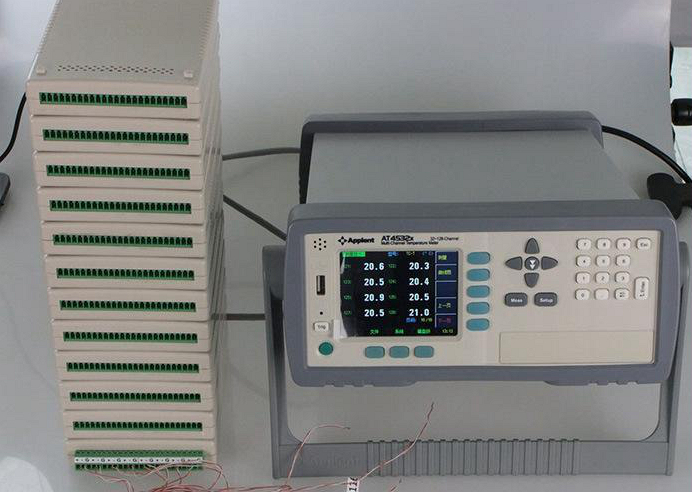
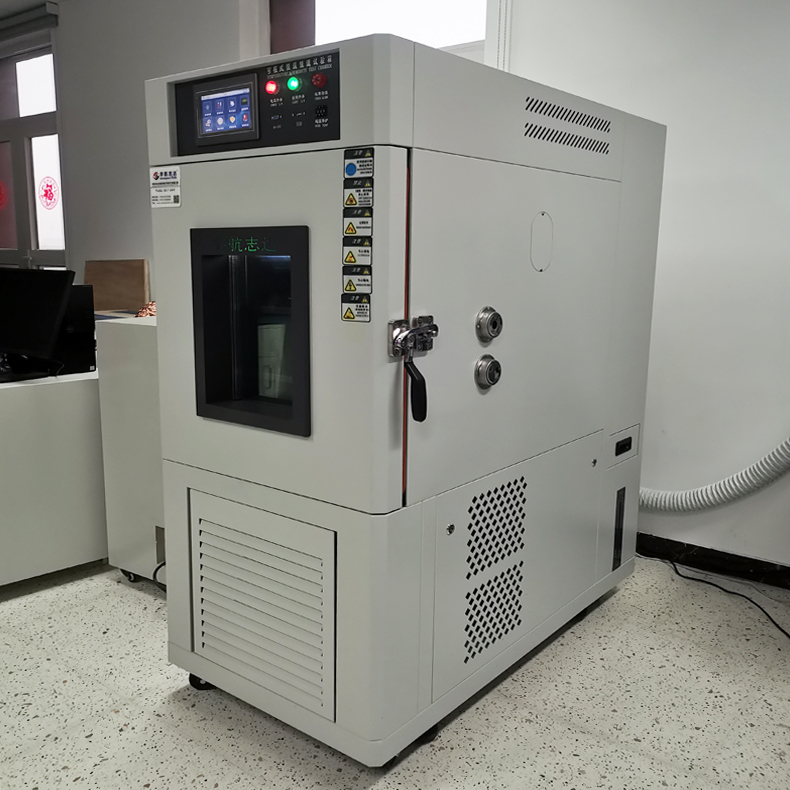
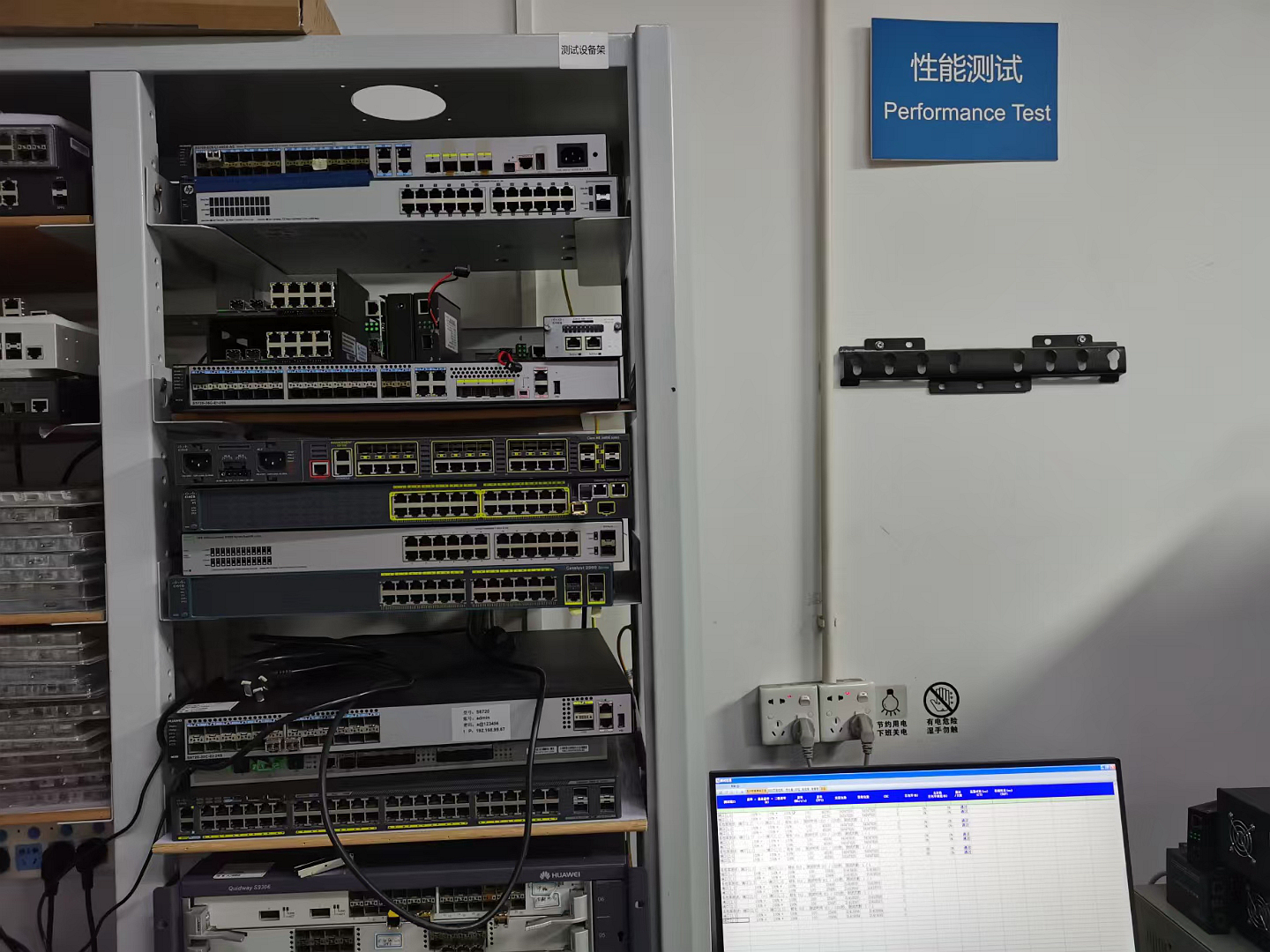
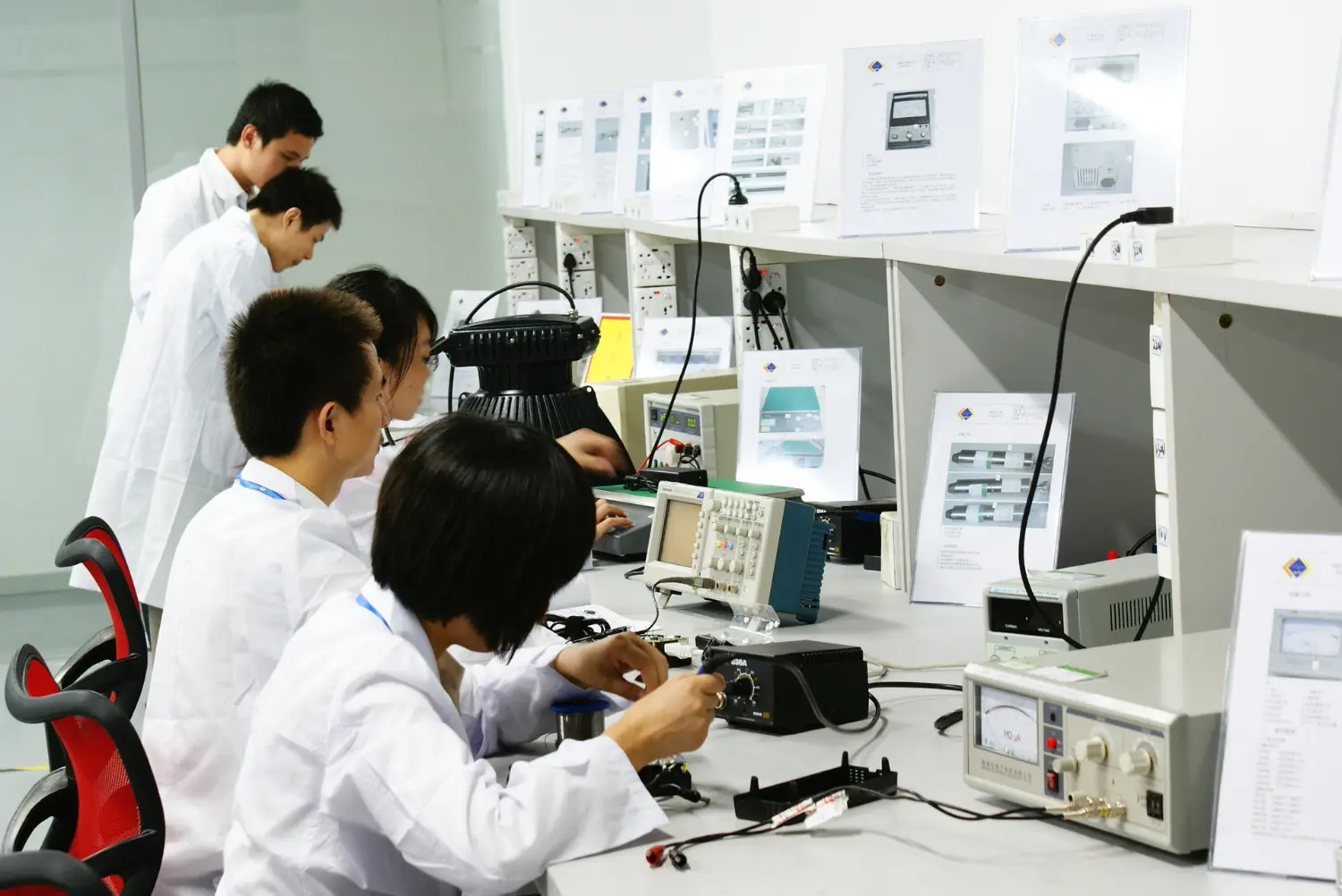
| Business Parameters | Specification Details & Corporate Profile | Geographic & Operational Profiles | Details |
|---|---|---|---|
| Business Type | ODM / OEM Manufacturer | Country / Region | Guangdong, China |
| Main Product Lines | FTTH ONU & OLT, SFP Transceiver Modules, Fiber Media Converters, PoE Switches, Active Fiber Optic Components | Total Employees | 11 - 50 Skilled Personnel |
| Annual Revenue Scale | US$5 Million - US$10 Million | Year Established | 2021 (Decade-long legacy via parent team) |
| Primary Export Markets | South America, North America, Europe, Domestic Market (24%), Eastern Asia (15%) | Certificates Summary | ISO 9001, UL, CE, FCC, RoHS Compliant |
Data center topologies are undergoing significant transformations. Standard network enclosures are evolving from simple mechanical frames into active, intelligent components of the network fabric. The following technologies are driving this shift:
As processor TDP (Thermal Design Power) exceeds 400W per socket, traditional air cooling is reaching its physical limits. Racks are increasingly designed with integrated liquid manifolds. These setups plug directly into chassis cold plates or support immersion cooling fluid paths, requiring new dry-disconnect port layouts within standard server cabinets.
Enterprise deployments are shifting toward real-world monitoring at the individual rack level. Racks are now manufactured with built-in micro-controller buses that connect temperature sensors, airflow indicators, humidity gauges, and physical access locks. This integration allows automated systems to optimize cooling flow dynamically based on real-time hardware loads.
With high-speed network systems operating at lower signaling voltages, shielding equipment from electrostatic discharge (ESD) and local ground loops is critical. Racks now feature copper grounding strips pre-bonded to the frame, ensuring low-impedance electrical paths directly to the main building ground.
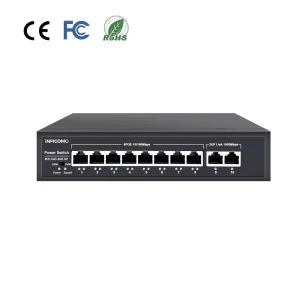
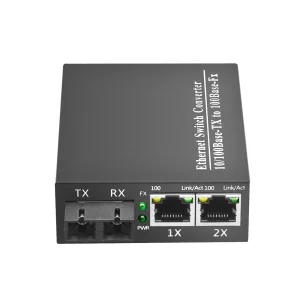
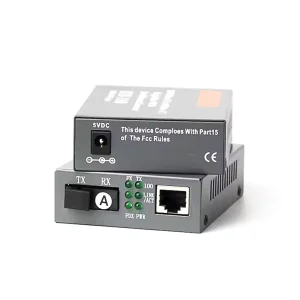
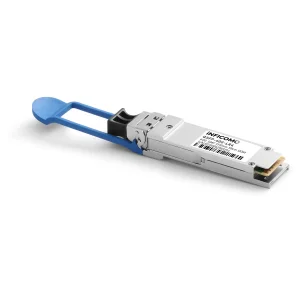
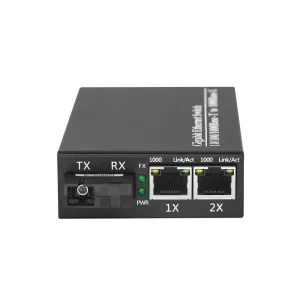
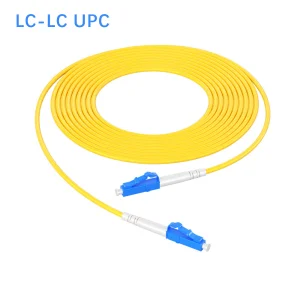
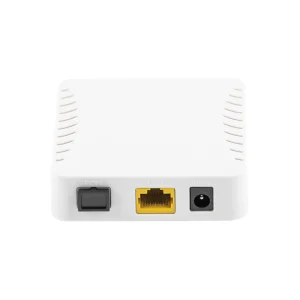
Deploy high-speed interconnect links, media converters, and ONT modules designed for immediate integration inside standard rack systems.
Detailed technical answers addressing common industry questions about network rack standards, thermal optimization, and device integration.
 Soras Tech