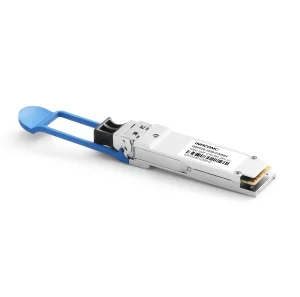
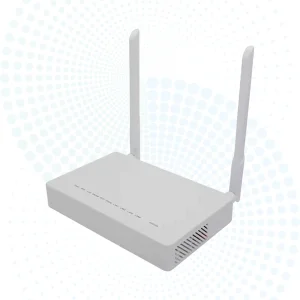
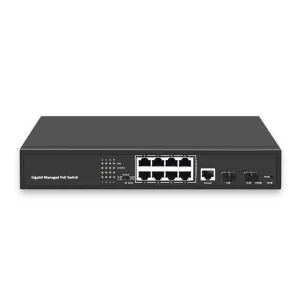
Explore our production-grade Single-Mode Fiber (SMF) transceivers, active XPON ONUs, and smart PoE switches designed for high-density architectures.
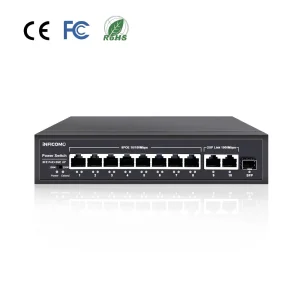
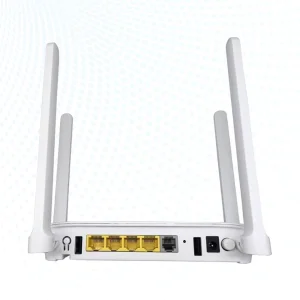
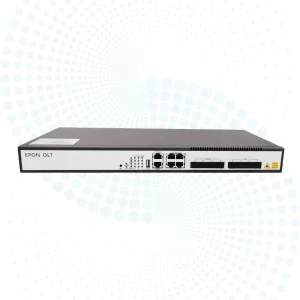
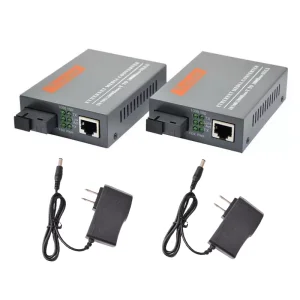
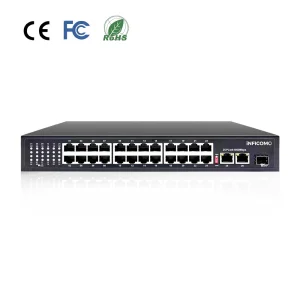
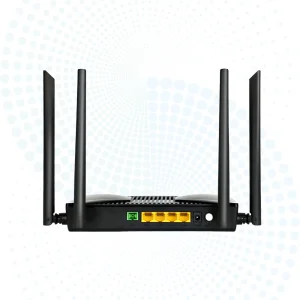
In the modern hyper-connected era, the global transmission infrastructure is undergoing a massive shift towards zero-latency, high-bandwidth networks. At the core of this transition is Single Mode Fiber (SMF) technology. Unlike multi-mode fiber, which experiences modal dispersion over long distances, Single Mode Fiber utilizes a narrow core (typically 8 to 10 micrometers) that permits only a single spatial mode of light to propagate. This fundamental physics design reduces signal attenuation and virtually eliminates modal dispersion, enabling data transmission over tens of kilometers at speeds exceeding 100 Gbps.
For telecommunication companies, internet service providers (ISPs), and data center operators, selecting the right OEM/ODM Single Mode Fiber manufacturer is a vital infrastructure decision. The precision with which these fibers are extruded, spliced, and integrated into active modules directly determines the optical budget, insertion loss profile, and long-term durability of the network. At Shenzhen Soras Technology Co., Ltd. (Soraslink), we develop products that mitigate chromatic dispersion and polarization mode dispersion (PMD) under strict quality control conditions.
Enterprise network engineers and global procurement managers face multiple pain points when purchasing fiber optic transceivers, ONT routers, and media converters:
Soraslink addresses these pain points by offering integrated design-to-delivery services under one roof. Our capability spans passive single-mode cabling matching ITU-T G.652.D or ITU-T G.657.A1/A2 specifications, active GPON/EPON ONU/OLT equipment, and smart L2 managed PoE switches. This dual approach streamlines the supply chain and guarantees optimal compatibility between active electronics and passive fiber distribution networks (ODN).
As fiber moves closer to the subscriber (FTTH/FTTx) and into cramped spaces like high-density data center racks, standard single-mode fiber (G.652.D) faces physical limitations. Bending standard fiber leads to macro-bending losses, where light escapes the core due to curvature.
To combat this, the industry has transitioned towards ITU-T G.657 bend-insensitive single-mode fiber. With a reduced core-cladding refractive index difference and trench designs that reflect lost light back into the core, G.657.A2 fibers can withstand a bending radius as low as 7.5mm with negligible attenuation. This development is crucial for indoor deployments and modern micro-cables, where space optimization is critical.
Simultaneously, the demand for high-capacity 100G QSFP28 modules (using CWDM4 or LR4 wavelengths) requires clean, stable optical pathways. Our manufacturing process ensures that optical transceivers operate within strict spectral boundaries, matching exact nanometer tolerances to avoid channel crosstalk in wavelength division multiplexing (WDM) systems.
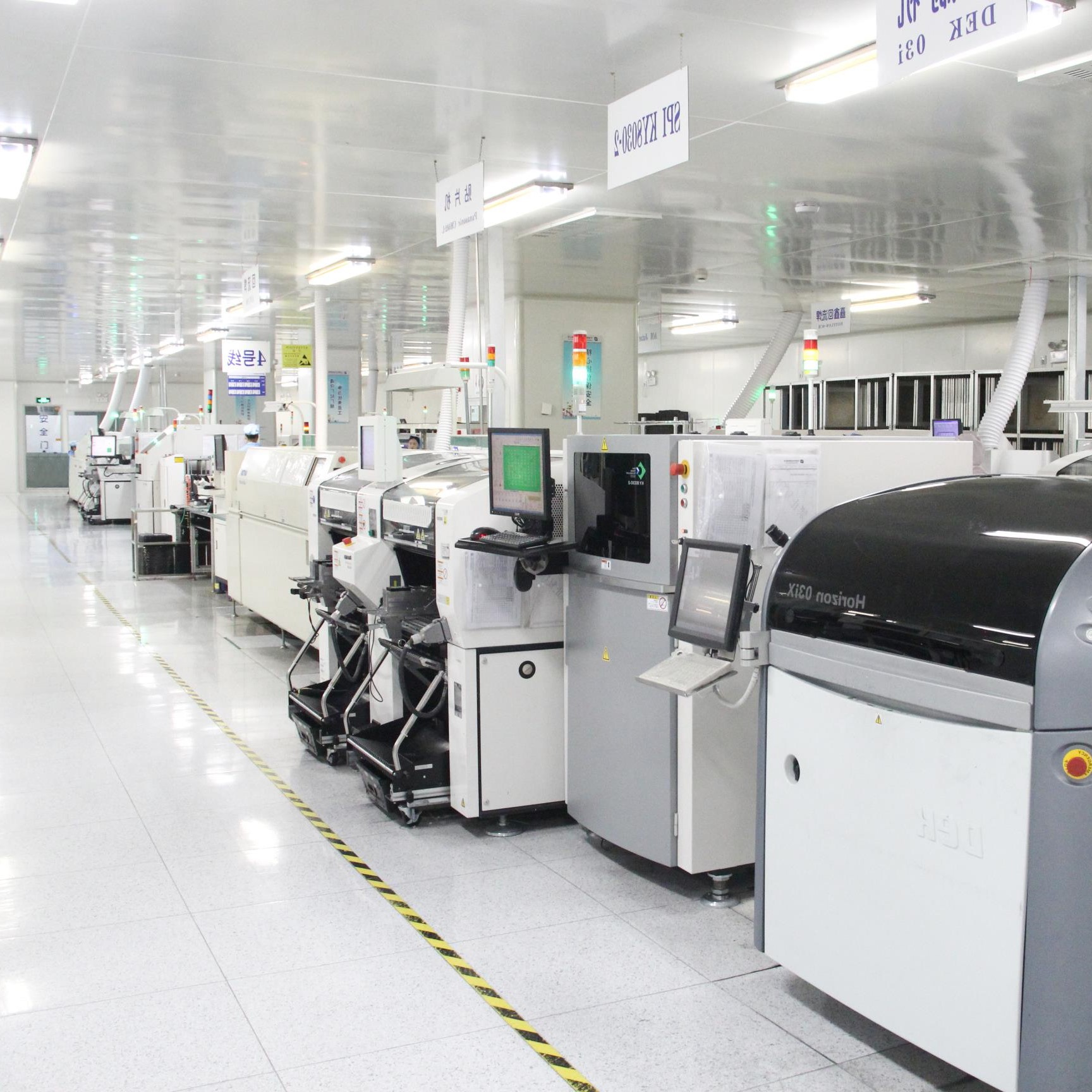
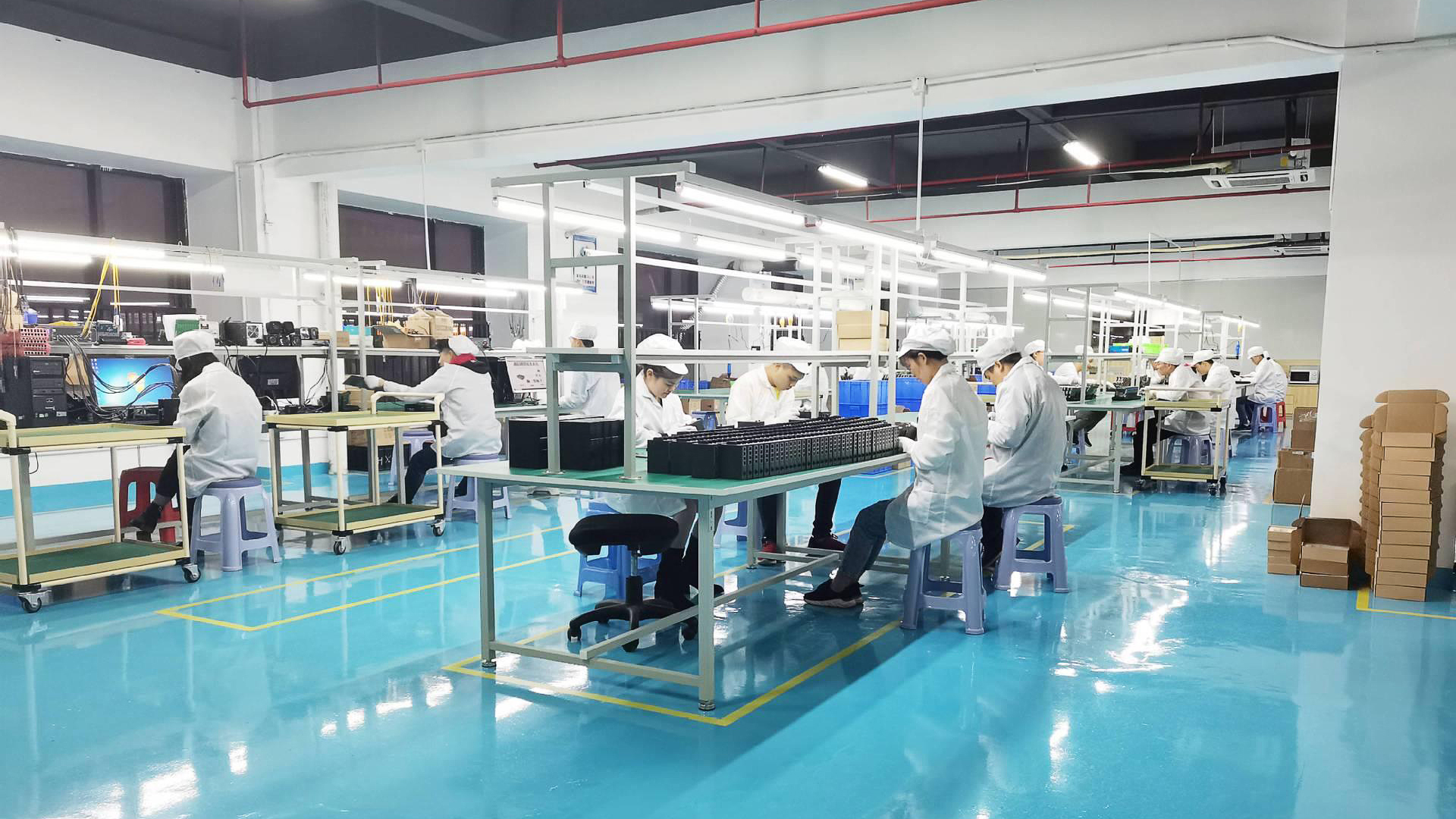
Shenzhen Soras Technology Co., Ltd. leverages the advanced industrial ecosystem of Guangdong, China, to run a Factory 4.0 operation. By combining advanced Surface Mount Technology (SMT) with automated optical alignment and precision testing, we deliver consistent quality that matches the stringent demands of global buyers.
Our facility houses specialized production areas including:
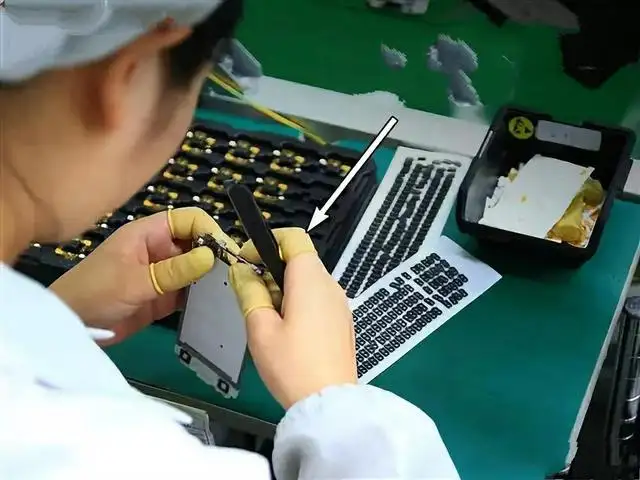
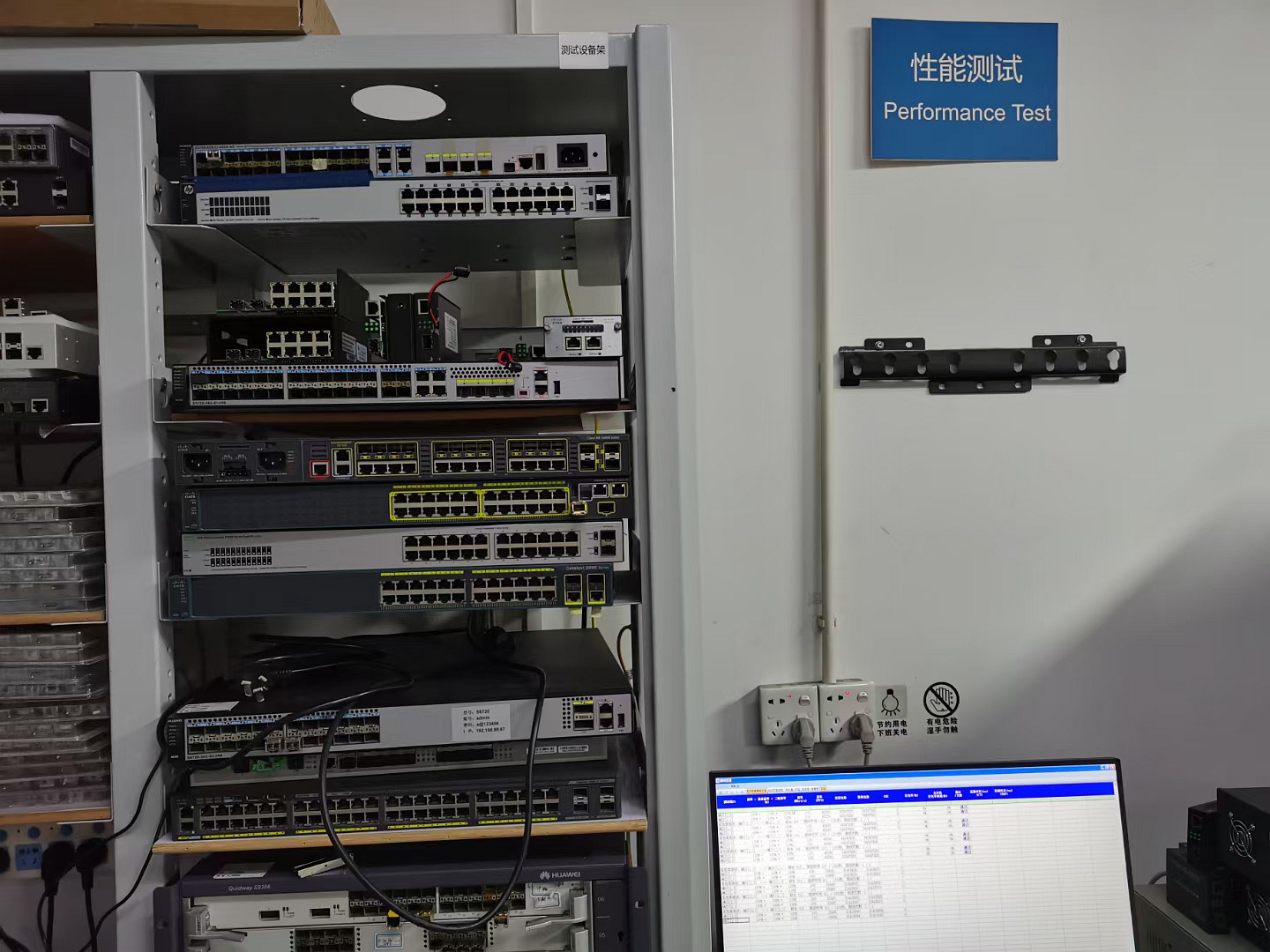
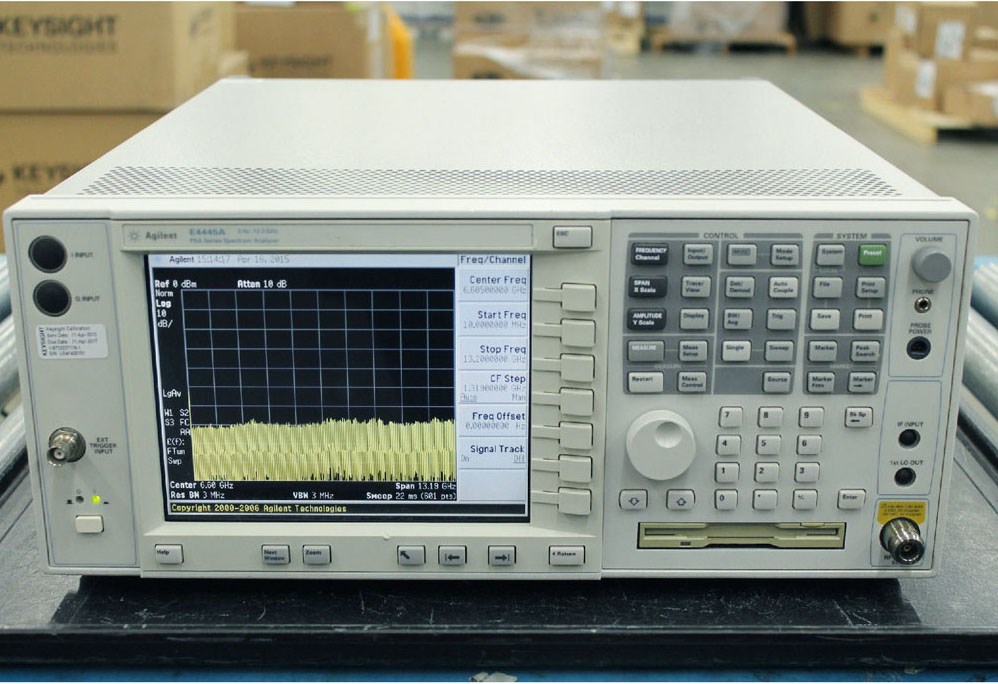
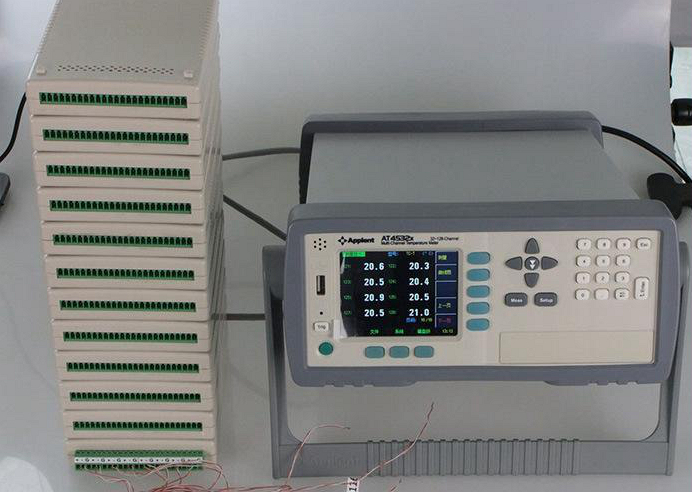
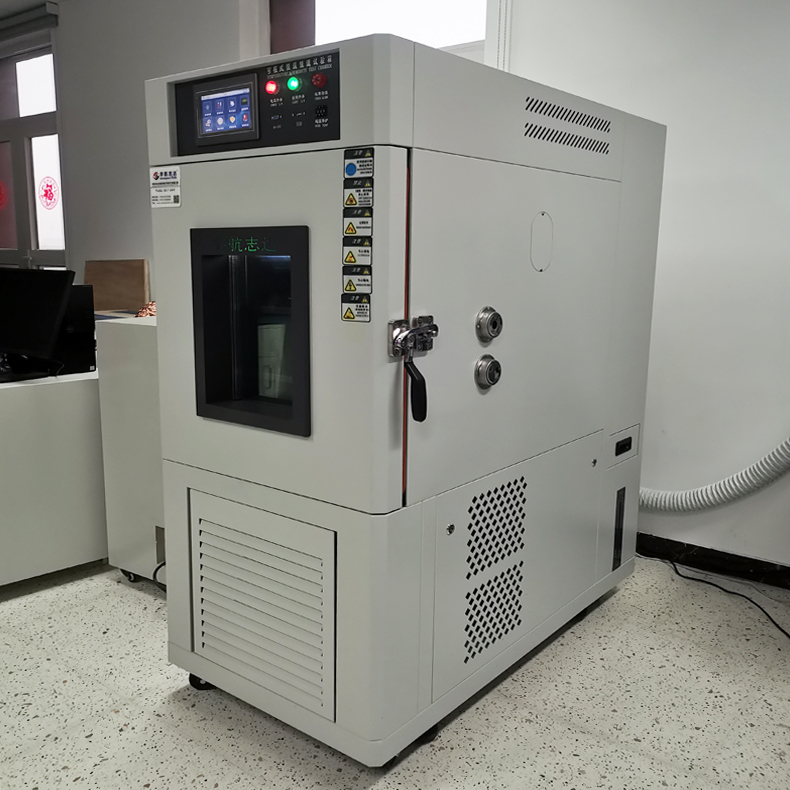
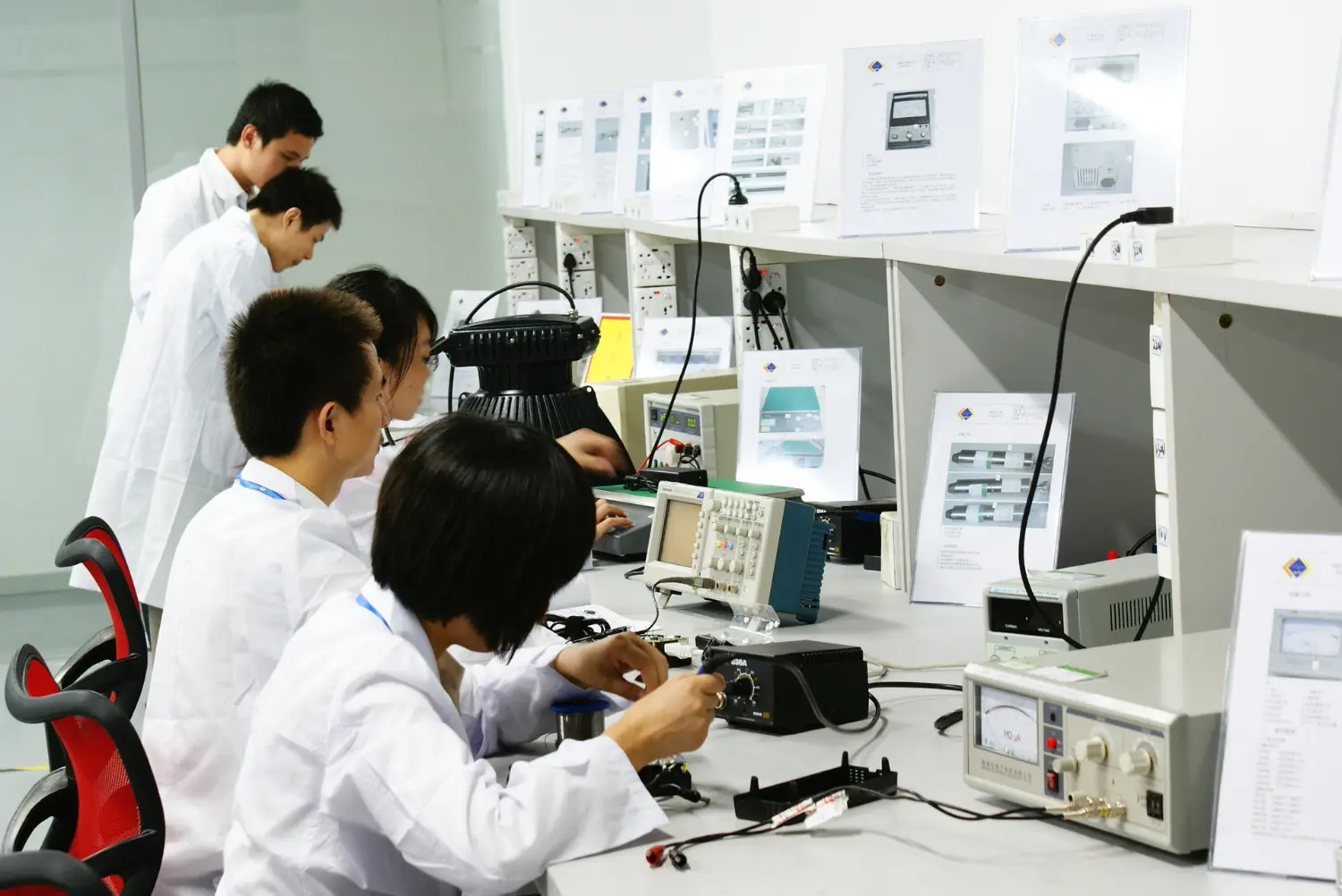
Quality assurance at Soraslink is not a passive checklist; it is an active engineering process. Every ONU, OLT, SFP Transceiver, and Managed PoE Switch must pass a series of performance checks before leaving the warehouse:
Single Mode Fiber systems are utilized in a variety of environments, each with its own specific requirements:
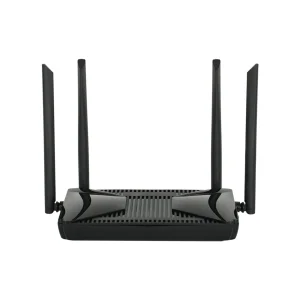
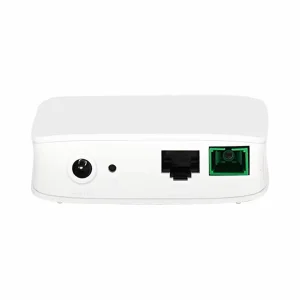
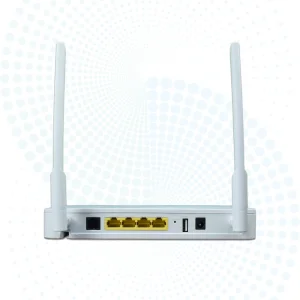
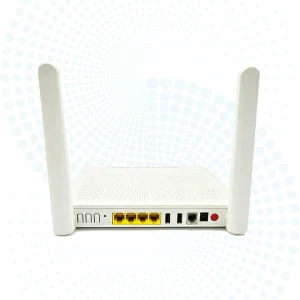
In FTTH networks, GPON/EPON architectures rely on Single Mode Fiber to transmit triple-play services (voice, data, and IP television) over long distances. High-performance ONUs like the F680 Dual Band XPON ONT convert these light waves into gigabit copper and wireless dual-band networks, ensuring high stability for residential users.
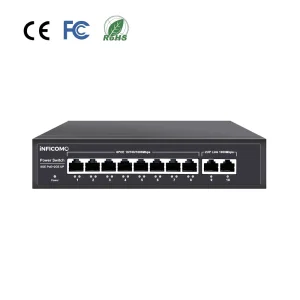
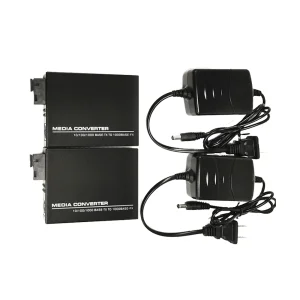
CCTV cameras are often spread across large perimeters (airports, industrial parks, highways) where copper cabling is limited to 100 meters. Combining Single Mode Fiber Media Converters with unmanaged PoE switches extends transmission distances up to 20km or more, providing power to the camera while returning video data with zero latency.
Modern data centers require fast connections between servers. Optical modules such as the QSFP28 100G CWDM4 SMF Transceiver allow high-speed data transfer within a 2km range. This ensures high-bandwidth connections while minimizing latency and power consumption.
| Business Type | Manufacturer / OEM & ODM |
|---|---|
| Headquarters | Guangdong, China |
| Primary Markets | South America, North America, Europe, Domestic Market |
| Certificates | ISO 9001, UL, CE, FCC, RoHS Compliance |
| Annual Revenue | US$5 Million - US$10 Million |
| Founding Year | 2021 (R&D roots dating back 10+ years) |
| Core Products | FTTH ONU & OLT, SFP Transceivers, Fiber Media Converters, PoE Switches |

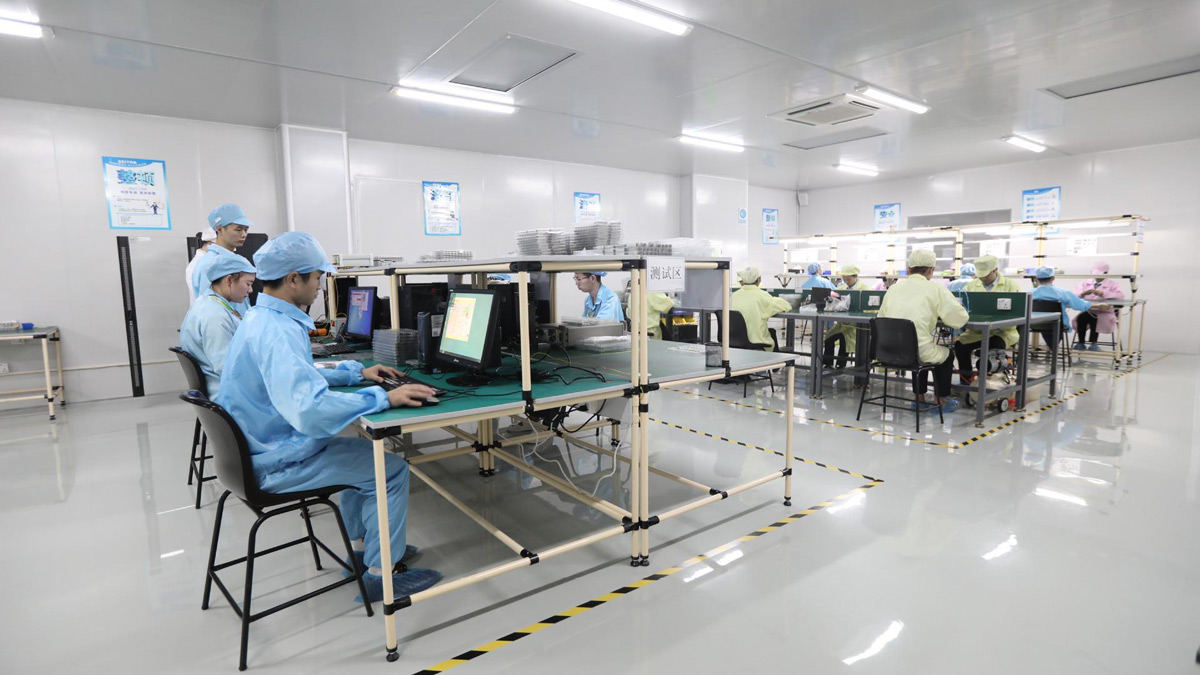

Shenzhen Soras Technology Co., Ltd. is a leading manufacturer of optical transmission and network equipment with over 10 years of experience. We focus on technological innovation to provide cost-effective, high-value-added products and solutions. Today, we work closely with telecommunications companies worldwide, exporting to more than 60 countries.
Access our full catalog of high-performance transceivers, XPON ONUs, and managed network equipment.
 Soras Tech