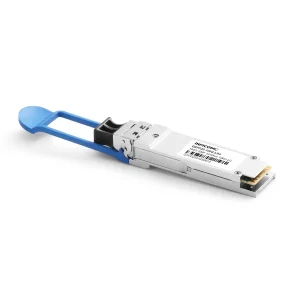
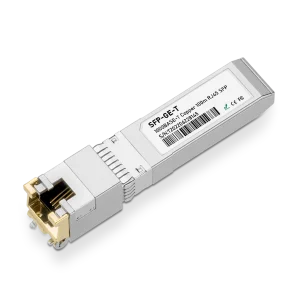
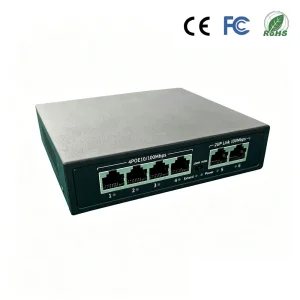
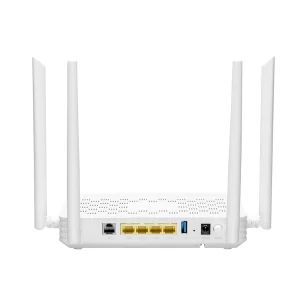
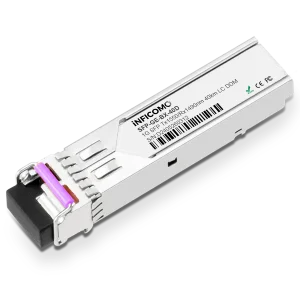
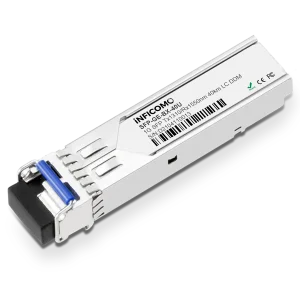
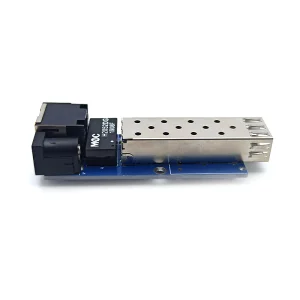
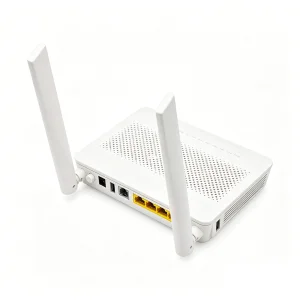
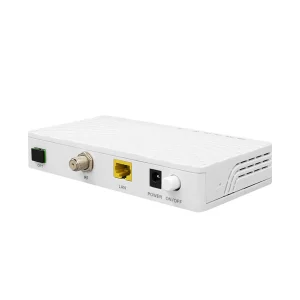
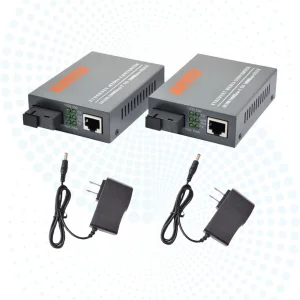
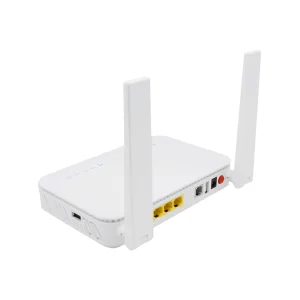
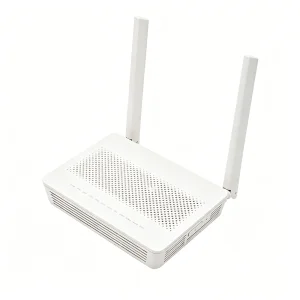
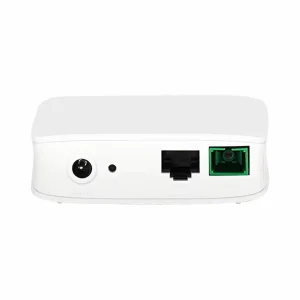
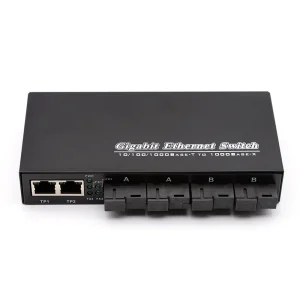
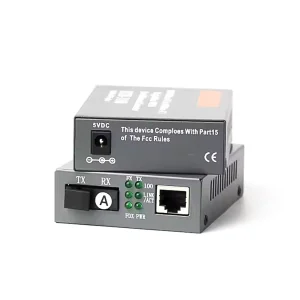
Explore our industrial-grade transceivers, switches, GPON ONUs, and media converters designed for seamless network integration.
A comprehensive analysis of why centralized rack enclosures are essential for modern industrial and enterprise network topologies.
Deploying standalone media converters in large-scale operations leads to physical clutter, cabling tangles, and distributed points of failure. Media Converter Racks (available in 14-slot unmanaged and 16-slot managed configurations) consolidate optical-to-electrical signal conversion. This structured approach preserves valuable rack units (RUs) in data centers while simplifying diagnostic routines.
System uptime is secured via redundant active backplanes. High-density media converter racks feature dual hot-swappable power supplies with auto-switching mechanisms. If Power Supply A experiences a thermal or voltage fault, Power Supply B instantly handles the total current load. This prevents frame loss or downstream link drops in carrier networks.
Our custom OEM racks feature a rigid cold-rolled steel chassis designed for advanced electromagnetic interference (EMI) protection. Coupled with dynamic internal cooling fans that maintain constant airflow, these racks ensure optical components like SFP transceivers operate well within their ideal temperature envelopes, boosting Mean Time Between Failures (MTBF).
Modern telecommunication structures require high levels of versatility. By deploying a centralized rack, IT administrators can mix and match various media converter modules: from Fast Ethernet copper-to-fiber to Gigabit single-mode, multi-mode, or BiDi wavelength-division multiplexing (WDM) transceivers. This adaptive structural architecture ensures scalability for growing businesses, allowing legacy systems to interact with high-speed fiber-optic backbones without replacing the entire infrastructure.
How Shenzhen Soras Technology Co., Ltd. combines industrial integration, technical expertise, and rigorous quality control to deliver cost-effective global infrastructure.
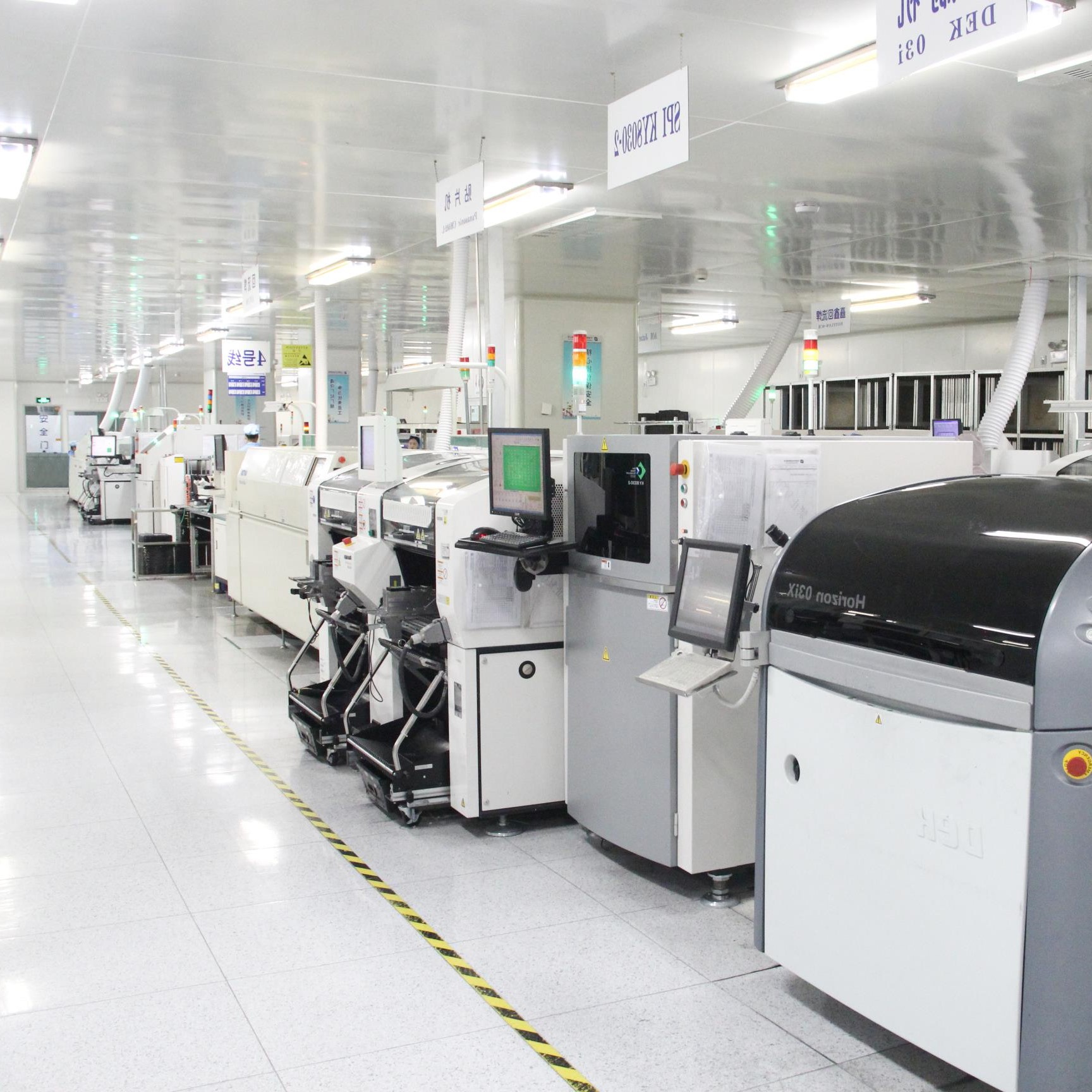
Operating in Guangdong, China—the global capital for telecommunication hardware—gives Soras Technology access to a robust industrial supply chain. From bare PCB fabrication and high-frequency SMT lines to premium optical components, every material is sourced locally. This localized ecosystem reduces raw material costs, optimizes lead times, and allows for agile custom modifications.
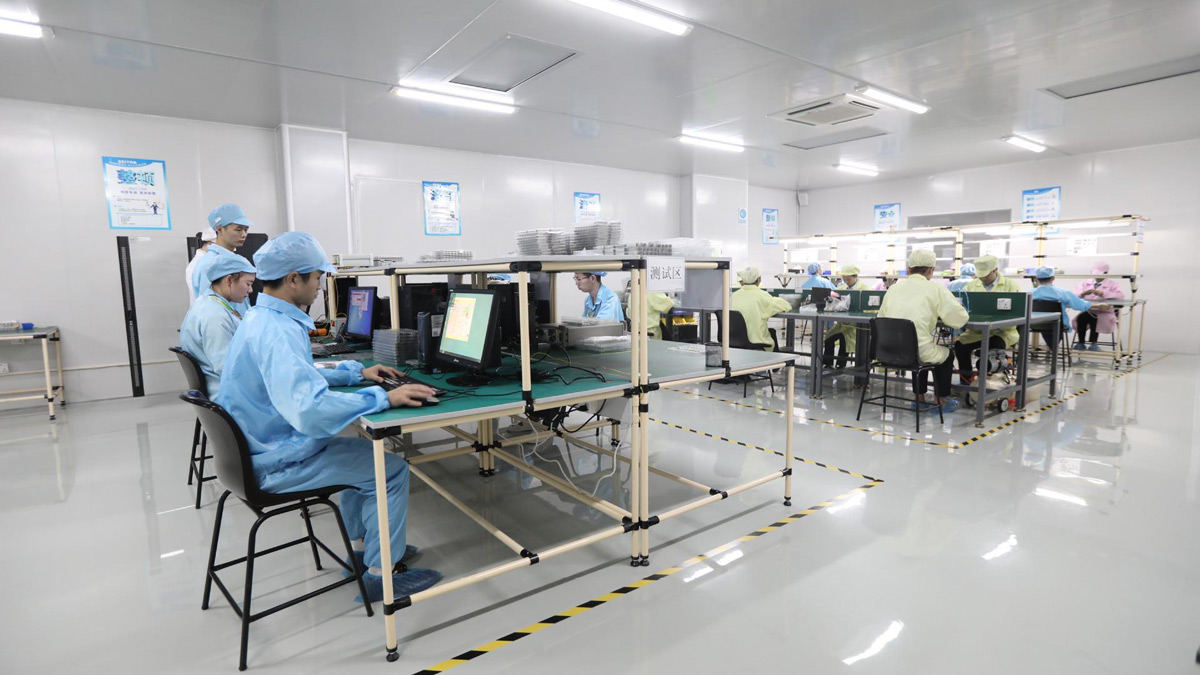
Our quality assurance pipeline involves testing at every stage. We operate dedicated SMT, Assembly, and QC lines. Every media converter rack undergoes simulation testing, high-low temperature testing, error testing, and functional calibration. Soras Technology is certified under ISO 9001, and our products carry UL, CE, FCC, and RoHS certifications to meet international compliance standards.
| Shenzhen Soras Technology Co., Ltd. Profile | |||
|---|---|---|---|
| Business Type | Manufacturer / OEM & ODM Developer | Country / Region | Guangdong, China |
| Core Product Lines | FTTH ONU & OLT, SFP Transceiver Modules, Fiber Media Converters, PoE Switches, High-Density Rack Chassis | Total Employees | 11 - 50 People (High R&D ratio) |
| Annual Revenue | US$5 Million - US$10 Million | Year Established | 2021 (Consolidated brand entity) |
| Certifications Held | ISO 9001, UL, CE, FCC, RoHS Compliance | Key Export Markets | South America, North America, Europe, East Asia (60+ countries total) |
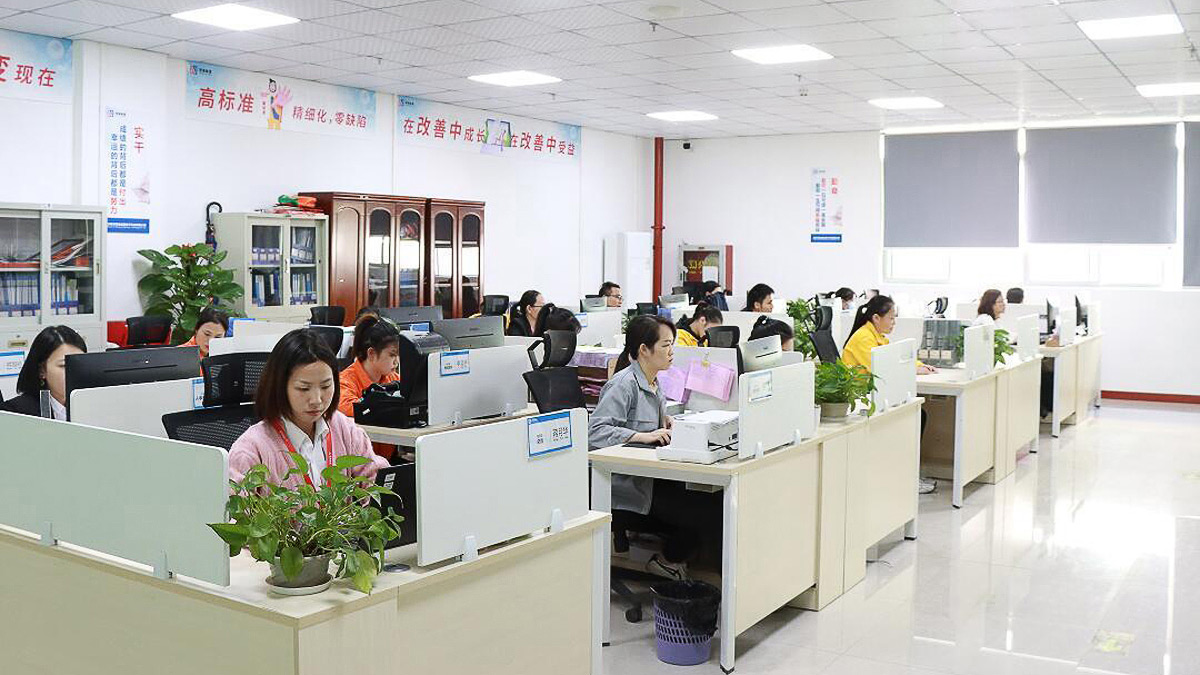
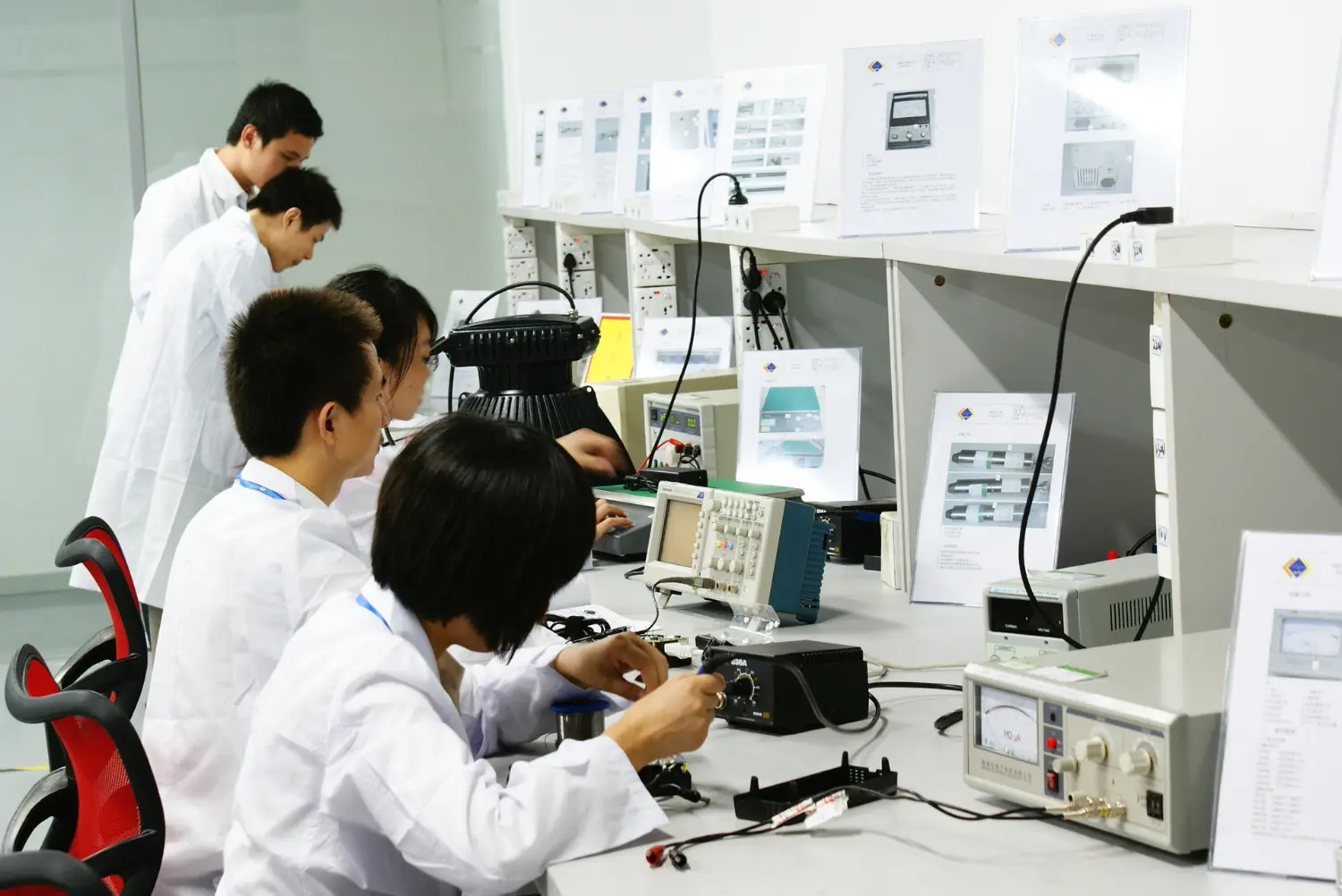
Explore the physical footprint of our factory. Every facility image below represents a step in our manufacturing process, ensuring premium reliability.
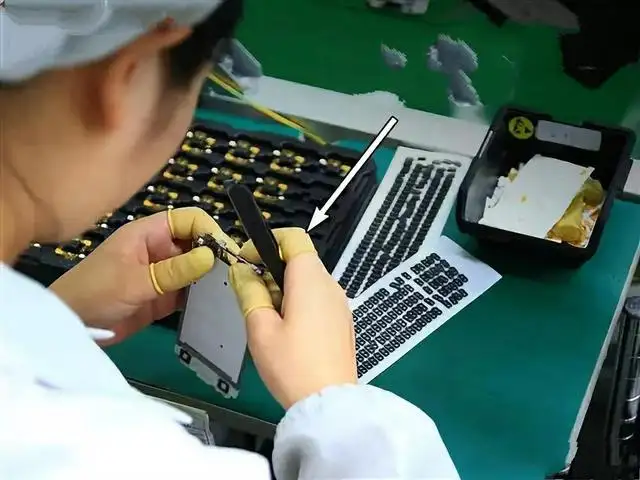
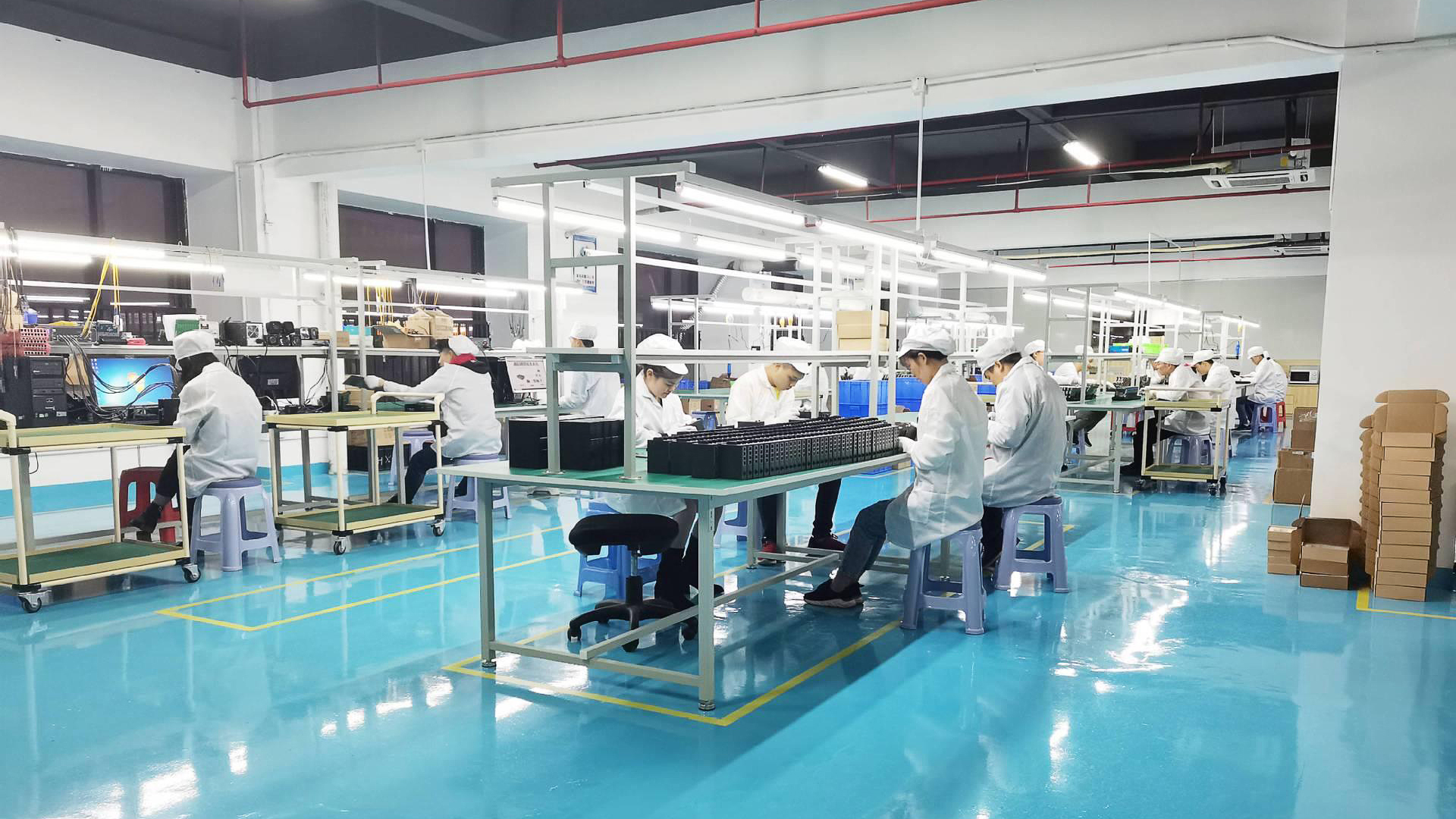
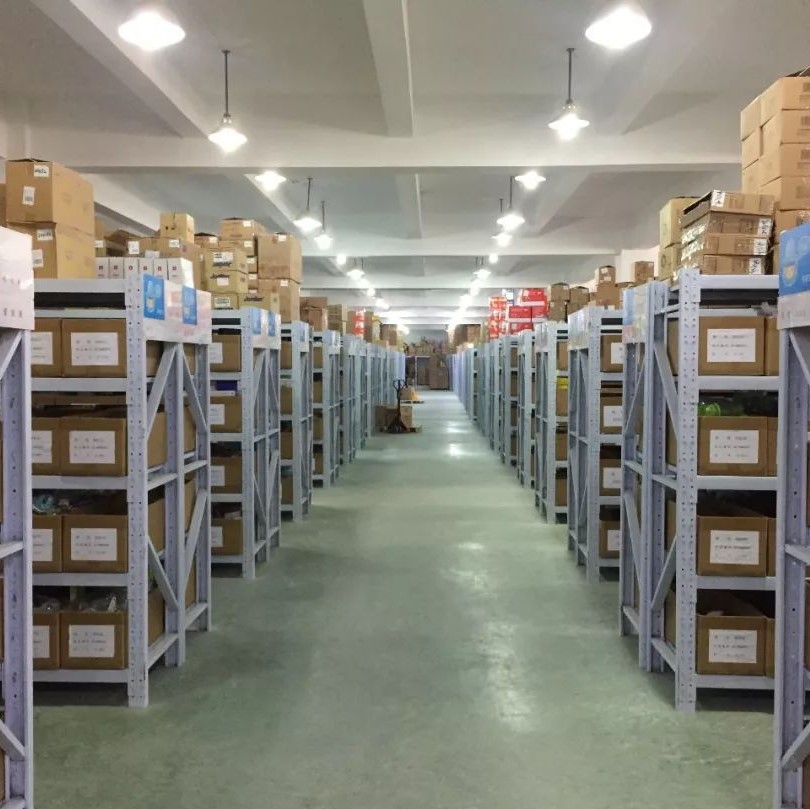
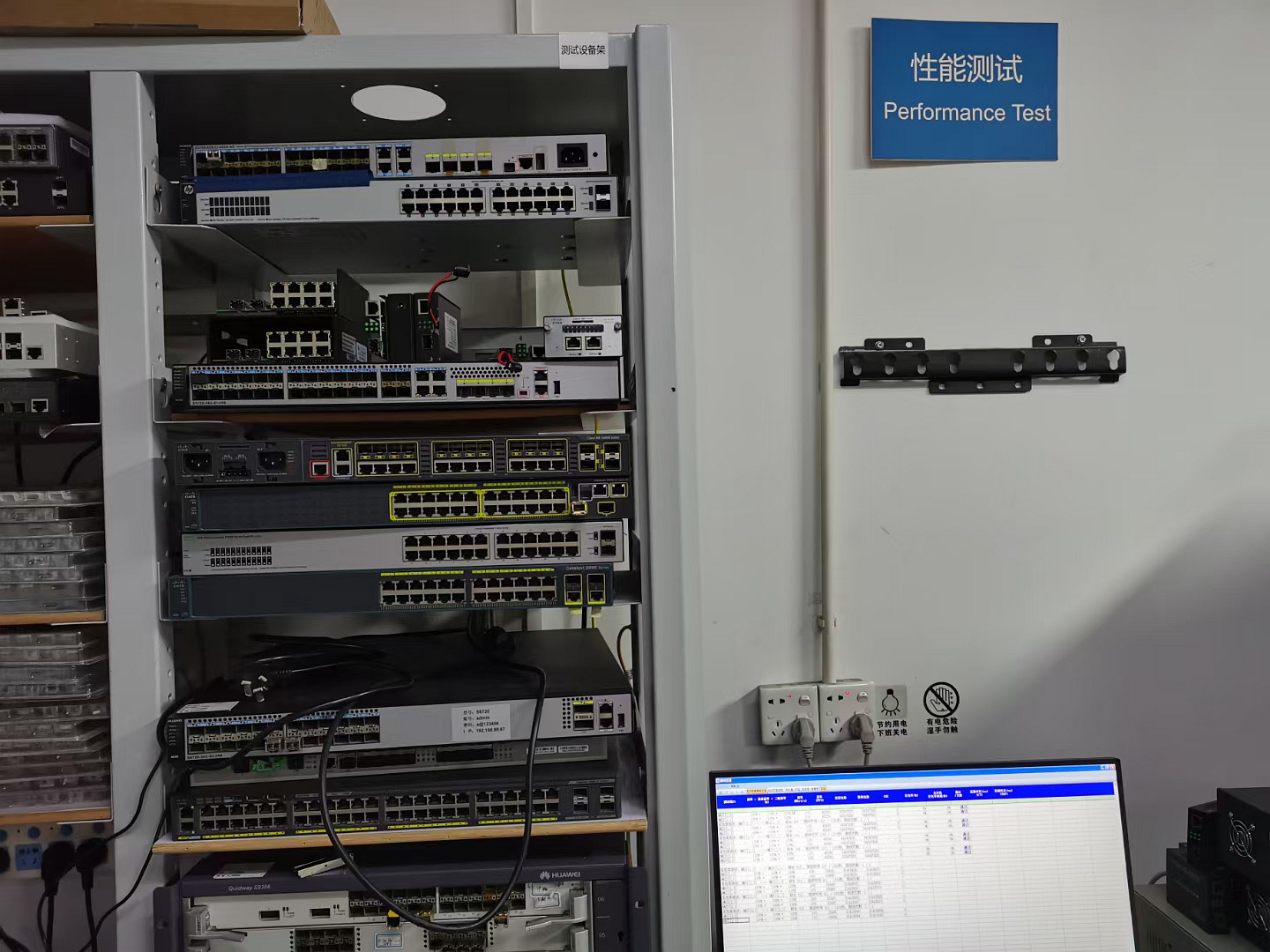
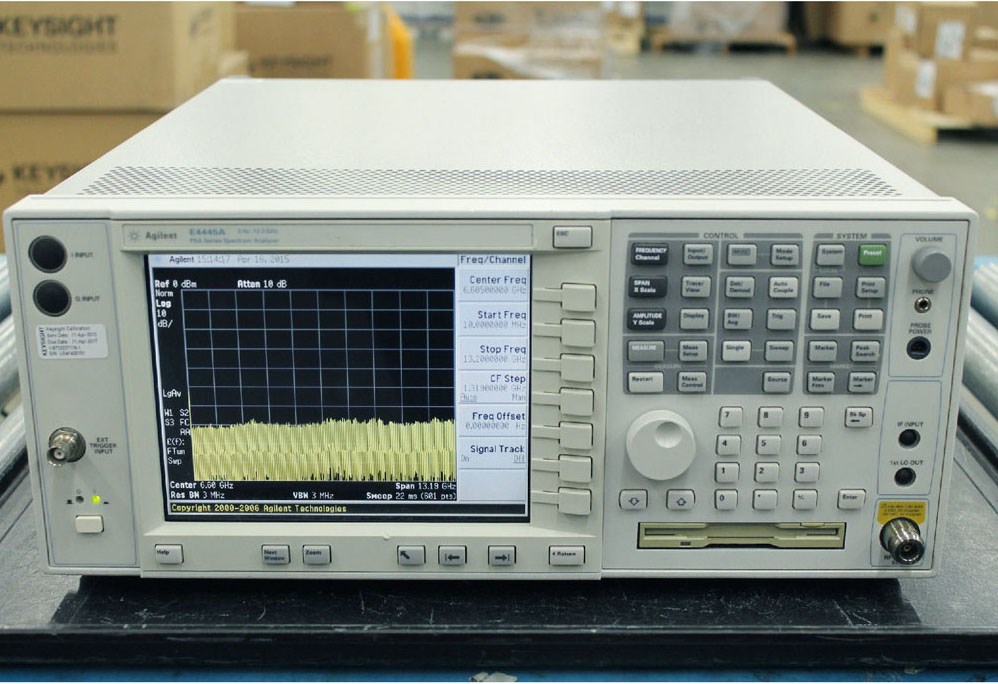
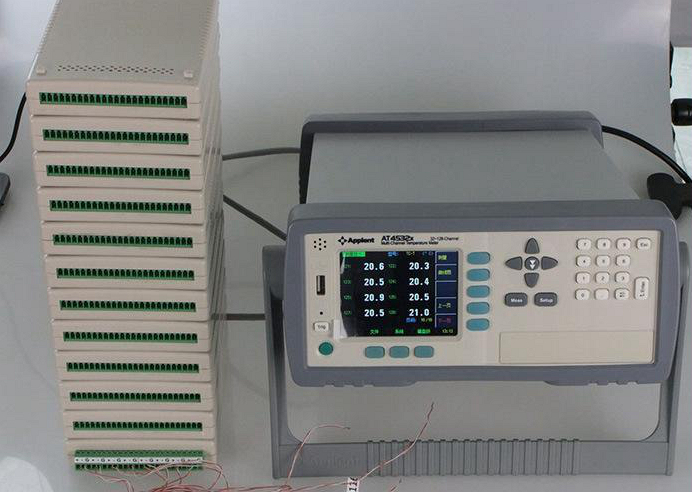
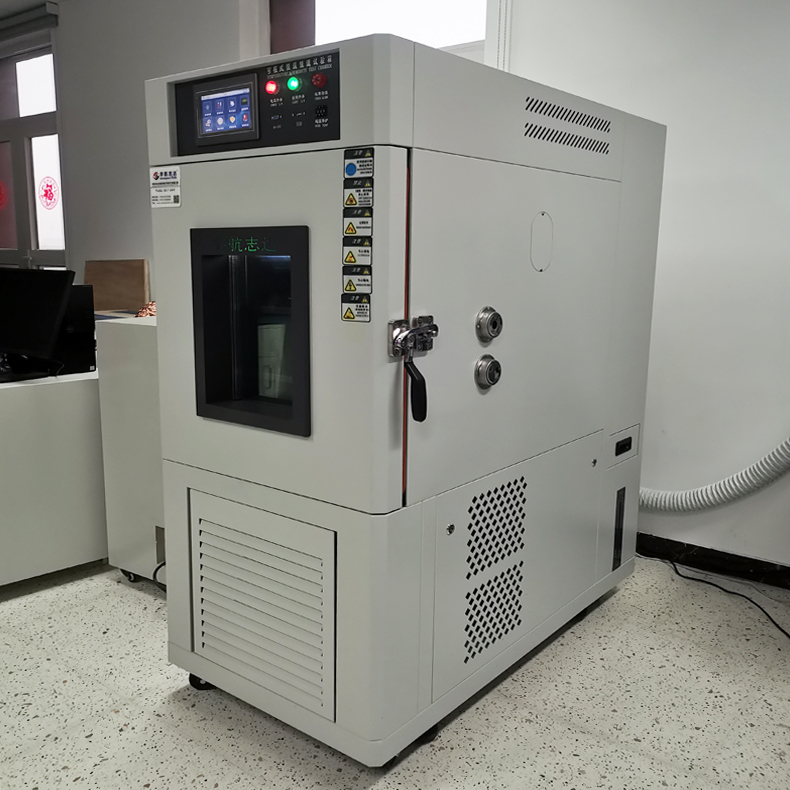
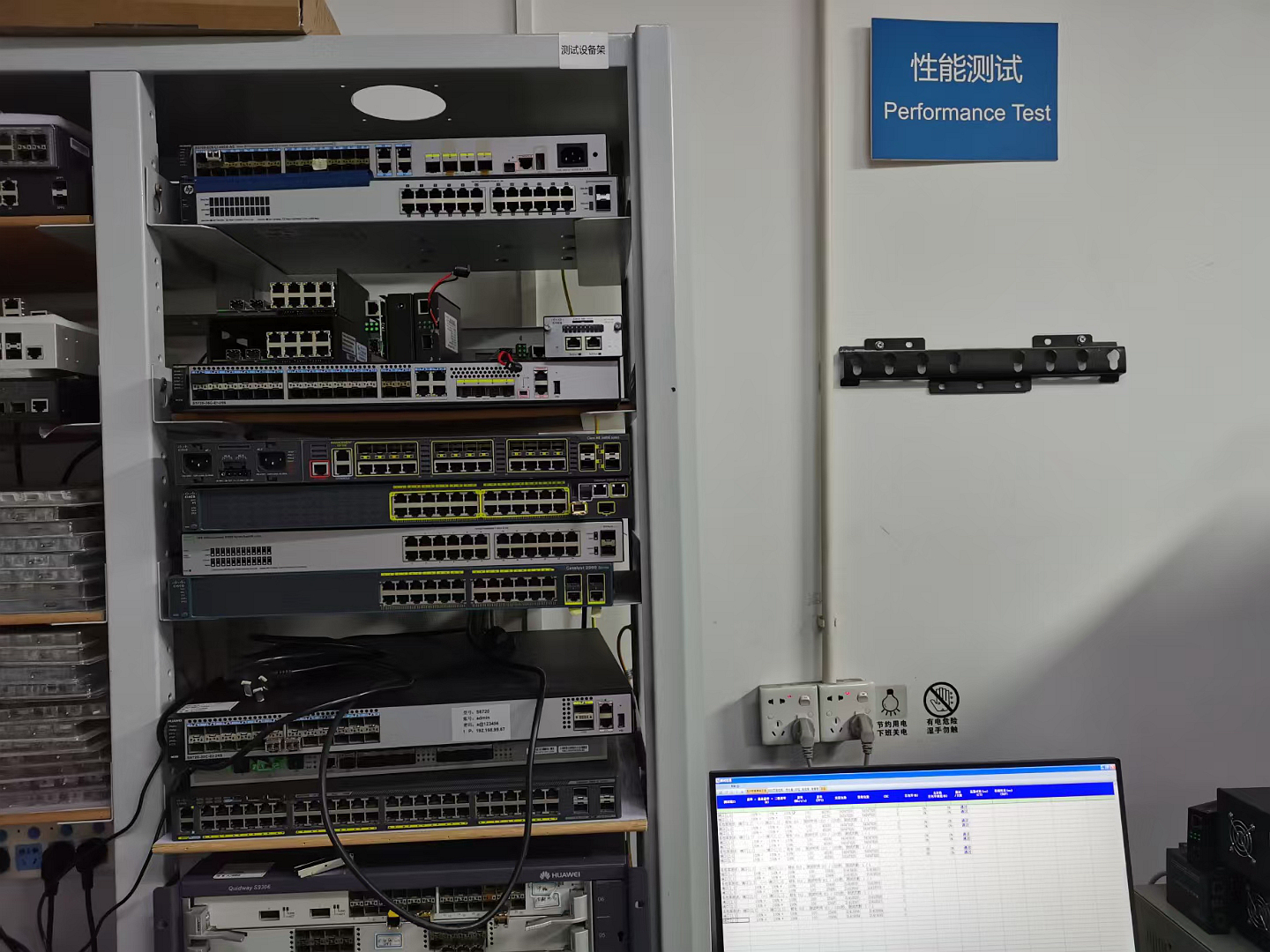
Analyzing the technological advancements driving demand for high-performance optical conversion systems.
The rise of bandwidth-intensive applications like 4K/8K video streaming, cloud computing, and real-time industrial telemetry has pushed networks beyond traditional Fast Ethernet speeds. Modern infrastructure projects now require media conversion nodes that support 10G, 25G, and up to 100G QSFP28 interfaces, moving processing from the core directly to the network edge.
Unmanaged hardware is increasingly confined to simple point-to-point connections. Enterprise data centers and ISPs now require intelligent, chassis-based management protocols (such as Web GUI, CLI, and SNMPv1/v2c/v3). This enables network operations centers (NOCs) to monitor voltage drops, optical power levels, and ambient temperatures in real-time.
Data centers generate significant heat loads. Because of this, hardware specifiers are prioritizing green engineering initiatives. Today's media converter chassis utilize dynamic cooling fans and low-power IC chipsets, reducing operational energy needs. This efficiency lowers energy consumption and carbon footprints without compromising data throughput or stability.
How our equipment is deployed across key vertical markets to bridge the gap between copper-based networks and optical backbones.
Large commercial offices and university campuses regularly face distance limits with standard Cat5e/Cat6 copper runs (typically 100 meters). By implementing a centralized rack chassis in the main distribution frame (MDF), IT admins can run fiber cables up to 20km or even 120km to local switches. This creates a high-performance network that links remote buildings and branch offices.
For ISPs and telecom companies, delivering FTTH (Fiber-to-the-Home) or FTTB (Fiber-to-the-Building) services requires high port densities in central offices. Our racks support dual-wavelength BiDi SFP transceivers, doubling the capacity of existing fiber runs. Combined with GPON ONUs and Ethernet switches, this setup helps ISPs scale subscriber networks while managing cost-per-port.
Modern surveillance grids require IP cameras to be installed over large municipal areas. These remote cameras need reliable gigabit signals and robust power. Deploying unmanaged media converters in outdoor NEMA enclosures allows operators to transmit high-resolution video back to the central office. There, a 16-slot rack chassis consolidates the signals for processing.
Soras Technology offers comprehensive engineering customization, private-label branding, and international logistics support to meet enterprise procurement needs.
Every network project has unique requirements. Through our OEM/ODM design process, clients can customize chassis colors, request laser-etched branding, specify custom sheet-metal designs, and configure power setups (such as dual 220V AC, -48V DC, or an AC+DC mix). We also design firmware for our managed switches and GPON devices to integrate with existing client management software.
We regularly export network equipment to over 60 countries across South America, North America, Europe, and Asia. Soras Technology provides complete international shipping documentation, custom clearance support, and secure packaging. We offer flexible order sizes and volume discounts, helping global telecom providers scale their systems cost-effectively.
Partnering with Soras Technology gives you direct access to skilled hardware and firmware engineers. We collaborate with your system architects to build network interfaces that meet CE, FCC, and RoHS standards. This engineering support ensures our hardware integrates cleanly with your legacy networks and software.
Get answers to common technical, production, and ordering questions about our high-density media converter racks.
Browse the rest of our catalog, featuring GPON modules, dual-band Wi-Fi ONUs, and long-range media converters.
 Soras Tech