Premium Hardware Solutions Manufactured with Rigorous Quality Controls
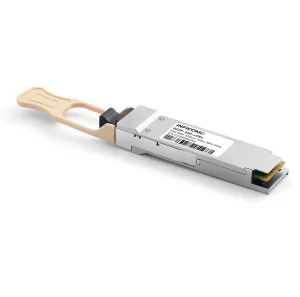
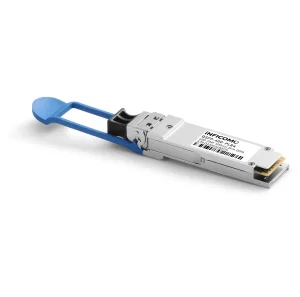
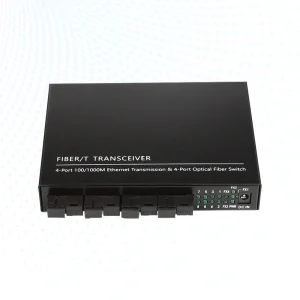
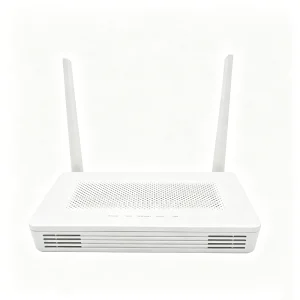
Modern telecom architectures and cloud data centers operate at speeds that require absolute precision. As global enterprises transition from legacy infrastructures to 10G, 40G, 100G, and eventually 400G/800G platforms, sourcing reliable optoelectronics becomes critical. Selecting a trusted, vertically integrated manufacturer like Shenzhen Soras Technology Co., Ltd. ensures not only compatibility with diverse equipment ecosystems but also long-term thermal and signal reliability under high-load operations.
Whether deploying Fibre Channel SAN networks, high-density server configurations in hyper-scale clouds, or robust Fiber-To-The-Home (FTTH) architectures, structural reliability is paramount. Understanding Multi-Source Agreement (MSA) standardization, digital diagnostics monitoring (DDM/DOM), and mechanical thermal dissipation are core elements when optimizing procurement channels.

A Deeply Profiled, Verified Manufacturer with Over a Decade of Production Expertise
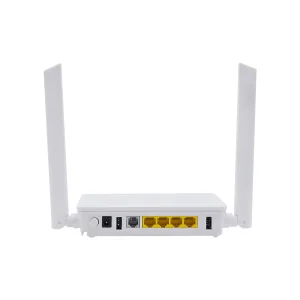
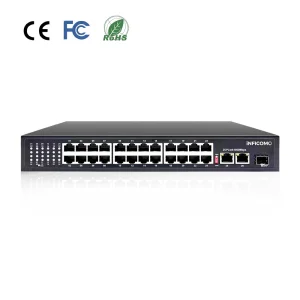
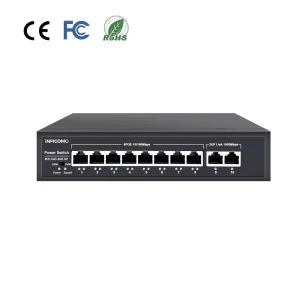
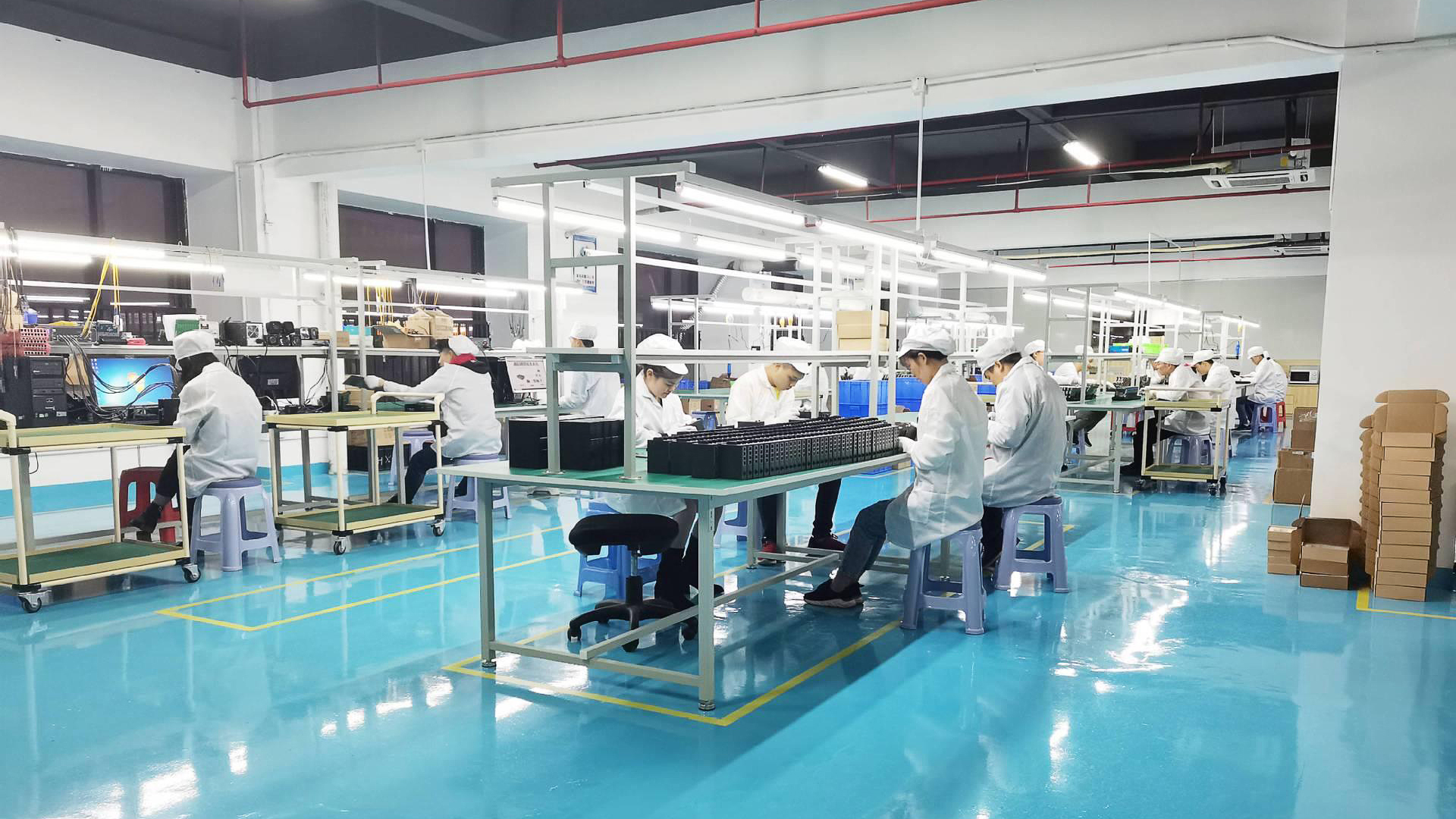
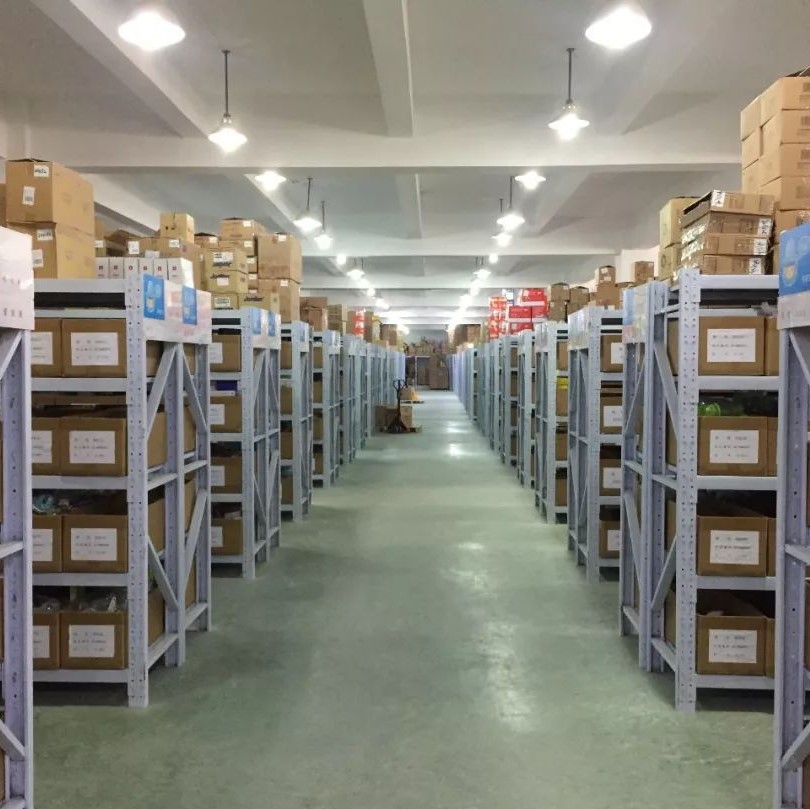
Established with a core focus on advanced fiber optic solutions, Soras Technology operates state-of-the-art production environments in Guangdong, China. We combine a sophisticated research and development division with strict quality management to output highly reliable active and passive components. From high-speed SFP/QSFP transceivers to Gigabit PoE switches, FTTH ONU terminals, and media converters, our engineering solutions have been deployed by global tier-1 telecom operators.
Our core operating philosophy is built upon "Superior Quality, Professional Service, Competitive Price, and Integrity." Every optical assembly undergoes strict performance matching, ensuring hardware is fully configured and tailored to client software environments prior to global logistics delivery.
| Business Type | Manufacturer, Exporter & OEM Provider |
| Country / Region | Guangdong, China (Manufacturing Hub) |
| Main Products | FTTH ONU & OLT, SFP/SFP+/QSFP28 Modules, Fiber Media Converters, PoE Switches, Tool Kits |
| Total Employees | 11 - 50 People (Highly Specialized R&D and QA Teams) |
| Annual Revenue | US$5 Million - US$10 Million |
| Established | 2021 (Rooted in 10+ Years of Manufacturing Heritage) |
| Main Markets | Domestic Market (24%), East Asia (15%), North America (15%), South America, Europe |
| Certifications | ISO 9001, UL, CE, FCC, RoHS Compliant |
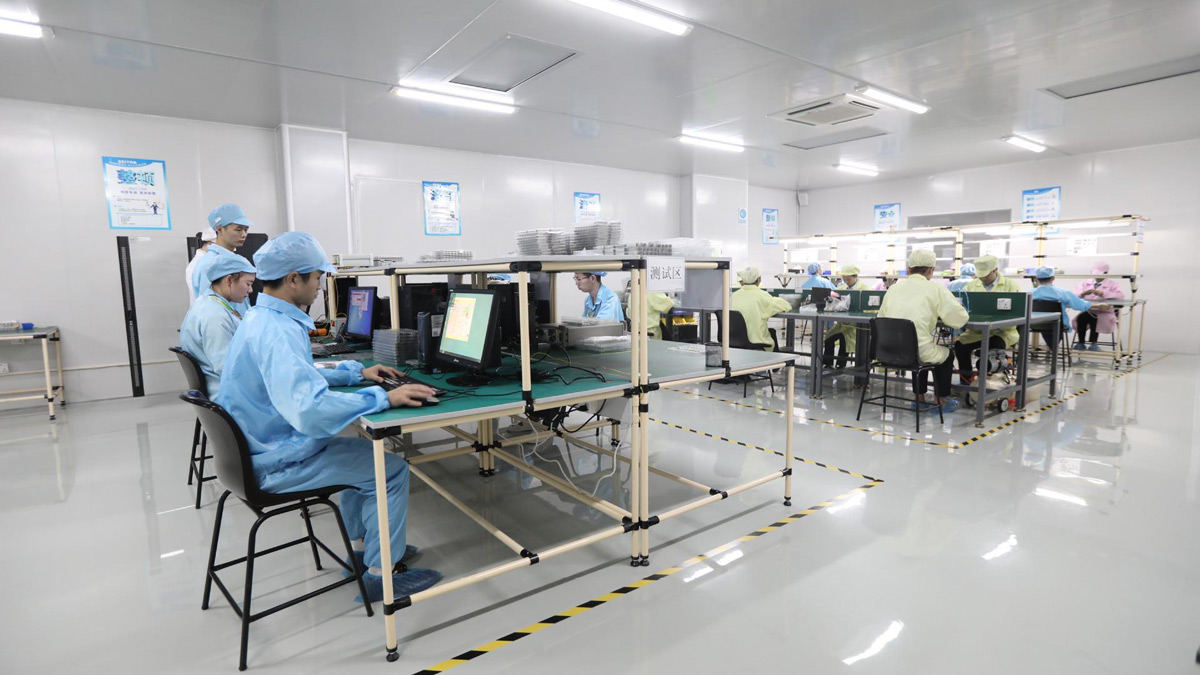
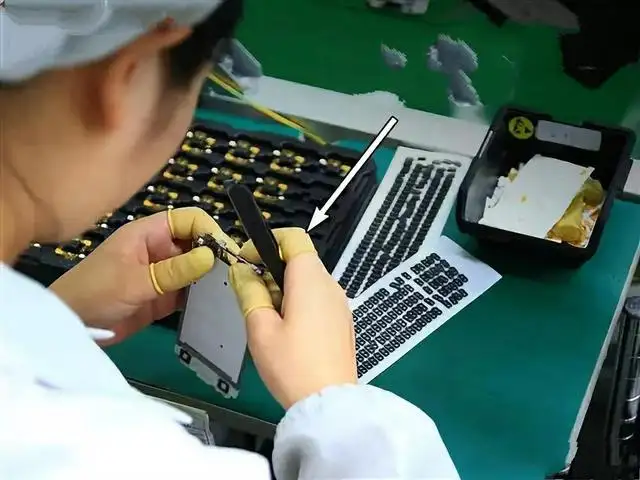
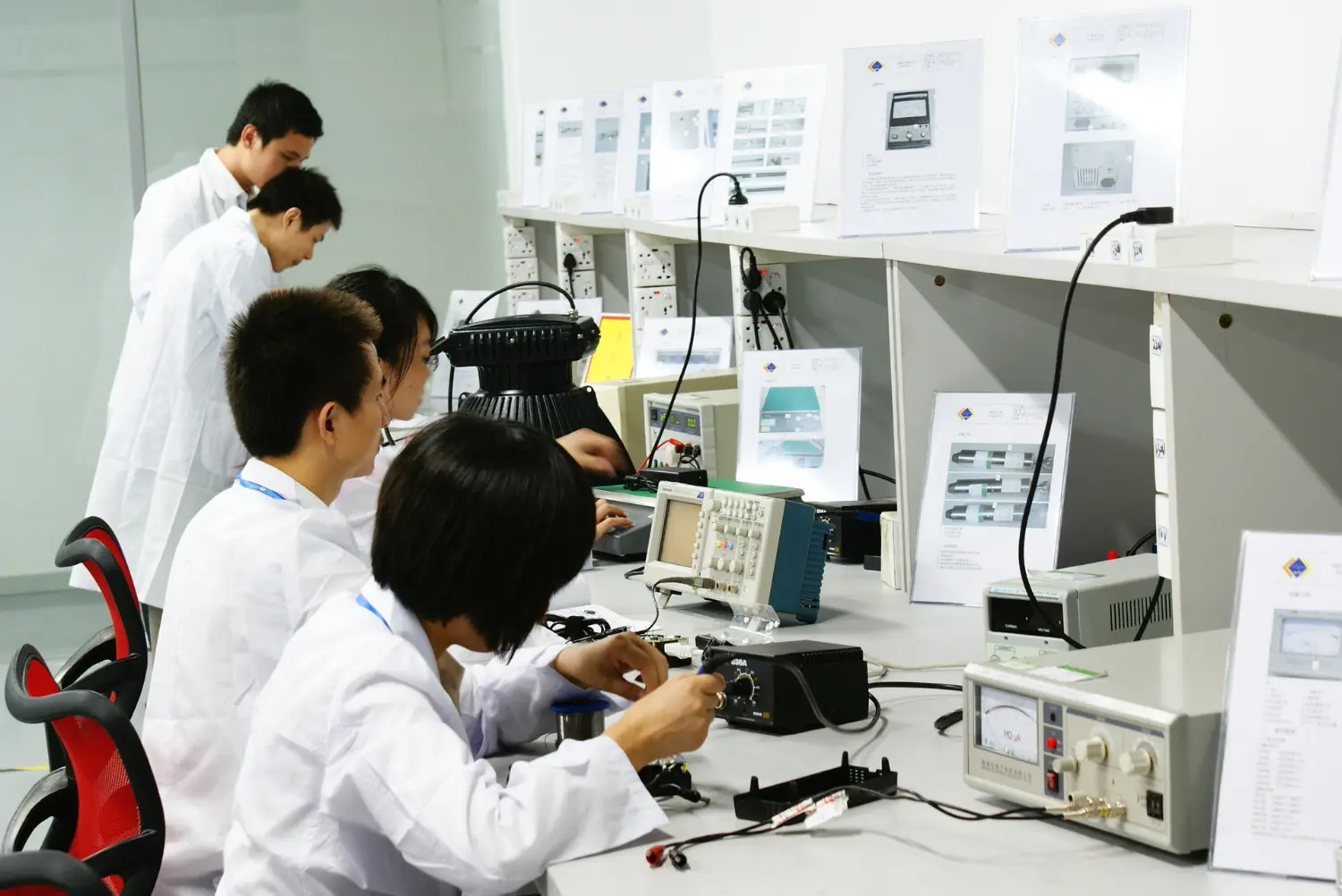
No Compromises. Zero-Defect Optical Performance Testing Standards.
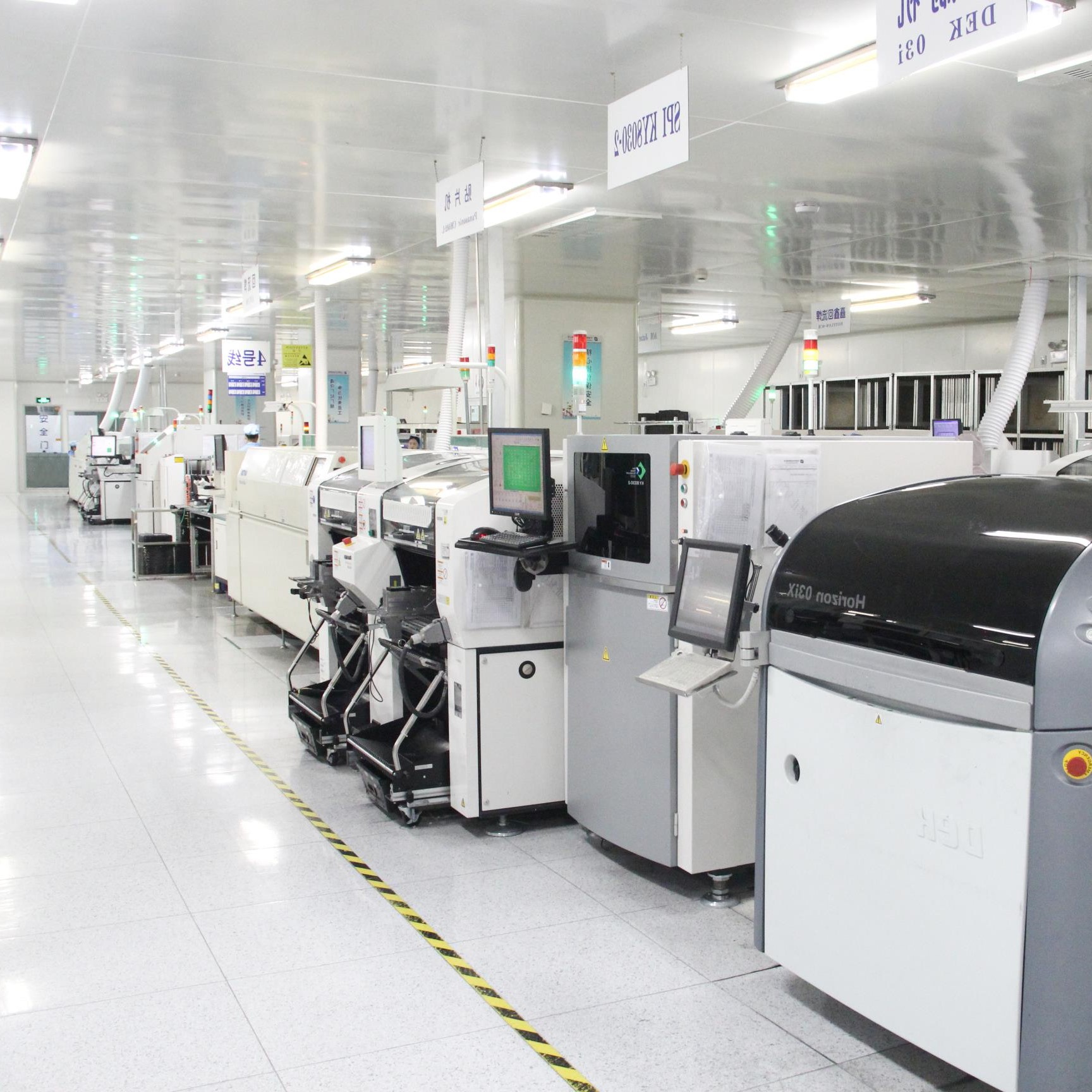
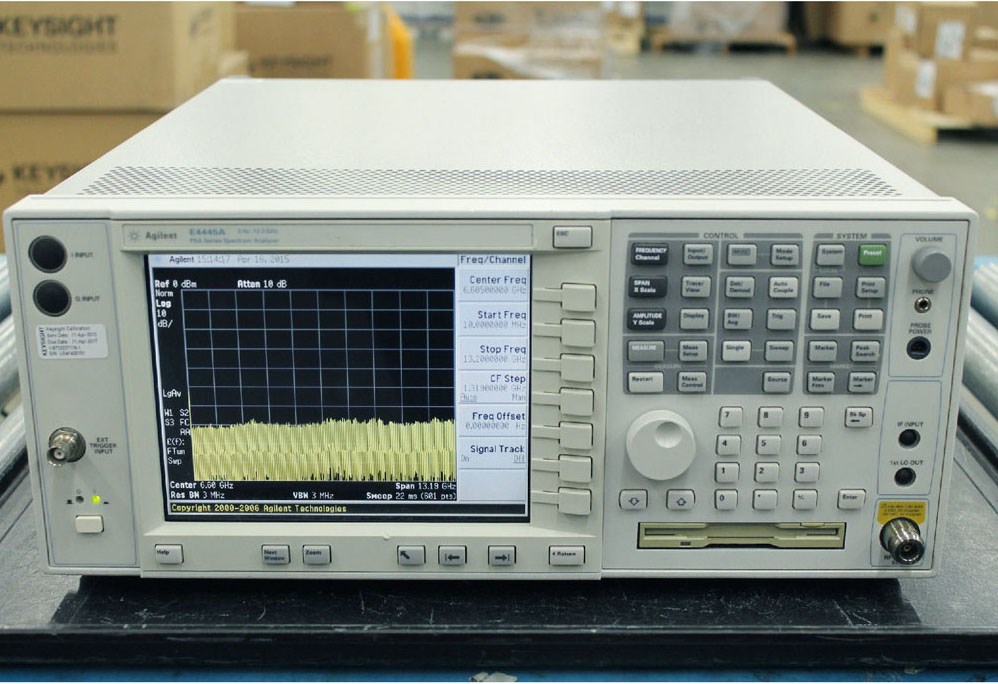
High-speed surface mount technology (SMT) lines ensure exact laser diode placement and integrated circuit solder integrity, maintaining signal clarity across wide temperature variations.
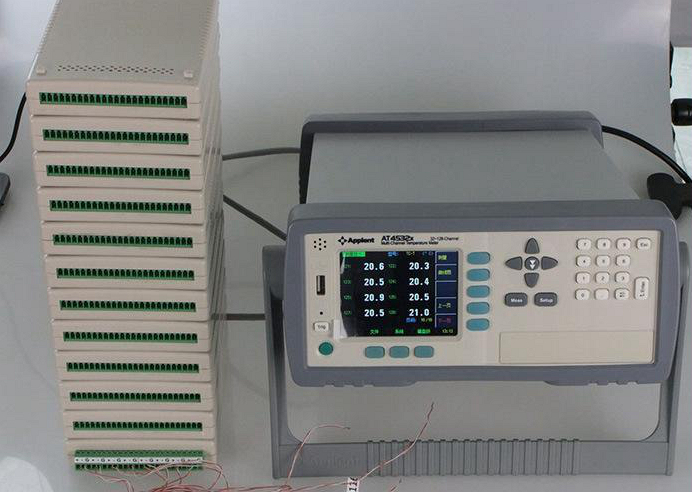
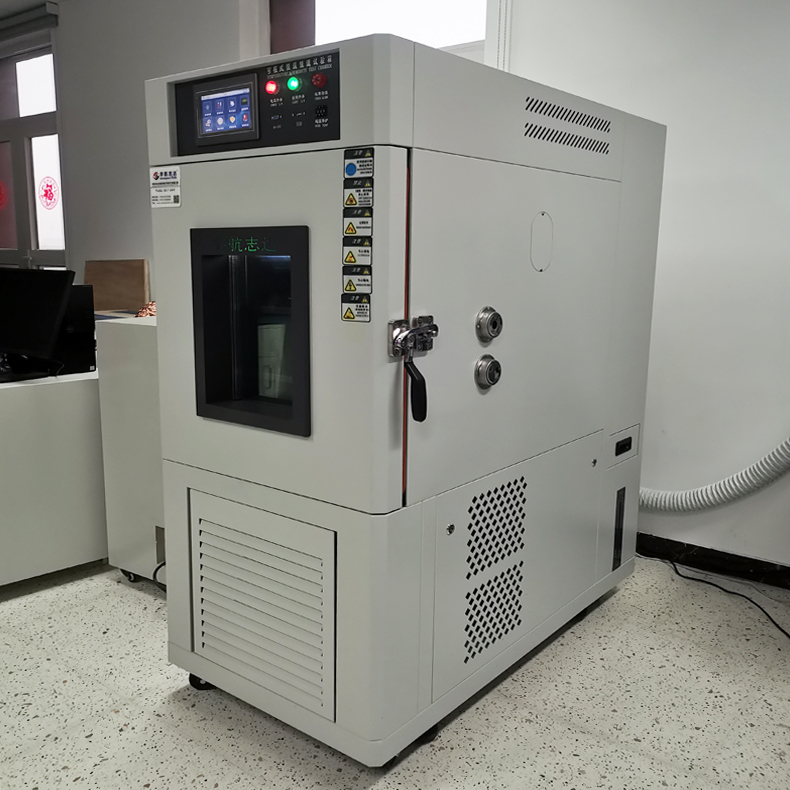
Every batch is subjected to high and low thermal stress chambers, running continuously from -40°C to +85°C to guarantee functionality in both harsh industrial and standard data center environments.
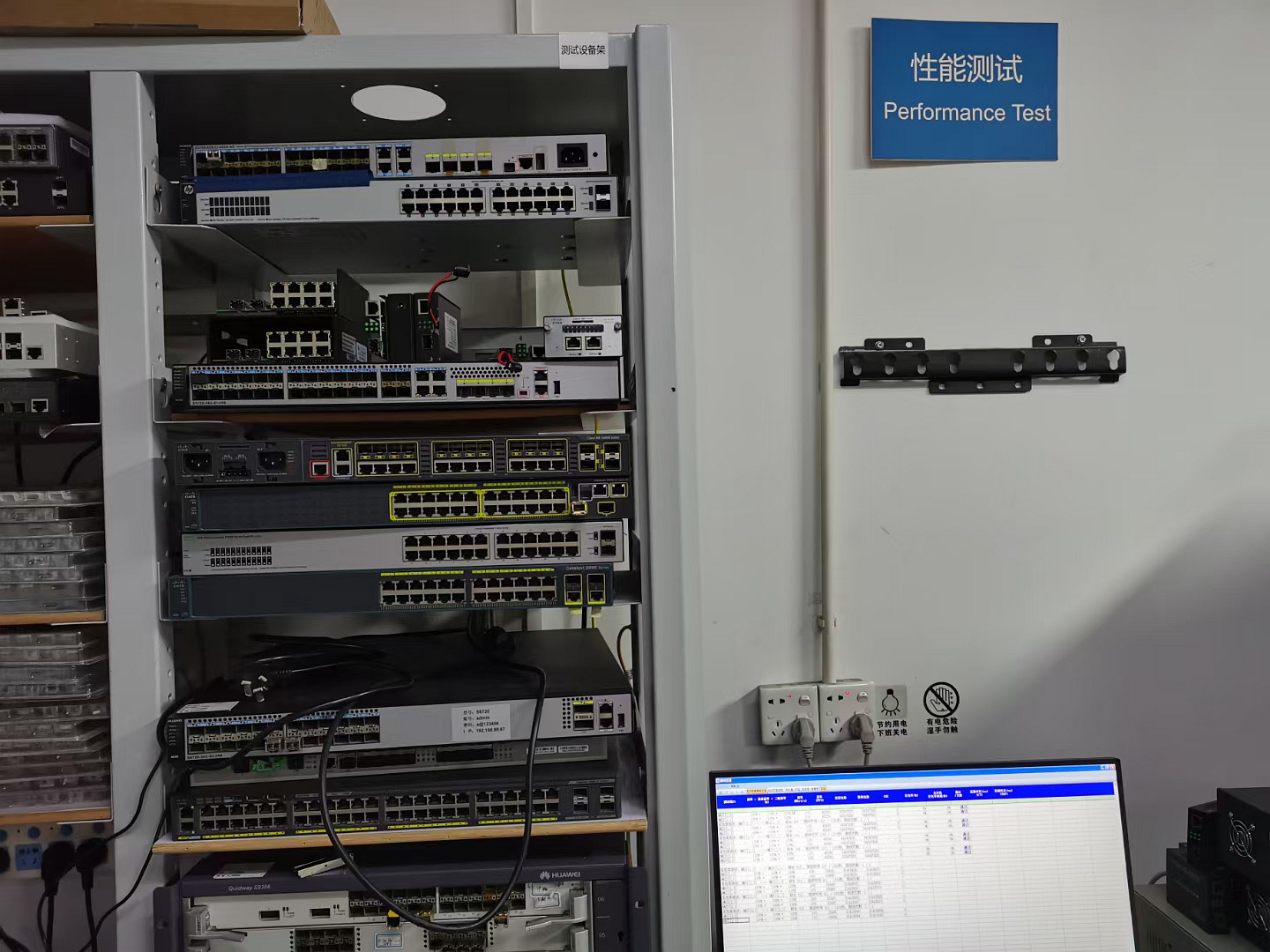
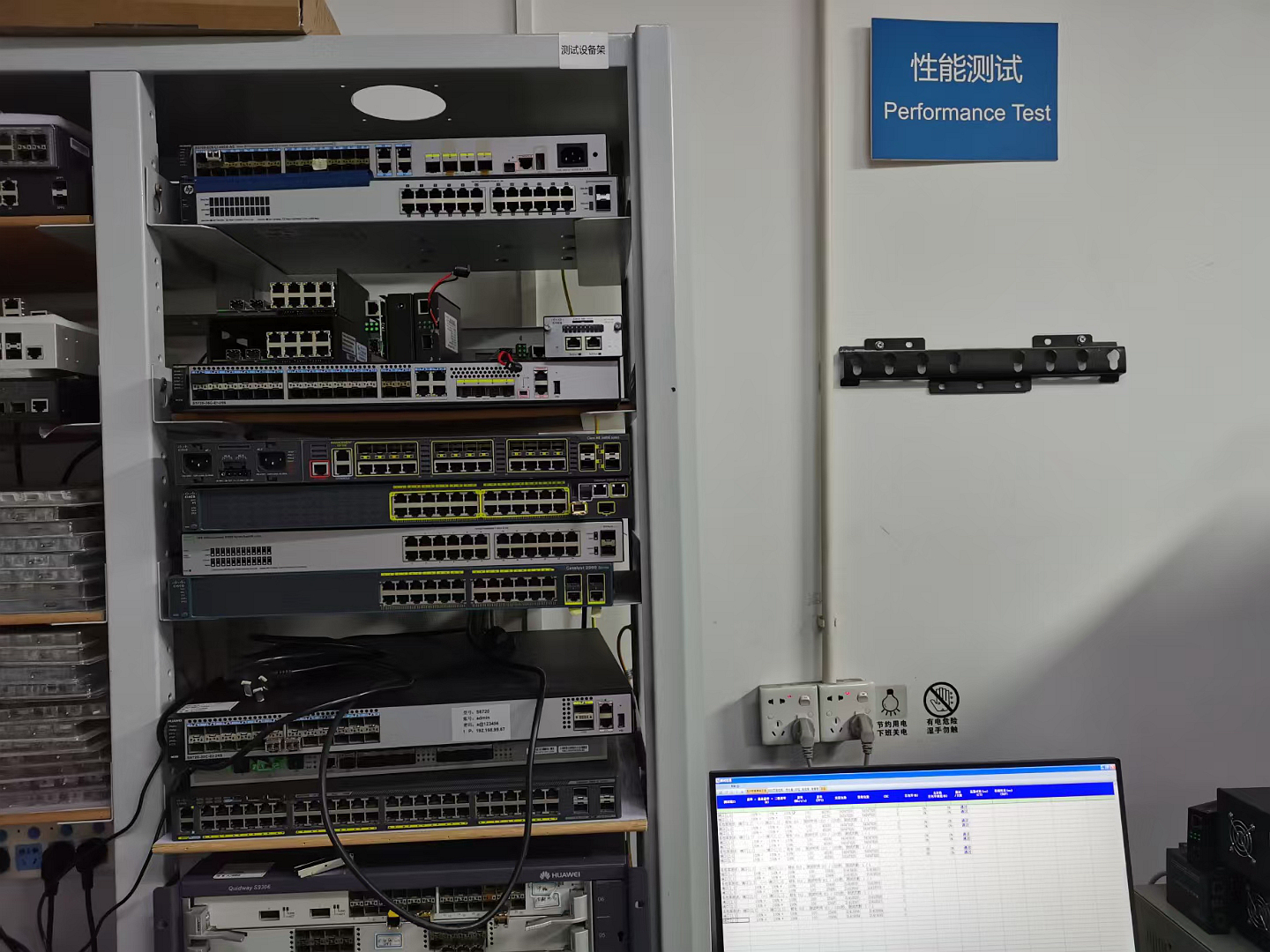
Transceivers are programmed and tested directly inside major networking systems (Cisco, Juniper, HP, Huawei) to ensure no firmware compatibility issues occur post-delivery.

Analyzing key structural factors that dictate transceivers capability and future integration paths
Historically, optical switch OEMs applied proprietary firmware locks on SFP cages. Transceivers from Soras Technology bypass these restrictions using advanced EEPROM customization. By writing device-specific microcode into the module's controller, we ensure seamless communication with host hardware (MSA compliant, including IEEE 802.3ba, 802.3bm, and 802.3ae). This mitigates ports errors, link negotiation failures, and vendor lock-in, significantly lowering Capital Expenditure (CapEx).
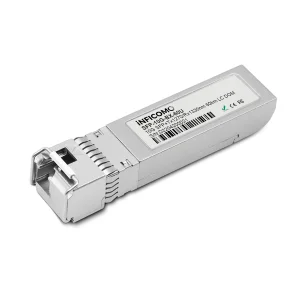
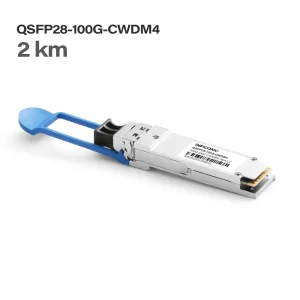
Maximizing existing fiber installations requires dense wavelength division technologies. Our BIDI (Bidirectional) SFP+ modules operate over single-fiber lines by utilizing different wavelengths (e.g., 1270nm TX / 1330nm RX or vice versa), cutting fiber leasing costs by 50%. For multi-channel applications, our 100G CWDM4 QSFP28 modules group four 25Gbps channels into 1271, 1291, 1311, and 1331nm bands, carrying signals up to 2km on Single Mode Fiber (SMF) without optical amplification.
Real-time link monitoring is crucial for predictive maintenance. Using I2C bus interfaces, our transceivers support real-time digital parameters query:
| Transceiver Type | Wavelength (nm) | Max Reach / Cable | Fiber Type | Connector | DDM Support |
|---|---|---|---|---|---|
| QSFP28 100G CWDM4 | 1271, 1291, 1311, 1331 | 2 km | SMF (Single Mode) | Duplex LC | Yes |
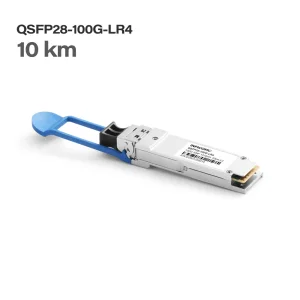
| QSFP28 100G LR4 | 1295.56, 1300.05, 1304.58, 1309.14 | 10 km | SMF (Single Mode) | Duplex LC | Yes |
| QSFP-40G-eSR4 | 850 | 300 m (OM3/OM4) | MMF (Multi Mode) | MPO-12 | Yes |
| QSFP-40G-PLR4 | 1310 | 2 km | SMF (Single Mode) | MPO-12 | Yes |
| 10G BiDi SFP+ | 1330 TX / 1270 RX (WDM) | 60 km | SMF (Single Mode) | Simplex LC | Yes |
Delivering Scalable Optoelectronics and Network Equipment for Diverse Modern Workloads
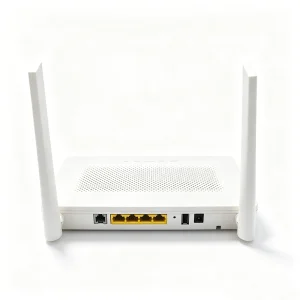
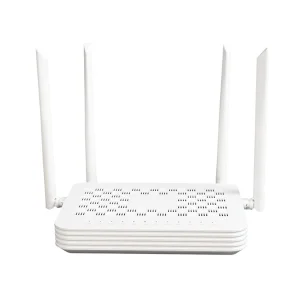
By pairing GPON/XPON OLT systems with our advanced dual-band WiFi 6 ONUs (such as AX3000 XPON ONU and EG8145V5 families), service providers establish high-throughput FTTH/FTTB links, carrying high-definition IPTV, VoIP, and gigabit broadband directly to users with minimal packet loss.
Our 100G and 40G QSFP transceivers support spine-leaf data topologies, enabling low-latency data replication, server pooling, and virtualized resource hosting. With DDM features, data engineers monitor transceiver health metrics continuously without halting physical fiber loops.
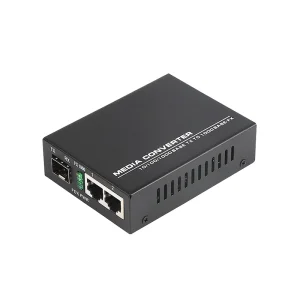
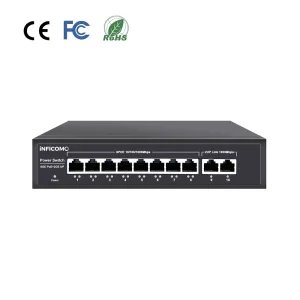
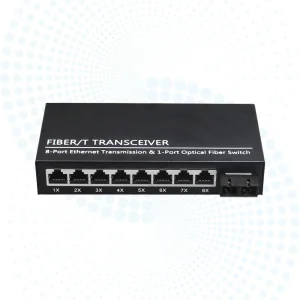
In municipal building systems or remote field locations, deploying PoE switches with long-distance fiber converters is necessary. Our switches offer up to 30W output per port under 802.3af/at standards, while WDM Media Converters bridge copper LAN gaps up to 20km over fiber.
How Soras Link aligns production capabilities with next-generation optical evolutions
Standardizing QSFP28 modules using advanced Silicon Photonics (SiPh) platforms to reduce optical component counts and enhance thermomechanical robustness. Expanding the compatibility base to support next-generation edge networking cards.
Developing high-speed QSFP-DD modules to bridge switches and server architectures directly at 400Gbps speeds. Incorporating optical engines closer to ASICs to reduce electrical routing losses and minimize power consumption.
Pioneering coherent transceivers designed for long-haul networks and ultra-dense hyper-scale environments, maximizing spectral efficiency and keeping latency to an absolute minimum under extreme workloads.
Critical Engineering and Commercial Answers for Procurement and Network Officers
Expanding and Securing Your Local Network Performance
 Soras Tech