Explore our top-tier optical transmission modules, GPON OLT configurations, and robust POE distribution nodes engineered for maximum operational uptime.
Analyzing the intersection of multi-gigabit access demands, optical convergence, and the macro-trends defining modern telecommunication infrastructure.
As standard enterprise environments transition from legacy Fast Ethernet to multi-gigabit optical loops, the implementation of robust multi-port hardware becomes central to edge processing. The demand is heavily fueled by IoT density, high-definition IP surveillance, and latency-sensitive cloud tasks.
Today's smart grids and intelligent buildings rely on Power over Ethernet (PoE) switches capable of delivering continuous power budgets under extreme thermal shifts. Modern topologies combine unmanaged simplicity at branch nodes with highly structured optical backhauls to guarantee constant uptime.
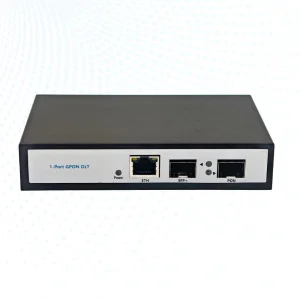
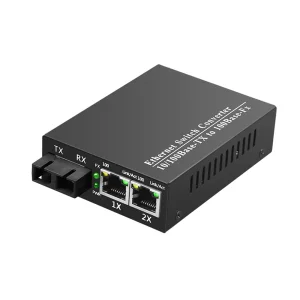
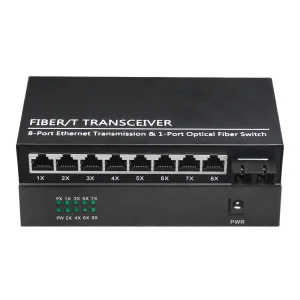
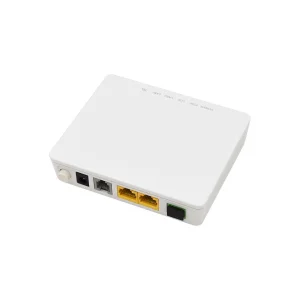
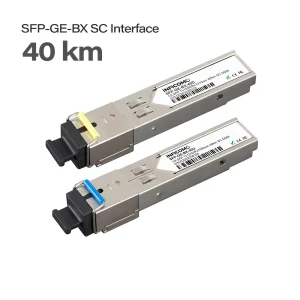
FTTH and FTTB networks are scaling away from traditional copper distribution networks. The strategic utilization of media converters, GPON OLT configurations, and compact SFP transceiver modules allows operators to run high-speed single-mode fiber over kilometers without significant optical degradation.
With over a decade of deep domain experience, Shenzhen Soras Technology Co., Ltd. sits at the heart of China’s high-tech optical manufacturing hub in Guangdong. We operate as a comprehensive R&D developer and exporter, serving global telecom operators, enterprise integrators, and distribution networks across 60+ countries.
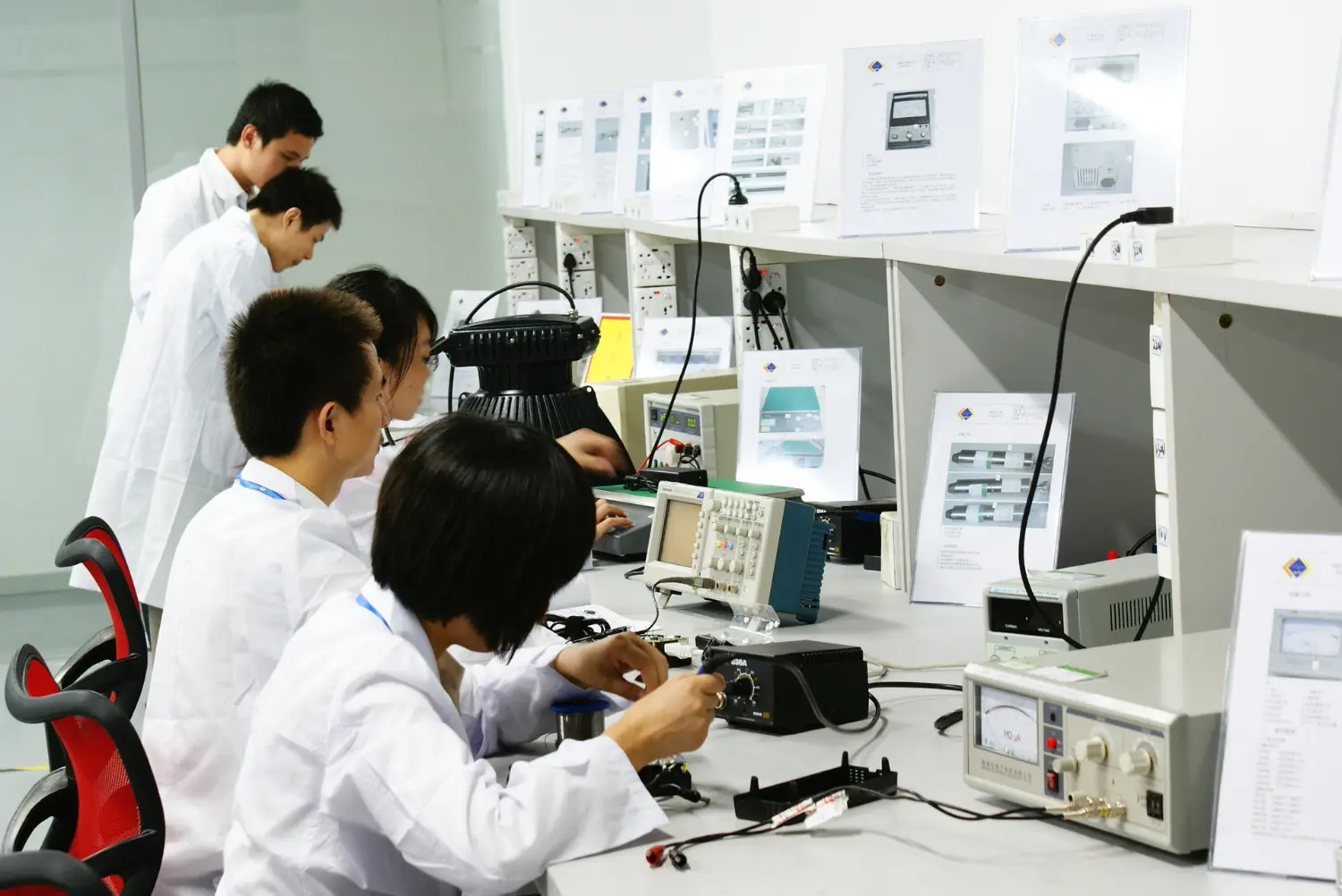
Our operational framework is backed by stringent quality assurance systems, utilizing leading-edge SMT production lines, rigorous environmental testing chambers, and precision fiber alignment diagnostics to guarantee component-level excellence before shipment.
| Business Type | Manufacturer & Exporter |
| Country / Region | Guangdong, China |
| Main Product Range | FTTH ONU & OLT, SFP Transceiver Modules, Fiber Media Converters, PoE Switches |
| Global Standards | ISO 9001, UL, CE, FCC, RoHS Certified |
| Annual Valuation | US$5 Million - US$10 Million Output |
| Target Markets | North America, South America, Europe, East Asia |

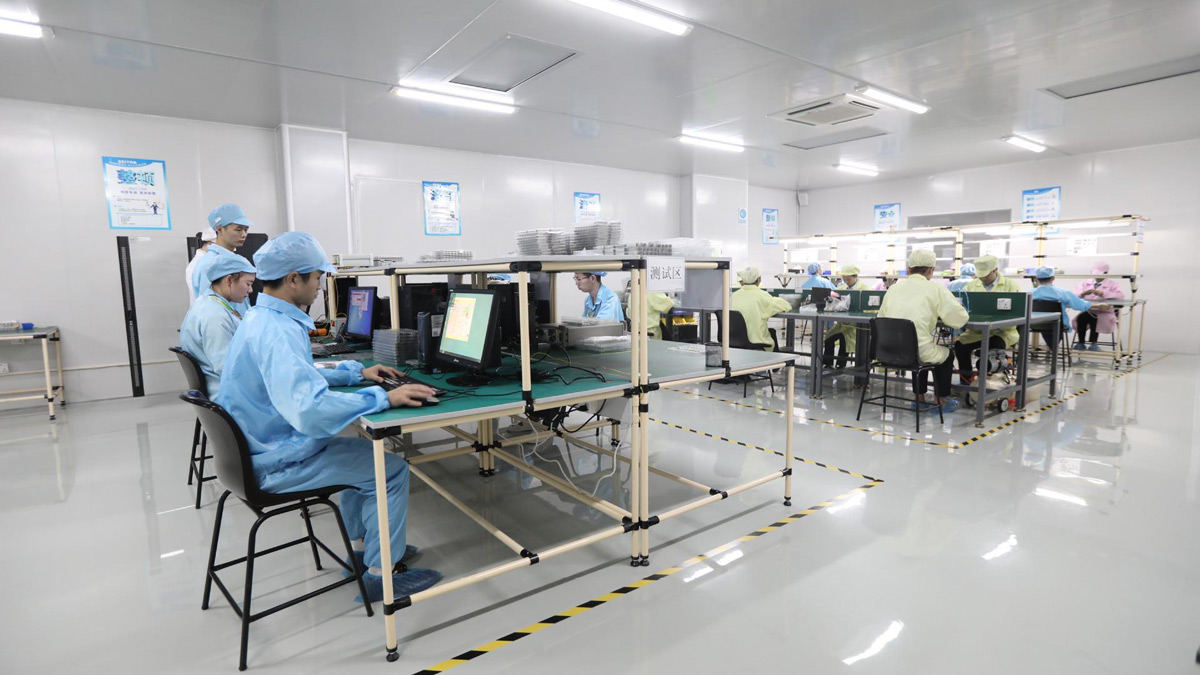

A transparent look into our physical manufacturing processes, diagnostic testing, and supply chain execution that secure product consistency.

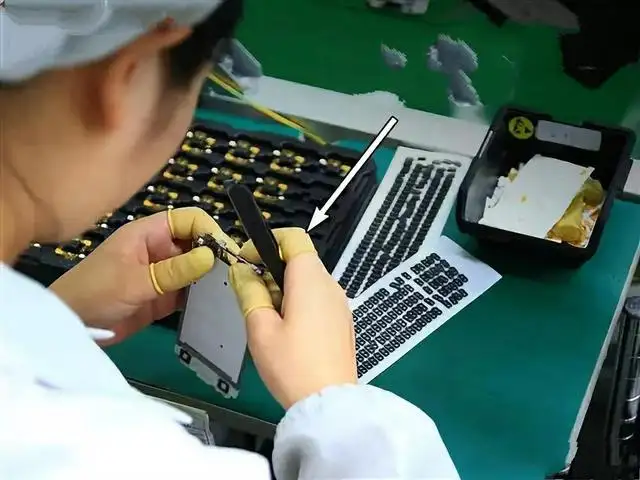
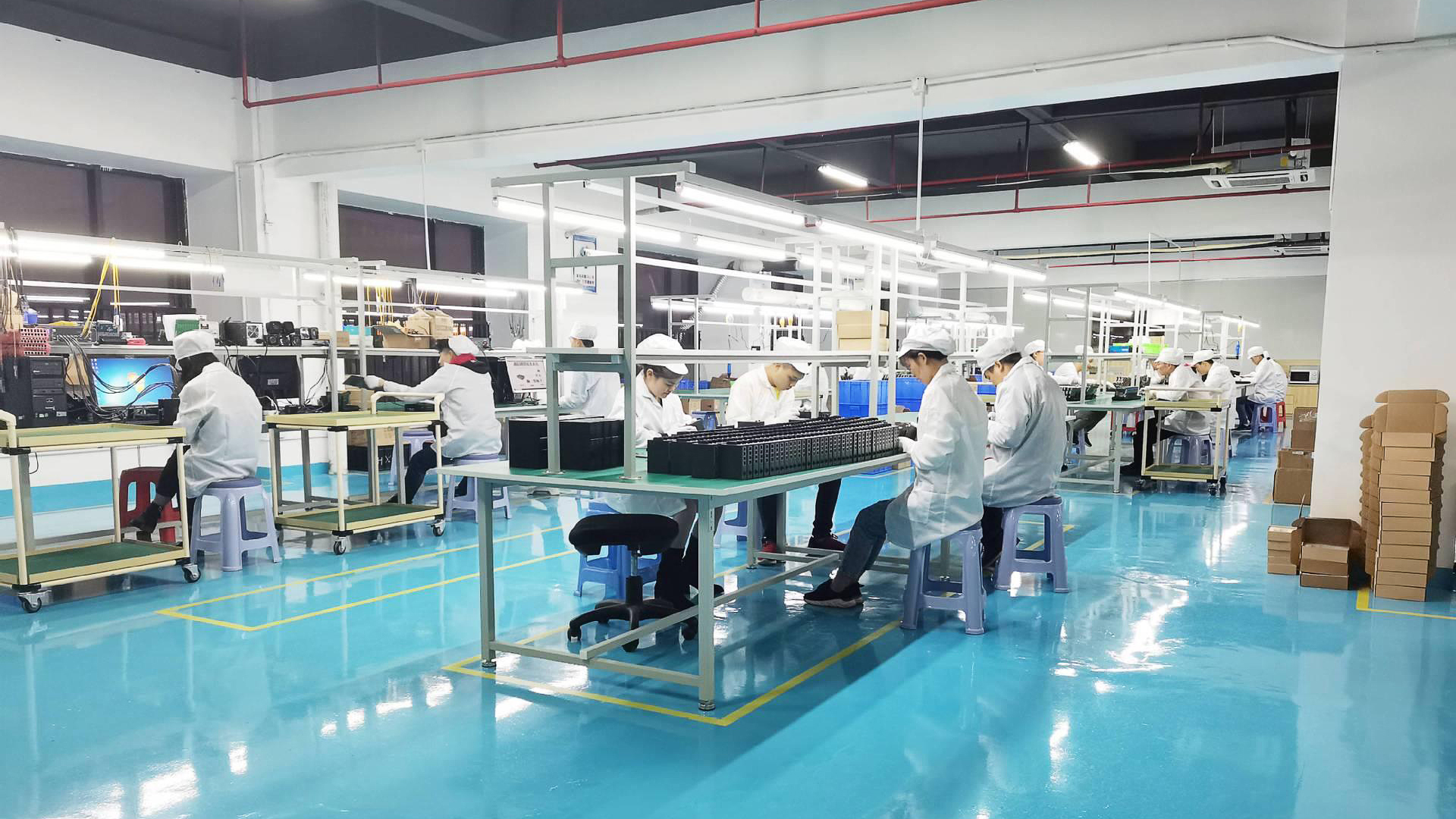

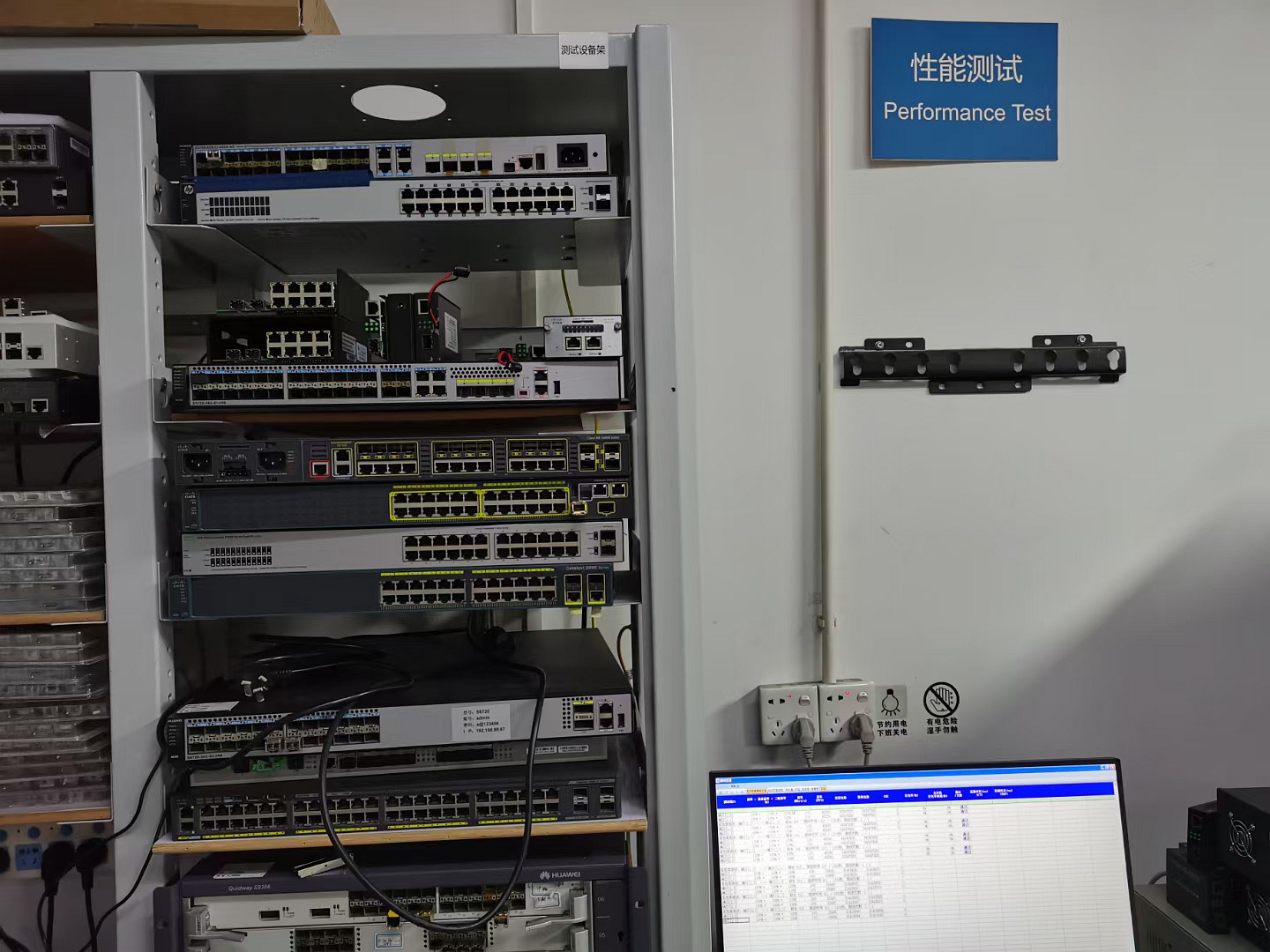
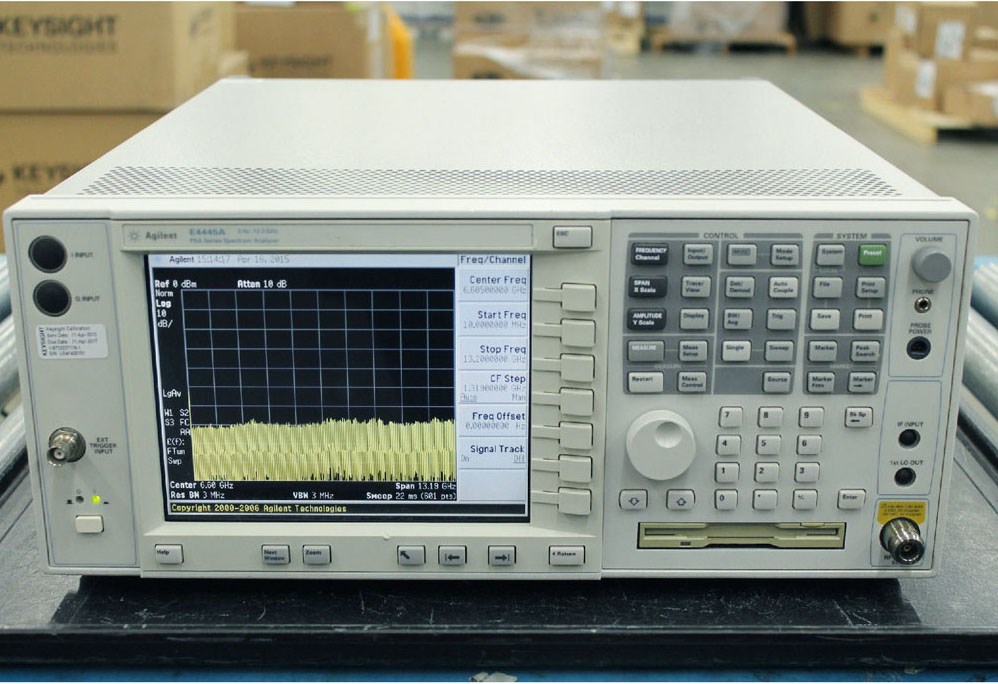
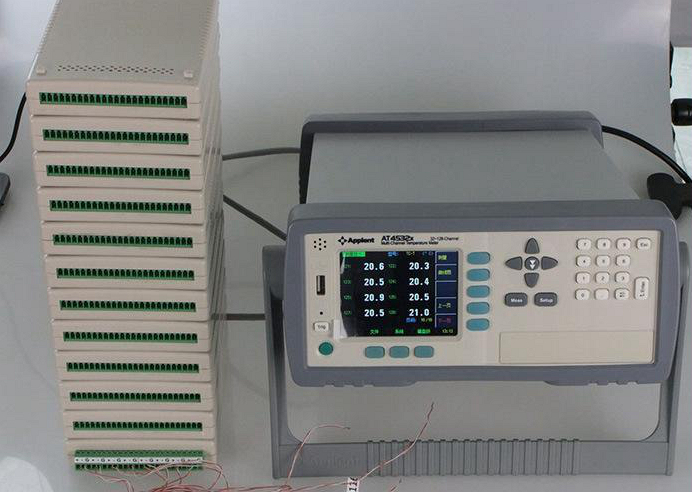
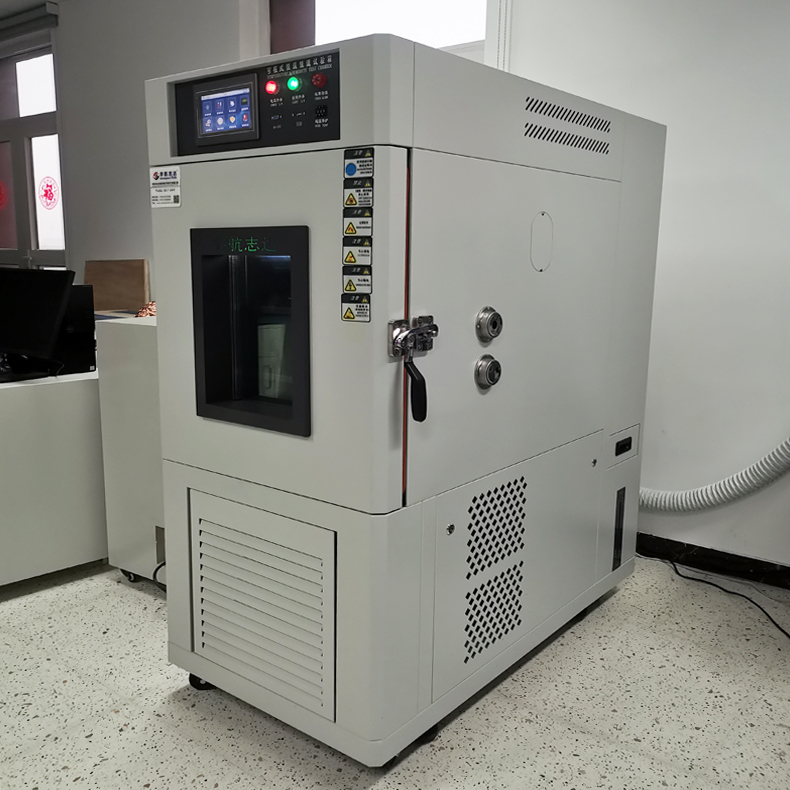
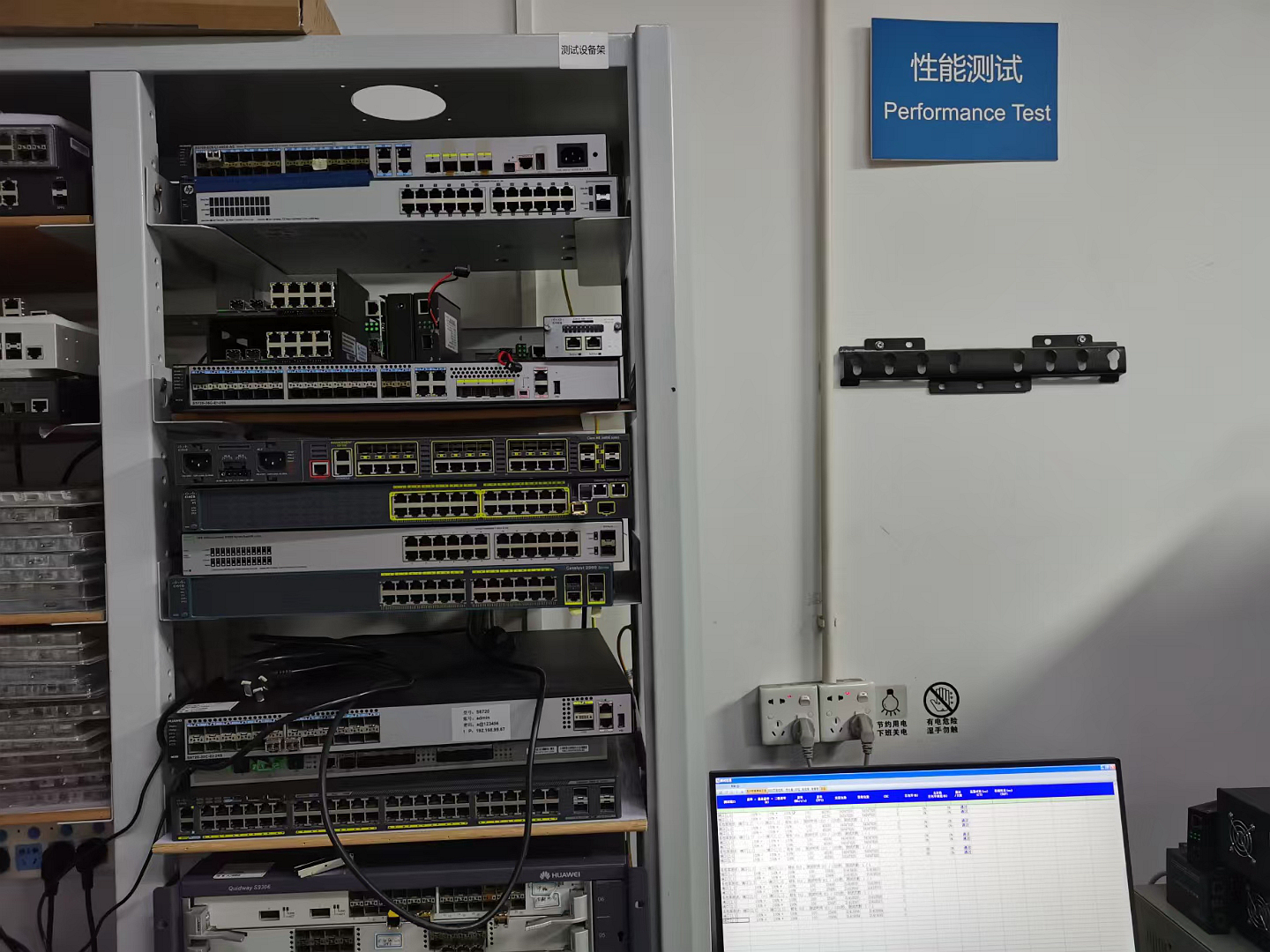
An analytical breakdown of supply chain structural advantages, technical architectures, and real-world deployment challenges.
Shenzhen's dominance in optical transmission hardware is not merely a product of labor scaling. It represents an integrated ecosystem where upstream component fabrication (such as raw optical sub-assemblies, SMT board designs, and specialized silicon wafer dicing) occurs within a 15-kilometer radius. This structural cluster layout dramatically cuts prototyping lead times from months to days. Soras Technology leverages this physical proximity to run dynamic testing protocols on custom OEM designs, allowing fast iteration loops that Western suppliers cannot match due to fragmented supply networks.
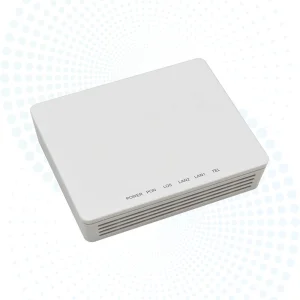
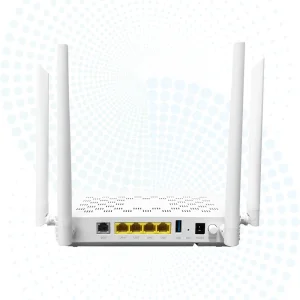
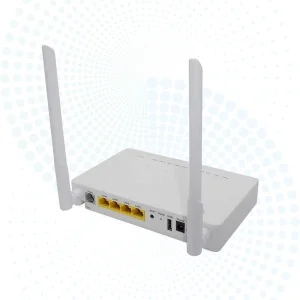
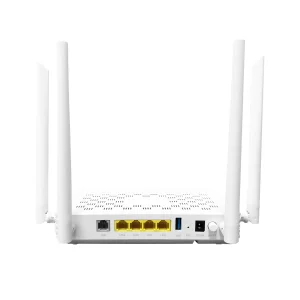
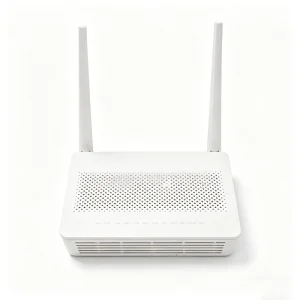
Modern FTTH distribution structures demand XPON interoperability. When deploying devices like our WiFi 6 AX3000 XPON ONU, operators deal with overlapping wavelength layouts: GPON (downstream 1490nm, upstream 1310nm) and EPON standards. A highly optimized optical receiver must possess precise filter components to handle these wavelengths without cross-talk or physical attenuation, ensuring consistent packet delivery even in high-loss split scenarios (1:64 or 1:128 splits). Our specialized hardware testing suites verify optical power input ranges down to -28dBm, preventing frame loss in fringe-area subscriber loops.
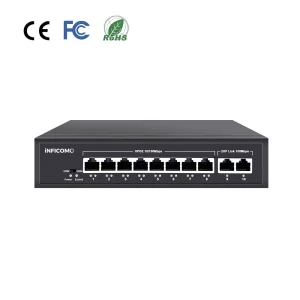
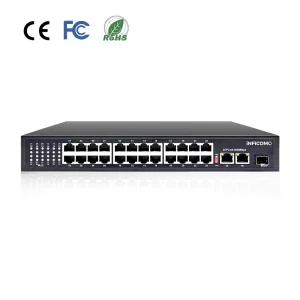
System designers deploying outdoor security networks rely heavily on unmanaged PoE multi-port switches. The critical performance indicator here is the total PoE power budget combined with thermal dissipation. Our 24 Port Unmanaged PoE Switch incorporates an intelligent hardware-level watchdog timer. If an IP camera crashes or stops sending data, the switch automatically power-cycles the corresponding port, eliminating the need for expensive manual truck rolls to remote project locations. Additionally, the integration of solid-state electrolytic capacitors ensures performance integrity across a wide thermal range (-20°C to +60°C).
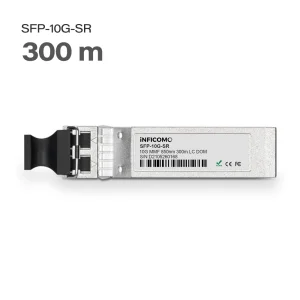
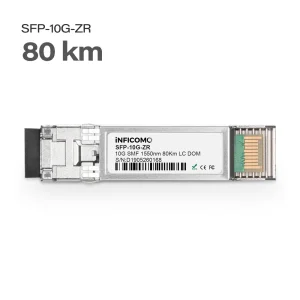
For high-capacity metro-rings and enterprise cores, optical loss limits are non-negotiable. SFP-10G-SR transceivers utilizing 850nm VCSEL lasers over OM3 multi-mode fiber are optimized for short-reach high-density racks. However, for long-haul metropolitan backhauls, 10G SFP+ 80km modules operating on the 1550nm wavelength over single-mode fiber (SMF) require high-precision distributed feedback (DFB) or electro-absorption modulated (EML) lasers. By maintaining strict in-house validation processes (as shown in our High-Low Temperature and Wifi Calibration suites), Soras maintains the precise optical power margin required to prevent link flapping caused by thermal expansion in optical couplers.
Addressing the primary configuration, deployment, and logistics questions raised by telecommunication procurement directors and network architects.
GPON (Gigabit Passive Optical Network) operates under ITU-T G.984 guidelines, offering 2.488 Gbps downstream and 1.244 Gbps upstream. EPON (Ethernet PON) follows IEEE 802.3ah specs, delivering symmetrical 1.25 Gbps. XPON is a dual-mode firmware/hardware capability that automatically senses the optical line terminal (OLT) type (GPON or EPON) and shifts its protocol configuration on the fly, reducing stock-keeping unit (SKU) complexity for distributors.
The PoE Watchdog is an embedded hardware feature that monitors packet traffic on individual ports. If traffic stops for a specified duration (indicating a frozen IP camera or VoIP phone), the switch temporarily cuts power to that specific RJ45 port for 10-15 seconds, forcing a cold reboot of the downstream device. This drastically reduces maintenance costs for remote surveillance setups.
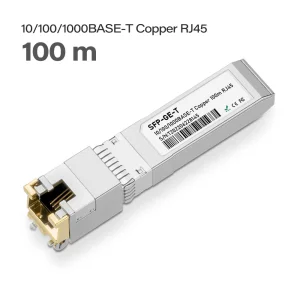
Yes. Our SFP modules, including the SFP-10G-SR and long-range SFP-T copper configurations, are programmed with compatible EEPROM code signatures. This ensures seamless integration and avoids "unsupported transceiver" errors in switches from brands like Cisco, Juniper, Huawei, HPE, and Ubiquiti.
Every batch of our switches, media converters, and ONUs goes through a rigorous testing cycle. This includes automatic SMT AOI (Automated Optical Inspection), thermal cycle stress tests (High-Low Temperature chambers ranging from -40°C to +85°C), signal error rate (BERT) testing, and comprehensive Wi-Fi calibration to guarantee exact RF output power and receiver sensitivity.
We provide full hardware and software customization. This includes custom plastic enclosures, localized packaging, multi-language firmware (supporting English, Spanish, Portuguese, etc.), customized default configurations, and custom web management interfaces. These services allow local ISPs to deploy branded hardware with ease.
Complete your network topology with our long-range optical transceivers, high-capacity PoE distribution blocks, and precision field installation tools.
 Soras Tech