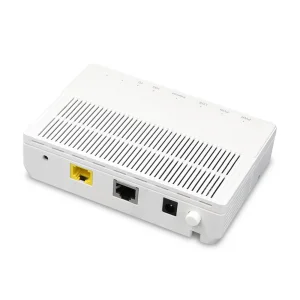
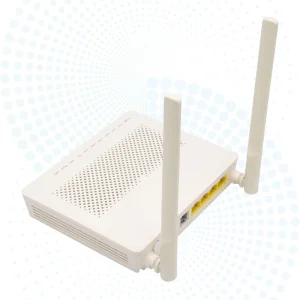
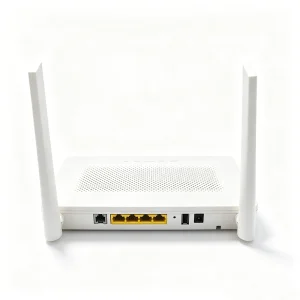
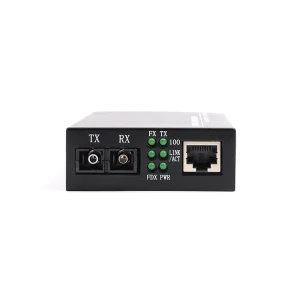
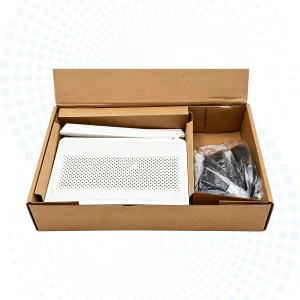
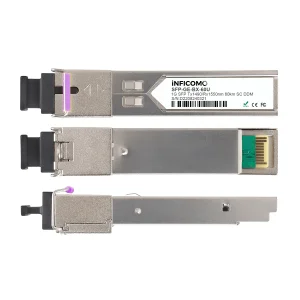
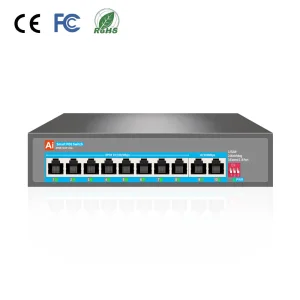
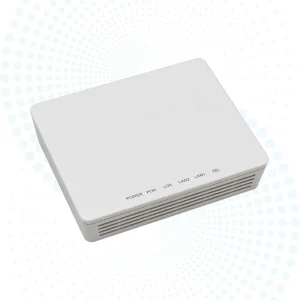
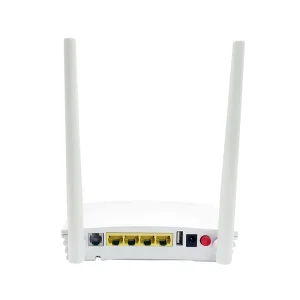
Direct access to standard-compliant terminal equipment engineered for major OLT platform compatibility, optimized for FTTH architectures.
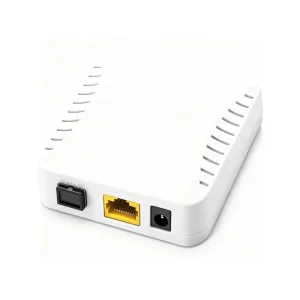
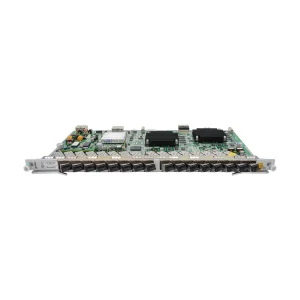
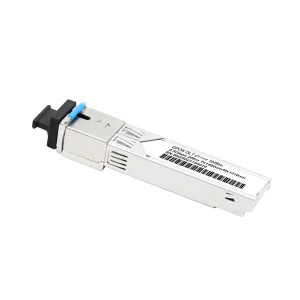
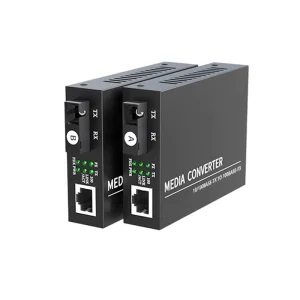
As optical access deployment scales rapidly to support hyper-bandwidth services like 8K video transmission, VR cloud gaming, and enterprise optical private lines, selecting the right manufacturing partner in China becomes a strategic priority. This white paper serves as a comprehensive reference guide to dissect the underlying hardware architecture, SMT-level production workflows, testing protocols, and compliance benchmarks that distinguish first-rate GPON factories.
Shenzhen Soras Technology Co., Ltd. is a leading manufacturer of optical transmission equipment and network equipment with more than 10 years of experience. We rely on high-quality management and technological innovation, committed to providing customers with high quality, cost-effective, high value-added products and solutions.
Today, we work closely with telecommunications companies around the world. We have strong technical force and experienced R&D team, products can be developed according to customer requirements, we also accept your OEM and ODM orders. Now our products are exported to more than 60 countries, the main markets are South America, North America and Europe.
Our main products: Fiber Media Converter, SFP Module, POE Switch, ONU, OLT and supporting products. We have passed ISO 9001, UL, CE, FCC, ROHS Certification, our aim is "superior quality, professional service, competitive price, integrity-based". We believe this is not only our responsibility, but also the best way out for long-term development. Soraslink looks forward to working with you!
| Business Type | Manufacturer |
| Country / Region | Guangdong, China |
| Main Products | FTTH ONU & OLT, SFP Module, Fiber Media Converter, Poe Switch, Fiber Optic Equipment |
| Total Employees | 11 - 50 People |
| Total Annual Revenue | US$5 Million - US$10 Million |
| Year Established | 2021 |
| Main Markets | Domestic Market 24%, Eastern Asia 15%, North America 15% |

Why does over 70% of the world's GPON ONU and OLT hardware originate from China, specifically the Pearl River Delta? The answer lies in localized component integration, skilled labor hubs, and optimization in SMT (Surface Mount Technology) processes.
By placing assembly plants within kilometers of laser diode, optical sub-assembly (BOSA), and system-on-chip (SoC) providers, Soras Technology minimizes transit delays, stabilizing manufacturing leads.
OEM and ODM iterations require responsive hardware-level revisions. Our SMT line integration allows us to progress from PCB Gerber layout validation to functional prototypes within days.
Strategic proximity to major airports and deep-water ports (Shenzhen/Hong Kong) facilitates rapid delivery across South America, North America, and Europe, cutting overhead transit costs.
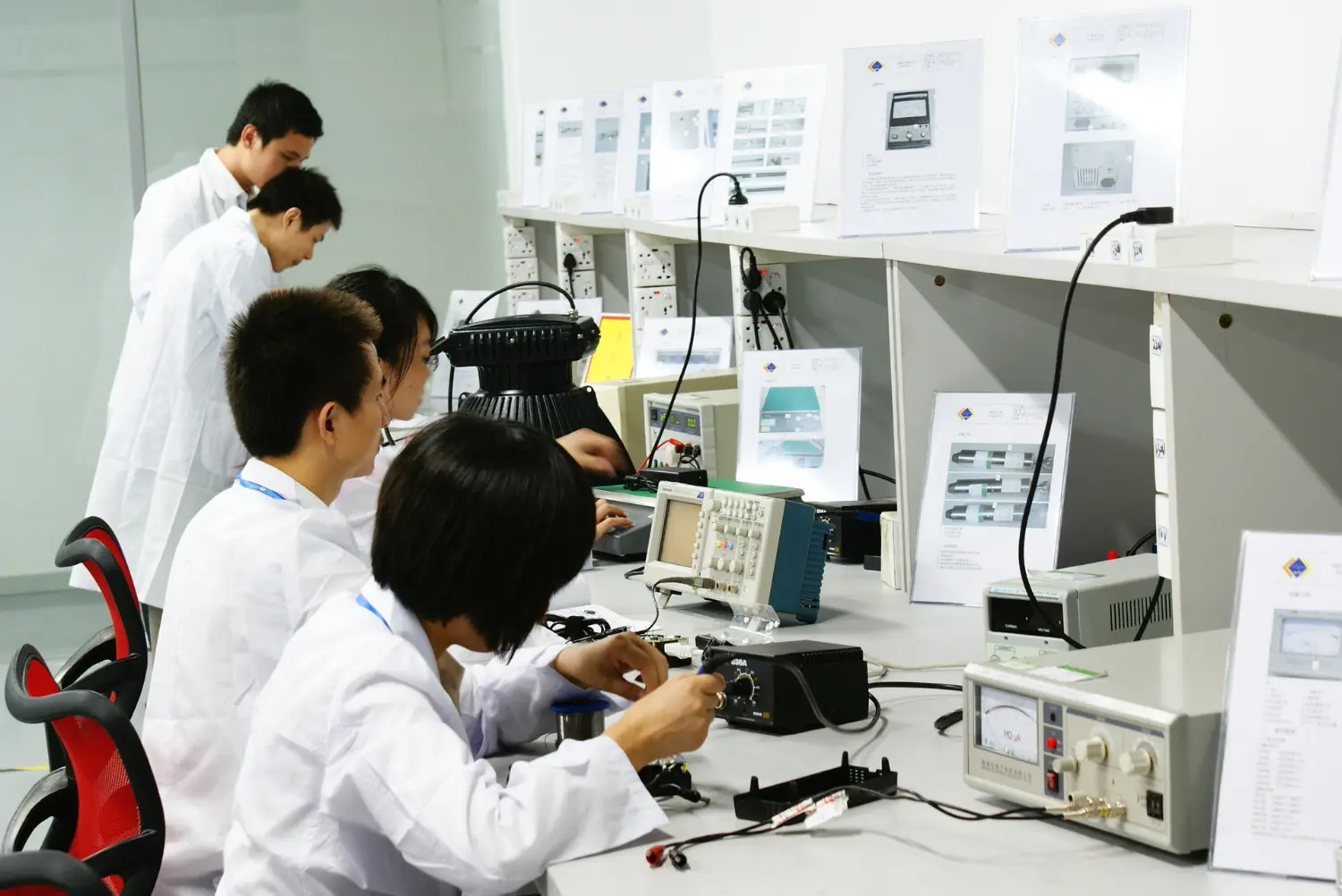
A network terminal device must run continuously for years under varying climate conditions. To prevent packet loss, frame dropping, or device lockups, we implement stringent QC checks at every phase of assembly.
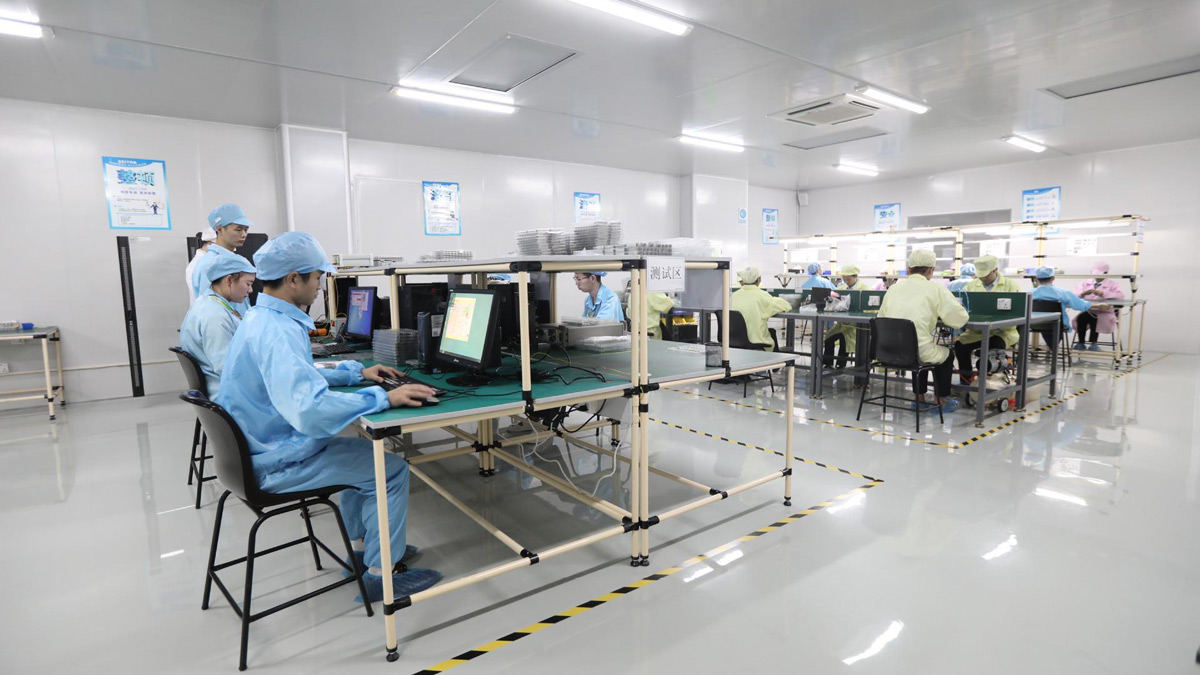


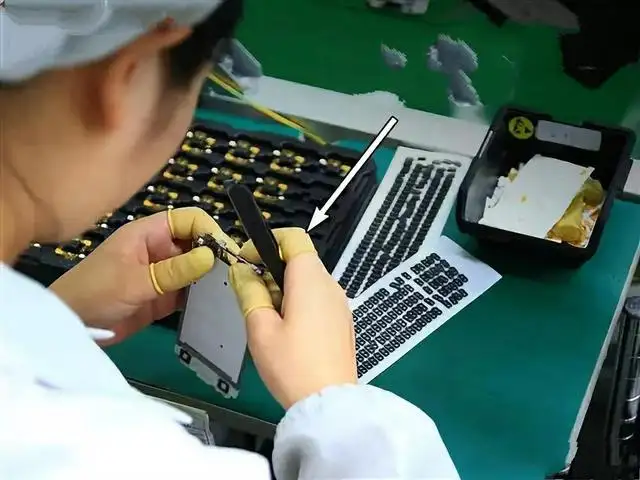

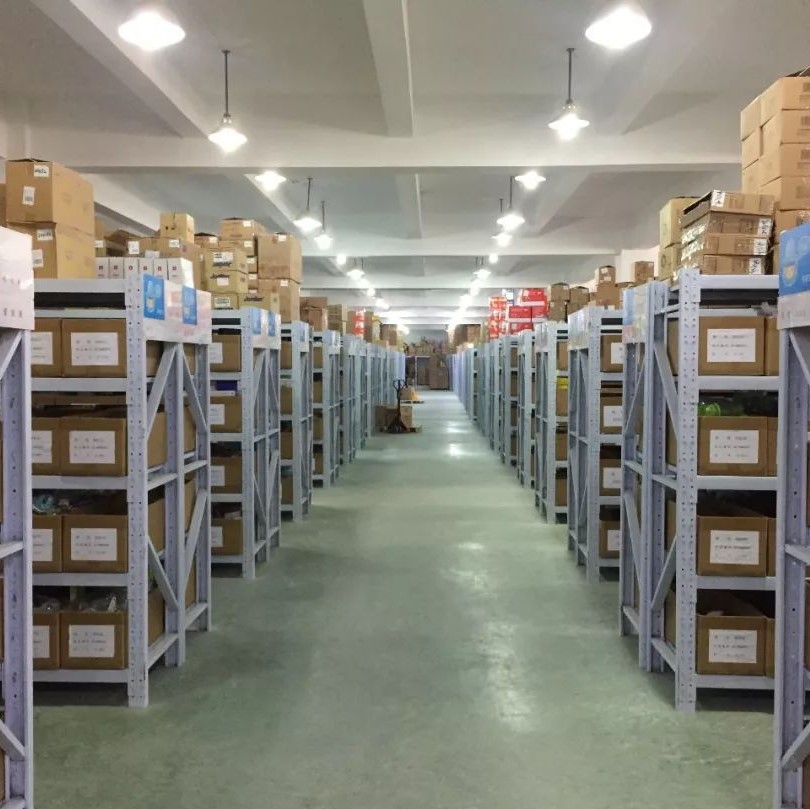
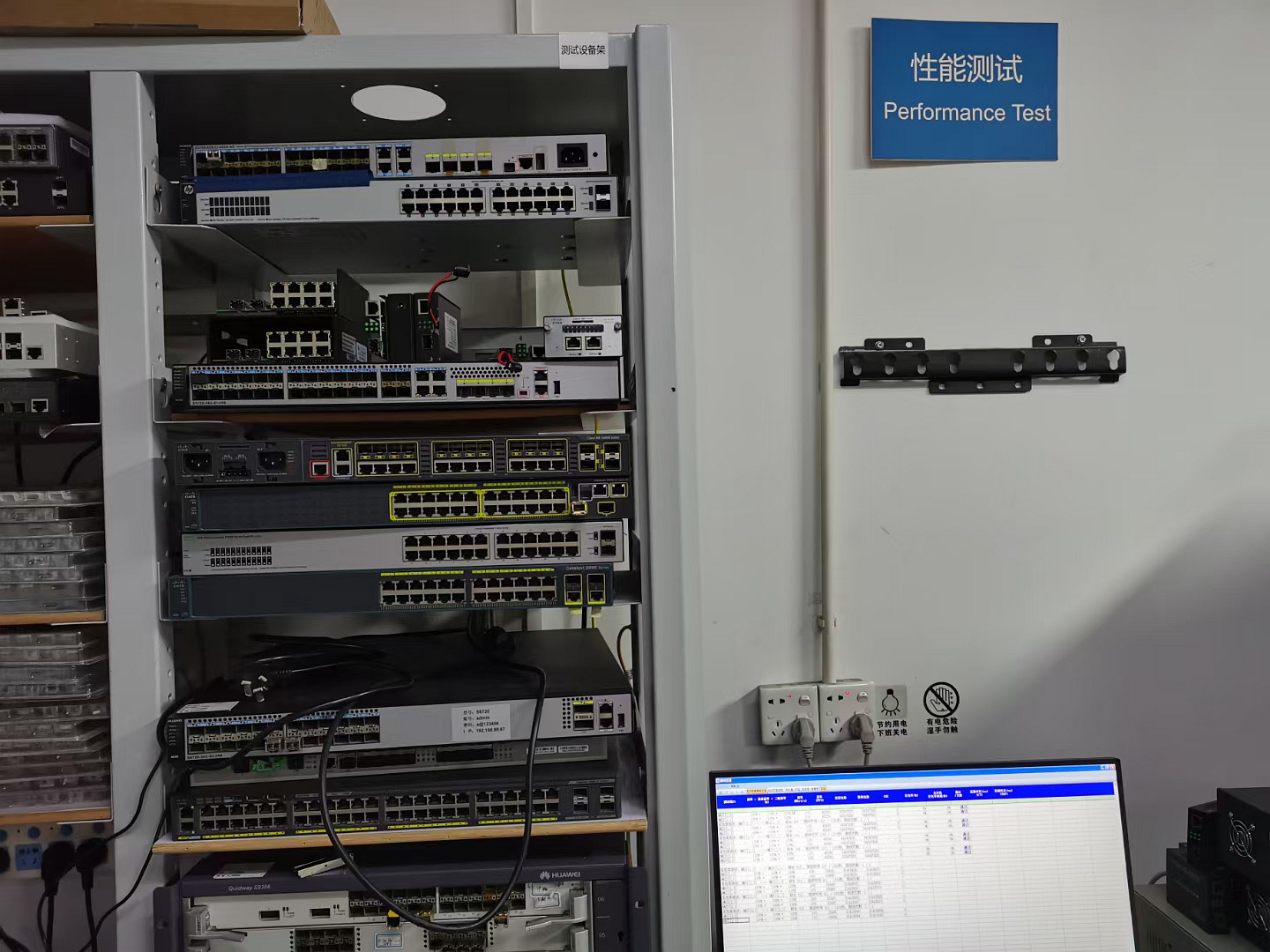
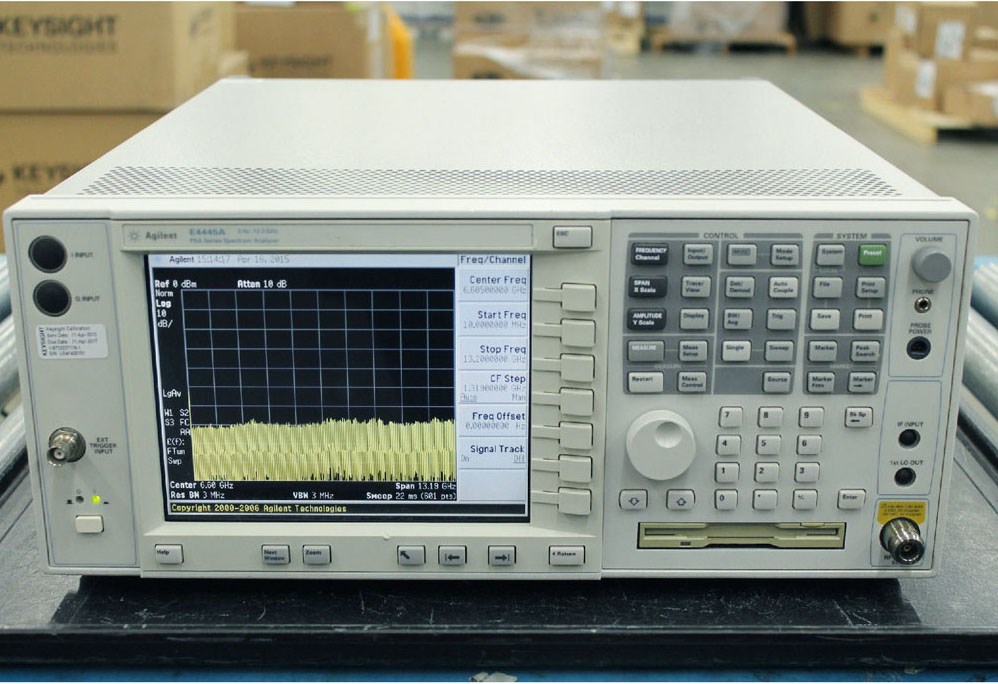
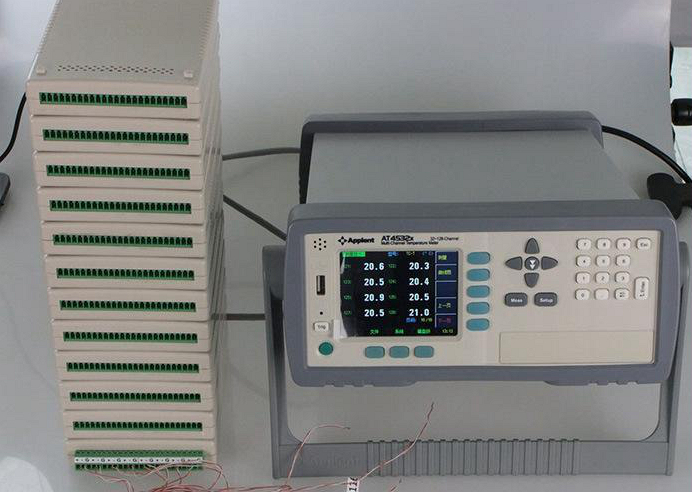
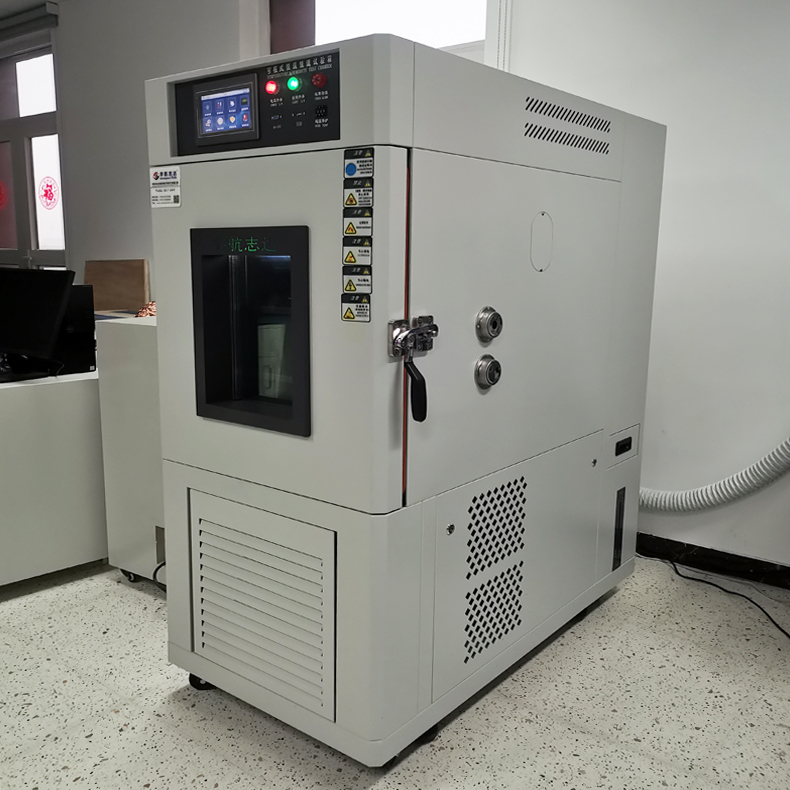
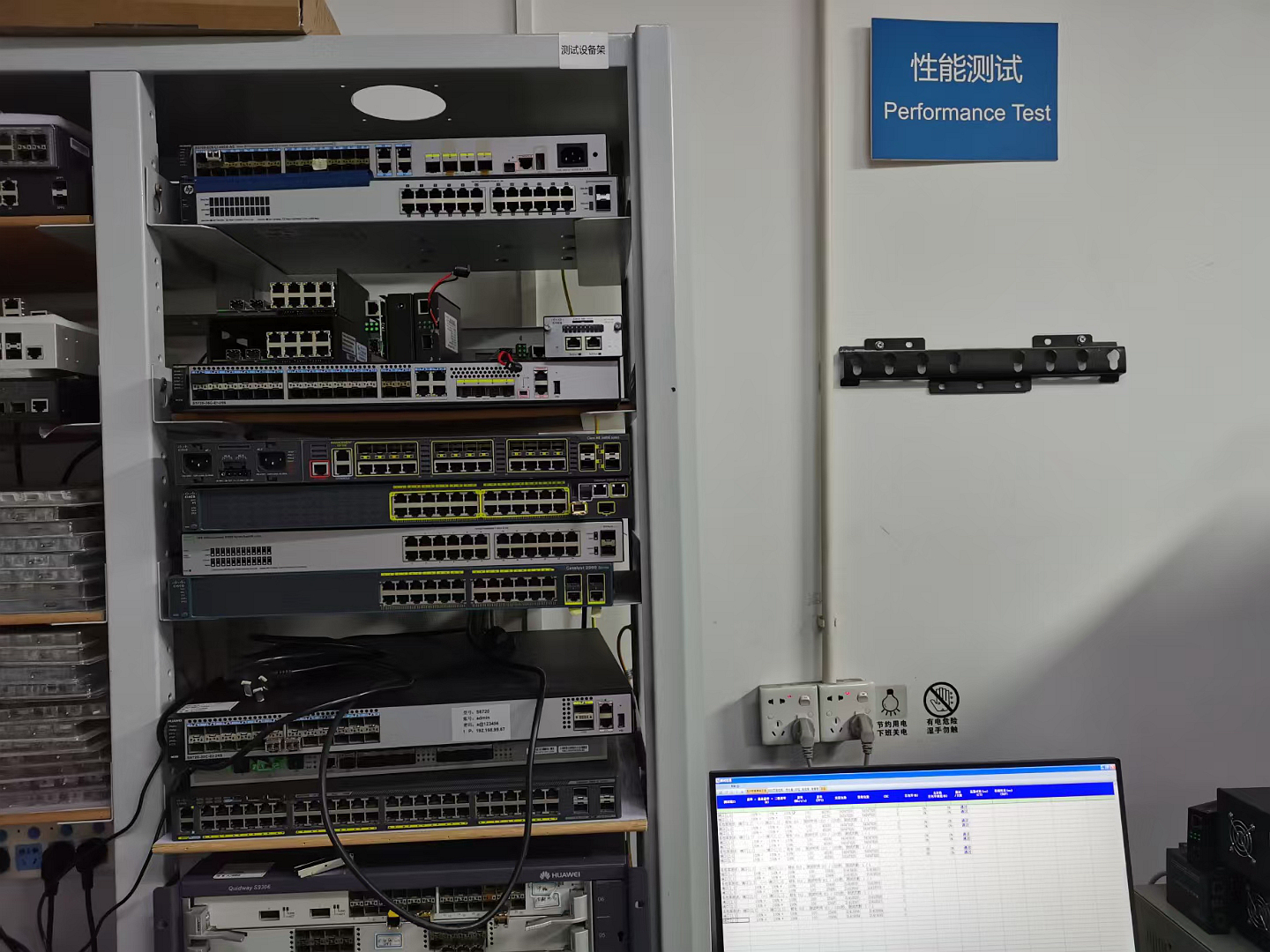
When deploying FTTH networks in diverse global environments, hardware compatibility is paramount. A standard GPON ONU/ONT must operate flawlessly alongside regional optical line terminals (OLT) while meeting international compliance frameworks.
A primary challenge for ISPs is preventing OLT vendor lock-in. Soras Technology's GPON ONUs feature firmware-level adaptations that allow seamless communication with Huawei, ZTE, Nokia (Alcatel-Lucent), Fiberhome, and DASAN OLTs. This involves the emulation of OMCI (ONU Management and Control Interface) protocols, ensuring correct VLAN provisioning, VOIP registration, and multicast IPTV streaming regardless of the headend brand.
Sourcing hardware for European and North American markets requires rigorous compliance:
Global deployment scenarios require localized firmware profiles. Our devices support multi-language GUIs (English, Spanish, Portuguese), customized default settings, TR-069 auto-provisioning profiles for centralized management, and preset VoIP server parameters mapped to local carriers.
Use this engineering-grade evaluation grid to verify that a potential GPON factory meets standard operational metrics before signing Master Service Agreements (MSAs).
| Sourcing Benchmark | Acceptable Quality Level (AQL) | Soras Tech Capability Status |
|---|---|---|
| Laser Diode Quality | Class B+ or C+ optics, lifespan > 100,000 MTBF hours. | Compliant (C+++ modules available) |
| SMT Solder Inspection | Automated 3D Optical Inspection (AOI) for bridging and dry joints. | Standard (100% inline AOI verification) |
| OMCI Protocol Customization | Full implementation of ITU-T G.988 for remote configuration. | Fully Customized & Validated |
| Environmental Resistance | Successful testing in chambers from -10°C to +55°C. | Validated (H-L chamber certified) |
| WiFi Performance Calibration | Calibrated output power matching regional regulatory limits. | Automated calibration benches integrated |
Get quick answers to common questions about factory capabilities, logistics, product compatibility, and design customizations.
A GPON ONU operates strictly under the ITU-T G.984 standard, providing 2.488 Gbps downstream and 1.244 Gbps upstream. An XPON ONU is a dual-mode device that automatically detects and switches between EPON (IEEE 802.3ah) and GPON networks, offering greater installation flexibility for mixed OLT architectures.
Yes, our R&D team specializes in modifying the OMCI stack. This ensures our terminals successfully complete handshake sequences, auto-negotiate, and provision services with Huawei, ZTE, Fiberhome, and other major OLT networks without requiring license overrides.
Each dual-band WiFi ONU passes through our automated WiFi Calibration chambers. The calibration software measures EVM (Error Vector Magnitude) and TX/RX power levels across channels, adjusting the internal firmware calibration parameters to ensure optimal wireless range and throughput.
We offer comprehensive customization, including silk-screened housing logos, custom product label printing (with regional compliance marks), custom giftbox packaging, localized default software configurations, and uniquely branded web UI skins for ISPs.
All optical hardware prototypes undergo environmental stress testing. Units are placed in high-low temperature chambers (-10°C to +55°C) to monitor stability, ensuring the optical transceivers maintain wavelength alignment and prevent signal drift.
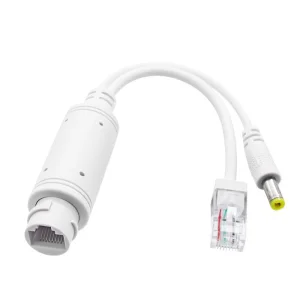
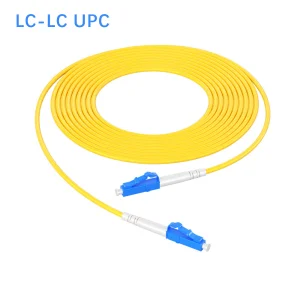
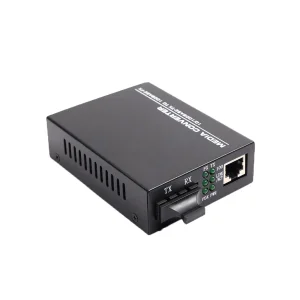
Explore additional optical components, SFP modules, media converters, and power adapters designed for reliable FTTX deployment networks.
 Soras Tech