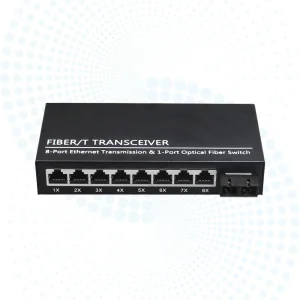
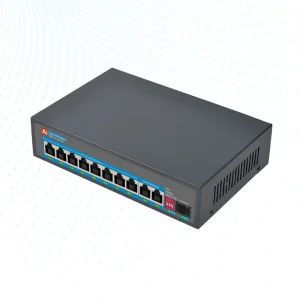
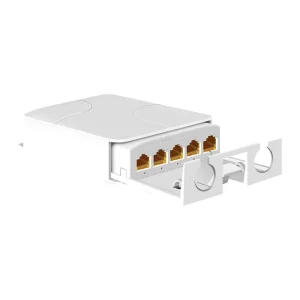
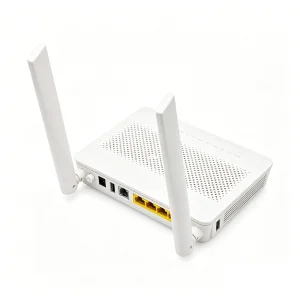
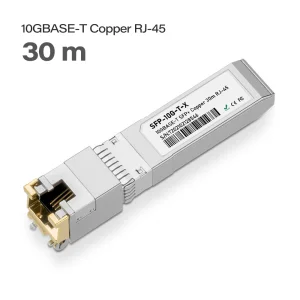
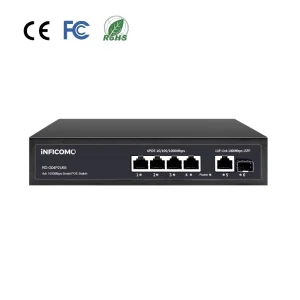
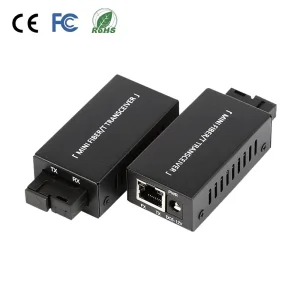
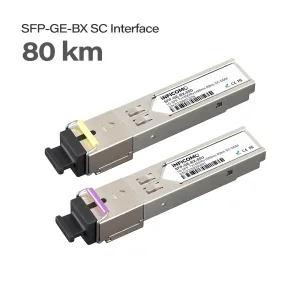
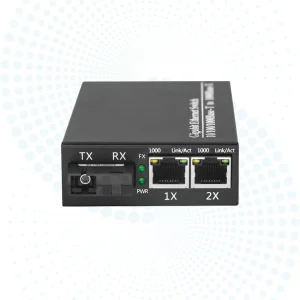
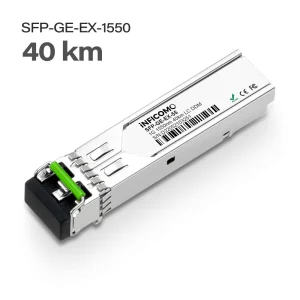
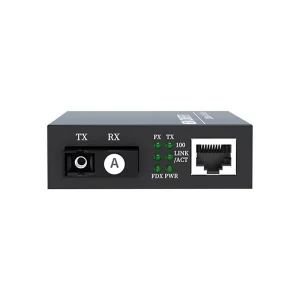
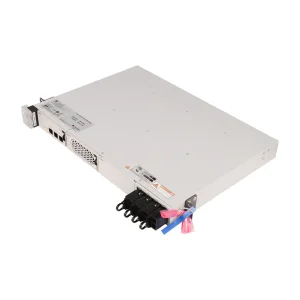
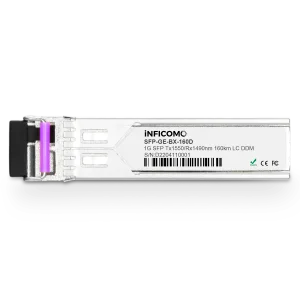
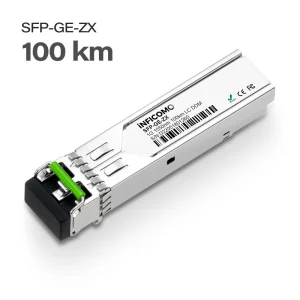
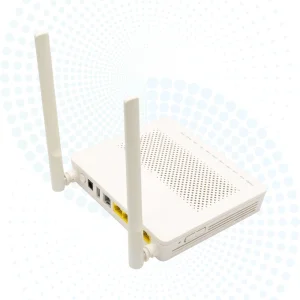
Explore our first selection of carrier-grade components manufactured to exceed industrial and telecommunications requirements.
A deep technological dive into how DAC cables establish reliable physical layers for hyperscale and enterprise networks.
In modern data center topologies, the physical interconnect layer represents the foundation of network stability, latency, and power-efficiency. Direct Attach Copper (DAC) cables, structured as twinaxial copper assemblies, connect directly to transceiver ports (such as SFP+, SFP28, QSFP+, QSFP28, QSFP-DD, and OSFP). Unlike traditional optical transceiver configurations, a DAC assembly integrates the transceiver shells directly onto a fixed copper cable length, eliminating the internal optical-to-electrical conversions.
By bypassing laser transmitters and photodetectors, DAC assemblies operate at negligible latency levels and generate virtually zero power draw (typically less than 0.1 Watts per port for passive configurations). This makes them the primary transmission medium for high-density Switch-to-Switch, Switch-to-Server, and Storage Area Network (SAN) cabling within standard 19-inch racks.
To support high frequency and bitrates, high-end DAC twinax cables employ shielded parallel pairs, engineered to precise characteristic impedance standards (100 Ohms). This shielding protects the high-speed data lanes from Electromagnetic Interference (EMI) and minimizes Near-End Crosstalk (NEXT) and Far-End Crosstalk (FEXT). Leading manufacturers like Shenzhen Soras Technology design these assemblies using premium AWG (American Wire Gauge) copper cores, matching specific wire gauges (such as 30AWG, 28AWG, 26AWG, or 24AWG) to length requirements to guarantee signal integrity margins while balancing cable flexibility and routing space within cabinet organizers.
Crucial metrics that global infrastructure architects analyze during vendor selection.
Every port configuration must align perfectly with the host switch hardware. Quality DAC cables undergo rigorous EEPROM coding and validation protocols to mimic OEM parameters, ensuring plug-and-play operability with Cisco, Arista, Juniper, Dell, HP, and other global brands without raising system errors.
Deployments inside dense cabinets subject cables to elevated temperatures and mechanical stress. Heavy-duty zinc alloy die-cast connector housings, high-durability pull-tabs, and robust strain relief boots prevent mechanical failures during deployment and routine cable maintenance.
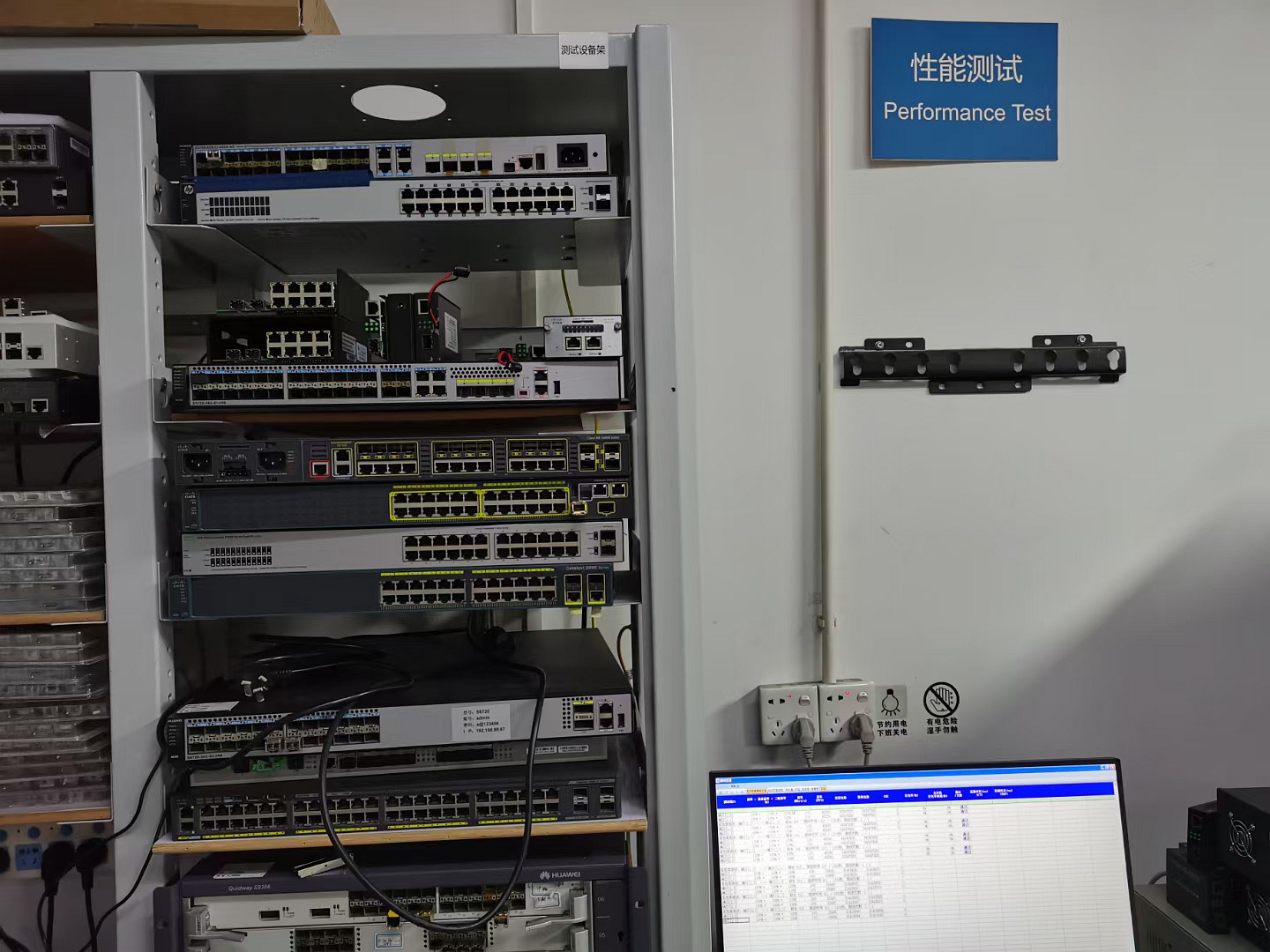
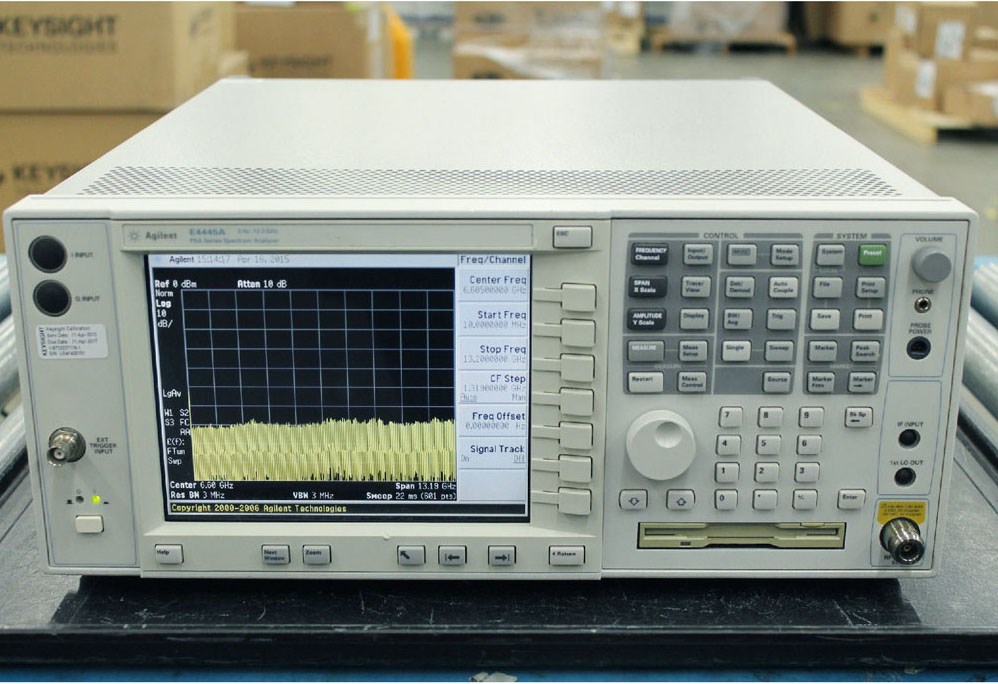
High-capacity link channels demands stable signal transfer metrics. Utilizing advanced laser testing equipment and signal analyzer suites, top-tier suppliers calibrate links to maintain a BER profile better than 1e-15, reducing retransmission overheads across core systems.
How local production clusters, advanced engineering ecosystems, and logistics hubs benefit international clients.
Shenzhen, China, stands as the global epicentre for optical transmission and network equipment manufacturing. The concentration of component suppliers, raw copper extrusion facilities, high-speed SMT packaging setups, and advanced testing institutes creates a highly efficient manufacturing ecosystem. This concentration allows factories to rapidly prototype and scale operations while maintaining unmatched cost efficiencies.
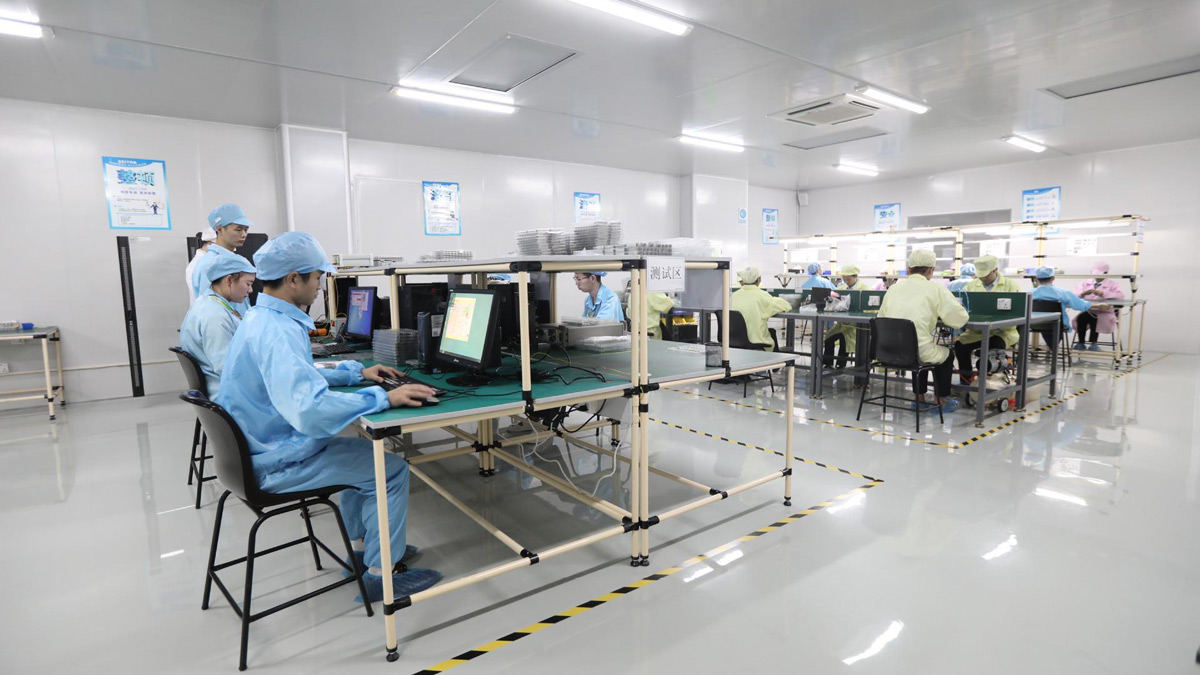
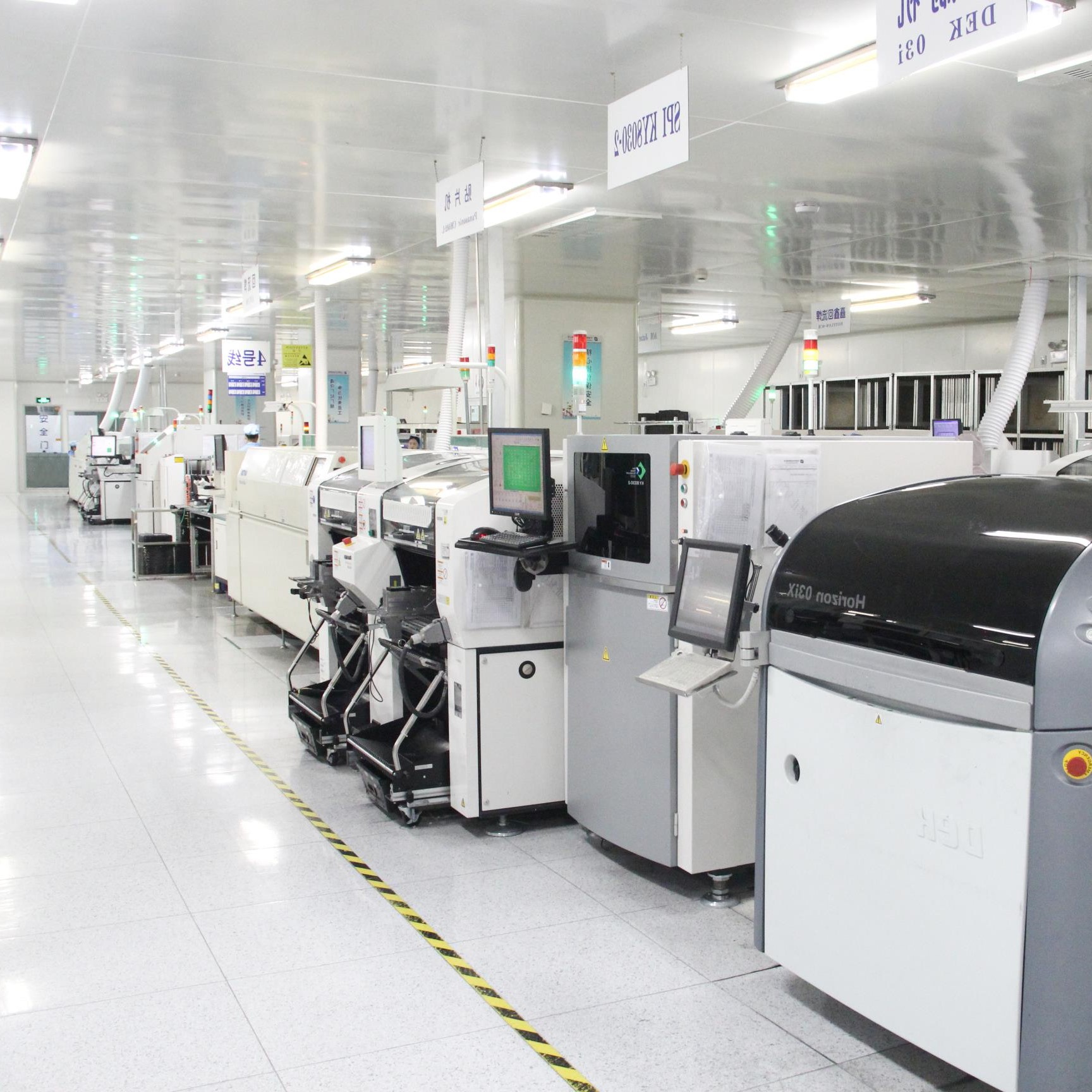
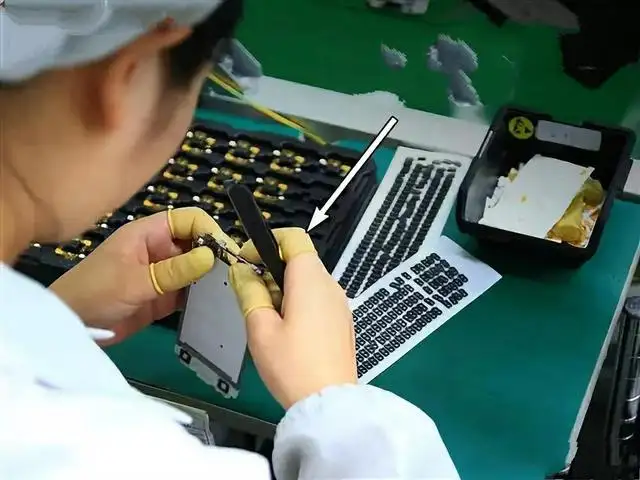
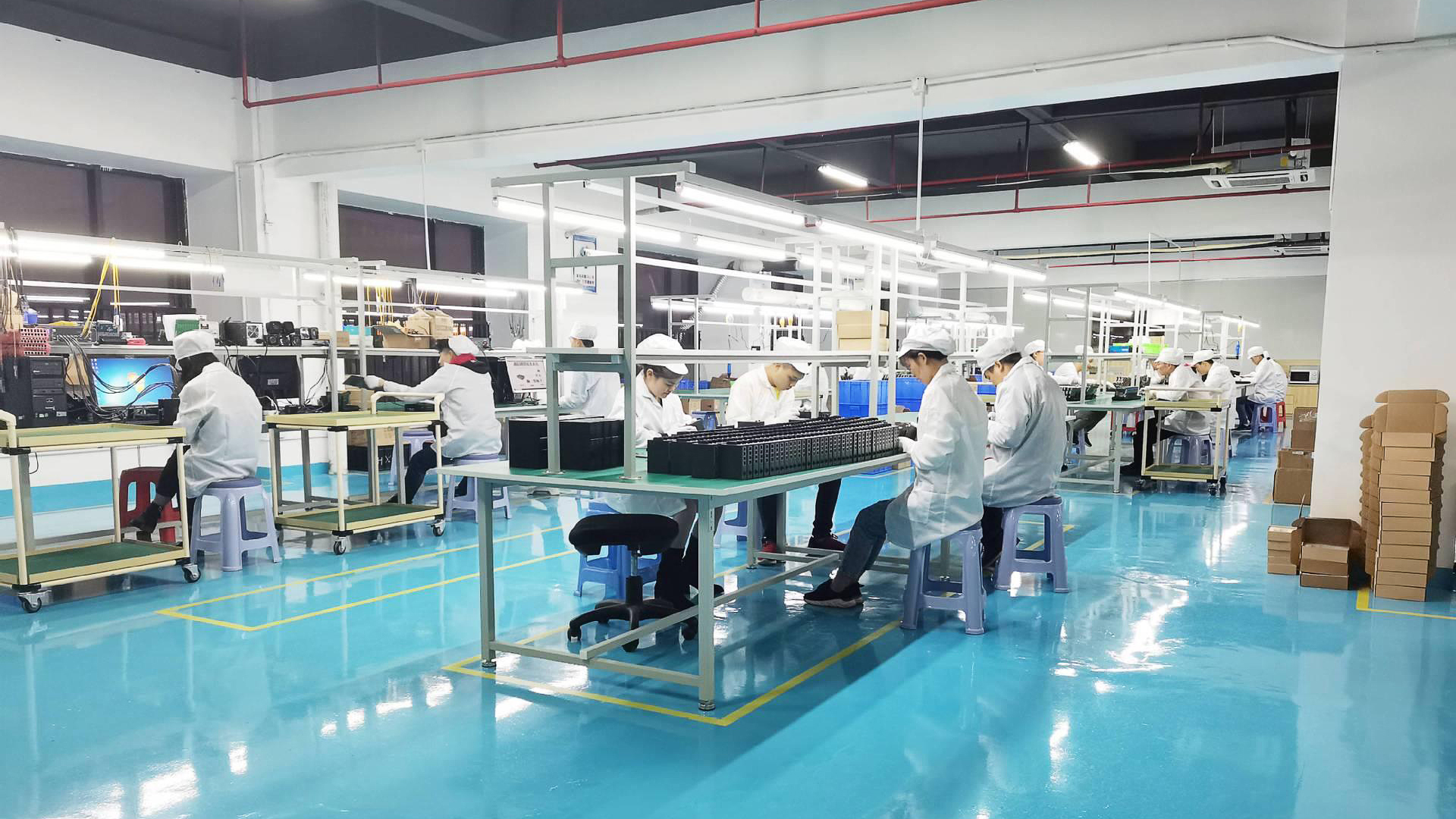
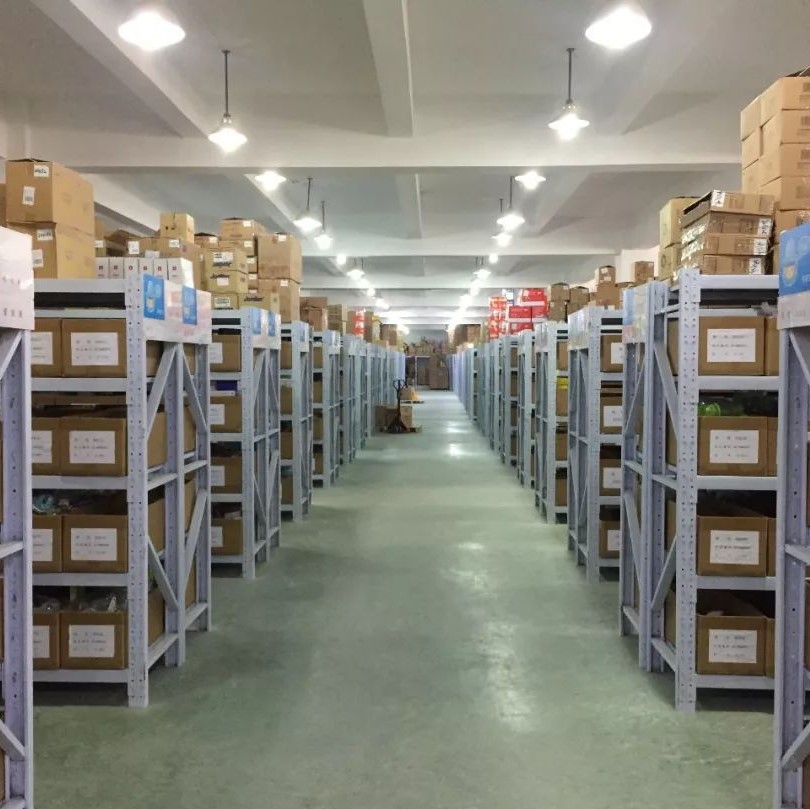
Shenzhen Soras Technology Co., Ltd. leverages this ecosystem by maintaining an integrated facility containing SMT lines, assembly divisions, and quality control systems. Rather than relying on third-party manufacturing, Soras manages the complete lifecycle from copper wire extrusion validation to final functional testing. This vertical integration reduces the lead times common in western distribution pipelines, enabling quick turnarounds for customized length configurations and unique EEPROM branding requirements.
Additionally, local logistics networks and direct shipping lanes from Shenzhen/Hong Kong hubs guarantee rapid global transit. High-speed network cables reach international staging grounds under robust commercial supply frameworks, supported by direct factory warranties and engineering support.
How High-Performance Computing (HPC) and Artificial Intelligence models are redefining interconnect demands.
The rise of Large Language Models (LLMs) and distributed neural network training clusters has placed significant demands on interconnect bandwidth. Modern AI training fabrics require highly parallel GPU architectures interconnected by ultra-fast, low-latency switches. In these environments, even microseconds of network delay can idle expensive compute clusters.
To meet these requirements, direct-attach cabling technologies are scaling from historical 10G/25G protocols to modern 400G and 800G standards, utilizing advanced PAM4 (Pulse Amplitude Modulation 4-Level) signal encoding schemes. A 400G QSFP-DD or OSFP DAC assembly aggregates eight parallel differential pairs, with each pair running at 50Gbps PAM4. At these high frequencies, signal attenuation increases significantly. Because of this, the design and production of high-performance DAC solutions require extremely tight tolerances, high-precision manufacturing, and advanced quality validation protocols.
Industry projections indicate that while long-haul links will rely on active optical transceivers or Co-Packaged Optics (CPO), short-range intra-rack configurations will continue to favor copper DACs due to their cost efficiency, low heat output, and structural reliability.
Optimizing physical layouts across diverse enterprise environments.
Designed for Top-of-Rack (ToR) deployments, connecting switches directly to physical rack servers and network storage arrays. High-performance shielding minimizes EMI within dense, stacked cabinet environments.
Providing the high-speed backbone for public and private cloud environments. Low-power passive configurations reduce overall data center energy usage and cooling requirements at scale.
Providing low-latency physical link paths for compute nodes, parallel processing arrays, and fast network attached storage, optimizing data flow throughout compute-heavy operations.
Ideal for deploying in decentralized edge networks, Base Stations, and Central Offices. Rugged design ensures reliable performance in standard industrial temperatures.
Shenzhen Soras Technology Co., Ltd. - A Trusted Partner in Global Network Deployments.
Shenzhen Soras Technology Co., Ltd. is a leading manufacturer of optical transmission equipment and network equipment with more than 10 years of experience. We rely on high-quality management and technological innovation, committed to providing customers with high quality, cost-effective, high value-added products and solutions.
Today, we work closely with telecommunications companies around the world. We have strong technical force and an experienced R&D team; products can be developed according to customer requirements, and we also accept OEM and ODM orders. Currently, our products are exported to more than 60 countries, with major markets in South America, North America, and Europe. Our main product line includes Fiber Media Converters, SFP Modules, PoE Switches, ONUs, OLTs, and supporting high-speed connection products.
Our operations prioritize product quality and compliance. We have achieved ISO 9001, UL, CE, FCC, and RoHS certifications. Guided by our core principles of "superior quality, professional service, competitive price, integrity-based," Soraslink continuously refines its production processes and testing standards to support long-term partnerships with our clients.
| Corporate Verification & Specifications Matrix | |||
|---|---|---|---|
| Business Type | Manufacturer | Country / Region | Guangdong, China |
| Main Products | FTTH ONU & OLT, SFP Module, Fiber Media Converter, PoE Switch, Fiber Optic Equipment, High-Speed DAC/AOC Assemblies | Total Employees | 11 - 50 People |
| Total Annual Revenue | US$5 Million - US$10 Million | Year Established | 2021 |
| Quality Certifications | ISO 9001, UL, CE, FCC, RoHS Compliant | Primary Export Markets | South America, North America, Europe, Domestic Market (24.00%), Eastern Asia (15.00%) |

Technical answers to help network architects select the right interconnect solutions.
For standard passive DAC assemblies (without built-in signal regeneration components), maximum reach depends on the data rate. At 10G (SFP+), passive copper can reliably transmit up to 7-10 meters depending on wire gauge (AWG). At 25G (SFP28), the range is typically up to 5 meters. For 100G (QSFP28) and 400G (QSFP-DD), passive copper transmission is generally limited to 3-5 meters. For distances beyond these thresholds, Active Copper Cables (ACC) or Active Optical Cables (AOC) are recommended to maintain signal integrity.
We flash each transceiver end with brand-specific EEPROM firmware in our programming facilities. This process configures the device identifier parameters, vendor codes, and checksum fields to align with the host operating system (such as Cisco IOS or Arista EOS), allowing the hardware to recognize and initialize the cable without compatibility warnings.
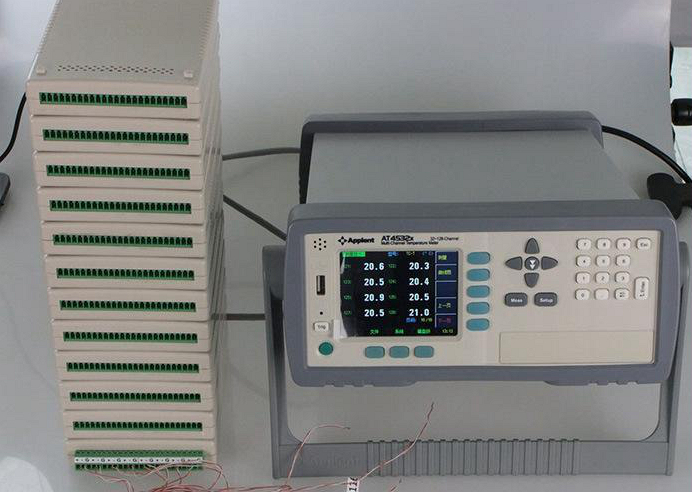
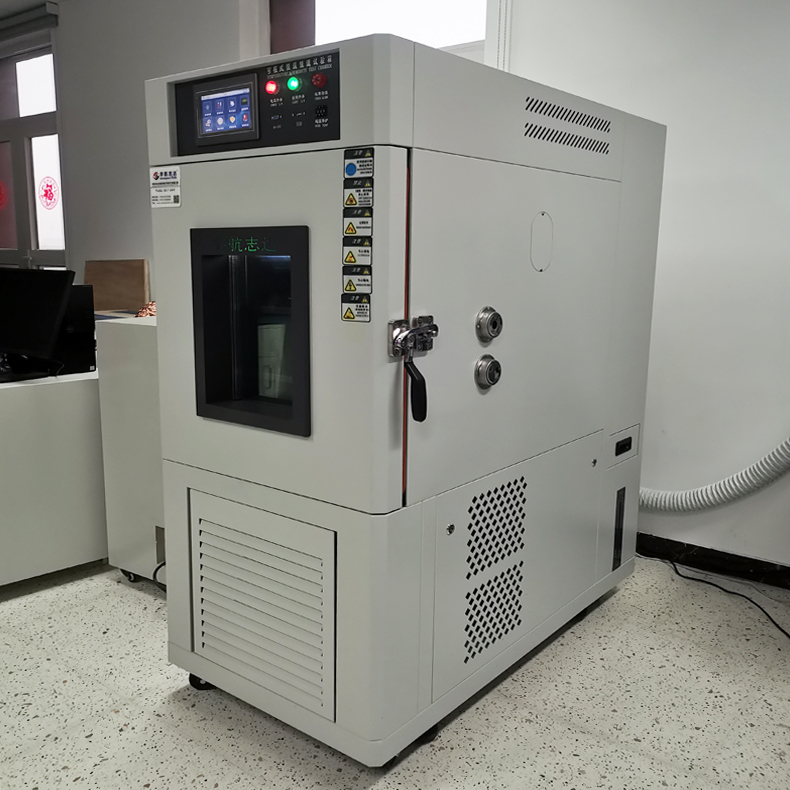
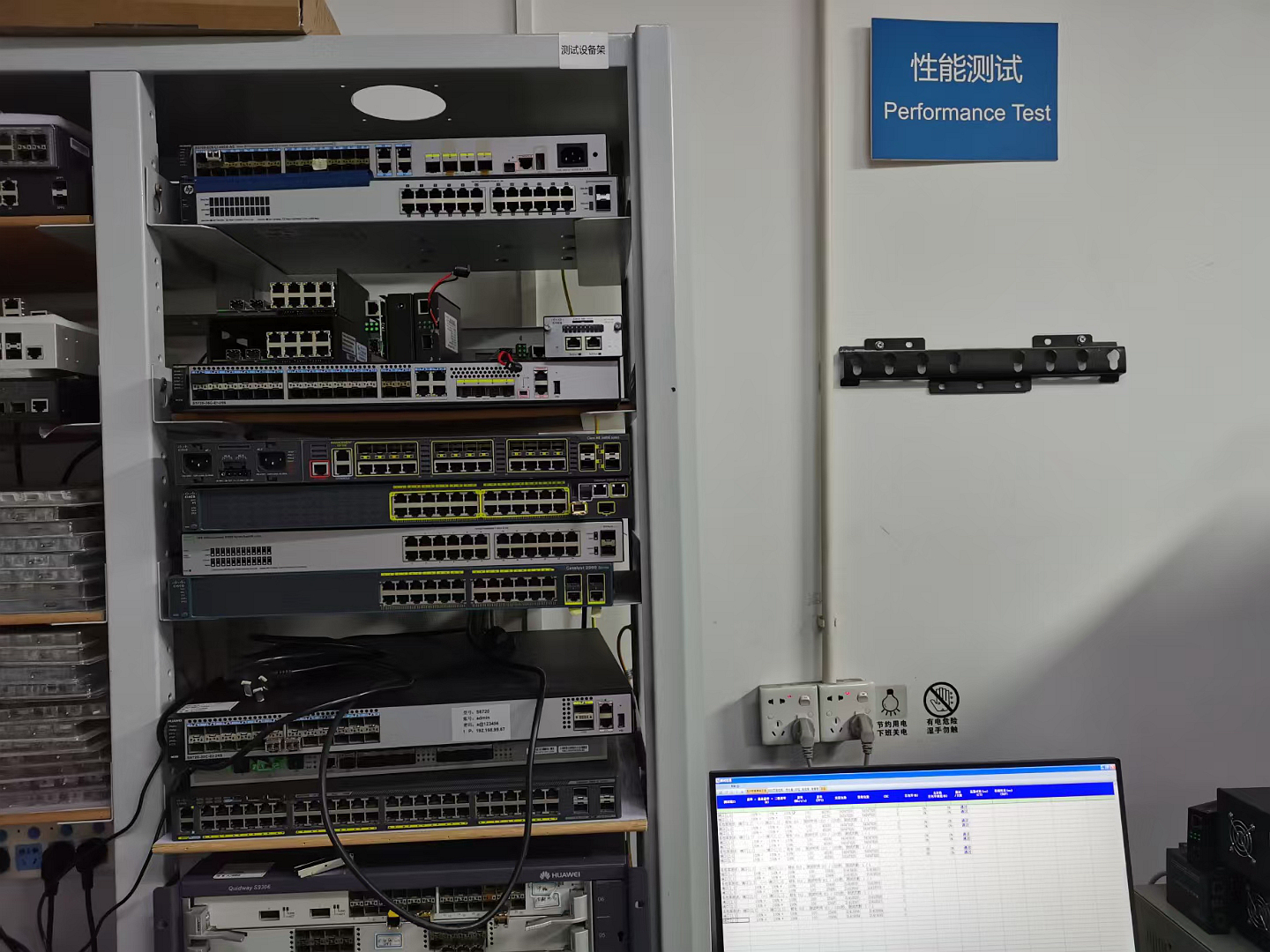
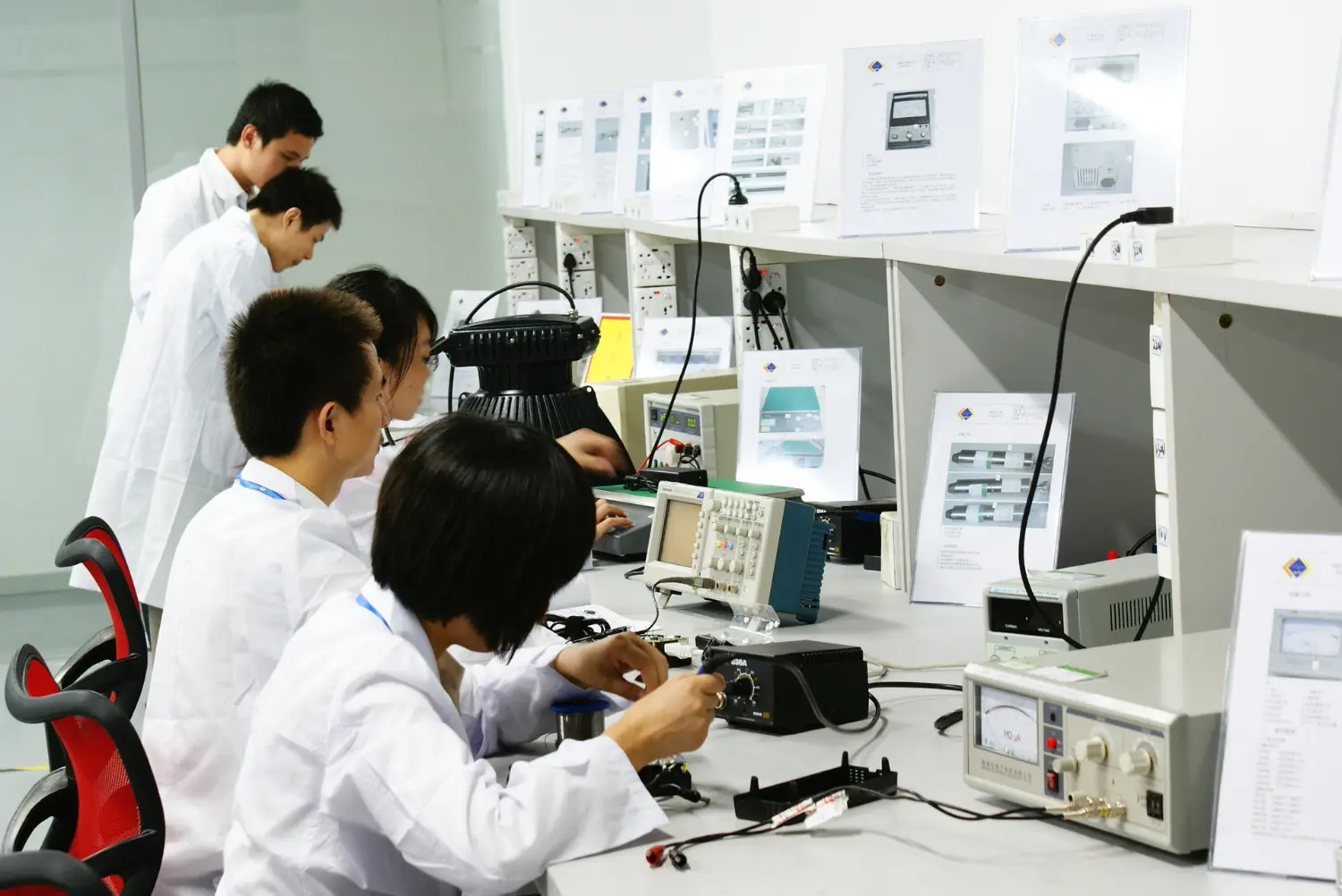
Every production batch undergoes a rigorous multi-stage testing process. This includes high-precision TDR (Time Domain Reflectometry) testing to verify impedance profiles, network analyzer checks to measure insertion and return loss, and environmental thermal cycling (High-Low temperature testing) to confirm mechanical and electrical stability in varied environments.
Direct Attach Copper (DAC) cables offer three main benefits for short-range connections: lower cost, lower power consumption, and reduced latency. DAC assemblies are more cost-effective than using two separate optical transceivers and a fiber patch cable. Additionally, because they do not require electrical-to-optical conversion, they run cooler and introduce negligible latency to the link path.
Yes, all our components are fully compliant with RoHS and CE standards, and we operate under ISO 9001 certified manufacturing processes. Additionally, we offer custom-specified LSZH (Low Smoke Zero Halogen) or PVC jackets to meet the specific fire-safety and build regulations of your local municipality or enterprise facility.
Explore our second selection of high-speed transceiver modules, converters, and power accessories.
 Soras Tech