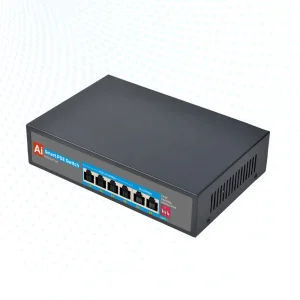
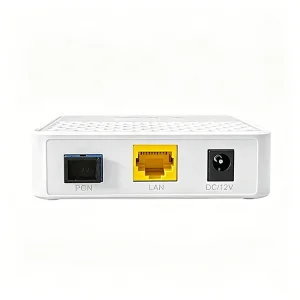
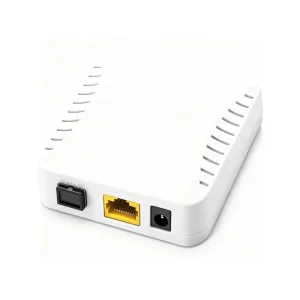
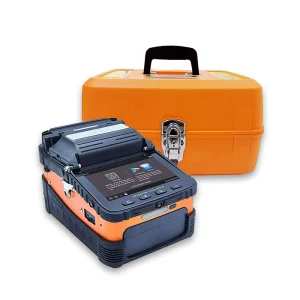
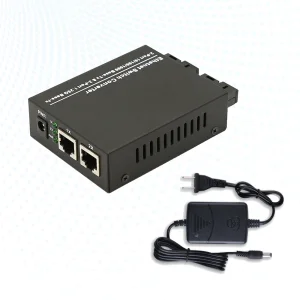
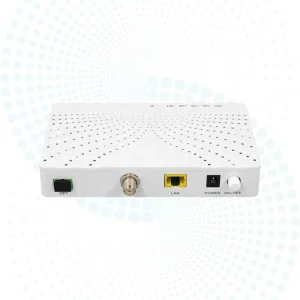
Explore our foundational transmission solutions designed for broadband, CCTV surveillance, and enterprise networks.
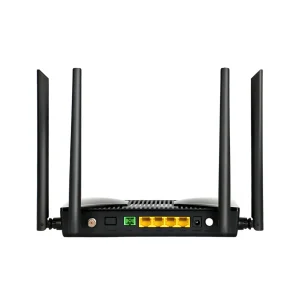
An Industrial Deep Dive into Bridging Copper, Fiber, and Long-Distance Broadband Communications.
Ensures the network devices do not emit electromagnetic interference that disrupts other local communications or industrial instrumentation, nor are they overly susceptible to outside EMI.
Guarantees safe operational voltage limits for the electrical circuitry, safeguarding technicians and end-users from shock hazards during installation and maintenance.
Restricts hazardous substances (e.g., lead, cadmium, mercury) in electronic components, securing environmentally sustainable lifecycles and recycling safety.
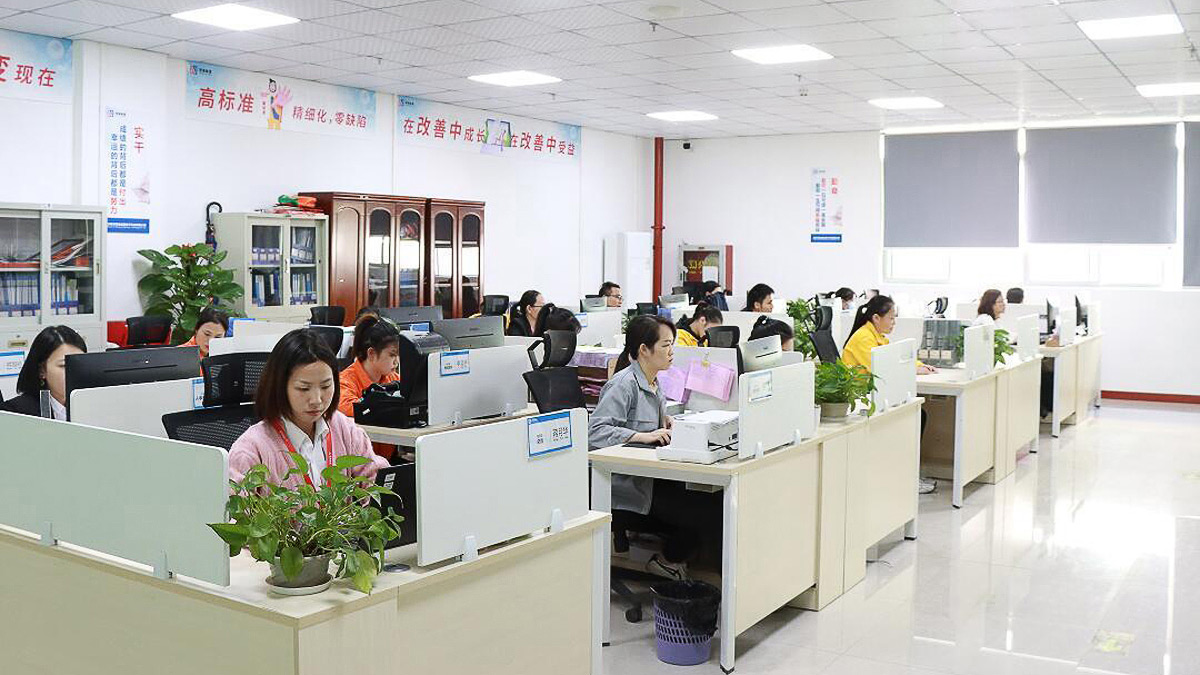
A trusted global manufacturer and exporter of optical transmission equipment and high-performance network devices.
| Corporate Profile & Operating Standards | |||
|---|---|---|---|
| Business Type | Manufacturer & Exporter | Country / Region | Guangdong, China |
| Main Products | FTTH ONU & OLT, SFP Modules, Fiber Media Converters, PoE Switches, Ethernet Extenders | Total Employees | 11 - 50 People |
| Total Annual Revenue | US$5 Million - US$10 Million | Year Established | 2021 |
| Main Markets | Domestic Market 24%, Eastern Asia 15%, North America 15%, Europe & South America 46% | Certifications | ISO 9001, UL, CE, FCC, RoHS |
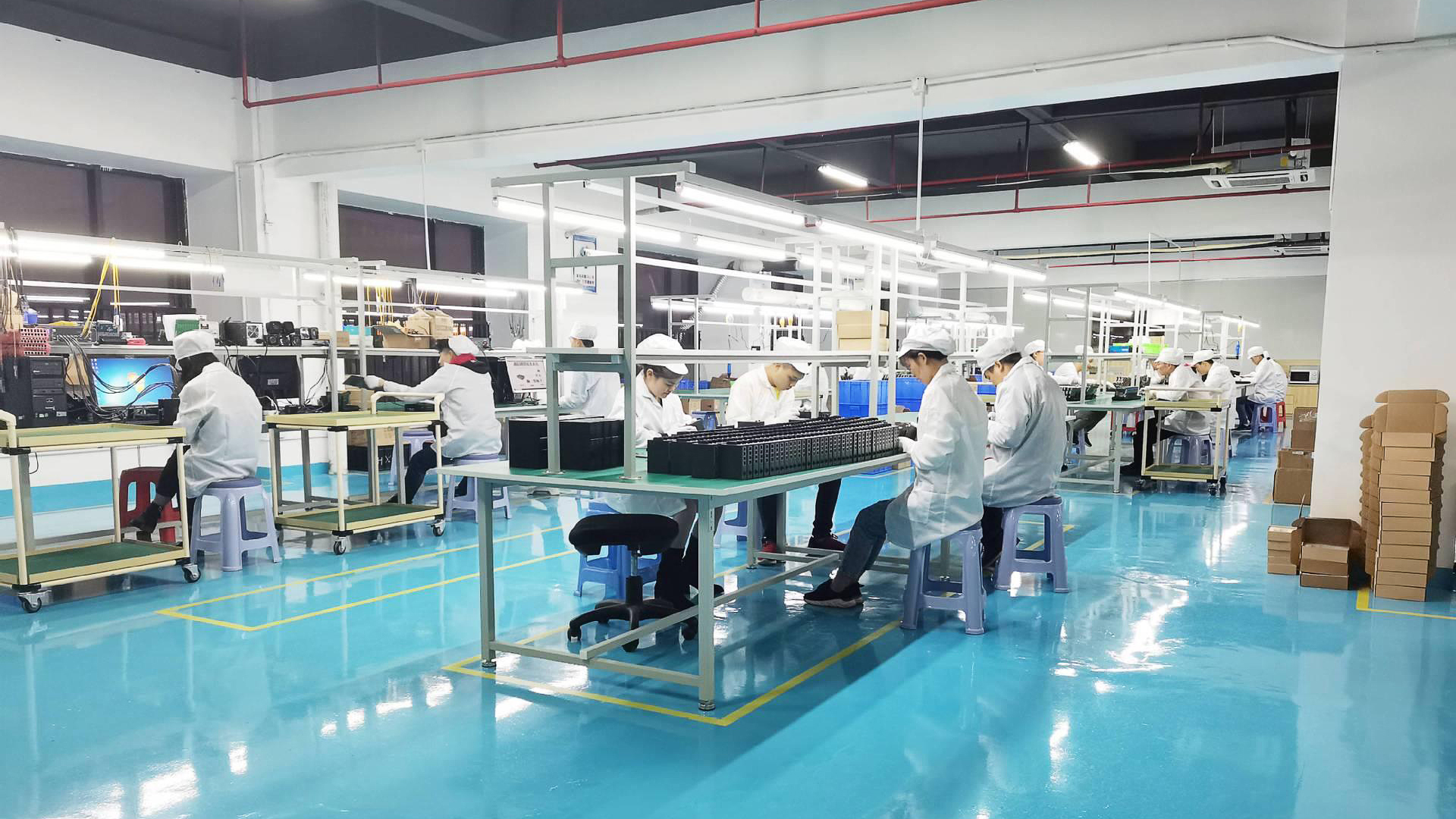
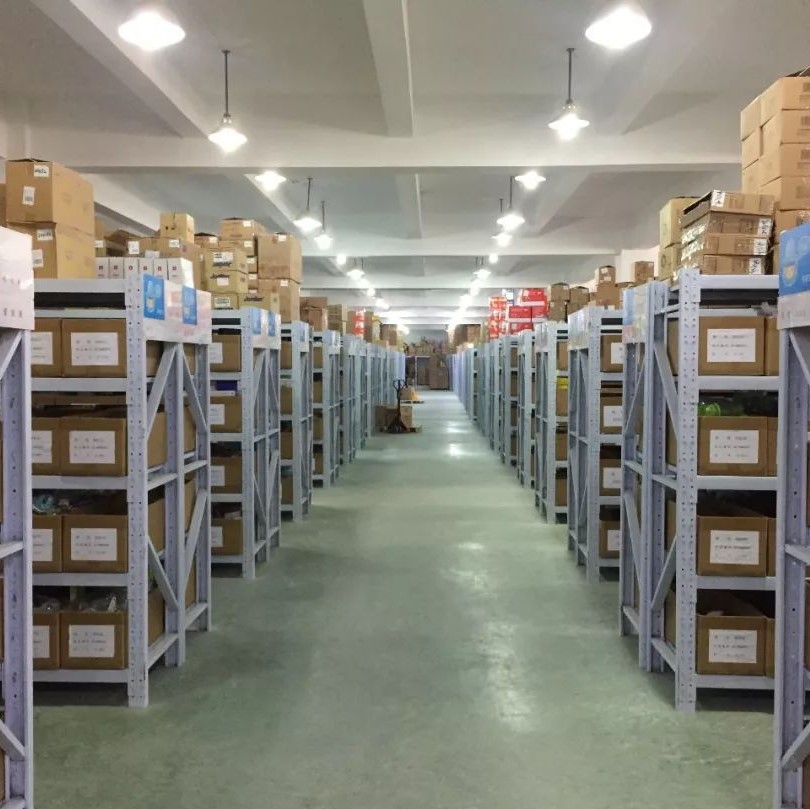
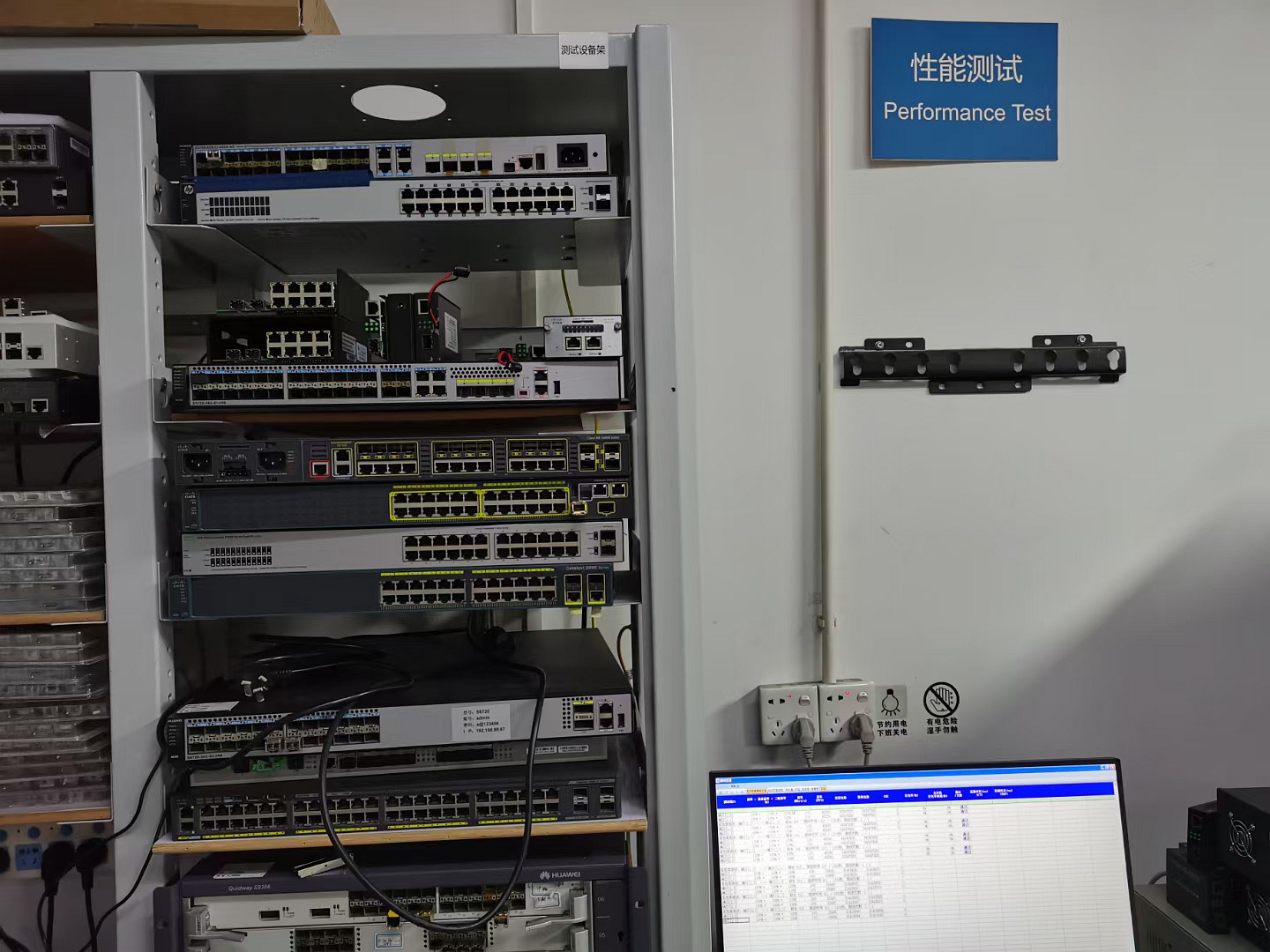
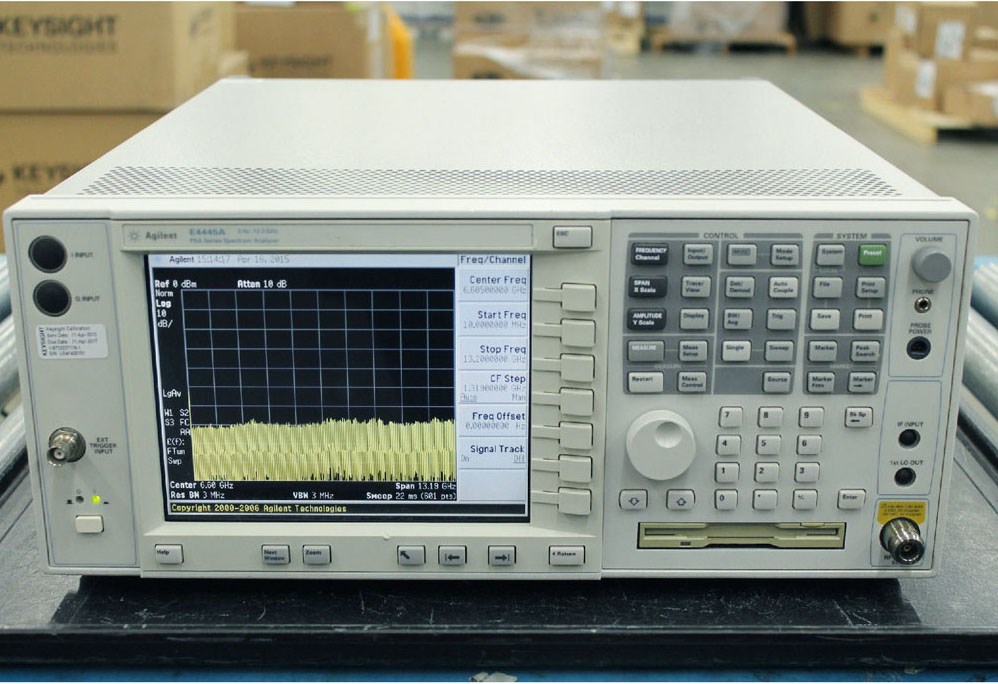
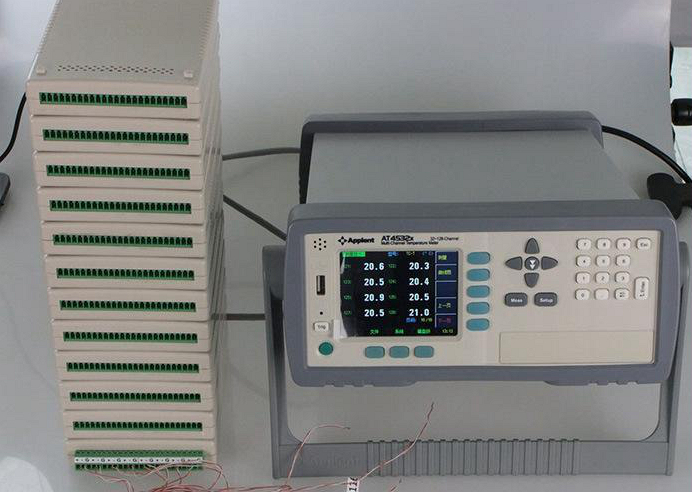
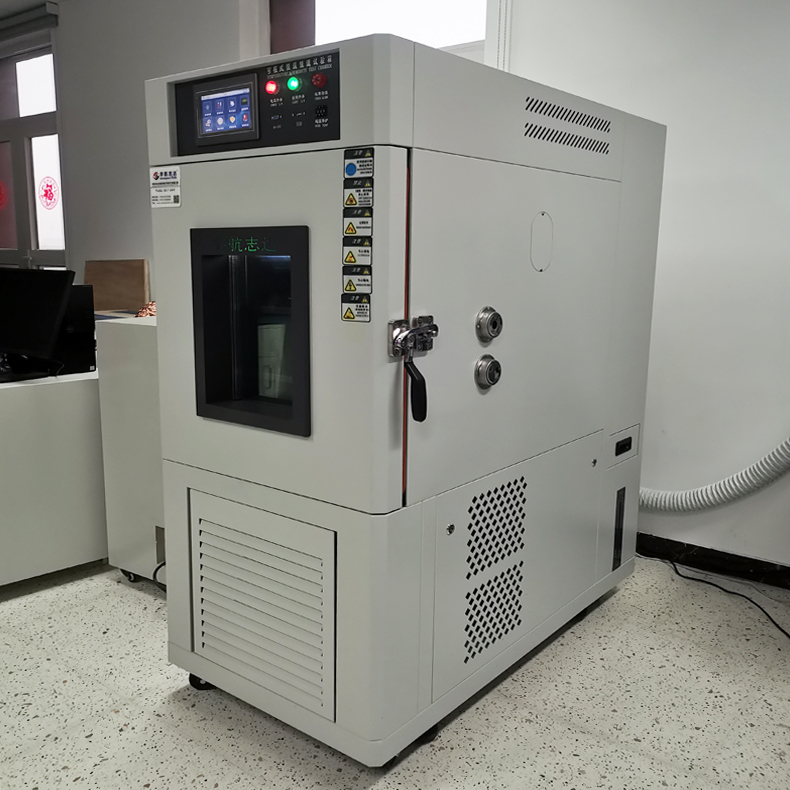
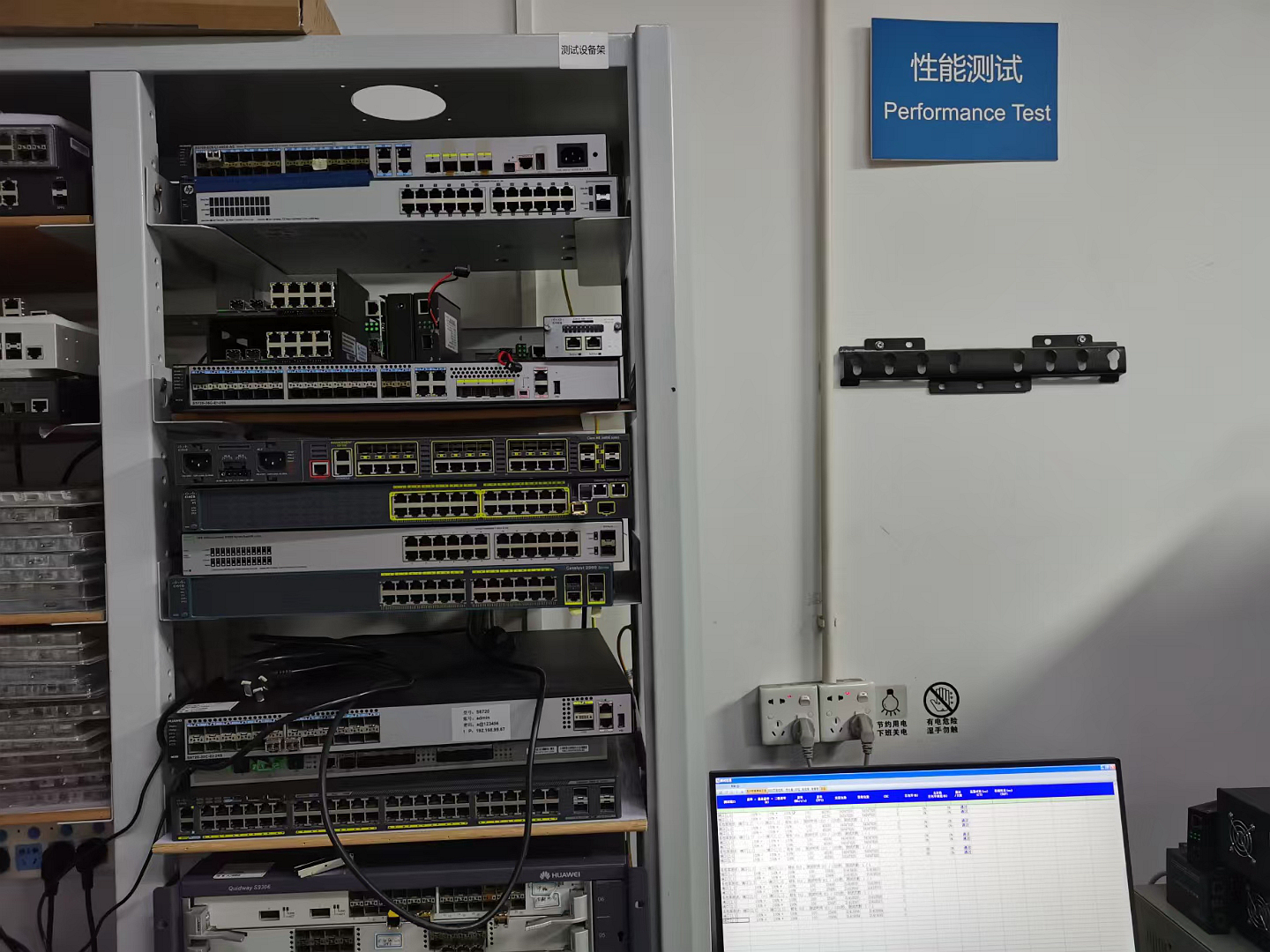
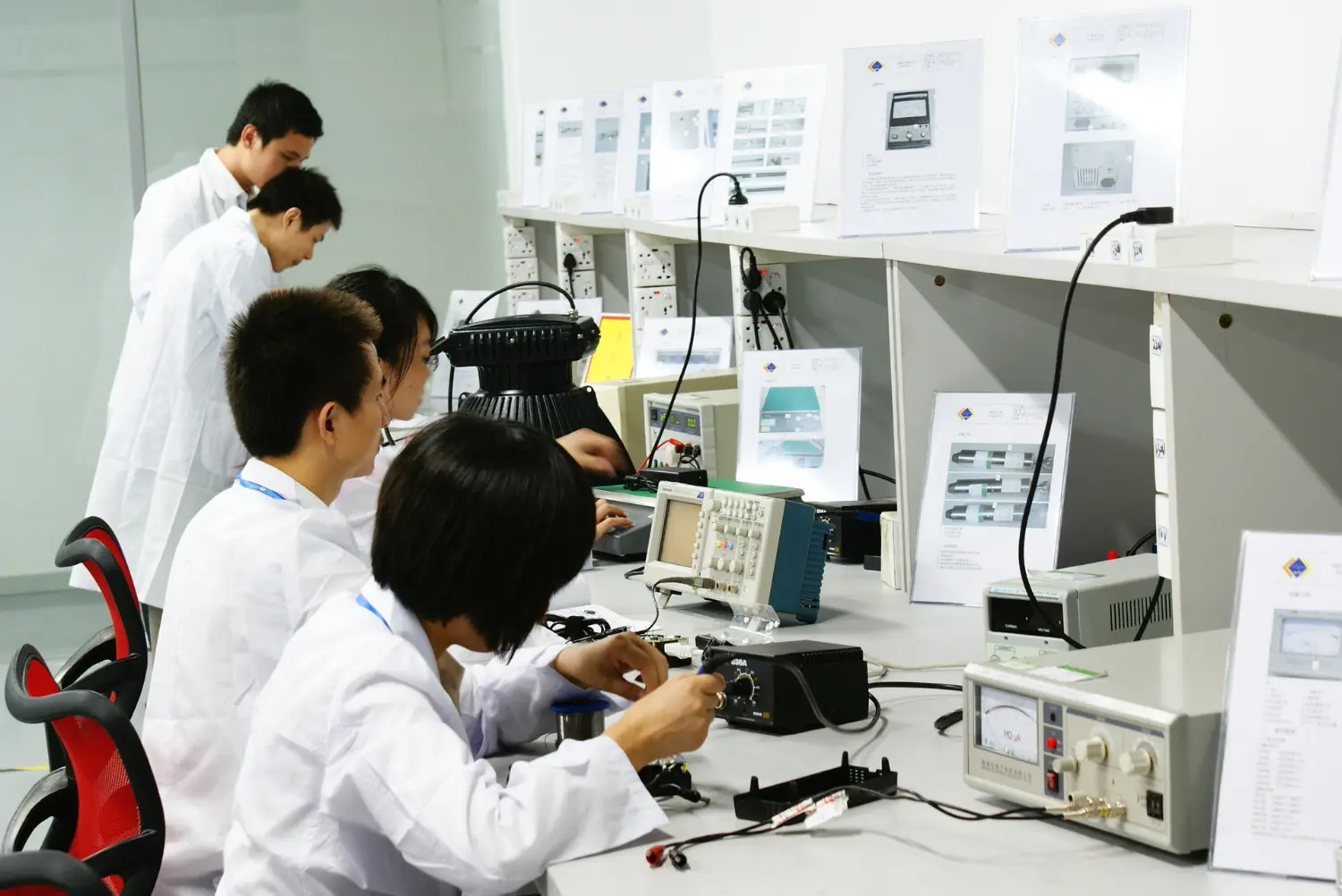
Our specialized testing laboratories subject every single unit to rigorous physical and performance benchmarks before export, ensuring "Zero-Packet-Loss" standard.
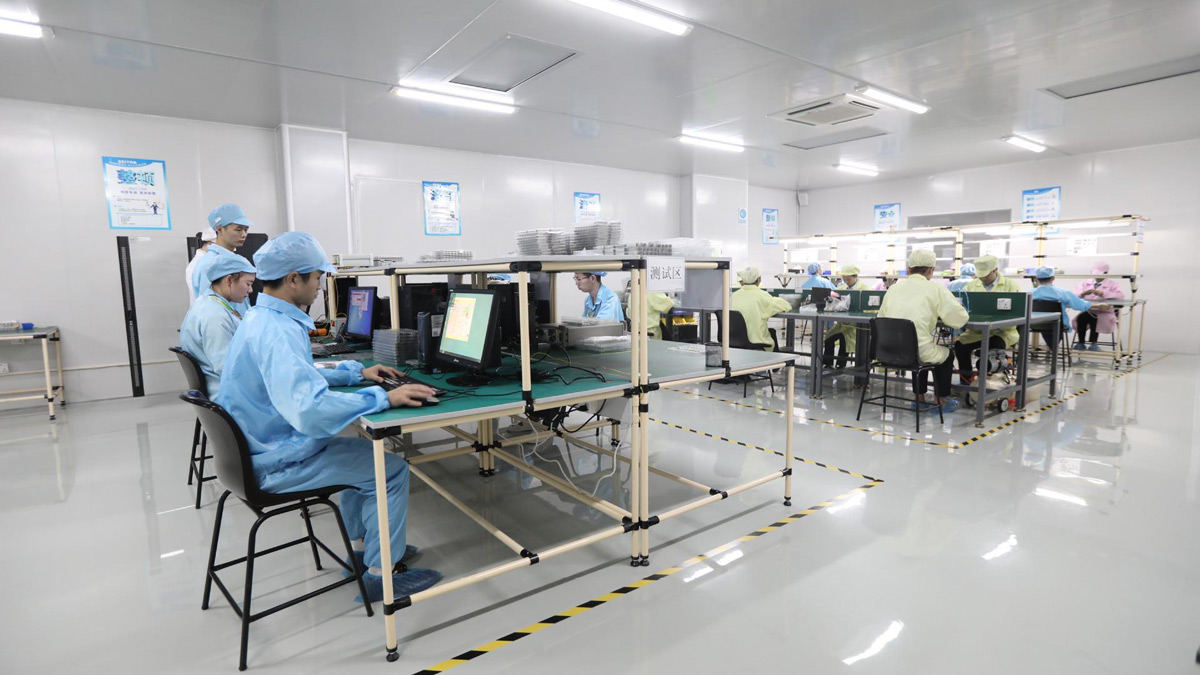
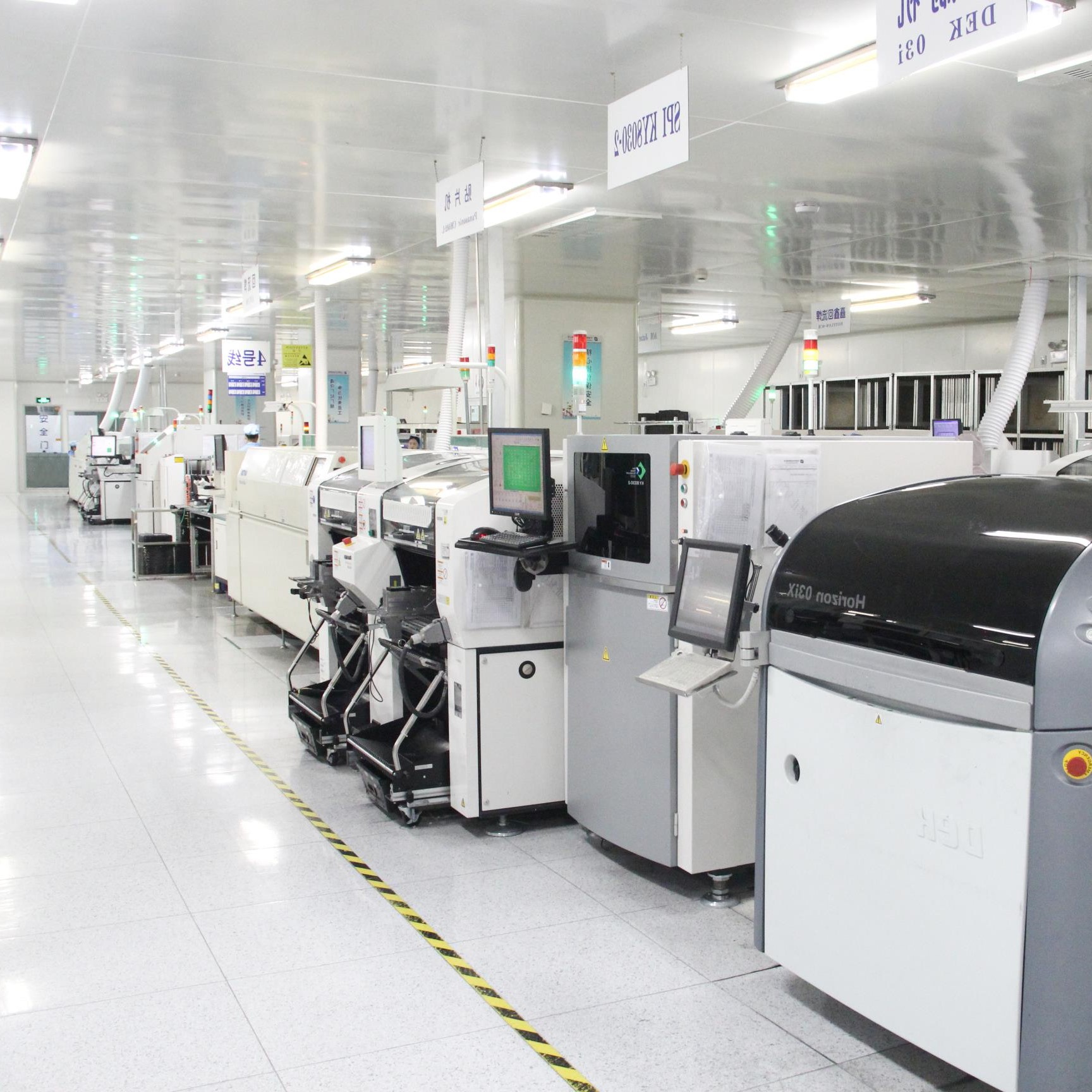
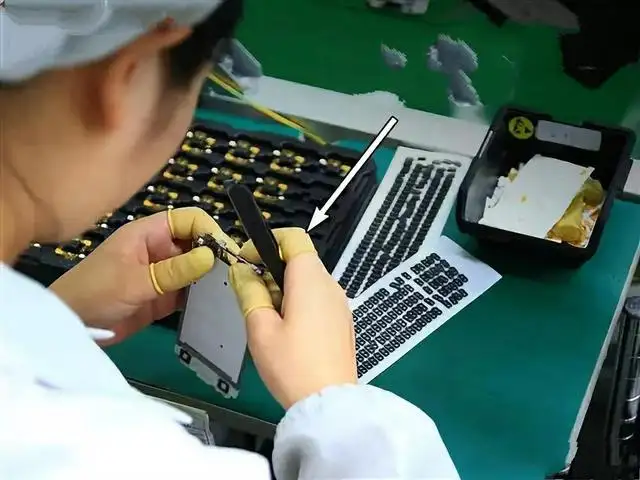
As enterprise internet infrastructures grow increasingly decentralized, several structural trends are reshaping the demand for Ethernet extension:
Trend A: Integration with AI-Driven Edge Infrastructure. Next-generation IP security networks are deploying deep neural network algorithms directly inside perimeter cameras. These edge devices require highly consistent, low-latency gigabit connectivity. Our switches and extenders provide the necessary stable bandwidth to handle massive metadata streams without jitter.
Trend B: Industrial Internet of Things (IIoT) Retrofitting. Modernizing existing factories often presents a challenge: replacing miles of legacy fieldbus wiring or old twisted-pair phone cables with fiber optic cabling is economically prohibitive. Our Ethernet extenders allow industrial operators to transmit native IP traffic over existing copper conduits, facilitating high-speed machine-to-machine (M2M) communications at a fraction of the cost.
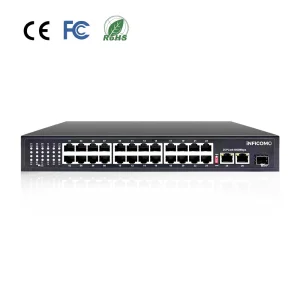
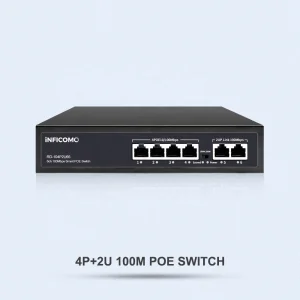
Trend C: Harsh Environment Operations (Wide Temperature Support). From extreme cold in high-altitude municipal monitoring to intense heat in desert manufacturing plants, network hardware must withstand extreme environmental conditions. Soras Technology designs wide-temperature-range PoE switches and extenders that operate reliably from -40°C to +75°C, featuring rugged metal housings designed to dissipate heat effectively.
The convergence of copper and optical fibers remains a defining standard of modern enterprise networks. Soras Technology's R&D strategy is built on a hybrid platform:
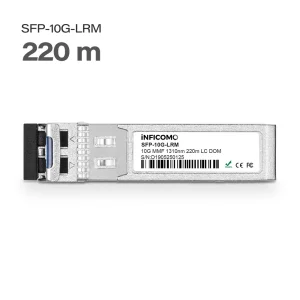
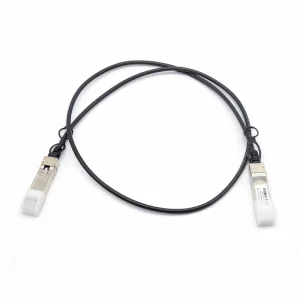
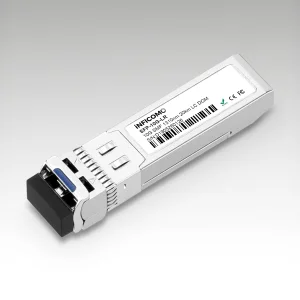
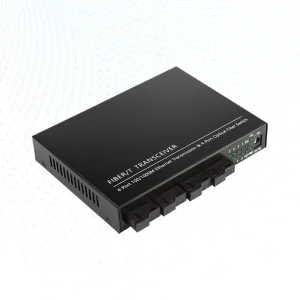
We continue to push transmission boundaries, utilizing 10G optical SFP+ transceivers (such as our zero-packet-loss SFP-10G-LR and LRM series) to establish high-speed core backbones over kilometers. Concurrently, our media converters bridge these fiber trunks with local copper distribution loops, ensuring seamless transition between physical media.
Every region enforces distinct technical requirements, electrical frequencies, and safety laws. As a seasoned exporter, Soras Technology offers customized localization:
Expert answers to the most common configuration, installation, and procurement questions from network engineers.
A: They receive standard Ethernet frames and convert them into high-frequency analog signals (such as VDSL2 or G.fast) or optical signals (fiber optic conversion). This allows data transmission over copper telephone lines, coaxial cables, or fiber optic lines for distances up to several kilometers before translating the signals back to standard Ethernet.
A: CE certification verifies that our devices comply with rigorous European electromagnetic compatibility, electrical safety, and environmental standards. It ensures the equipment will not disrupt other electronic systems on the local power grid and remains safe to operate under heavy workloads.
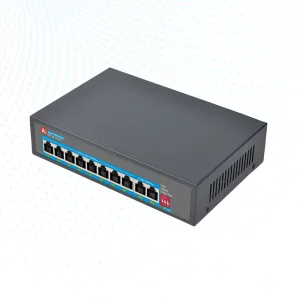
A: Yes. Many of our industrial extenders feature integrated PoE/PoE+ injectors. When paired with a compatible remote receiver, the system transmits both data and power over the link, allowing you to power remote cameras, intercoms, and access points without local electrical wiring.
A: VDSL2 is optimized for long distances (up to 1.5km to 3km), providing stable symmetrical speeds of around 50-100 Mbps. G.fast operates on a wider frequency spectrum, allowing near-gigabit speeds (up to 1 Gbps) but at shorter loop lengths (typically under 250 meters of copper wire).
A: We offer full custom-design engineering, including specialized chassis colors, customized brand printing, localized power supplies, and customized management firmware (such as VLAN, QoS, and SNMP setups) optimized for regional telecom operators.
A: Our industrial-grade network switches and extenders utilize fanless metal heat-dissipation casings, heavy-duty ESD surge protection, and high-quality internal chipsets. Every device undergoes comprehensive high-low temperature chamber tests, Wifi calibrations, and simulation stress testing to ensure long-term durability.
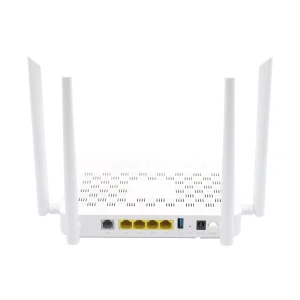
Premium SFP transceivers, high-speed fiber routers, and high-performance optical modems for large-scale operations.
 Soras Tech