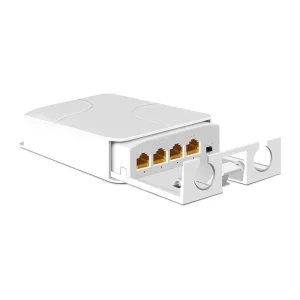
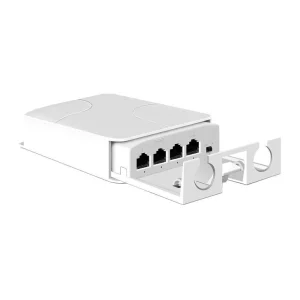
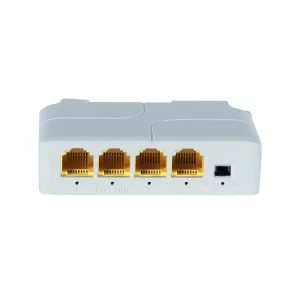
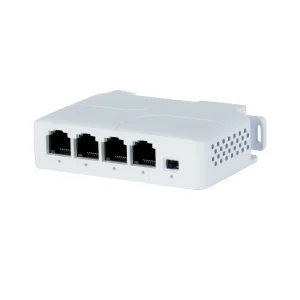
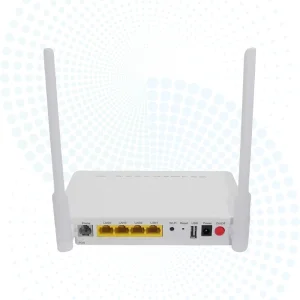
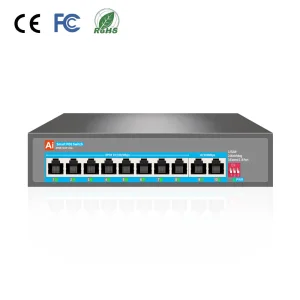
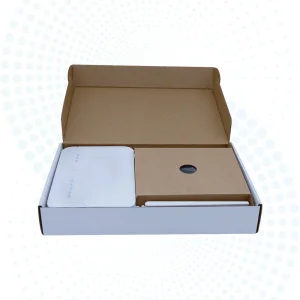
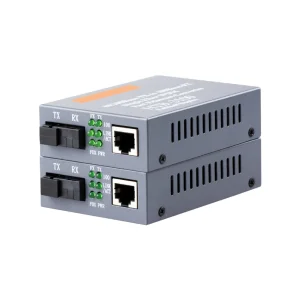
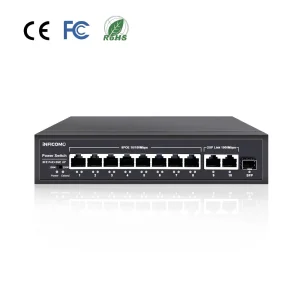
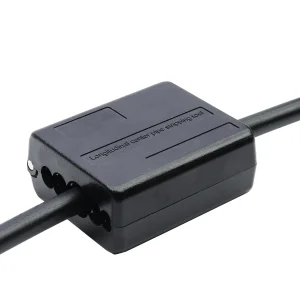
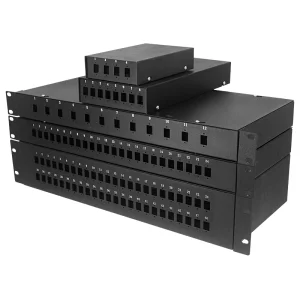
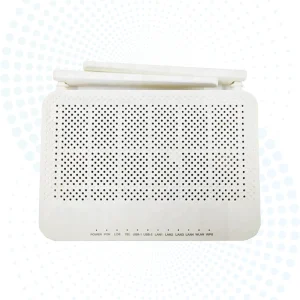
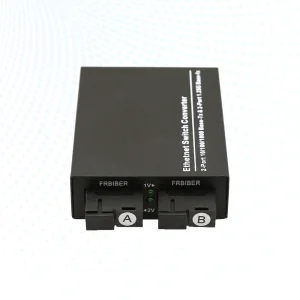
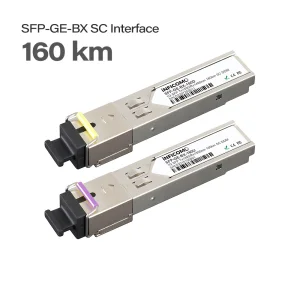
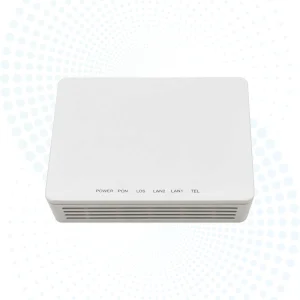
Engineered for extreme operating environments, these active and passive PoE range extenders deliver non-blocking throughput and reliable performance under high temperatures and remote conditions.
Namibia is undergoing a rapid industrial and commercial digital transformation. Key sectors such as mining (uranium, diamonds, and base metals in Erongo and Karas regions), coastal maritime logistics at Walvis Bay Deepwater Port, and the expansion of eco-tourism luxury lodges in the Namib Desert require robust, high-performance network infrastructures.
Power over Ethernet (PoE) technology has transitioned from a modern convenience to a core requirement. In rugged African environments, installing separate electrical lines and data wires for IP surveillance cameras, VoIP phones, and outdoor wireless access points is both cost-prohibitive and structurally challenging. Extreme temperatures, high dust levels, and occasional salt-fog along the Atlantic coast demand robust, certified transmission hardware.

The global PoE market is expanding rapidly due to the growth of smart cities, building automation, and the IoT ecosystem. Modern networks rely on advanced Power over Ethernet standards to power complex devices such as high-definition PTZ IP cameras, Wi-Fi 6 access points, and interactive IoT sensor arrays.
Delivering up to 60W (Type 3) or 90W (Type 4) of power over standard Cat6 cabling, enabling the integration of heavy-duty PTZ cameras, outdoor heaters, and small cell base stations.
Smart gigabit PoE switches now integrate L2+ managed capabilities, including PoE watchdog monitors, loop prevention protocols, and intelligent VLAN isolation for secure, reliable traffic routing.
Addressing the physical limitations of copper Ethernet (100m) with high-efficiency cascaded range extenders, pushing stable data and power delivery up to 250 meters in large industrial environments.
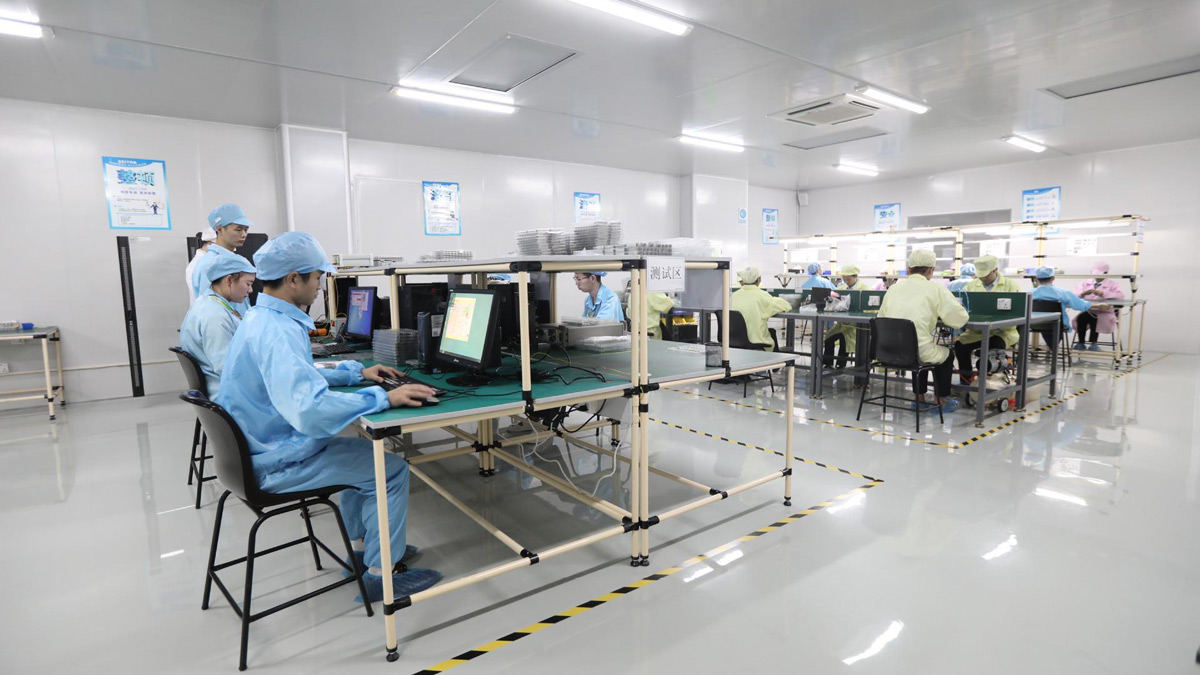
At Shenzhen Soras Technology Co., Ltd., we utilize China's advanced electronic supply chain ecosystem to produce high-performance networking equipment. Our 10 years of R&D and manufacturing experience allow us to combine speed, cost-effectiveness, and strict quality control.
Operating from Guangdong, China, our facilities utilize advanced surface-mount technology (SMT) and automated assembly lines. This level of automation reduces defects, improves thermal design, and maintains consistent high-frequency signal integrity across all active components. We control the process from raw PCB fabrication to final burn-in tests under strict international standards.
We are ISO 9001 certified, and all export-oriented switches and extenders carry UL, CE, FCC, and RoHS certifications, ensuring seamless integration into public utility networks, municipal infrastructures, and commercial projects across Namibia and Europe.
Standard commercial switches often fail when exposed to harsh environmental factors like dust storms, vibration, and marine salinity. Our specialized hardware is designed for specific deployment conditions across Namibia.
Deep-pit and open-cast mines require real-time IP camera monitoring and sensor networking. Our DIN-rail mounted PoE switches can be integrated into heavy electrical panels, featuring high vibration tolerance and 6kV lightning surge protection for reliable operation.
Premium wilderness camps in Sossusvlei or Damaraland require high-speed guest Wi-Fi and perimeter security over large areas. Our 250m long-distance active PoE extenders supply power and gigabit links to remote points without requiring mid-span power installations.
Marine logistics zones suffer from salty, humid air, which accelerates component corrosion. Our IP55 and IP67 waterproof/dustproof extenders, with high-quality copper interfaces and sealed enclosures, provide stable performance along dockside cranes and loading zones.
We ensure reliability by testing every unit before shipment. Our state-of-the-art testing facility guarantees performance in extreme temperatures and high-throughput scenarios.

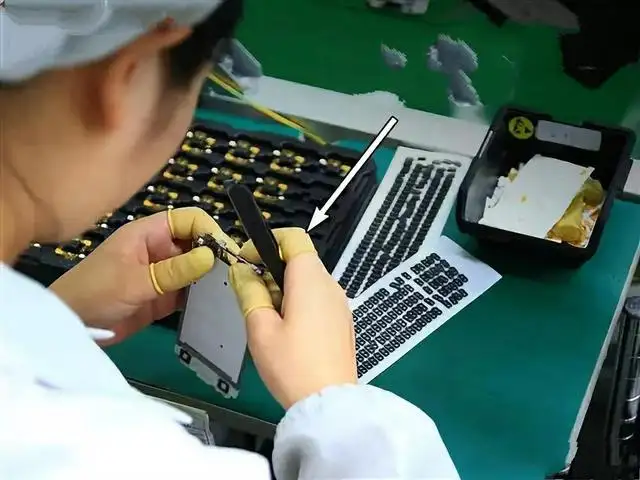
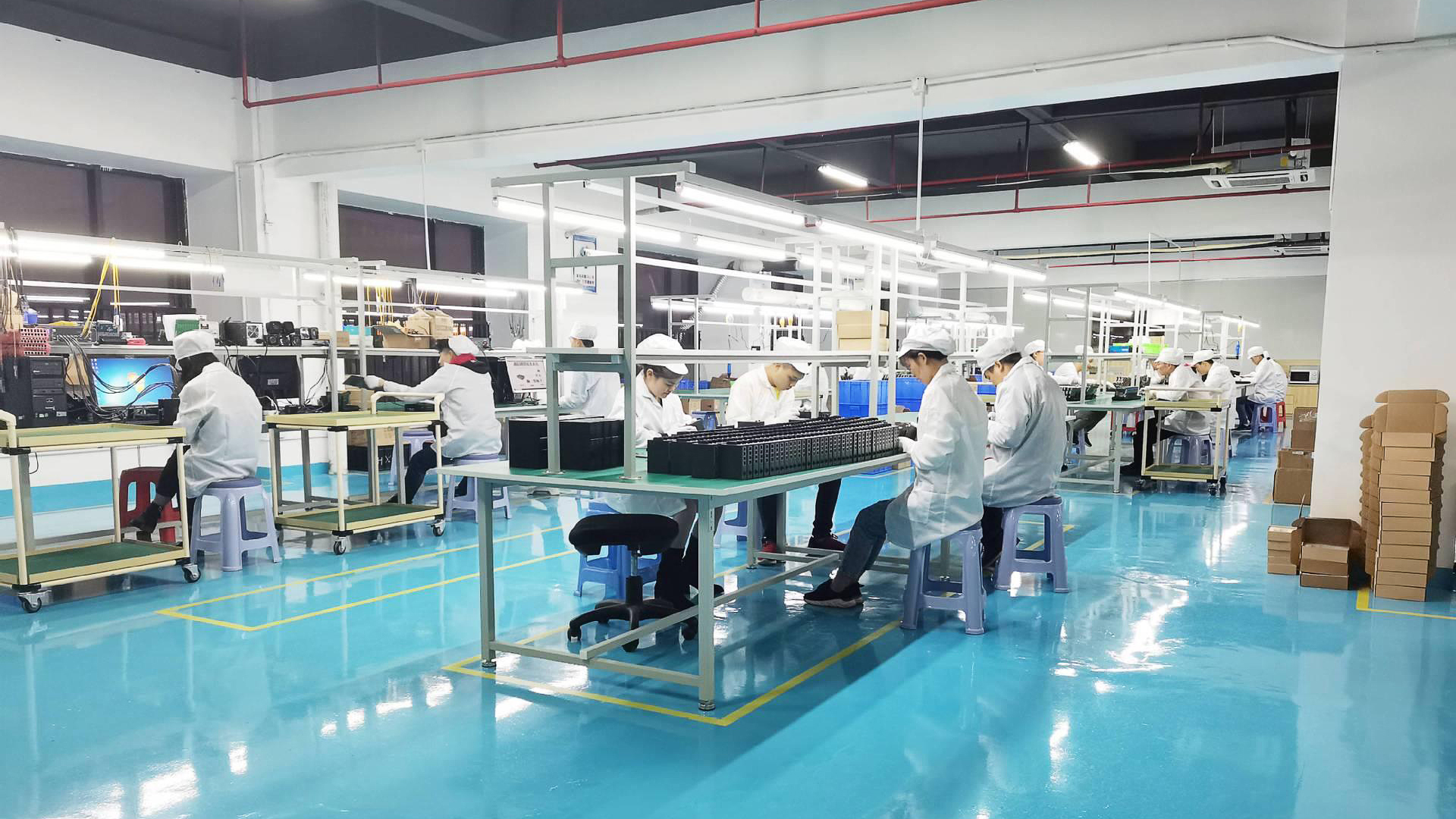
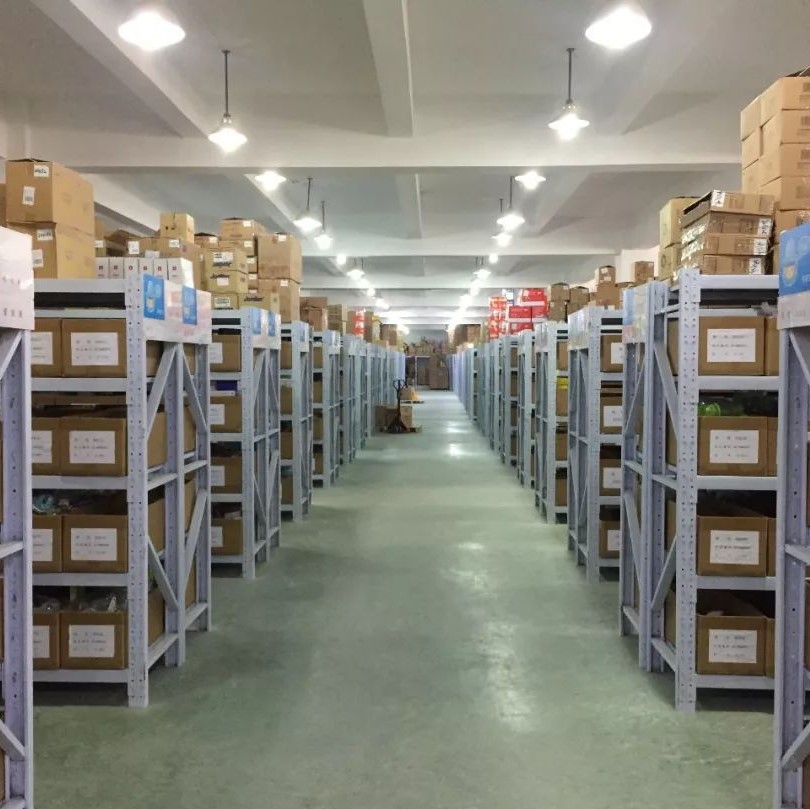
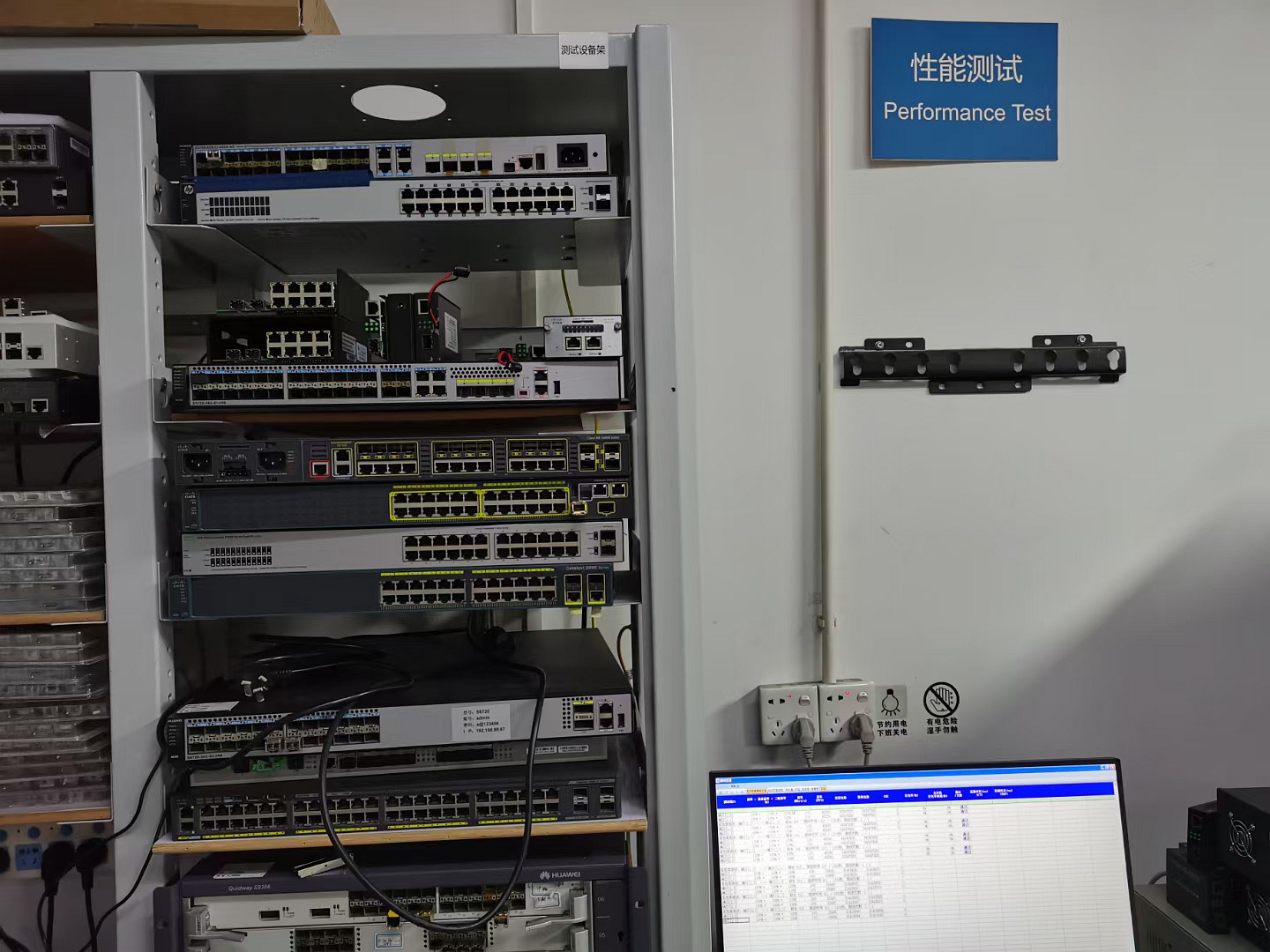
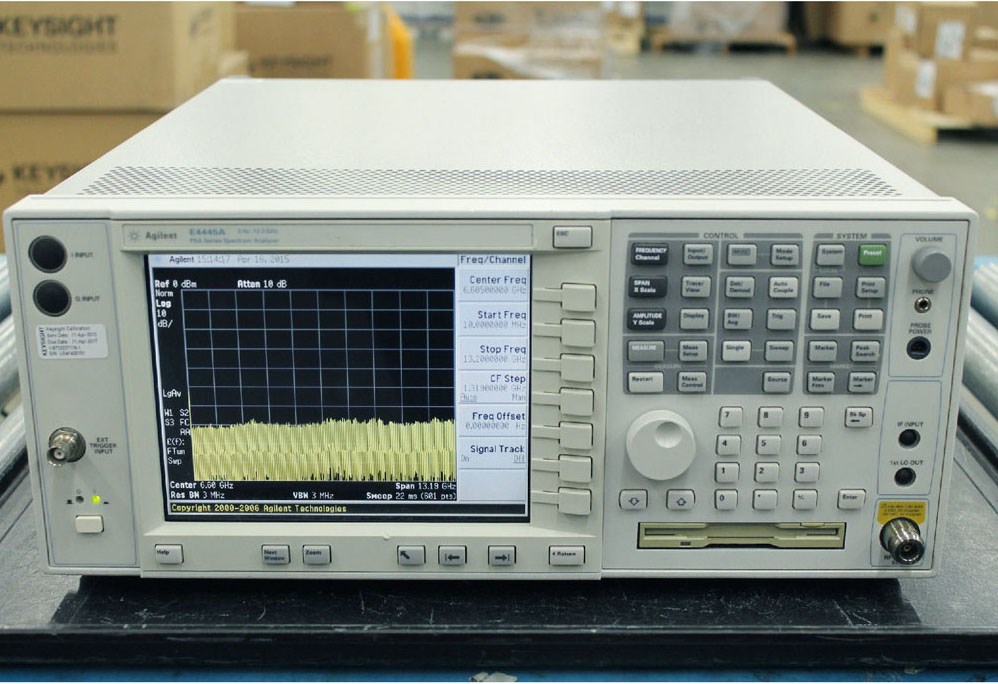
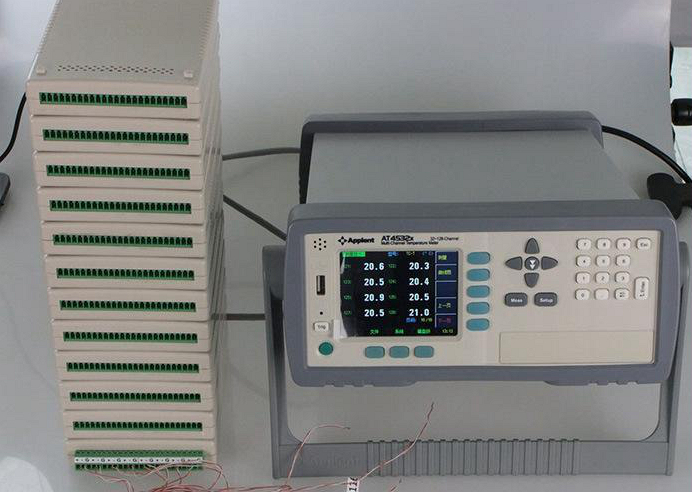
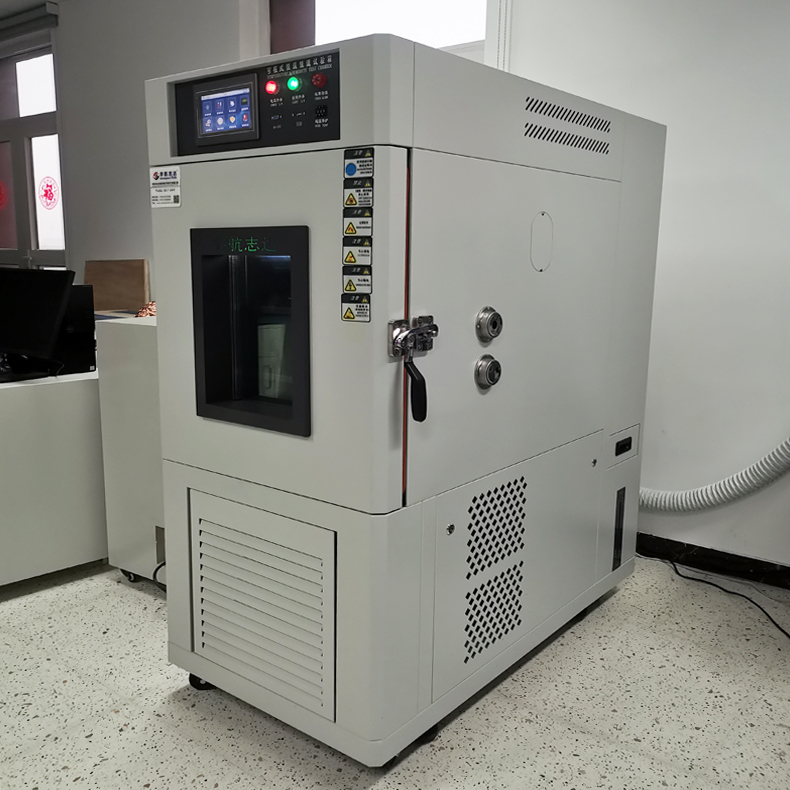
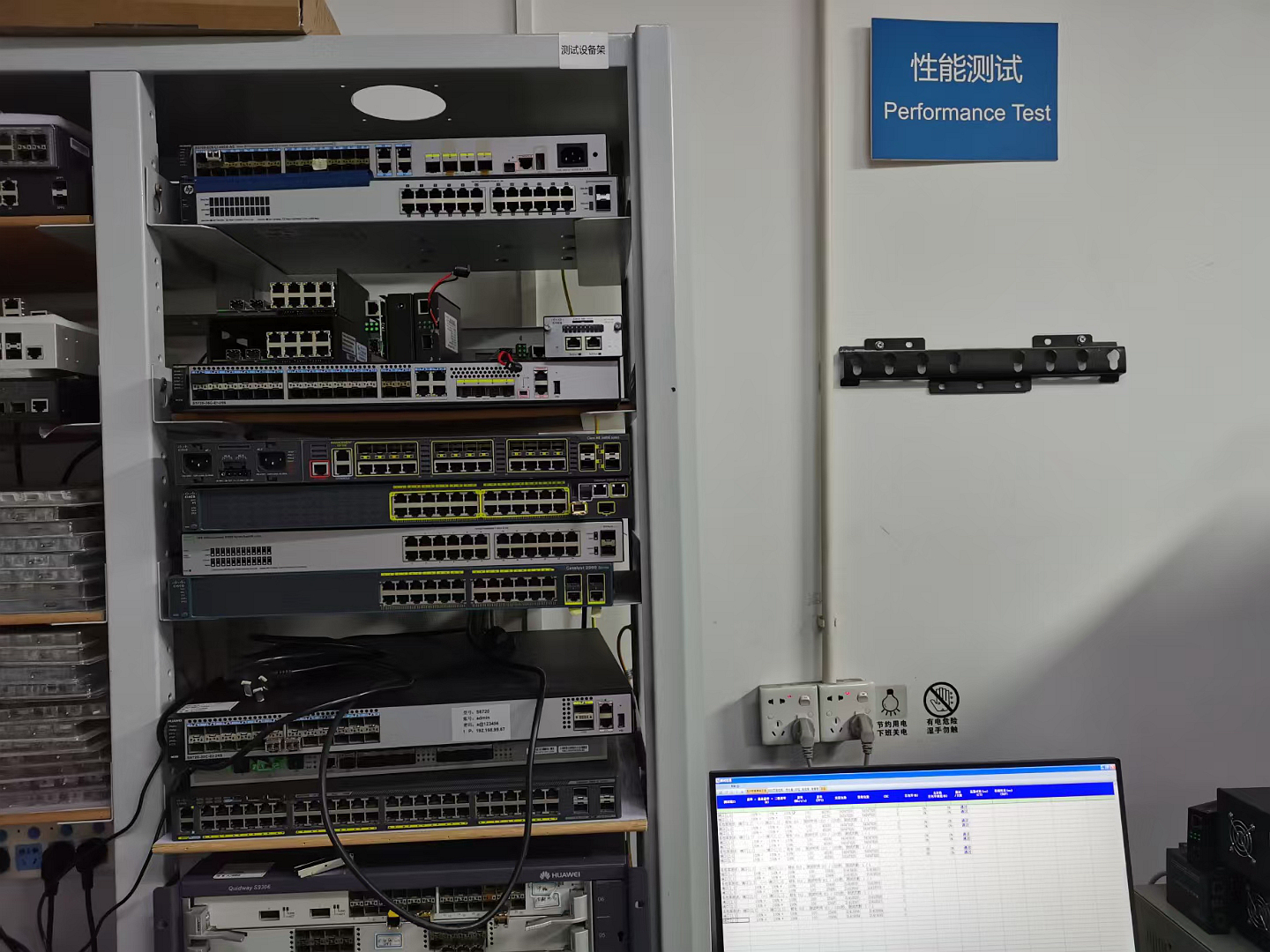
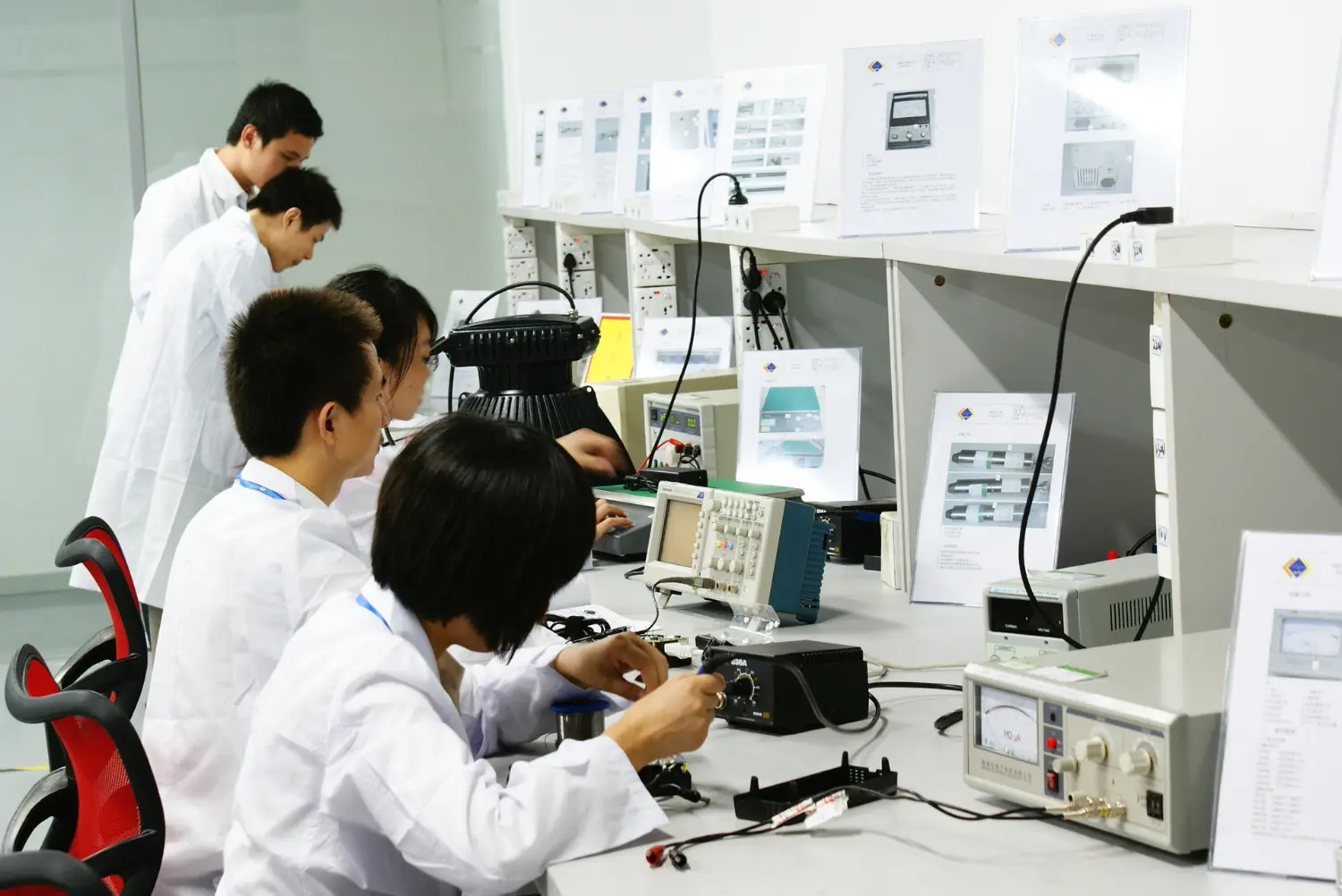
Our operational framework ensures high scalability and reliable product quality for overseas project tenders and bulk distributor imports.
| Business Parameters | Specification Detail | Compliance & Markets | Details |
|---|---|---|---|
| Business Model | ODM / OEM Direct Exporter & Manufacturer | Origin Country | Guangdong, China (Shenzhen Hub) |
| Core Product Lines | Fiber Media Converters, SFP Modules, PoE Industrial Switches, GPON/EPON ONU & OLT systems | Personnel Scale | 11 - 50 R&D Specialists and QC Engineers |
| Annual Revenue | US$5 Million - US$10 Million | Established Year | 2021 (Parent R&D base over 10+ years experience) |
| Certificates Summary | ISO9001, CE, FCC, RoHS, UL Compliance Checked | Main Markets | South America, North America, Europe, Domestic, Africa |
Browse our integrated transmission components, including XPON ONUs, SFP Optical Transceivers, and Managed PoE Switches designed for industrial, FTTx, and CCTV networks in Namibia.
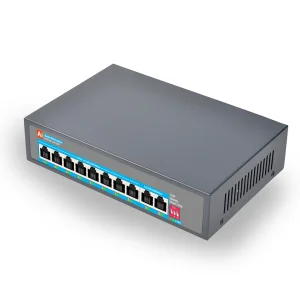
For system integrators, municipal contractors, and local distributors, navigating bulk imports from China involves checking technical specifications, logistics paths, and compliance certifications.
Most bulk networking equipment imports ship via ocean freight to the Port of Walvis Bay. Standard shipping times from Shenzhen or Guangzhou ports range from 30 to 40 days. For urgent projects, air freight to Hosea Kutako International Airport (WDH) in Windhoek takes 5 to 7 business days.
As a member of the Southern African Customs Union (SACU), Namibia applies harmonized customs regulations. Importers must declare valid commercial invoices, packing lists, and certificate of origins. Ensure all SFP modules, switches, and ONUs carry clear markings of CE and FCC compliance to prevent delays at customs.
Answers to common questions from network engineers and IT procurement managers operating in Sub-Saharan environments.
 Soras Tech