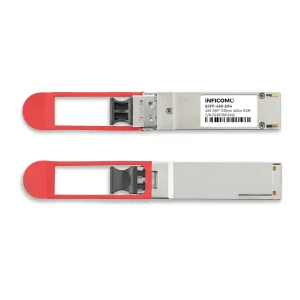
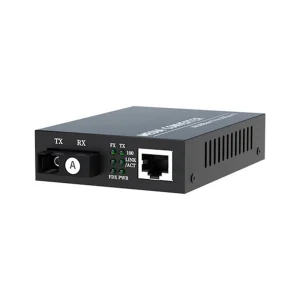
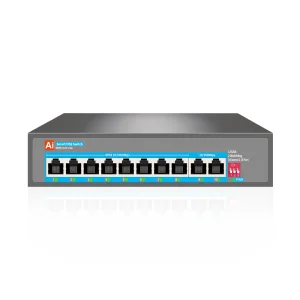
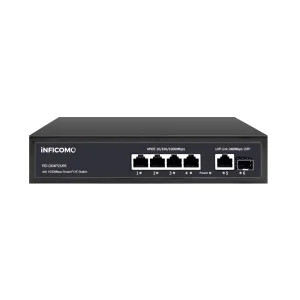
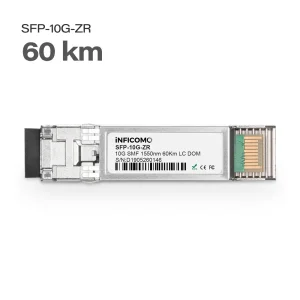
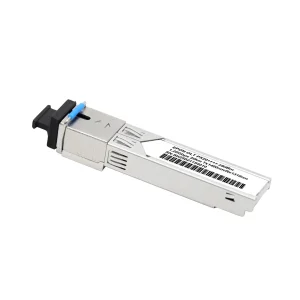
Engineered for low insertion loss and optimized performance across high-speed optical transmission links.
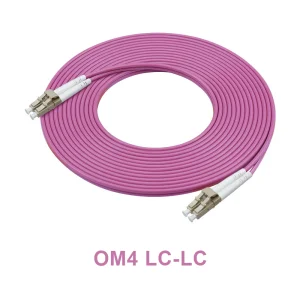
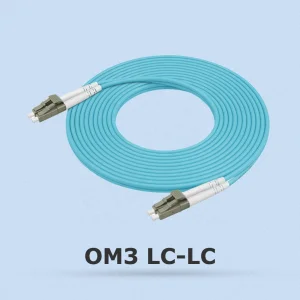
Analyzing the rapid demand shifts in South Korea’s highly sophisticated ICT landscape.
South Korea has established itself as the leading digital hub of East Asia, driven by massive expansions in artificial intelligence, cloud-native services, and IoT platforms. As major tech giants like Naver, Kakao, and international cloud service providers expand their footprints across Seoul, Incheon, and Pangyo Techno Valley, physical network infrastructure is being pushed to its absolute limits. Within these hyperscale and tier-3/4 facilities, standard cabling configurations are rapidly giving way to high-density, multi-fiber optical configurations.
In this context, OM3 and OM4 multi-mode patch cords serve as the critical backbone for short-reach high-speed transmission. Operating primarily at 850nm, OM3 and OM4 lasers are optimized to support 10G, 40G, and 100G Ethernet applications. By choosing premium OM4 fiber patch cords featuring low insertion loss and high modal bandwidth, Korean network engineers can construct latency-sensitive pathways that scale up to 100Gb/s and 400Gb/s (utilizing SR4/SR8 transceivers) without the capital-intensive deployment costs associated with single-mode fiber systems.
When specifying optical cables for high-frequency trading platforms in Yeouido or R&D centers in Suwon, selecting the appropriate multi-mode class is paramount. While both OM3 and OM4 utilize bend-insensitive 50/125µm graded-index glass cores, their physical properties differ significantly under high spectral loads:
Effective Modal Bandwidth (EMB): OM3 maintains a minimum EMB of 2000 MHz·km at 850nm, whereas OM4 is rated for 4700 MHz·km. This higher bandwidth directly translates to reduced modal dispersion, enabling OM4 to push longer distances at higher bitrates.
Transmission Distances: At 40G and 100G speeds, OM3 runs are technically limited to 100 meters. In contrast, OM4 supports reaches of up to 150 meters, providing crucial architectural flexibility within large-scale data center suites.
Developing optical and copper hybrid networks designed to meet future bandwidth and low-latency metrics.
As Korean enterprise architecture integrates AI server clusters and high-performance computing (HPC) setups, the current network roadmap points toward Shortwavelength Division Multiplexing (SWDM) systems. SWDM allows transmission across four distinct wavelengths (850nm, 880nm, 910nm, and 940nm) over a single duplex fiber link. While OM5 is optimized specifically for SWDM, premium-grade OM4 systems provide a cost-effective, high-performing stepping stone that supports early-phase dual-wavelength and multi-wavelength applications.
Shenzhen Soras Technology provides high-precision terminations on all multi-mode cords, utilizing premium physical contact (UPC) and angled physical contact (APC) polishing styles. This strict engineering control limits back-reflections and mitigates signal distortion, ensuring compatibility with future wave division multiplexing transceivers.
Rigorous safety and material standards designed for implementation in Tier-4 Korean installations.
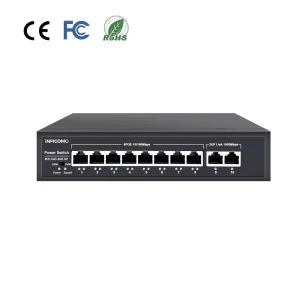
For telecommunication hardware deployed in South Korea, compliance with local regulations is not optional. The Korean Ministry of Science and ICT (MSIT), along with the National Radio Research Agency (RRA), enforces stringent electromagnetic compatibility and safety standards, commonly indicated by the **KC (Korea Certification)** mark. All active hardware, such as PoE switches and optical transceivers, must clear these local compliance hurdles to guarantee safe operations in corporate environments.
Furthermore, passive fiber infrastructures—such as OM3 and OM4 patch cords—must adhere to strict fire safety protocols. Korean building codes dictate the use of **LSZH (Low Smoke Zero Halogen)** jacketing for cabling run through plenum spaces and under-floor systems in high-rise commercial structures and municipal offices. LSZH jackets ensure that, in the event of a thermal incident, the cabling emits negligible amounts of toxic smoke and acid gases, protecting both personnel and valuable computing hardware.
Consult with our dedicated technical team to receive tailored OM3/OM4 fiber configurations, certifications, and project-specific quotes.
Send Inquiry NowHow Shenzhen Soras Technology Co., Ltd. integrates advanced production workflows to guarantee top-tier optical performance.
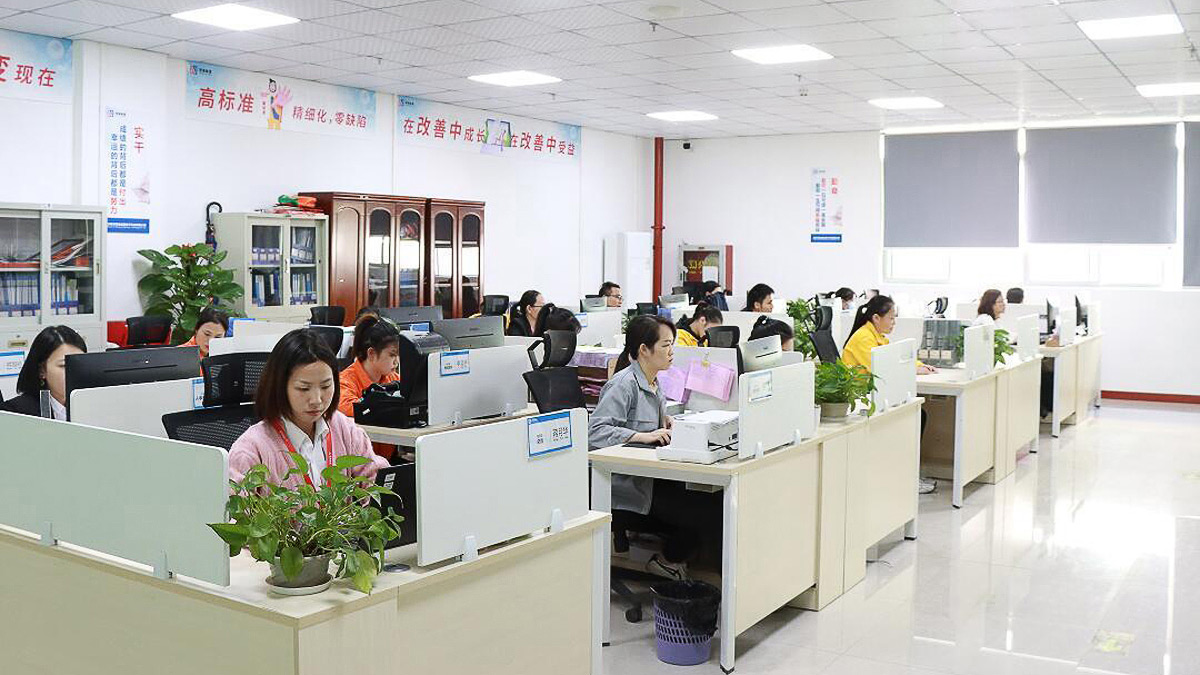
Shenzhen Soras Technology Co., Ltd. (operating globally as Soraslink) is a premier manufacturer of optical transmission and network equipment with over a decade of operational excellence. Our approach integrates rigorous manufacturing standards with modern technological innovation to deliver high-value, cost-effective, and long-lasting optical components.
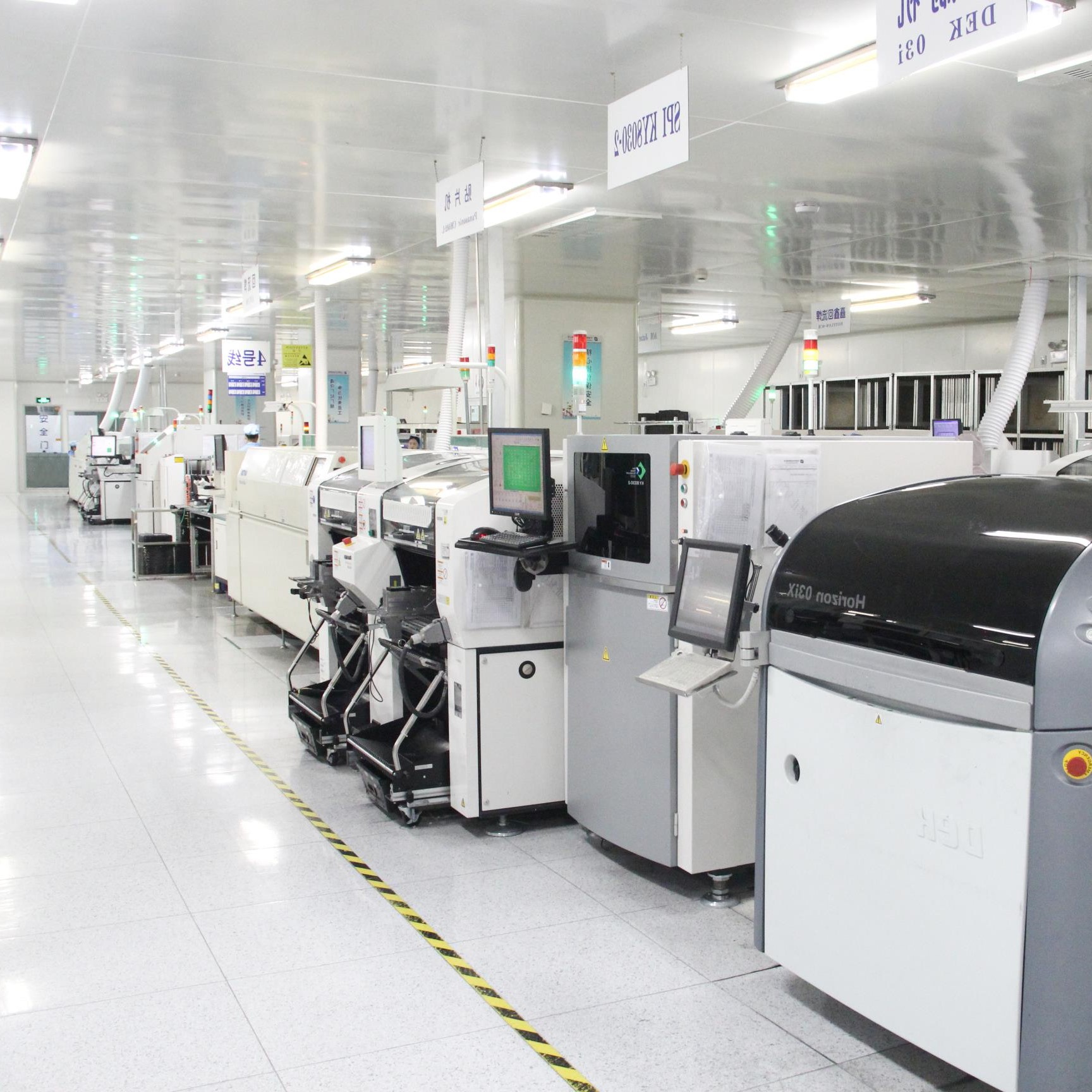
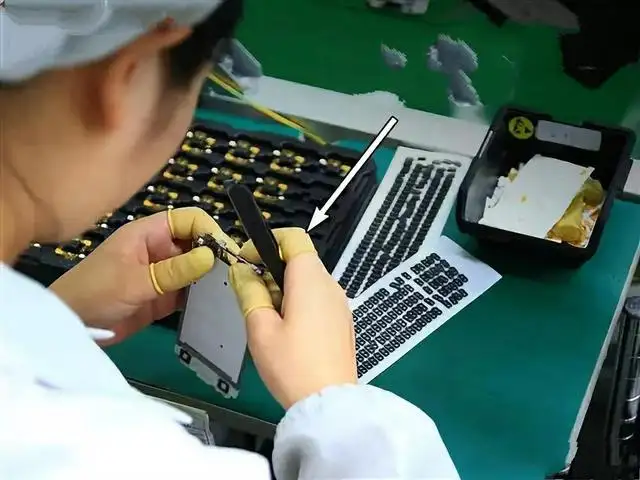
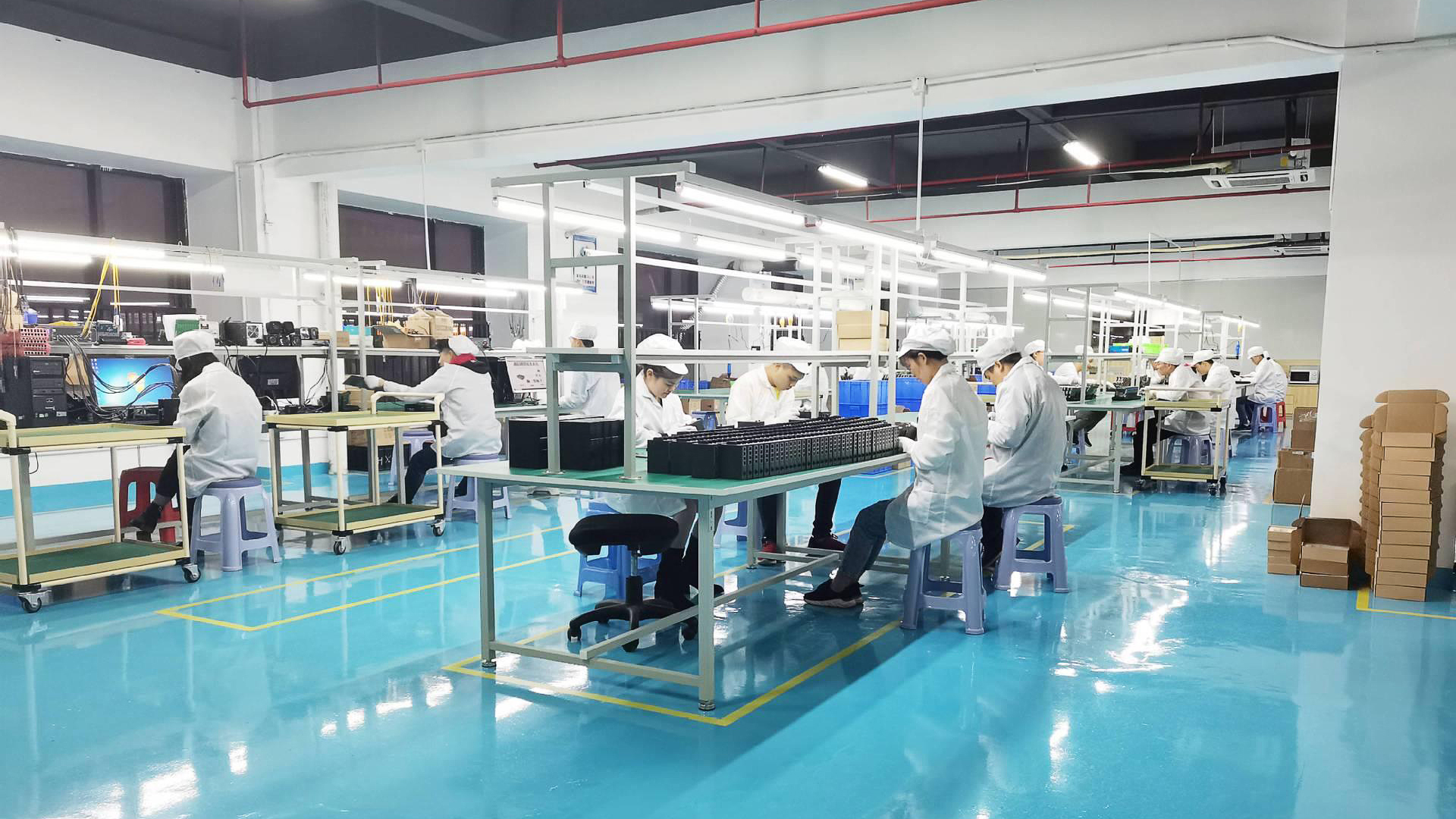
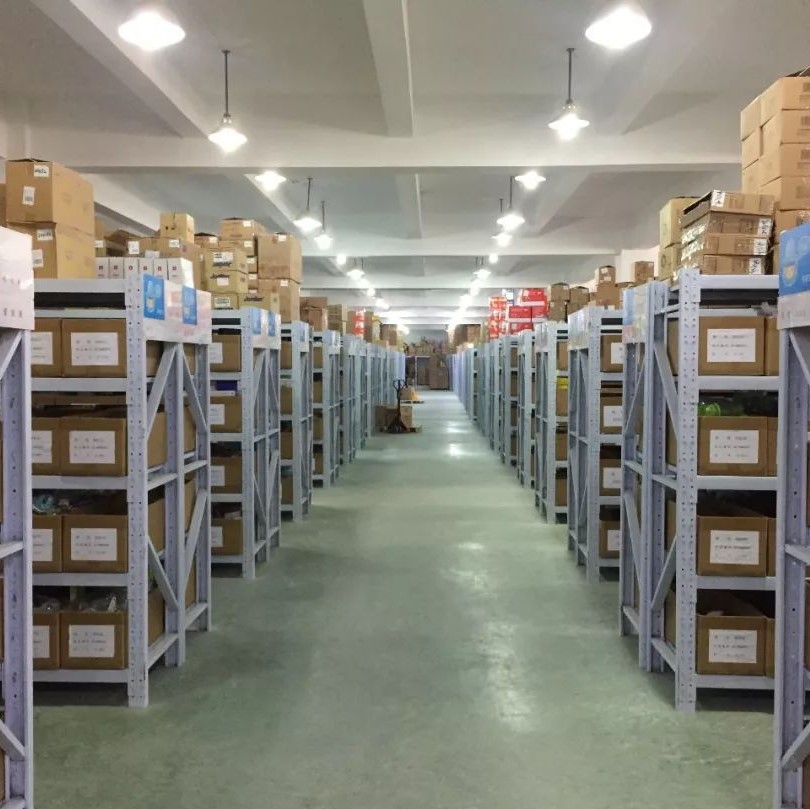
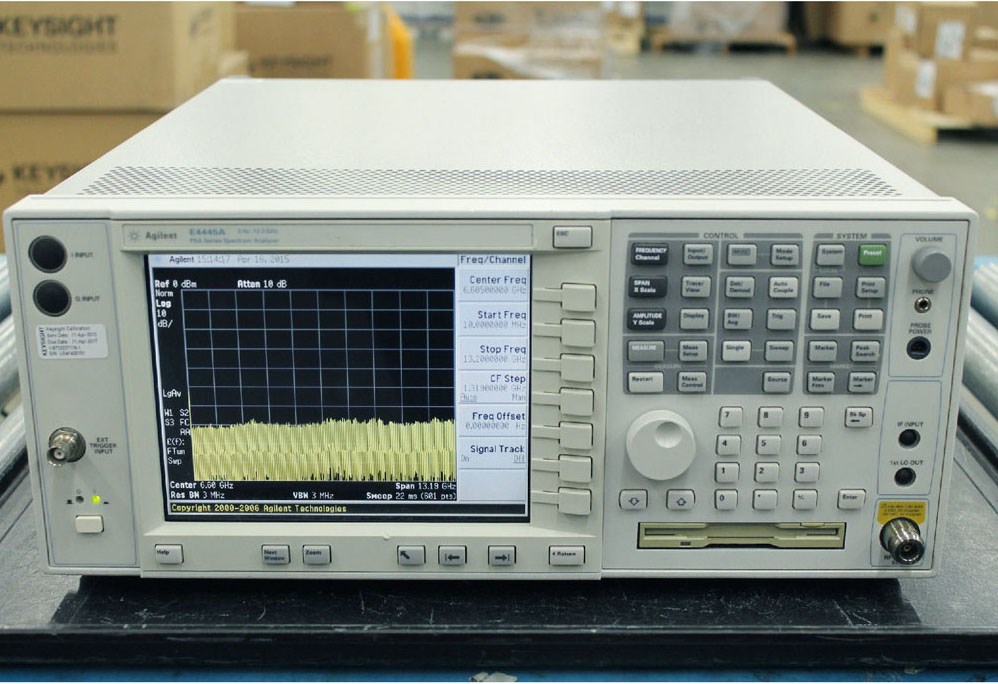
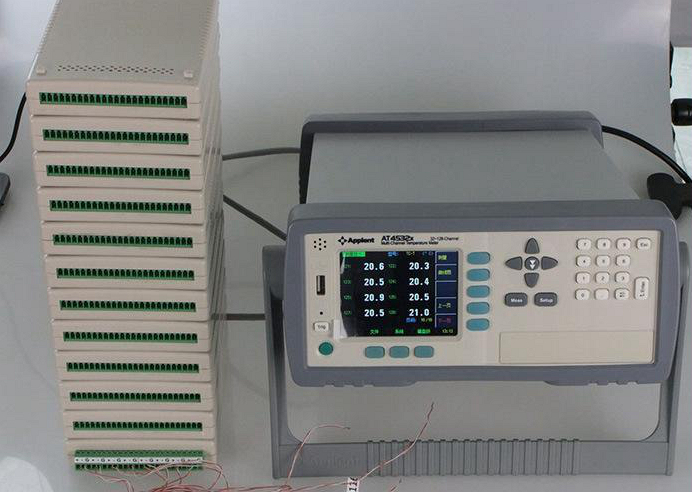
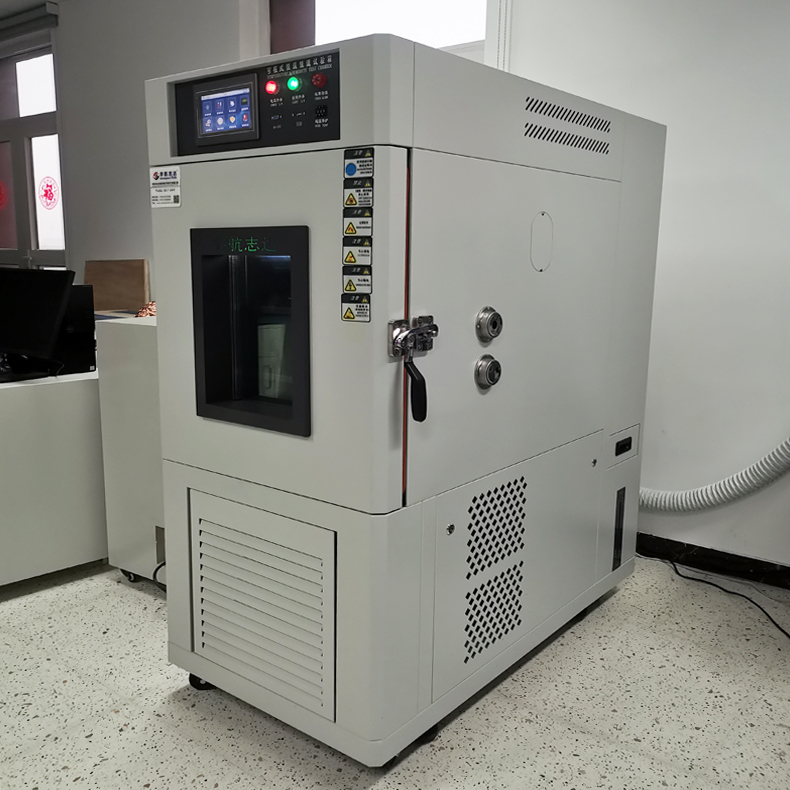
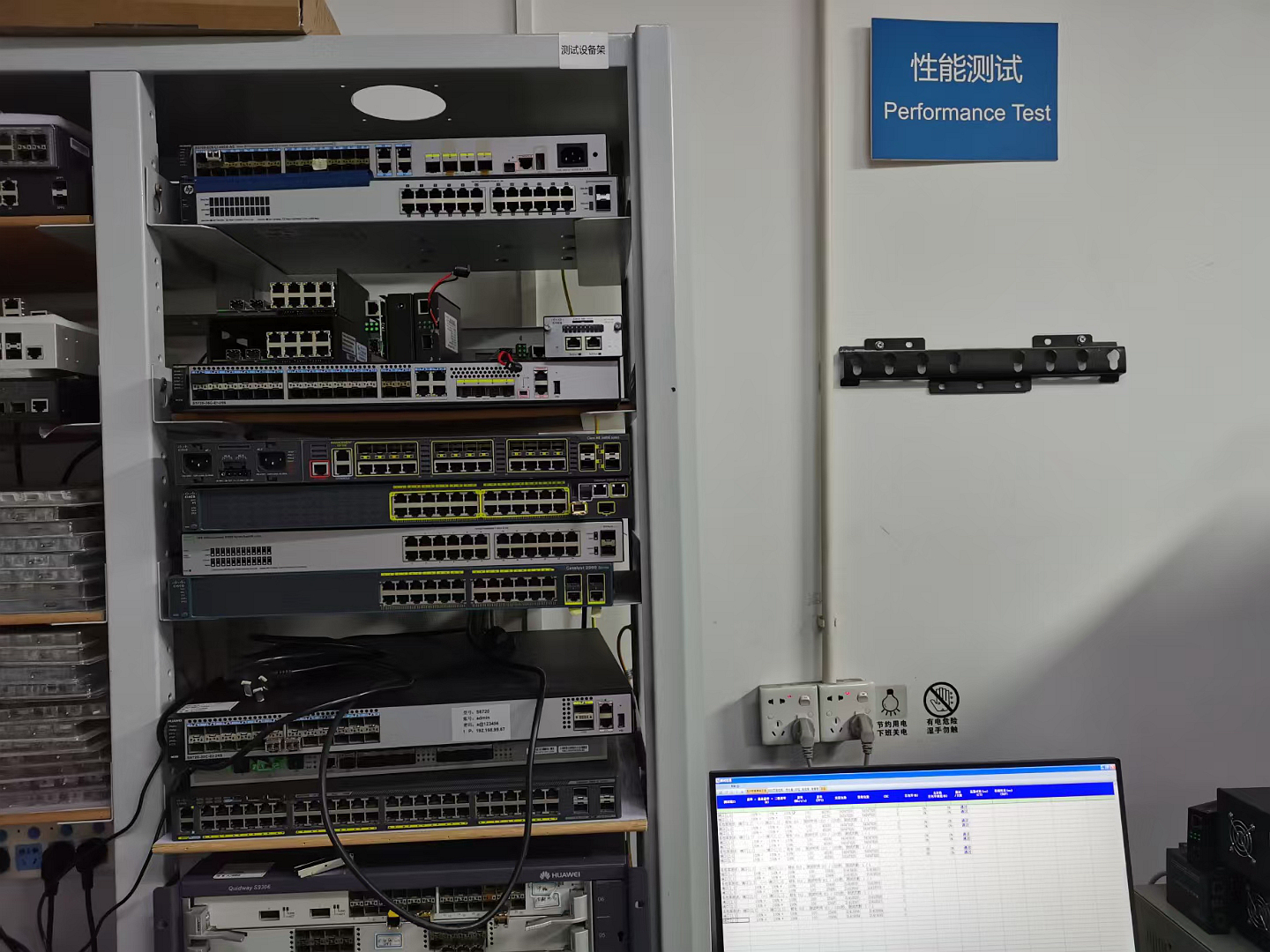
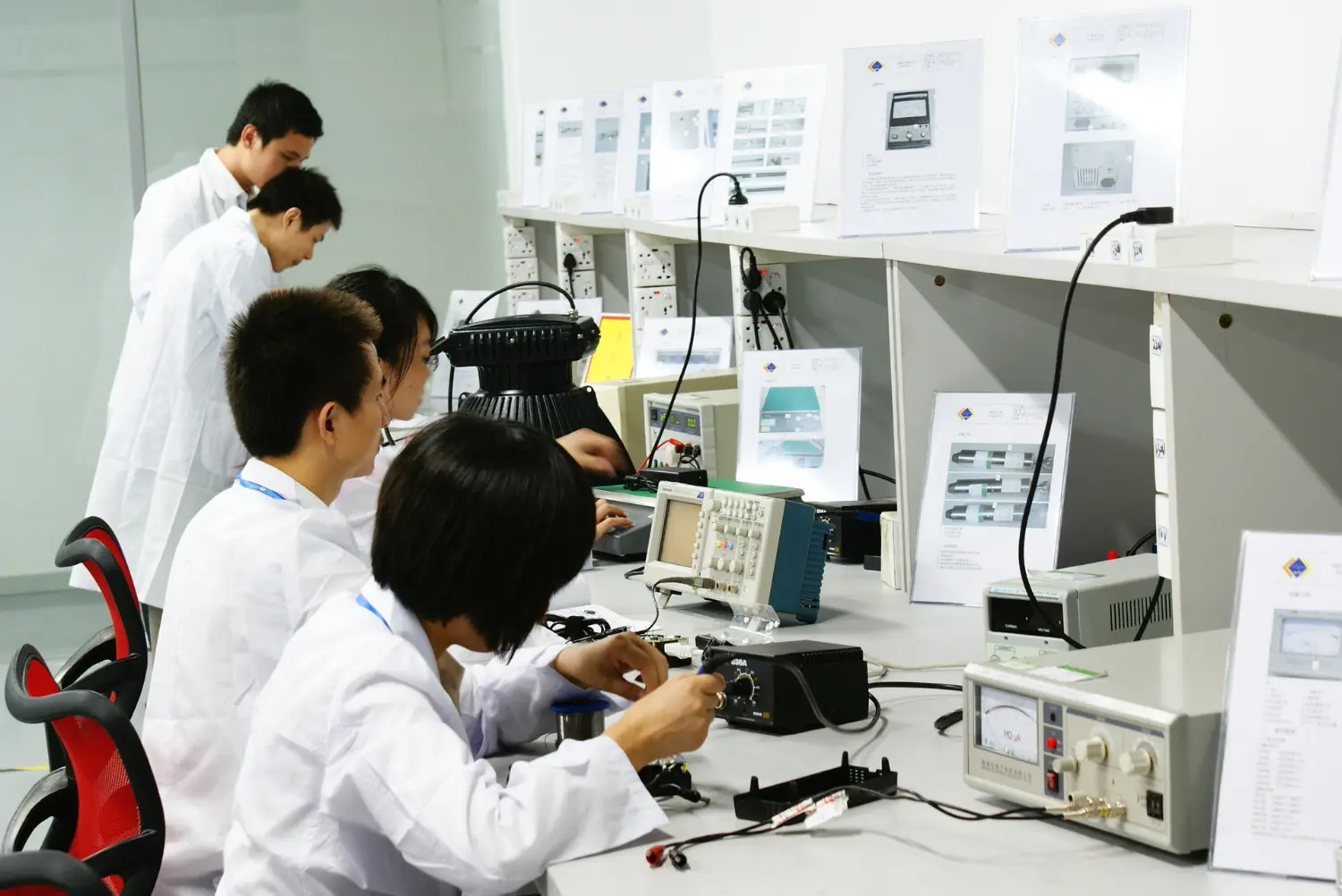
With ISO 9001, UL, CE, FCC, and RoHS certifications, we partner with leading system integrators and telecommunications operators across the globe. Our 10,000-square-meter facility features state-of-the-art SMT assembly lines, automated optical testing labs, and climate-controlled warehouse facilities, enabling us to manage short-lead orders and ship directly to primary Korean entry ports like Incheon and Busan.
| Business Type | Manufacturer (OEM & ODM Support) | Country / Region | Guangdong, China |
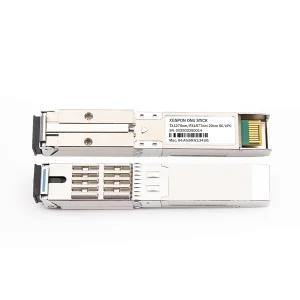
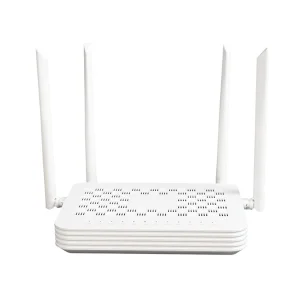
| Main Products | FTTH ONU & OLT, SFP Transceivers, Fiber Media Converters, PoE Switches, OM3/OM4 Cables | Total Employees | 11 - 50 People |
| Annual Revenue | US$5 Million - US$10 Million | Year Established | 2021 |
| Key Markets | Domestic Market 24%, Eastern Asia 15%, North America 15%, Europe 15% | Certifications | ISO 9001, UL, CE, FCC, RoHS Compliant |
Comprehensive active and passive network components engineered for high-availability enterprise environments.
Expert answers addressing the primary concerns of network architects and procurement managers in South Korea.
 Soras Tech