Enterprise-grade equipment deployed to support high-density metropolitan GPON routing and fiber-to-the-home networks.
Istanbul, serving as the massive physical and digital bridge between Europe and Asia, has evolved into one of the region's most critical telecommunications hubs. With the growth of hyperscale data centers in the Maslak, Levent, and Ataşehir districts, the reliance on high-bandwidth, low-latency fiber optic connections has skyrocketed. Large-scale regional operators such as Türk Telekom, Turkcell Superonline, and Vodafone Turkey are relentlessly driving the migration from legacy infrastructure to FTTH (Fiber to the Home) and high-density enterprise networks.
As networks evolve from 10G to 40G, 100G, and even 400G ethernet frameworks, the selection of the physical layer medium becomes paramount. Multimode fiber (MMF), specifically OM3 and OM4 patch cords, acts as the backbone of internal datacenter routing. OM3 fiber patch cables use laser-optimized 50/125µm fiber cores, optimized for 850nm Vertical-Cavity Surface-Emitting Lasers (VCSELs), supporting transmission distances of up to 300 meters at 10Gbps. For longer runs and higher link budgets, OM4 patch cords provide an enhanced modal bandwidth of 4700 MHz*km, allowing 100Gbps transmission up to 150 meters. This makes them indispensable for the high-frequency financial nodes and localized cloud centers popping up across the Bosporus region.
In addition to enterprise data environments, the rise of industrial zones in the Tuzla and Hadımköy regions has fostered a massive requirement for robust networking hardware. To handle complex industrial automation processes, local integrators deploy GPON (Gigabit Passive Optical Network) and EPON (Ethernet Passive Optical Network) architectures. Bridging the gap between the backbone and client terminals requires not only high-performing transceivers and ONUs but also extremely reliable patch cords that guarantee zero packet loss under continuous operation.
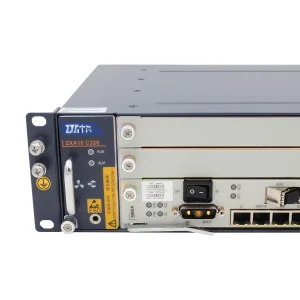
Turkey's Information and Communication Technologies Authority (BTK) continues to set high-performance metrics for local broadband expansion. Consequently, deployment of Optical Line Terminals (OLTs) in neighborhood cabinets and central offices is accelerating. Shenzhen Soras Technology plays a key role in supporting these projects by supplying original OLT chassis configurations, such as the Huawei MA5800 series and ZTE C300/C320 platforms, directly to Turkish telecom contractors.
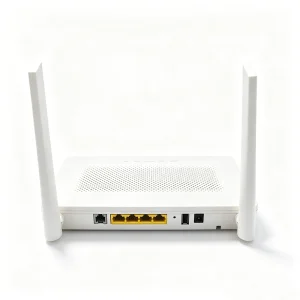
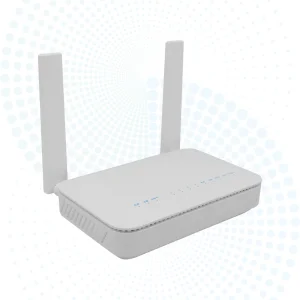
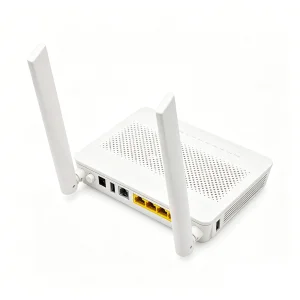
At the consumer side, the market requires robust, localized User Premises Equipment (CPE). Customer environments in high-density urban areas like Kadıköy and Esenyurt require dual-band Wi-Fi capabilities to combat wireless interference in crowded apartment complexes. The deployment of XPON ONUs equipped with Wi-Fi 6 (AX3000 specifications) ensures that local homes and commercial offices can leverage the full capacity provided by the GPON backbone. With integrated English firmware and fully configurable TR-069 protocols, these units are easily managed remotely by local internet service providers (ISPs), reducing operational overhead and on-site support visits.
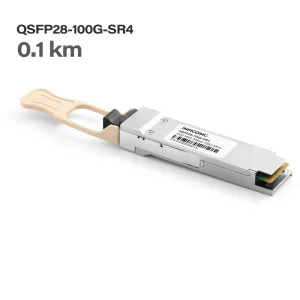
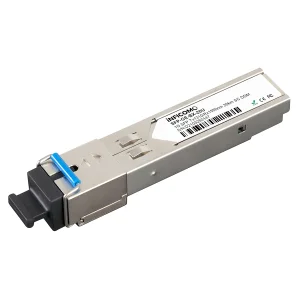
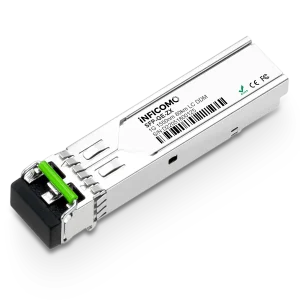
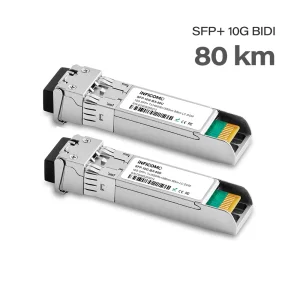
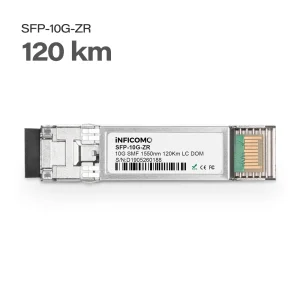
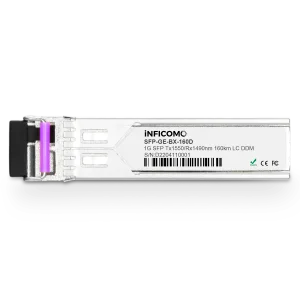
Furthermore, optical transceivers—ranging from 1.25G BIDI SFP for localized metropolitan ring networks to 10G SFP+ modules and 100G QSFP28 modules—serve as the heartbeat of these installations. Our optical transceivers are engineered to match the electrical configurations of leading switch brands (such as Cisco, Juniper, HP, and Huawei) deployed throughout Turkey's network grids. By using high-performance components, we guarantee optimal signal-to-noise ratios and low attenuation over extended distances, ensuring reliable connections between Istanbul's major routing nodes.
Direct from China's High-Tech Capital to the Gateway of Europe
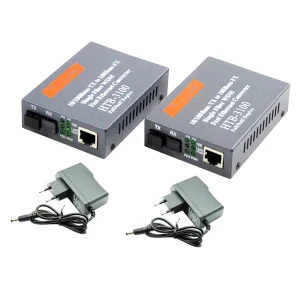
Shenzhen Soras Technology Co., Ltd. is a leading manufacturer of optical transmission equipment and network equipment with more than 10 years of experience. We rely on high-quality management and technological innovation, committed to providing customers with high quality, cost-effective, high value-added products and solutions. Today, we work closely with telecommunications companies around the world. We have strong technical force and experienced R & D team, products can be developed according to customer requirements, we also accept your OEM and ODM orders. Now our products are exported to more than 60 countries, the main markets are South America, North America and Europe. Our main products: Fiber Media Converter, SFP Module, POE Switch, ONU, OLT and supporting products. We have passed ISO 9001, UL, CE, FCC, ROHS Certification, our aim is "superior quality, professional service, competitive price, integrity-based". We believe this is not only our responsibility, but also the best way out for long-term development. Soraslink looks forward to working with you!
| Official Business Profile & Demographics | |||
|---|---|---|---|
| Business type | Manufacturer |
Country / Region | Guangdong, China |
| Main Products | FTTH ONU&OLT, SFP Module, Fiber Media Converter, Poe Switch, Fiber Optic Equipment |
Total employees | 11 - 50 People |
| Total Annual Revenue | US$5 Million - US$10 Million |
Year established | 2021 |
| Company Certificates | ISO 9001, UL, CE, FCC, RoHS |
Main Markets | Domestic Market 24.00%, Eastern Asia 15.00%, North America 15.00%, Europe & MEA |


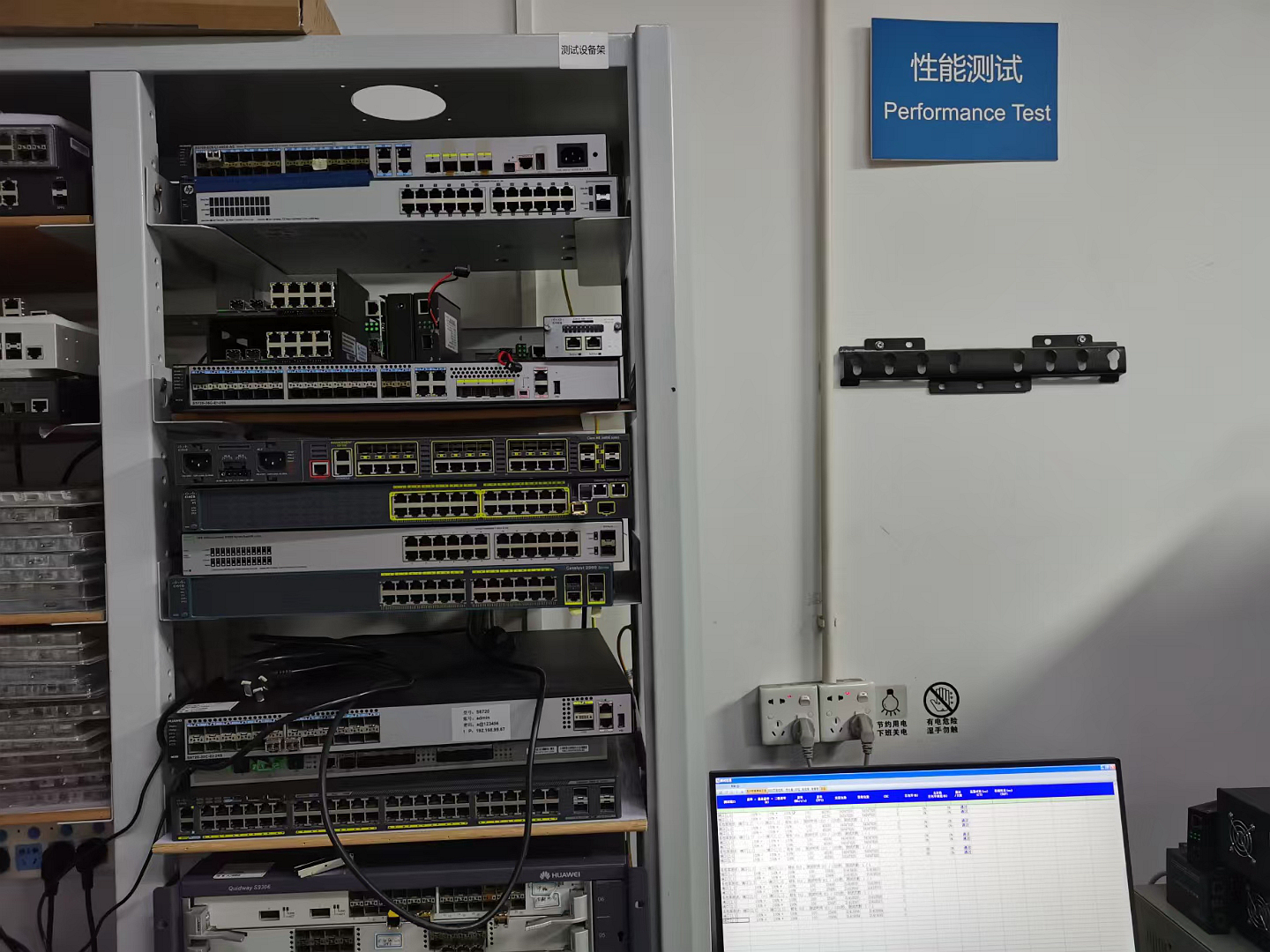
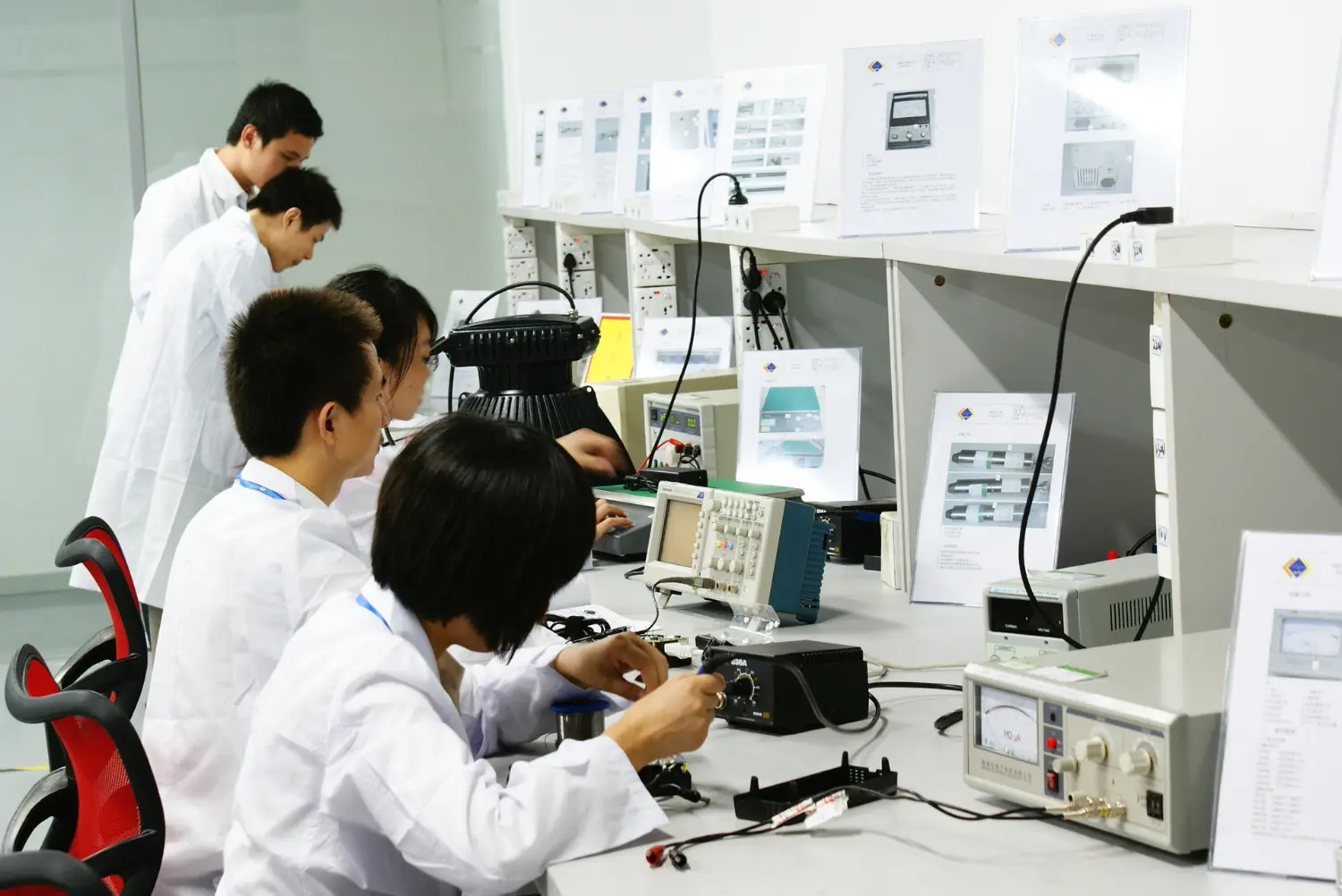
Importing fiber optic infrastructure products into Turkey requires navigating complex customs regulations, conformance certificates, and strict environmental standards. As an ISO 9001 certified manufacturer, Shenzhen Soras Technology provides comprehensive documentation packages to ensure smooth clearance through customs at Ambarlı Port, Kumport, and Istanbul Airport. All our products comply with CE, RoHS, and REACH guidelines, which align with local Turkish standards mandated by the Turkish Standards Institution (TSE).
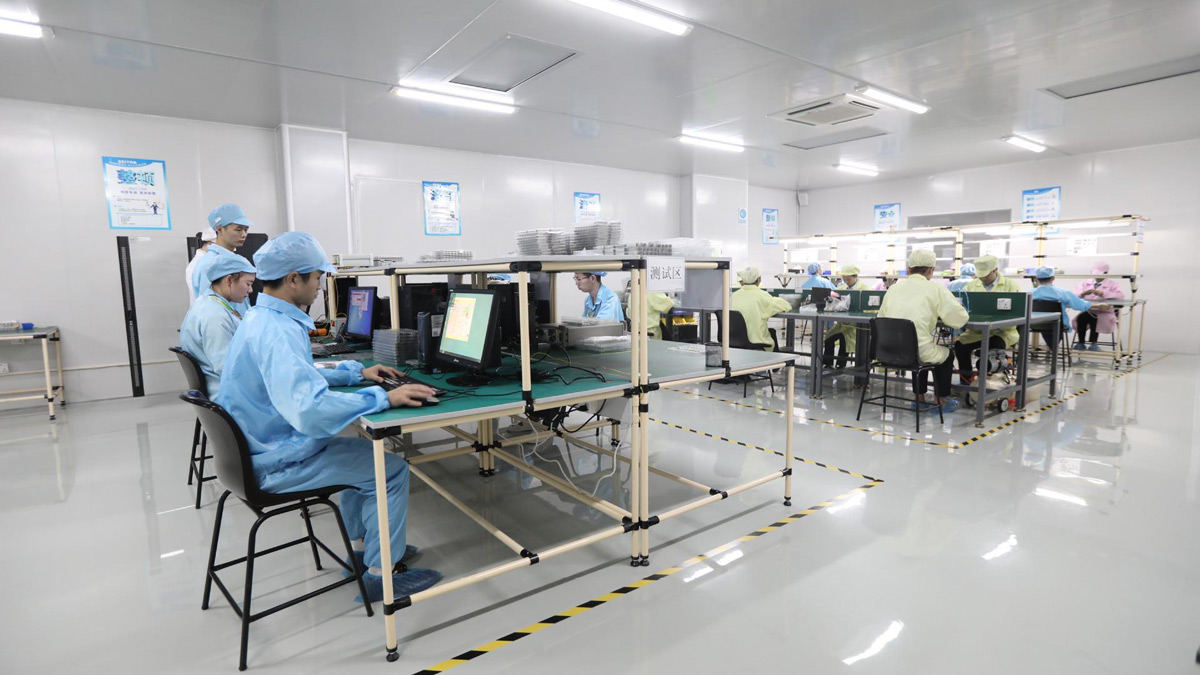
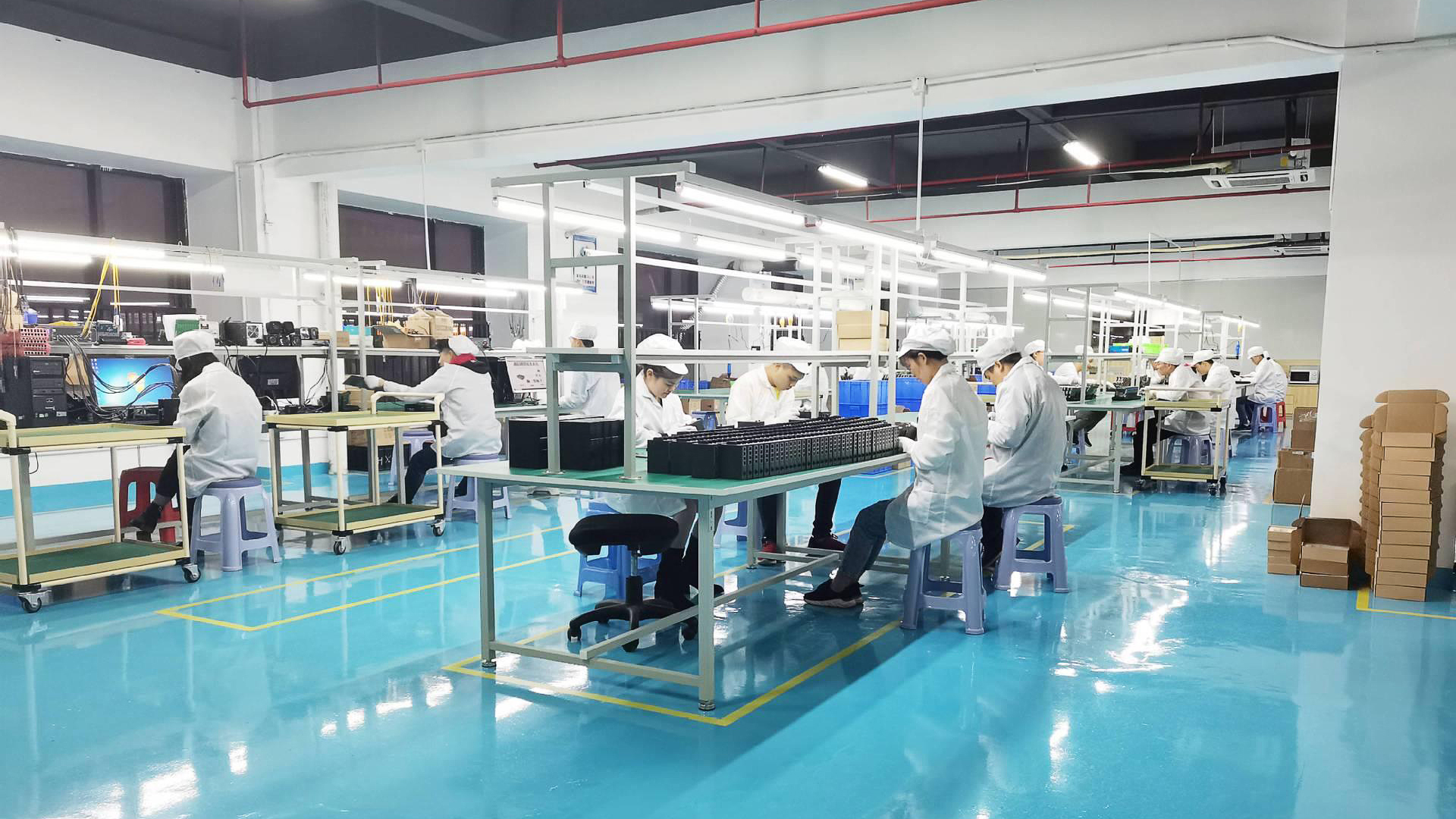
By purchasing directly from our Shenzhen factory, Istanbul system integrators can bypass middlemen, significantly reducing their procurement costs. Our production processes are designed to handle demanding enterprise specifications:
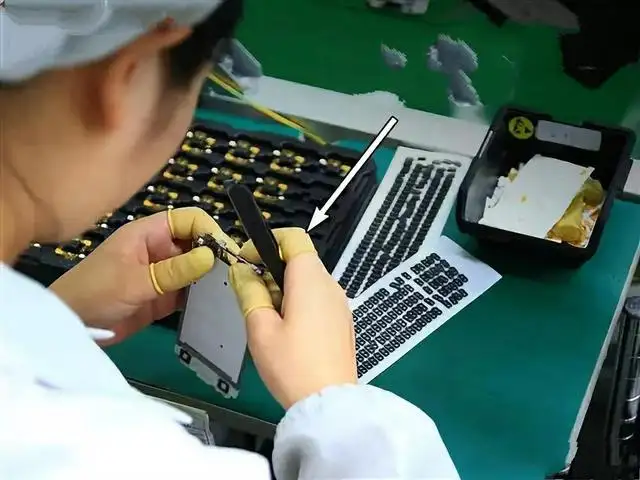
Every OM3/OM4 patch cord undergoes 3D interferometer testing to verify fiber core radius, fiber height, and apex offset, ensuring reliable physical connections.
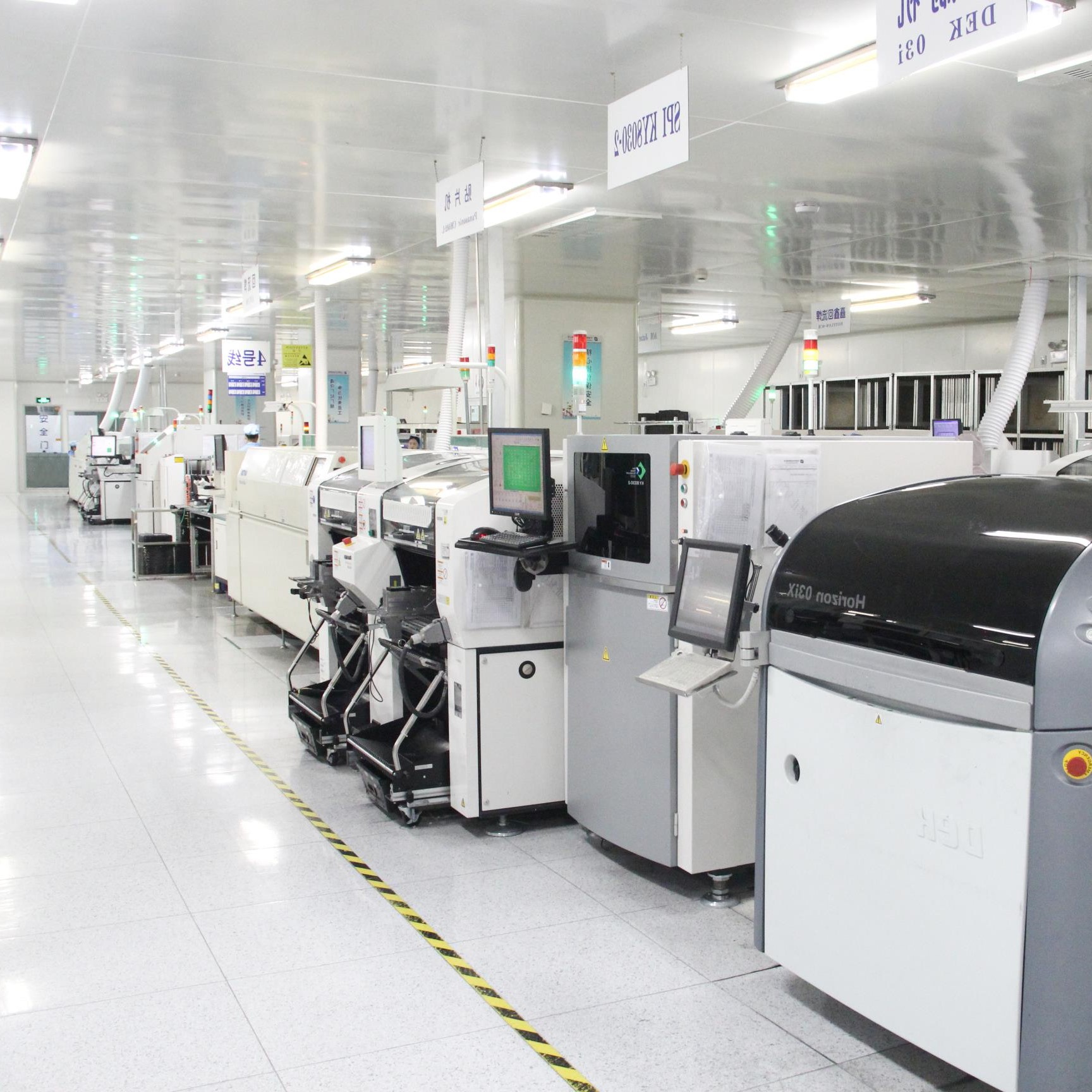
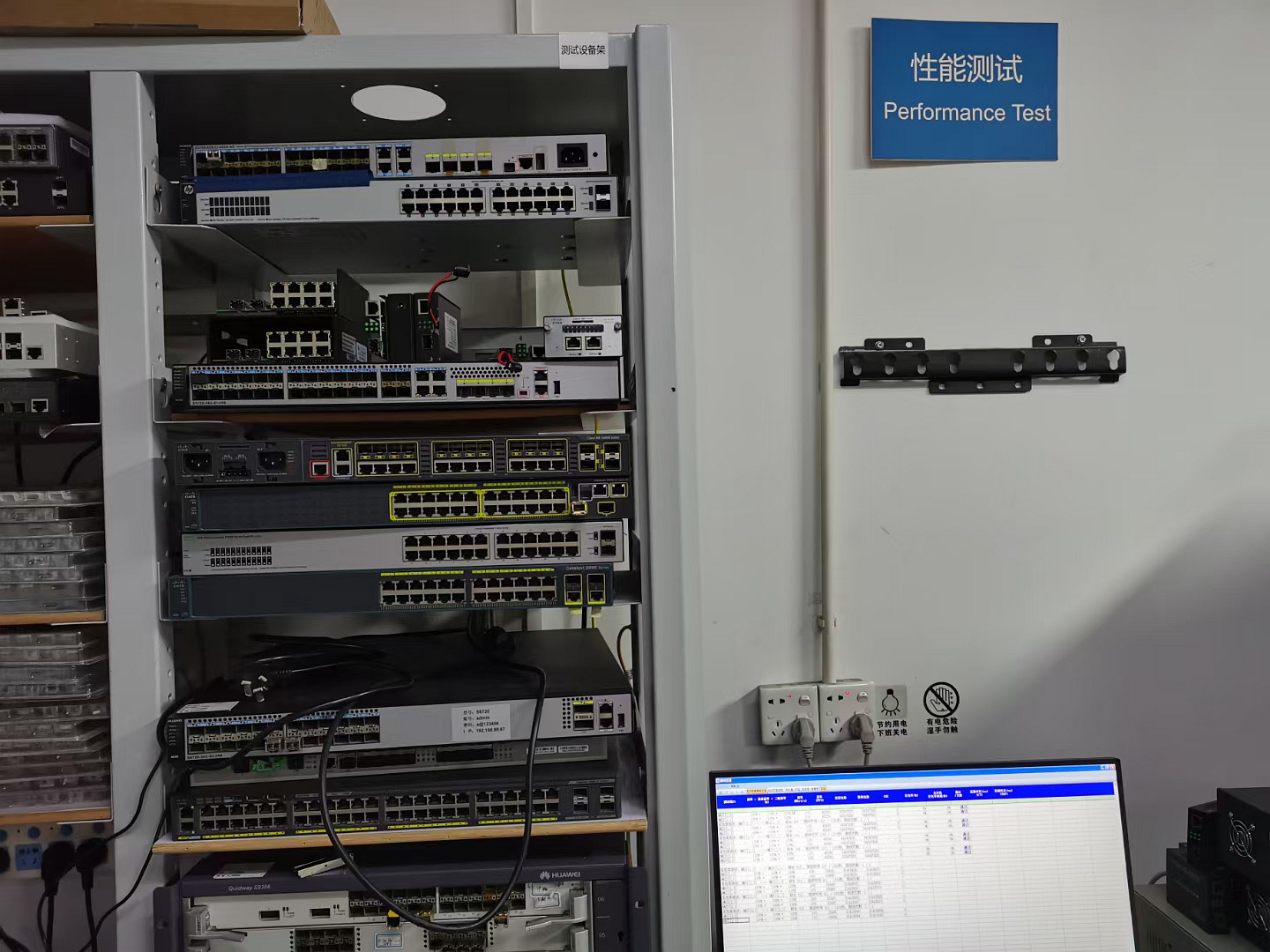
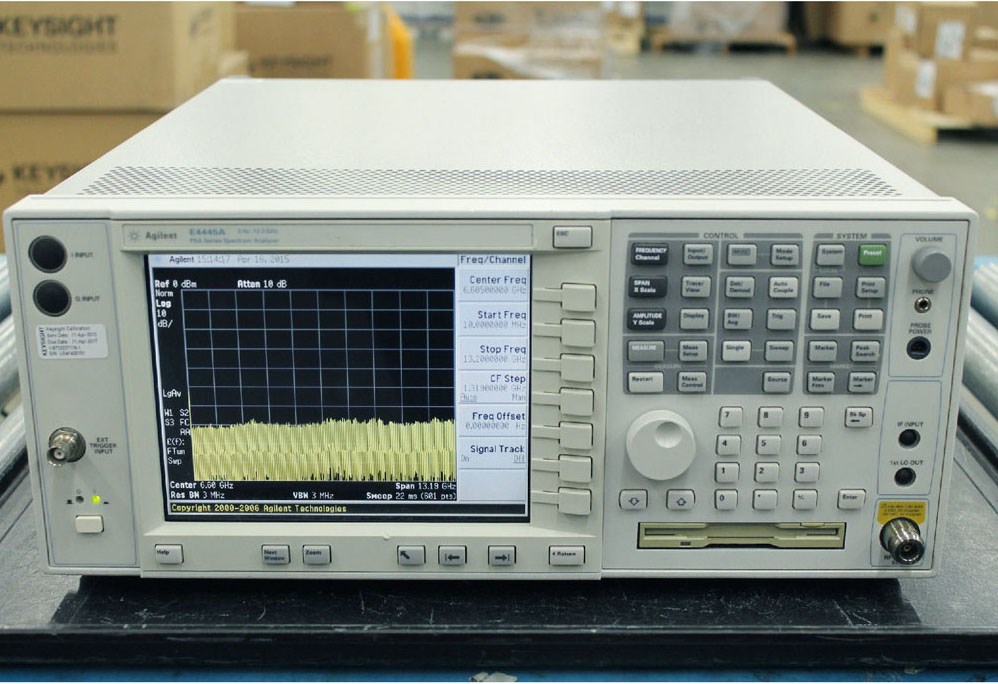
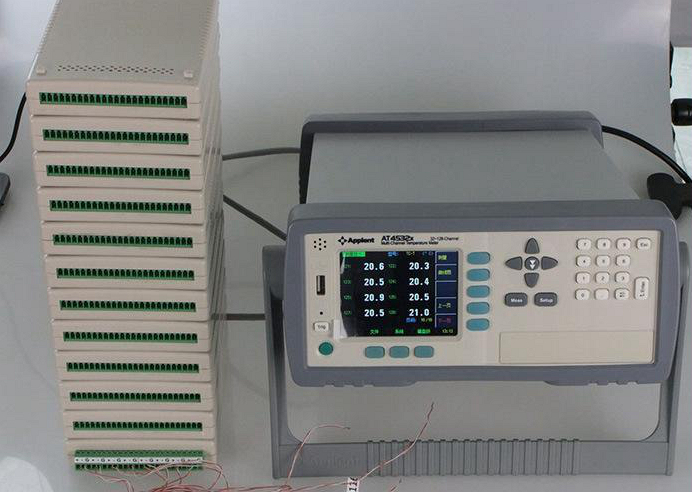
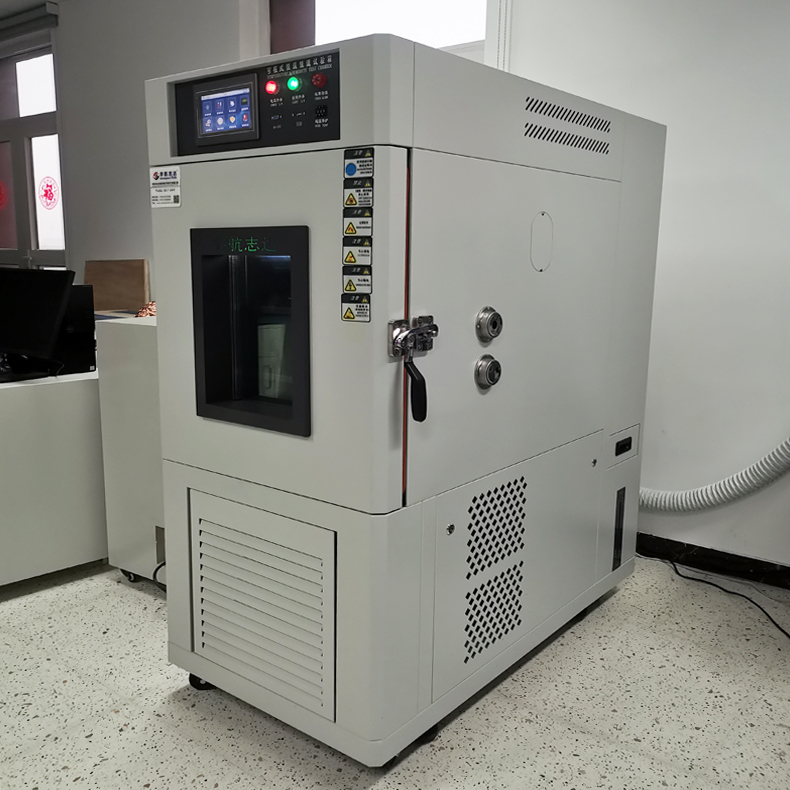
Active SMT line assembly, automated optical alignment, and high-low temperature chamber cycles simulate extreme environments, guaranteeing performance in varied environments.
We customize jacket types (LSZH, Plenum, Riser), connection lengths, and breakouts (LC, SC, MTP/MPO) to match specific installation environments.
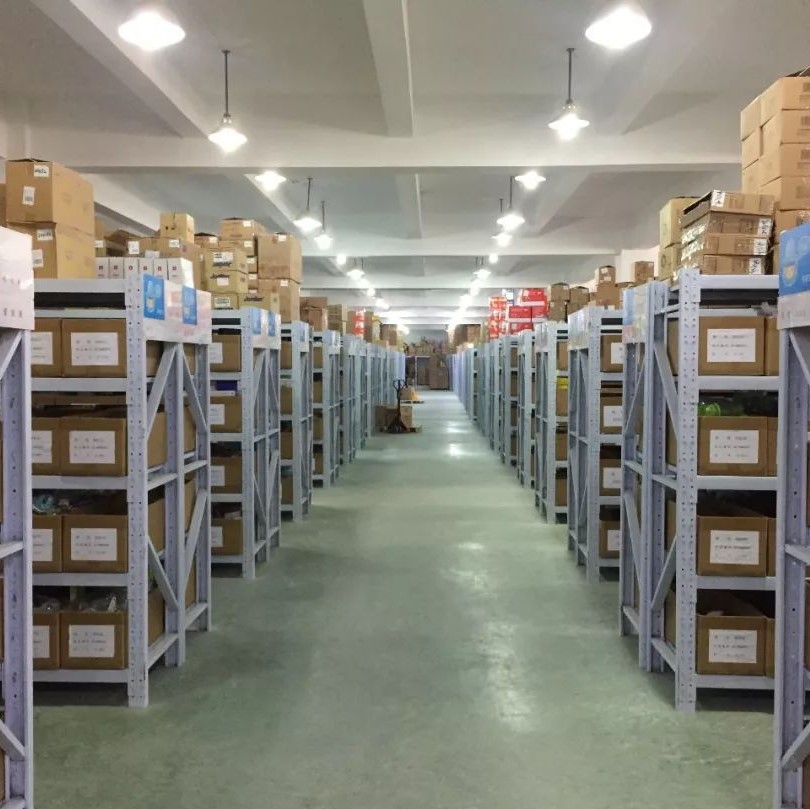
For urgent projects, we offer fast air freight delivery from Shenzhen (SZX) to Istanbul Airport (IST), alongside cost-efficient sea freight shipping routes for larger, bulk orders. Our experienced logistics team ensures that every shipment is packaged to prevent micro-bending and structural damage during transport, guaranteeing that your fiber network materials arrive ready for deployment.
Optimizing an optical budget is critical for network engineers in Istanbul. Every connector interface, splice, and patch cable introduces attenuation. Standard single-mode networks rely on precise UPC or APC polishing. Single Mode LC/UPC fiber connections typically achieve insertion losses ≤ 0.2dB with return losses ≥ 50dB, whereas APC configurations reach return losses ≥ 60dB. Minimizing back-reflections is critical to preventing damage to active lasers in long-haul BIDI SFP transceivers, particularly those operating across 80km to 160km distances.
In multimode systems using OM3 and OM4 cables, transmission reliability is determined by modal dispersion. By utilizing bend-insensitive multimode fiber (BIMMF), our cables prevent signal leakage caused by tight routing inside dense rack panels. This enables technicians to deploy dense fiber installations in compact telecom cabinets across Istanbul's enterprise zones without sacrificing signal integrity.
Expert answers to common technical, regulatory, and logistics questions about fiber optic infrastructure.
Explore our wide range of transceivers, ONUs, media converters, and switches engineered for high-performance networks.
Whether you need custom OM3/OM4 patch cords, high-capacity GPON OLTs, or standard SFP transceiver configurations, our Shenzhen team is ready to support your business requirements.
Send Inquiry Now Soras Tech