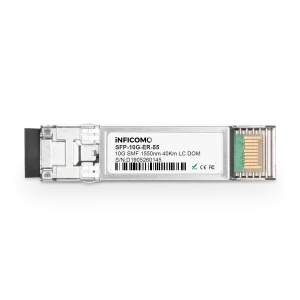
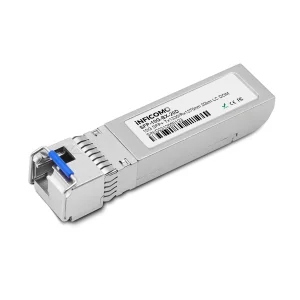
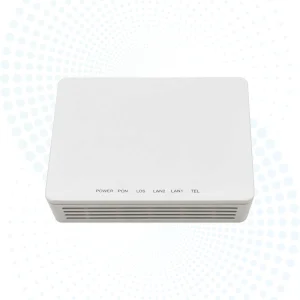
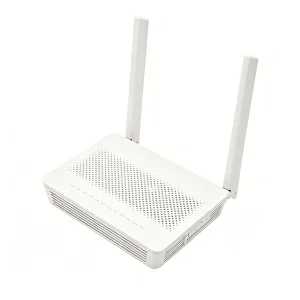
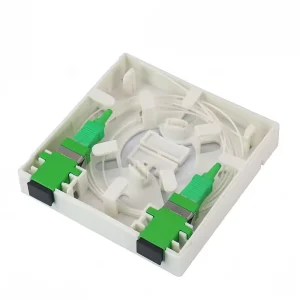
Explore our top-performing components engineered for high-bandwidth networks, data center interconnects, and FTTx deployments.
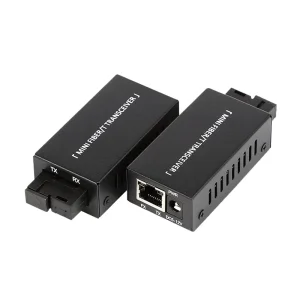
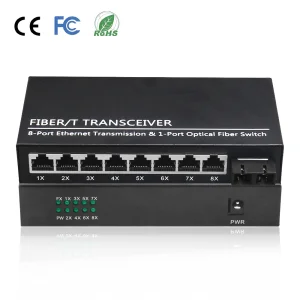
Today, Soraslink is a trusted strategic partner for tier-1 telecommunications companies and enterprises across more than 60 countries, establishing a dominant market footprint in South America, North America, and Europe. Our comprehensive product portfolio spans high-capacity Fiber Media Converters, high-performance SFP Transceiver Modules, carrier-grade ONU & OLT Systems, and robust PoE Switches.
| Shenzhen Soras Technology Co., Ltd. — Key Corporate Indicators | |||
|---|---|---|---|
| Business Type | Manufacturer & Exporter | Country / Region | Guangdong, China |
| Main Products | FTTH ONU & OLT, SFP Transceivers, Fiber Media Converters, PoE Switches | Total Employees | 11 - 50 Professional Engineers & Specialists |
| Year Established | 2021 (R&D team established 10+ years prior) | Core Markets | Domestic (24.00%), East Asia (15.00%), North America (15.00%), South America, Europe |
| Quality Standards | ISO 9001, UL, CE, FCC, RoHS Certification | OEM / ODM Capabilities | Full Customized Firmware, Hardware design & Packaging customization |
In the era of hyper-scale data processing, cloud migration, and 5G deployment, optical fiber capacity optimization is paramount. Wavelength Division Multiplexing (WDM) serves as the cornerstone technology, enabling network administrators to transmit multiple optical signals across a single fiber by utilizing different laser wavelengths. This dramatically multiplies fiber capacity without the cost of laying new optical cables.
While Coarse Wavelength Division Multiplexing (CWDM) provides up to 18 channels with a 20nm spacing (best for metropolitan networks under 80km), Dense WDM (DWDM) utilizes tighter spacing (0.8nm/0.4nm) to cram up to 96+ channels in the C-band, unlocking terabit-level transmission speeds over long distances.
Future optical transceiver architectures are transitioning toward Silicon Photonics (SiPh). By integrating lasers, modulators, and photodetectors onto a single silicon chip, we significantly reduce power consumption, footprint size, and thermal dissipation in ultra-dense modules like the 100G QSFP28.
As standard NRZ/PAM4 schemes hit distance limitations, coherent detection combined with digital signal processors (DSPs) enables multi-dimensional modulation schemes (like DP-QPSK and DP-16QAM). This is vital for maintaining spectral efficiency in long-haul links spanning 100km to 1200km.
As traffic demands grow, Soraslink is designing products to support C+L band optical multiplexing, which effectively doubles the available transmission spectrum. Furthermore, with the maturation of coherent transceivers, we are preparing high-density 400G ZR/ZR+ solutions, designed to align with next-generation carrier networks. Our active development focuses on optimizing optical power parameters, mitigating chromatic dispersion, and securing a lower Bit Error Rate (BER) across diverse environmental conditions.
Soraslink's hardware forms the operational backbones of multiple key industries. By providing high-capacity, low-latency, and high-reliability products, we bridge the gap between complex network topography and cost efficiency.
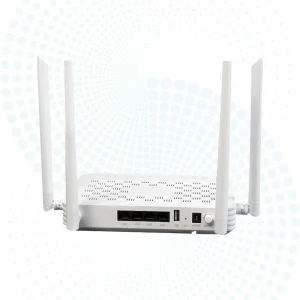
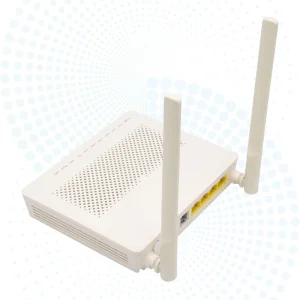
We provide comprehensive solutions for Fiber-to-the-Home (FTTH) rollouts. Integrating GPON/EPON technology, our range of Dual-Band AC1200 ONUs (e.g., X2004, EG8145V5) and central office OLTs support seamless voice, video, and high-speed data transmission over a passive optical network.
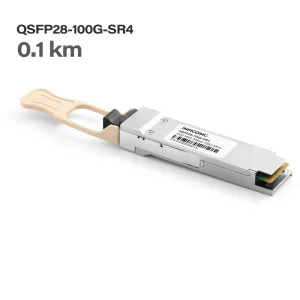
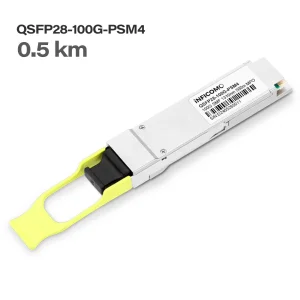
Our high-density transceivers, including the QSFP28 100G SR4 and PSM4 modules, are built to withstand the demanding cooling environments of data centers. They facilitate low-latency, high-throughput connections within and between server racks to optimize cloud processing efficiency.
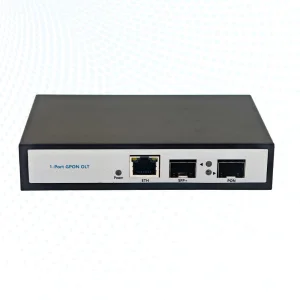
For critical city-wide safety, we deliver specialized Gigabit Fiber Media Converters and industrial-grade PoE Switches. These systems deliver uninterrupted Power over Ethernet to IP cameras over miles, converting electrical Ethernet inputs to single-mode fiber outputs with zero signal loss.
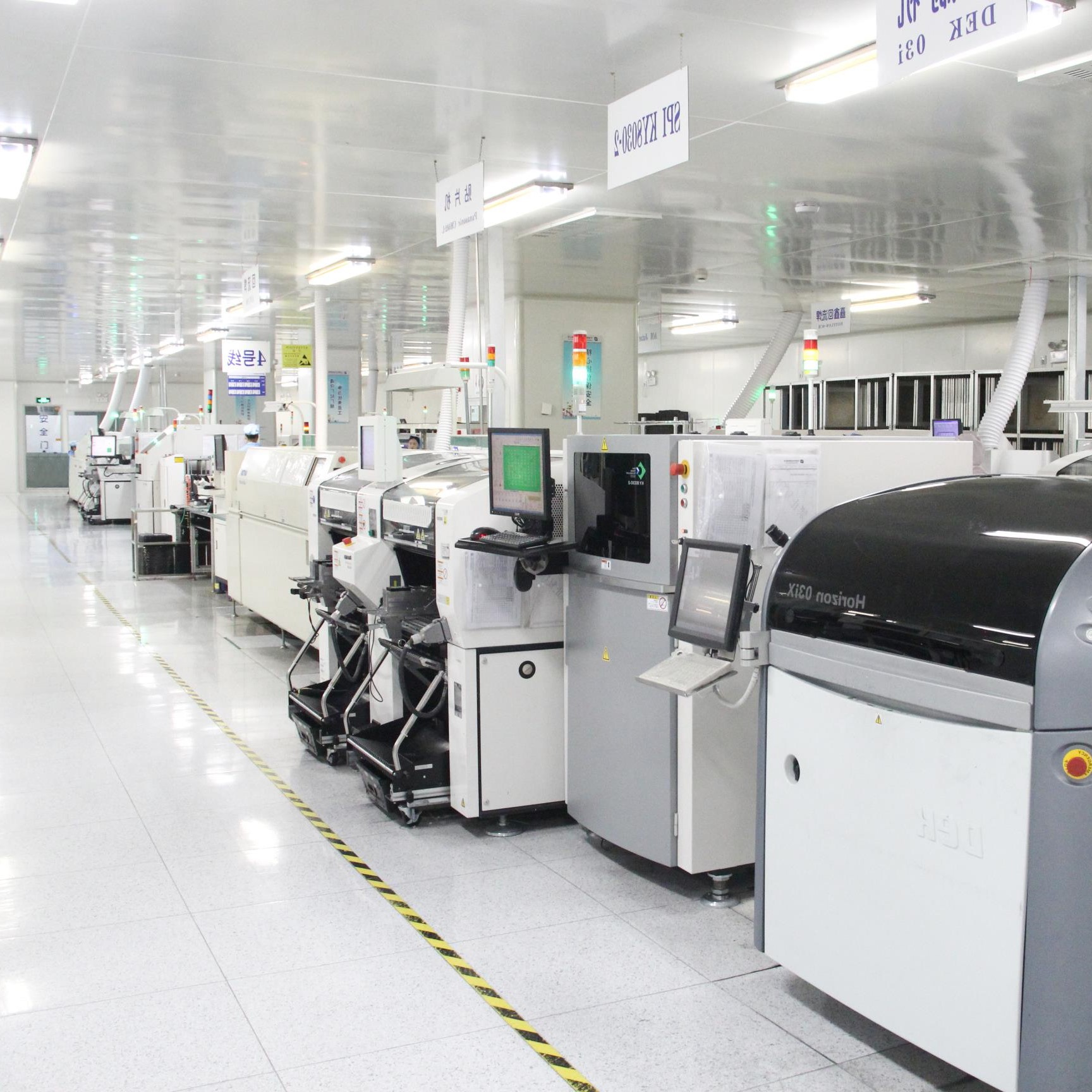
Strategically operating out of Guangdong, China, the global epicenter of optical hardware electronics, Soraslink leverages a highly optimized SMT (Surface Mount Technology) infrastructure and automated assembly lines. Our factory incorporates the principles of Industry 4.0, combining automated robotic placement with precision engineering to achieve high production yields, absolute repeatability, and low manufacturing overhead.
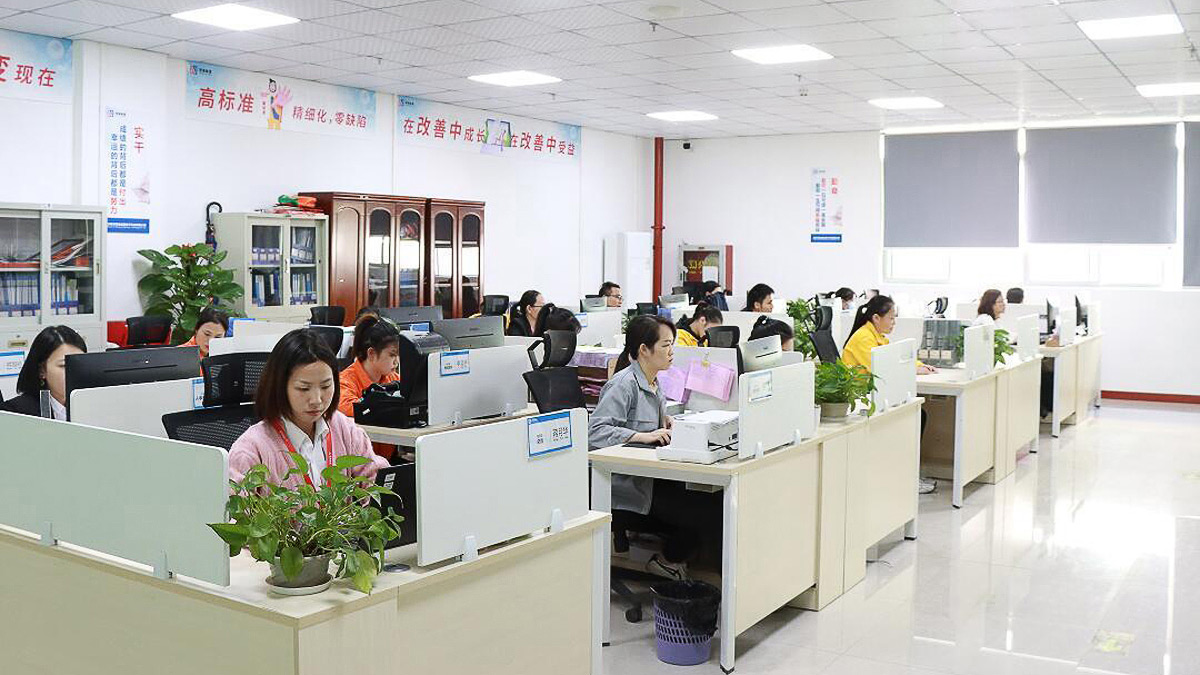
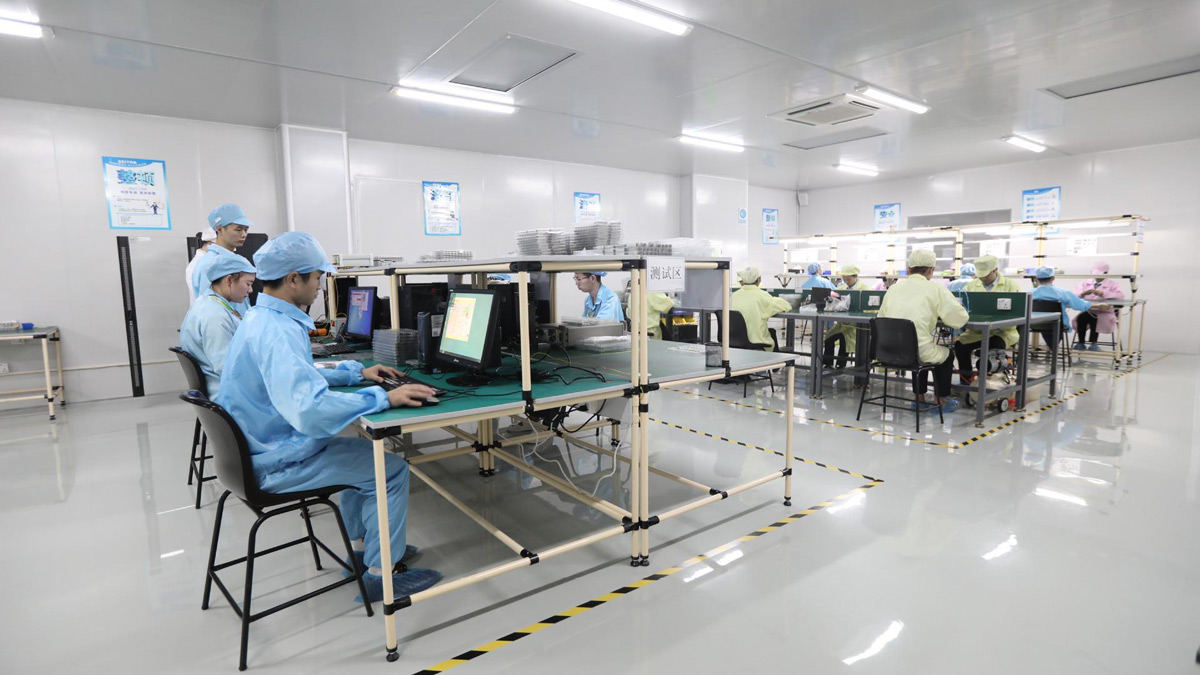
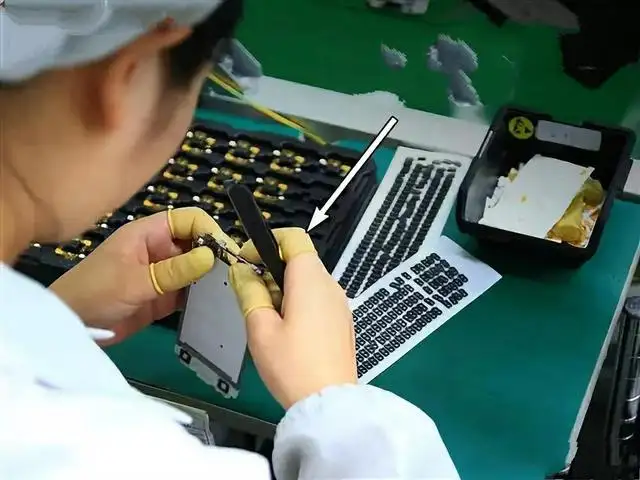
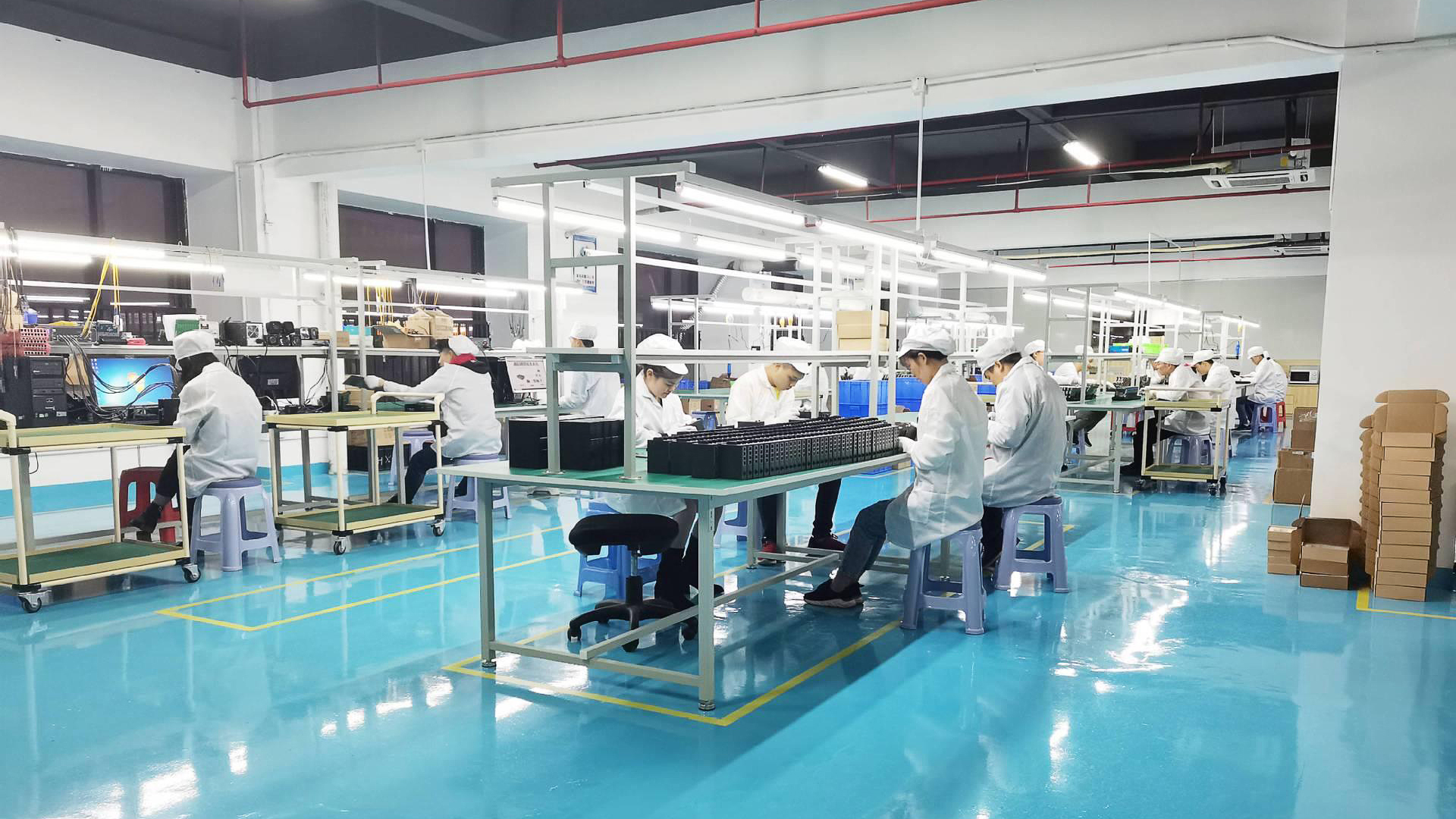
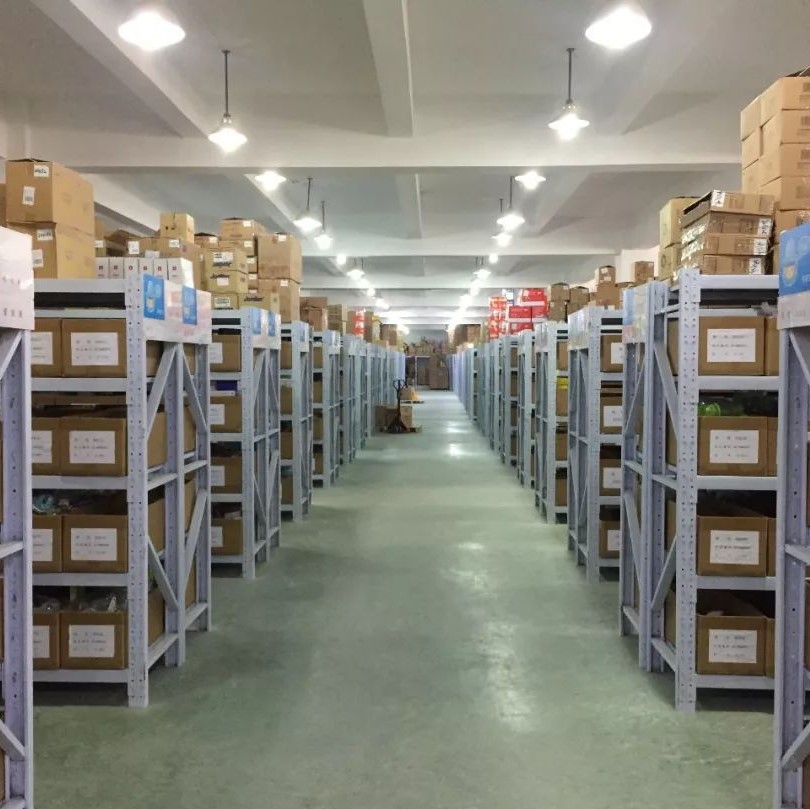
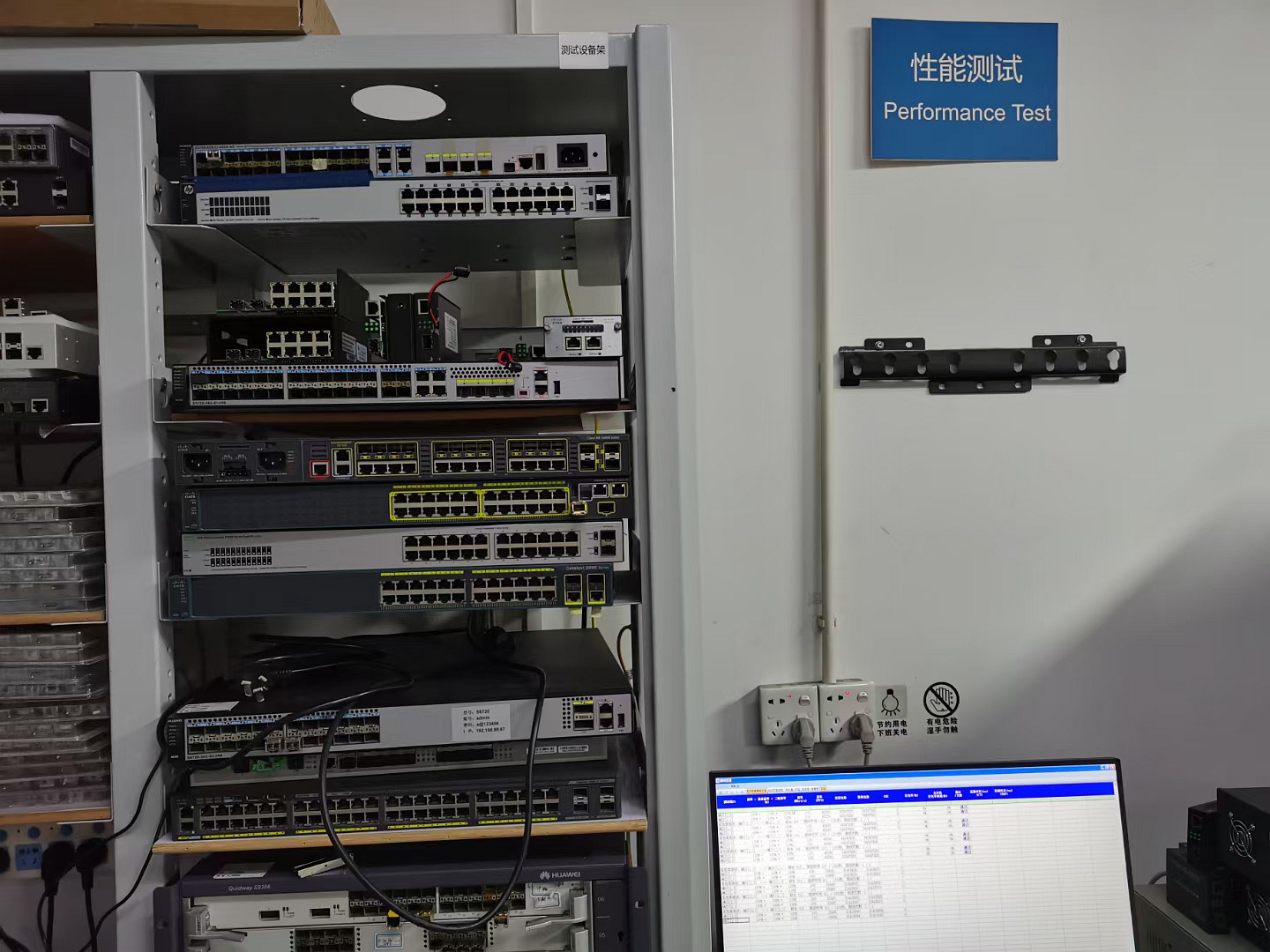
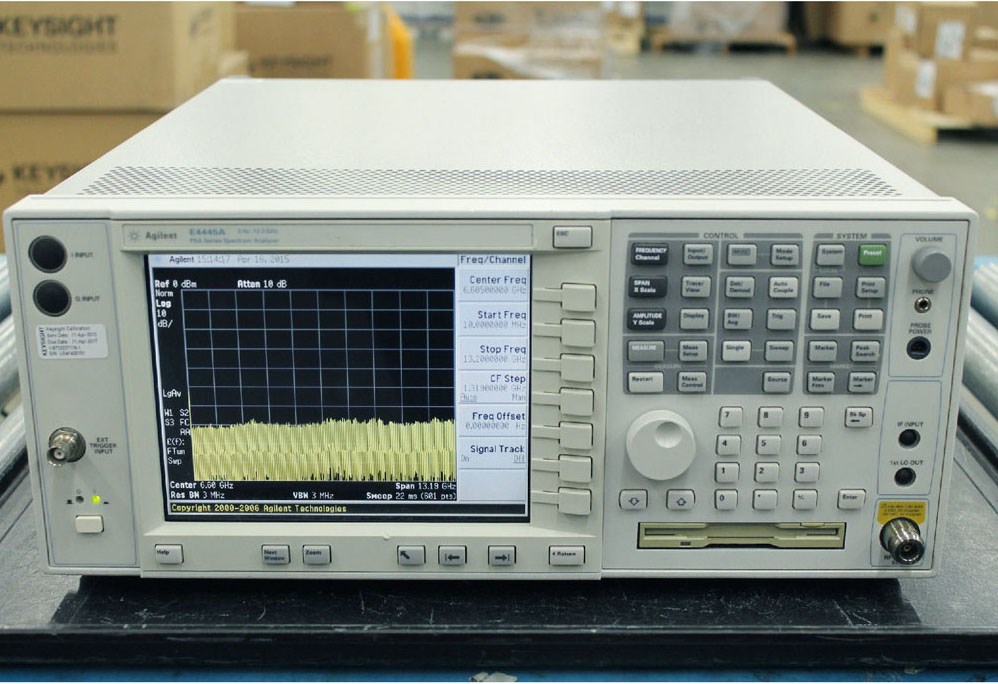
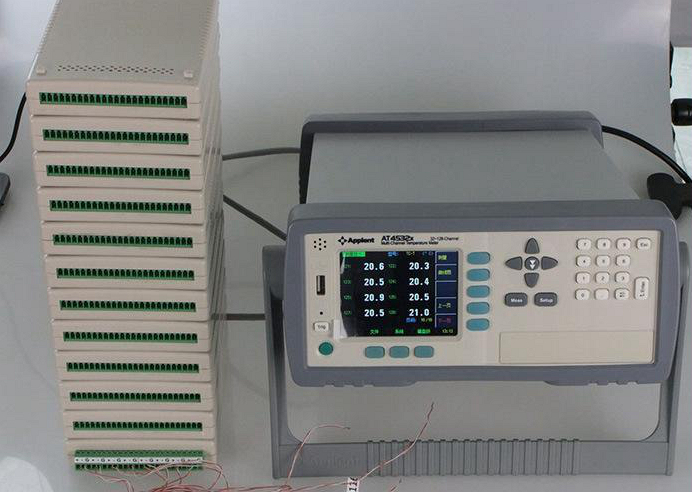
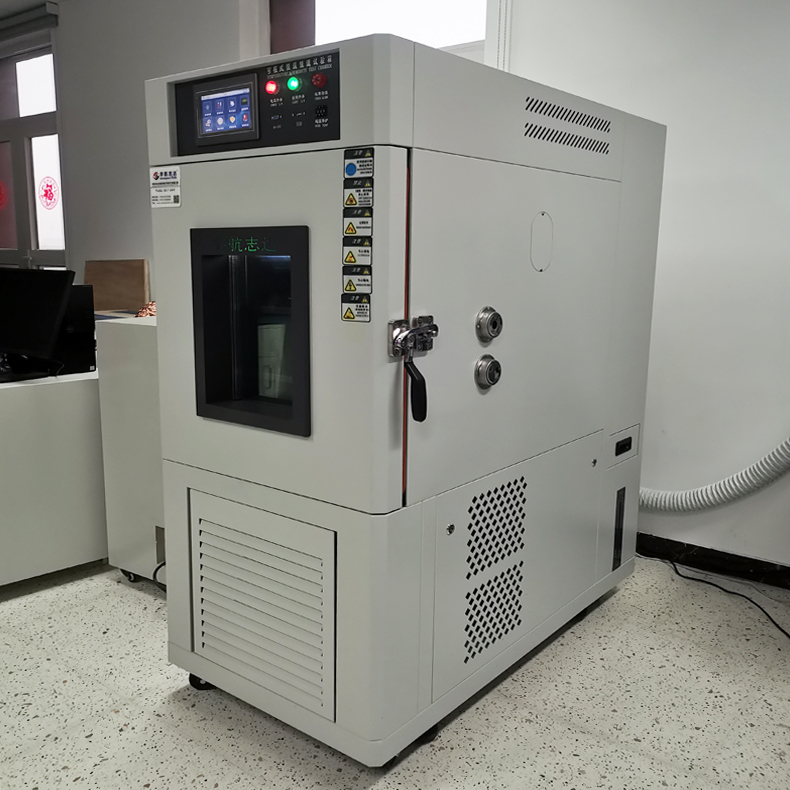
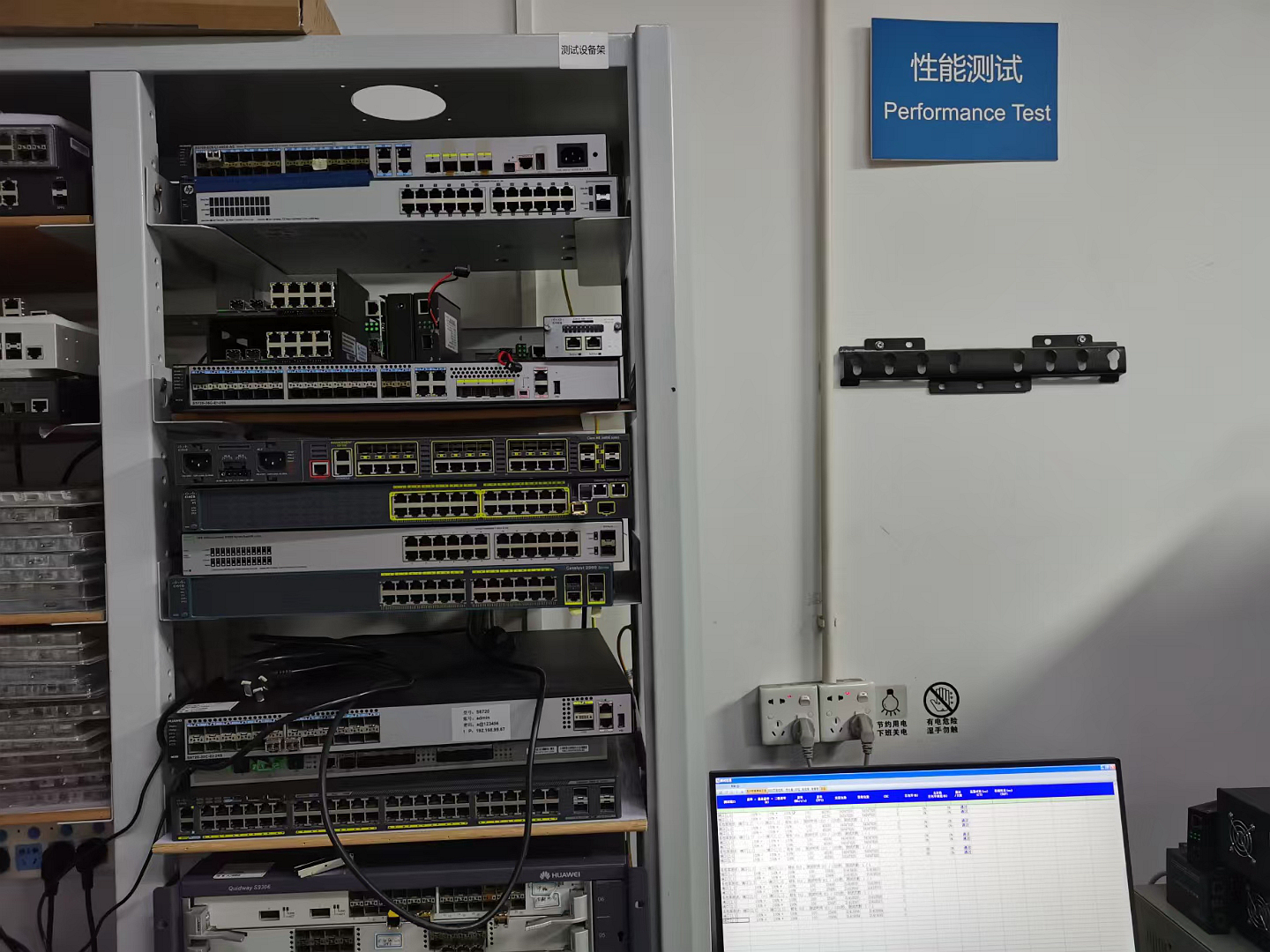
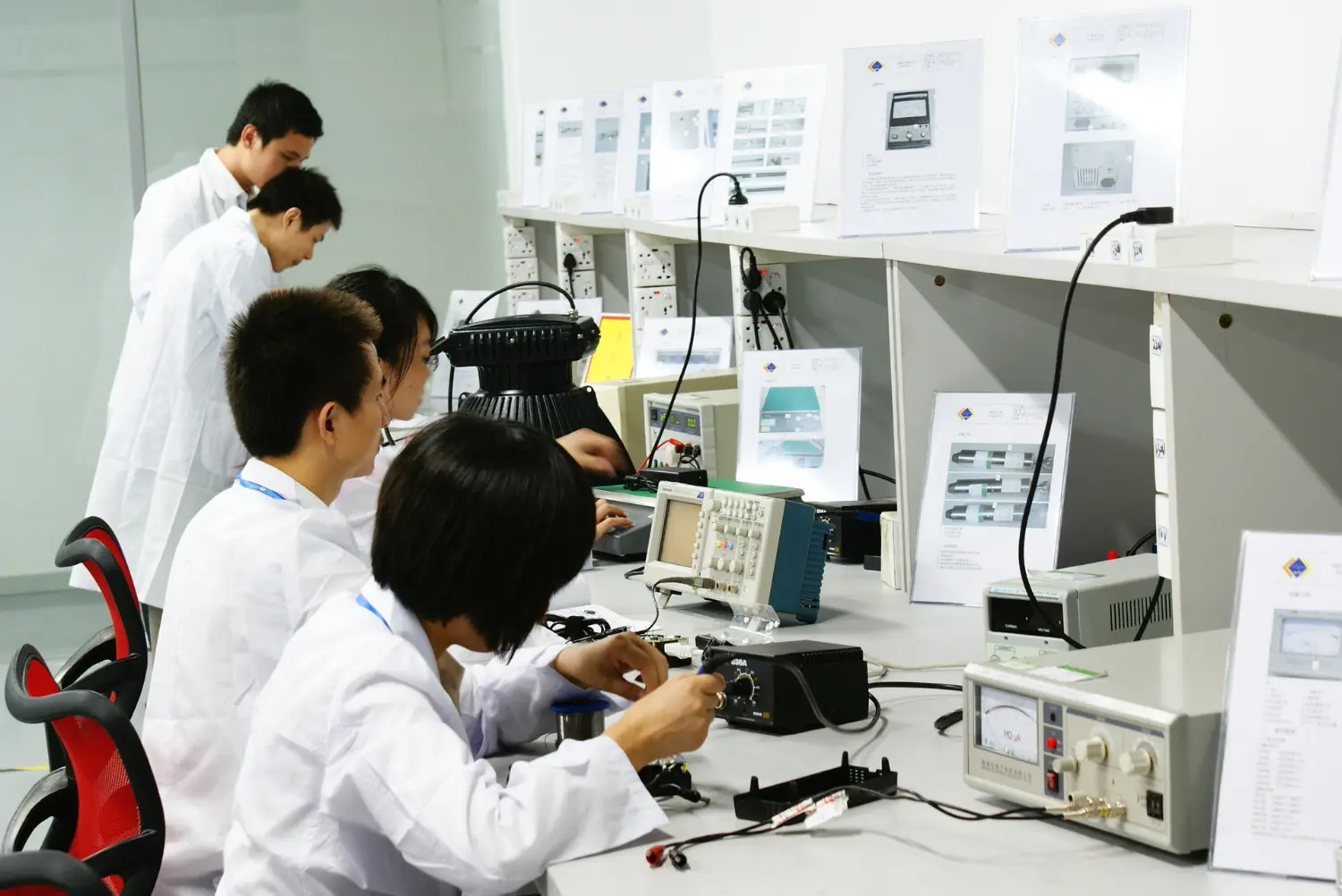
To ensure every shipped product withstands years of continuous field operations, we institute a comprehensive Quality Assurance loop:
Using automated optical inspection (AOI) alongside top-tier SMT component placers, we guarantee that critical electrical components, laser drivers, and optical interface circuits are mounted with micrometer-level precision. This prevents parasitics and impedance mismatch.
Every batch of active SFP modules and ONUs undergoes rigorous High-Low Temperature testing. Cycling components inside specialized thermal chambers simulates operating conditions in diverse geographies, protecting against catastrophic field failures.
During our dedicated WiFi Calibration and Simulation Testing phases, each wireless ONU's transmitter power, Error Vector Magnitude (EVM), and receiver sensitivity are individually adjusted. High-end protocol analyzers check compatibility against a vast suite of third-party hardware.
Exporting to competitive regulatory domains such as North America, South America, and Europe requires strict adherence to international safety, design, and environmental compliance frameworks. Soraslink actively addresses these hurdles to minimize procurement risk.
Our systems hold full ISO 9001, UL, CE, FCC, and RoHS certifications. This guarantees that all exported transceivers, switches, and customer premises equipment (CPE) comply with safety guidelines, electromagnetic emission thresholds, and restricted substance standards.
We provide deep OEM/ODM localization services, adapting administrative user interfaces (UIs) on products like our ONUs. We provide English, Spanish, and Portuguese localized interfaces, default configurations tailored to regional ISPs, and custom auto-provisioning TR-069 protocols.
We maintain high-density component warehouses and key partnerships with raw optical component and chipset manufacturers. This strategy buffers us against localized semiconductor spikes or shipping disruptions, guaranteeing consistent and predictable delivery schedules.
When evaluating manufacturers for WDM systems, media converters, and transceivers, enterprise procurement teams must review critical engineering criteria to protect their investment. Below is a structured checklist to ensure technical alignment with project demands:
| Evaluation Parameter | Critical Target Specification | Operational Purpose | Soraslink Direct Compliance |
|---|---|---|---|
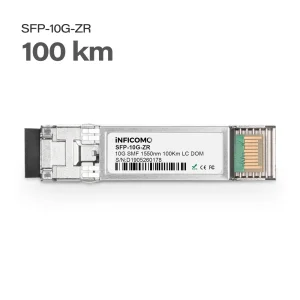
| Optical Power Budget | Minimally 15dB to 32dB (Model dependent) | Determines maximum allowable fiber path distance and attenuation. | Exceeded. Models like the 100km SFP-10G-ZR feature high-power 1550nm lasers. |
| Transceiver Compatibility | MSA (Multi-Source Agreement) Compliant EEPROM | Guarantees compatibility with switches from Cisco, Juniper, Huawei, HP, etc. | 100% MSA compliant, featuring custom-coded EEPROM for third-party systems. |
| Mean Time Between Failures (MTBF) | > 100,000 continuous hours | Lowers long-term network operational expenditure (OPEX) and repair costs. | Achieved via high-grade optoelectronics and extreme High-Low temperature aging. |
| EVM / Receiver Sensitivity | < -24dBm (for 10G optical receivers) | Ensures clean signal reception and data integrity under weak optical conditions. | Individually verified using digital sampling oscilloscopes during functional testing. |
| Hardware Thermal Management | Commercial (0°C to +70°C) or Industrial (-40°C to +85°C) | Prevents laser wavelength shift or transceiver failure in harsh outdoor enclosures. | Industrial temperature variants are standard across our media converter lines. |
We answer the most common technical questions concerning WDM network design, FTTH transceivers, and manufacturing quality controls.
Explore more of our certified network connectivity products, including switches, long-haul transceivers, and subscriber-side components.
 Soras Tech