Explore our premium grade optical transceivers, media converters, and carrier-compatible GPON/EPON terminals engineered to global telecom compliance standards.

An Analysis of Global Fiber Networks, Tech Infrastructures, and Factory Sourcing Methodologies.
In the rapidly transforming landscape of broadband communication networks, the Optical Network Terminal (ONT) acts as the vital gateway between high-speed optical trunk lines and end-user enterprise or residential local area networks (LANs). In order to achieve the low latency, high throughput, and robust security demanded by modern application environments, sourcing decisions must look past basic unit pricing to address architectural, component-level, and operational complexities. This technical guide outlines the critical variables involved in sourcing optical transmission equipment directly from leading Chinese manufacturers, utilizing Shenzhen Soras Technology Co., Ltd. as a primary reference point for state-of-the-art FTTH/FTTO hardware production.
With more than a decade of research, development, and high-precision SMT (Surface Mount Technology) assembly experience, Soras Technology represents the modern tier of Chinese exporters who have evolved from simple contract assembly partners to comprehensive OEM/ODM system design houses. The enterprise supplies telecommunications companies across more than 60 countries, ensuring strict compliance with internationally recognized certifications like ISO 9001, UL, CE, FCC, and RoHS.
| Business Type | Manufacturer, Exporter & System Integrator (OEM/ODM Available) | Country / Region | Guangdong, China (Global Logistics Hub) |
|---|---|---|---|
| Main Products | FTTH ONU & OLT, SFP Transceiver Modules, Fiber Media Converters, PoE Switches, and High-Density Optical Line Terminal Equipment | Total Employees | 11 - 50 People (Highly Skilled Engineering and Quality Control Specialists) |
| Total Annual Revenue | US$5 Million - US$10 Million | Year Established | 2021 (With foundational core engineering legacy spanning 10+ years) |
| Key Certificates | ISO 9001 Quality Management System, UL Safety Listing, CE, FCC, RoHS Compliance | Global Market Reach | Domestic Market (24%), Eastern Asia (15%), North America (15%), with strong growth across South America and Europe. |
Analyzing critical physical and software parameters that drive strategic buying decisions across global telecommunication networks.
Modern networks are multi-vendor ecosystems. Enterprise and ISP procurement teams require ONTs that guarantee seamless interoperability (via OMCI protocols compliant with ITU-T G.984.4/G.988) with major OLT headends. Our designs prioritize chipsets from industry-leading vendors like Broadcom, MediaTek, and Realtek, offering dual-mode auto-sensing capabilities (GPON and EPON networks) to significantly lower inventory costs for telecom operators.
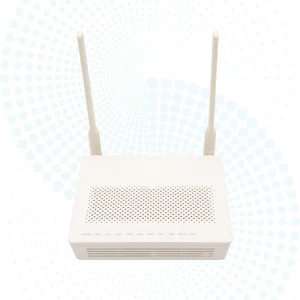
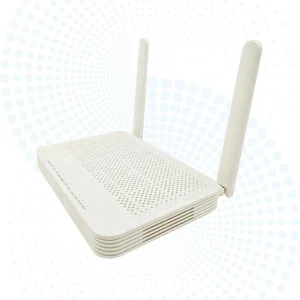
With user traffic increasingly shifting to wireless terminals, legacy Single-Band 2.4GHz ONTs are being phased out. Modern procurement demands dual-band Wi-Fi 5 (802.11ac) and next-generation Wi-Fi 6 (802.11ax) configurations. The incorporation of high-gain antennas (5dBi minimum) and multi-user MIMO (MU-MIMO) ensures consistent wireless network coverage, reducing local customer premises equipment (CPE) requirements.
Security protocols at the subscriber edge are crucial to protecting core network integrity. Enterprises require robust firewall implementations, DDoS prevention, MAC/IP filtering, and secure encryption (AES-128). Remote diagnostics, firmware updates, and zero-touch configuration parameters are deployed through standard TR-069 (CWMP) and TR-369 protocols, dramatically reducing operational expenditure (OpEx) for ISPs.
Deploying advanced optical distribution networks across residential, commercial, and industrial ecosystems.
To successfully integrate fiber infrastructure into diverse physical applications, manufacturers must design hardware that functions seamlessly across varied environmental conditions and deployment topologies. Soras Technology works directly with system integrators and telecommunication service providers to deploy specialized solutions targeting key sectors:
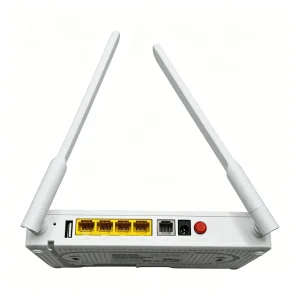
Providing consumer-facing ONTs that combine VoIP (POTS) ports, gigabit LAN interfaces, and high-performance Wi-Fi 6 wireless routing inside single-unit plastic enclosures. Key engineering efforts focus on optimizing physical space, maximizing wireless heat-dissipation pathways, and developing intuitive, operator-customized user interfaces (UIs) that match ISP branding.
For corporate environments, hardware focus shifts toward multi-gigabit routing, high-density traffic classification, Quality of Service (QoS) rule enforcement, and virtual local area network (VLAN) routing. Enterprise solutions rely on industrial-grade chipsets that maintain stable throughput rates during sustained peak-bandwidth events.
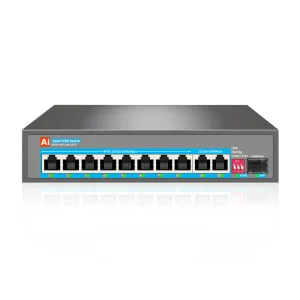
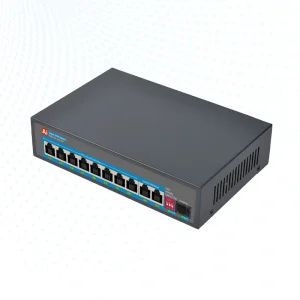
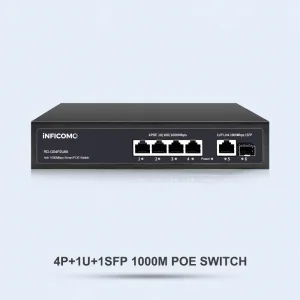
Integrating PoE (Power over Ethernet) switches and heavy-duty XPON ONU modems to connect outdoor IP CCTV cameras, remote sensors, and dynamic industrial automation equipment. Here, robust ingress protection, wide temperature range stability (-20°C to +75°C), and surge-proof power inputs are vital for system reliability.
A technical overview of optical speed evolution, standard upgrades, and tomorrow's hardware designs.
The telecommunications industry is moving beyond standard GPON architecture (2.488 Gbps Downlink / 1.244 Gbps Uplink). As global consumer internet consumption rises, network engineers must design hardware that accommodates faster optical distribution standards. Soras Technology's R&D team actively maps our development lifecycle to match these emerging technological shifts:
1. The Transition to 10G-PON (XG-PON / XGS-PON): Modern video streaming, high-speed cloud backups, and intensive business operations require symmetric upstream and downstream speeds. Manufacturers are upgrading their hardware layouts, introducing internal optical sub-assemblies (OSA) compatible with ITU-T G.9807.1 protocols to handle the 10-Gigabit optical signal layer.
2. Wireless Advancements (Wi-Fi 7 - IEEE 802.11be): The integration of Wi-Fi 7 chipsets into the latest ONT designs introduces features like Multi-Link Operation (MLO) and wider 320MHz channel bounds. This minimizes internal latency and allows users to fully experience multi-gigabit fiber speeds without being limited by physical Wi-Fi capacity.
3. Software Defined Networking (SDN) and Open-Source ONU firmware: By separating control plane operations from local hardware, carriers can transition to virtualized ONTs (vONT). Aligning with open-source firmware solutions like OpenWrt and ONF architectures enables ISPs to implement software updates and customize features without waiting for manufacturer-level firmware revisions.
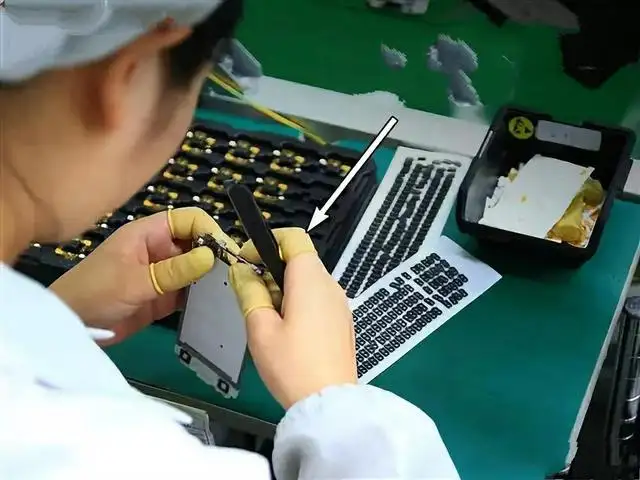
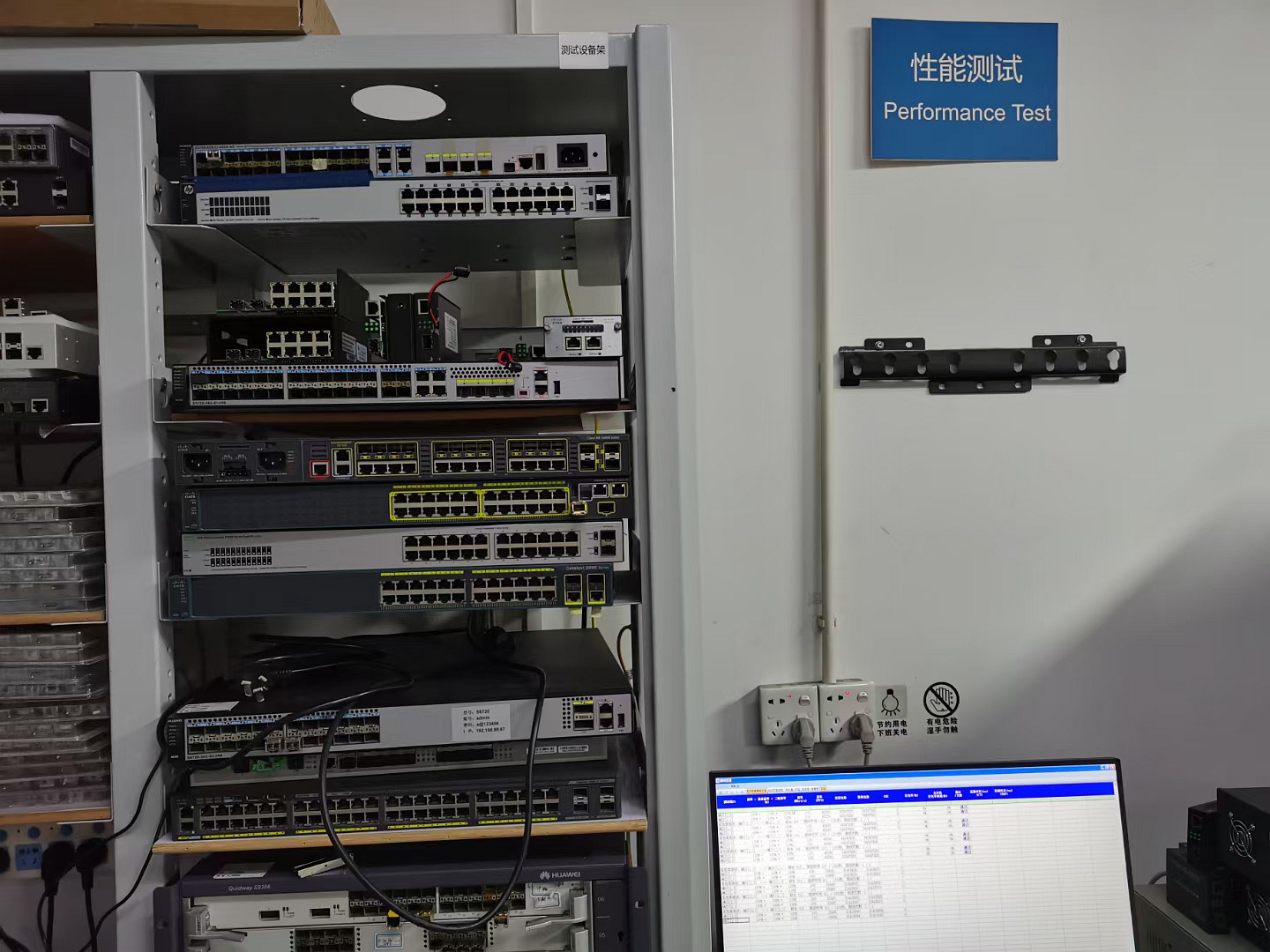
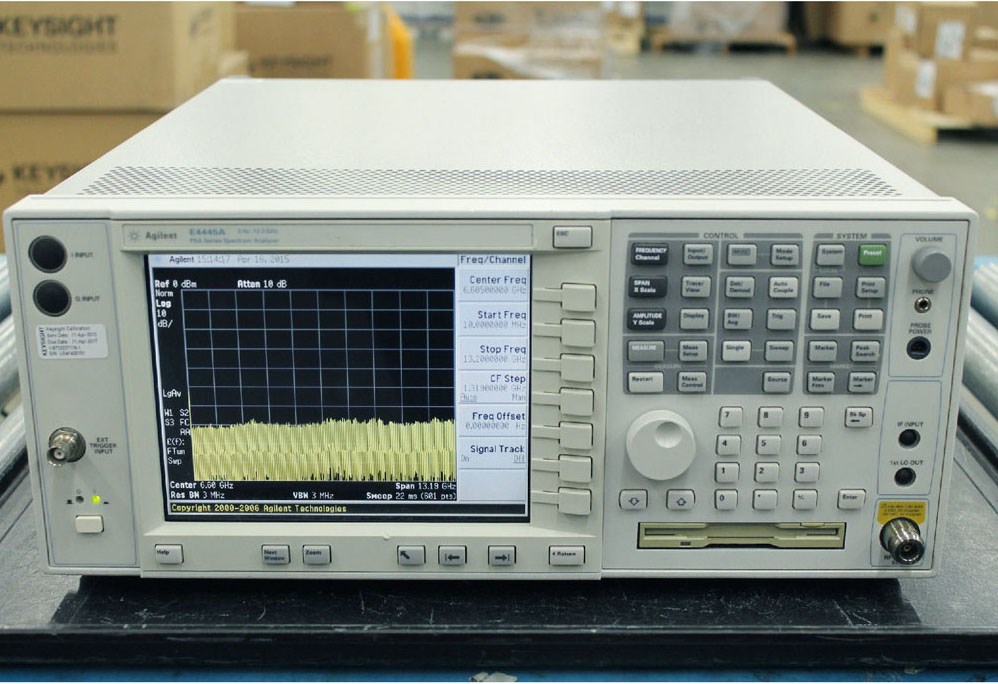
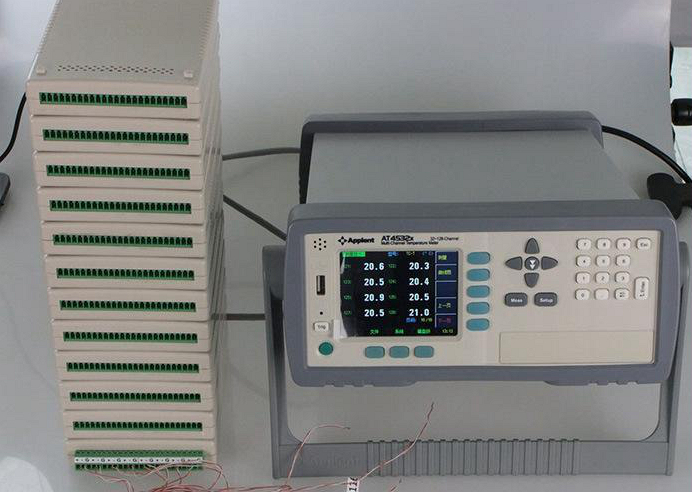
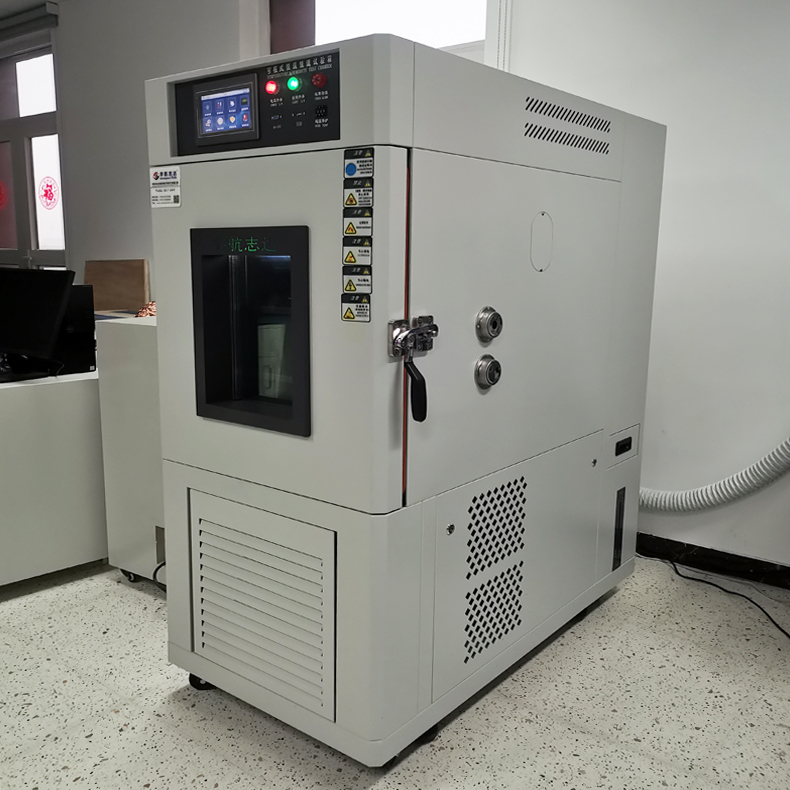
Step-by-step visual demonstration of Shenzhen Soras Technology's production, SMT, and quality verification lines.
Quality assurance (QA) in network hardware production requires precise, step-by-step testing. Any manufacturing flaws in optical sub-assemblies can result in high-decibel light attenuation, connection drops, and service disruptions. Below is an overview of the specialized production steps and testing protocols implemented at our facility:






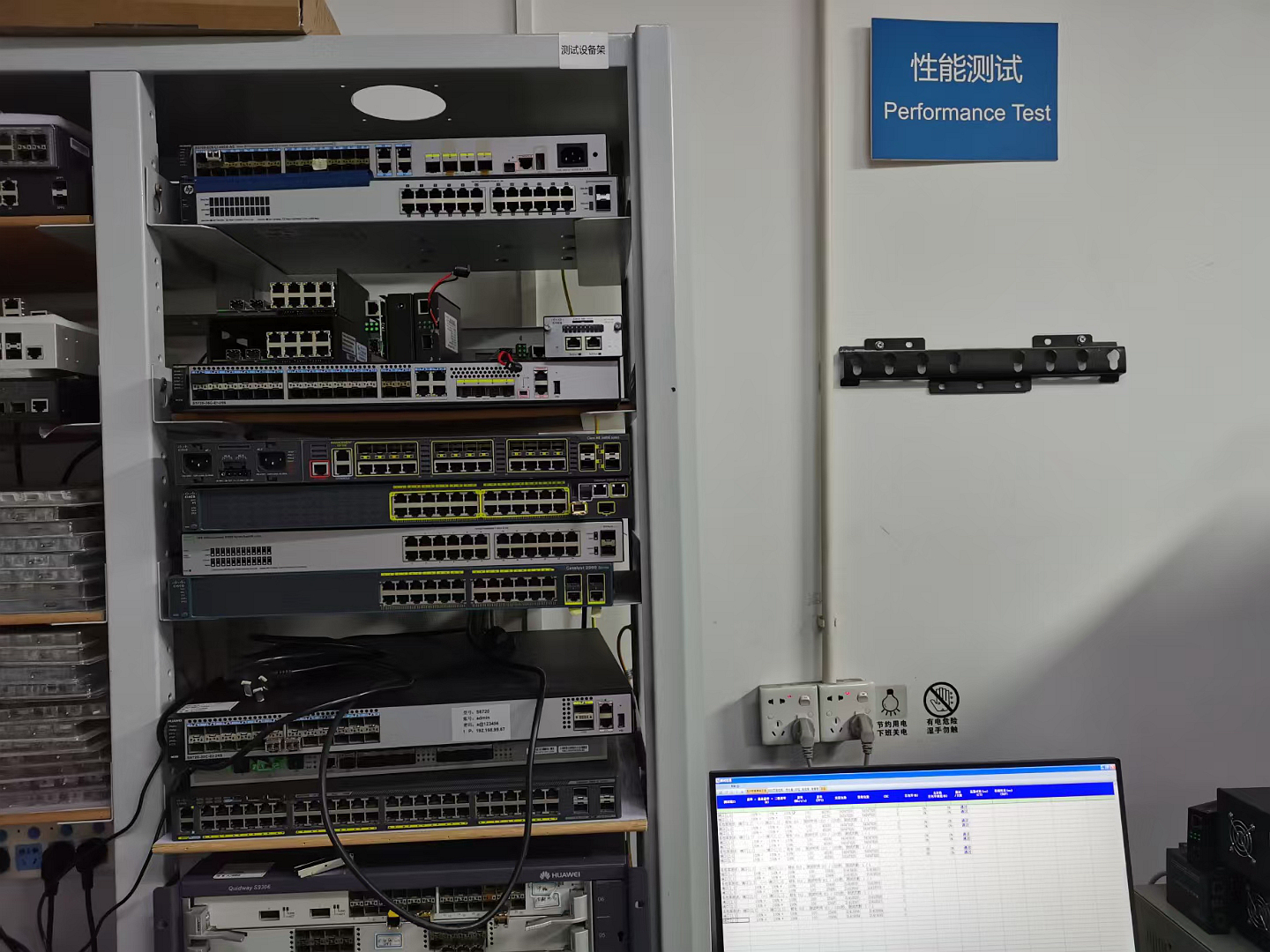

How we ensure local technical compatibility and certification compliance across international borders.
A primary challenge when importing telecommunications hardware is navigating local regulatory environments and carrier certification standards. Uncertified imports face customs seizures, legal liabilities, or network incompatibility issues. Soras Technology addresses these concerns by establishing a structured compliance program:
Our ONT, OLT, SFP transceiver, and PoE switch production runs carry valid CE, FCC, and RoHS certificates. We ensure our devices conform to electromagnetic compatibility (EMC) regulations, electrical safety directives, and eco-design standards, enabling seamless entry into European, North American, and Latin American markets.
Our manufacturing and assembly facilities operate under the ISO 9001:2015 Quality Management standard. Every step—from incoming component inspection to final packaging—is logged, documented, and traceable, ensuring consistent batch production and low product return rates.
We provide deep product customization, including logo printing, customized retail packaging, bespoke web management interfaces, predetermined default Wi-Fi configurations, and specific optical wavelengths. This allows ISPs to deploy pre-configured units that work immediately upon connection.
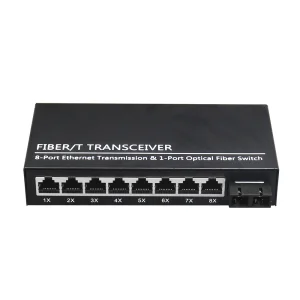
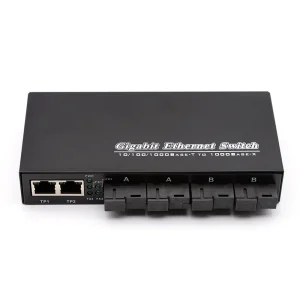
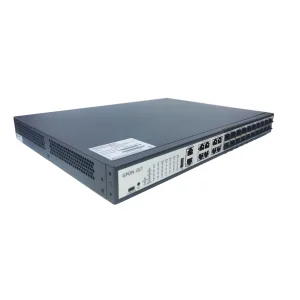
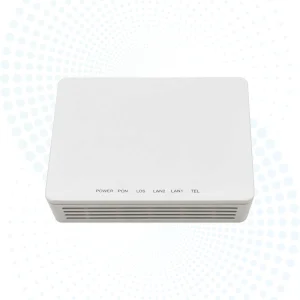
Browse our selection of GPON OLT units, high-capacity PoE network switches, and dual-band Wi-Fi 6 router modems.
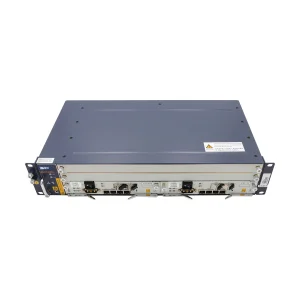
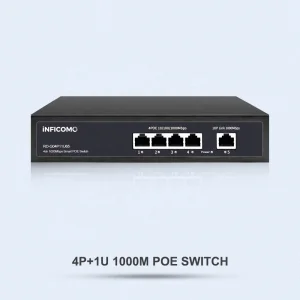
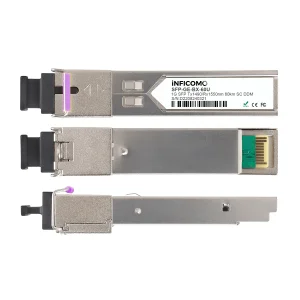


Addressing the core technical, administrative, and engineering questions related to bulk ONT imports from China.
 Soras Tech