An in-depth whitepaper assessing the production capabilities, supply chain resiliency, and technological innovations of leading Subscriber Connector (SC) manufacturers globally.
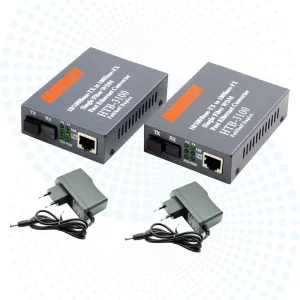
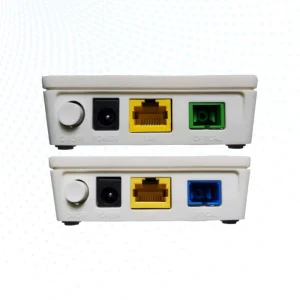
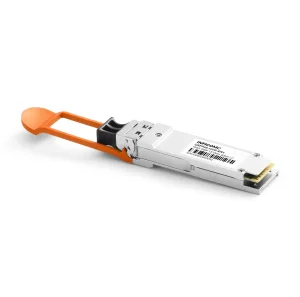
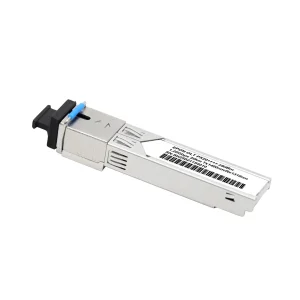
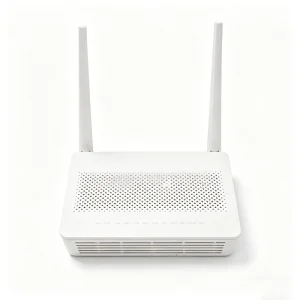
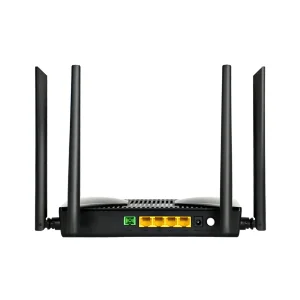
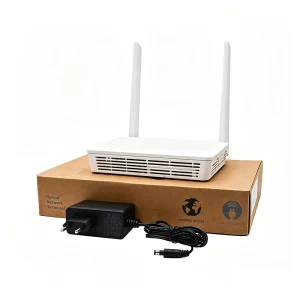
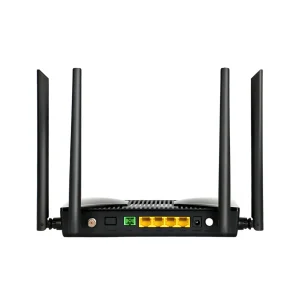
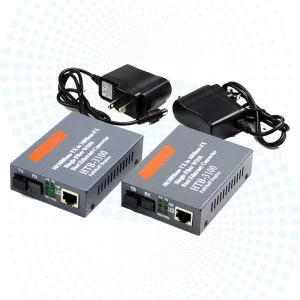
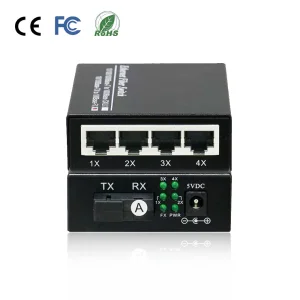
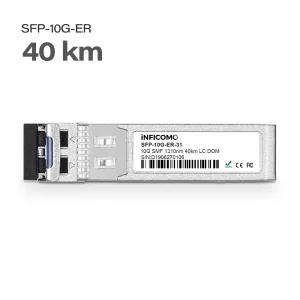
Explore high-precision GPON/XPON ONUs, SFP transceivers, and media converters designed for absolute network integrity.
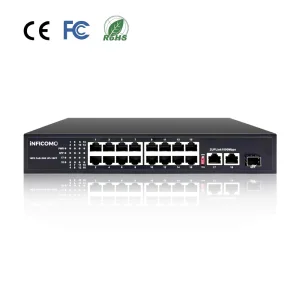
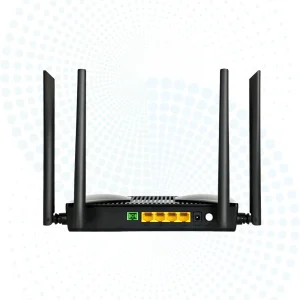
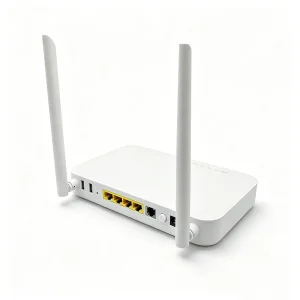
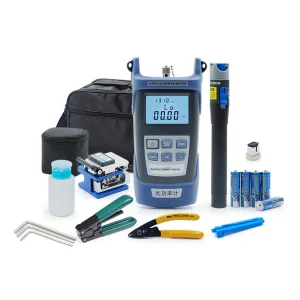
Selecting the right SC connector partner involves more than merely comparing price sheets. Under strict Quality Rater Guidelines, a reliable exporter must manifest technical leadership, robust inspection regimes, and structural agility. Below are the key indices procurement officers must prioritize:
Premium manufacturers utilize high-quality zirconia ceramic ferrules with sub-micron concentricity tolerances (≤0.5μm) to guarantee consistent alignment, low insertion loss, and mechanical stability across hundreds of mating cycles.
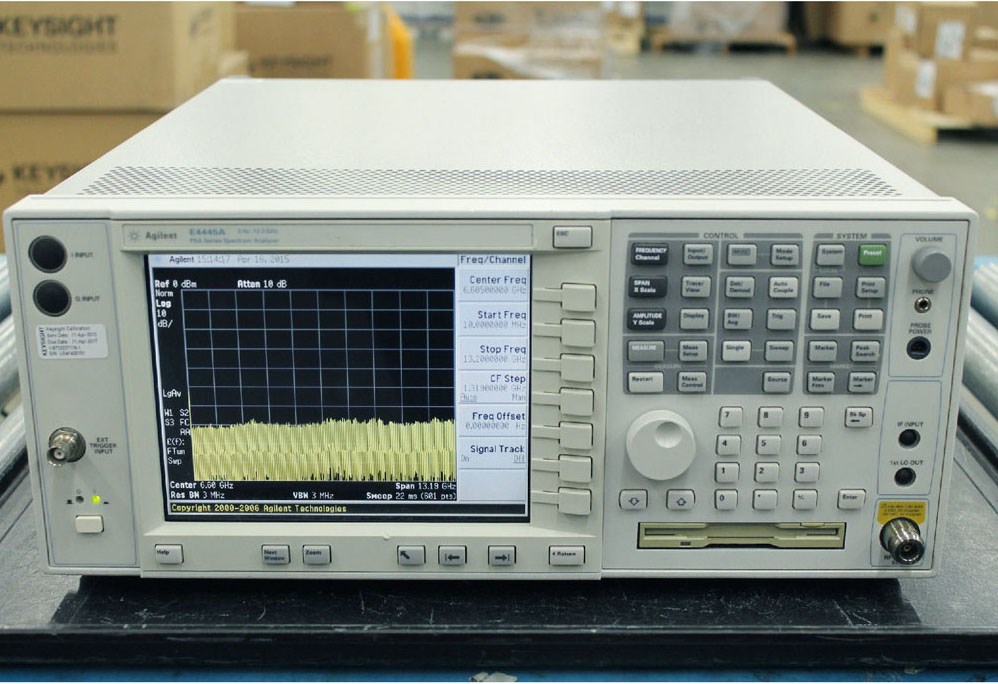
Reliable exporters deploy 3D interferometers (such as Senko or Norland) to assess 3D end-face geometry parameters, including radius of curvature, apex offset, and fiber height, alongside standard IL/RL testing.
To import smoothly into strictly regulated markets like North America and Europe, products must comply with environmental directives (RoHS, REACH) and carry fire safety listings (UL94 V-0 for housing plastic components).
As a case study in export operational excellence, Shenzhen Soras Technology Co., Ltd. demonstrates the integration of advanced optoelectronics manufacturing with complete quality verification pipelines. Armed with over a decade of R&D and operational history, Soras Tech represents the benchmark of China’s modernized optical device exporters.
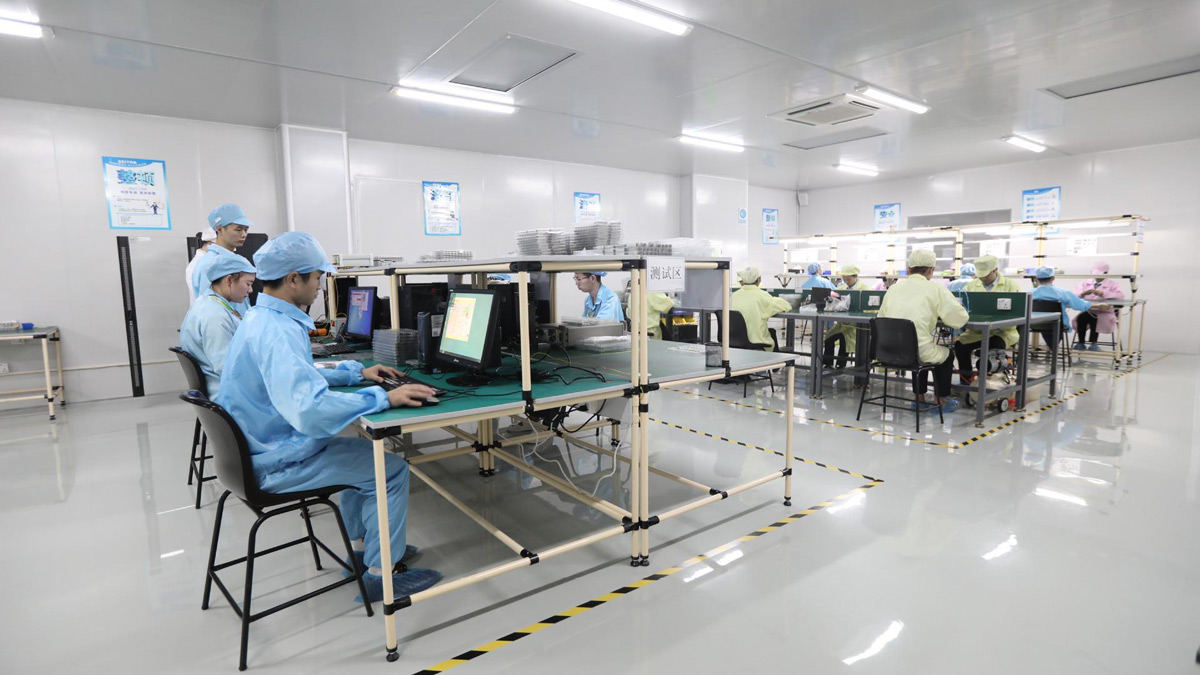
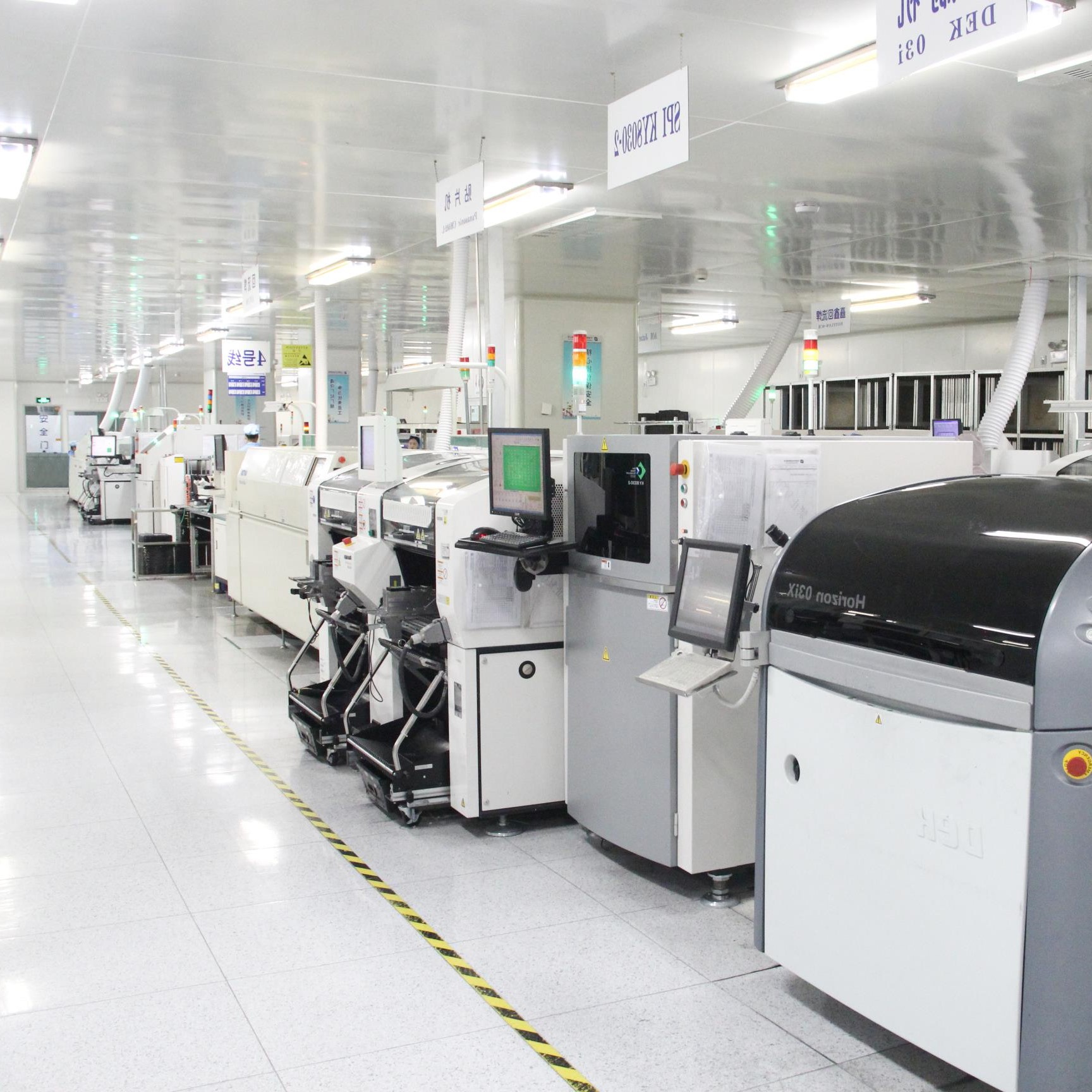
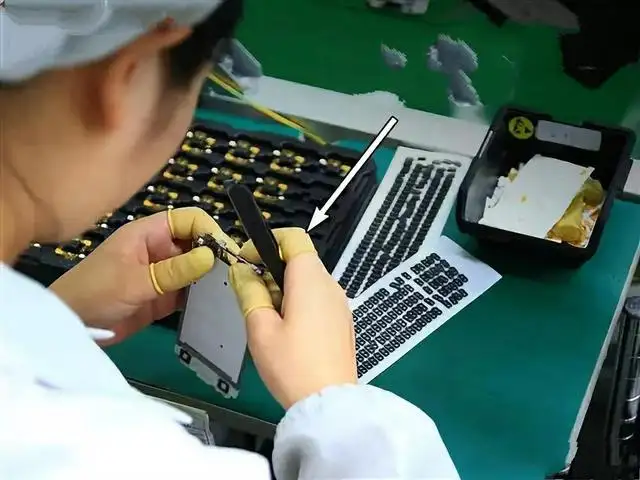
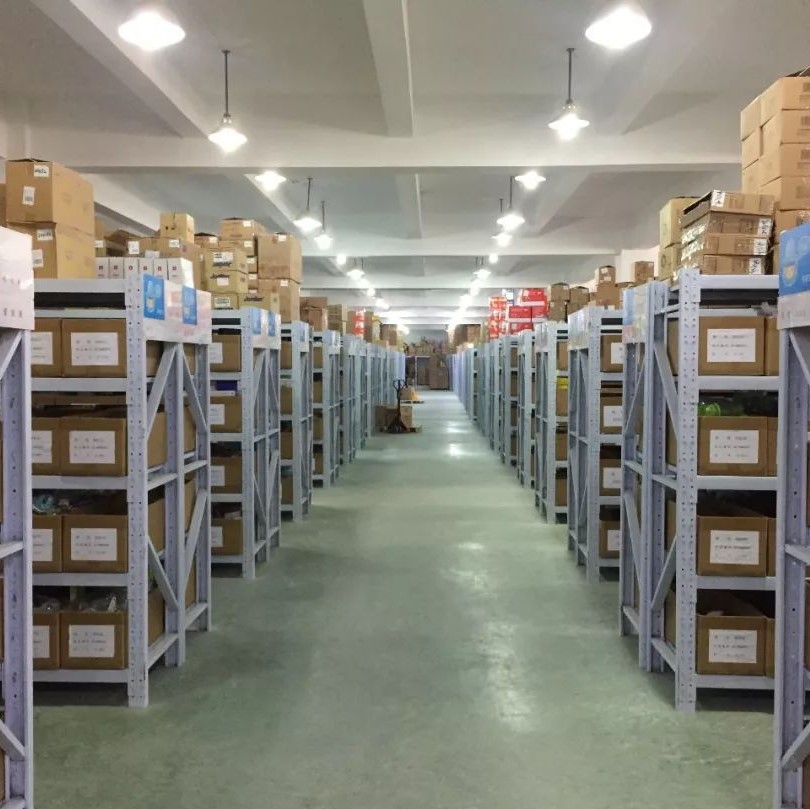
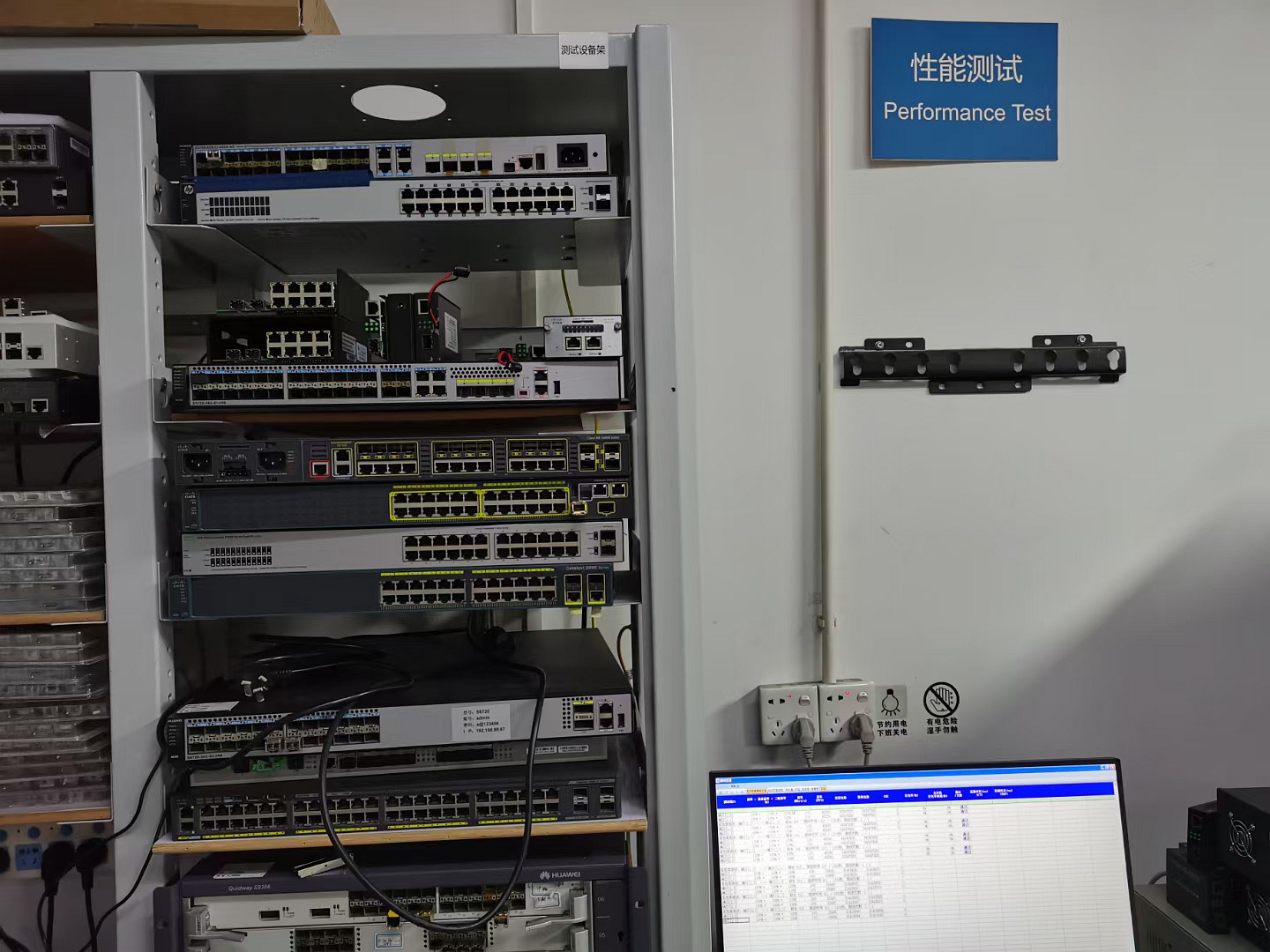
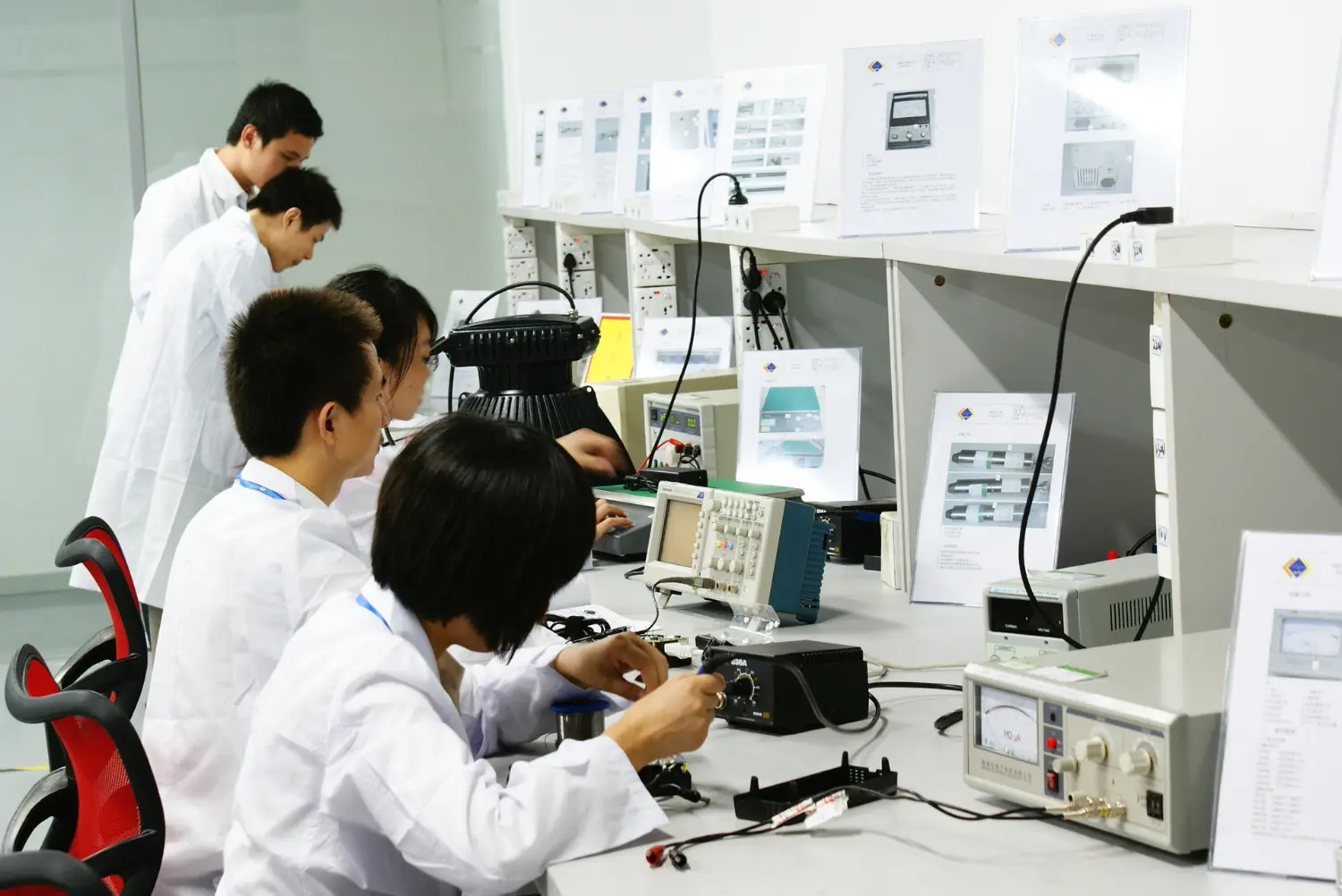
Operating from Guangdong, China, Soras Technology manufactures a comprehensive catalog of active and passive network elements, spanning fiber media converters, SFP modules, POE switches, ONUs, and OLT systems. Their facility incorporates high-end Surface Mount Technology (SMT) lines alongside dedicated testing bays designed to subject products to extreme real-world stresses before packaging and export.
The firm’s approach targets the strict tolerances required by Tier-1 telecom operators globally. By implementing comprehensive automated testing, the company reduces the human error element down to near-zero PPM levels. Let's review their documented business credentials below:
| Business Dimension | Operational Capabilities | Strategic Parameters | Operational Details |
|---|---|---|---|
| Business Type | Manufacturer / Exporter | Country / Region | Guangdong, China |
| Main Products | FTTH ONU & OLT, SFP Module, Fiber Media Converter, PoE Switch, Fiber Optic Equipment | Total Employees | 11 - 50 People |
| Annual Revenue | US$5 Million - US$10 Million | Year Established | 2021 |
| Core Markets | Domestic (24.00%), East Asia (15.00%), North America (15.00%), South America, Europe | Certificates | ISO 9001, UL, CE, FCC, RoHS Compliance |
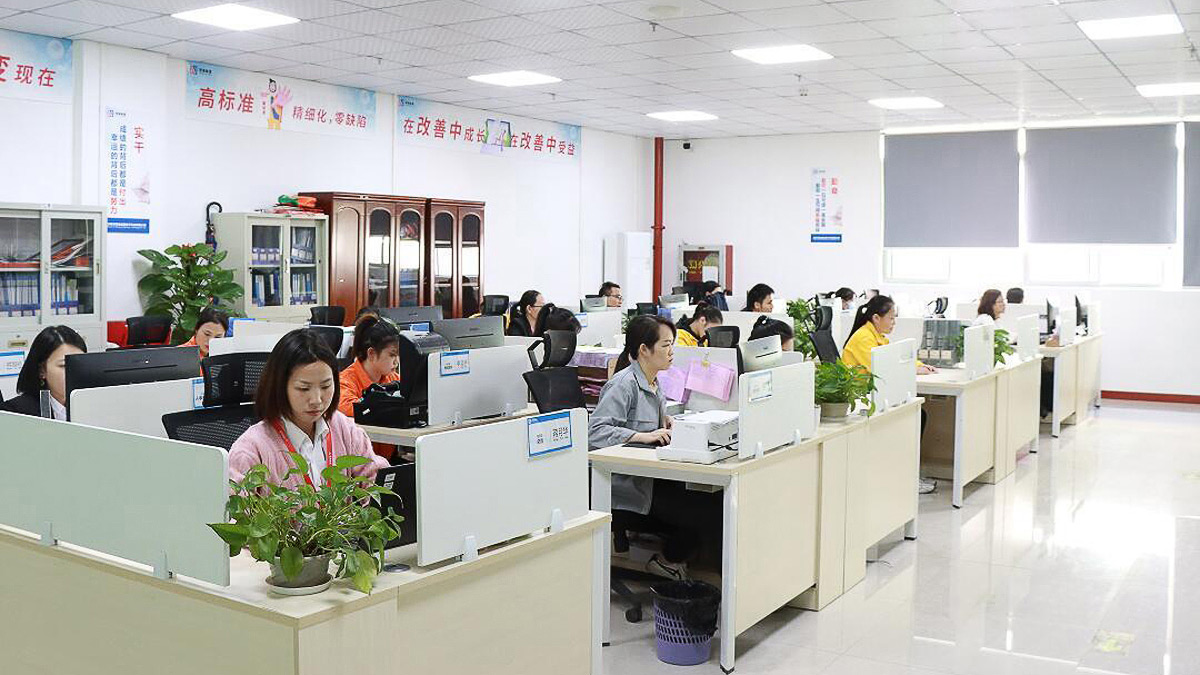
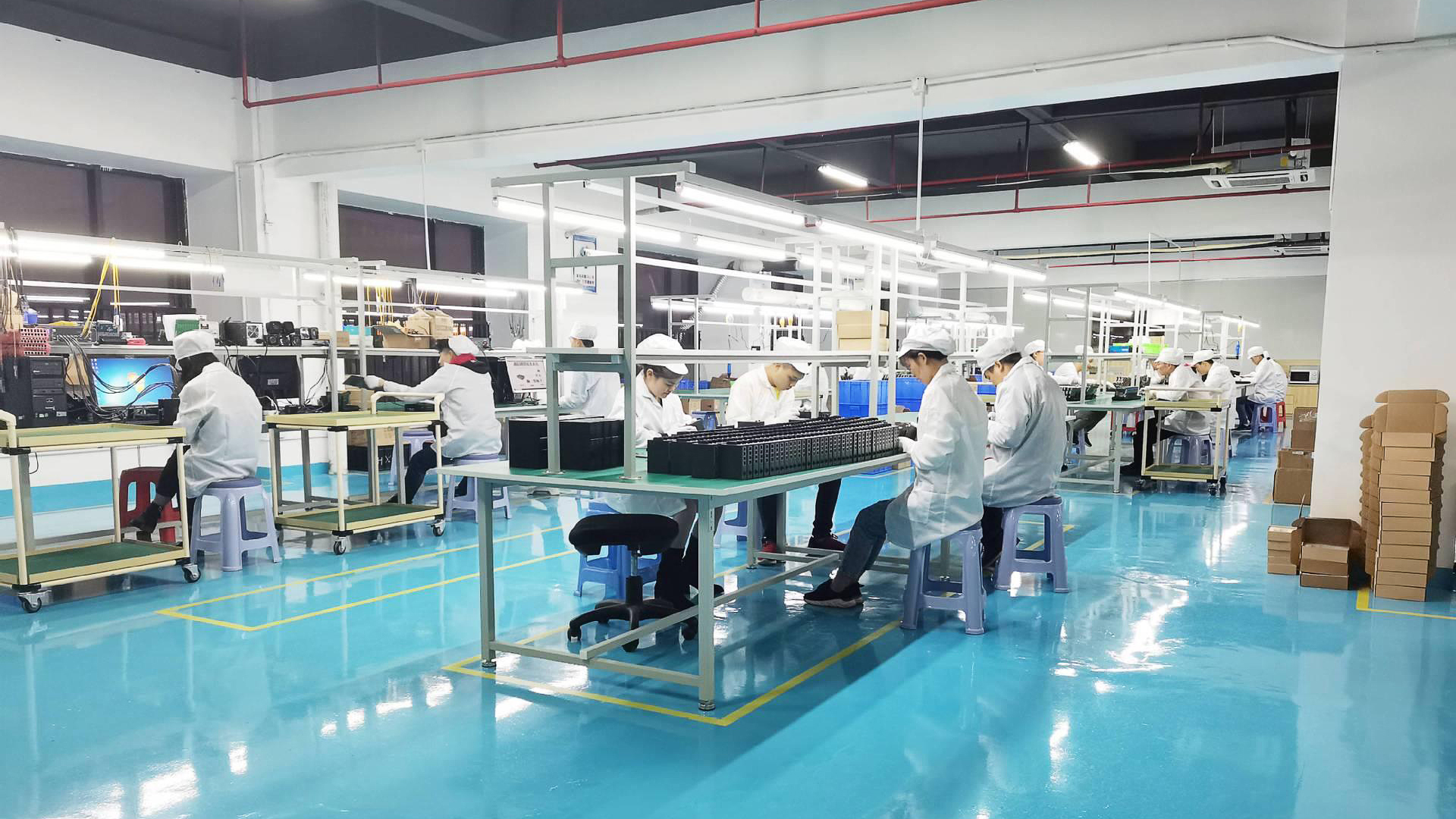
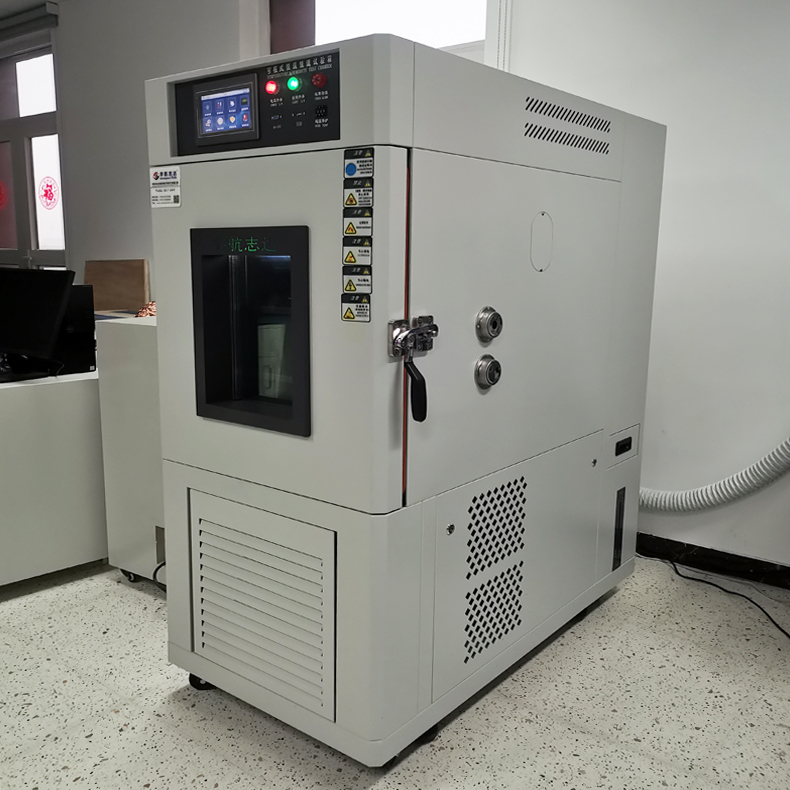
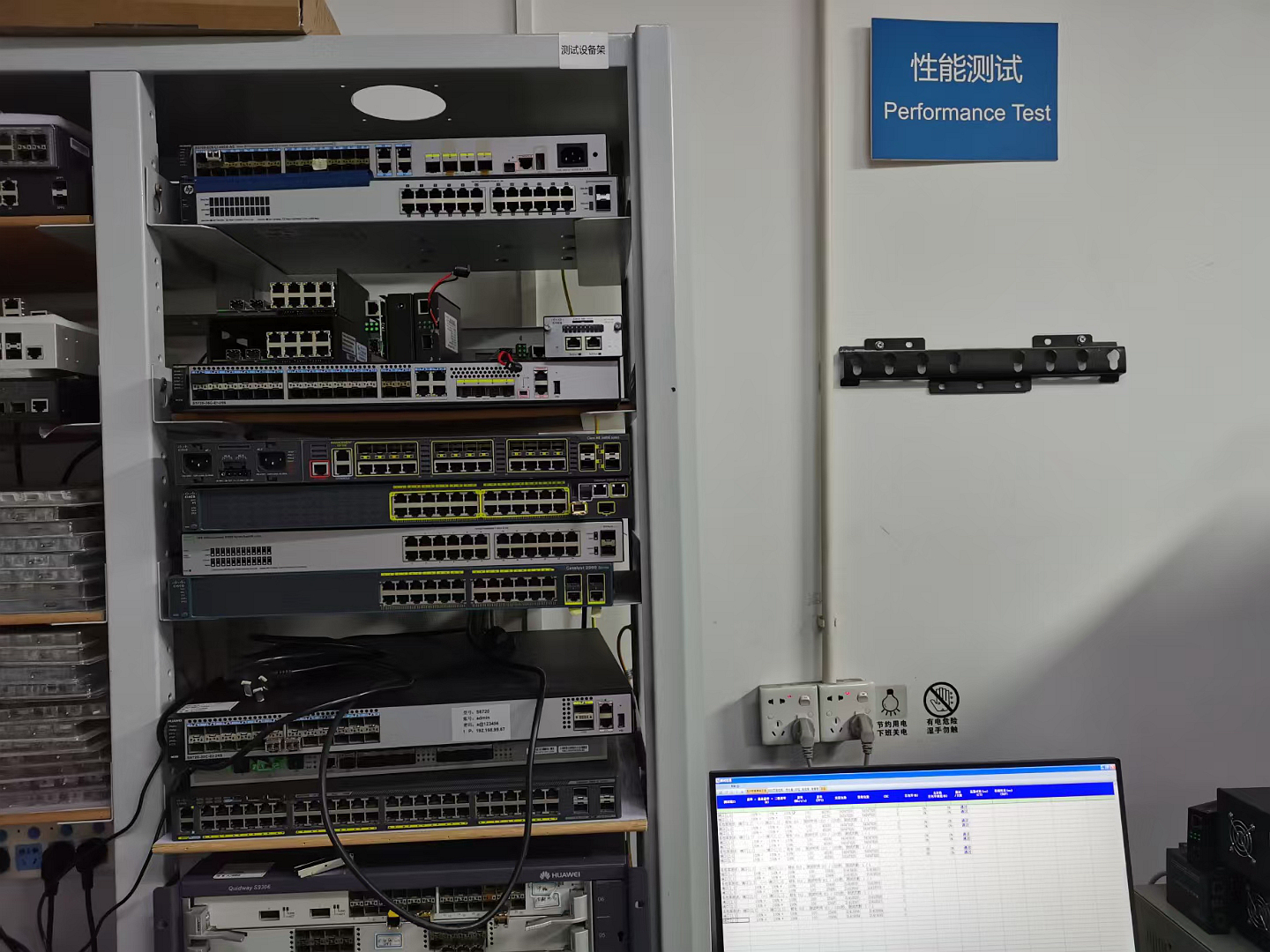
Industrial-grade fiber optical production requires stringent environmental controls. Soras Tech maintains dust-free workshops and specialized testing workflows to achieve structural and functional conformity on every batch.
The industry continues its structural migration from Ultra Physical Contact (UPC) to Angled Physical Contact (APC) end-face geometry. UPC configurations rely on a flat, radiused polish, resulting in a back-reflection profile of approximately -50dB. However, APC connectors introduce an 8-degree angle, forcing reflected light back into the fiber cladding rather than straight down the optical core.
This design achieves a superior return loss threshold exceeding -60dB, which is crucial for high-power analog video networks, long-haul coherent transport links, and next-generation GPON architectures where signal degradation must be minimized.
As fiber deployments push closer to the subscriber edge (FTTdp, FTTR), connectors must withstand harsh environmental conditions. The development of ruggedized SC enclosures (incorporating IP68 ingress protection) has eliminated the reliance on complex splice trays or climate-controlled enclosures.
Furthermore, the integration of SC connectors with field-assembly technology (Fast Connectors) allows technicians to terminate drop fibers on-site in under two minutes without requiring expensive fusion splicers, accelerating regional FTTX rollouts.
How SC Connectors drive high-speed data transmission across municipal networks, enterprise backbones, and smart environments.
SC connectors form the optical interface of GPON/XPON optical network units (ONU) and optical line terminals (OLT). Their reliable coupling system ensures that municipal fiber networks maintain consistent connectivity to residential and commercial subscribers alike.
In corporate campuses and industrial complexes, SC connections link media converters to rackmount switches, facilitating seamless conversion between RJ45 copper interfaces and single-mode/multi-mode fiber cables over distances exceeding 40 kilometers.
While LC and MPO connectors dominate core switches, SC arrays remain integral to legacy patching areas and environmental monitoring networks, offering a cost-effective solution for interconnecting ancillary data monitoring networks.
Exporters certify their products to comply with international environmental directives like RoHS (Restriction of Hazardous Substances) and REACH, ensuring no lead, mercury, or polybrominated flame retardants are present. Additionally, all plastic housings utilize UL94 V-0 rated self-extinguishing polymers, preventing fire propagation within high-density cable trays or drop shafts.
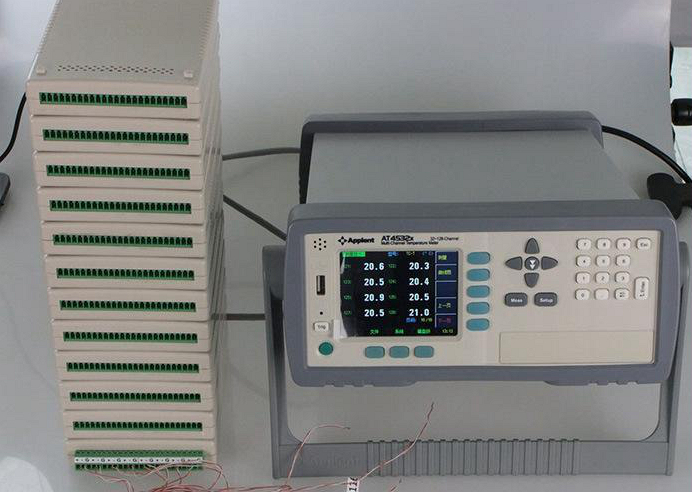
Every batch undergoes automated optoelectronic verification. High-Low Temperature chambers simulate extreme environments ranging from -40°C to +85°C to confirm the thermal coefficient of expansion does not cause alignment drift. In parallel, system-level simulation and functional testing verify real-world operational speeds on actual hardware platforms.
Get authoritative answers to the most common queries regarding fiber optic connectivity procurement.
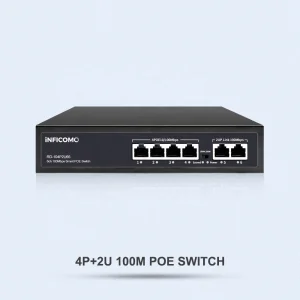
Explore additional network components including high-speed transceivers, PoE switch arrays, and industrial media converters.
 Soras Tech