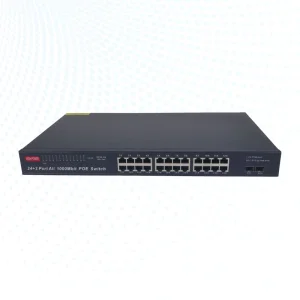
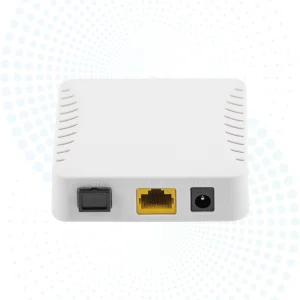
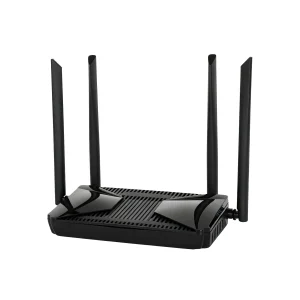
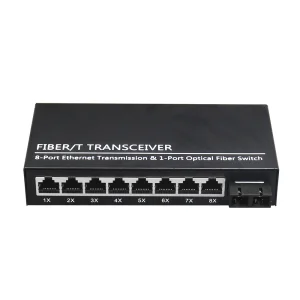
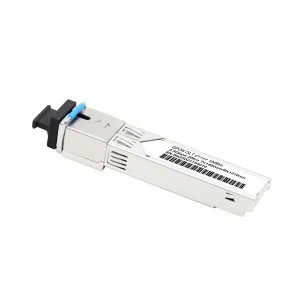
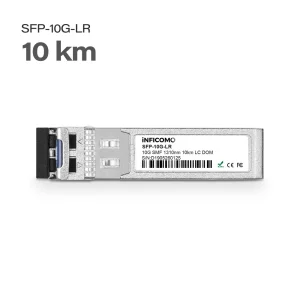
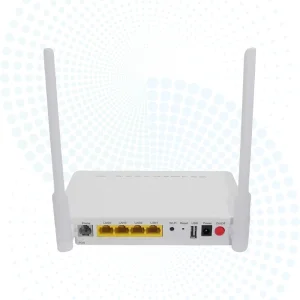
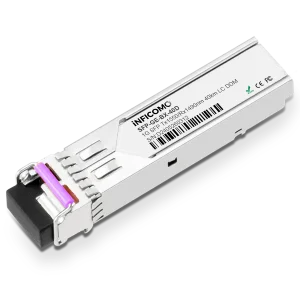
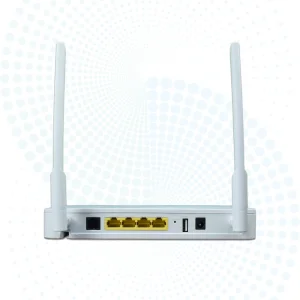
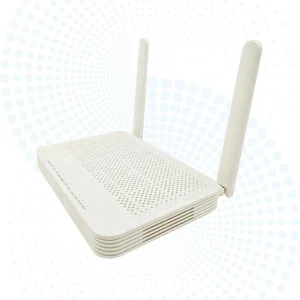
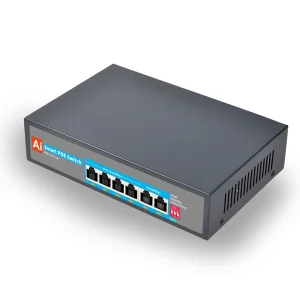
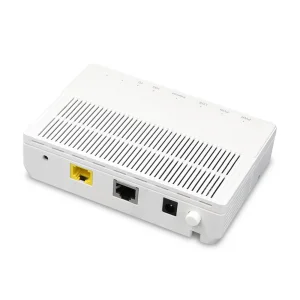
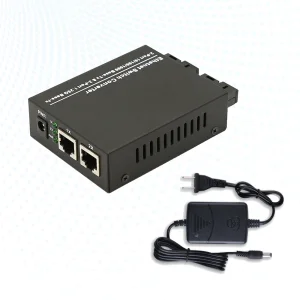
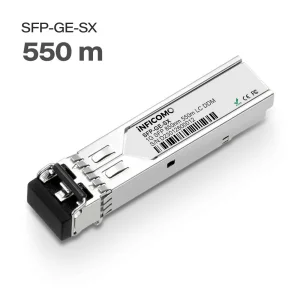
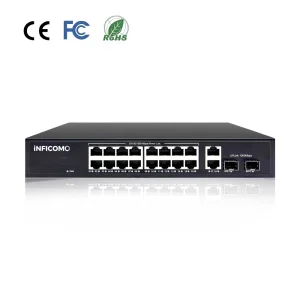
To optimize fiber-to-the-home (FTTH) and telecom infrastructure projects, passive accessories like Fiber Optic Splice Closures are co-engineered with active transmission nodes. Explore our selection of high-reliability networking hardware:
As a premier global innovator in fiber optic and data communications hardware, Shenzhen Soras Technology Co., Ltd. has designed, manufactured, and distributed state-of-the-art optical transmission equipment for more than 10 years. Under our flagship brand Soraslink, we utilize rigorous manufacturing automation, strict quality control procedures, and high-level structural design to cater to the mission-critical needs of tier-1 telecommunication carriers, internet service providers (ISPs), and industrial networks worldwide.
| Company Overview & Operational Metadata | |||
|---|---|---|---|
| Business Type | Manufacturer, OEM & ODM Service Provider | Country / Region | Guangdong, China |
| Main Products | FTTH ONU & OLT, SFP Transceivers, Fiber Media Converters, PoE Switches, Splice Closures & Fiber Enclosures | Total Employees | 11 - 50 Highly Specialized Personnel |
| Year Established | 2021 (Corporate Restructuring & Global Expansion) | Main Markets | Domestic (24.00%), Eastern Asia (15.00%), North America (15.00%), Europe & South America |
| Compliance Certificates | ISO 9001, UL, CE, FCC, RoHS Compliant | R&D Capability | Advanced SMT lines, custom firmware engineering, physical structural testing |

In the physical layer of optical transport networks, the Fiber Optic Splice Closure (FOSC) functions as a critical protective shell. As fiber cables traverse underground conduits, aerial lines, or subsea paths, they are exposed to moisture, mechanical stress, chemical hazards, and severe temperature fluctuations. If a single optical fiber splice is compromised, it can disrupt communication links for thousands of end-users.
Dome closures, also known as vertical splice closures, feature a dome-shaped housing that seals using an O-ring or heat-shrinkable tubing at the base. They are optimized for underground manholes, handholes, and pole mounting. The base configuration facilitates easy routing, re-entry, and cable branching, making them highly popular for distribution nodes in FTTH network designs.
Inline closures are horizontal, low-profile containers. They are suitable for direct-buried applications, aerial strand installations, and low-clearance handholes. Sealing is typically achieved using mechanical gaskets or specialized gel seals. This configuration allows technicians to access splice trays without disturbing existing pass-through cables.
High-quality closures must comply with ingress protection standards like IP68, ensuring they can withstand continuous submersion in water up to 5 meters. This requires precise polymer selection (such as high-impact polypropylene modified with UV stabilizers) to prevent long-term degradation under solar exposure and underground chemical contact.
To assist global procurement managers in selecting the ideal vendor, we have compiled and analyzed the top ten manufacturers based on product durability, technical support, certifications, and volume scalability.
An industry pioneer in glass science and optical communications. Corning's splice closures, including the BPEO and SCF lines, are known for tool-less mechanical installation and high-density fiber management, ideal for FTTH and trunk networks.
CommScope's FOSC brand is a recognized standard in splice closure technology. Utilizing gel-sealing technology, FOSC closures offer reliable sealing, simple re-entry, and modular tray arrangements designed for complex distribution networks.
Prysmian manufactures highly durable underground and subsea closures. Their designs focus on high-capacity splicing, making them a preferred choice for backbone networks and extreme outdoor installations.
Soraslink stands out for its high-value manufacturing, flexible OEM/ODM options, and direct integration with active network components. We offer IP68-certified dome and inline closures built to withstand harsh environments, supported by automated testing, high-quality raw materials, and global compliance.
AFL's Apex closure line is designed to improve splice density and reduce installation times. They feature a wedge-based mechanical sealing mechanism that accommodates multiple cable types in a single port.
3M's standard product lines (now integrated with Corning) are recognized for mechanical sealing integrity. They specialize in re-enterable grommets and reliable strain relief systems for aerial applications.
TE Connectivity provides highly reliable sealed closures for telecom networks. Their FIST and TENIO systems offer modular fiber management and flexible gel-sealing blocks to support scalable FTTH deployments.
Hubbell focuses on rugged enclosures for utility and power networks. Their closures are designed to handle demanding outdoor environments, with strong UV protection and impact-resistant housings.
HellermannTyton offers a comprehensive range of sealed splice closures. Their products feature modular routing paths, clear labeling systems, and a variety of cable entry options to suit different deployment scenarios.
Hexatronic specializes in air-blown fiber systems and microduct compatible closures. Their designs are optimized for rapid, space-efficient installations in modern microduct networks.
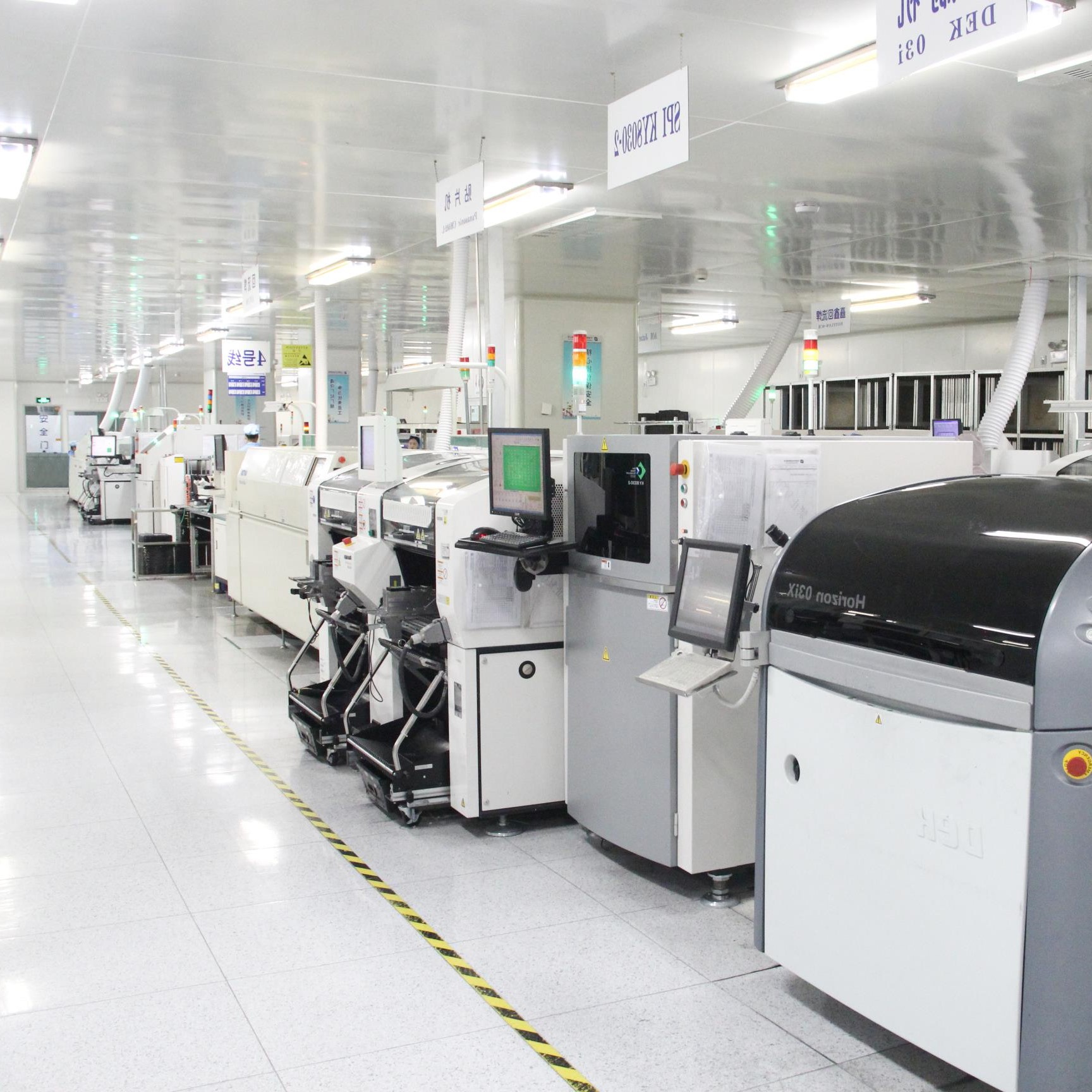
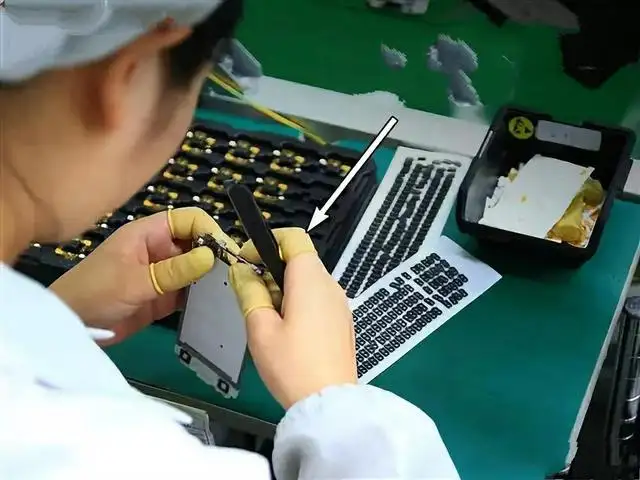
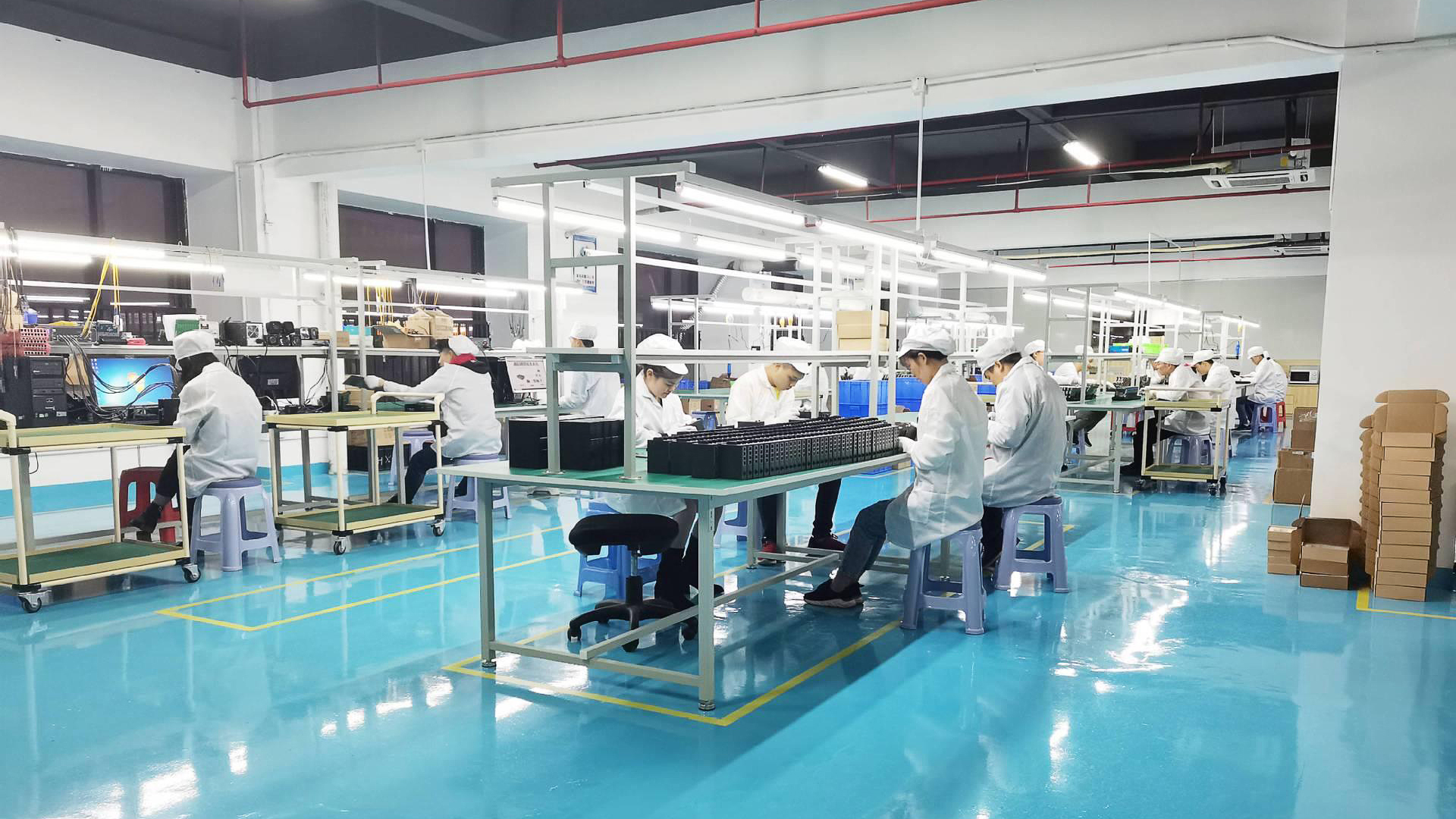
To maintain high quality and reliability across our product line, our factory in Guangdong, China employs advanced production equipment and testing processes. Below is an overview of our manufacturing facilities and quality verification procedures.
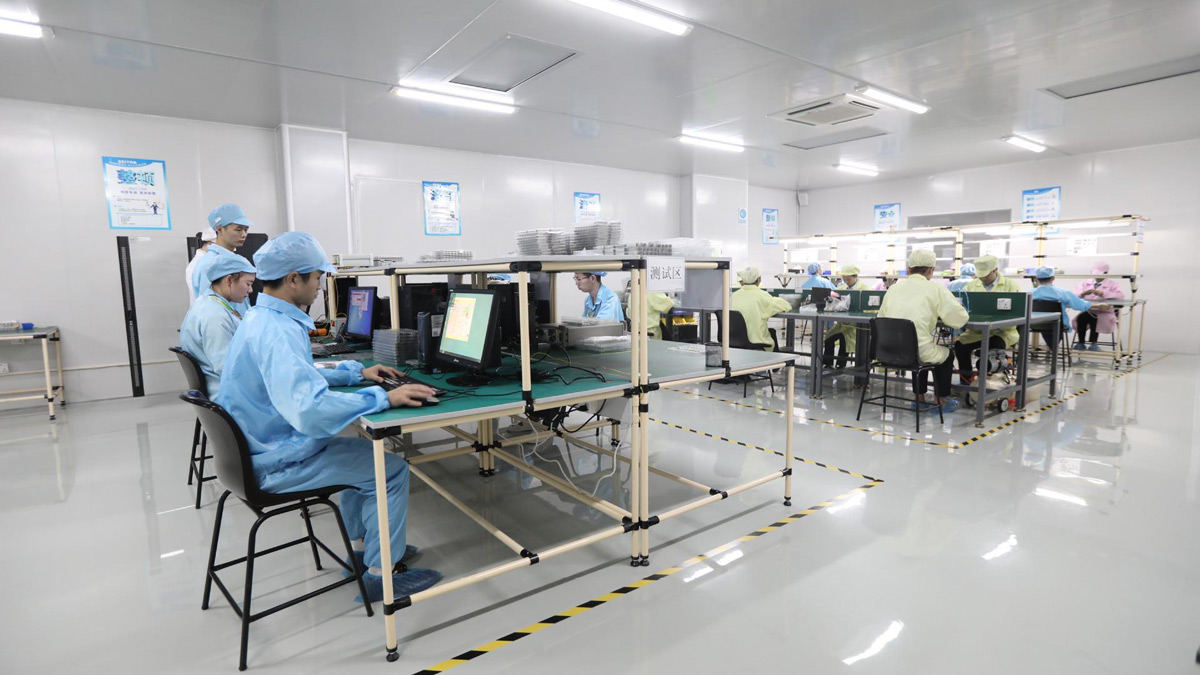
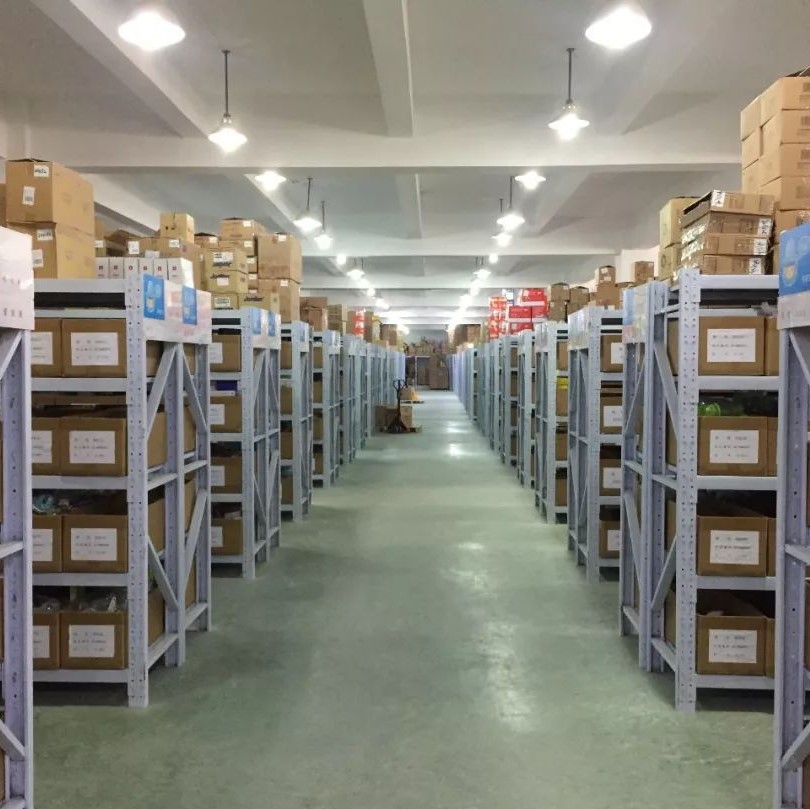
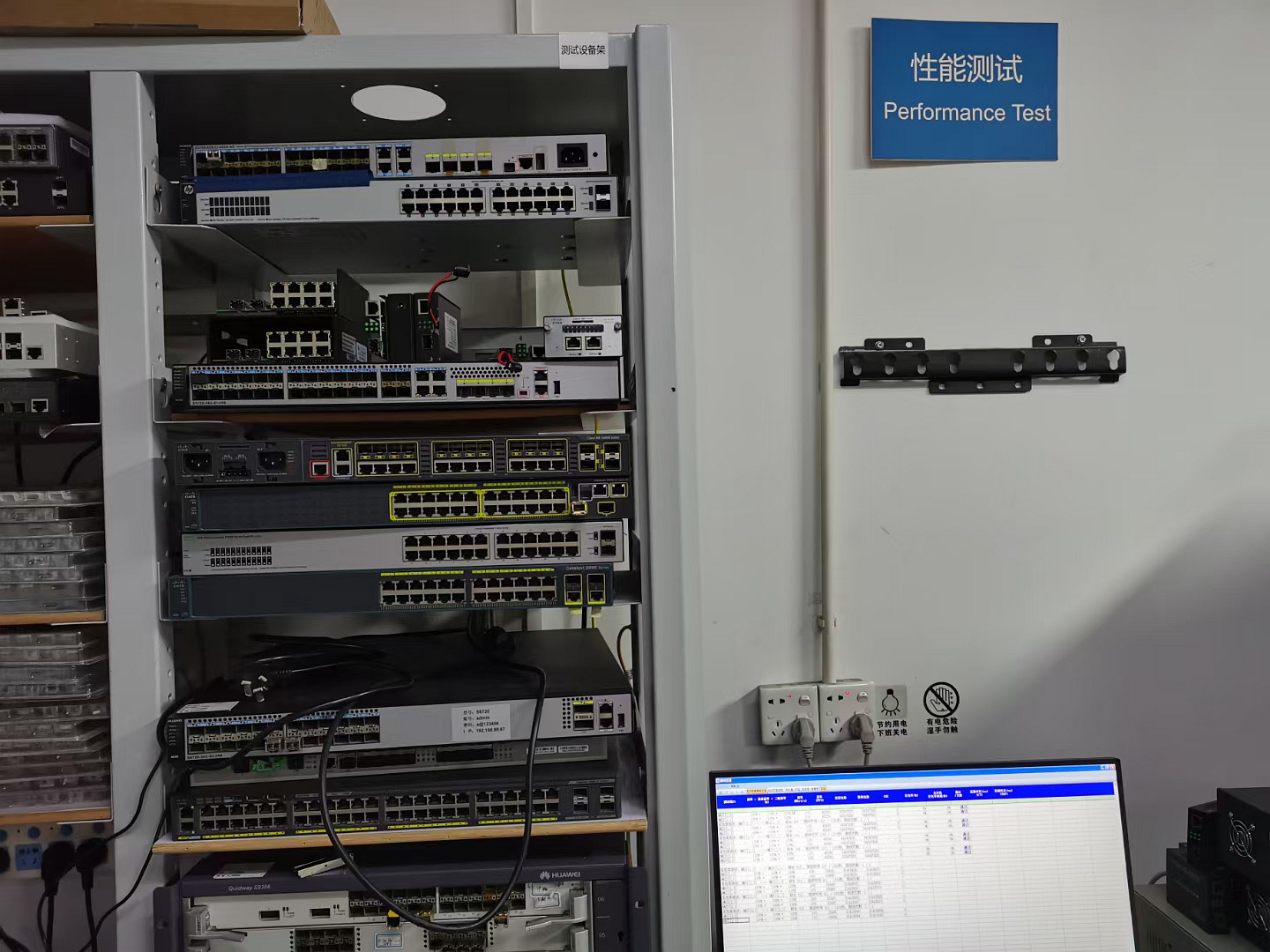
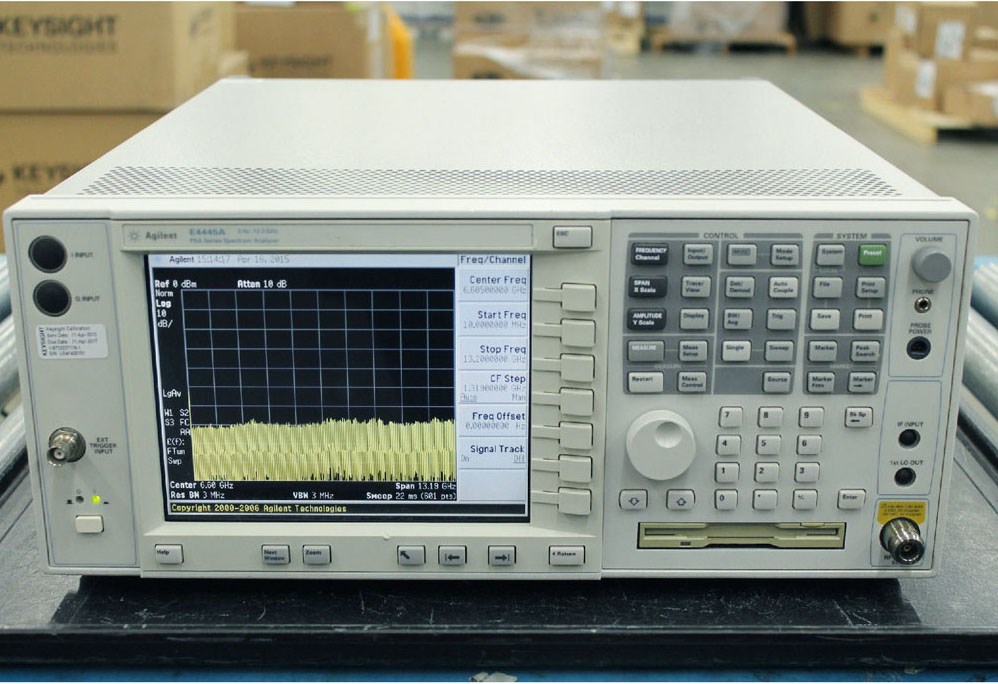
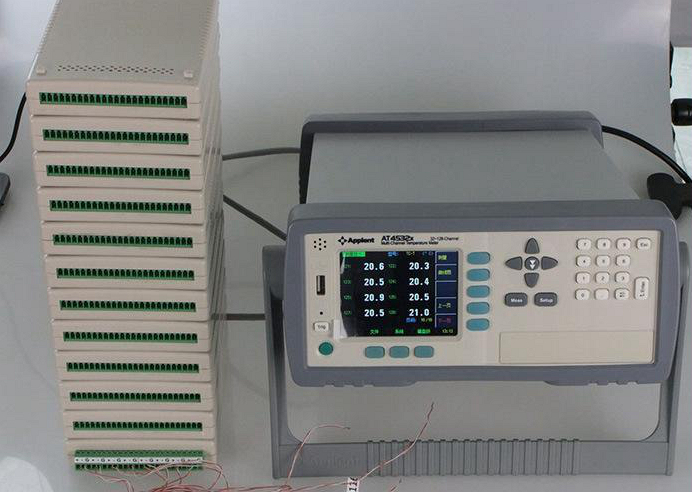
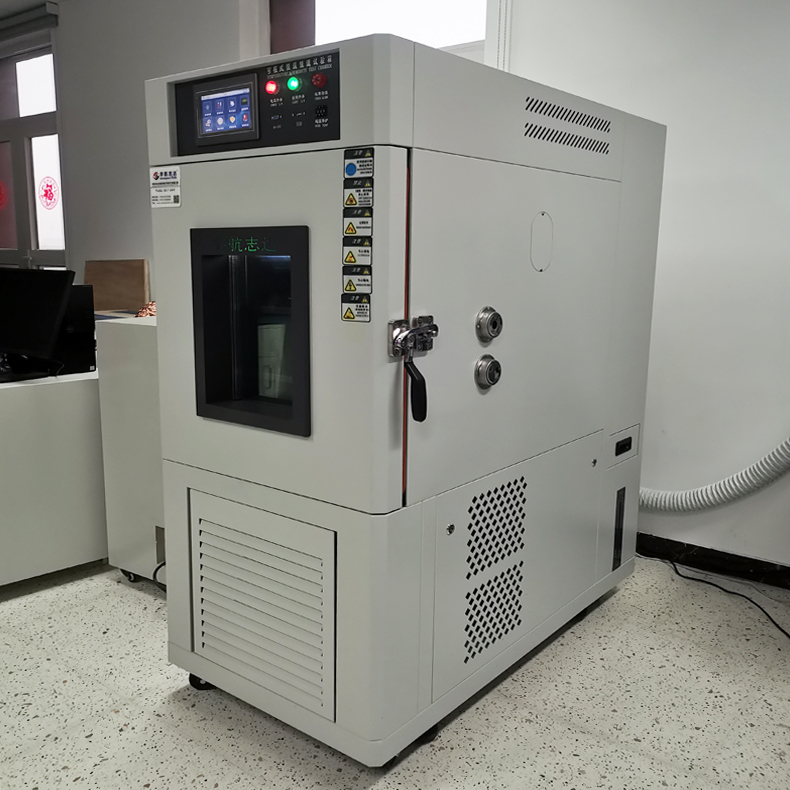
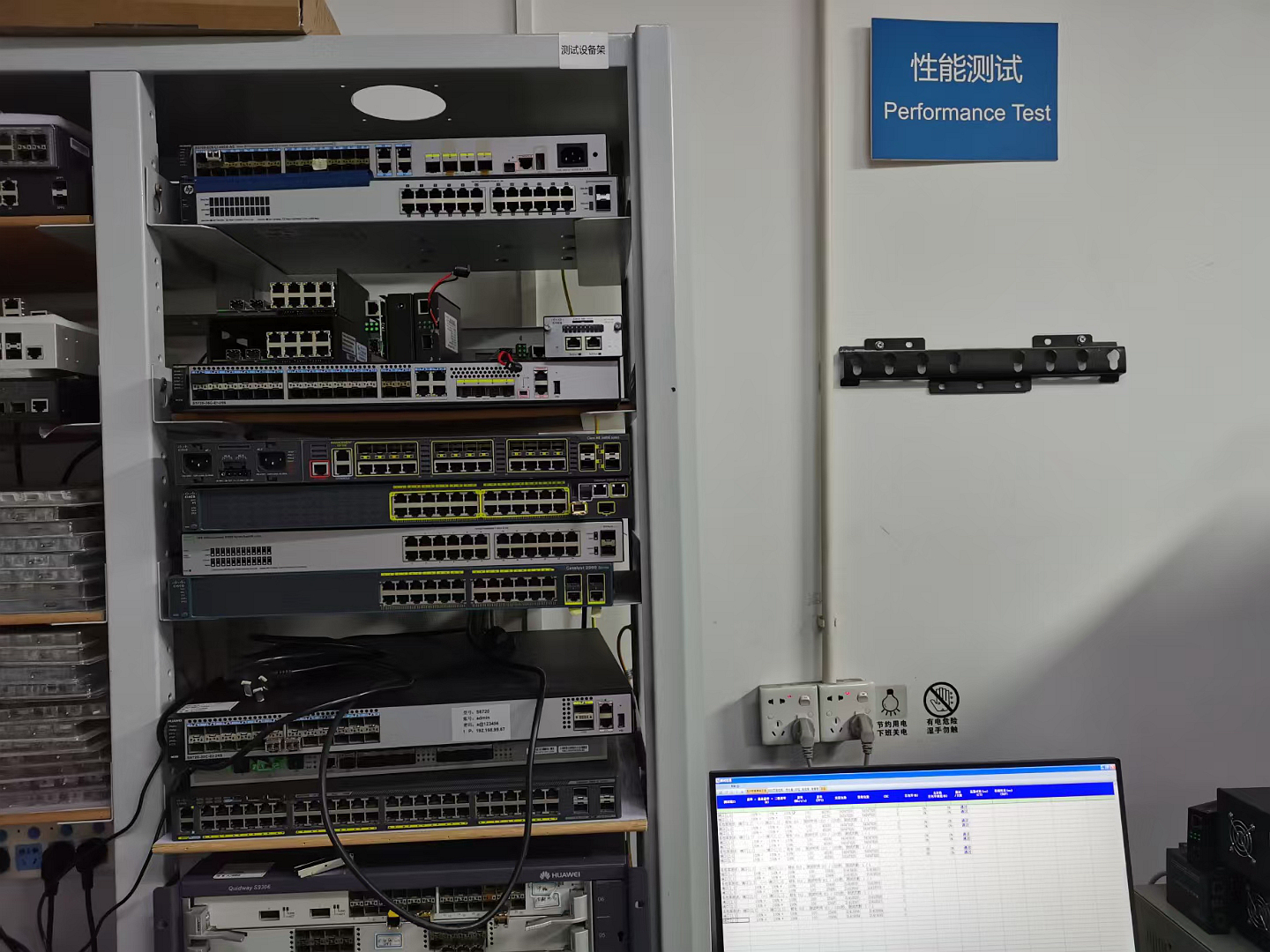
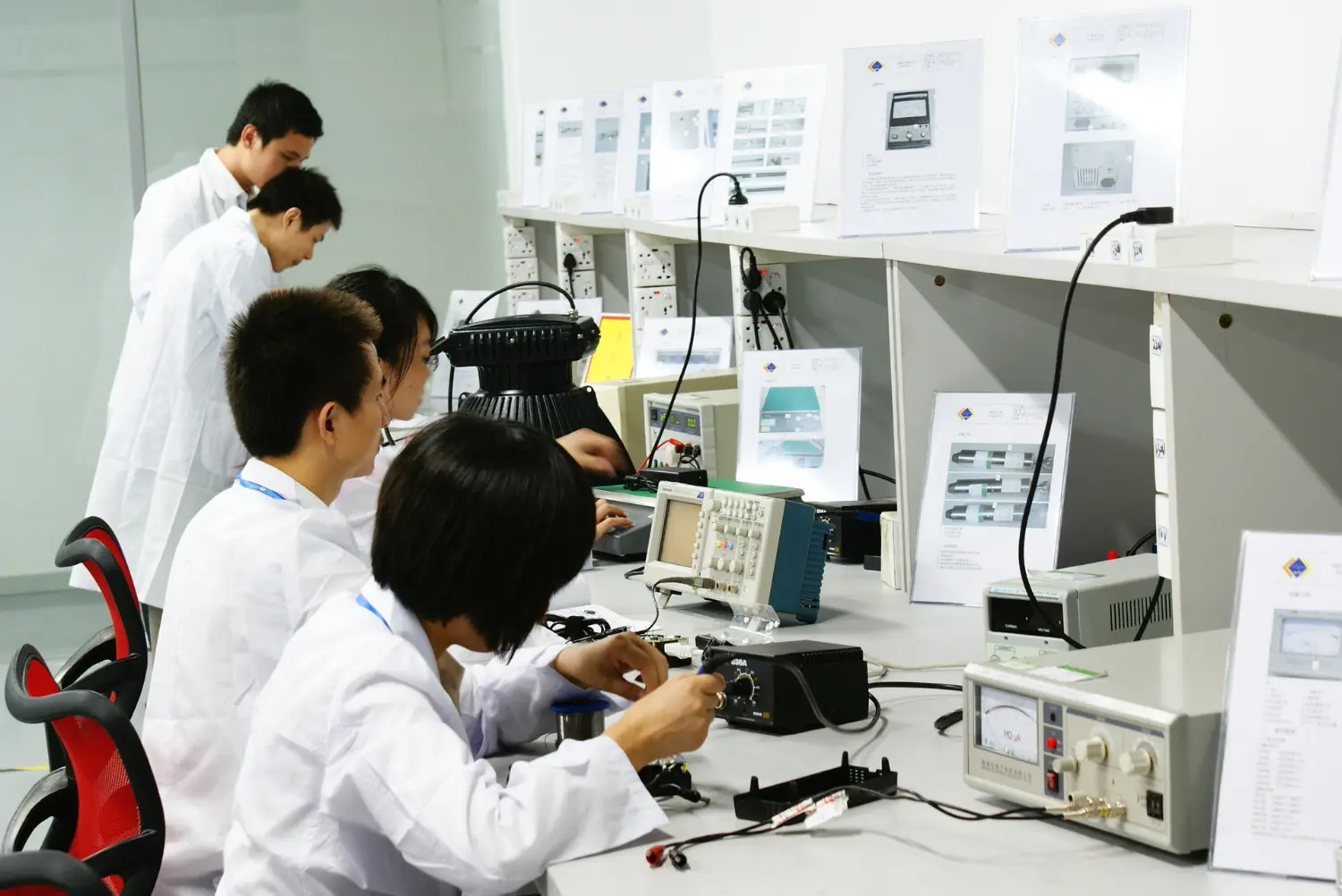
Procuring fiber optic infrastructure equipment requires careful evaluation of manufacturing capability, regulatory compliance, and local deployment support. Choosing a manufacturer that offers both passive enclosures and compatible active transmission hardware helps simplify procurement and reduce compatibility risks.
Southern China's manufacturing clusters provide rapid access to critical materials, including UV-stabilized resins, stainless steel mounting hardware, high-quality optical adapters, and precision sealing gels. This ecosystem allows manufacturers like Soraslink to prototype, build, and ship custom designs faster than traditional western suppliers.
Industrial telecom deployments require strict adherence to international standards. Our manufacturing processes conform to the ISO 9001 quality management framework. Additionally, our products carry CE, FCC, RoHS, and UL certifications, helping to ensure smooth customs clearance and compliance with local regulatory requirements.
Fiber installation techniques vary by region. For example, Latin American deployments often utilize aerial self-supporting ADSS cabling, which requires closures with integrated tension clamps and brackets. In contrast, European urban areas focus on underground microduct configurations. We offer tailorable port diameters, custom fiber trays, and branding options to meet these local specifications.
When evaluating suppliers for fiber optic splice closures, procurement managers should consider several key technical metrics to ensure long-term network reliability and performance:
Evaluate the minimum and maximum splicing capacities. Standard vertical closures support between 24 and 288 fiber splices. Ensure the bend radius inside the trays is maintained above 30mm to prevent signal attenuation.
Mechanical sealing (using gel blocks, silicone rings, or screw locks) is highly reusable and does not require a heat source, making it convenient for field maintenance. Heat-shrink sealing uses heat-sensitive sleeves, which are ideal for direct-buried applications but require specialized tools for installation.
Assess the number and diameter of incoming and outgoing cable ports. The enclosure should accommodate varying cable sizes, including drop cables and main feeder cables, and feature clear cable routing pathways.
Find answers to common technical and logistical questions regarding the selection and deployment of fiber optic splice closures:
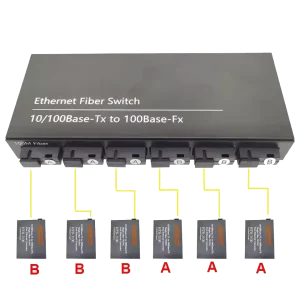
In addition to physical fiber protection, a complete network build-out requires reliable active layer-2/layer-3 components, optical transceivers, and media converters. Browse our additional products:
 Soras Tech