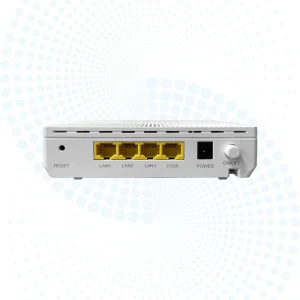
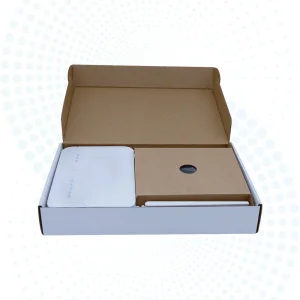
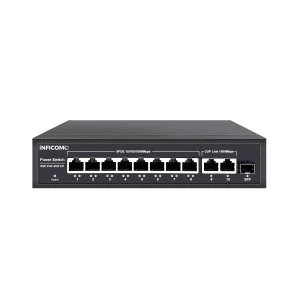
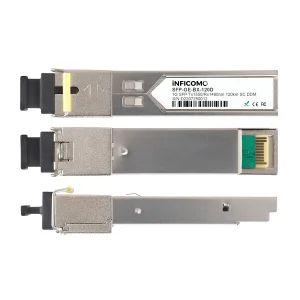
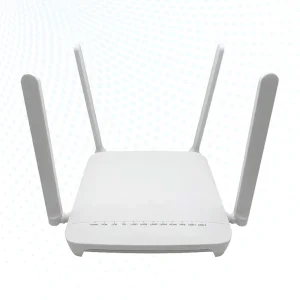
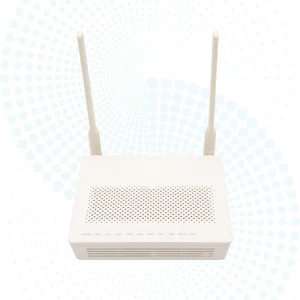
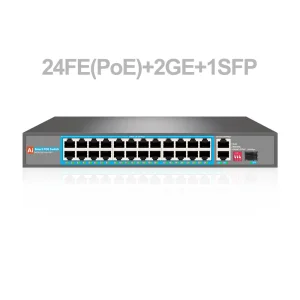
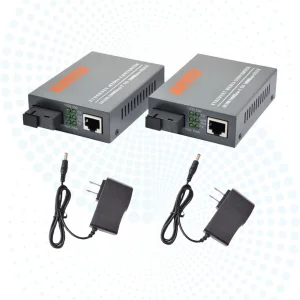
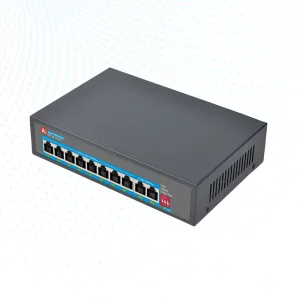
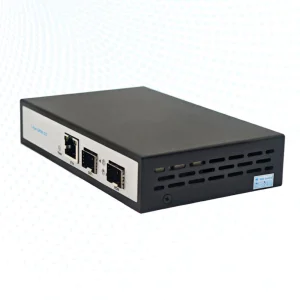
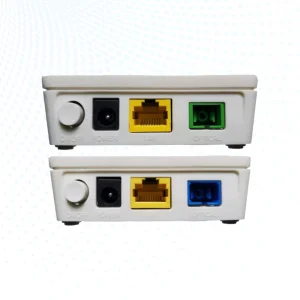
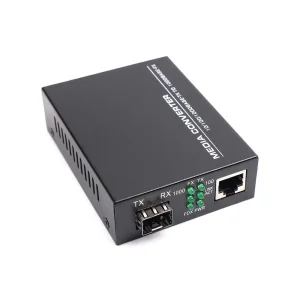
Shenzhen Soras Technology Co., Ltd. stands as an industry-standard-driven developer and OEM/ODM manufacturer of optical transmission equipment and high-performance network equipment. With over 10 years of R&D lineage and physical production management experience, we depend strictly on precise manufacturing methodologies, material traceability, and structural technical innovation. Our team is dedicated to providing high-reliability, cost-efficient, and highly scalable optical transport products for telecommunications companies, system integrators, and internet service providers (ISPs) worldwide.
Soraslink acts as an essential supply node for network architectures in more than 60 countries across South America, North America, and Europe. By maintaining localized configuration options (such as customized English user interfaces, localized firmware modifications, and multi-country optical protocol integrations), we build resilient networks that operate seamlessly. We hold rigorous international certifications including ISO 9001, UL, CE, FCC, and RoHS, defining our core mission: providing superior quality, professional customer service, competitive pricing structures, and long-term integrity-based partnerships.
| Operational Standard | Specifications & Soras Capacity | Regional Market Share | Compliance Credentials |
|---|---|---|---|
| Business Model | ODM / OEM Certified Manufacturer & Factory | Domestic China Market: 24.00% | ISO 9001 Quality System |
| Main Portfolios | FTTH ONU & OLT, SFP Transceivers, PoE Switches, Media Converters | North America Market: 15.00% | UL Safety Certification |
| Annual Revenue | US$5 Million - US$10 Million | Eastern Asia Market: 15.00% | CE & FCC Conformity |
| Scale & Capacity | 11 - 50 Highly Technical R&D and QC Personnel | South America & Europe: Global Network Export | RoHS Hazardous Material Directive |
As the demand for hyper-scale data transmission scales vertically, standard optical infrastructures must adapt to handle higher bandwidths at low deployment costs. OM3 Multi-Mode Fiber (MMF) represents a critical design pivot in modern optical communications. Unlike older multi-mode iterations like OM1 and OM2, which rely heavily on LED sources and suffer from high modal dispersion, OM3 fiber is specifically optimized for 850nm Vertical-Cavity Surface-Emitting Lasers (VCSELs).
OM3 fiber features a 50µm core diameter and 125µm cladding diameter. It delivers an Effective Modal Bandwidth (EMB) of 2000 MHz·km at the 850nm wavelength. This optimization permits error-free transmission rates of 10 Gb/s over distances up to 300 meters, and easily processes 40 Gb/s and 100 Gb/s channels over distances up to 100 meters using parallel optical array interfaces (such as MTP/MPO connectors).
Significantly lowers total system cost by pairing laser-optimized fiber with inexpensive 850nm VCSEL transceivers compared to single-mode systems.
Architectural support for 10G/40G/100G migration, maintaining low latency and stable attenuation rates across short-to-medium backbones.
Perfectly compatible with high-density patch systems, SFP+ transceivers, and gigabit active PoE switches in data center environments.
Understanding the lifecycle of OM3 fiber is crucial for strategic deployment. While OM3 remains the most cost-effective solution for standard enterprise local networks, high-density applications look to OM4 and OM5. OM4 extends the reach of 10G signals to 400 meters and 40G/100G signals to 150 meters. OM5, known as Wideband Multimode Fiber (WBMMF), is designed to support Shortwavelength Division Multiplexing (SWDM) in the 850nm to 953nm range.
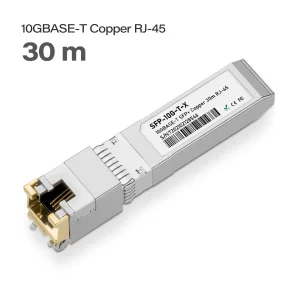
By implementing SWDM, networks can transmit up to 4 wavelengths concurrently on a single pair of multi-mode fibers, scaling the data transport capacity of OM3 and OM4 physical paths up to 400Gb/s without requiring complex infrastructure alterations. As a premium ODM partner, Soras Technology works on hardware compatibility profiles that bridge active transceivers (such as 10G SFP+ copper modules and fiber media converters) across legacy OM3 backplanes and emerging SWDM standard pathways.
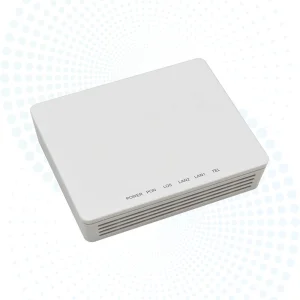
Active optical modules and terminal devices (GPON ONU/OLT, PoE Network Switches, SFP modules) act as the operational framework that converts optical signals into accessible localized data. The physical applications are divided into four main industries:


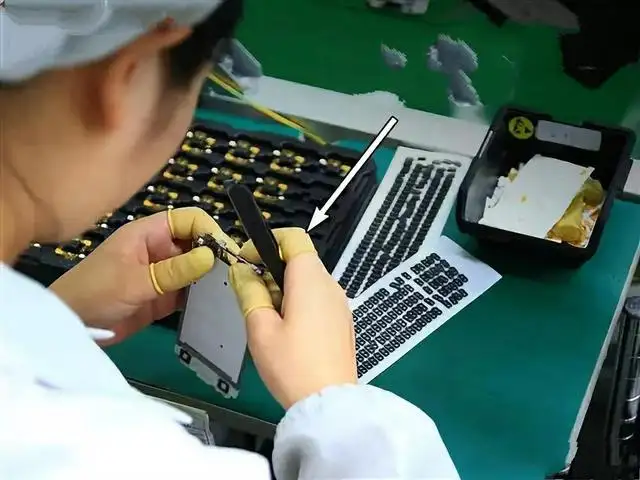

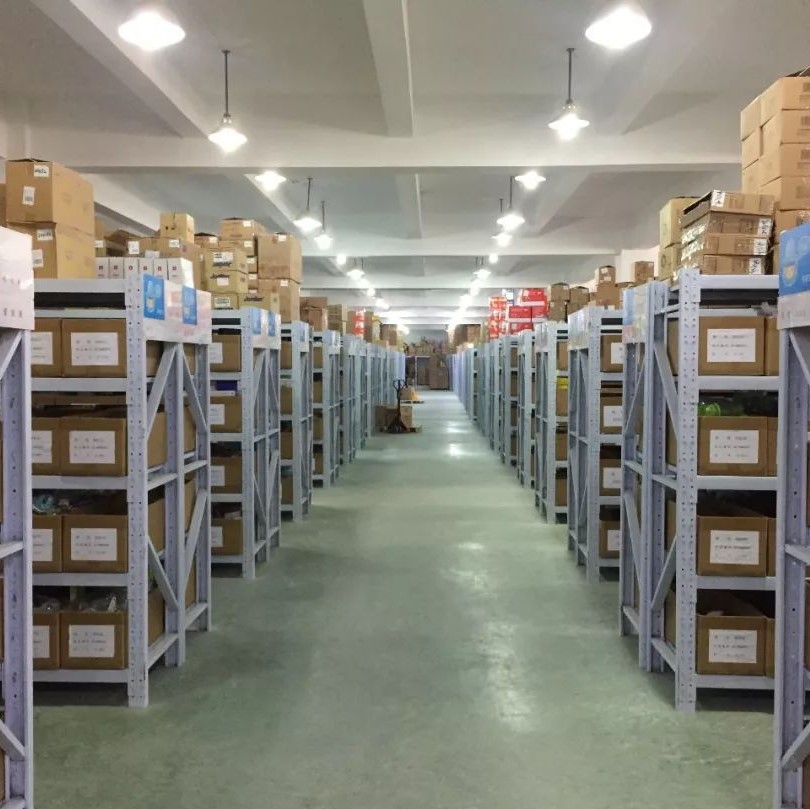
Deploying complex networks demands high consistency and reliable component sourcing. Centered in Guangdong, China—the world's most dense optical component supply chain hub—Shenzhen Soras Technology provides clients with structural supply chain resilience and cost advantages. By leveraging direct proximity to raw component manufacturers, packaging fabricators, and optical chip providers, we streamline production lead times and lower material costs.
Our manufacturing floor is built on lean production workflows. We maintain high SMT placement accuracy, automated optical alignment, and multi-tier quality inspection. This setup allows us to execute low-defect-rate runs for high-density PoE switches and ONU devices, ensuring robust and reliable network performance.
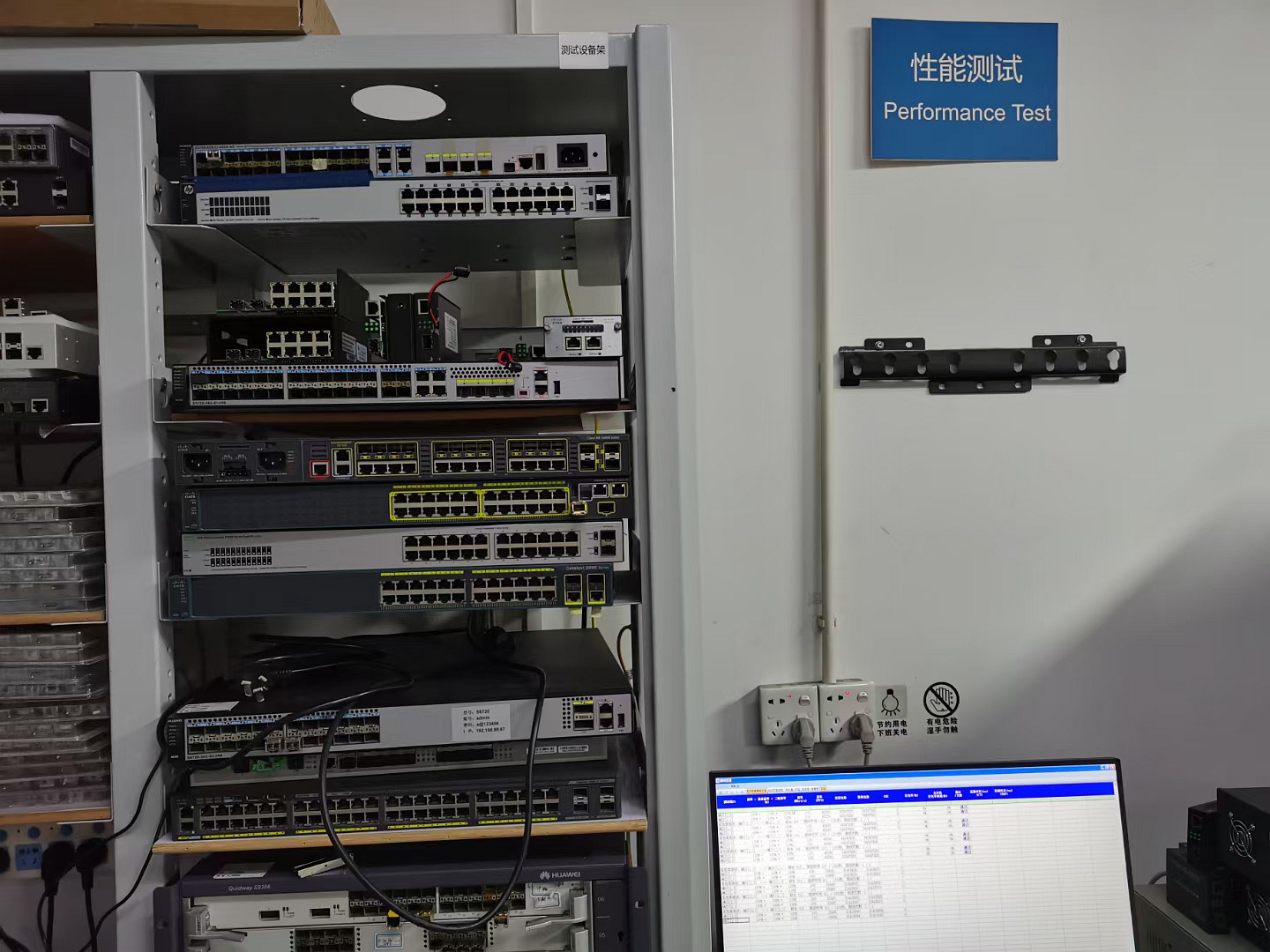
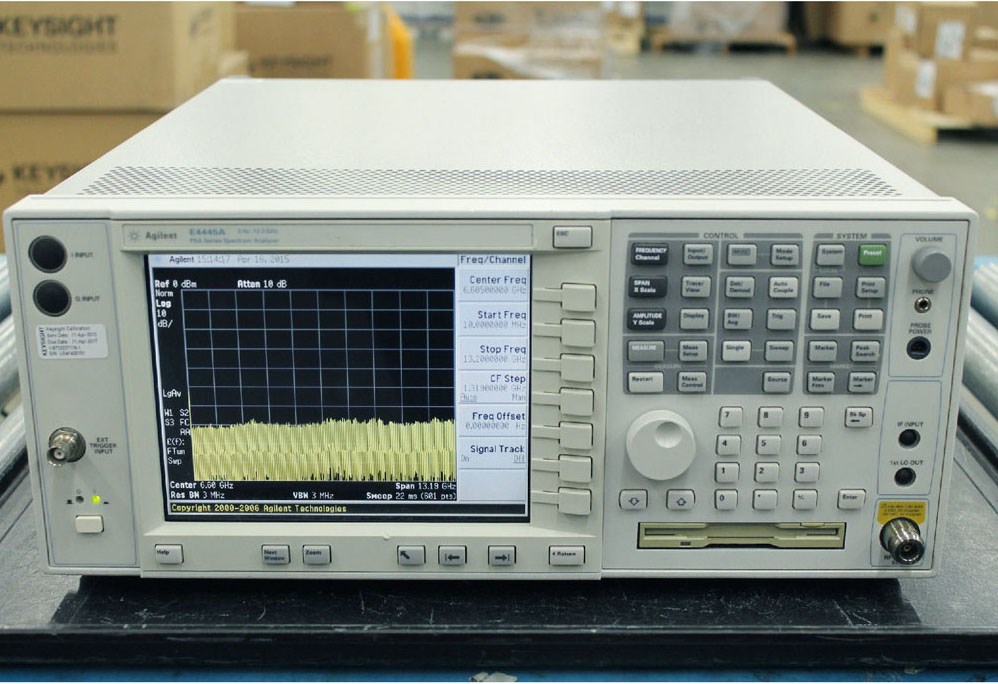
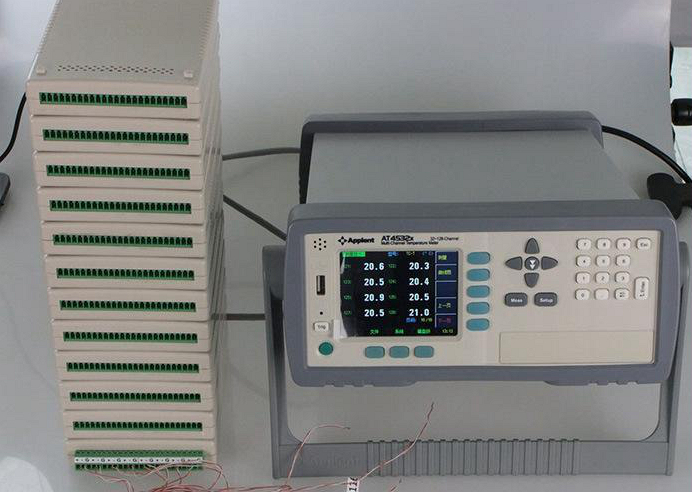
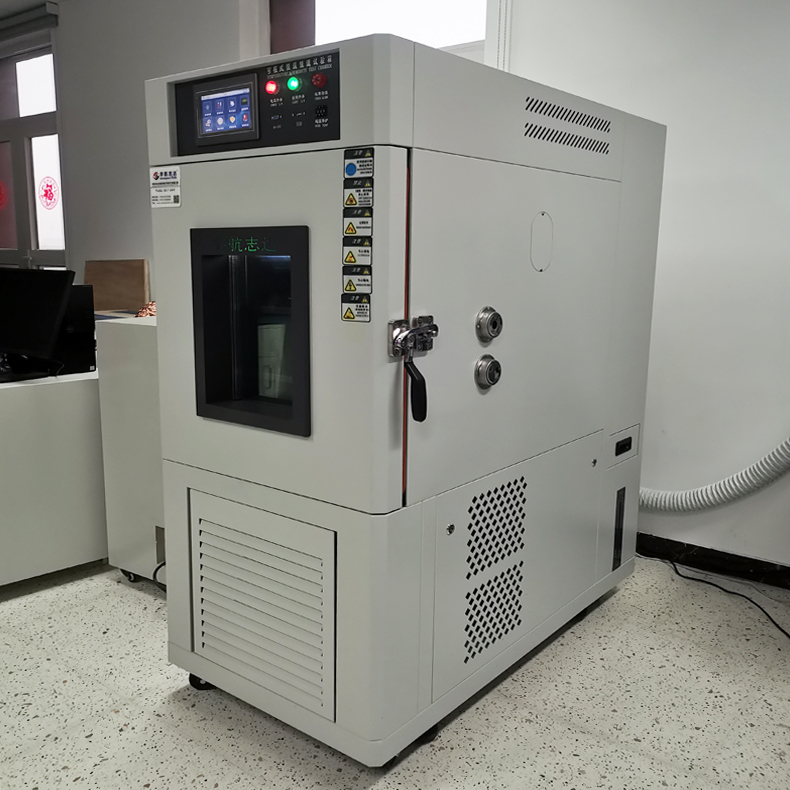
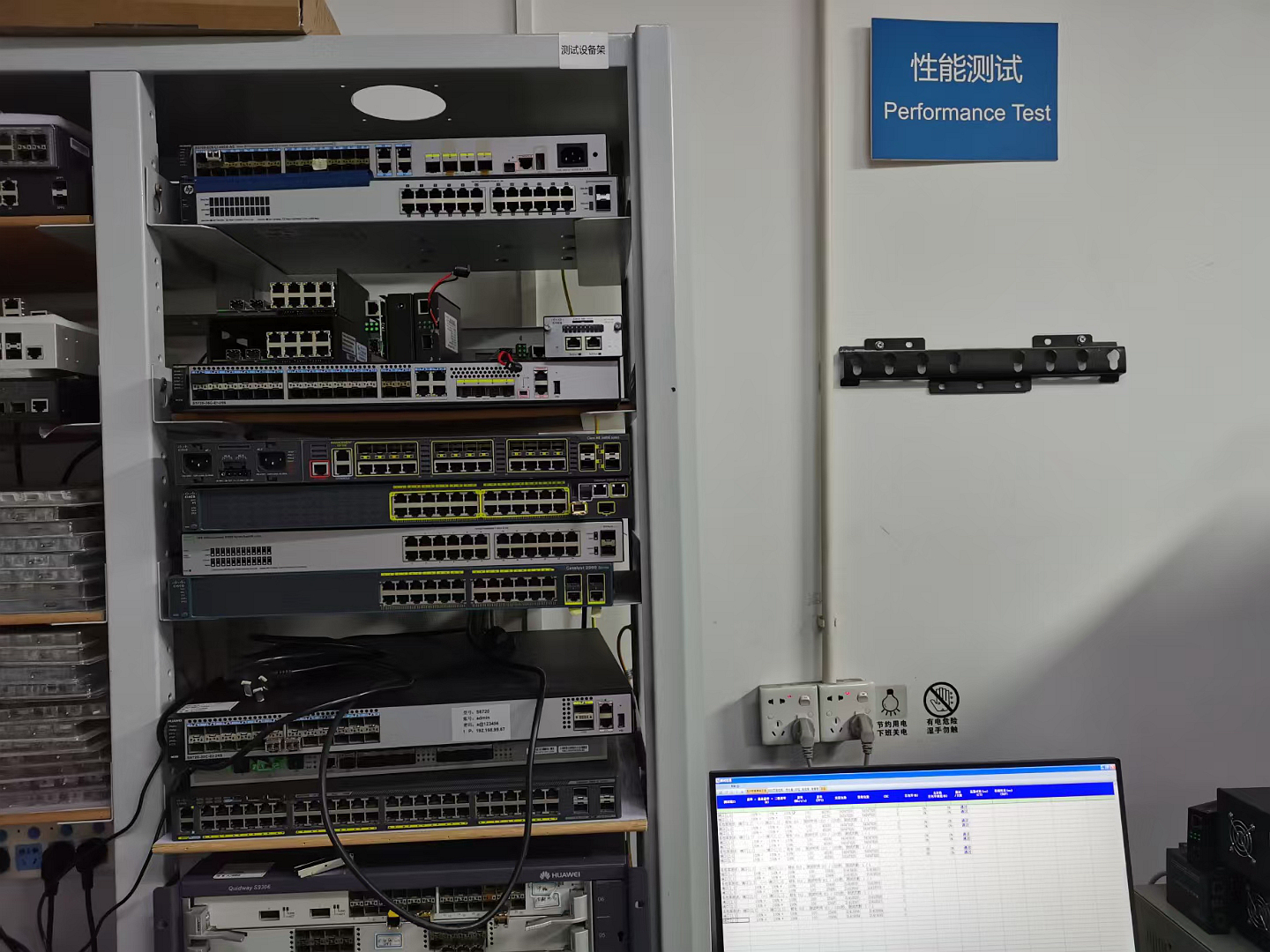
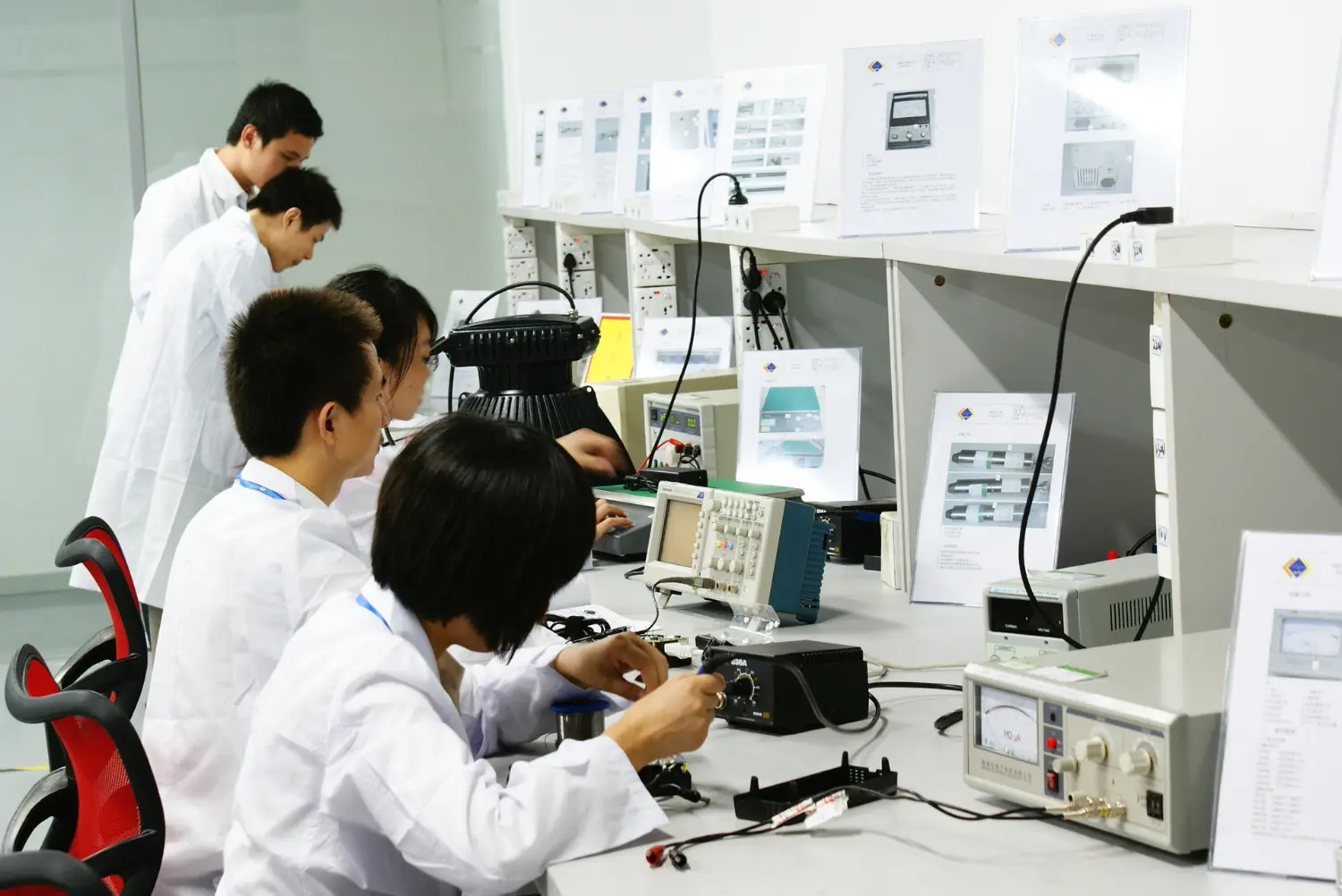
We employ a rigorous testing matrix designed to simulate real-world conditions:
International commercial transactions require strict compliance and certification alignment. Soras Technology holds comprehensive quality credentials to facilitate smooth importing and regulatory approval in key markets:
Standardized manufacturing processes and component traceability.
Ensures robust electrical design and fire safety standards.
Ensures electromagnetic compatibility and compliance with international standards.
Guarantees environmentally friendly, lead-free manufacturing.
We provide comprehensive OEM/ODM customization services. We adapt product firmware to support local ISP optical line terminal (OLT) platforms, translate user interfaces into English and other regional languages, customize shell designs, and offer branding options. This flexibility ensures seamless integration of Soras Technology products into networks worldwide.
OM3 and OM4 both feature a 50µm core diameter and are optimized for 850nm VCSEL transceivers. The primary distinction lies in modal bandwidth: OM3 provides 2000 MHz·km, supporting 10G links up to 300 meters and 40G/100G links up to 100 meters. OM4, with 4700 MHz·km, extends 10G links to 400 meters and 40G/100G links to 150 meters. OM5, or Wideband Multimode Fiber, supports Shortwavelength Division Multiplexing (SWDM) across the 850-953nm range, allowing a single pair of fibers to transmit up to 400Gb/s by using 4 distinct wavelengths.
Yes, our active 10G SFP+ transceiver modules are fully compatible with OM3 fiber plants. Optical transceivers, such as the 10G SFP+ SR, are specifically designed to interface with 50/125µm MMF cores. These links maintain low insertion loss and low modal dispersion up to the 300-meter limit.
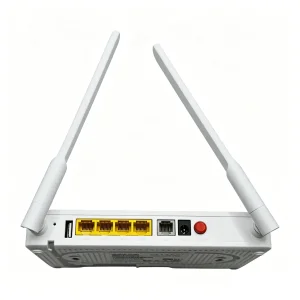
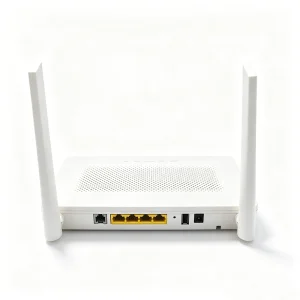
We provide extensive customization for GPON/XPON ONU terminals, including:
1. Firmware optimization to ensure full interoperability with major OLT brands.
2. Localized English or multi-language user interfaces.
3. Custom casing designs, logo printing, and personalized packaging.
4. Hardware modifications, such as adding or removing specific ports (VoIP, CATV, or USB).
Our manufacturing processes follow strict quality standards: we use high-speed automated SMT assembly, conduct multi-tier optical tests, run continuous load simulations, and perform high-low temperature endurance tests. This ensures our PoE switches and active fiber converters operate reliably and continuously in demanding environments.
VCSEL-based systems operating over OM3 or OM4 fibers offer a highly cost-effective solution for short-reach applications. The wider core of multi-mode fiber simplifies fiber alignment, reducing the cost of optical connectors and transceivers. This makes VCSEL/MMF systems more economical for enterprise networks and data centers than single-mode fiber systems.
Our fiber media converters seamlessly bridge copper RJ45 connections and optical fibers. By converting electrical signals to optical signals, these devices bypass the 100-meter limit of standard Ethernet cables, extending network reaches up to 20 kilometers or more over single-mode fiber, while protecting the data link from electromagnetic interference.
 Soras Tech