Soras Tech
Executive Whitepaper: Designing Custom Connectivity Infrastructures for the Modern B2B Paradigm
In an era of hyper-scale computing, distributed cloud operations, and high-density fiber-to-the-home (FTTH) rollouts, the global telecommunication network architecture relies on resilient, low-latency, and high-throughput physical layers. For network architects, procurement directors, and systems integrators, securing top-tier OEM/ODM connectivity manufacturers and suppliers is no longer just about commodity sourcing; it is a critical strategy for mitigating risks, maintaining technological leadership, and building future-proof communication links.
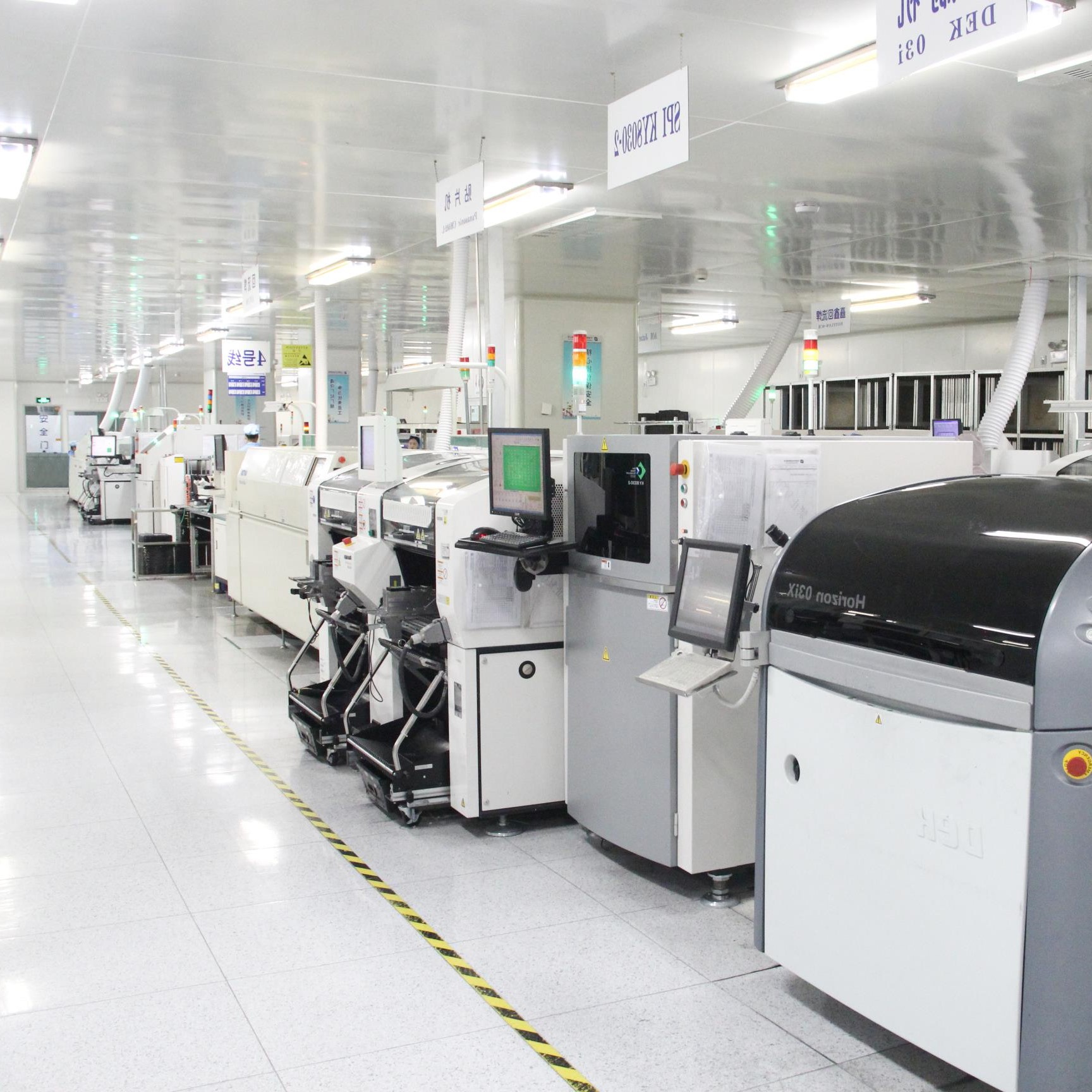
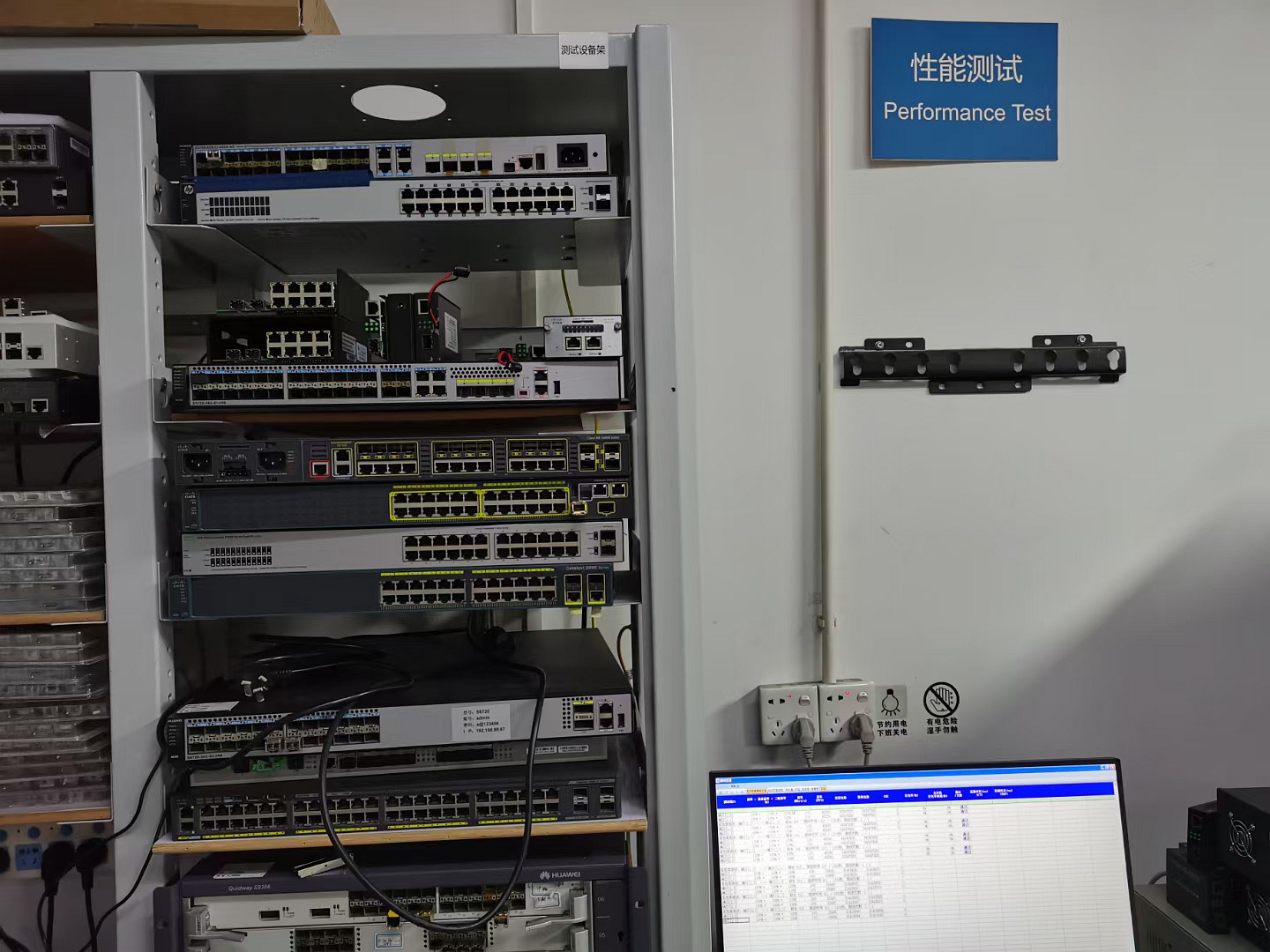
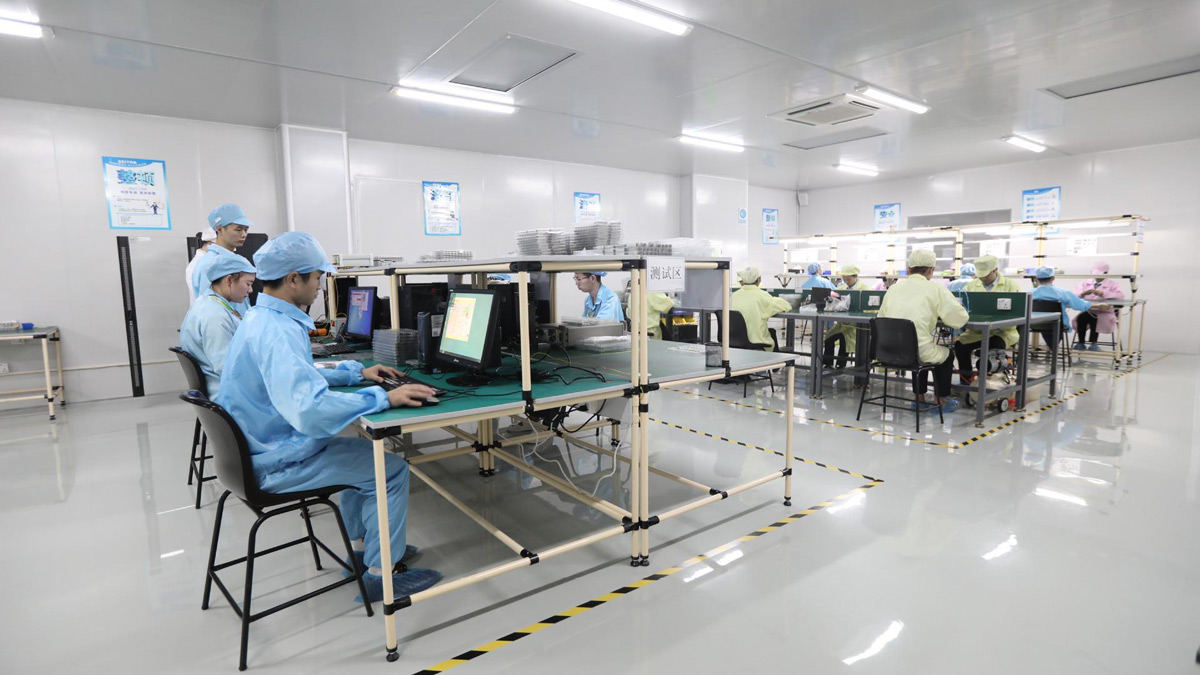
As networks evolve toward multi-gigabit delivery models (such as WiFi 6, WiFi 7, and XGS-PON), physical transceivers and active switching architectures must undergo strict reliability testing to guarantee uninterrupted service. Shenzhen Soras Technology Co., Ltd. (Soraslink), with over a decade of high-performance transmission equipment manufacturing expertise, stands at the center of this technological paradigm. Our state-of-the-art SMT lines, automated optical testing labs, and rigid quality assurance frameworks are designed specifically to translate complex operator demands into reliable, high-volume telecom endpoints.
“Information Gain in Semantic Networks: B2B buyers must evaluate hardware not merely on pricing, but on component integrity, thermal management profiles, firmware flexibility, and localization certifications. Our engineering teams prioritize these variables to build resilient networks globally.”
1. Global Enterprise Procurement Trends in Network Infrastructure
The global connectivity procurement market has moved beyond standardized component sourcing. Enterprise buyers, internet service providers (ISPs), and industrial operators require specialized configurations to deal with diverse topological challenges, local safety regulations, and unique software integrations. Today's procurement decisions are guided by three fundamental requirements:
- Firmware Customization and Interoperability: Standardized active equipment often suffers from vendor lock-in or local network incompatibility. Modern network deployments require open-architecture ONU devices with custom English firmware, tailored GUI configurations, and OMCI compatibility across varied Optical Line Terminals (OLTs).
- Enhanced Thermal Performance and Longevity: Small Form-factor Pluggable (SFP) transceivers and PoE switches are frequently deployed in harsh, non-climate-controlled environments. Active components must use high-quality materials to resist extreme temperatures and electrical surges without degradation.
- Supply Chain Transparency and Regulatory Certifications: Compliance with international regulatory directives—such as ISO 9001, UL, CE, FCC, and RoHS—is critical. These certifications guarantee that products meet rigorous safety and environmental standards, paving the way for seamless deployments across South America, North America, Europe, and Asia.
2. Company Overview: Shenzhen Soras Technology Co., Ltd.
For more than 10 years, Shenzhen Soras Technology Co., Ltd. has developed and manufactured high-performance optical transmission and active networking hardware. Headquartered in Guangdong, China, we combine advanced manufacturing processes with a dedicated R&D division capable of engineering tailor-made OEM and ODM configurations.
| Soraslink Corporate Profile & Specifications | |||
|---|---|---|---|
| Business Classification | ODM/OEM Manufacturer & Exporter | Primary Export Regions | North America, South America, Europe, East Asia |
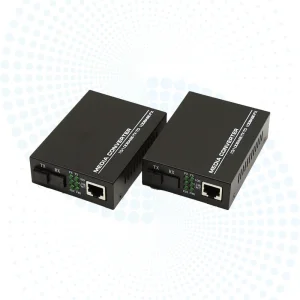
| Main Product Lines | GPON/XPON ONU & OLT, SFP Transceivers, PoE Switches, Media Converters | Production Capacity | High-Velocity SMT, Dedicated Assembly & Test Lines |
| Annual Revenue (Est.) | US$5 Million - US$10 Million | Year Established | 2021 (R&D roots span over 10+ years) |
| Regulatory Standards | ISO 9001, UL, CE, FCC, RoHS Compliant | HQ Location | Guangdong, China |
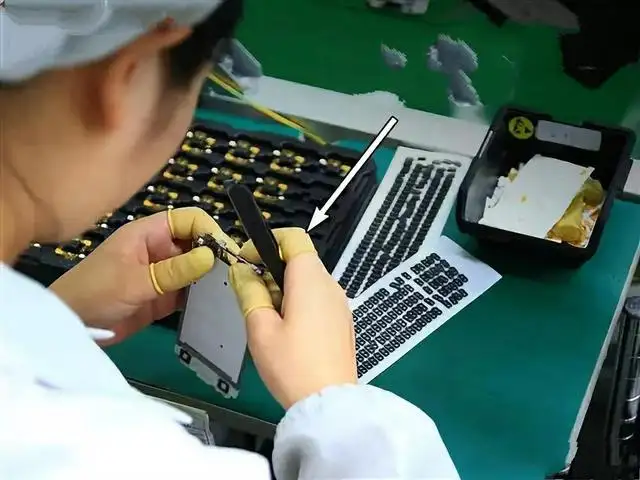
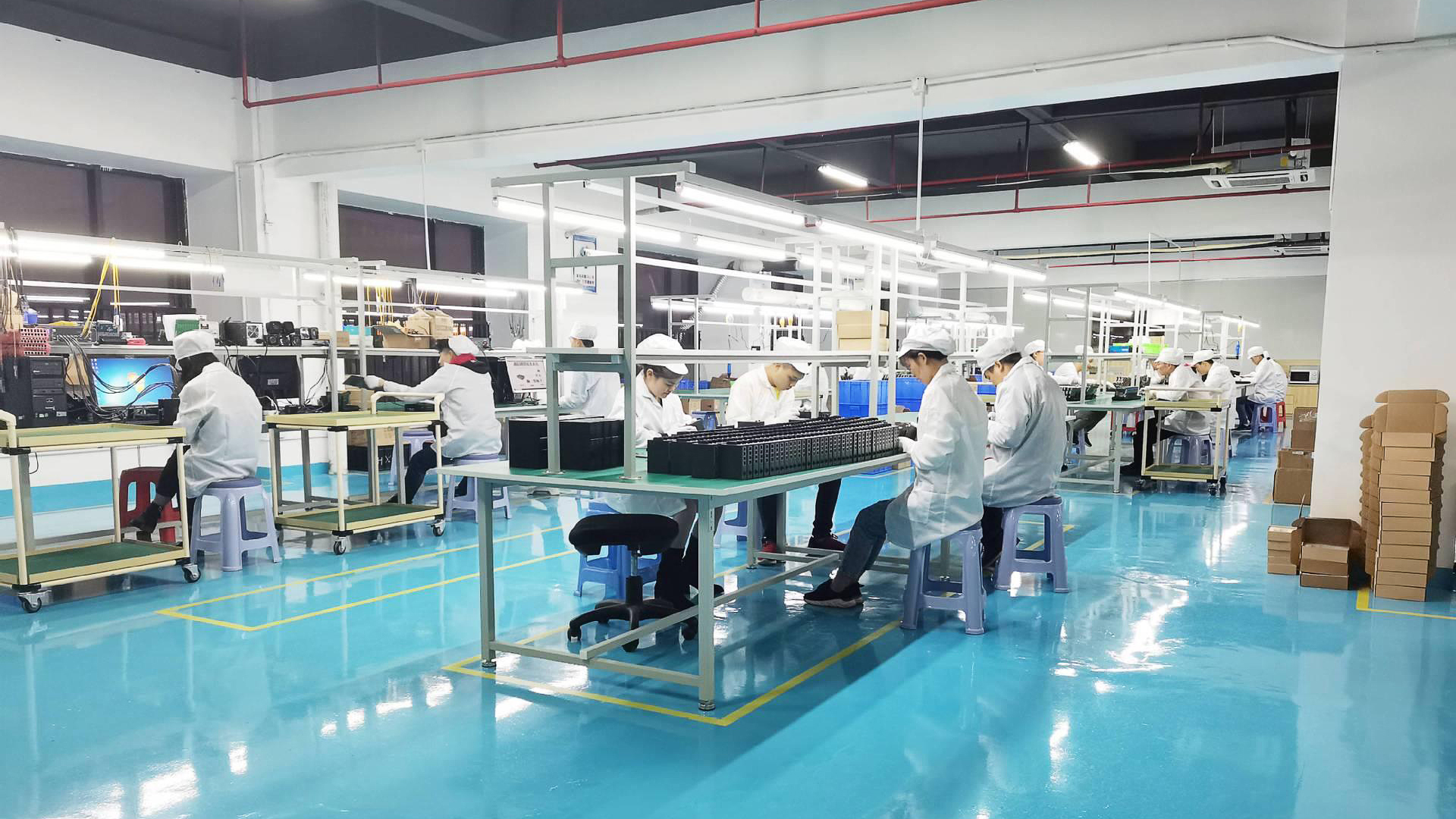
Our philosophy is defined by superior quality, professional support, competitive pricing, and integrity. By controlling the design, SMT, assembly, and testing phases under one roof, we guarantee that every unit leaving our facility meets the highest standards for optical transmission and switching systems.
3. Macro-Level Industrial Solutions and Case Studies
Modern communication hardware must adapt to diverse operational scenarios. Our hardware portfolio is engineered to address key application profiles:
A. Next-Generation Fiber-to-the-Home (FTTH) Architectures
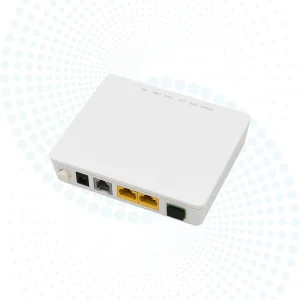
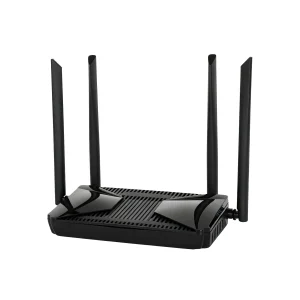
As subscribers demand symmetrical gigabit capabilities for cloud computing, video rendering, and real-time communication, legacy networks are reaching their limits. Implementing high-density XPON ONU devices—such as our AX3000 WiFi 6 Dualband Routers—enables telecommunications operators to run GPON and EPON protocols over the same network. This flexibility simplifies transitions, reduces capital expenditures, and improves coverage using high-gain multi-directional antennas.
B. Industrial PoE Switching for AI-Powered IP Surveillance
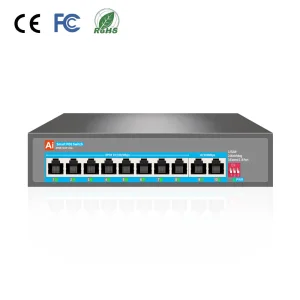
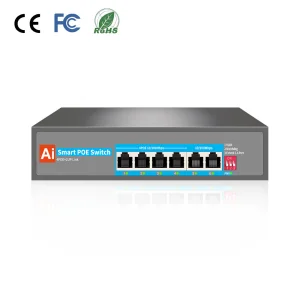
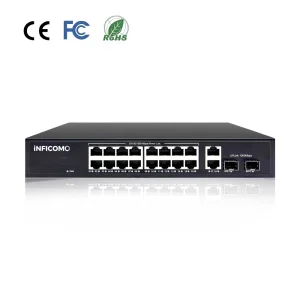
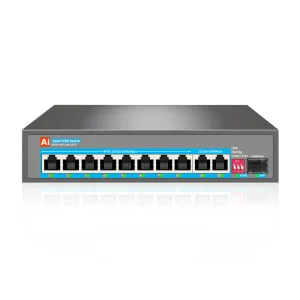
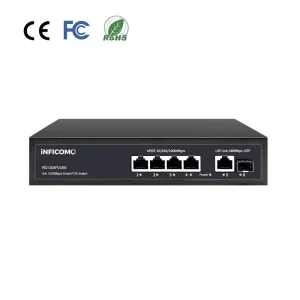
In heavy industrial facilities and smart cities, surveillance networks must withstand constant voltage fluctuations and extreme temperatures. Our PoE switch family features built-in AI Watchdog technology. If an IP camera or access point becomes unresponsive, the switch automatically detects the failure and reboots the specific port. This remote self-healing mechanism drastically minimizes maintenance costs and downtime.
C. High-Density Optical Link Aggregation
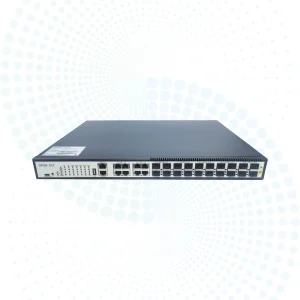
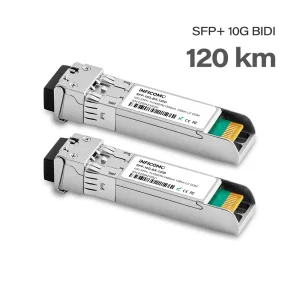
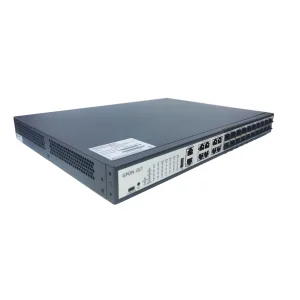
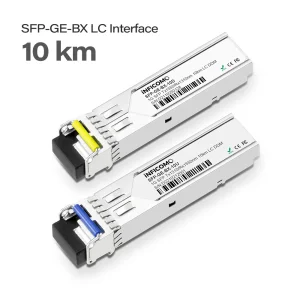
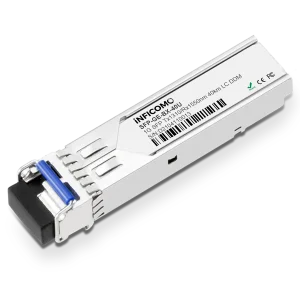
For data centers and metropolitan area networks (MANs), SFP and SFP+ transceivers (ranging from 1.25G BiDi configurations to high-speed 10G 120km modules) provide reliable long-distance links. By using DOM (Digital Optical Monitoring) support, network operators can remotely track real-time operational metrics, including optical output power, input power, temperature, and supply voltage, to prevent potential link failures.