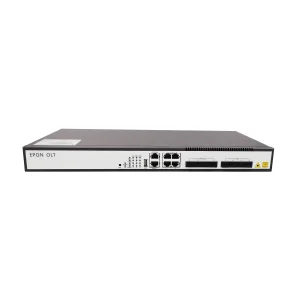
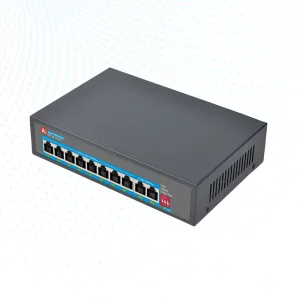
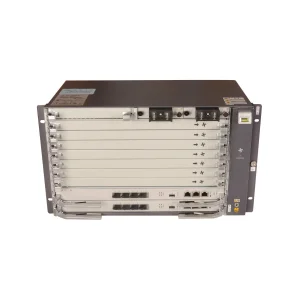
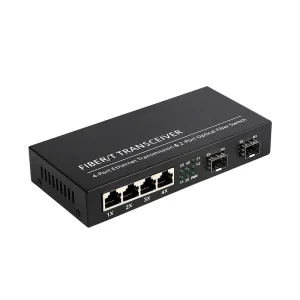
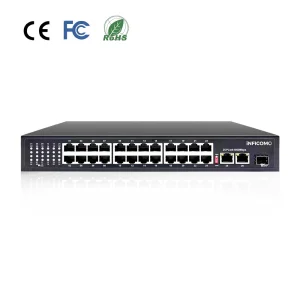
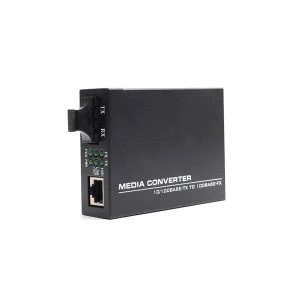
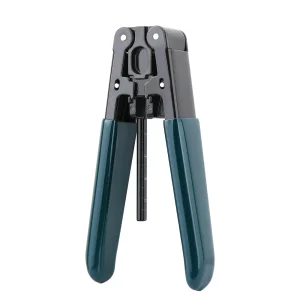
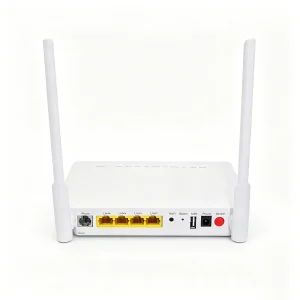
Explore our factory-direct network equipment, from EPON/GPON OLTs to intelligent PoE switches and custom transmission transceivers.
An Industry Analysis of Cost Efficiency, Wavelength Innovation, and Factory Customization
In the rapidly evolving landscape of telecommunications, fiber resource optimization is a core pillar for both carriers and enterprise network designers. Standard optical links traditionally rely on dual-fiber systems—one dedicated to transmitting (Tx) and the other to receiving (Rx). This configuration, while simple, inherently doubles the infrastructure cost of physical cabling and poses constraints inside congested metropolitan and campus fiber ducts.
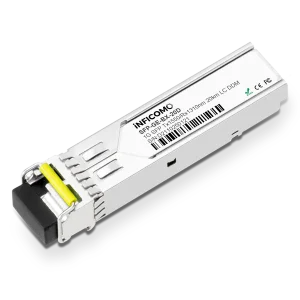
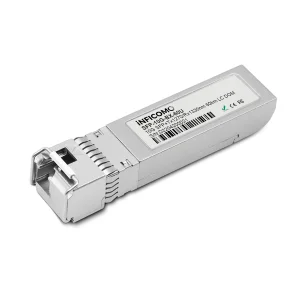
Single-Fiber Bidirectional (BiDi) transceivers resolve this bottleneck by utilizing Wavelength Division Multiplexing (WDM). By transmitting and receiving signals simultaneously on different wavelengths over a single physical optical strand (e.g., 1310nm for Tx and 1550nm for Rx, or 1270nm and 1330nm for high-speed 10G+ networks), BiDi modules effectively double the bandwidth capacity of the existing fiber plant without laying a single extra kilometer of cable.
For network planners, system integrators, and hyper-scale operators, investing in custom OEM BiDi modules translates directly to a 50% physical cable cost savings, simplified troubleshooting, and significantly reduced points of failure at fiber patch panels.
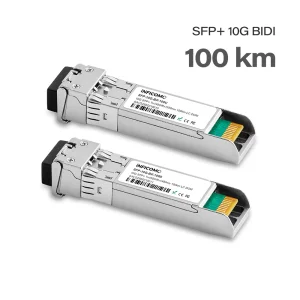
Custom BiDi transceivers differ significantly in design and performance parameters based on target applications. Standard enterprise LAN switches demand affordable SFP transceivers working at 1.25 Gbps, while next-generation metro access networks and data center interconnects require SFP+ or SFP28 form factors pushing 10 Gbps and 25 Gbps over distances ranging from 10km to 120km.
Choosing matching simplex pairs is critical. Typical setups include 1310nm/1490nm, 1310nm/1550nm, or CWDM grid pairings. High-speed 10G SFP+ modules utilize 1270nm/1330nm alignments to reduce dispersion penalty over single-mode fiber (SMF) at extended ranges.
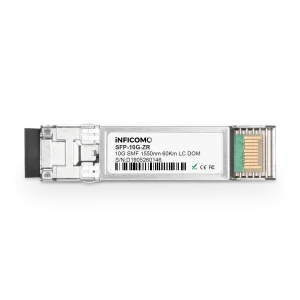
The core component containing the laser transmitter, a photodiode receiver, and a WDM filter. Premium OEM manufacturers like Soras Technology use high-stability DFB or EML lasers coupled with high-sensitivity APD receivers for long-reach transceivers.
Allows network administrators to monitor real-time parameters such as optical output power, optical input power, temperature, laser bias current, and transceiver supply voltage, assuring long-term reliability and proactively preventing link downs.
Furthermore, custom compatibility is the primary differentiator for OEM manufacturers. Switches from Cisco, Huawei, Juniper, HP, and Alcatel-Lucent all utilize vendor-specific firmware encodings within the transceiver's EEPROM. Reliable factories must operate state-of-the-art programming centers with comprehensive equipment databases to guarantee seamless, error-free plug-and-play operation.
Globally, the demand for optical communication hardware is surging. Rapid expansion of FTTH (Fiber to the Home), 5G telecommunication networks, industrial automation networks, and smart city video surveillance are straining existing infrastructure. Below is a macro analysis of how modern enterprises integrate BiDi transceivers into their system designs:
Your Trusted OEM/ODM Partner for Optical Transmission Equipment
Shenzhen Soras Technology Co., Ltd. (Soraslink) is a leading manufacturer of optical transmission equipment and network equipment with more than 10 years of experience. We rely on high-quality management and technological innovation, committed to providing customers with high quality, cost-effective, high value-added products and solutions.
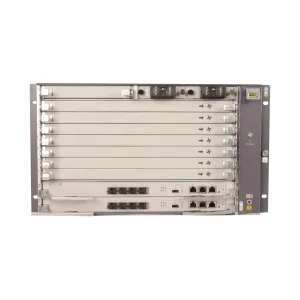
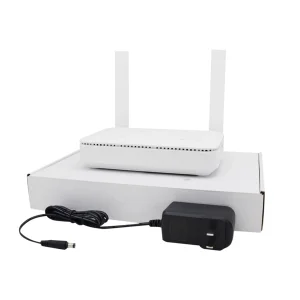
Today, we work closely with telecommunications companies around the world. We have strong technical force and an experienced R&D team. Products can be developed according to specific customer requirements; we also accept your OEM and ODM orders. Now our products are exported to more than 60 countries, and our main markets are South America, North America, East Asia, and Europe. Our main products include: Fiber Media Converter, SFP Module, POE Switch, ONU, OLT and supporting products.
| Official Corporate & Operations Profile | |||
|---|---|---|---|
| Business Type | Manufacturer / OEM / ODM | Country / Region | Guangdong, China |
| Main Product Portfolios | FTTH ONU & OLT, SFP Module, Fiber Media Converter, PoE Switch, Fiber Optic Accessories | Total Employees | 11 - 50 People |
| Annual Revenue Range | US$5 Million - US$10 Million | Year Established | 2021 (R&D Team with >10 years experience) |
| Compliance Certifications | ISO 9001, UL, CE, FCC, RoHS | Main Markets Distribution | Domestic Market: 24.00% Eastern Asia: 15.00% North America: 15.00% South America, Europe: Exported to 60+ countries |
Strict quality control lines and specialized production phases guaranteeing top-tier optical components.



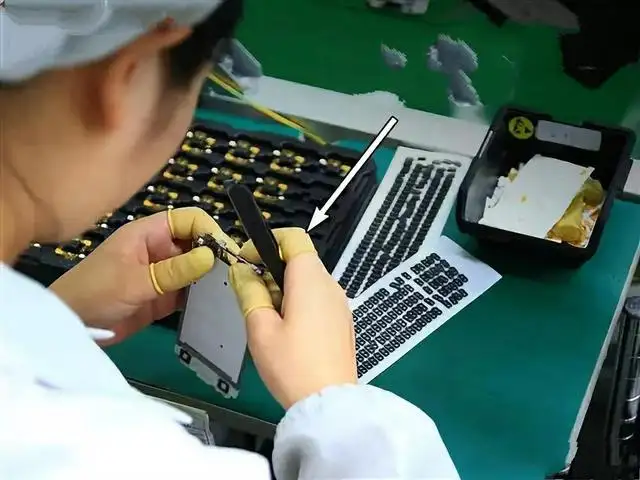


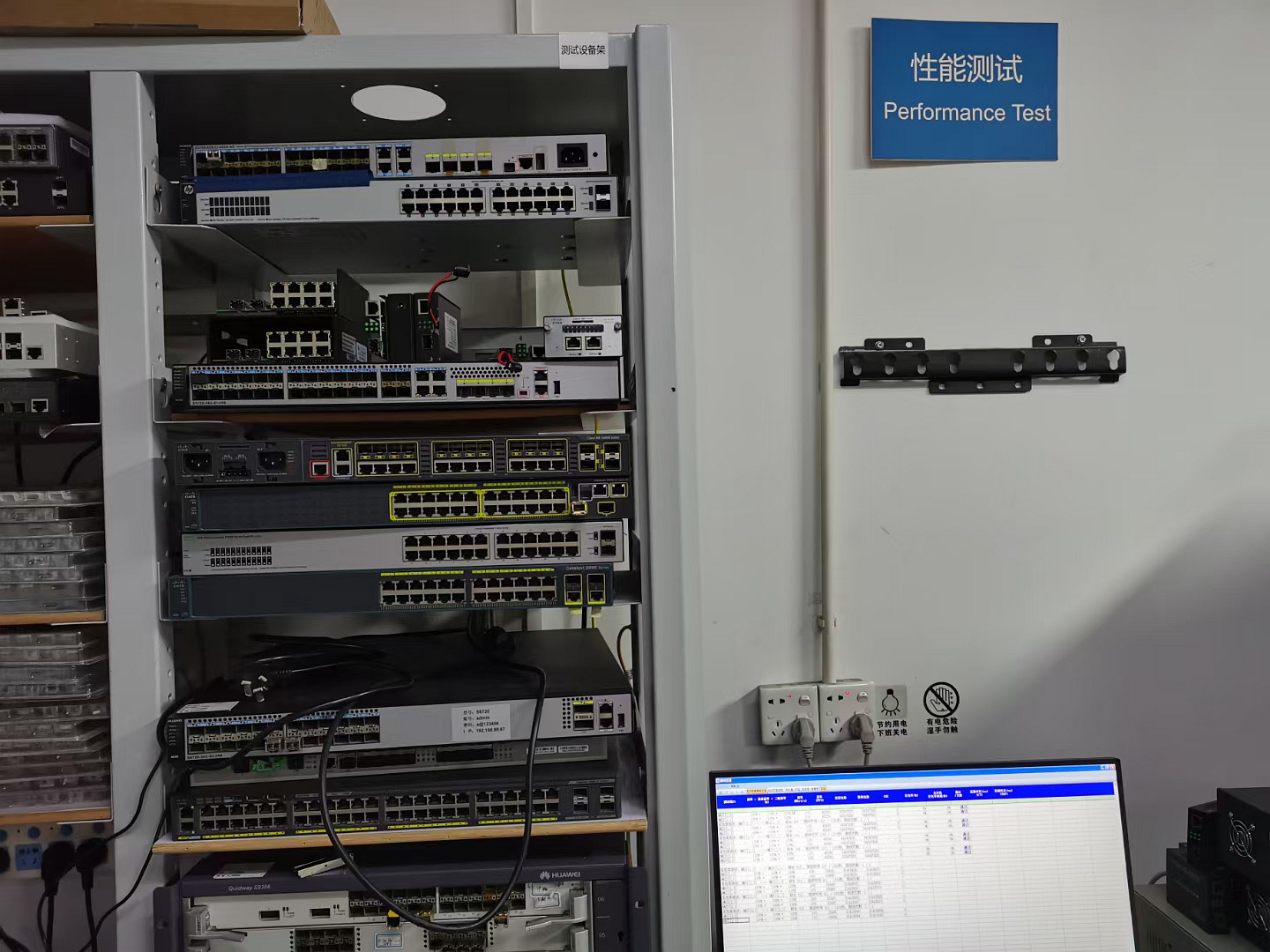
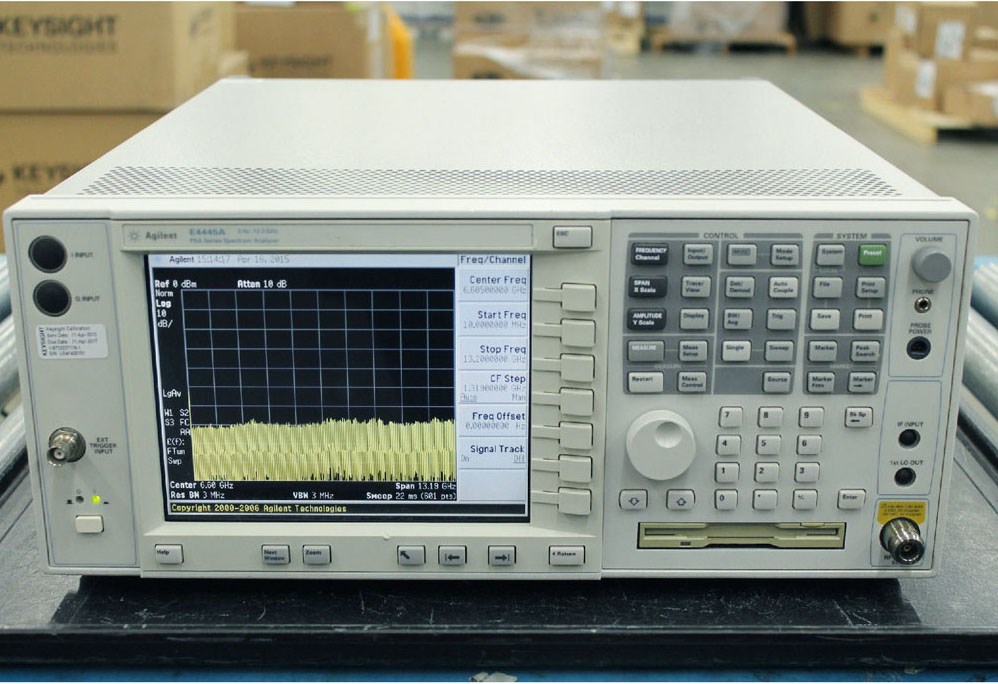
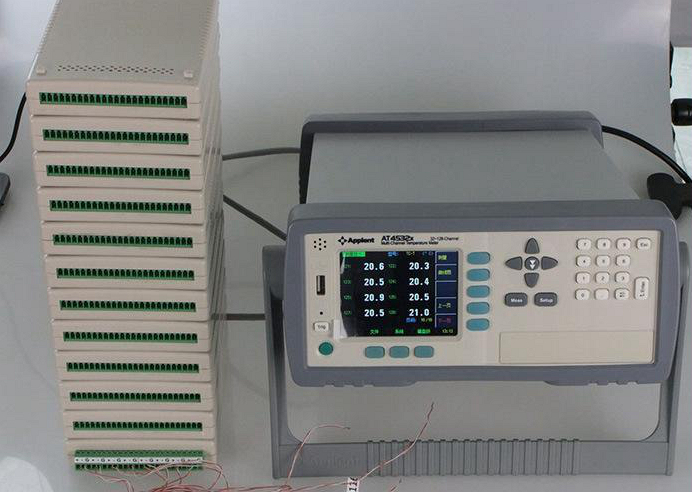
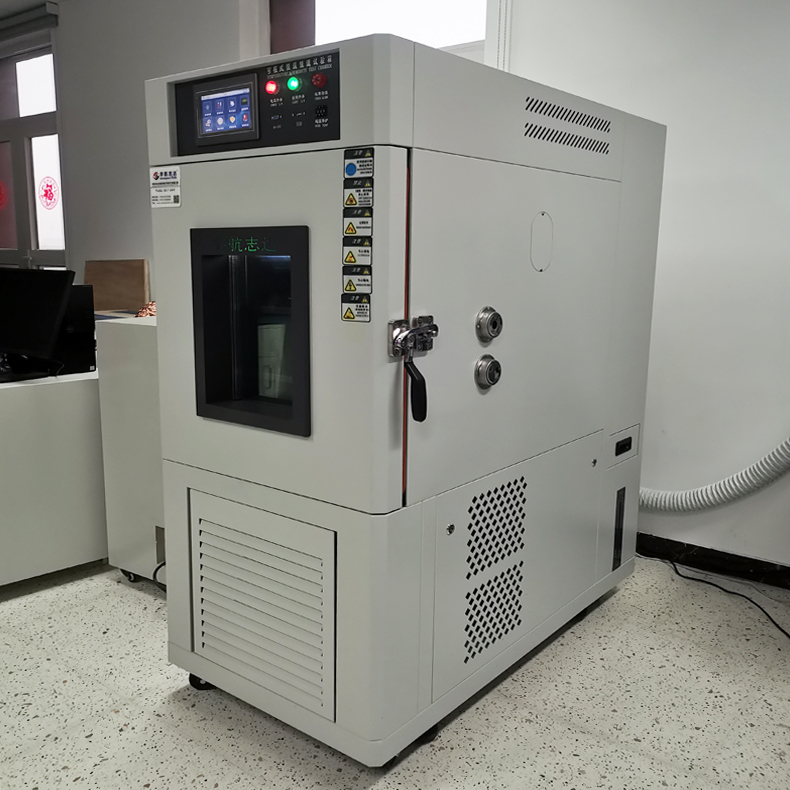
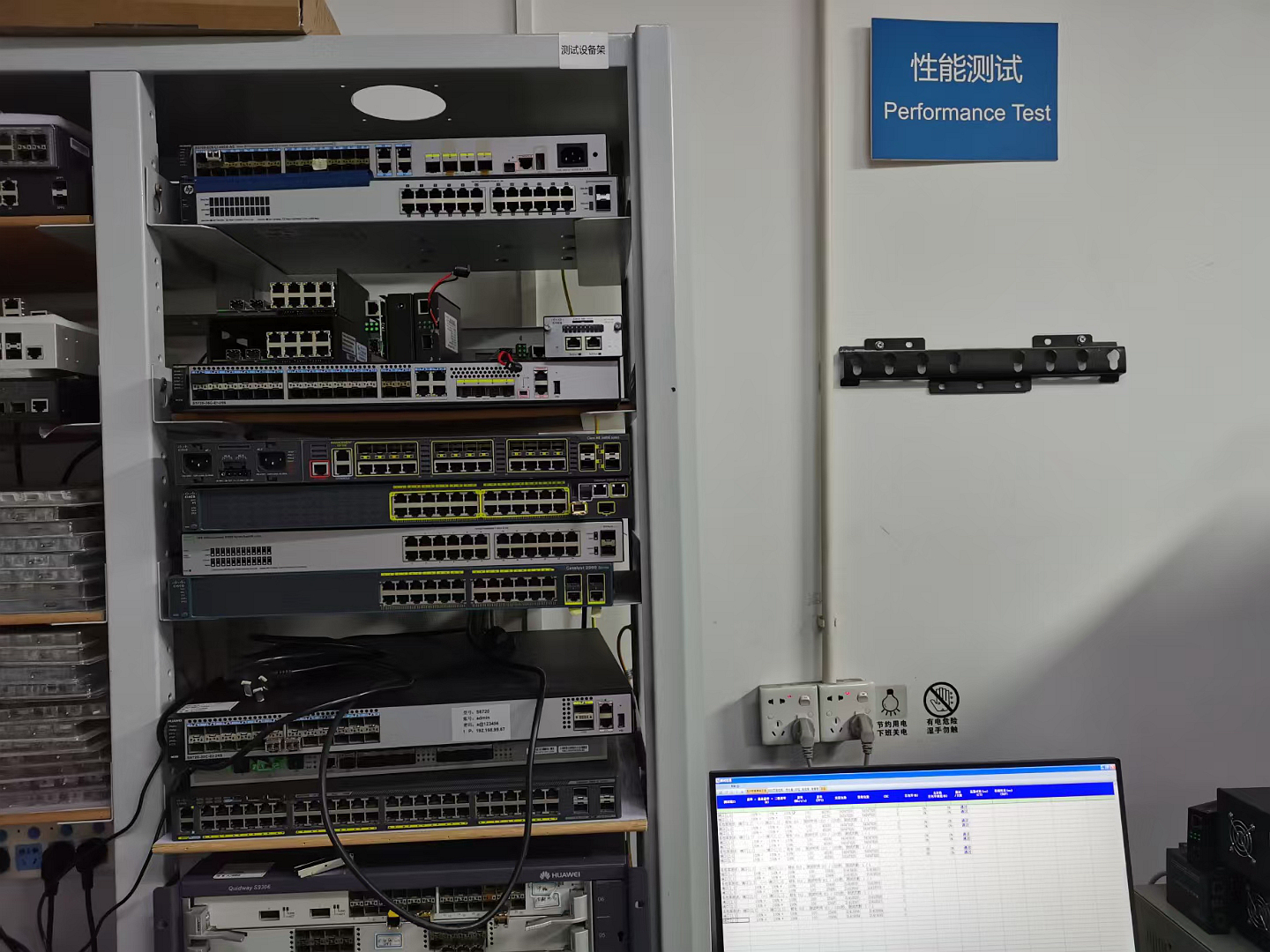
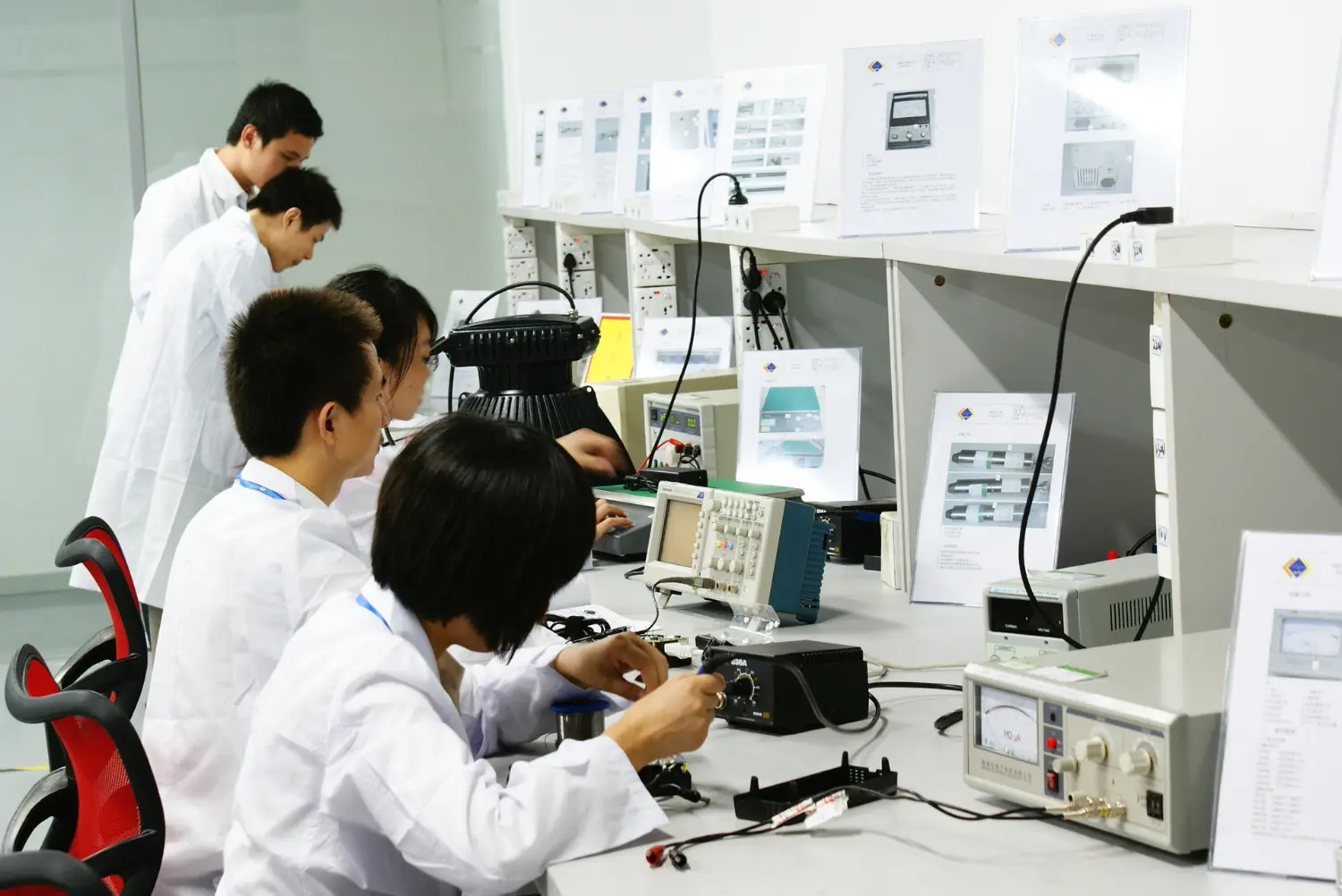
At Soras Technology, we believe that superior quality is the best path for long-term cooperative partnerships. Every custom BiDi module leaving our facility undergoes a strict multi-stage verification checklist to maintain an industry-leading return rate of under 0.05%.
Our manufacturing protocol is backed by ISO 9001 quality management, and every component strictly adheres to international standards including CE, FCC, UL, and RoHS. To ensure optimal performance in harsh telecommunication environments, we conduct specialized testing cycles:
By maintaining complete ownership of the assembly chain—from the SMT line to the final simulation testing—we offer unprecedented customization capabilities. This includes modifying transceiver EEPROM signatures, tuning specific optical power outputs, and matching rare wavelength bands.
As network bandwidth requirements continue to balloon with the introduction of AI computing, VR/AR, and edge computing, optical manufacturers are forced to look beyond 10G speeds. The next technology frontier lies in 25G SFP28 BiDi, 50G QSFP28, and even 100G Single-Lambda BiDi solutions.
Traditional Multi-Source Agreement (MSA) standards are evolving to support higher-order modulations like PAM4 (Pulse Amplitude Modulation 4-level). This allows double the data rates without requiring a physical laser with double the bandwidth. By partnering with a dedicated OEM factory like Soras Technology, engineering departments gain direct access to our ongoing research into advanced packaging technologies, ensuring that your network infrastructure remains future-proof for decades to come.
Frequently Asked Questions by Optical Engineers and Sourcing Managers
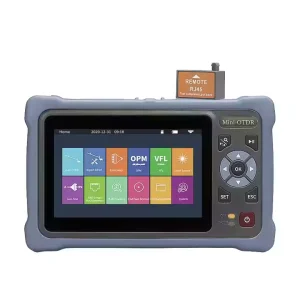
Review our high-speed WDM BiDi transceivers, GPON ONUs, and optical testing instruments designed to meet global carrier demands.
 Soras Tech