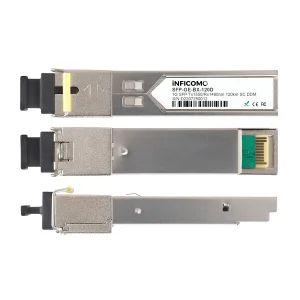
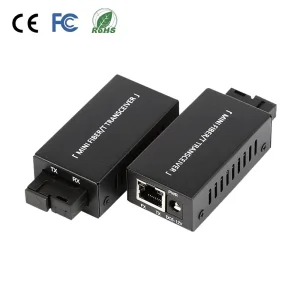
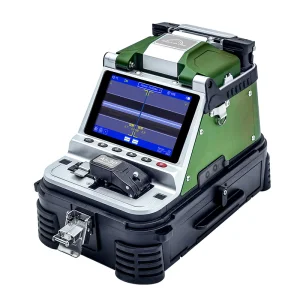
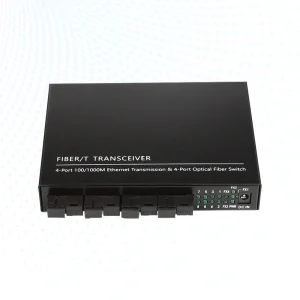
In the rapidly evolving landscape of high-performance computing (HPC), artificial intelligence (AI) workloads, and hyperscale data centers, transmission media selection plays a pivotal role in dictating overall infrastructure performance. Active Optical Cables (AOC) have emerged as the absolute gold standard for short-range high-speed data communications. By integrating optical transceivers at both ends of a high-performance multi-mode or single-mode fiber cable, AOCs bypass the physical limitations of traditional Direct Attach Copper (DAC) cables while avoiding the system complexity of discrete optical transceivers and patch cords.
As the digital economy grows, global enterprise networks face strict bandwidth demands, demanding transitions from legacy 10G/40G architectures to 100G, 400G, and state-of-the-art 800G pathways. Active Optical Cables are uniquely positioned to solve these high-throughput requirements by offering electromagnetic interference (EMI) immunity, lower insertion loss, decreased cable weight, and significantly reduced power consumption budgets compared to copper alternatives.
For procurement directors, systems integrators, and infrastructure architects, understanding the subtle differences in manufacturing quality, silicon photonics integration, and physical assembly protocols is essential. This whitepaper serves as an industry roadmap, dissecting China's advanced manufacturing capabilities, highlighting the engineering excellence of Soraslink (Shenzhen Soras Technology Co., Ltd.), and detailing how technical innovations impact long-term network stability and return on investment (ROI).
Seamless upgrade path from 10G and 25G up to 100G (QSFP28), 400G (QSFP-DD), and 800G (OSFP) to support future-proof optical architectures.
Complete immunity to electromagnetic and radio frequency interference, vital for high-density server racks and industrial environments.
Advanced optical transceivers operate at minimal power profiles, reducing heat generation and data center cooling overheads.
Active Optical Cable technology is moving rapidly towards higher speeds, driven by the explosive growth of artificial intelligence, deep learning models, and hyperscale cloud processing. The technological roadmap of AOC is defined by two primary variables: modulation schemes and light-source integration.
Historically, NRZ (Non-Return-to-Zero) modulation was sufficient for 10G and 25G channels. However, as industry demands shifted to 100G, 200G, and 400G, PAM4 (Pulse Amplitude Modulation 4-Level) became the dominant signaling standard. By transmitting two bits of information per symbol interval, PAM4 effectively doubles the network throughput without requiring double the physical bandwidth of the laser components. At the 800G level, systems deploy 8 channels of 100G PAM4 or 4 channels of 200G PAM4, requiring extreme precision in the internal digital signal processors (DSPs) to manage chromatic dispersion and maintain a low Bit Error Rate (BER).
Vertical-Cavity Surface-Emitting Lasers (VCSELs) operating at 850nm remain the foundational light source for short-range multi-mode fiber AOCs. The current engineering focus centers on increasing the reliability of VCSEL arrays under high thermal loads, ensuring consistent performance over long deployment lifecycles.
As speeds surpass 800G and head toward 1.6T, silicon photonics steps in. By integrating optical components directly onto silicon substrates, SiPh achieves unprecedented levels of component density, reduces fabrication costs through CMOS-compatible manufacturing, and lowers thermal dissipation.
Looking to the future, Co-Packaged Optics represents the ultimate architectural integration. By placing the optical engine on the same substrate as the network switch ASIC, CPO eliminates the electrical traces between the switch and pluggable transceivers, reducing power consumption by up to 30%.
Advanced optical connectivity isn't just about cables; it's about solving real-world challenges across diverse sectors. Here is how modern Active Optical Cables and high-speed networking components integrate into global industries:
Modern data centers require dense, high-bandwidth connections between top-of-rack (ToR) switches and leaf-spine layers. AOCs allow for high cable density in cable trays due to their thin profile and flexibility. The absence of electrical signals inside the fiber lines eliminates internal EMI issues, enabling tightly packed rack configurations that maximize space efficiency and air cooling flow.
Artificial Intelligence model training requires parallel processing over thousands of GPUs. The interconnecting network must feature ultra-low latency and lossless data transmission. Leveraging specialized high-performance optical transceiver modules and AOC cables enables the throughput speeds required for both InfiniBand and high-speed Ethernet fabrics, preventing data transfer bottlenecks during intensive computing cycles.
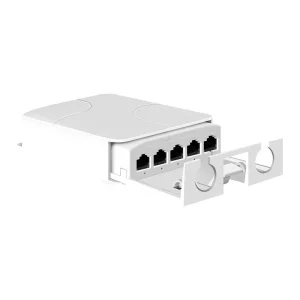
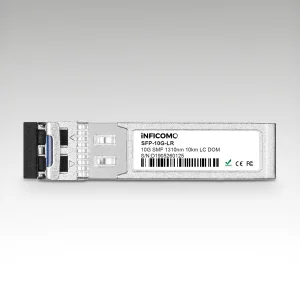
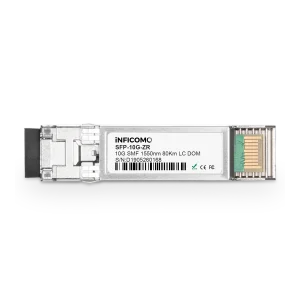
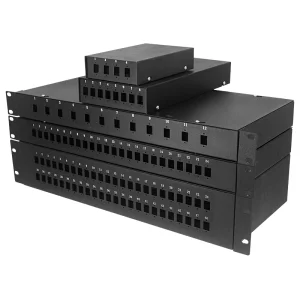
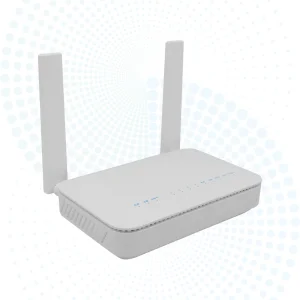
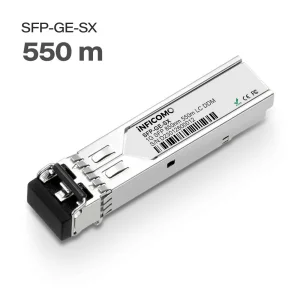
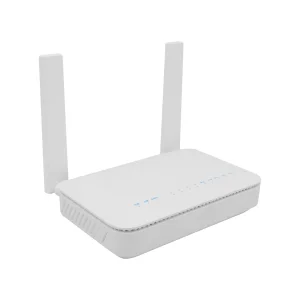
As carriers deploy 5G network towers and localized micro-cells, the demand for fast, weatherproof transmission devices has skyrocketed. Reliable GPON OLT/ONU systems, SFP modules, and outdoor fiber termination points ensure robust connections from edge stations back to central offices, ensuring steady connections even under harsh weather conditions.
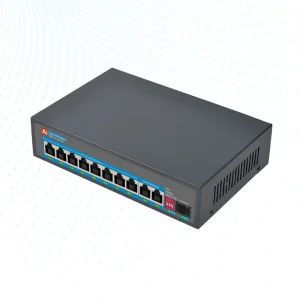
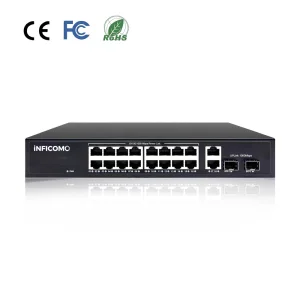
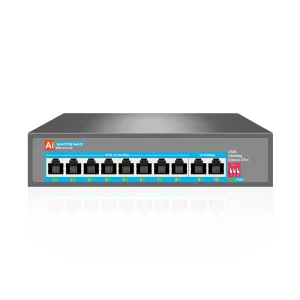
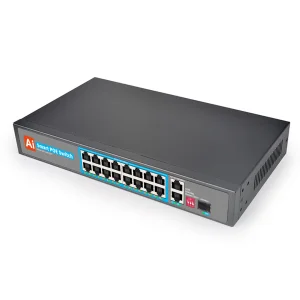
For smart cities and automated production environments, power and data convergence is crucial. Integrating industrial-grade PoE switches, media converters, and long-range network repeaters allows security systems to run high-definition cameras over long distances with minimal power loss, guaranteeing steady data feedback to centralized monitoring hubs.
In the global electronic manufacturing ecosystem, China's manufacturing capacity has moved from simple product assembly to highly automated, smart factories. Shenzhen Soras Technology Co., Ltd. (Soraslink) stands at the forefront of this industrial transition. Established in 2021 and located in the core technological manufacturing hub of Guangdong, China, Soraslink combines R&D expertise with advanced manufacturing processes to deliver top-tier optical and networking solutions.
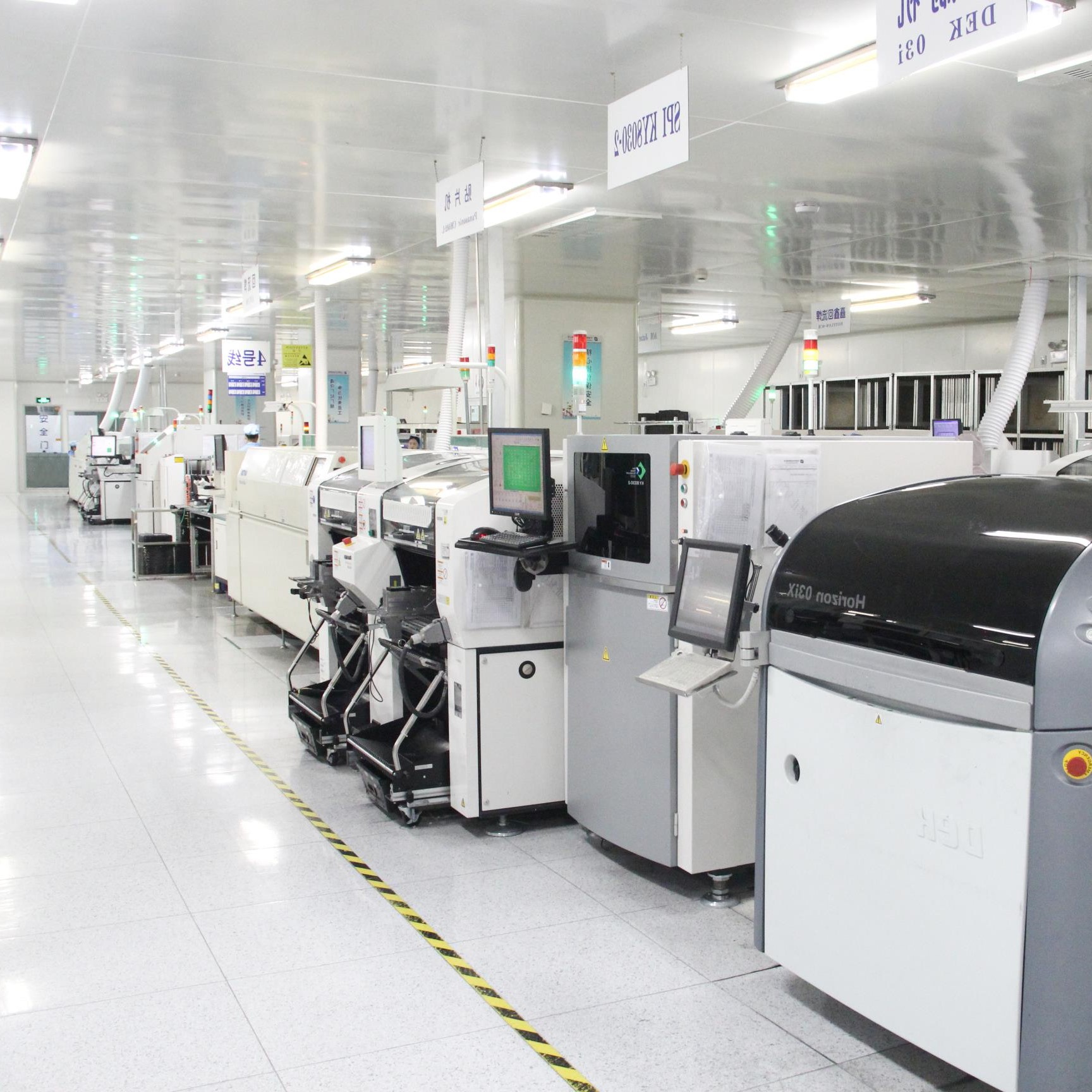
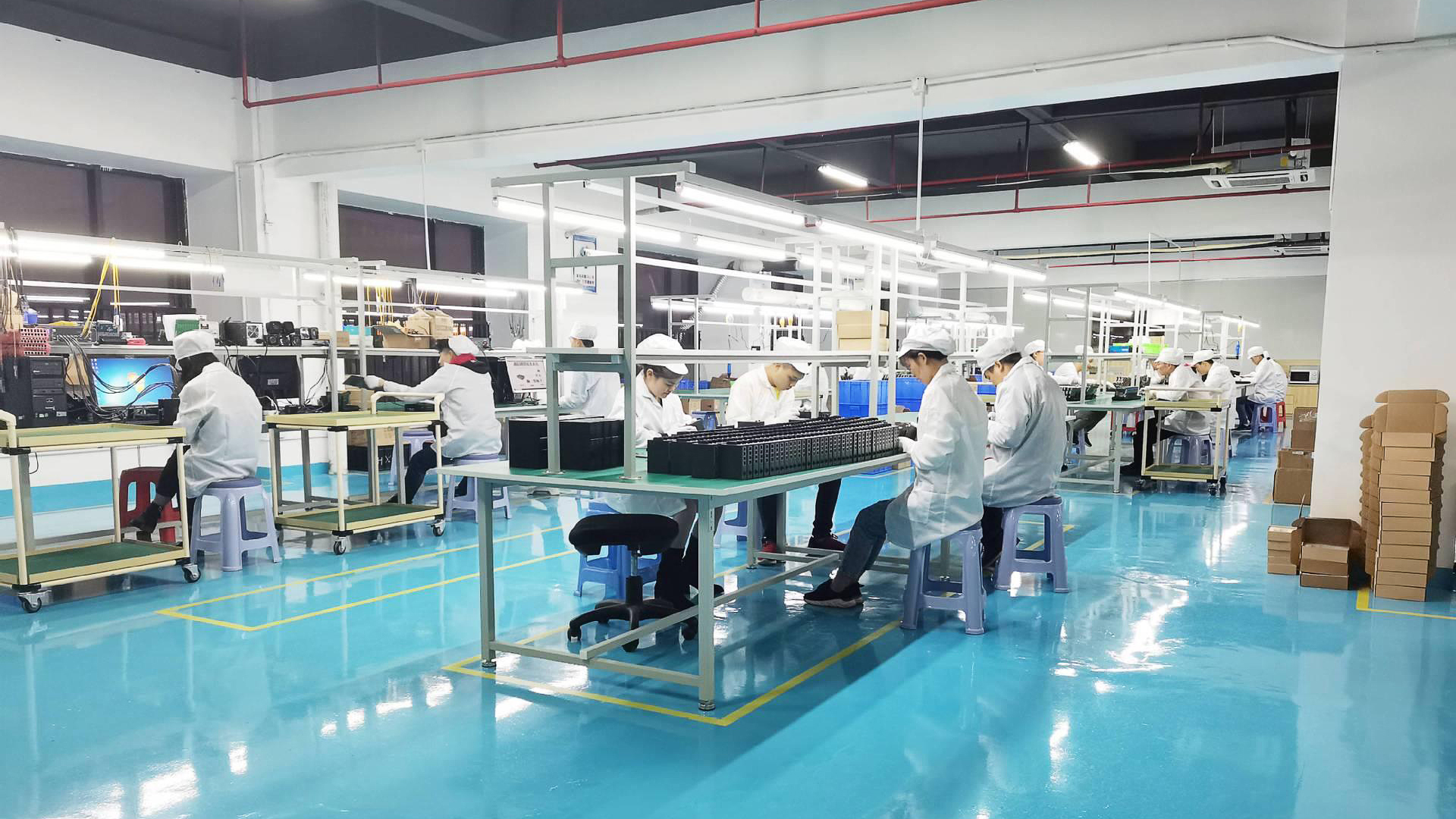
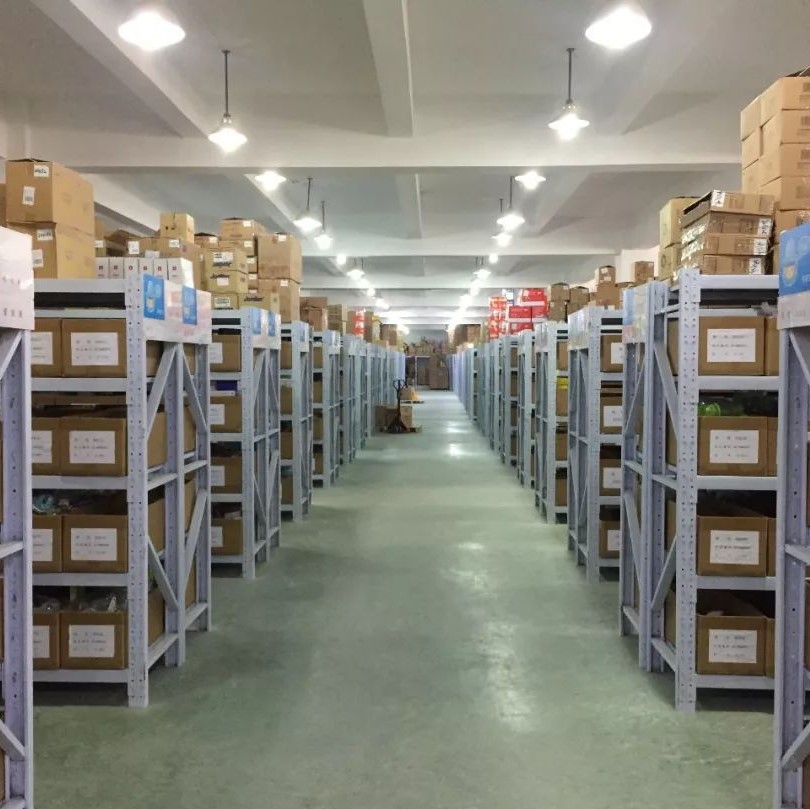
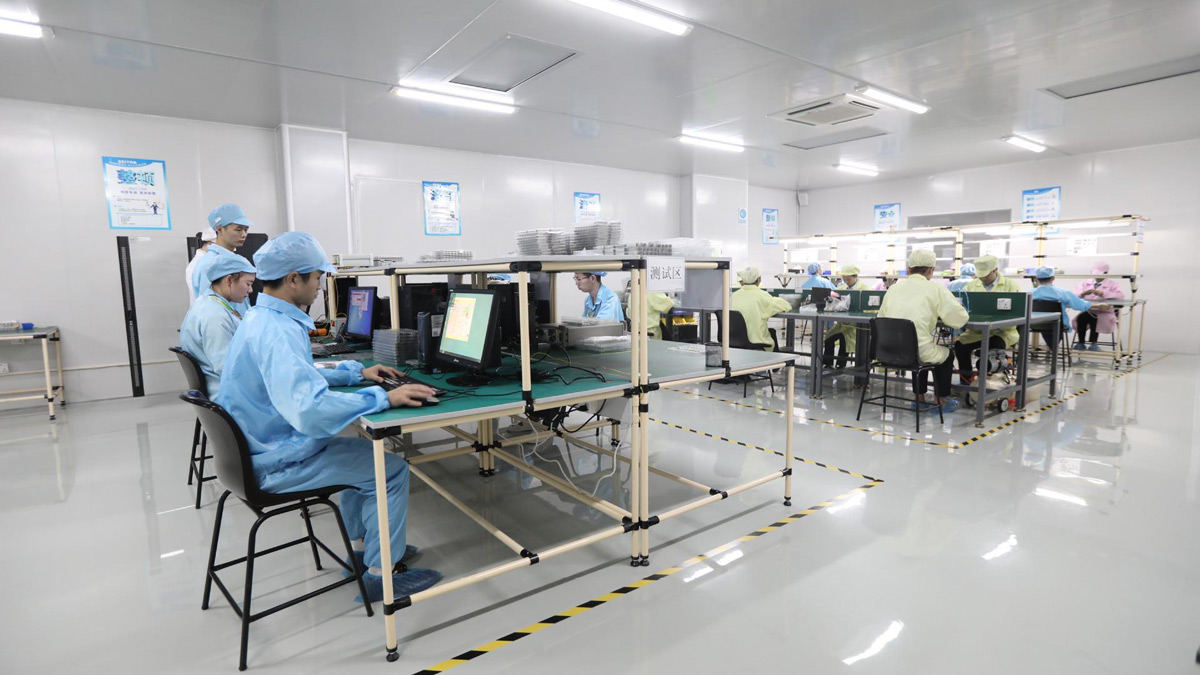
With a focus on high-quality management and continuous innovation, Soraslink operates state-of-the-art production environments, including automated SMT (Surface Mount Technology) lines, dedicated assembly spaces, and comprehensive testing rooms. The company serves telecom operators, enterprise networks, and system integrators across more than 60 countries, with a strong market presence in North America, South America, Europe, and East Asia.
| Business Type | Manufacturer & Exporter | Country / Region | Guangdong, China |
| Main Products | FTTH ONU & OLT, SFP Modules, AOC, Fiber Media Converters, PoE Switches | Total Employees | 11 - 50 Professional Staff |
| Annual Revenue | US$5 Million - US$10 Million | Year Established | 2021 |
| Core Markets | Domestic Market (24%), Eastern Asia (15%), North America (15%), Europe, South America | Certifications | ISO 9001, UL, CE, FCC, RoHS Compliant |

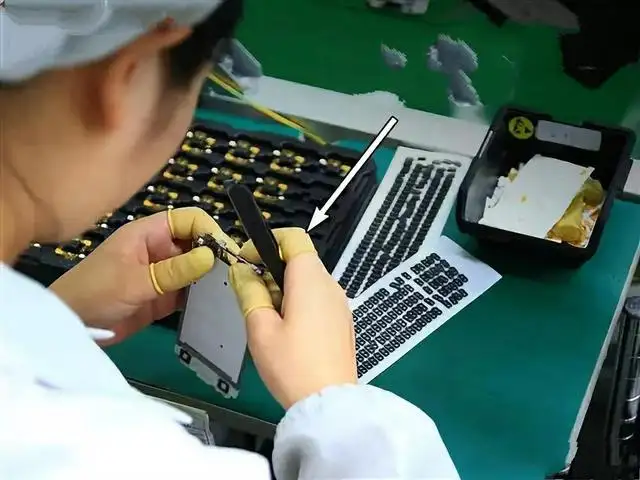
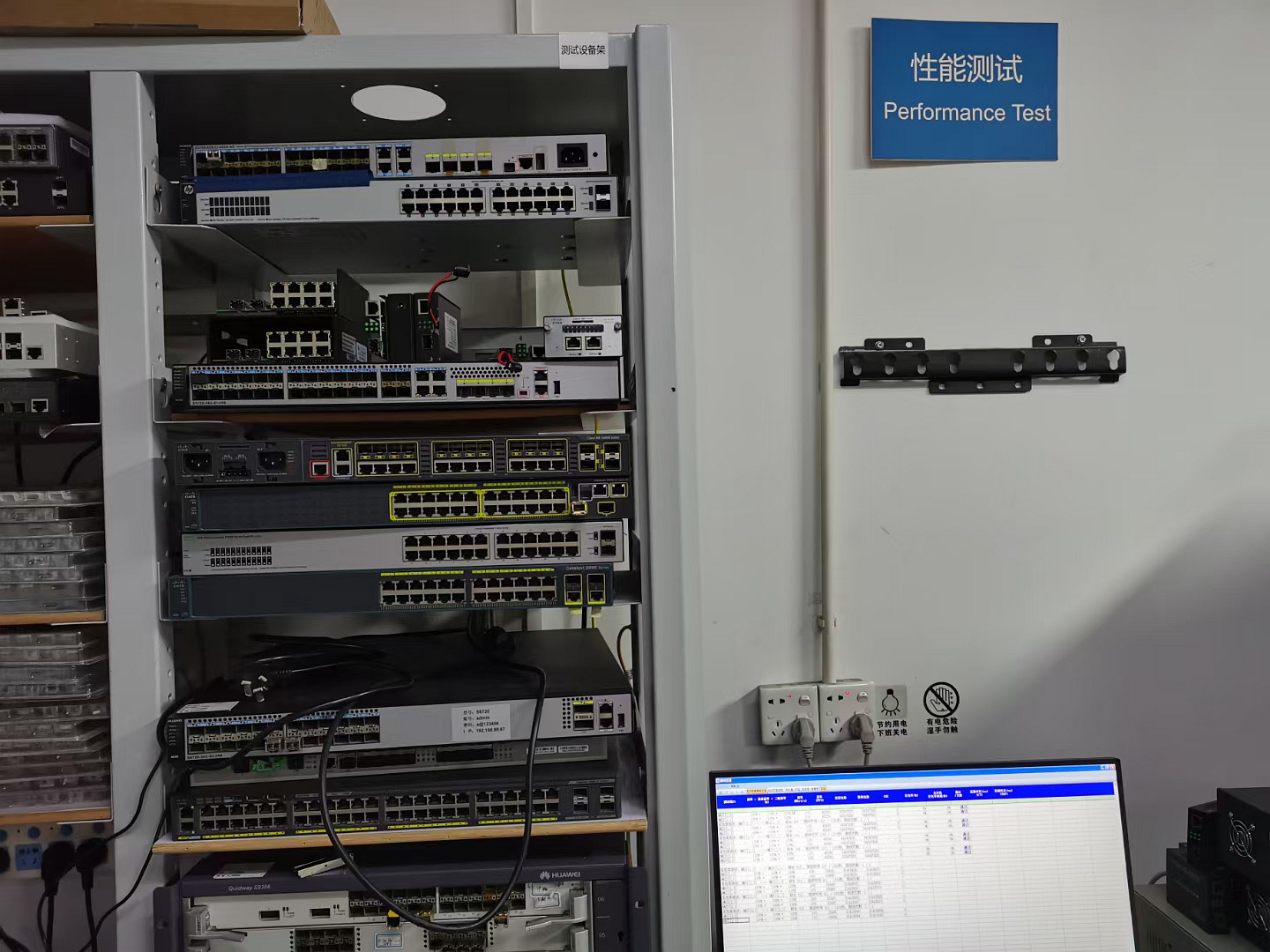
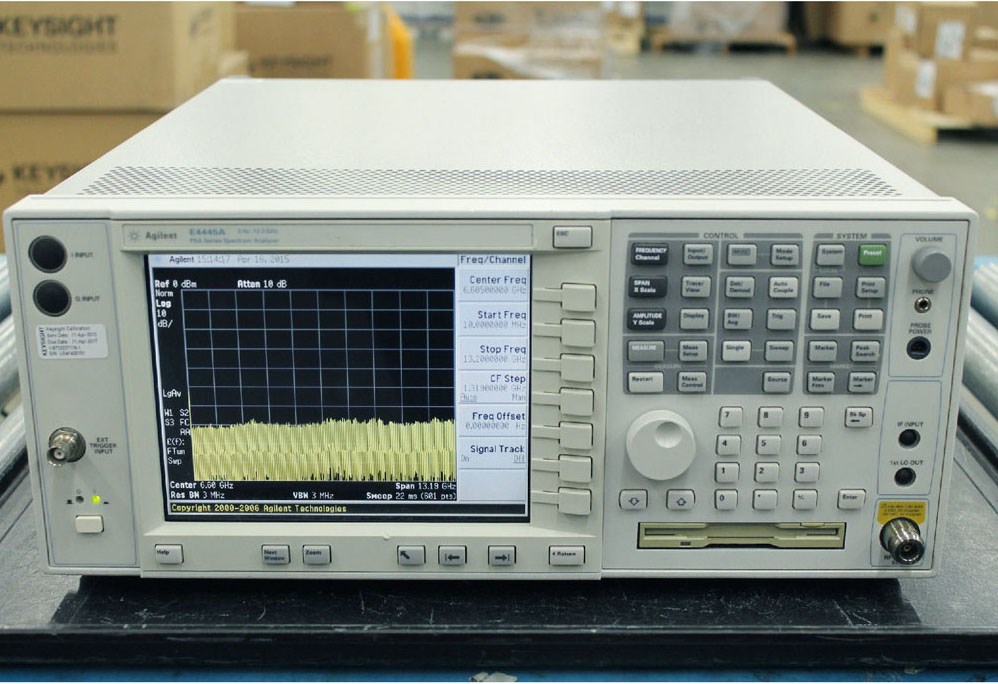
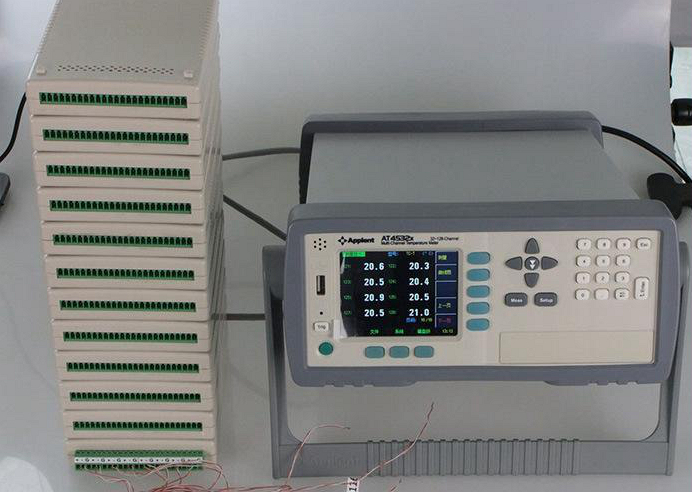
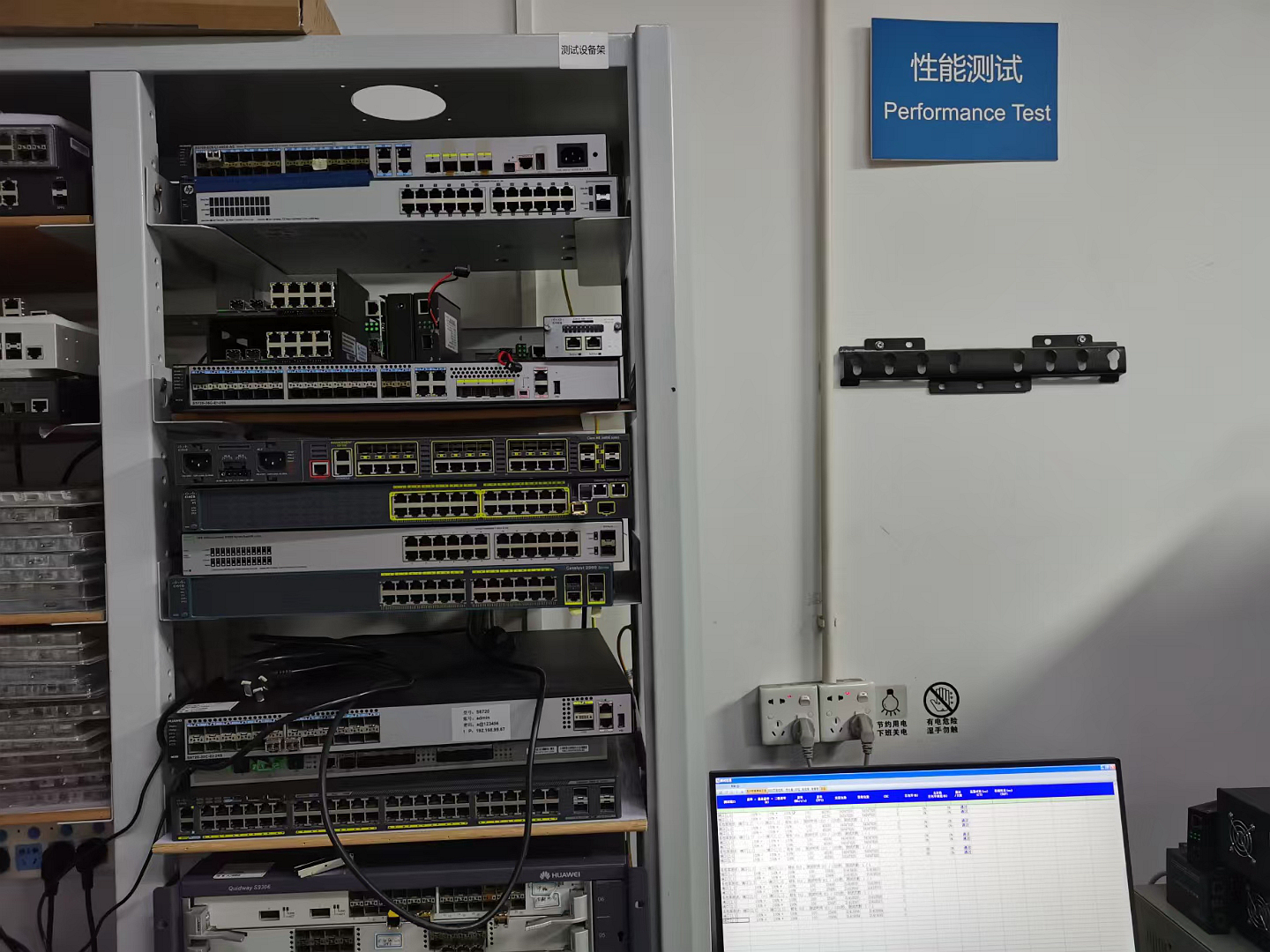
Ensuring high reliability in optical communication equipment requires strict cleanroom standards and multi-stage testing. From SMT component placement to final functional testing, every step is closely monitored to prevent errors and ensure stable long-term performance.
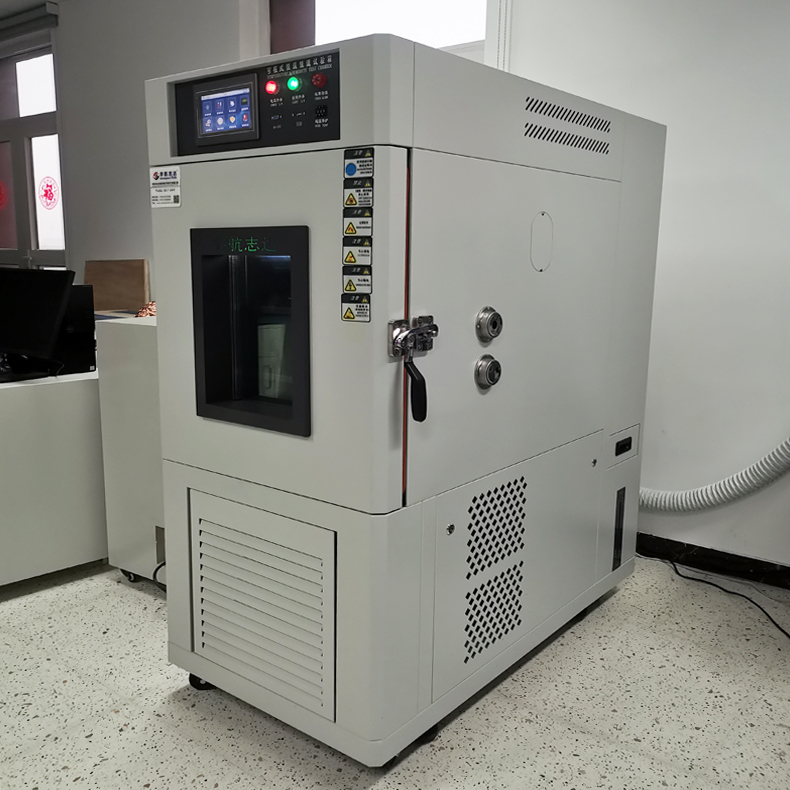
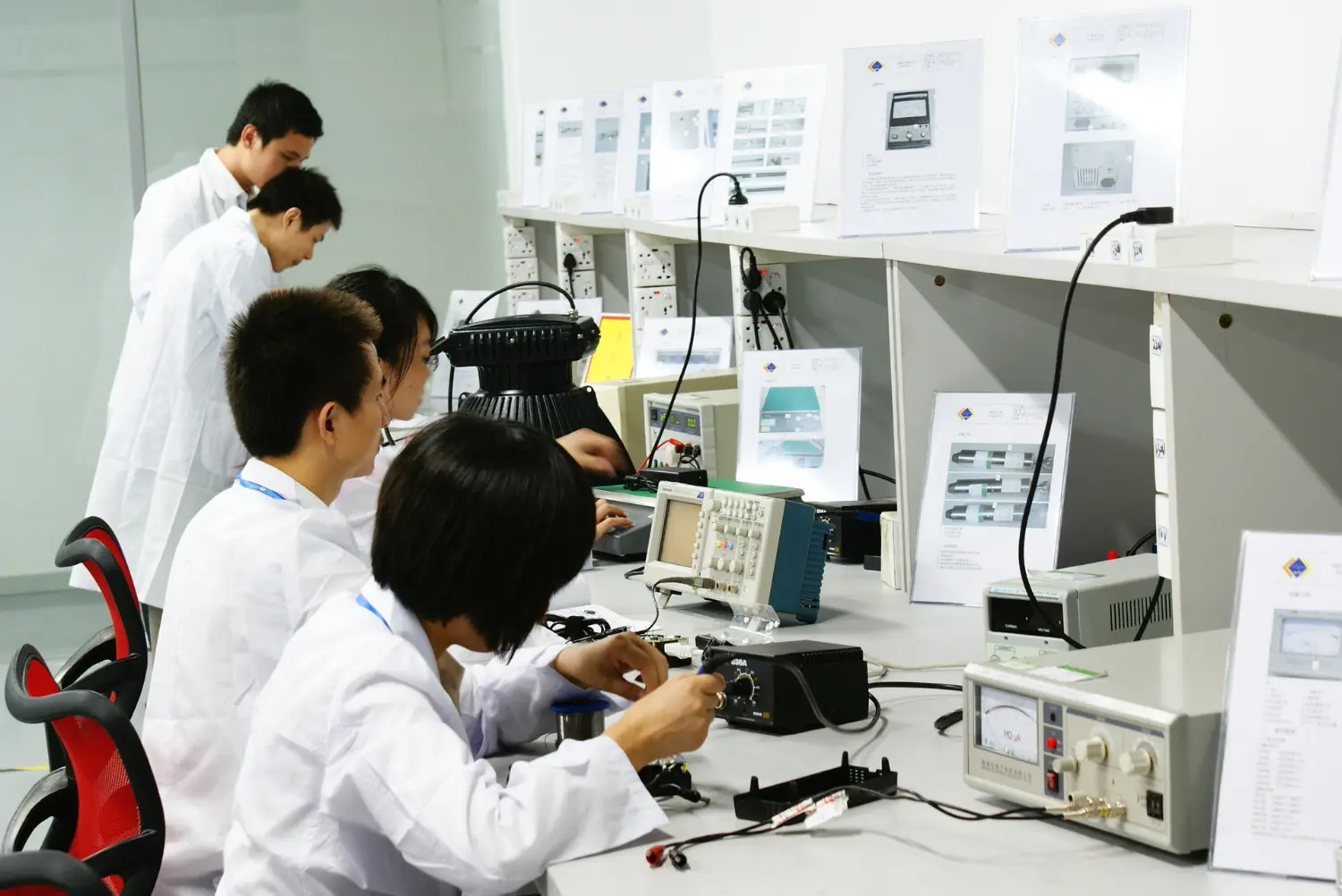
Entering international markets requires deep knowledge of regulatory standards, regional environmental directives, and customs processes. To ensure smooth integration into overseas markets, telecom equipment must hold recognized compliance certifications:
Guarantees that active transceiver units conform to European Economic Area (EEA) safety, health, and environmental protection standards, and comply with FCC electromagnetic emission limits in North America.
Ensures all component parts, PCB coatings, and casing plastics are free from hazardous substances, conforming to strict EU environmental laws and facilitating effortless customs clearing.
Confirms the electrical safety design, flame retardancy of cable jackets (OFNP plenum/OFNR riser), and power adapters meet global consumer safety guidelines.
Beyond product compliance, Soraslink provides end-to-end logistics coordination. Our teams manage customs paperwork, export declarations, and international shipping options to streamline delivery to regional distributors and enterprise warehouses worldwide.
Procuring high-speed network infrastructure components is a highly technical process. Buyers must navigate equipment compatibility, hardware requirements, and lead times to ensure successful deployments. Soraslink supports international buyers with a structured OEM/ODM framework:
Different networks require specific settings. Soraslink offers complete customization options, including custom cable lengths, custom outer jacket materials (LSZH, PVC, Plenum), custom corporate branding, and tailored logo printing to fit your organization's exact deployment specifications.
One of the biggest concerns in optical deployment is switch compatibility. Our engineers flash and test each optical transceiver module using actual brand switches (Cisco, Arista, Juniper, HP, Dell) in our labs, ensuring error-free configuration and instant plug-and-play installation upon arrival.
To accelerate lead times, ensure your RFPs contain detailed specifications, including target transmission distance, operating temperature range (commercial vs. industrial), target device brands, fiber type (OM3/OM4/OM5 or single-mode), and compliance certifications.
Find answers to common questions about Active Optical Cables, transceiver modules, and factory partnership models:
Direct Attach Copper (DAC) cables use copper wiring to connect hardware, making them cost-effective but heavy, susceptible to EMI, and limited to short distances (under 7 meters). Active Optical Cables (AOC) use fiber optics, allowing for lighter weights, longer reach (up to 100 meters or more), higher signal integrity, and complete immunity to electrical interference.
Our lab features switch testing stations equipped with major brands like Cisco, Juniper, Arista, and Dell. During production, we write custom EEPROM firmware code and test each module directly on these platforms to verify error-free diagnostic monitoring (DOM) and prevent hardware locking issues.
Yes. We understand that large projects require testing and verification. Soraslink supports flexible order structures and low MOQs for initial qualification trials, allowing your engineering team to verify compatibility before committing to volume purchases.
All our major products, including fiber media converters, SFP modules, and switches, carry CE, FCC, and RoHS certifications. Our manufacturing facility operates under the ISO 9001 quality management framework, ensuring consistent quality standards from raw materials to final shipping.
Standard product orders typically ship within 7 to 15 business days, depending on inventory levels and order volume. Custom OEM/ODM runs, which include custom branding, packaging design, or specialized cable lengths, generally require 3 to 4 weeks for complete production and quality control testing.
 Soras Tech