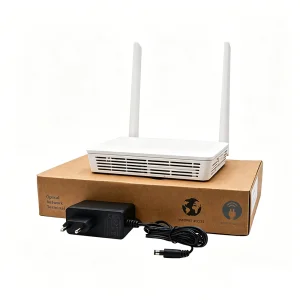
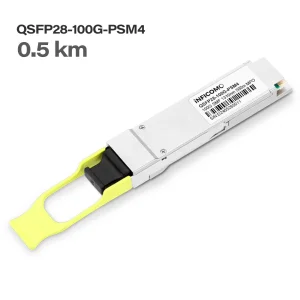
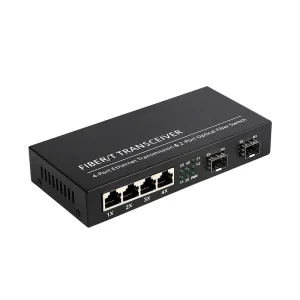
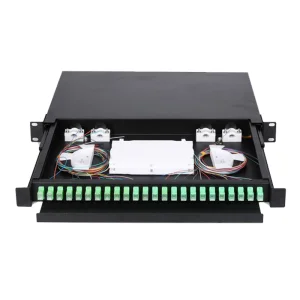
Explore our key industrial communication components engineered to achieve zero-packet-loss rates, superior EMI resilience, and massive bandwidth scaling.
As next-generation hyperscale computing, artificial intelligence (AI) training clusters, and big-data centers expand exponentially, the demand for high-speed, high-density, and low-latency interconnects has reached unprecedented levels. Historically, Direct Attach Copper (DAC) cables served as the standard choice for short-reach systems. However, as link rates cross 56Gbps and 112Gbps per channel using PAM4 (Pulse Amplitude Modulation 4-level) technology, physical copper interfaces experience severe challenges. Factors like skin effect, high insertion loss, bulkiness, and vulnerability to Electromagnetic Interference (EMI) drastically limit copper's reach at higher bandwidths.
Sourcing optical interconnect systems from an established, certified manufacturer like Shenzhen Soras Technology Co., Ltd. (Soraslink) ensures that enterprise purchasers acquire assemblies optimized for low power consumption, minimal Bit Error Rates (BER), and high thermal efficiency. Our comprehensive integration of modern active optical links facilitates seamless migration paths from 10G/25G legacy configurations directly into 100G, 400G, and future-ready 800G switch environments.
Active Optical Cables operate by receiving electrical signals at the switch interface, converting them into optical signals using laser diode arrays (typically VCSELs, Vertical-Cavity Surface-Emitting Lasers), and transmitting the light through multi-mode optical fiber (OM3 or OM4). At the remote end, photodiode arrays convert the optical signals back into electrical formats. This configuration offers distinct performance metrics compared to standalone transceivers and copper assemblies:
AOC assemblies easily maintain signal integrity over spans up to 100 meters, far exceeding the 3-to-5 meter limitations of passive DAC systems at speeds of 100G and above.
Because the primary transmission channel is optical glass rather than copper, AOCs are completely impervious to EMI, radio frequency interference, and crosstalk, ensuring reliable data paths.
Unlike optical transceivers which require separate fiber patch panels and cleaning of exposed optical connectors, AOCs feature sealed, pre-terminated optical engines that minimize dust insertion and configuration faults.
Sourcing interconnect solutions from a reliable China AOC Cable Supplier involves matching hardware specifications with the deployment topologies of modern networks. Enterprises, telecom carriers, and data center operators require products that offer interoperability with broad multi-source agreements (MSAs) and switch vendors (such as Cisco, Arista, Juniper, and Huawei). Shenzhen Soras Technology Co., Ltd. satisfies these strict criteria, providing comprehensive ODM and OEM capabilities backed by extensive testing.
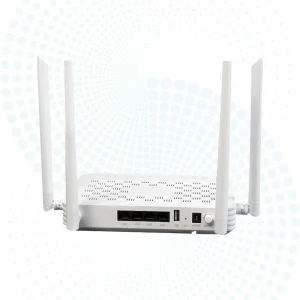
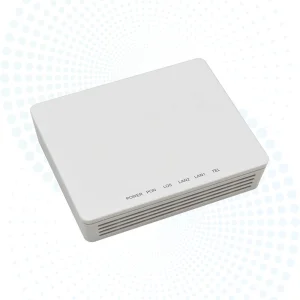
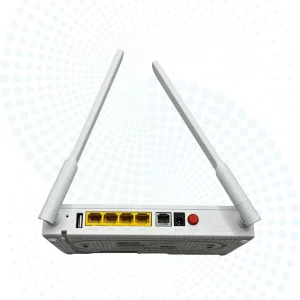
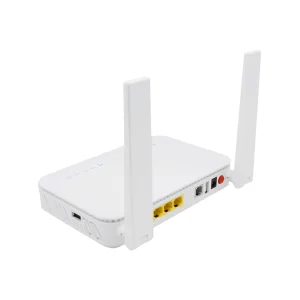
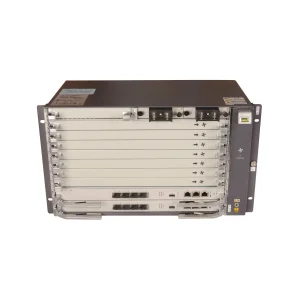
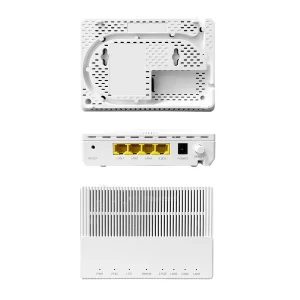
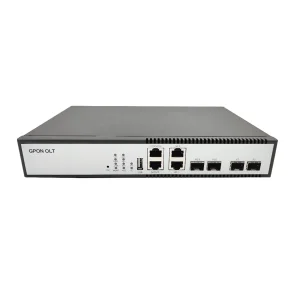
Our operational approach focuses on integrating terminal nodes (such as GPON/EPON ONUs and OLTs) with core routing backbones and distribution layers using high-speed SFP+, QSFP28, and QSFP-DD interconnects. By implementing a systematic layout, corporate networks benefit from reduced latency, lower structural cable load, and decreased power consumption in top-of-rack (ToR) and leaf-spine architectures.
| Interconnect Type | Typical Distance | Data Rate Options | Primary Deployment Use Case | Key Performance Advantages |
|---|---|---|---|---|
| Active Optical Cables (AOC) | 1m - 100m | 10G to 400G / 800G | Intra-rack, Inter-rack, ToR to Leaf Switch connections | Lightweight, thin bend radius, zero optical cleaning needed, low latency |
| Direct Attach Copper (DAC) | 0.5m - 5m | 10G to 400G | Direct intra-rack patching | Very low power consumption, lowest hardware cost, high electromagnetic susceptibility |
| Discrete Transceivers & Fibers | Up to 40km+ | 1.25G to 800G | Inter-building, Campus Backbones, WAN, FTTx link | Maximum flexibility, longer reach, high component exposure, complex installation |
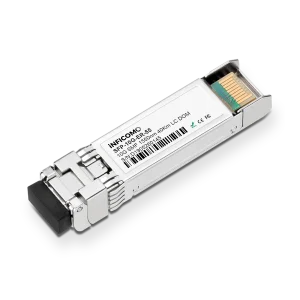
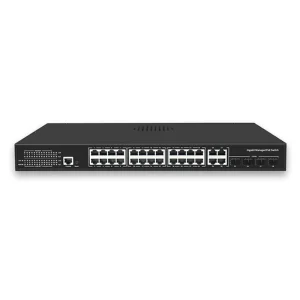
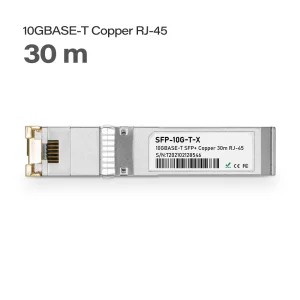
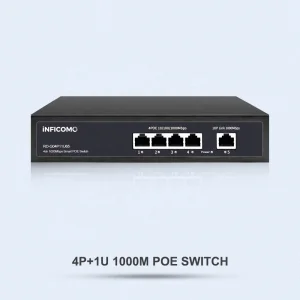
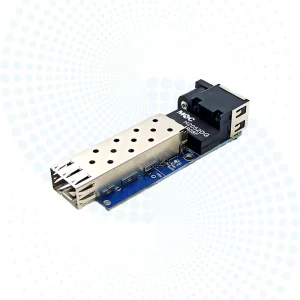
Shenzhen Soras Technology Co., Ltd. supplies high-performance SFP and QSFP modules designed to integrate with diverse networking infrastructure. Whether routing via XPON ONU modems or high-port-density L2 Managed Gigabit PoE Ethernet Switches, our optical transceivers deliver stable power budgets and low insertion loss to preserve signal integrity.
To ensure high quality, reliability, and performance consistency, Soraslink relies on state-of-the-art production processes and testing equipment at our facilities. Our manufacturing and inspection workflows verify that every item meets strict standards before leaving the factory.

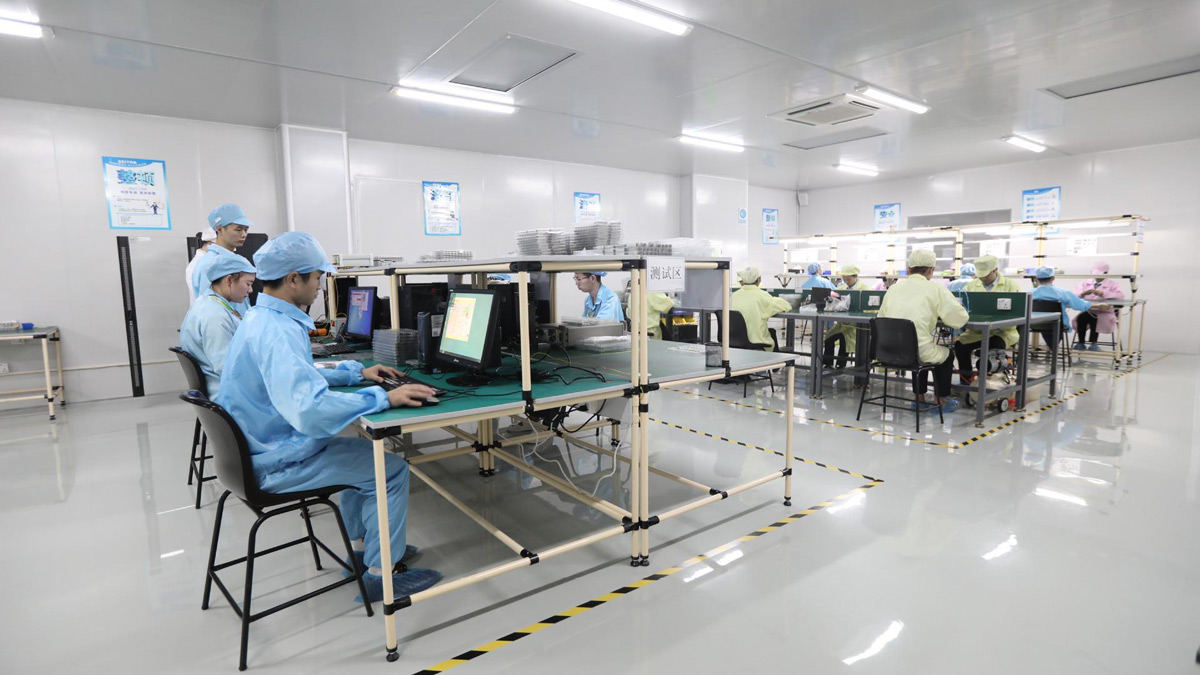
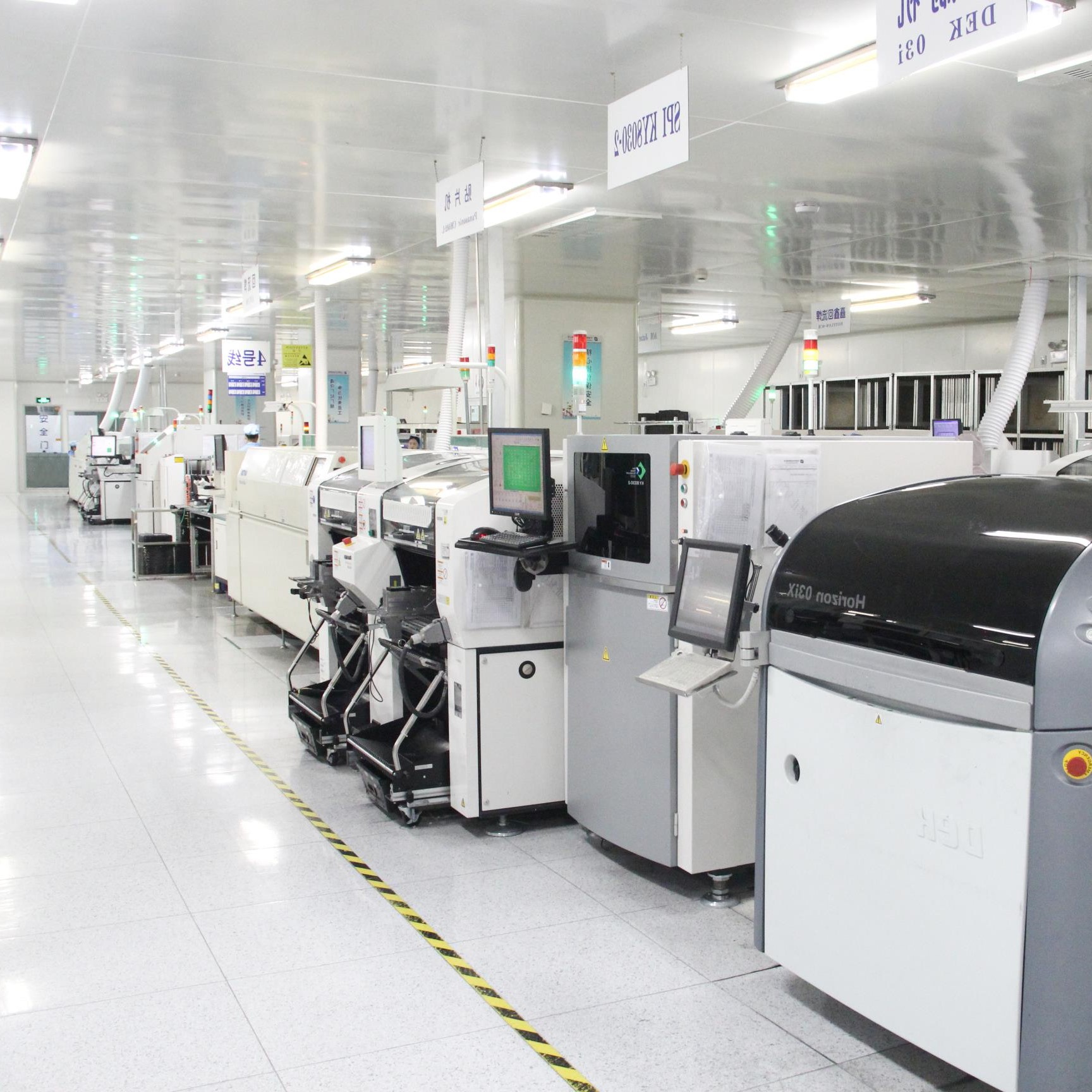
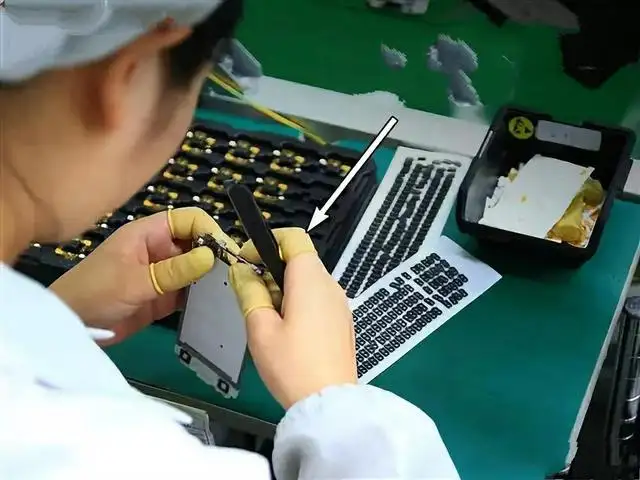
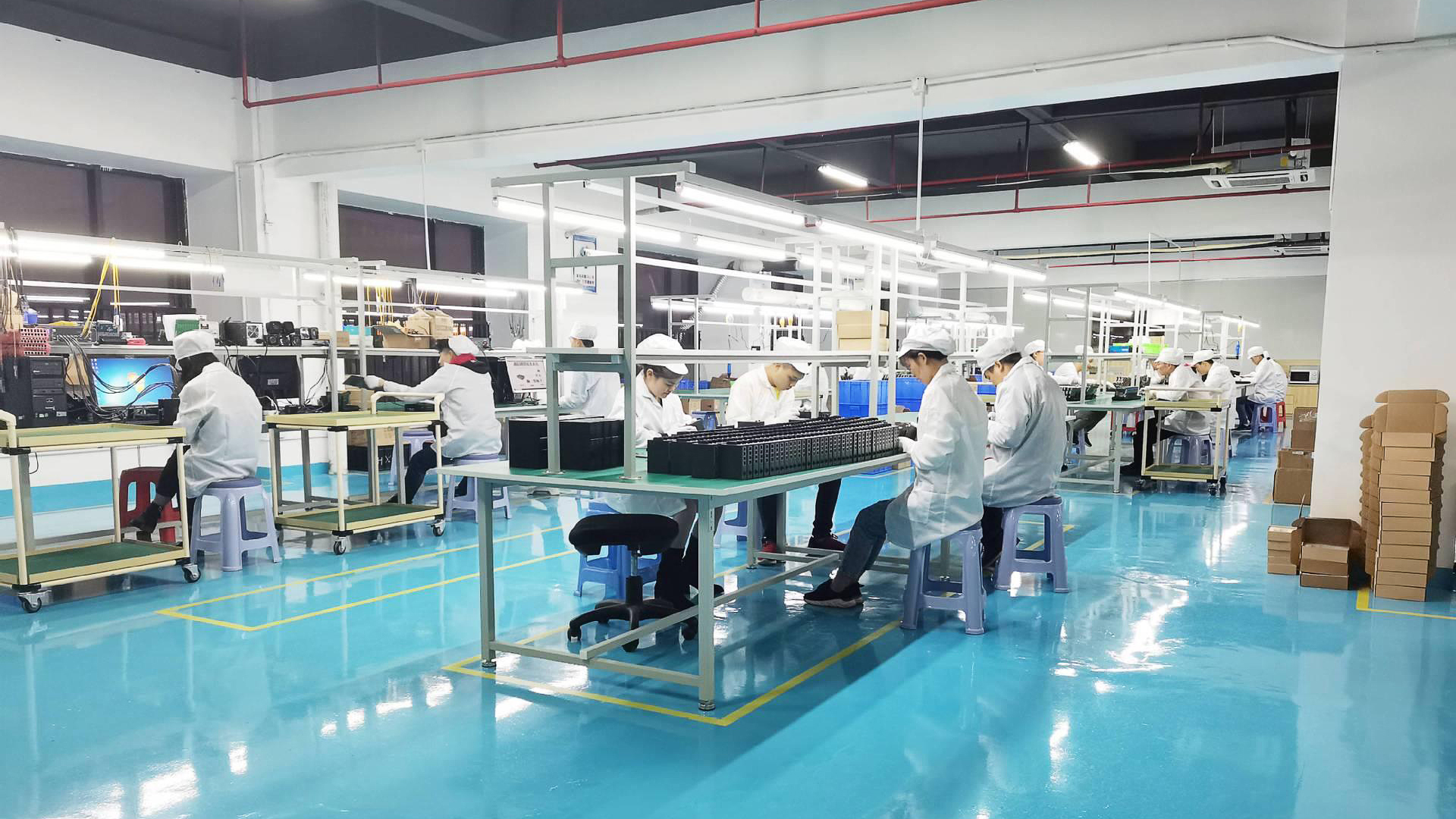
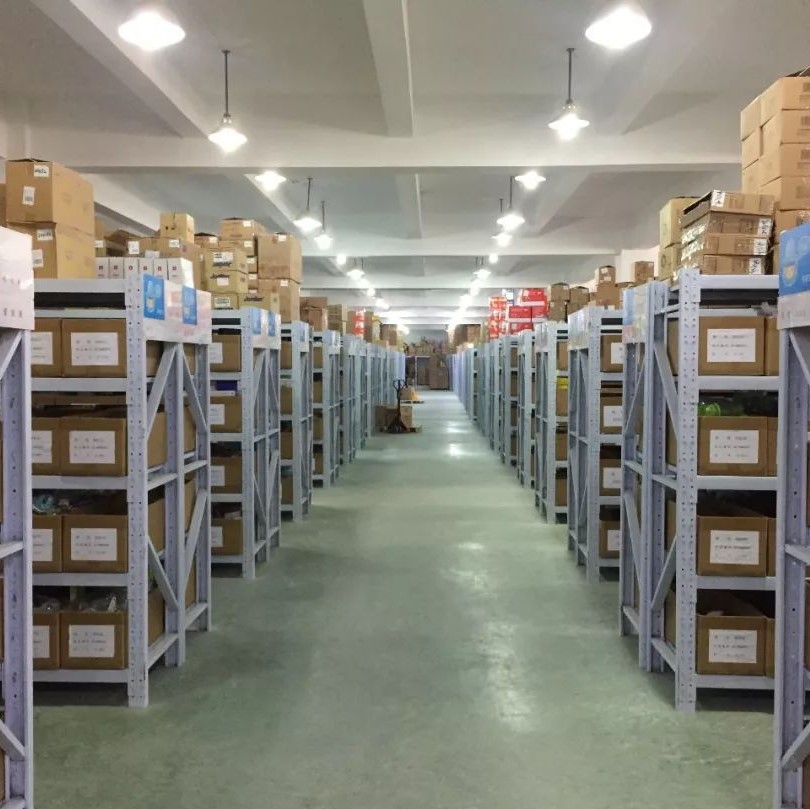
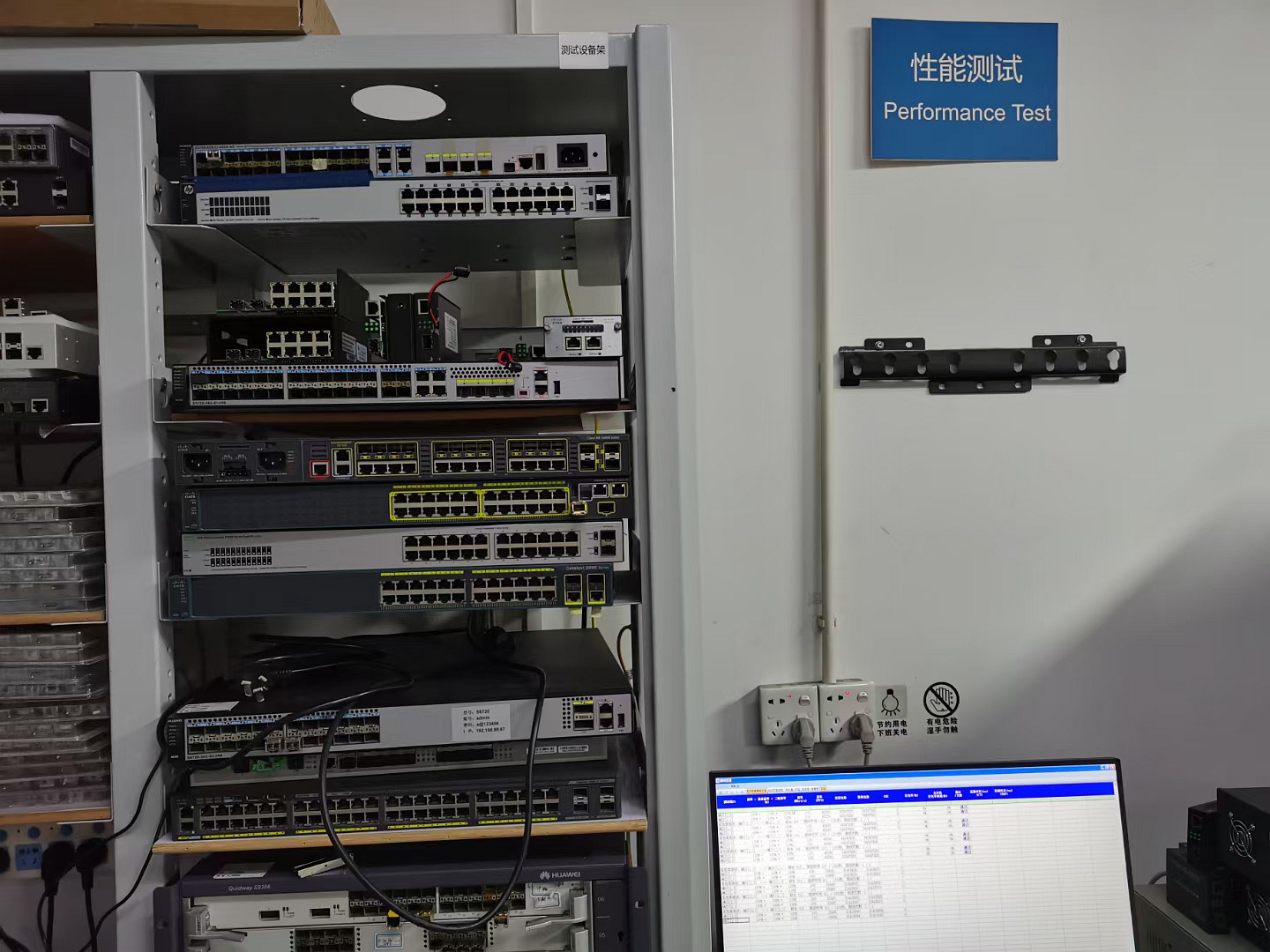
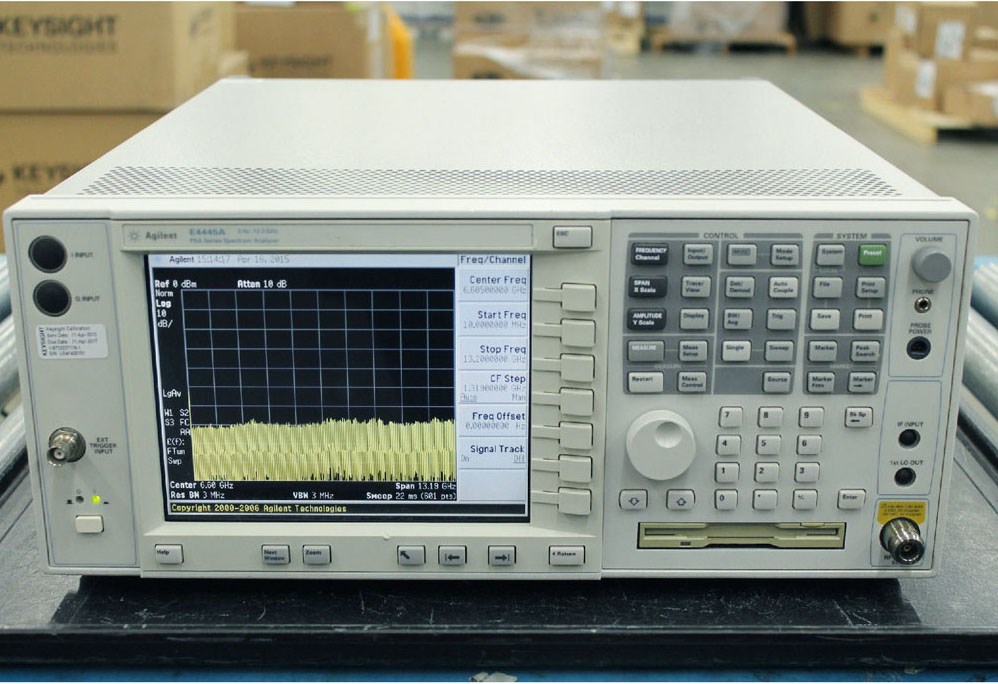
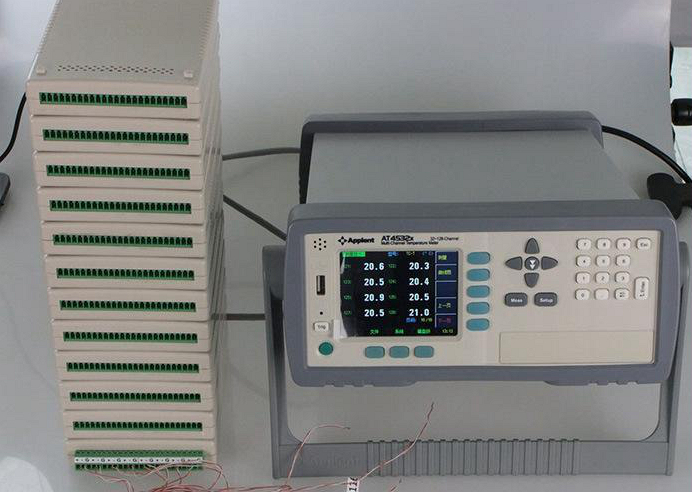
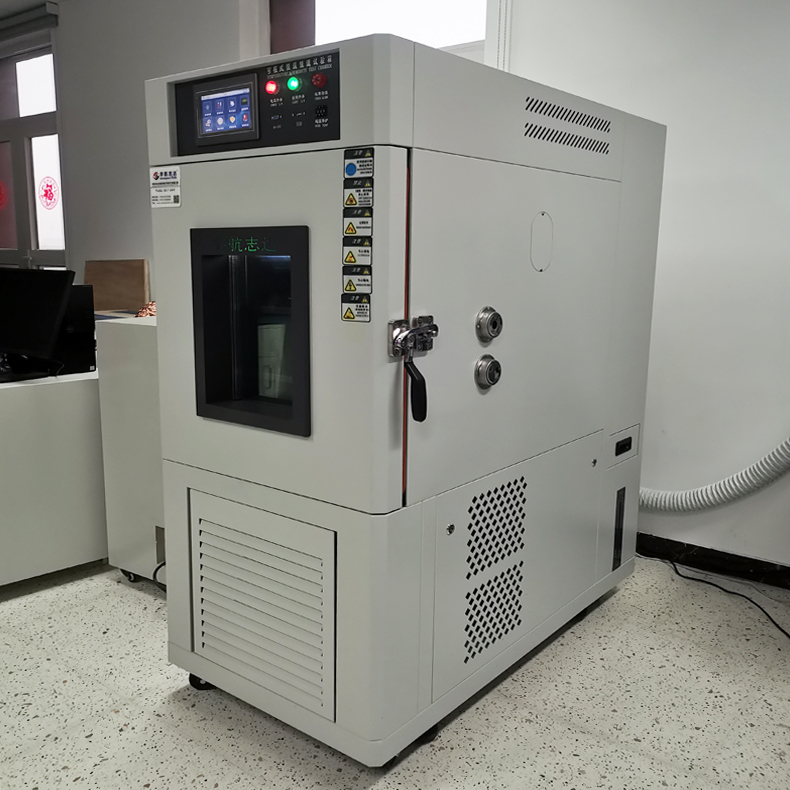
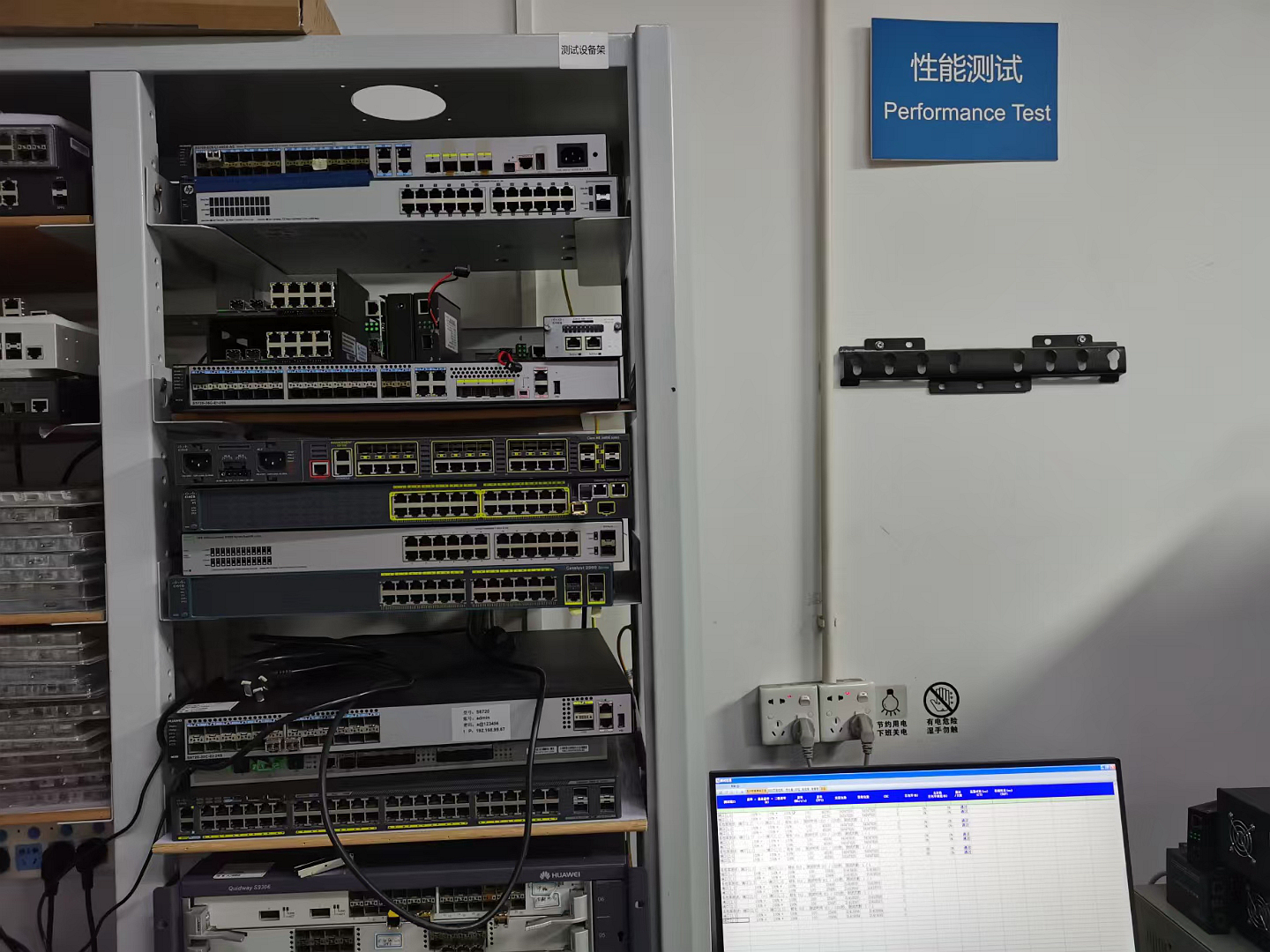
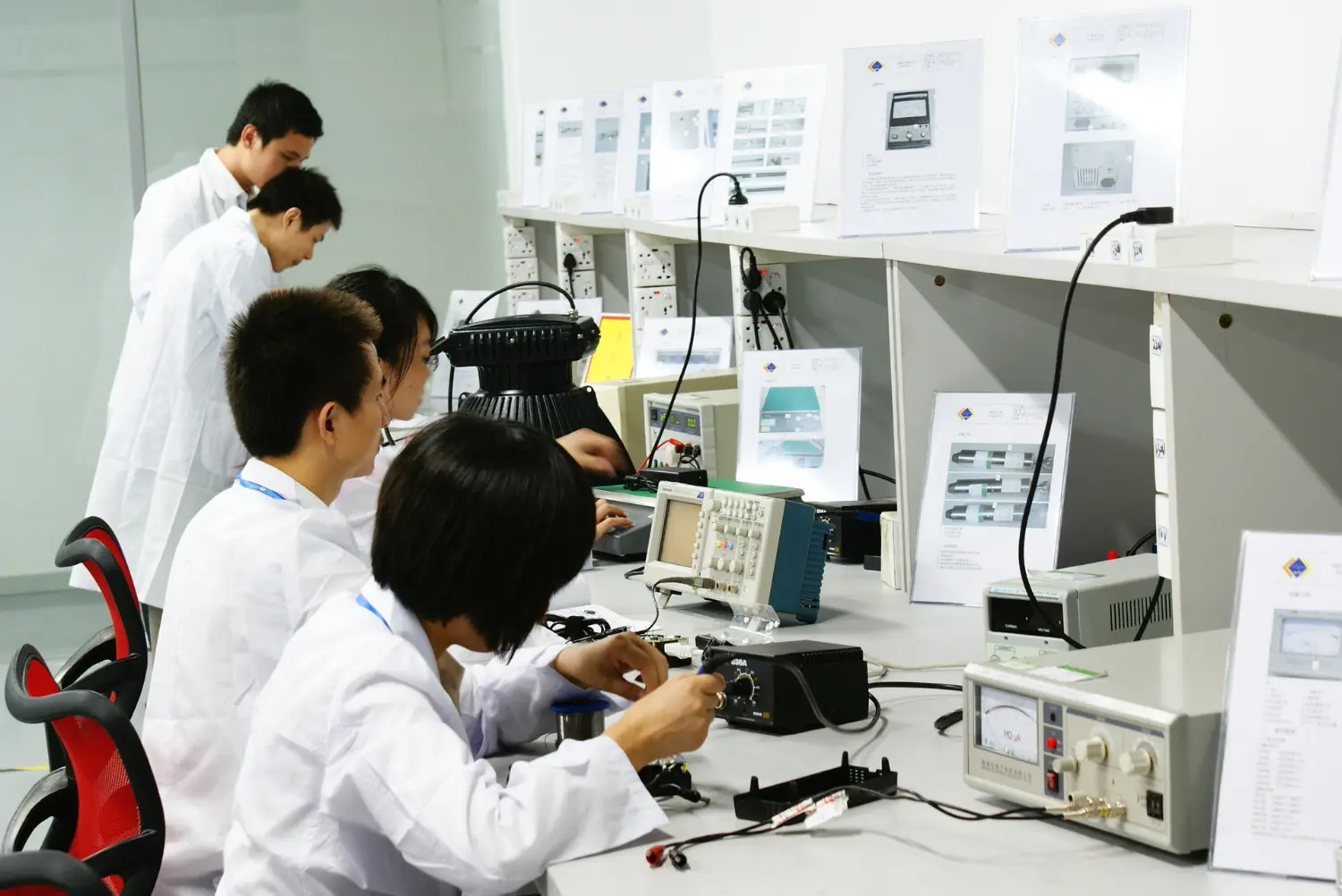
Shenzhen Soras Technology Co., Ltd. is a manufacturer of optical transmission and network equipment with over 10 years of experience. We focus on technological innovation to deliver reliable, cost-effective, and high-value solutions. Today, we work closely with telecommunications companies worldwide, backed by an experienced R&D team capable of developing products to match specific OEM and ODM orders. Currently, our products are exported to over 60 countries across South America, North America, and Europe.
Our main products include Fiber Media Converters, SFP Modules, POE Switches, ONUs, OLTs, and supporting products. We operate in compliance with ISO 9001, UL, CE, FCC, and RoHS quality standards, maintaining our commitment to "superior quality, professional service, competitive price, and integrity-based business practices." We believe this commitment is essential for long-term development and look forward to working with you.
| Corporate Profile & Regulatory Metrics | |||
|---|---|---|---|
| Business Type | Manufacturer | Country / Region | Guangdong, China |
| Main Products | FTTH ONU & OLT, SFP Module, Fiber Media Converter, Poe Switch, Fiber Optic Equipment | Total Employees | 11 - 50 People |
| Total Annual Revenue | US$5 Million - US$10 Million | Year Established | 2021 |
| Main Markets | Domestic Market 24.00%, Eastern Asia 15.00%, North America 15.00% (Exports to over 60 countries total) | Certificates Summary | ISO 9001, UL, CE, FCC, RoHS certified |
The progression of Ethernet standards from 100G to 400G, 800G, and upcoming 1.6T environments requires continuous advances in electro-optical packaging. The industry technical roadmap highlights several key trends that influence our manufacturing practices:
At 100G (using 4x 25G NRZ), signal loss was manageable. Modern 400G and 800G configurations use 56G PAM4 and 112G PAM4 signaling. This transition demands high-quality Digital Signal Processing (DSP) engines integrated into the AOC's transceiver ends to correct phase noise, dispersion, and jitter.
To address rising power consumption in data centers, LPO technology removes the DSP from the AOC transceiver end, relying instead on high-performance analog drivers and limiters on the host ASIC. This approach significantly reduces latency and lowers power usage to under 5W per 400G link.
Soraslink's ongoing development focuses on preparing our production lines for these technologies. By updating our SMT Lines and optimizing our Error Test modules, we help ensure our high-speed interconnect products remain compatible with evolving industry standards.
Find answers to common technical and logistical questions about active optical cables and network sourcing.
Complete your network architecture with our range of OLT units, PoE switches, and media converters designed for end-to-end compatibility.
 Soras Tech