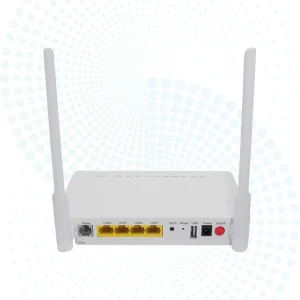
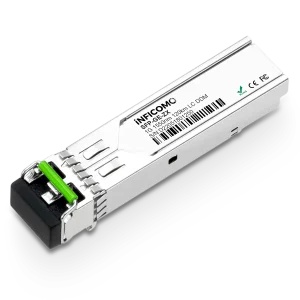
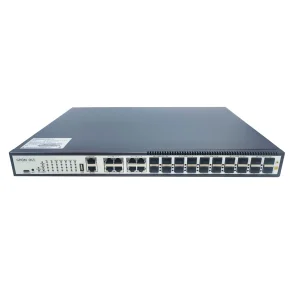
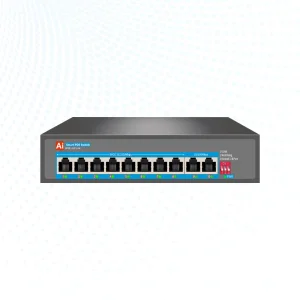
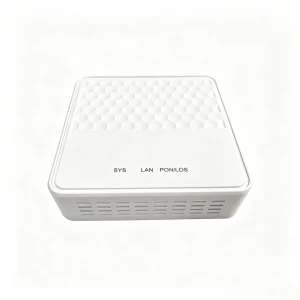
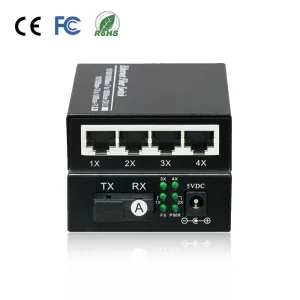
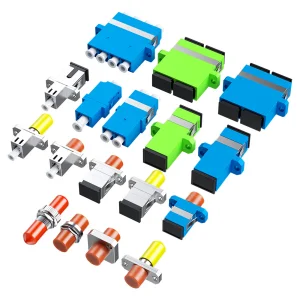
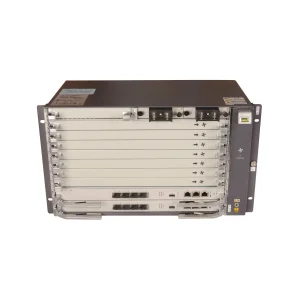
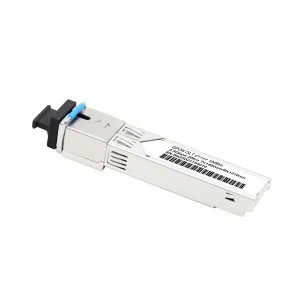
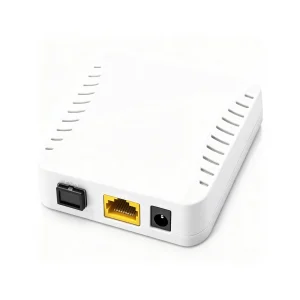
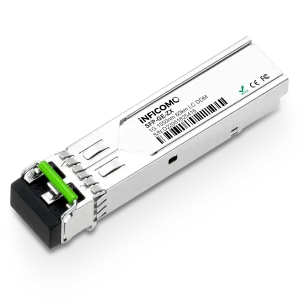
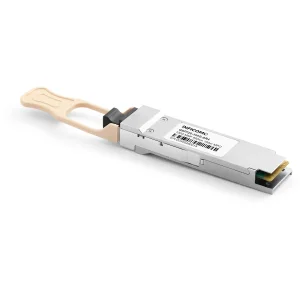
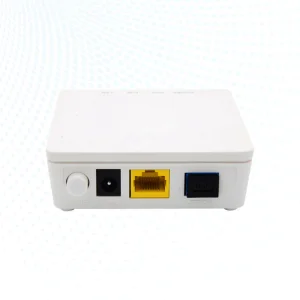
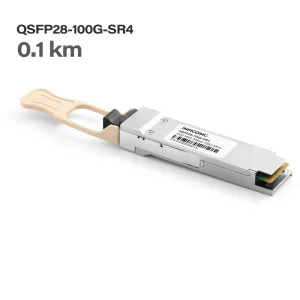
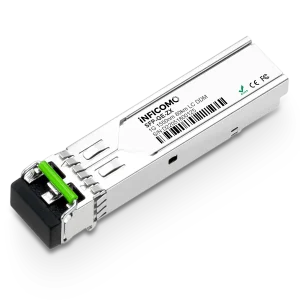
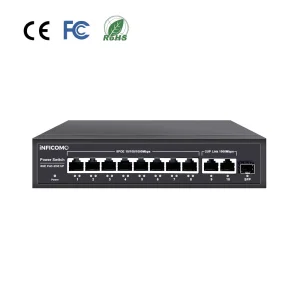
High-performance transceivers, active GPON/EPON terminals, PoE switches, and passive optical components engineered for high-density deployment.
As global demand for ultra-low latency data transmission accelerates—fueled by cloud compute clusters, generative AI model training, hyperscale data centers, and nation-wide FTTx (Fiber to the X) rollouts—selecting certified, high-reliability optical manufacturing partners is a strategic imperative. Modern optical communications demand stringent tolerance control, zero micro-bending loss, and electromagnetic safety verified by independent international standard bodies.
Shenzhen Soras Technology Co., Ltd. is a leading tier-1 manufacturer of optical transmission equipment and high-speed network hardware with over a decade of domain expertise. We specialize in end-to-end R&D, surface-mount technology (SMT) production, automated optoelectronic testing, and custom OEM/ODM solutions tailored for global telecom operators and enterprise network architects.
| Operational Parameter | Enterprise Specification & Metrics | Global Compliance Standard |
|---|---|---|
| Business Model & Location | Verified OEM/ODM Manufacturer | Guangdong, China | ISO 9001:2015 Quality Systems |
| Primary Product Portfolio | FTTH ONU & OLT, SFP/QSFP28 Modules, Fiber Media Converters, PoE Switches | CE Mark, FCC Part 15, RoHS Compliant, UL Listed |
| Annual Output & Scale | US$5 Million – US$10 Million Revenue | 60+ Export Destinations | Intertek & SGS Factory Audited Baseline |
| Key Global Footprint | Domestic (24%), Eastern Asia (15%), North America (15%), South America, Europe | ITU-T G.984 / G.987 / G.9807 Standards |
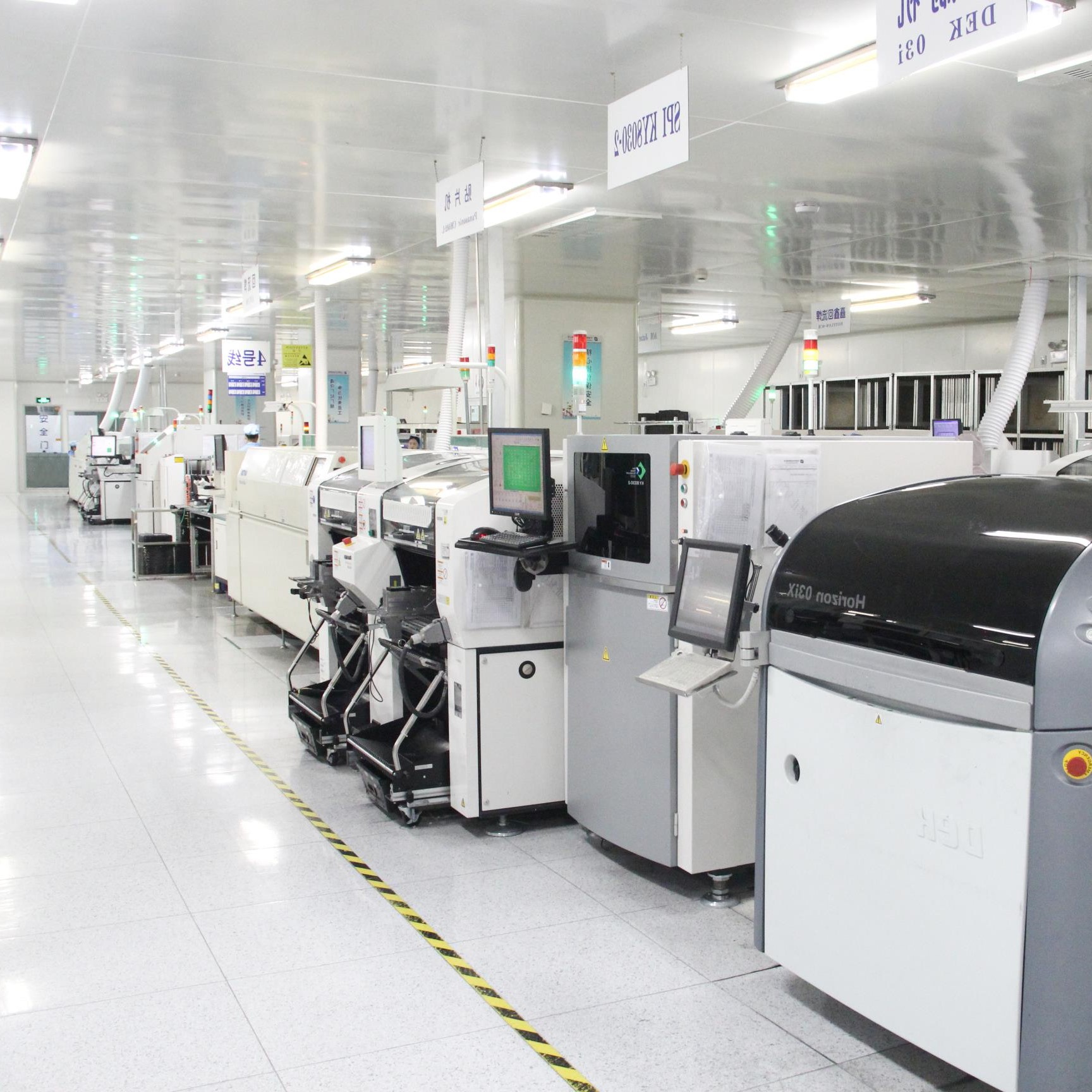
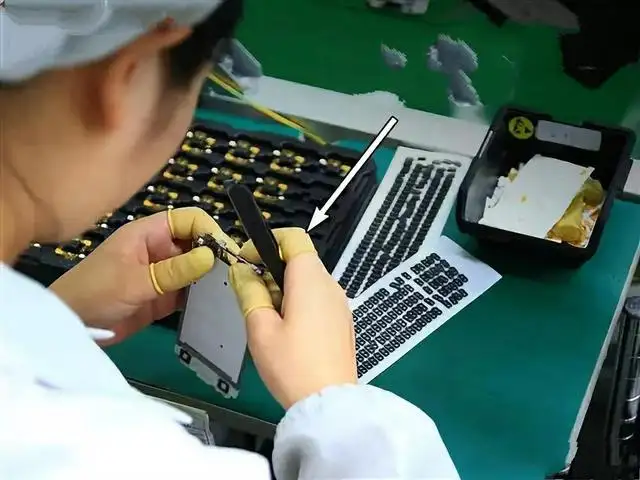
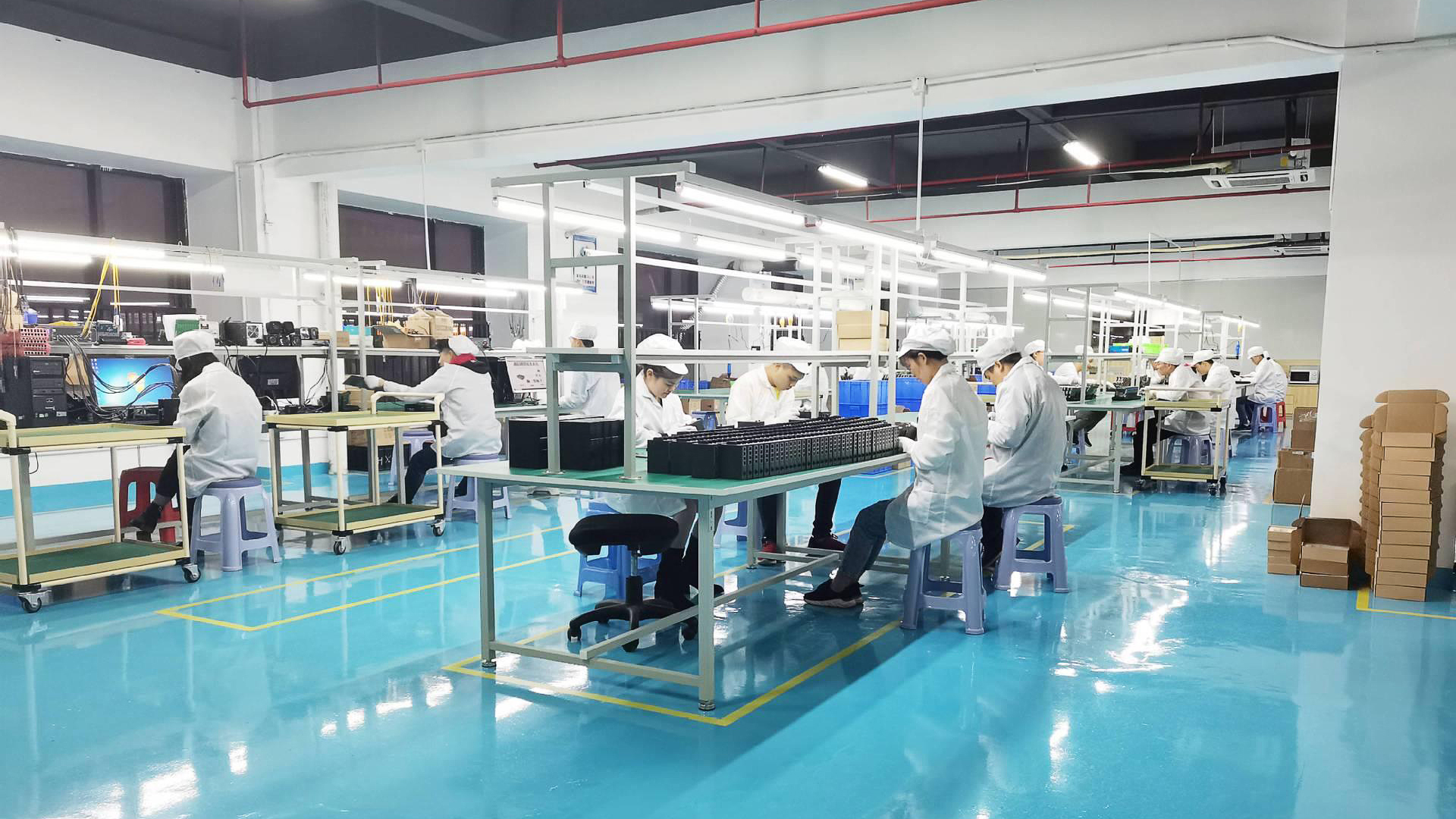
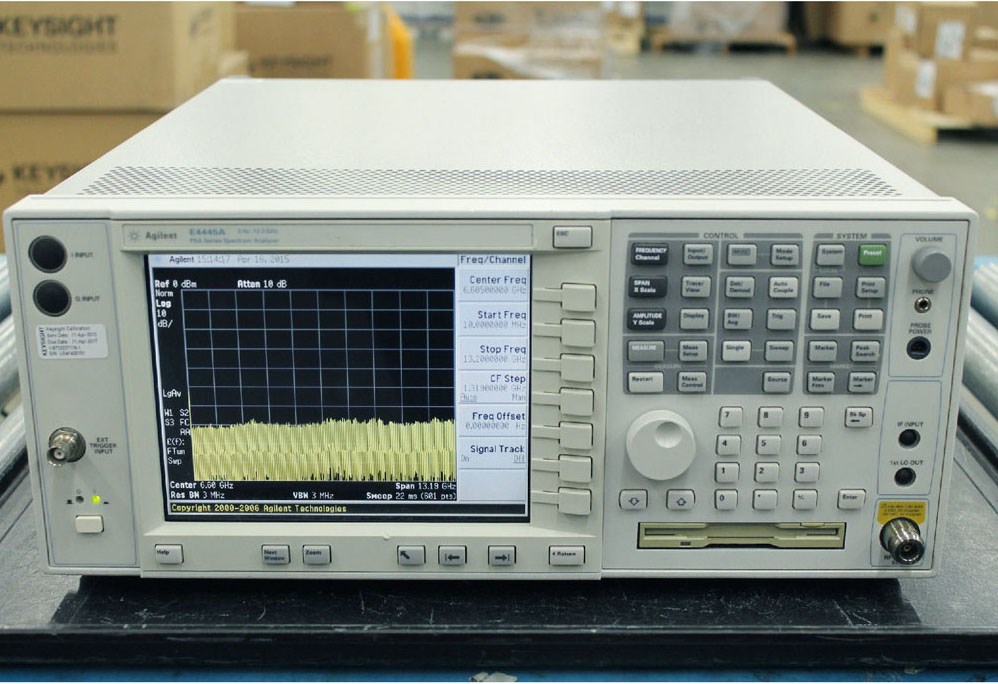
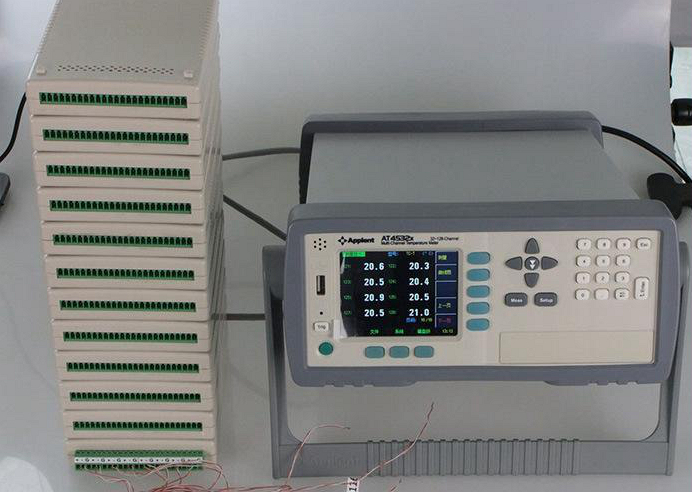
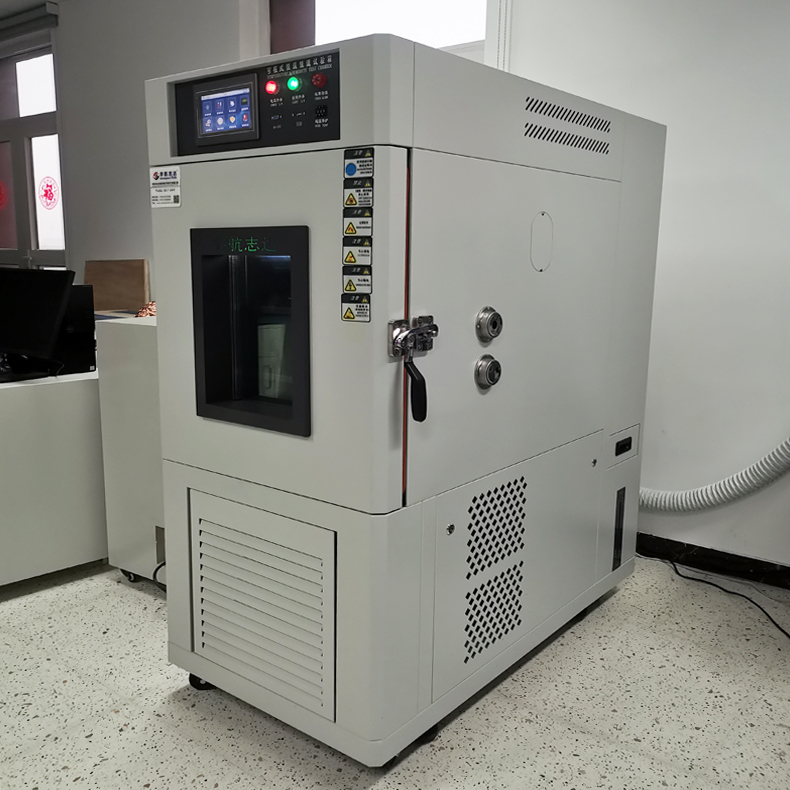
Quality in optical networking hardware cannot be audited post-production; it must be built into the manufacturing workflow. Soras Technology maintains multi-stage testing setups including surface-mount line inspection, high-low temperature thermal cycling, optical error rate testing, and automated optical power meter calibration.
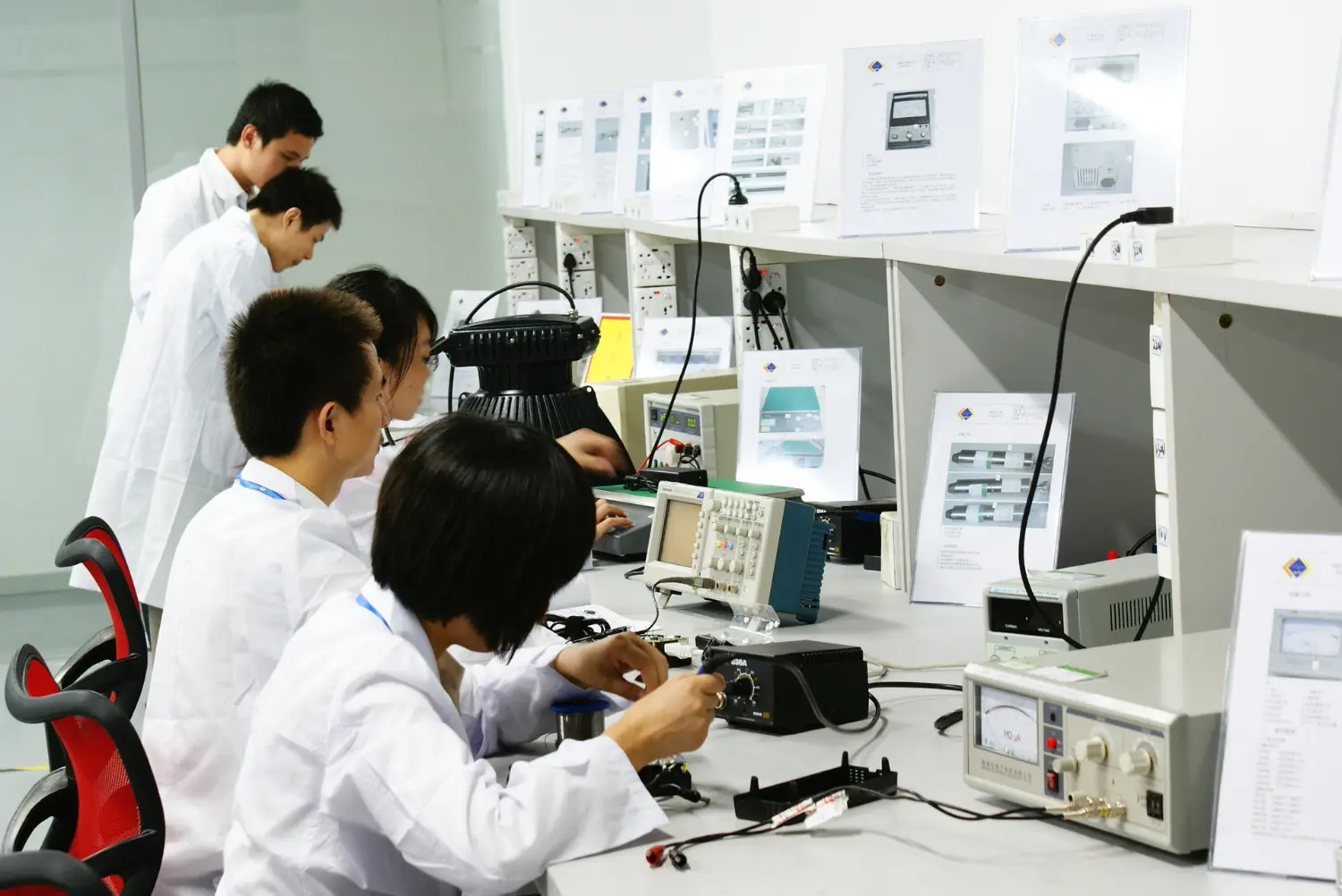
For European and global enterprise buyers, purchasing hardware from a CE certified optical fiber factory is not merely a legal import requirement—it is an assurance of operational continuity, signal integrity, and physical safety. CE compliance mandates rigorous alignment with key European Union Directives:
Ensures active optical hardware (such as 100G QSFP28 transceivers, OLT switch cards, and PoE devices) emits minimal electromagnetic interference (EMI) and possesses high immunity to external noise within dense server racks.
Guarantees optical power supplies, AC/DC desktop adapters, and media converter enclosures operate under strict electrical insulation safety thresholds, mitigating thermal runaway or high-voltage breakdown risk.
Active optical components utilizing DFB, DDM-supported SFP transceivers, or Class 1 / Class 1M infrared lasers are rigorously benchmarked to prevent optical radiation ocular hazards to field installation technicians.
Shenzhen and the broader Guangdong industrial cluster represent the global epicenter of optical communication innovation. Procuring directly from tier-1 Chinese factories provides strategic economic and logistical advantages over regional intermediaries:
From synthetic high-purity silica preforms to semiconductor laser diode packaging (TOSA/ROSA) and automated surface-mount assembly, China’s optical ecosystem offers unmatched vertical integration. This minimizes supply chain bottlenecks and maintains tight control over bill-of-materials (BOM) costs.
High-volume SMT machinery and dedicated optoelectronic testing facilities allow Shenzhen factories to quickly scale daily output from thousands of SFP transceivers to enterprise-grade GPON/EPON ONUs, meeting urgent tier-1 telecom procurement deadlines without compromising yield.
Chinese manufacturers excel in tailored hardware modification. Proprietary firmware flashing for third-party OLT/ONU inter-compatibility, custom EEPROM coding for MSA SFP modules, and localized housing branding (logo printing, custom packaging) can be executed seamlessly in-house.
Leading factories like Soras Technology implement strict 100% Bit Error Rate (BER) testing, optical spectrum analysis, thermal chamber aging (-40°C to +85°C for industrial grade items), and optical power margin checks before shipping to global destinations.
The global optical communications sector is undergoing radical transitions driven by next-gen access networks and high-density computing architectures. Understanding these macro shifts allows procurement teams to future-proof their network investments.
Subscribers demand symmetric multi-gigabit access. Modern optical factories are transitioning from traditional GPON/EPON terminals to dual-mode XPON and XGS-PON ONUs capable of 10 Gbps downstream/upstream delivery over passive optical splitters.
Generative AI LLM cluster nodes demand zero packet loss and high bandwidth. Optical transceivers are shifting rapidly to 100G QSFP28 SR4 / LR4 and high-density MPO-12 multimode trunk interfaces to overcome copper throughput limitations.
Smart city camera grids and industrial IoT setups rely on hybrid systems: long-haul fiber optics carrying traffic to local hardened AI PoE switches and Gigabit media converters capable of enduring extreme outdoor environments.
| Deployment Scenario | Recommended Hardware Architecture | Key Performance Indicators (KPIs) |
|---|---|---|
| FTTH / FTTB Fiber Access | 16-Port GPON/EPON OLT + Multi-brand XPON ONUs (F660 V8 / HG8310) | 1:128 Split Ratio, Optical Link Loss budget < 28dB, OMCI Remote Management |
| Enterprise AI Data Center | 100G QSFP28 850nm 100m Transceivers + MPO-12 OM4 Patch Cables | Zero BER, Low Power Consumption (<3.5W per module), DDM Real-Time Monitoring |
| Metropolitan Security Surveillance | Gigabit Media Converters (20km-120km) + 8-Port AI PoE Switches | PoE Watchdog Auto-Reset, 6kV Surge Protection, Din-Rail Thermal Tolerance |
For international buyers, purchasing high-volume optical fiber hardware involves mitigating hardware incompatibility, shipping damage, and regulatory compliance risks. Follow this structured checklist when selecting certified factories:
Ensure that active terminals like XPON ONUs or SFP transceivers support open firmware protocols or multi-vendor EEPROM coding (e.g., Huawei, ZTE, FiberHome, Cisco, Mikrotik compatible) to avoid vendor lock-in.
Cheap components without proper CE/RoHS shielding or heat sinking often exhibit high failure rates under prolonged load. Evaluate long-term RMA warranties (3-year replacement guarantees) and component MTBF rates.
Verify that factories execute environmental chamber cycling (H-L Temp testing), Optical Time-Domain Reflectometry (OTDR) fiber link verification, and eye diagram optical spectrum analysis prior to packaging.
Request direct copies of CE test reports issued by notified bodies (EMC & LVD), ISO 9001 registration certificates, and RoHS declaration datasheets to ensure smooth customs clearance in Europe and the Americas.
In-depth answers addressing semantic search queries, technical parameters, and ordering workflows for optical hardware buyers.
Explore high-speed optical transceivers, enterprise OLT architectures, and industrial media converters.
 Soras Tech