Leading high-speed networking solutions deployed by telecommunications providers and enterprise backbones across Lima, Callao, and major Peruvian cities.
Peru's digital landscape is undergoing an unprecedented paradigm shift. Driven by initiatives from the Ministerio de Transportes y Comunicaciones (MTC) and the aggressive expansion of the Red Dorsal Nacional de Fibra Óptica (RDFN), the demand for high-reliability passive and active optical components has surged. The national framework requires robust fiber infrastructure capable of traversing complex terrains—ranging from high-altitude Andean environments to high-humidity coastal zones and the Amazon basin. High-quality fiber optic patch cords are crucial interfaces in these architectures, determining the signal integrity, insertion loss parameters, and long-term durability of both urban FTTH developments and heavy industrial networks.
In Peru's commercial centers such as Lima, Arequipa, and Trujillo, metropolitan networks are transitioning from copper and HFC architectures to pure Fiber-to-the-Home (FTTH) and Fiber-to-the-Business (FTTB). Leading Peruvian ISPs like Telefónica (Movistar), Claro, Entel, and regional operators such as WIN and Wow are deploying millions of fiber lines. In this context, a fiber optic patch cord is not just a cable; it is a critical link that must withstand rigorous bend-radius constraints, low-smoke zero-halogen (LSZH) fire-safety mandates in public transit projects like Lima Metro Line 2, and high-density fiber patching environments inside Central Offices and data centers.
Industrial activities in Peru—particularly high-altitude mining operations in Cajamarca, Ancash, and Apurímac—face extreme environmental conditions. Large-scale mining complexes require data-link components that remain stable under severe thermal cycling (-20°C to +40°C in mountainous terrains) and mechanical stress. Standard patch cords deteriorate under high vibration and air pressure shifts, causing micro-fractures in the glass core. Implementing premium single-mode OS2 fibers with LSZH sheathing ensures zero signal degradation and prevents hazardous smoke emissions in enclosed mining shafts.
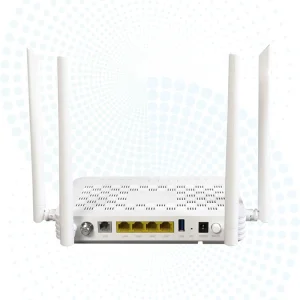
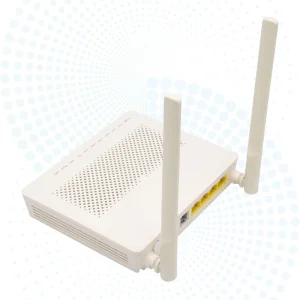
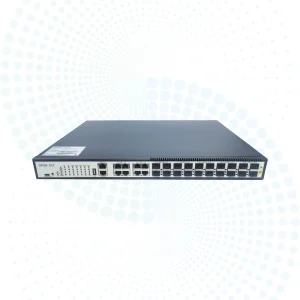
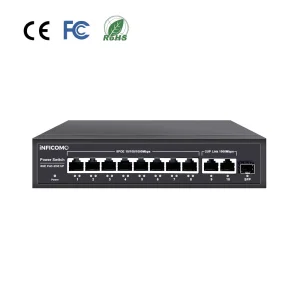
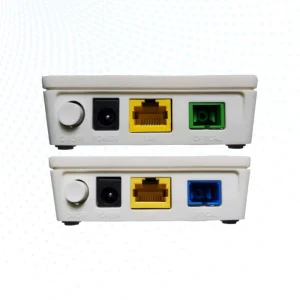
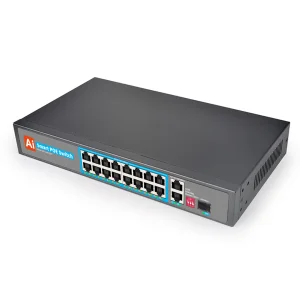
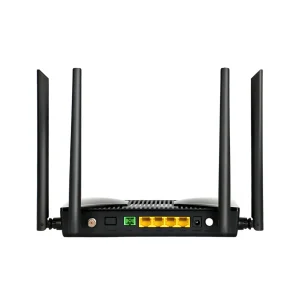
Robust optical network units and PoE distribution switches customized for Peruvian enterprise security and community broadband initiatives.
In high-speed data transmission, the fiber optic patch cord is the primary interface for physical cross-connects. To ensure minimum signal degradation, manufacturers must strictly adhere to International Telecommunication Union (ITU-T) standards and Telcordia GR-326-CORE specifications. In the Peruvian market, network designers distinguish between two main fiber families:
Furthermore, physical fiber connectors—LC, SC, FC, and ST—must feature high-precision zirconia ceramic ferrules to prevent misalignment. The polishing grade dictates the optical Return Loss (RL): Ultra Physical Contact (UPC) connectors exhibit an RL ≥ 50dB, while Angled Physical Contact (APC) connectors, characterized by their green boots and an 8-degree angled end-face, achieve an RL ≥ 60dB. APC patch cords are critical for CATV networks and high-capacity GPON/EPON installations in Peru to prevent harmful back-reflections from reaching the laser source.
| Optical Parameter | Single Mode (OS2) APC | Single Mode (OS2) UPC | Multi Mode (OM3/OM4) |
|---|---|---|---|
| Insertion Loss (Typical / Max) | ≤ 0.15 dB / ≤ 0.22 dB | ≤ 0.18 dB / ≤ 0.25 dB | ≤ 0.20 dB / ≤ 0.30 dB |
| Return Loss | ≥ 60 dB | ≥ 50 dB | ≥ 30 dB |
| Operating Wavelengths | 1310 nm / 1490 nm / 1550 nm | 1310 nm / 1550 nm | 850 nm / 1300 nm |
| Cladding Diameter / Core Size | 125 μm / 9 μm | 125 μm / 9 μm | 125 μm / 50 μm |
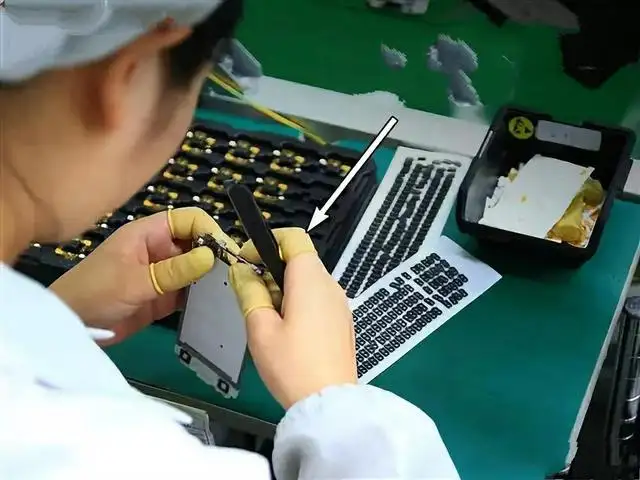
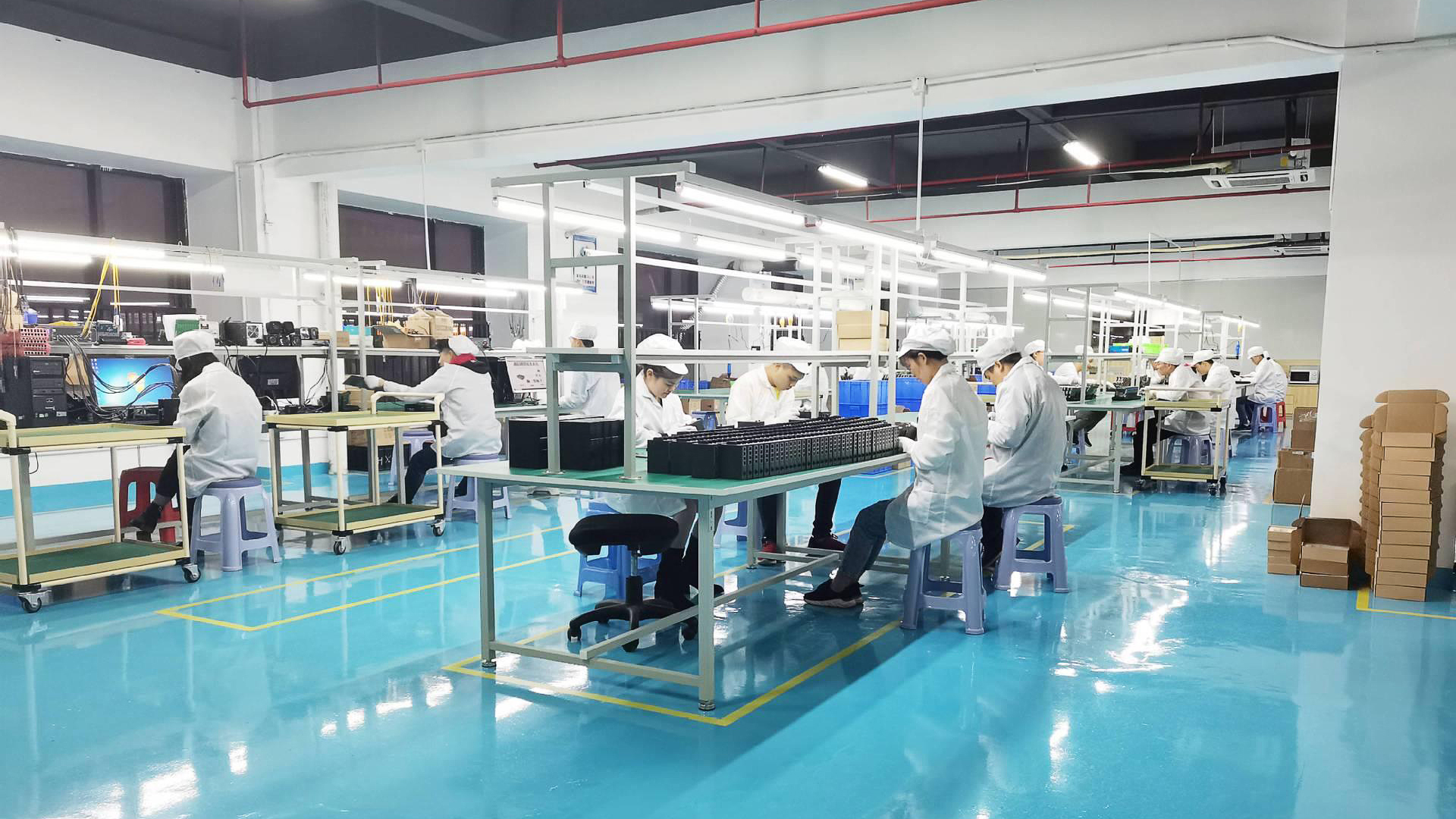
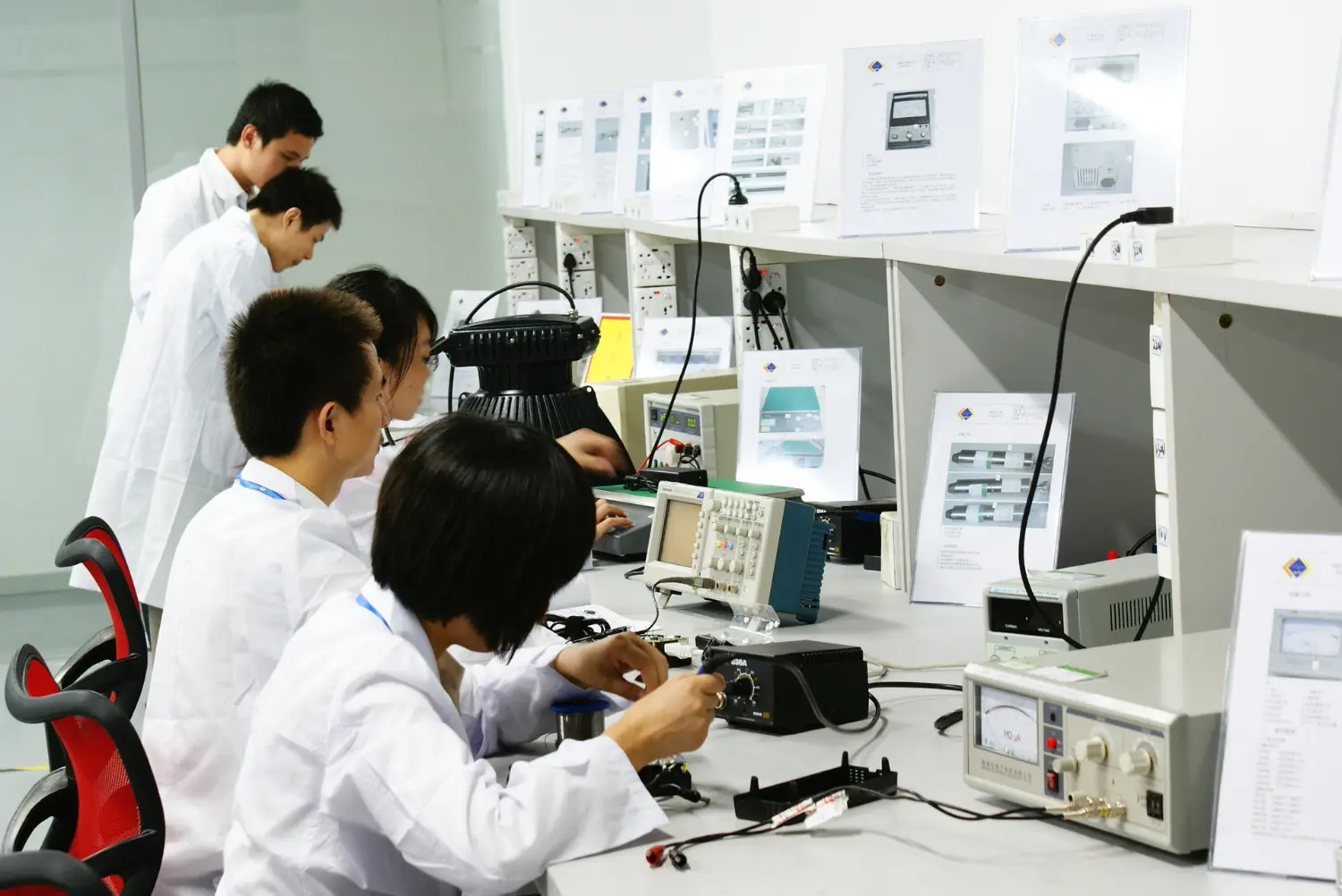
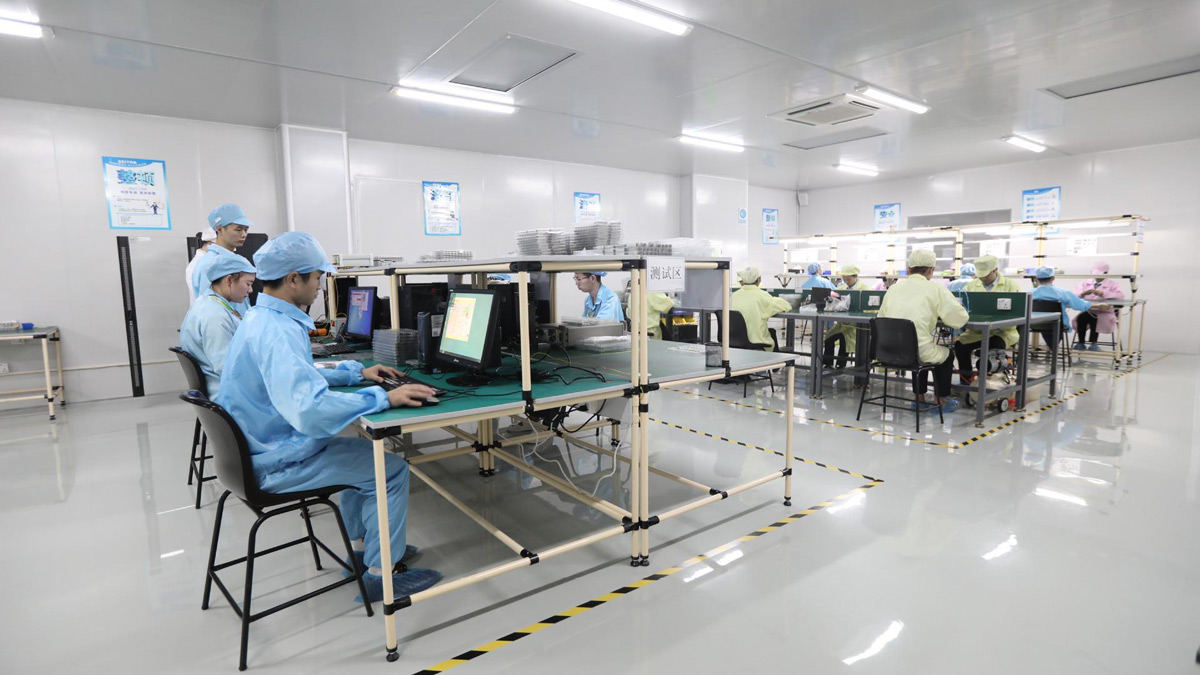
To establish long-term reliability (E-E-A-T), manufacturing processes must incorporate strict regulatory compliance. Our facilities strictly observe international standards including ISO 9001 quality management, CE marking, FCC compliance, and UL-certified plastics. In South American markets—and specifically in Peru—conformance to RoHS (Restriction of Hazardous Substances) and local MTC homologation requirements is vital for smooth customs clearance and compliance with municipal safety regulations for building installations.
Your trusted manufacturer and global supply partner of advanced optical transmission equipment.
Shenzhen Soras Technology Co., Ltd. is a leading manufacturer of optical transmission equipment and network equipment with more than 10 years of experience. We rely on high-quality management and technological innovation, committed to providing customers with high-quality, cost-effective, high value-added products and solutions.
Today, we work closely with telecommunications companies around the world. We have strong technical force and an experienced R&D team; products can be developed according to customer requirements, and we also accept your OEM and ODM orders. Now our products are exported to more than 60 countries, and our main markets are South America, North America, and Europe. Our main products include: Fiber Media Converters, SFP Modules, POE Switches, ONU, OLT, and supporting fiber optic products.
We have passed ISO 9001, UL, CE, FCC, and ROHS Certification. Our aim is "superior quality, professional service, competitive price, integrity-based". We believe this is not only our responsibility, but also the best way for long-term development. Soraslink looks forward to working with you to expand Peru's digital horizons!

| Soras Technology Corporate Overview | |||
|---|---|---|---|
| Business Type | Manufacturer | Country / Region | Guangdong, China |
| Main Products | FTTH ONU & OLT, SFP Module, Fiber Media Converter, Poe Switch, Fiber Optic Equipment | Total Employees | 11 - 50 People |
| Total Annual Revenue | US$5 Million - US$10 Million | Year Established | 2021 |
| Company Certifications | ISO 9001, UL, CE, FCC, RoHS | Product Certifications | Available on Request |
| Main Markets | Domestic Market (24.00%), Eastern Asia (15.00%), North America (15.00%), South America & Europe (Export to 60+ countries) | ||

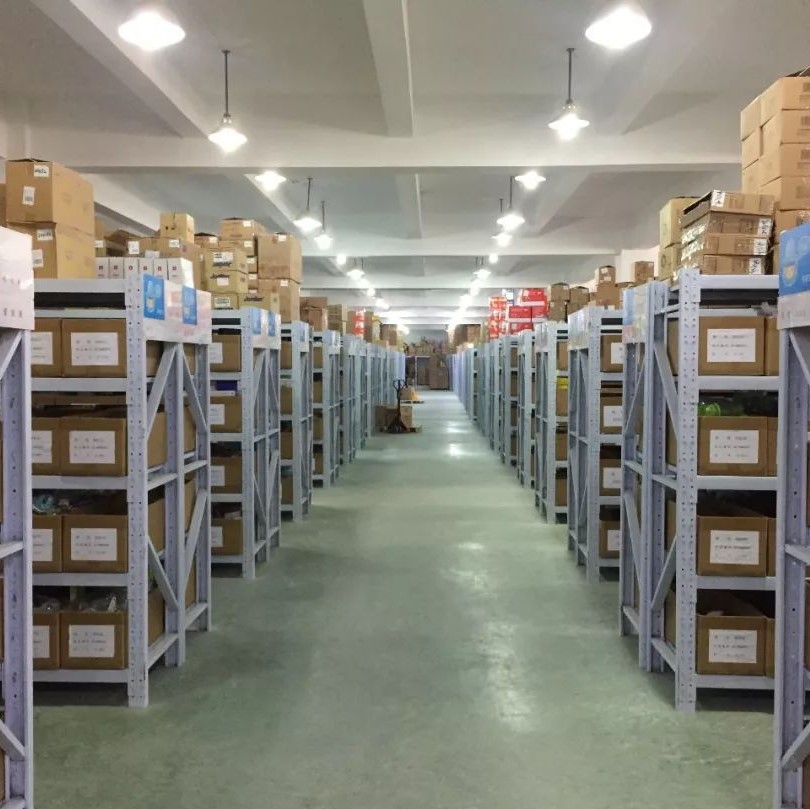
In high-density residential buildings in Lima, Callao, and Arequipa, deploying fiber requires products that offer flexibility and ease of installation. Our G.657.A2 single-mode patch cords allow installers to run cables through narrow, existing copper conduits without breaking the glass core or causing high attenuation. Supported by our GPON/XPON ONUs and 16-port OLT rackmount systems, operators can guarantee stable Gigabit speeds to the end-users.
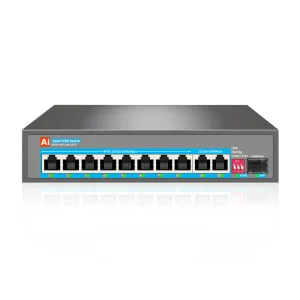
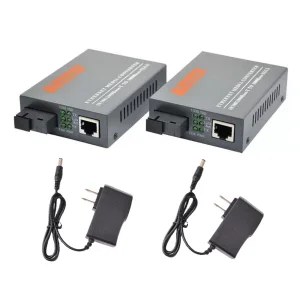
Public safety initiatives led by local municipalities (municipalidades) in Peru heavily rely on industrial PoE networks and fiber link systems. To support outdoor security cameras, our PoE network switches (8-port, 11-port, 24-port) convert local electrical power and interface directly with Gigabit Media Converters to transmit high-resolution feeds back to monitoring centers. These converters use high-grade transceiver modules to guarantee zero video delay over distances up to 20km.
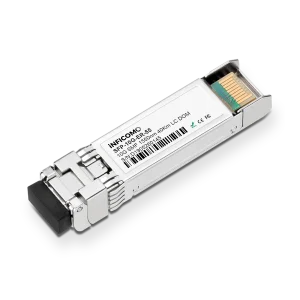
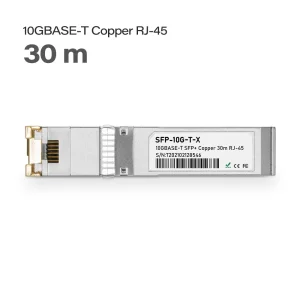
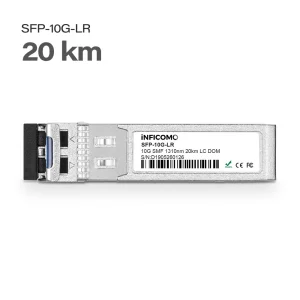
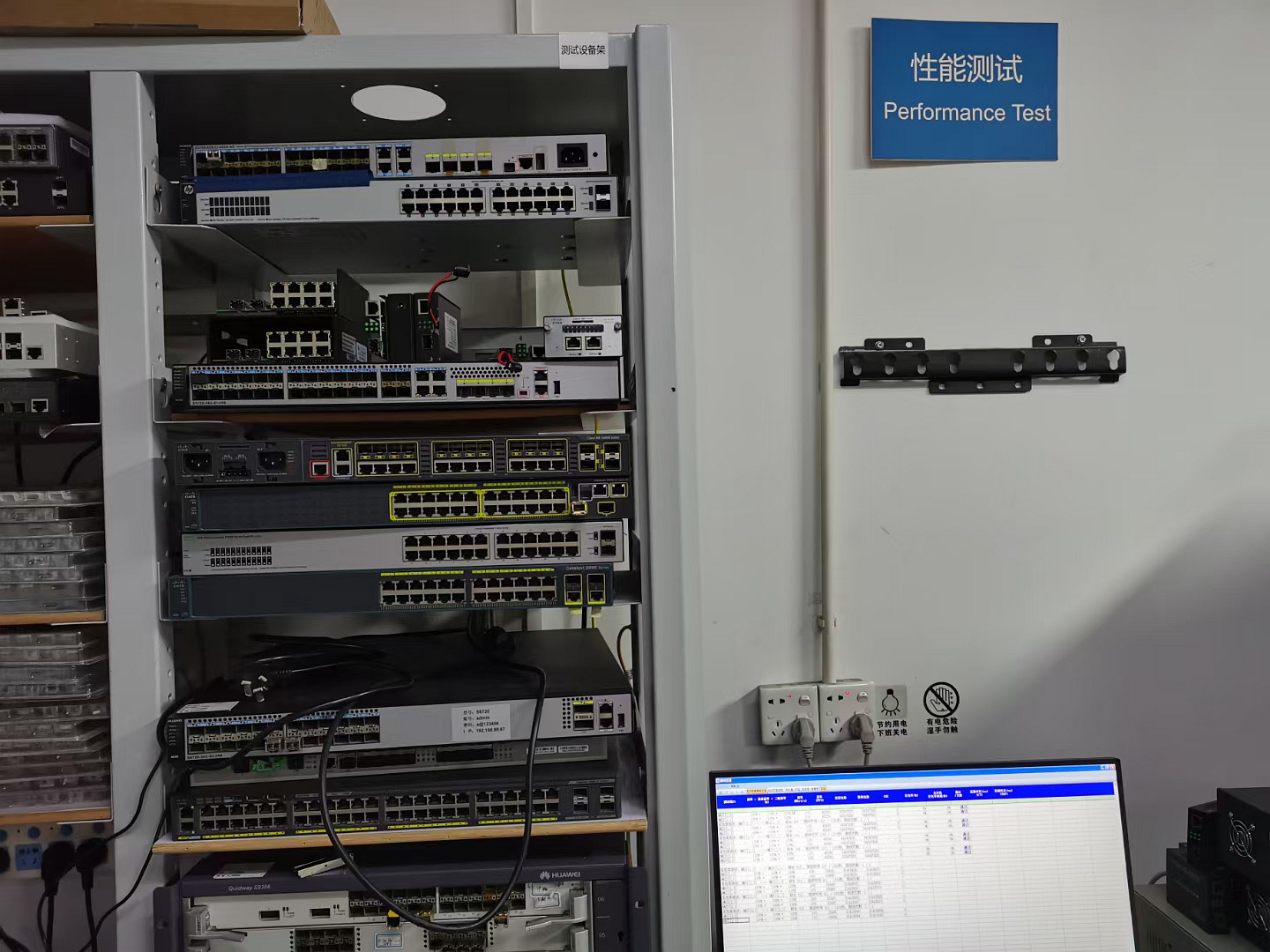
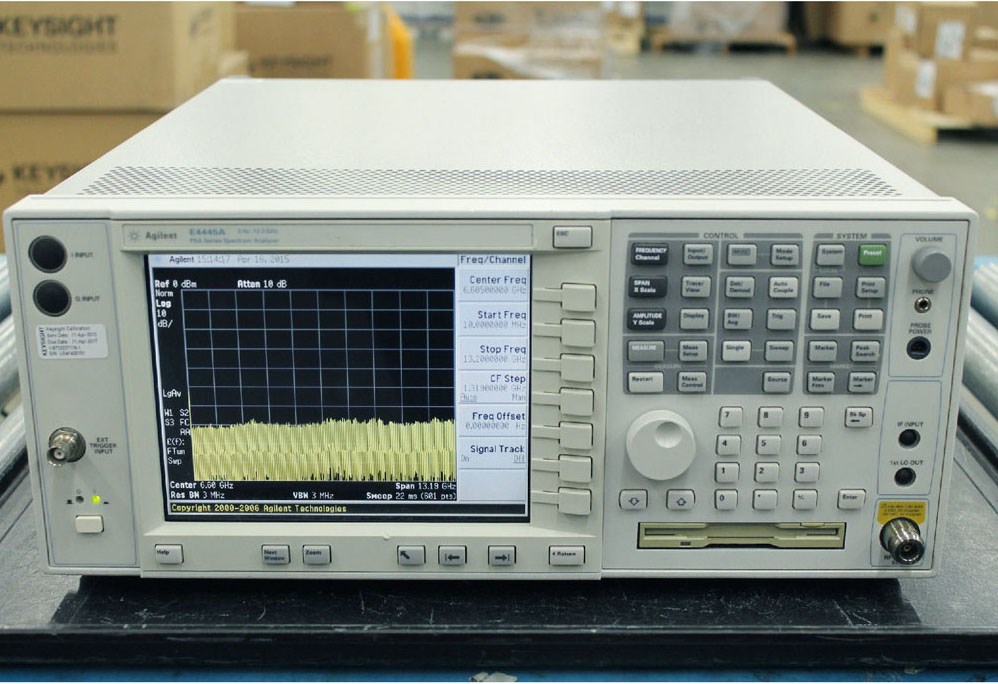
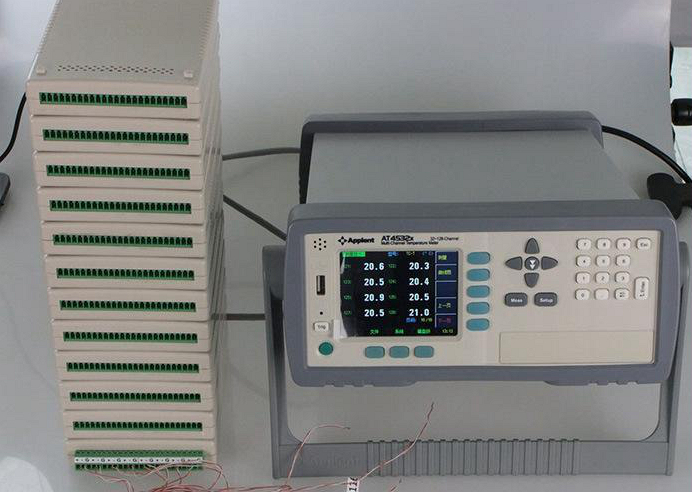
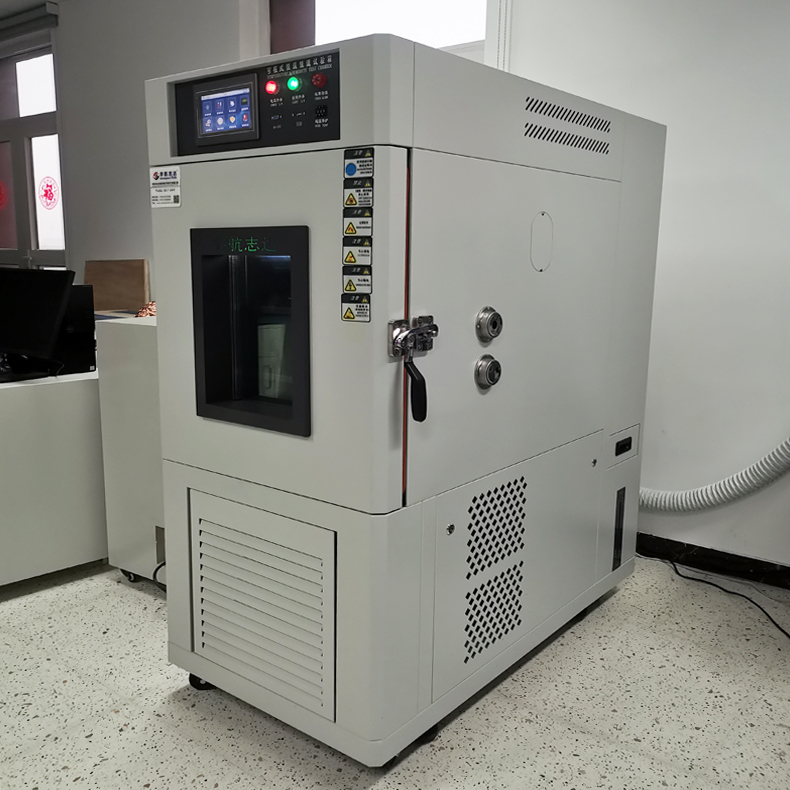
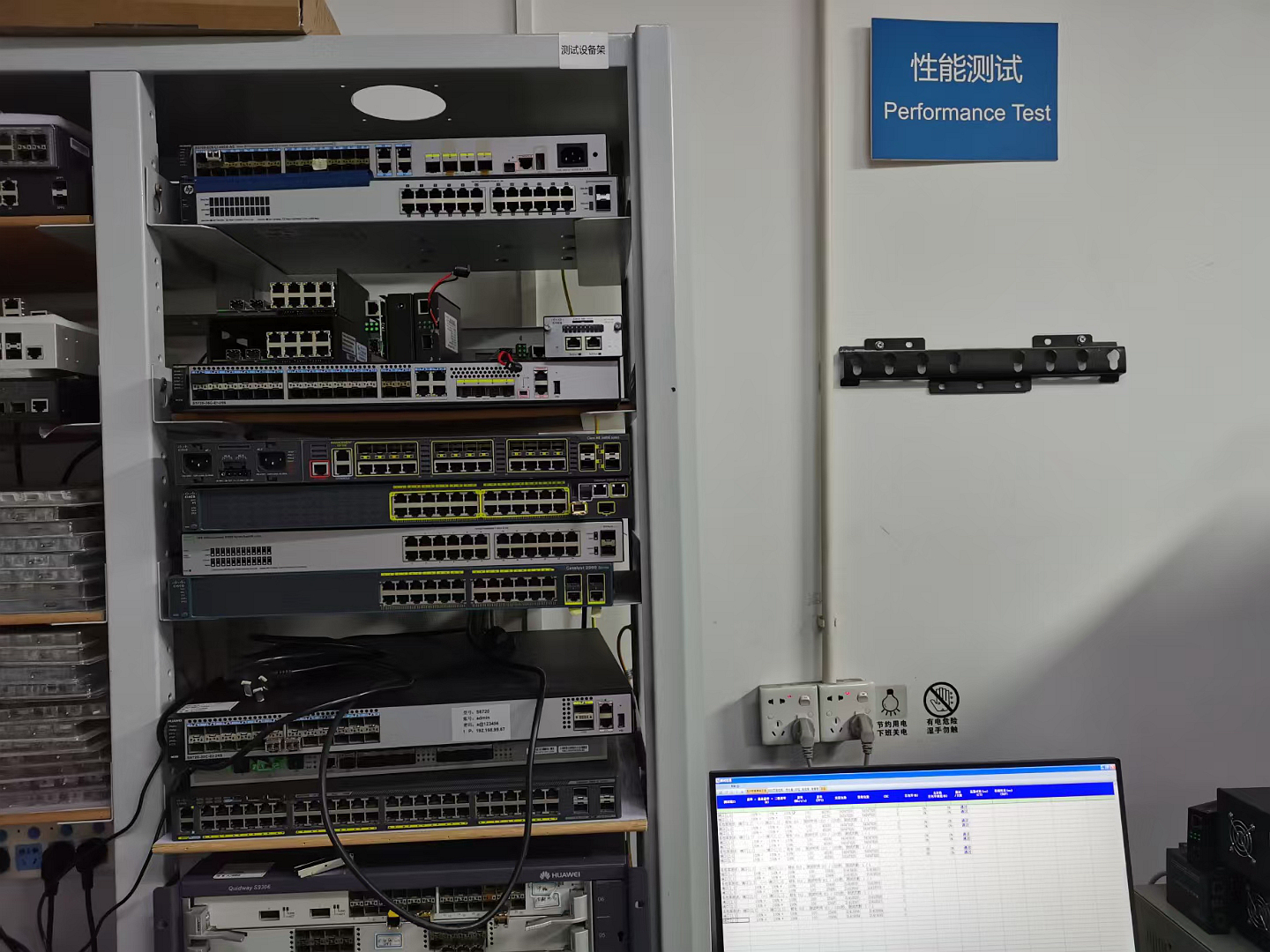
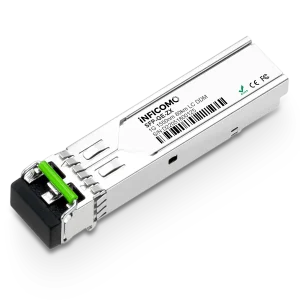
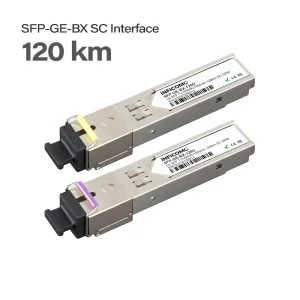
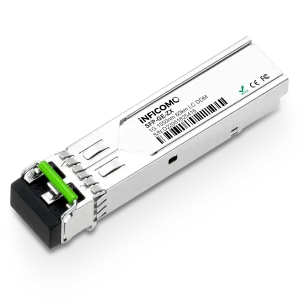
Connecting regional municipal networks across Peru's mountainous geography requires high-power optical links. Using 120km Bidi SC SFP Modules and SFP+ 10G transceivers, local ISPs can construct robust point-to-point networks. Every single transceiver and patch cord is subjected to strict High-Low Temperature testing to ensure they will perform reliably in the extreme mountain elevations and coastal heat.
Explore our comprehensive range of high-compatibility transceivers, industrial network switches, and terminal equipment designed for the Peruvian telecom sector.
Helpful information about importing, selecting, and installing fiber optic infrastructure components in Peru.
 Soras Tech