High-performance direct-attach copper and optical transceivers engineered to meet low-latency demands in Athens, Thessaloniki, and Crete.
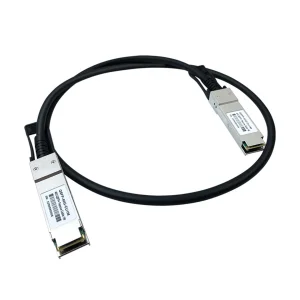
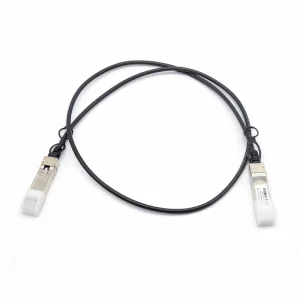
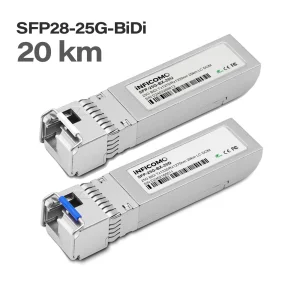
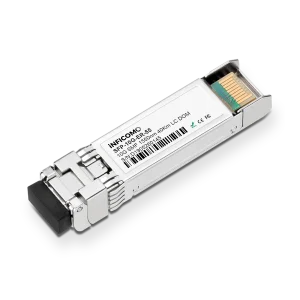
The Greek telecommunications landscape is experiencing an unprecedented structural shift. Spurred by national digital transformation roadmaps and strategic investments from global cloud titans like Microsoft, Amazon Web Services (AWS), and Digital Realty (Lamda Hellix), Greece is fast becoming the preeminent digital gateway of Southeast Europe. From hyperscale data center construction in the Attica region to crucial new submarine cable systems landing in Chania (Crete) and Preveza, the demand for ultra-reliable, high-throughput network physical layers is surging.
As transmission data speeds jump from 10G/25G to 40G, 100G, and even 400G/800G in local exchange points (like GR-IX Athens and Thessaloniki), structural integrity inside the server rack is a major engineering focal point. System integrators, cloud providers, and telecom operators across Greece require reliable Direct Attach Copper (DAC) and Active Optical Cables (AOC) to connect switches to network interfaces. These high-speed interconnect assemblies represent the nervous system of modern virtualization environments, high-frequency financial nodes in Athens, and digital government infrastructures.
Unlike standard patch cables, DAC and AOC assemblies combine high-frequency copper or multi-mode fiber-optic cores with factory-terminated transceivers. By bypassing the traditional discrete transceiver and separate patch cable structure, Greek engineers reduce point-of-failure risks, power overhead, and signal attenuation. For local industrial environments, Greek logistics giants in Piraeus, and shipping operations requiring micro-data centers, custom length specifications (1m to 7m for DAC, and up to 100m for AOC) are critical to optimize cable management and maintain efficient rack airflow.
By using passive copper or low-power optical chipsets, our DAC and AOC solutions minimize heat generation within high-density server racks across Athens colocation facilities.
Each cable is programmed with EEPROM signatures compatible with Cisco, Arista, Juniper, HP, and Huawei hardware deployed in Greece.
Fully compliant with CE, FCC, RoHS, and ISO 9001 quality guidelines, meeting all safety requirements of the Hellenic Telecommunications & Post Commission (EETT).
A comparative engineering overview for high-density architectures.
| Parameter | Direct Attach Copper (DAC) | Active Optical Cable (AOC) | Strategic Selection Criteria |
|---|---|---|---|
| Transmission Medium | Twinax Copper Core (24AWG - 30AWG) | Multimode Fiber (OM3/OM4) | DAC is ideal for short distance, AOC for longer reach. |
| Maximum Reach | Up to 7 meters (Passive); 10m (Active) | Up to 100 meters (Standard) | Use DAC for intra-rack links; AOC for inter-rack/inter-row. |
| Power Consumption | Near zero (< 0.1W per transceiver end) | 1.0W - 2.5W (depending on rate & laser type) | DAC reduces OPEX in heavy-duty computing clusters. |
| Latency Profile | Extremely Low (no electro-optical conversion) | Low (minimal conversion overhead) | DAC is critical for high-frequency trading (HFT) networks. |
| EMI Immunity | Susceptible to electromagnetic interference | 100% immune (dielectric glass core) | Use AOC in complex, electrically noisy industrial environments. |
| Bending Radius | Stiff, larger bend radius required | Highly flexible, small bend radius | AOC simplifies high-density wire routing in tight rack setups. |
For Greek cloud facilities and local data centers facing rising energy tariffs, utilizing passive DACs for top-of-rack (ToR) switch-to-server connections is a highly effective green-datacenter design strategy. Since passive DAC cables operate without optical lasers, their power consumption is virtually zero. However, when connecting across rows or between core switch zones in large Athens locations, AOC cables become indispensable due to their lightweight design, lack of electromagnetic vulnerability, and superior distance capabilities.
More than 10 years of R&D excellence, engineering high-reliability fiber networks and customized optical assemblies.
Shenzhen Soras Technology Co., Ltd. is a leading global manufacturer of optical transmission and network equipment with over a decade of industry expertise. We rely on strict quality control paradigms and continuous technological innovation to deliver highly cost-effective, high-value-added products and comprehensive networking solutions. Today, we work closely with telecommunications operators, cloud service providers, and regional system integrators around the world.
With an experienced R&D department and strong production capabilities, we specialize in customizing products according to specific client parameters, seamlessly accommodating OEM and ODM orders. Our production lines export to over 60 countries across South America, North America, and Europe, maintaining an established reputation for product longevity and prompt delivery.
| Business Type | Manufacturer (OEM / ODM Capable) |
| Country / Region | Guangdong, China |
| Main Products | FTTH ONU & OLT, SFP Modules, DAC/AOC Cables, Fiber Media Converters, PoE Switches |
| Total Employees | 11 - 50 People |
| Annual Revenue | US$5 Million - US$10 Million |
| Year Established | 2021 |
| Certifications | ISO 9001, UL, CE, FCC, RoHS Compliance |
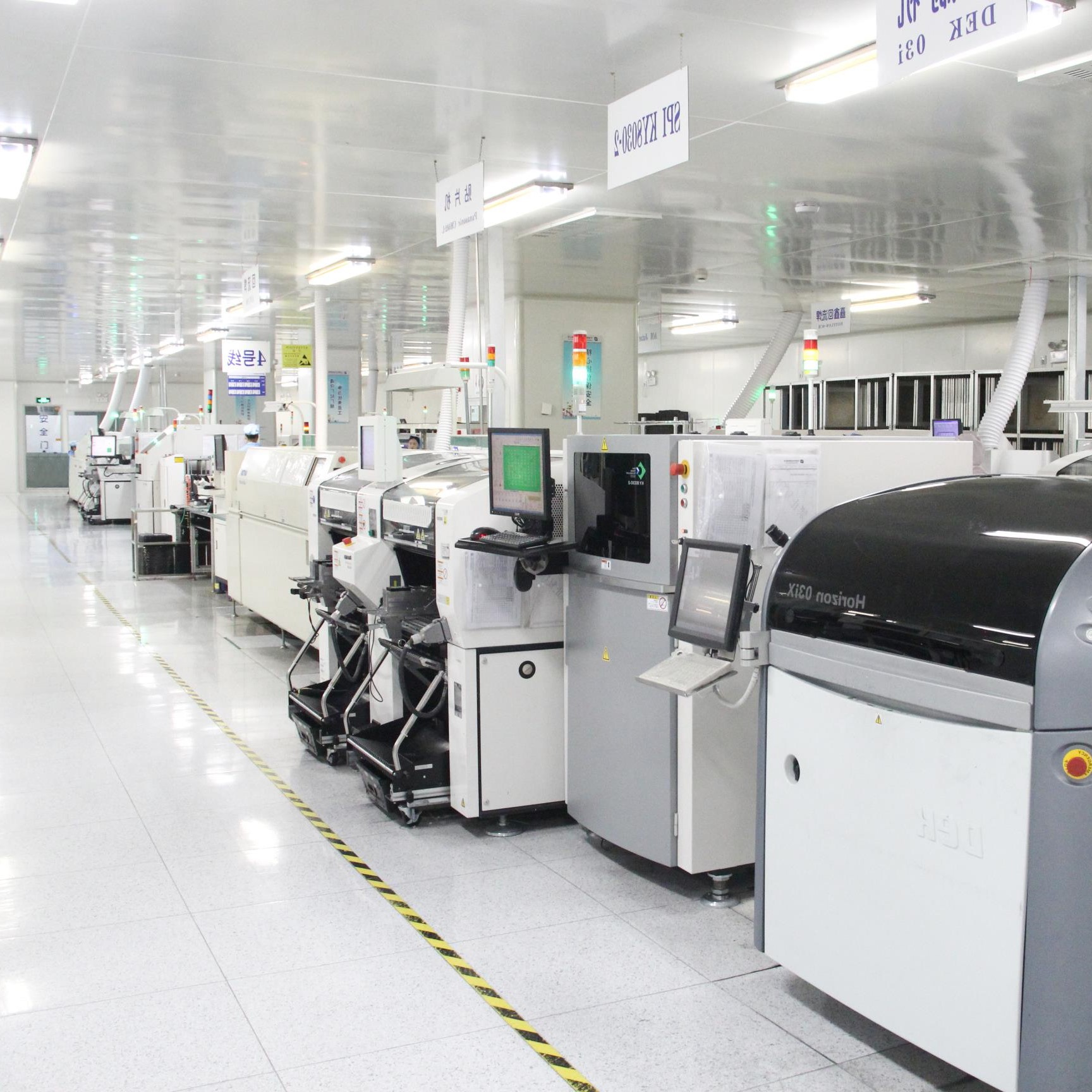
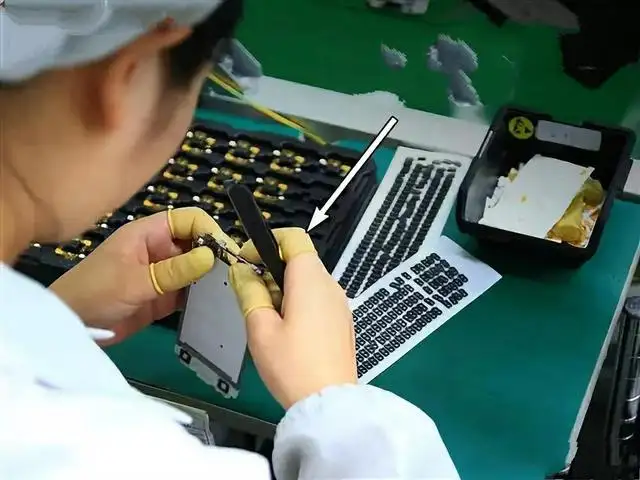
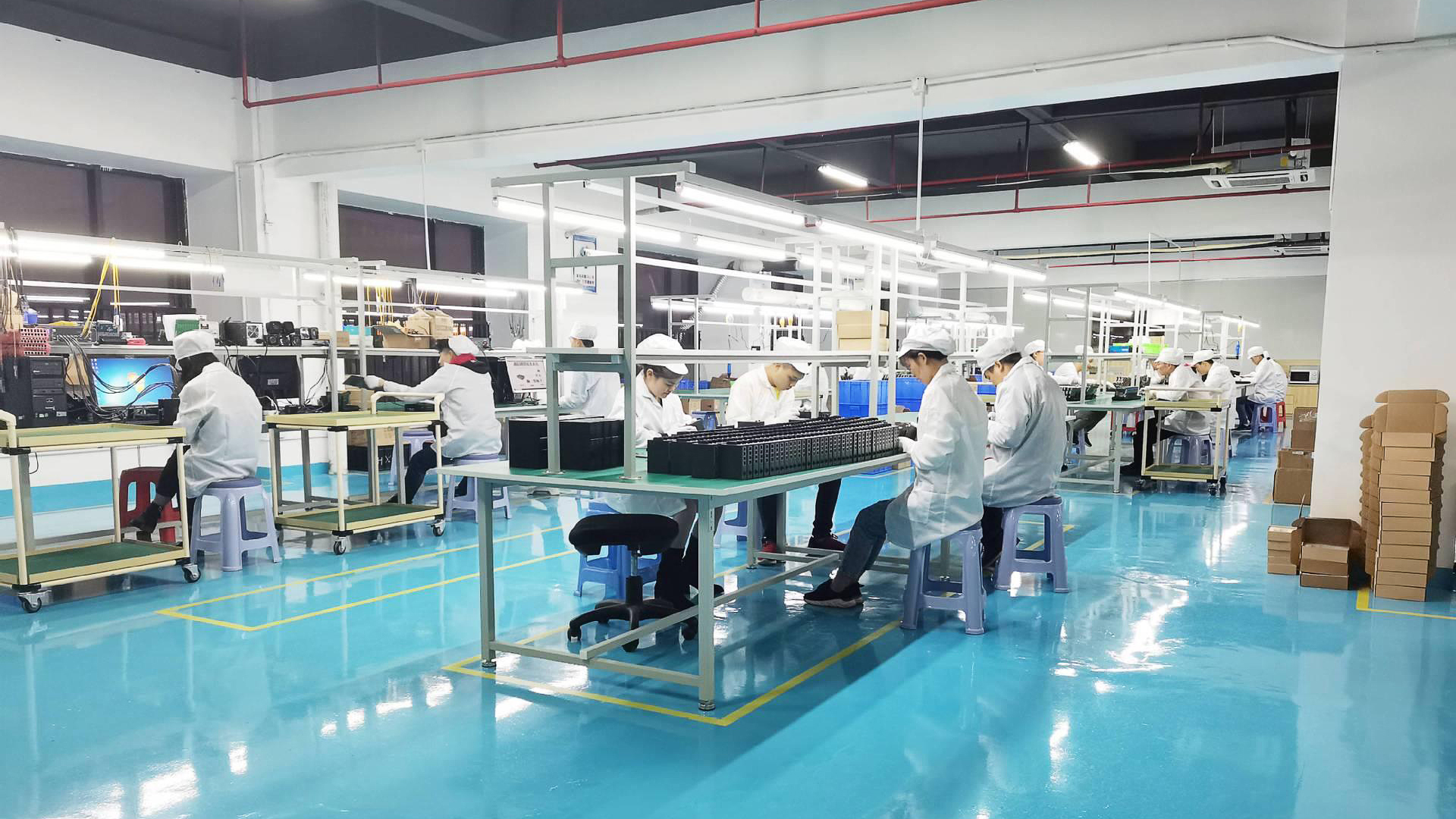
Every DAC, AOC, and optical module undergoes comprehensive physical and digital testing to meet global and regional Greek telecom compliance protocols.
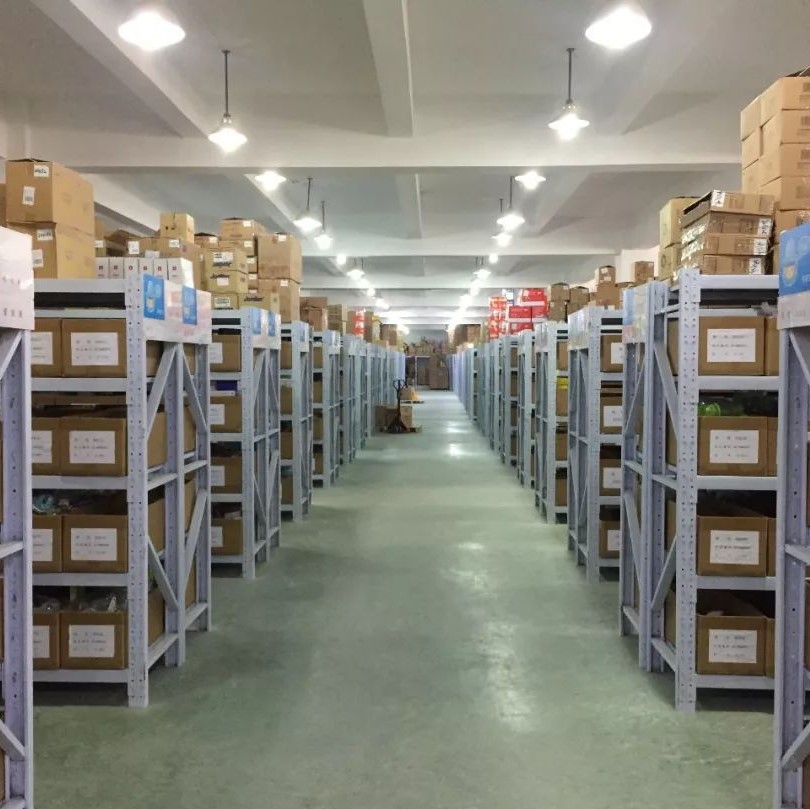
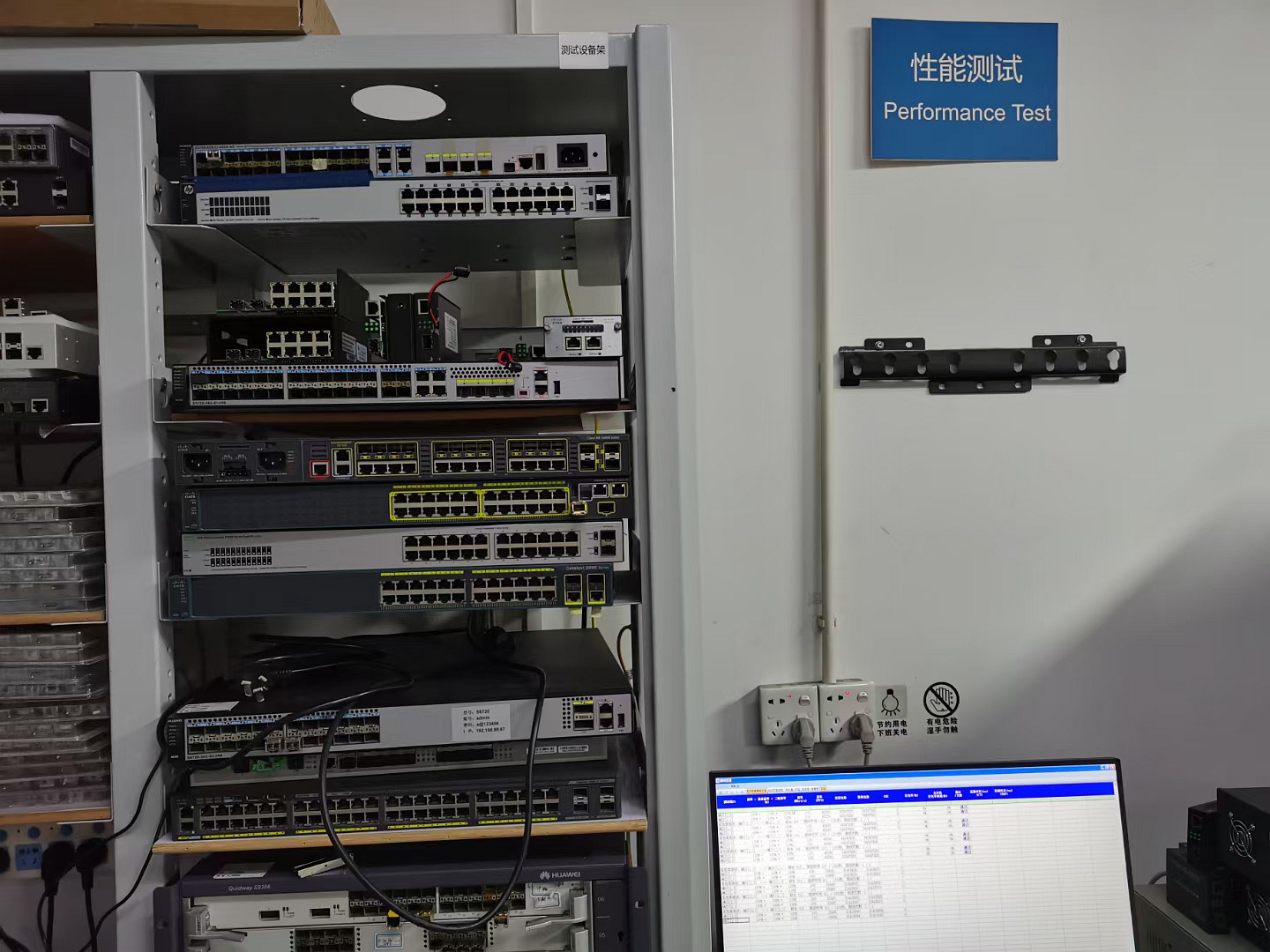
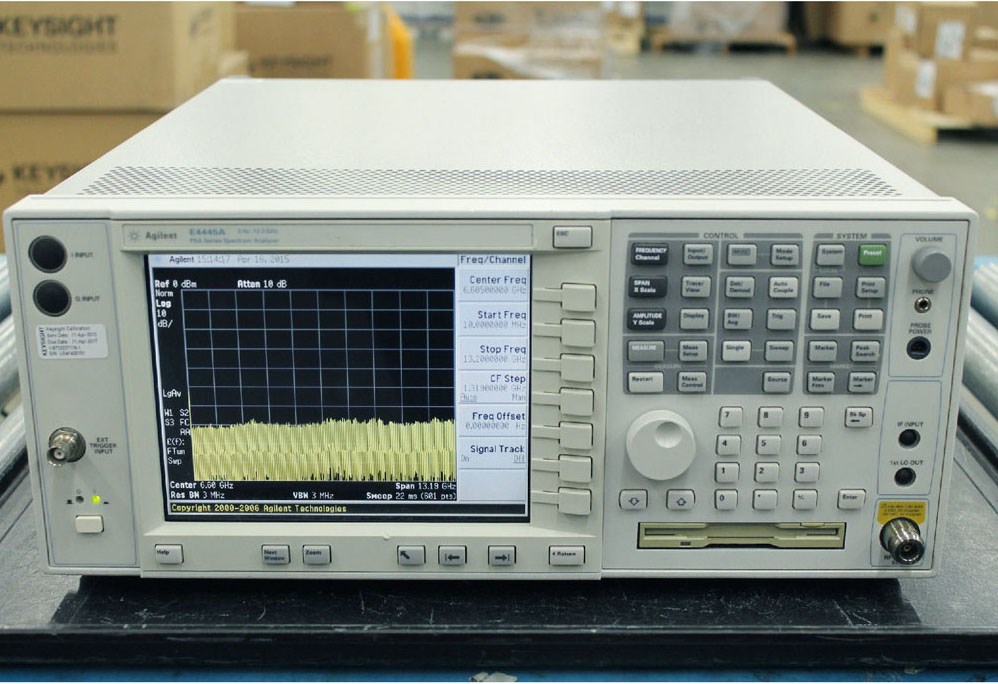
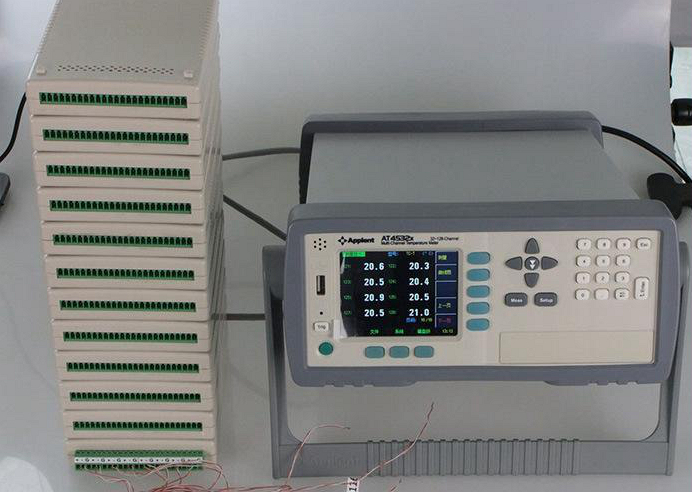
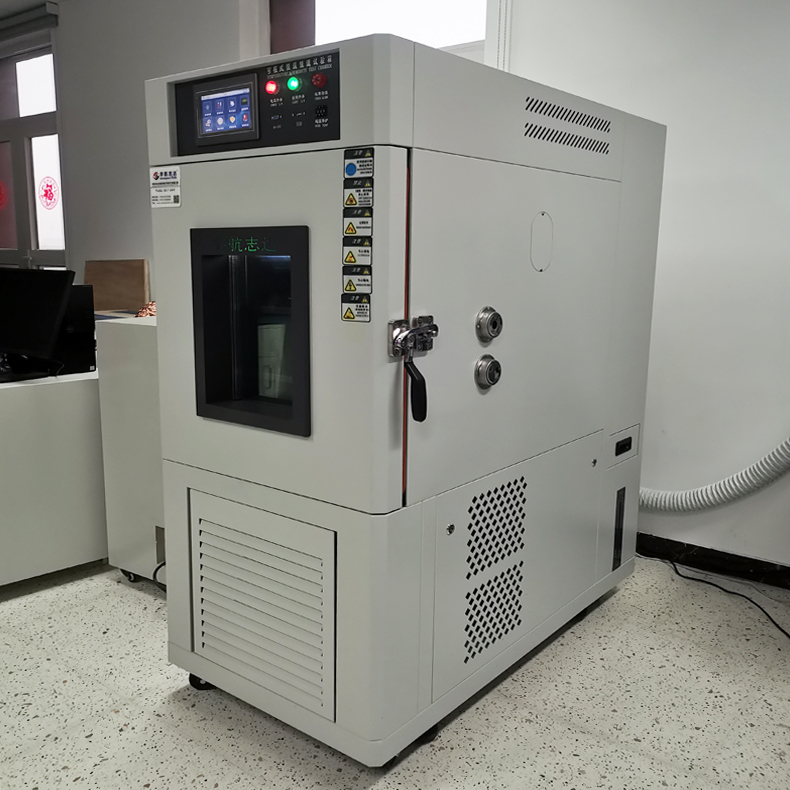
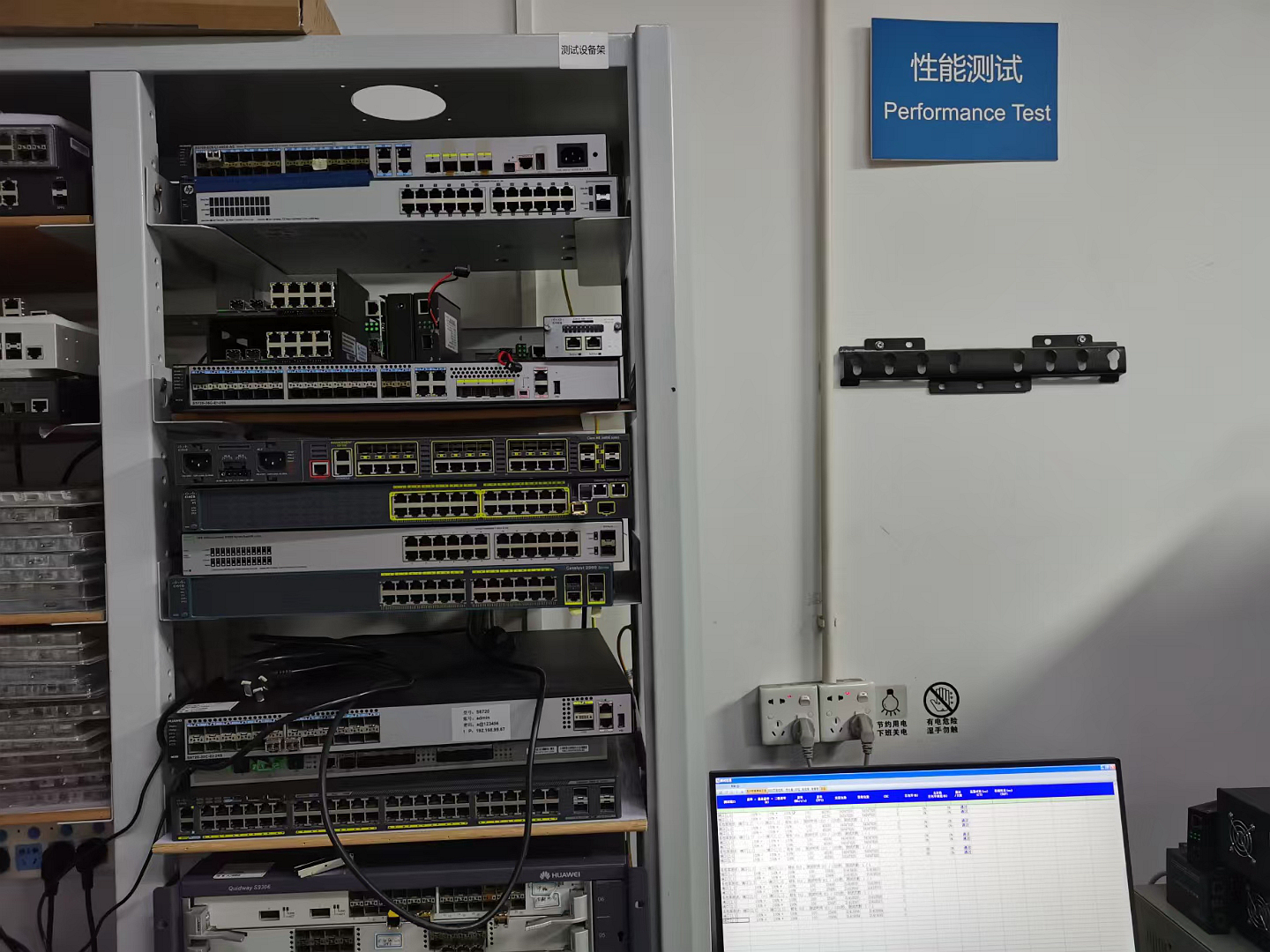
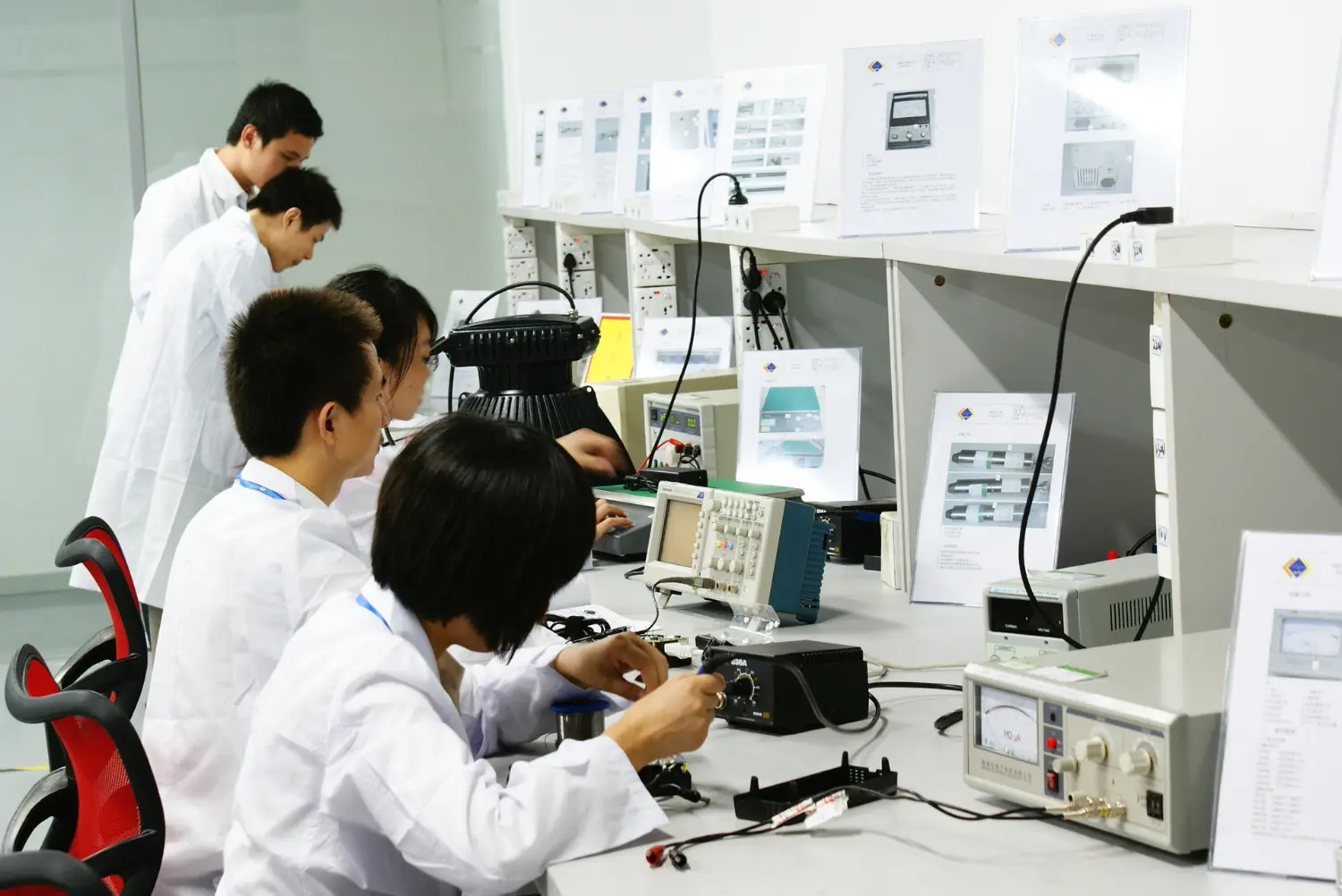
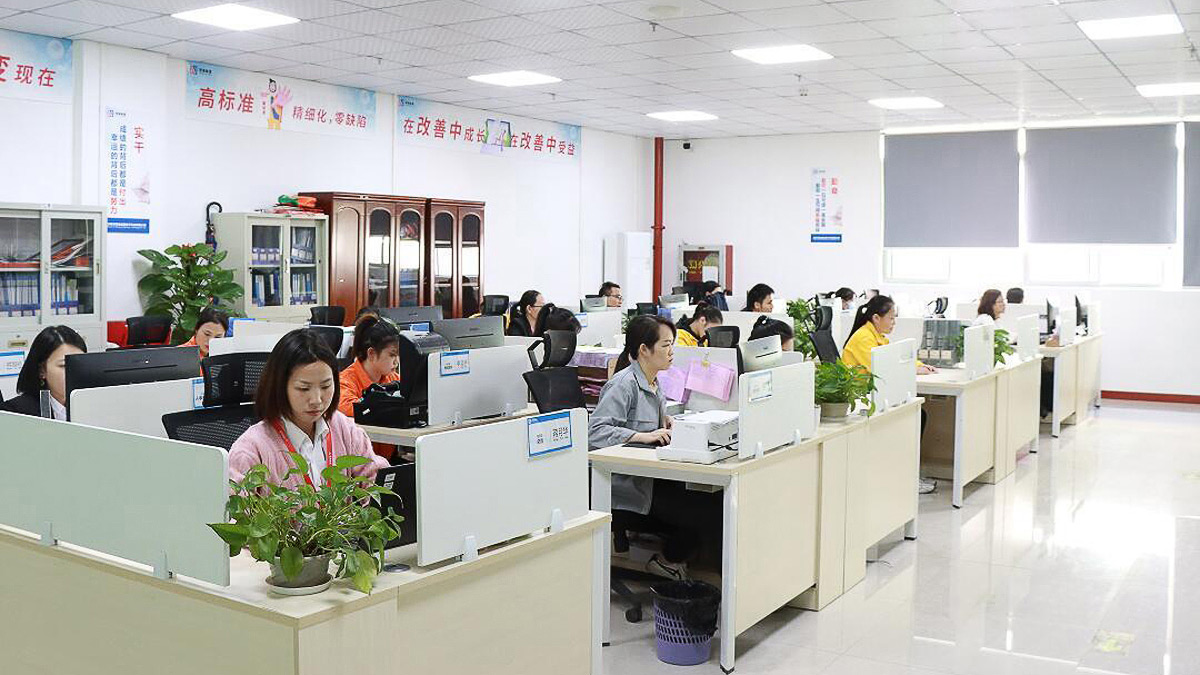
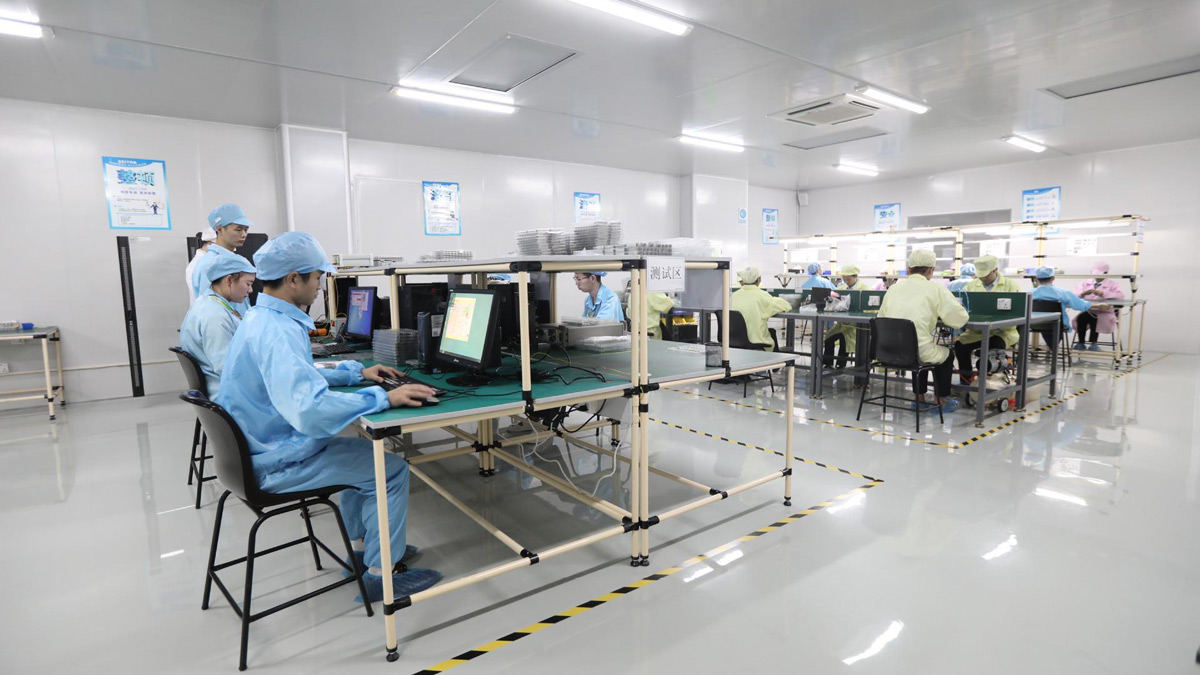
Our quality assurance architecture utilizes state-of-the-art testing instrumentation including high-speed oscilloscopes, optical time-domain reflectometers (OTDR), and eye diagram analyzers. Standard production flows include high-low temperature chamber aging to verify link stability in variable climatic conditions, structural bit-error-rate (BER) testing to confirm zero-packet-drop reliability, and comprehensive EEPROM coding validation to guarantee flawless hardware recognition across diverse networking devices.
Robust switches and media converters designed to interface seamlessly with your DAC/AOC high-speed network backbones.
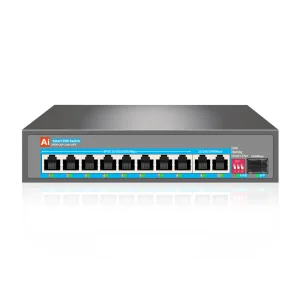
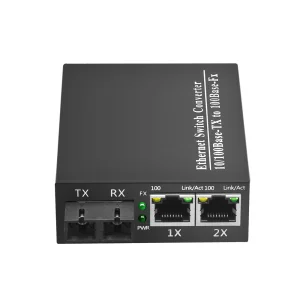
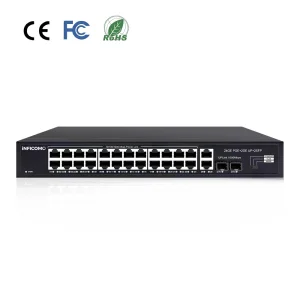
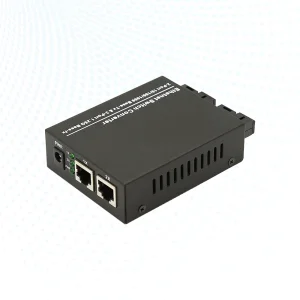
As virtualization and AI workloads expand across Greece's industrial sectors, regional infrastructure must keep pace. Legacy copper installations inside the rack are reaching physical limitations. Upgrading to high-speed DAC and AOC links allows operators to maintain excellent transmission integrity at lower costs. Over short distances (under 3 meters), high-performance passive copper twinax cables support high-density configurations without using extra power, making them highly economical. For longer runs (up to 100 meters) between rack clusters, active optical configurations use VCSEL technology over multimode optical fibers to deliver clean signals and low latency.
Working directly with a specialized manufacturer allows operators in Athens and Thessaloniki to custom-order specific cable lengths (such as 1.5m, 2.5m, or 4.5m options), matching their rack configurations exactly to prevent performance-hindering cable slack. This direct customization optimizes airflow, reduces temperatures, and cuts down on overall system maintenance costs.
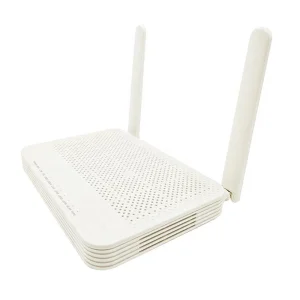
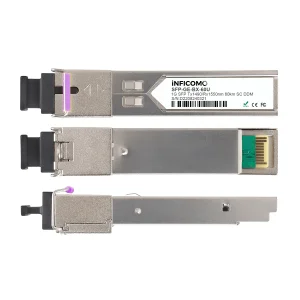
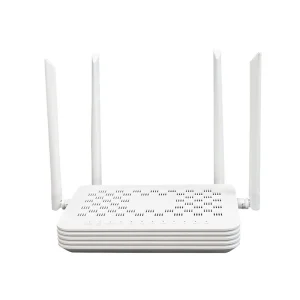
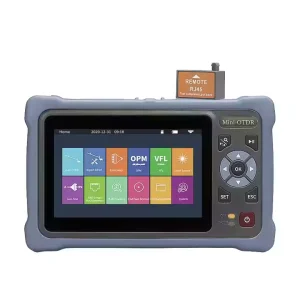
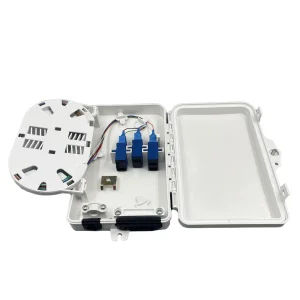
End-to-end subscriber connectivity, optical network terminals, and testing tools for Greek FTTH deployments.
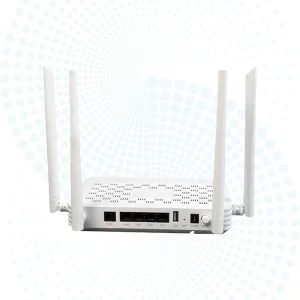
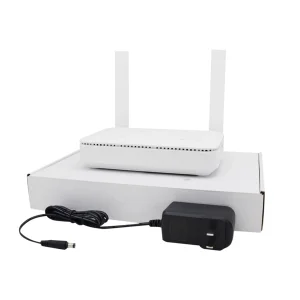
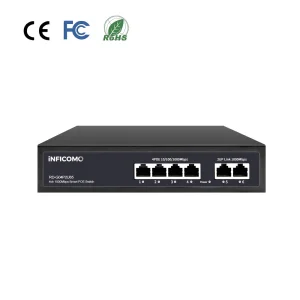
Critical technical insights and answers for procurement specialists and network architects in Greece.
 Soras Tech