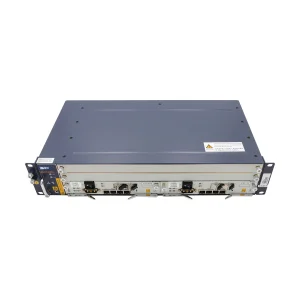
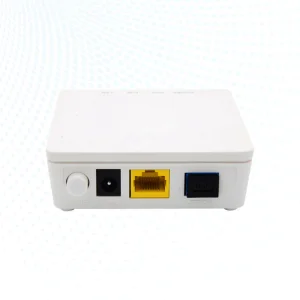
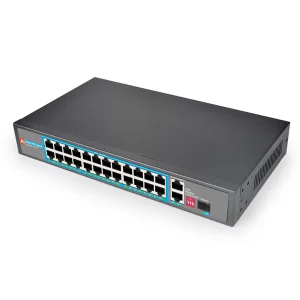
Engineered for high density urban clusters in Tel Aviv, Haifa, and dynamic technological industrial parks.
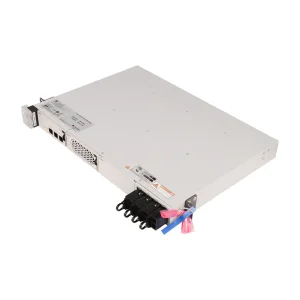
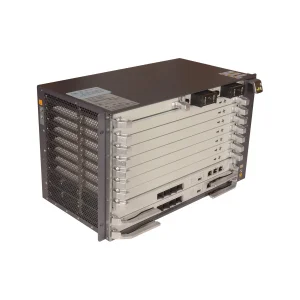
Israel represents one of the world's most dynamic and demanding technological ecosystems, often referred to as "Silicon Wadi." The nation’s digital infrastructure is undergoing rapid transformations driven by regulatory mandates from the Ministry of Communications (MoC) to replace legacy copper lines with ultra-high-speed fiber optics. This fiber-to-the-home (FTTH) expansion relies heavily on high-density, reliable Optical Line Terminals (OLTs) capable of managing massive symmetric data rates.
As telecom operators (including Bezeq, HOT, and IBC/Unlimited) scale their network layouts, they face unique geographical challenges. Networks must remain robust across high-density urban areas like Tel Aviv, while maintaining heat-resilient performance in Negev desert installations. Consequently, procurement profiles require OLT systems that feature advanced cooling, modular scalability, and absolute compliance with international telecommunication standards (ITU-T G.984/G.988/G.9807.1).
Soras Technology, leveraging over a decade of deep optical transmission manufacturing expertise, delivers grade-A, carrier-compatible OLT equipment. Our solutions seamlessly integrate into existing systems from brands like HW and ZTE, safeguarding long-term capital investments for ISPs and industrial telecom contractors in Israel.
Analyzing key structural concerns of procurement officers regarding system compatibility, bandwidth overheads, and thermal stability.
Most operators operate multi-vendor networks. Our OLT systems support open standards and complete interoperability with third-party ONUs. Standardized protocols allow integration across existing HW and ZTE architecture, preventing vendor lock-in and minimizing deployment friction.
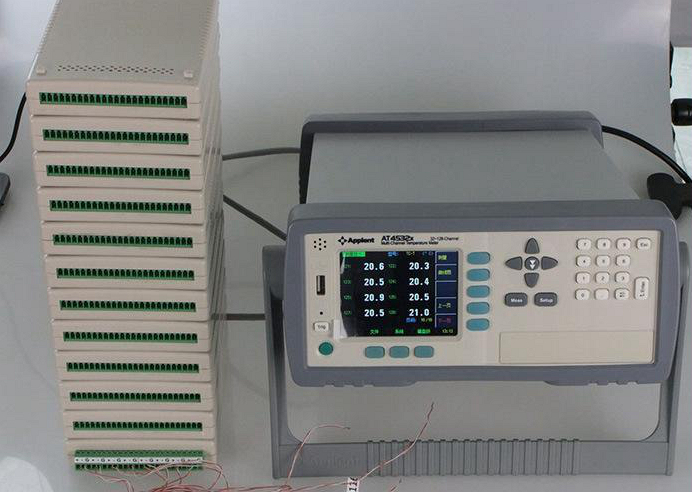
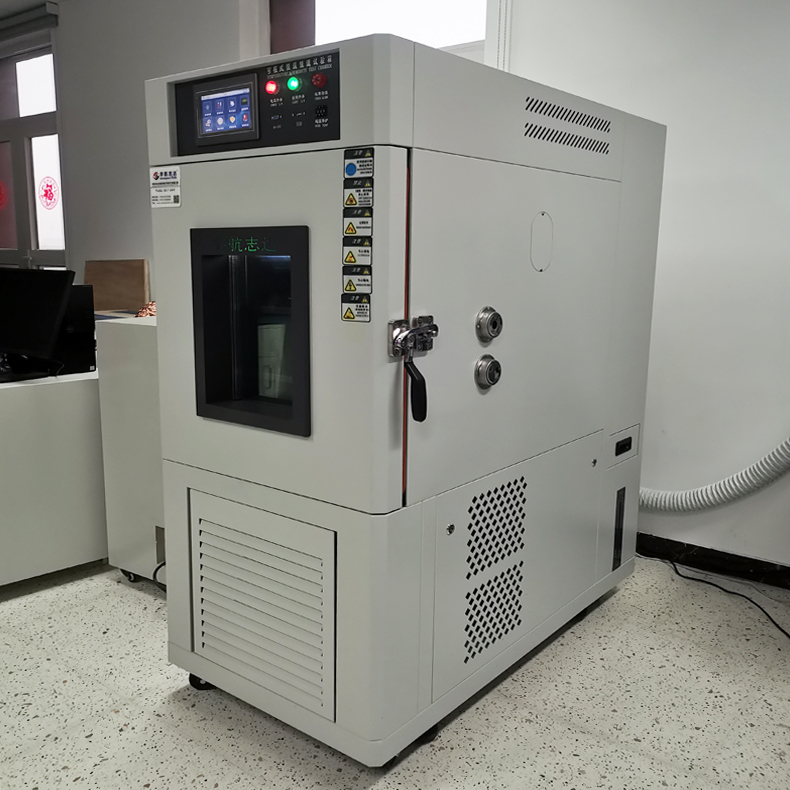
Equipment installed in outdoor enclosures must withstand extreme high and low temperature variations. Our hardware features specialized industrial components tested inside controlled high-low temperature chambers (-40°C to +85°C) to ensure continuity of service under direct heat.
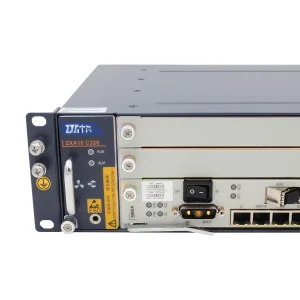
Moving from GPON/EPON to XGS-PON and 50G-PON is critical for future-proofing. Our interface boards and service chassis (such as the MA5800 and ZXA10 series) support smooth transitions via co-existence (WDM) modules, enabling legacy and next-gen protocols over the same fiber.
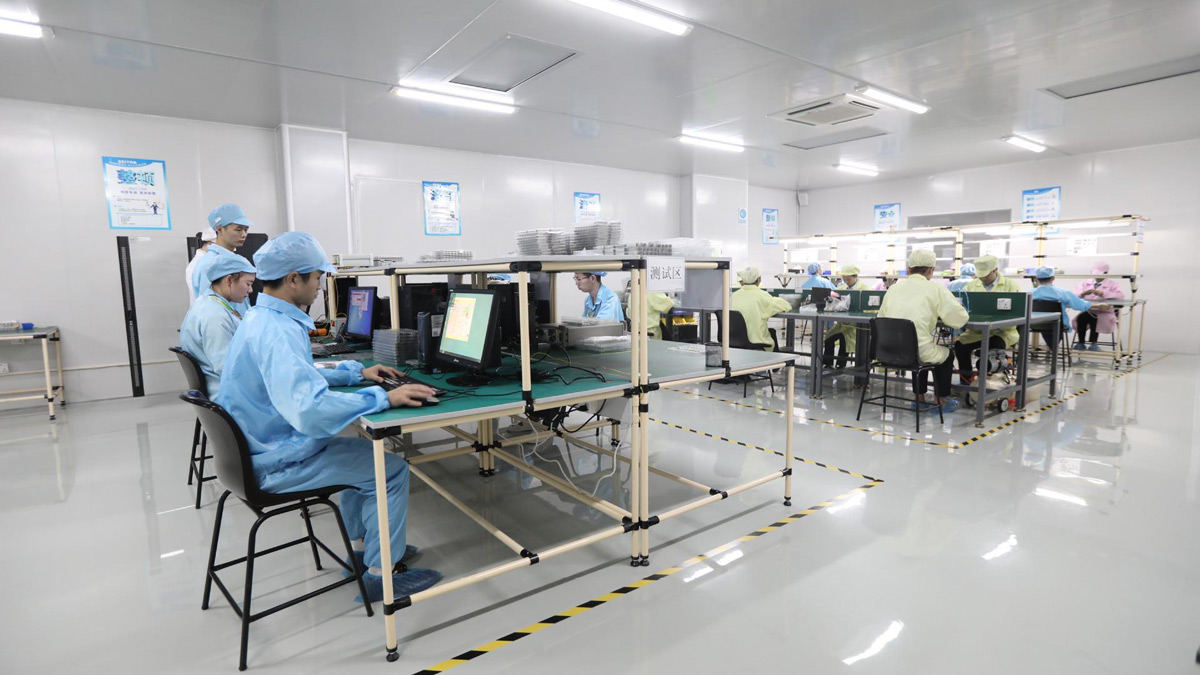
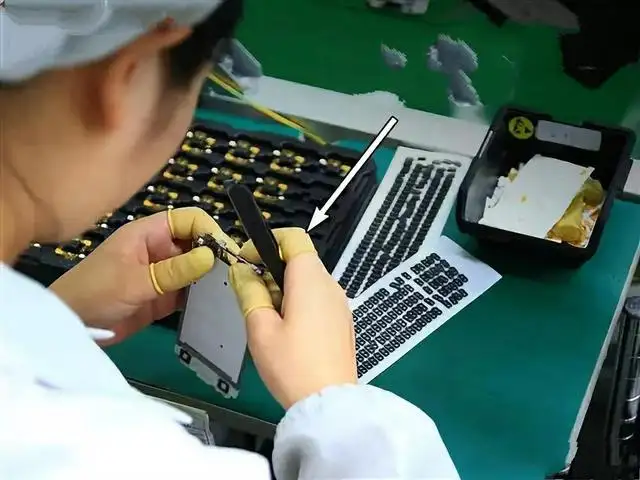
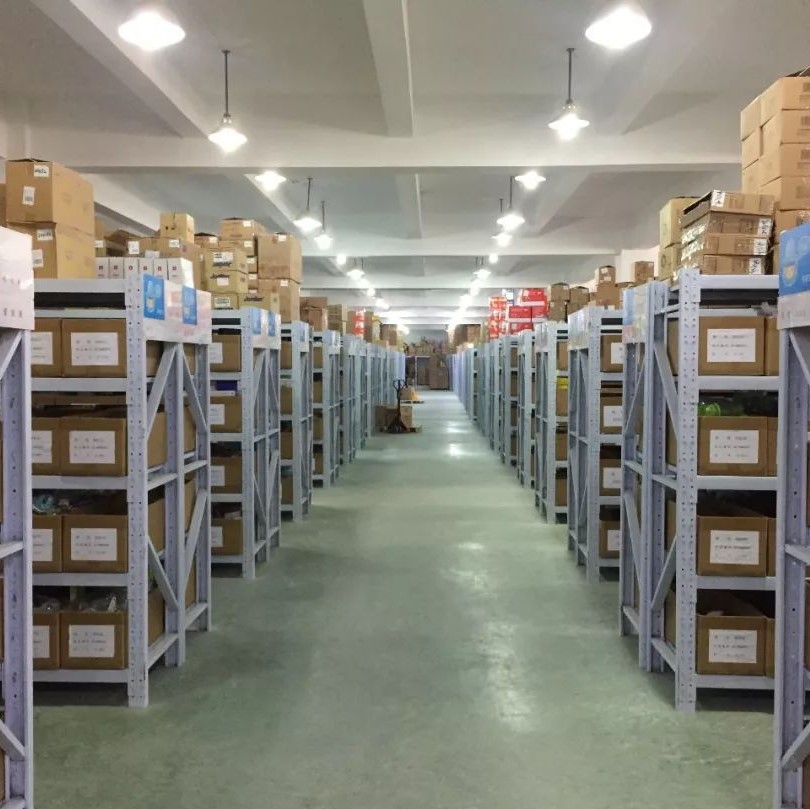
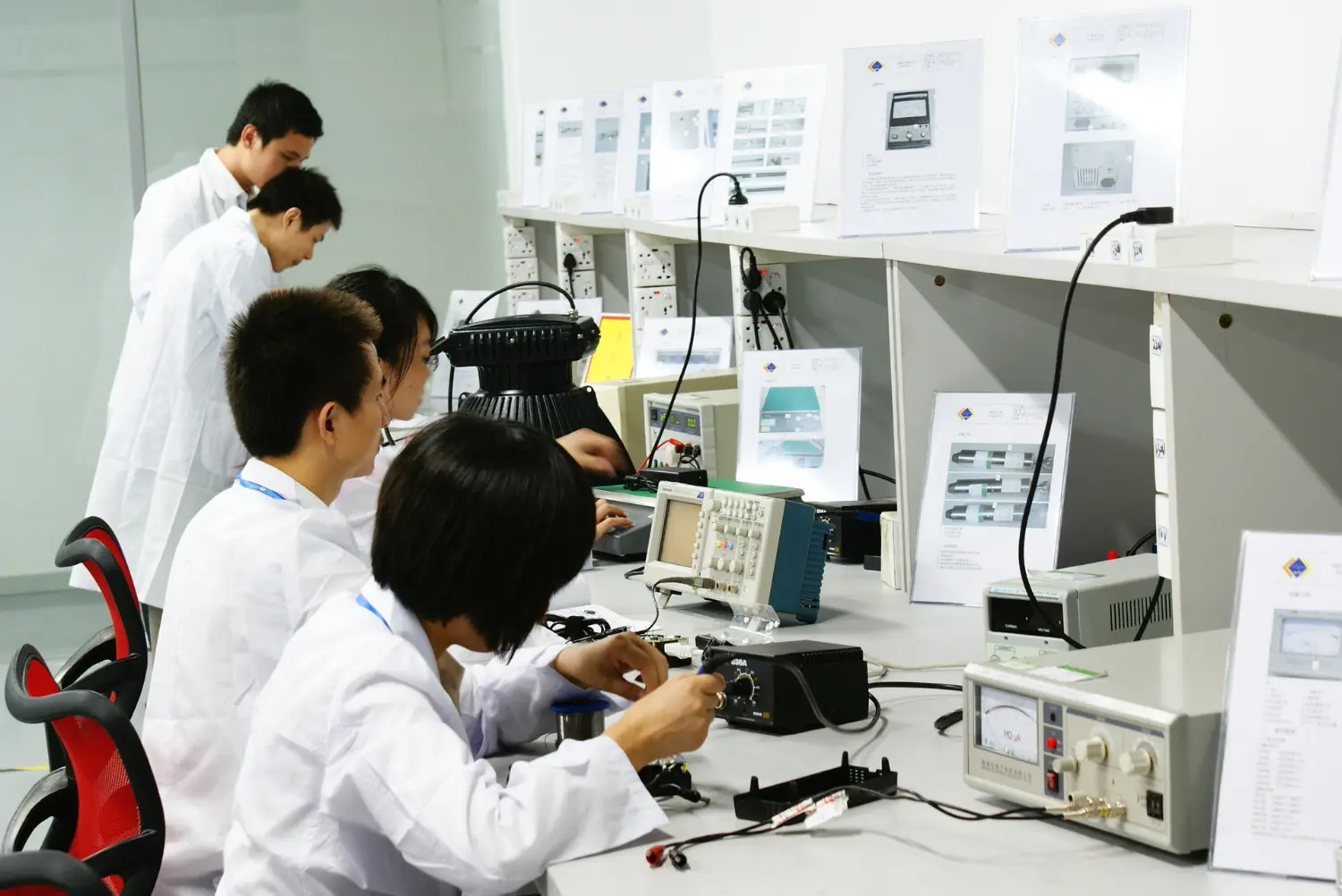
Established in 2021, Shenzhen Soras Technology Co., Ltd. stands as a premier manufacturer of high-end optical transmission and IP networking equipment. Based in Guangdong, China, we operate an integrated manufacturing facility combining state-of-the-art SMT (Surface Mount Technology) assembly lines with meticulous quality control laboratories.
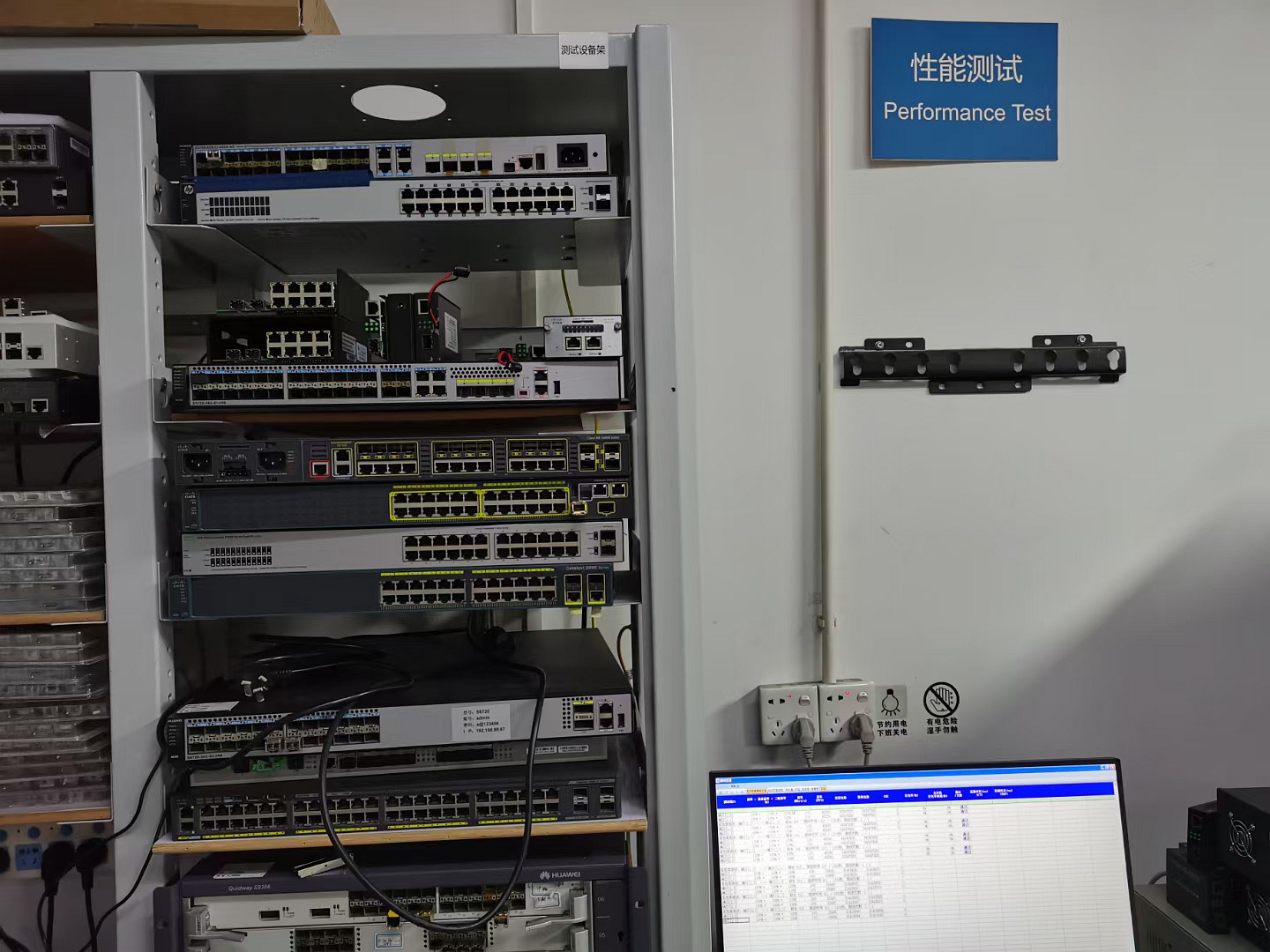
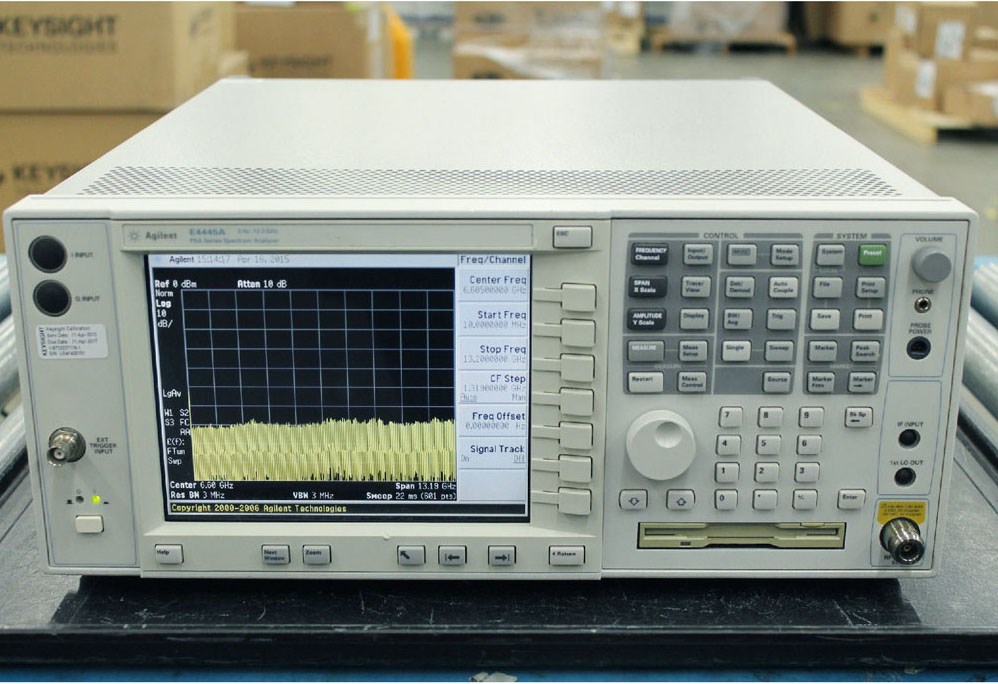
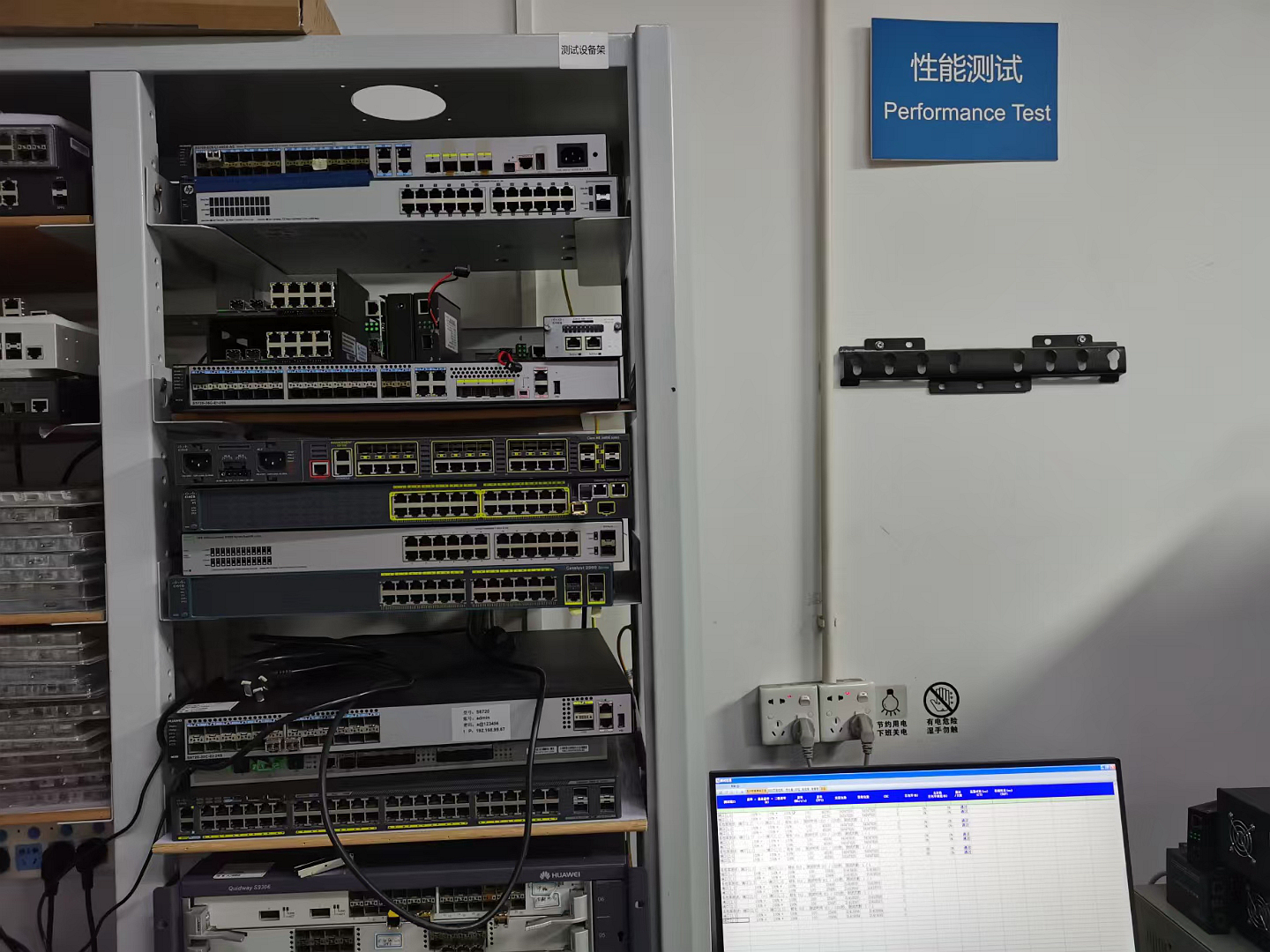
Our core mission revolves around providing telecom operators and enterprise networks with cost-effective, high-reliability infrastructure. Our production workflows conform strictly to ISO 9001, CE, FCC, and RoHS standards, and our products undergo intensive stress testing (such as WIFI calibration, high-low temperature sweeps, and packet-loss simulations) before dispatch. Currently, our equipment serves clients in over 60 countries across North America, South America, and Europe.
| Soras Technology Profile | |
|---|---|
| Business Type | Manufacturer (OEM/ODM Accepted) |
| Main Products | FTTH ONU & OLT, SFP Module, Fiber Media Converter, POE Switch, Fiber Optic Accessories |
| Certifications | ISO 9001, CE, FCC, RoHS, UL Compliant |
| Established Year | 2021 (10+ Years Management & R&D Experience) |
| Primary Markets | Domestic Market (24%), North America (15%), Europe (15%), South America & Israel |



Fiber deployments in Israel's commercial hubs now prioritize symmetric high-speed offerings. Standard GPON, offering 2.5 Gbps downstream and 1.25 Gbps upstream, is rapidly reaching saturation due to heavy enterprise cloud loads, local AI processing demands, and virtualized defense application networks.
The integration of XGS-PON (10 Gigabit Symmetric Passive Optical Network) provides an immediate 4x increase in downstream capacity and an 8x boost in upstream bandwidth. Soras Technology designs OLT system components with future-proof migration features.
Using WDM (Wavelength Division Multiplexing) coexistence filters, operators can transmit GPON (1310nm/1490nm) and XGS-PON (1270nm/1577nm) signals simultaneously on a single fiber line. This allows a smooth upgrade path for subscribers without replacing existing optical distribution networks (ODN).
A comprehensive suite of ONUs, compact OLT systems, and intelligent switches designed for modern local deployments.
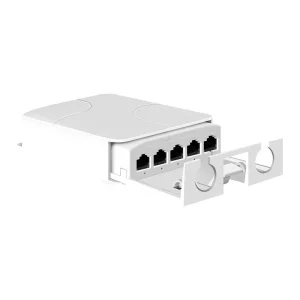
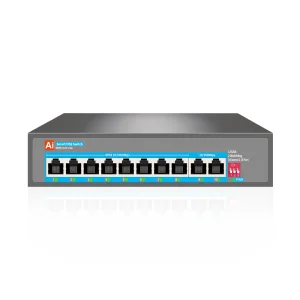
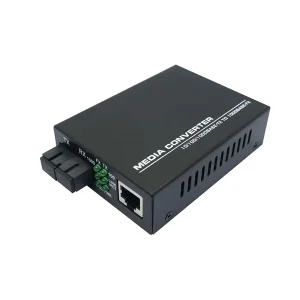
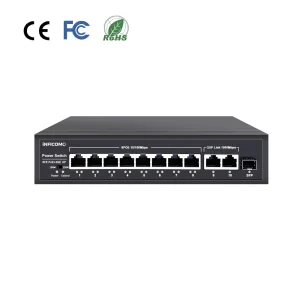
Deploying active telecommunication equipment in Israel requires strict compliance with the Standards Institution of Israel (SII) safety standards, alongside electromagnetic compatibility (EMC) regulations matching European CE directives.
Given Israel's critical focus on cybersecurity, our OLT and ONU systems are built with hardware-level security protocols. Our firmware supports advanced Access Control Lists (ACL), secure management protocols (SSHv2, HTTPS, SNMPv3), and optical encryption standards (AES-128) to ensure that the physical fiber medium is protected against physical layer tapping and intrusion attempts.
Furthermore, our environmental testing protocols match the requirements for high-ambient heat deployments in Israel's southern regions, guaranteeing prolonged MTBF (Mean Time Between Failures) inside roadside active cabinets without active refrigeration.
Addressing the technical, commercial, and logistical questions raised by network engineers and procurement managers.
 Soras Tech