How our localized 1.25G Duplex SFP optical transceivers power Turkey’s municipal, industrial, and carrier communication hubs.
Turkey occupies a unique, highly strategic geographical position bridging the digital corridors of Europe, the Middle East, and Central Asia. The demand for robust optical infrastructure has spiked dramatically as the Turkish Information and Communication Technologies Authority (BTK) continues to drive the National Broadband Strategy. Municipal fiber-to-the-home (FTTH) expansion, corporate metropolitan area networks (MANs) in major cities like Istanbul, Ankara, and Izmir, and the connection of over 300 Organized Industrial Zones (OSBs) mandate highly reliable and cost-effective fiber optic components.
Our 1.25G Duplex SFP Modules represent the foundational building blocks of these networks. These devices are optimized to convert optical signals to electrical packets seamlessly, ensuring that legacy Gigabit Ethernet systems coexist and perform alongside next-generation GPON networks. By choosing optical solutions validated under rigorous multi-vendor protocols, network integrators in Turkey can achieve substantial savings while guaranteeing high-availability link metrics.
“Turkey's data center traffic and localized web caching nodes are growing at an annual rate exceeding 25%. Equipping network architecture with robust 1.25G Duplex SFP transceivers prevents optical power degradation and minimizes packet loss at key cross-border gateways.”
Optimized and certified for local network topologies in Marmara and Central Anatolia.
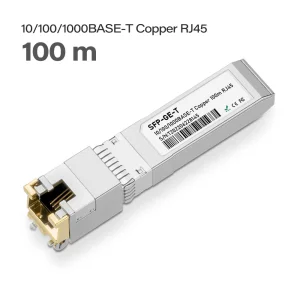
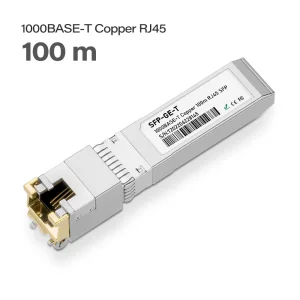


Engineered to handle environmental and electrical fluctuations in municipal and industrial networks.
Monitors critical operating parameters including laser bias current, optical input/output power, operating voltage, and internal temperature to prevent unexpected downtime.
Designed with superior thermal dissipation casings to function optimally in extended temperature environments (-40°C to +85°C), typical for remote enclosures in Turkey’s high altitudes.
Programmed EEPROMs ensure native handshakes with top-tier switches like Cisco, Juniper, Huawei, Mikrotik, and HP without triggering system compatibility warnings.
Depending on the required span, optical transceivers are configured with varying optical power budgets and laser configurations:
A premier global manufacturing leader of optical transceivers and active network equipment.
Established as a central hub of innovation in Guangdong, China, Shenzhen Soras Technology Co., Ltd. represents the standard of modern high-speed optical component manufacturing. Backed by over a decade of operational excellence, we specialize in FTTH ONU/OLT development, SFP modules, Fiber Media Converters, and PoE Switches. Our engineering teams facilitate comprehensive ODM & OEM partnerships, ensuring custom hardware firmware optimizations are tailored to specific carrier requirements.
Our manufacturing workflow is certified under ISO 9001, UL, CE, FCC, and RoHS frameworks, aligning completely with the high import compliance standards required for the Turkish market and the broader European Union. This systematic attention to detail guarantees an average failure rate of less than 0.01% on deployed components.

| Business Parameter | Details & Capacity | Regional / Compliance Metrics | Verification Standards |
|---|---|---|---|
| Business Type | Manufacturer & OEM/ODM Exporter | Country / Region | Guangdong, China |
| Main Products | FTTH ONU & OLT, SFP Transceivers, Media Converters, PoE Switches | Total Employees | 11 - 50 People (Including R&D and Quality Assurance Engineers) |
| Annual Revenue | US$5 Million - US$10 Million | Year Established | 2021 |
| Main Markets | Europe (Including Turkey), North America, South America, Domestic China | Certifications | ISO 9001, CE, FCC, RoHS Compliance |
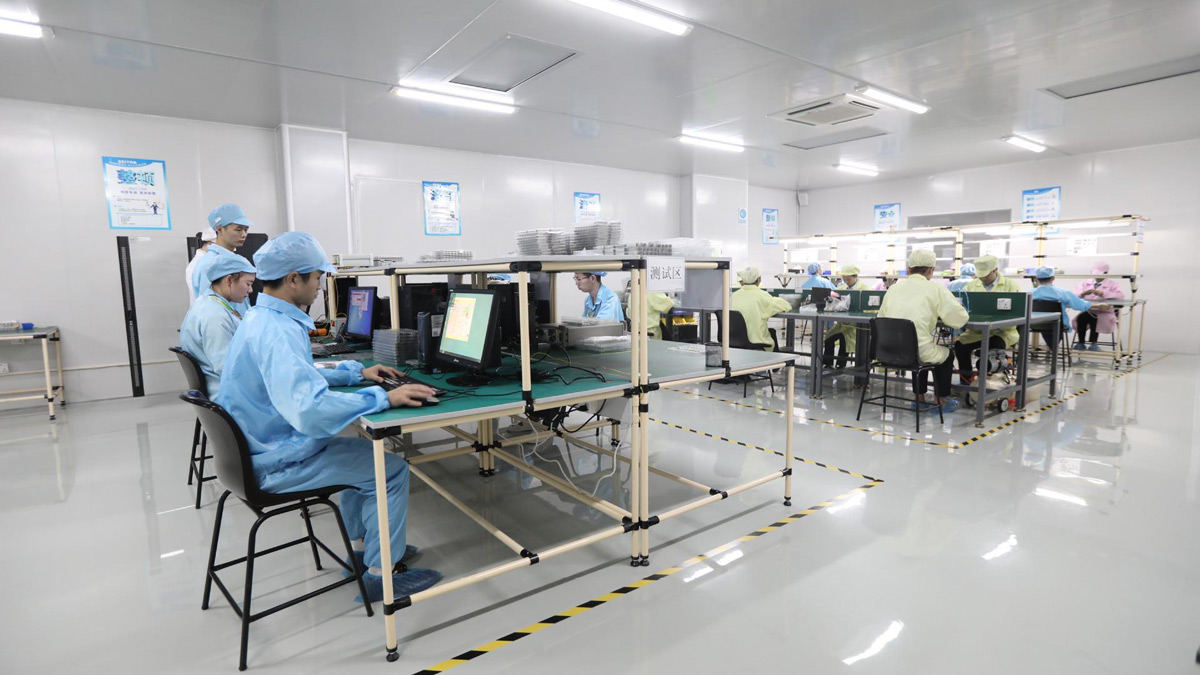
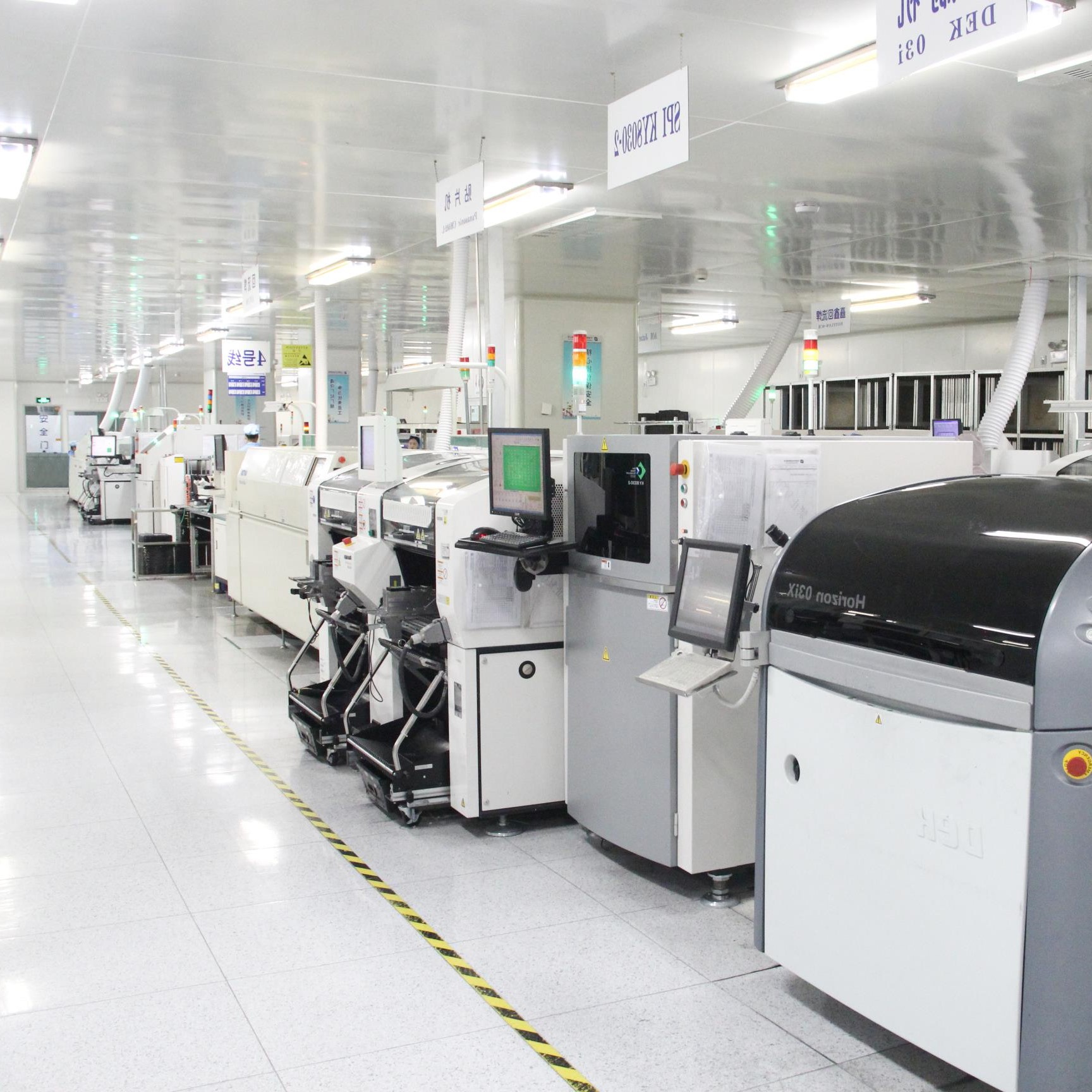
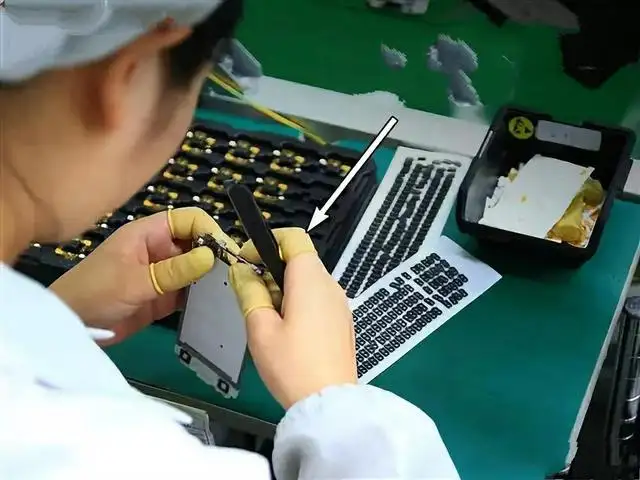
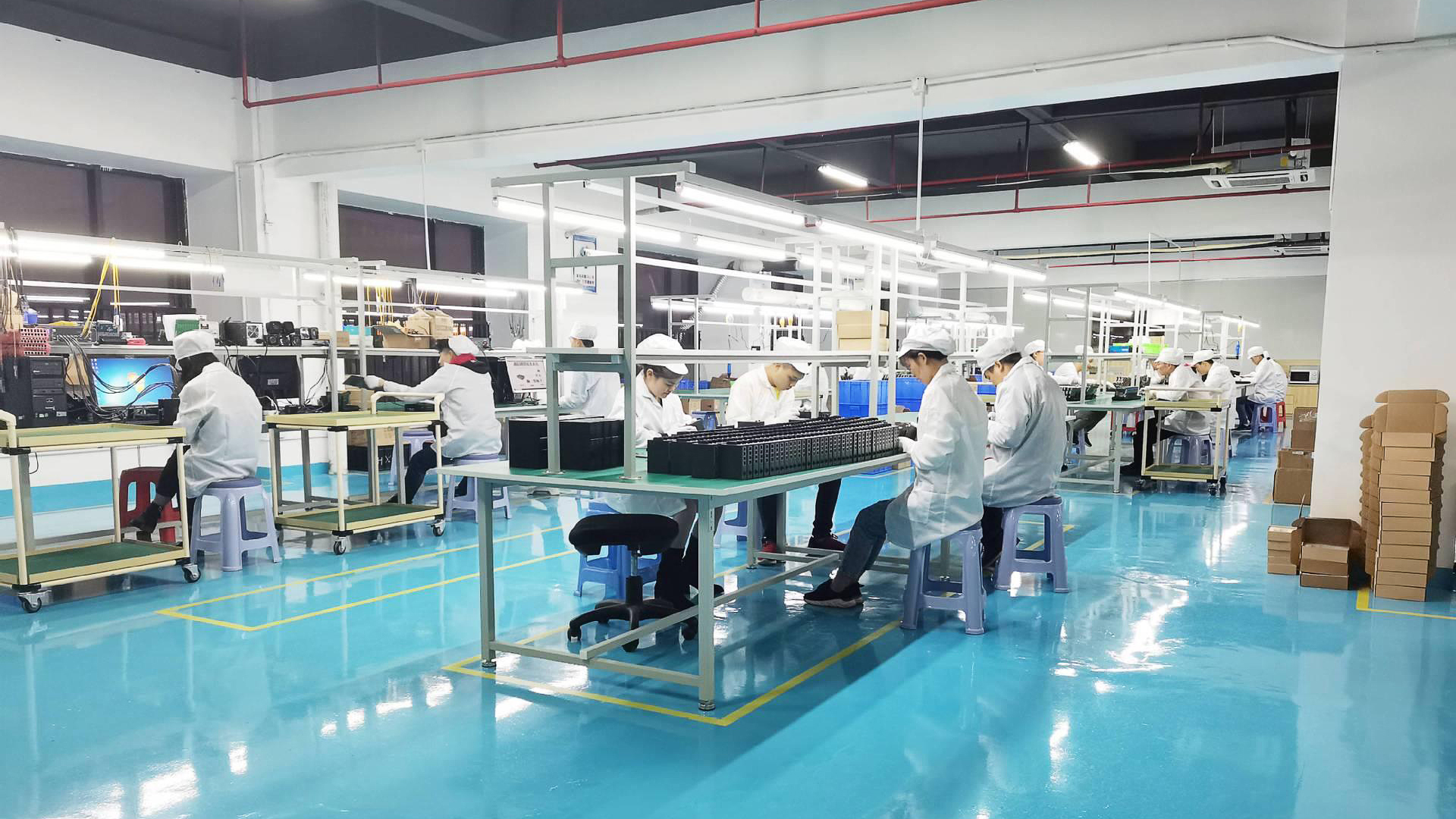
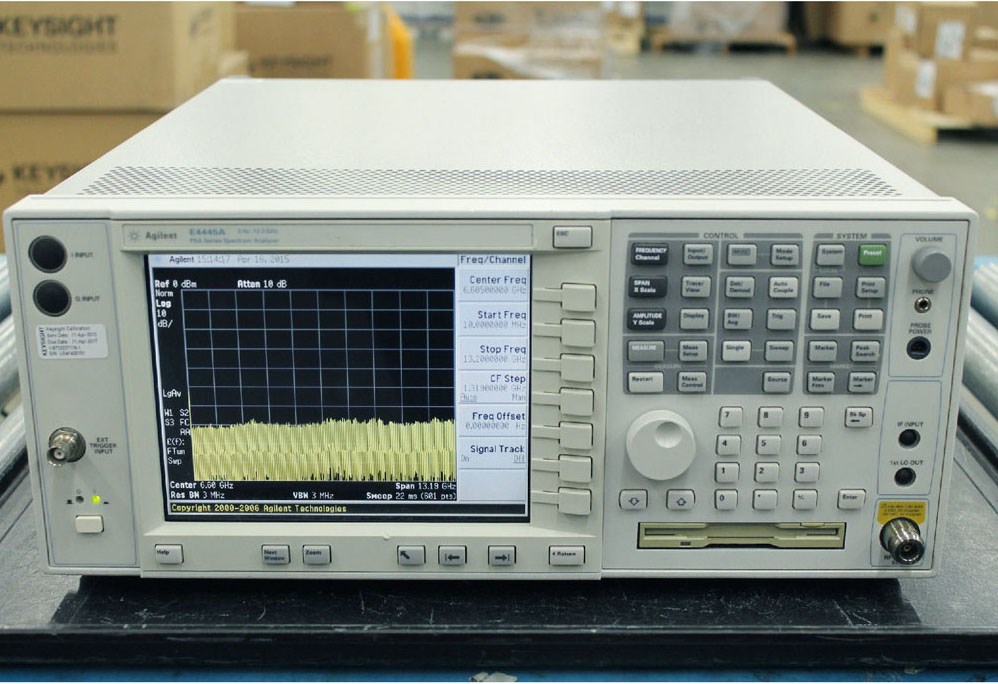
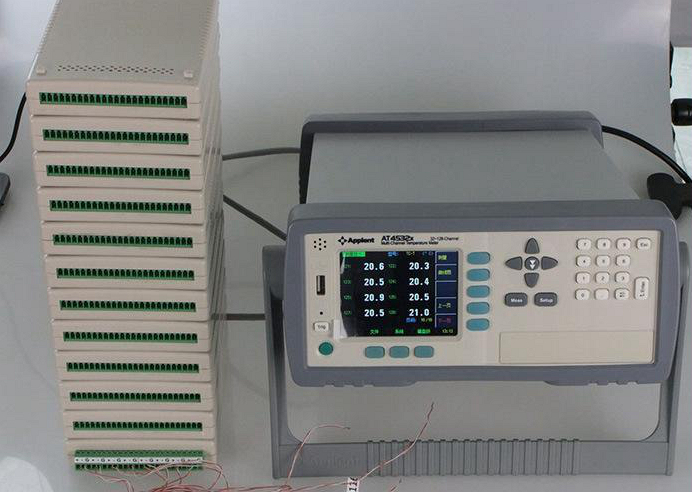
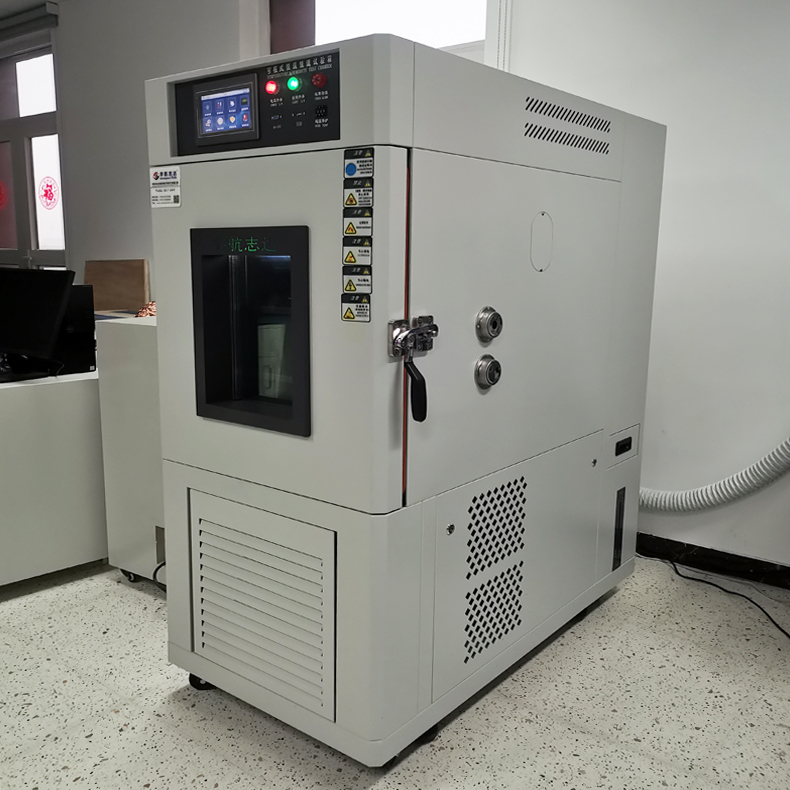
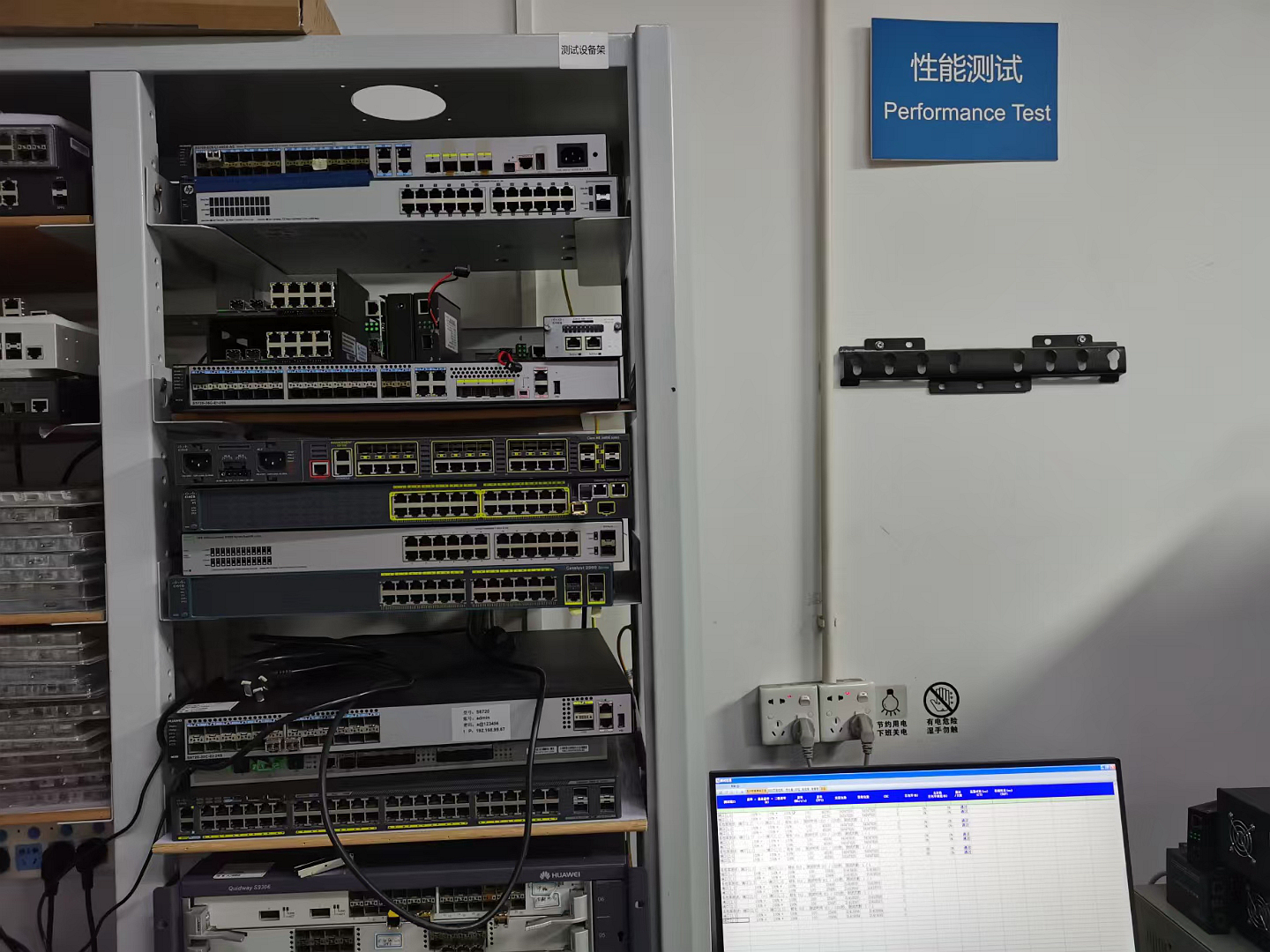
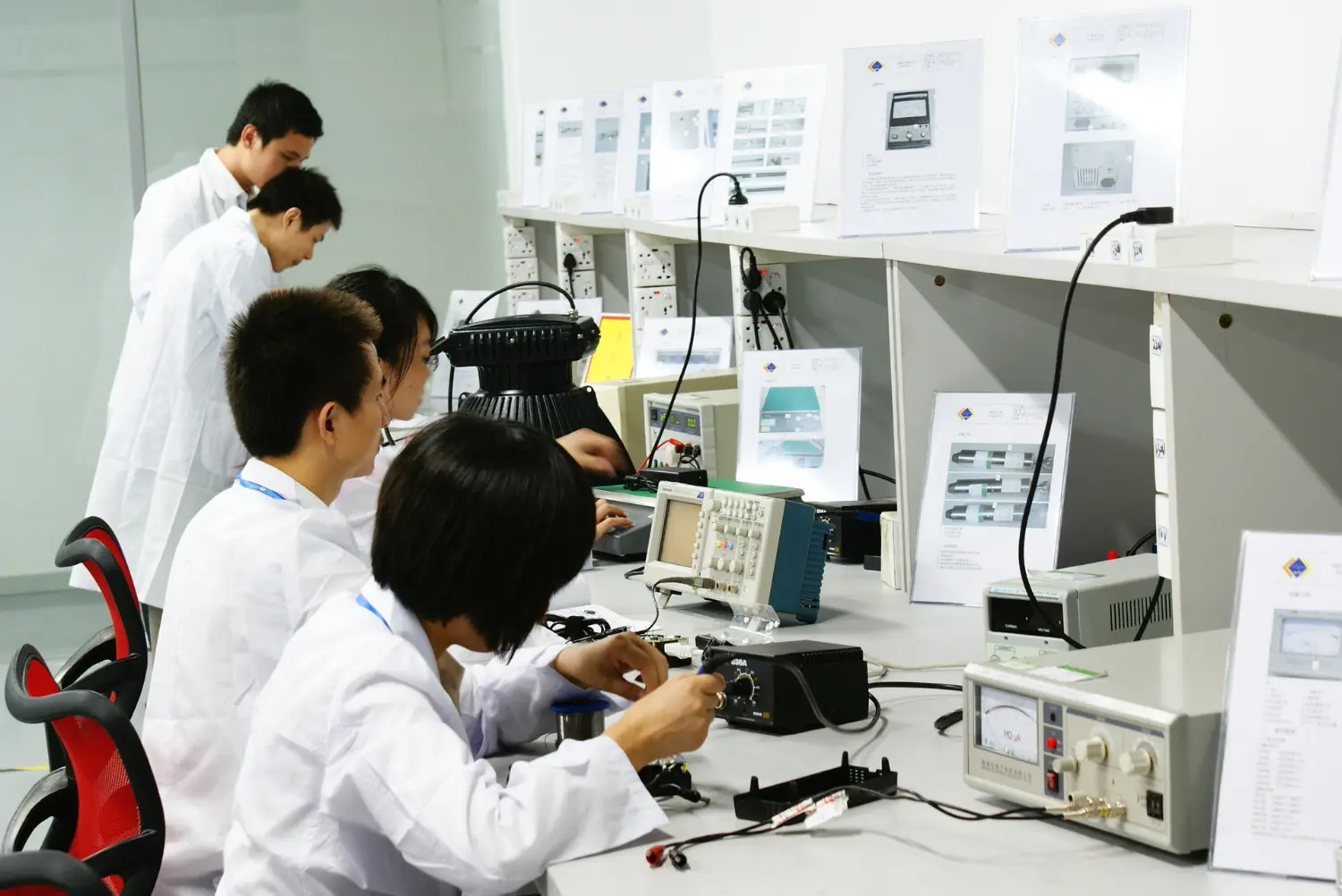
Our production facilities feature high-speed SMT assembly, real-time optical performance debugging, and harsh environmental stress testing chambers. This rigorous protocol maintains stable supply chain execution even under tight project timelines.

Leveraging the Middle Corridor and express custom routing to ensure fast transit times and continuous supply.
In modern industrial networking, supply chain delays can lead to project penalties and missed deployment deadlines. The "Belt and Road" initiative, alongside the development of the trans-Caspian East-West Middle Corridor, has linked China’s manufacturing centers directly with Turkey’s major rail and shipping terminals, including the Port of Ambarlı (Istanbul), Port of Mersin, and Port of Izmir.
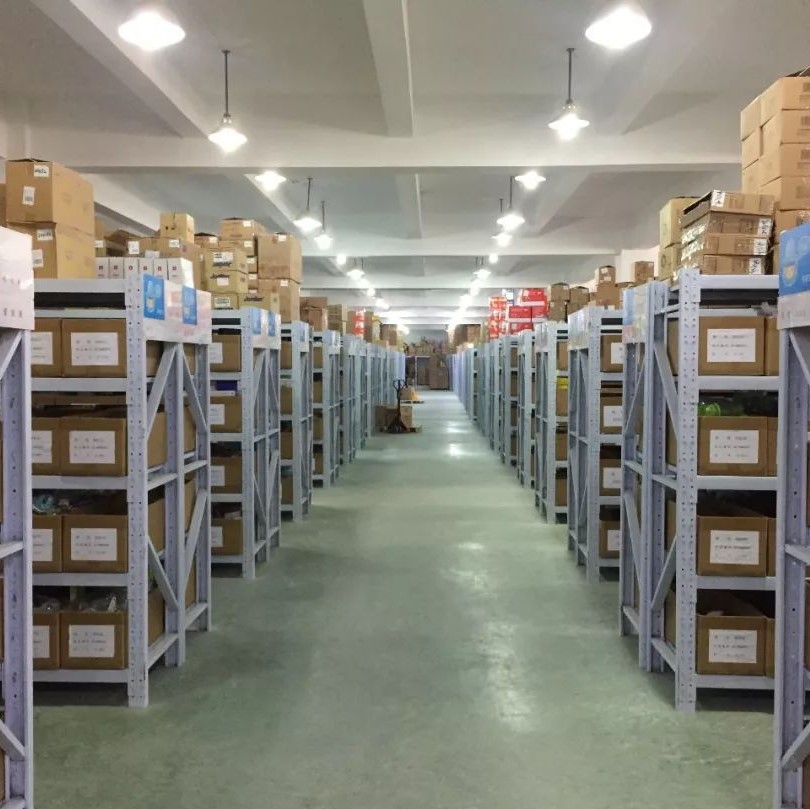
We work with established local customs brokers and logistics providers to simplify clearance at the Turkish border. Whether your company is handling a project in Istanbul, Ankara, Izmir, or Bursa, we coordinate direct air, rail, or sea transit to keep your builds on schedule. We maintain a steady inventory of raw materials and standard optoelectronics, allowing us to package, test, and ship high-runner 1.25G Duplex transceivers and active equipment within short lead times.
Explore our full line of long-distance transceivers, active switches, and customer premise equipment (CPE).
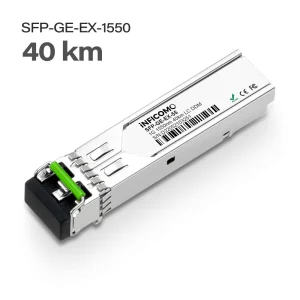

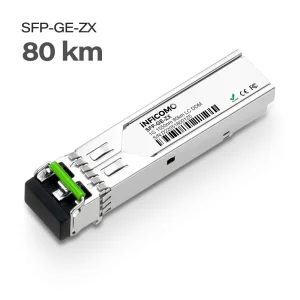
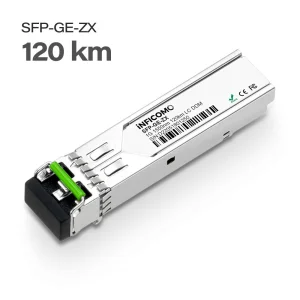



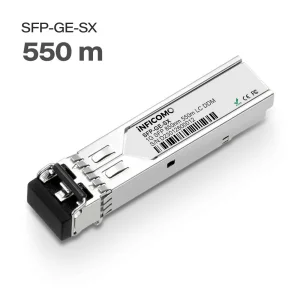

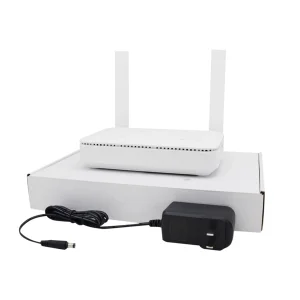

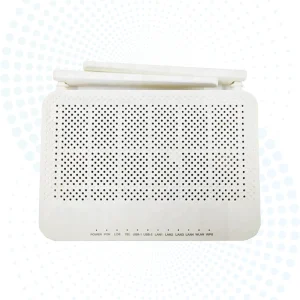
Upgrading networks from legacy gigabit speeds to high-density multiplex systems.
Although GPON and XGS-PON technologies dominate newer fiber rollouts, the 1.25G Duplex SFP module remains a widely deployed standard for enterprise connections, municipal routing, and base station links. In many parts of Turkey, municipal monitoring, SCADA controls at industrial sites, and rural networks rely on Gigabit Ethernet over fiber. Selecting premium transceivers extends the service life of these switches and media converters, postponing costly hardware replacements.
As networks upgrade to higher bandwidths (10G SFP+, 25G SFP28, and 100G QSFP28), we offer transition paths with dual-rate transceivers and active switches that support auto-negotiation between older 1.25G systems and newer 10G networks. This design helps minimize service interruptions during migration.
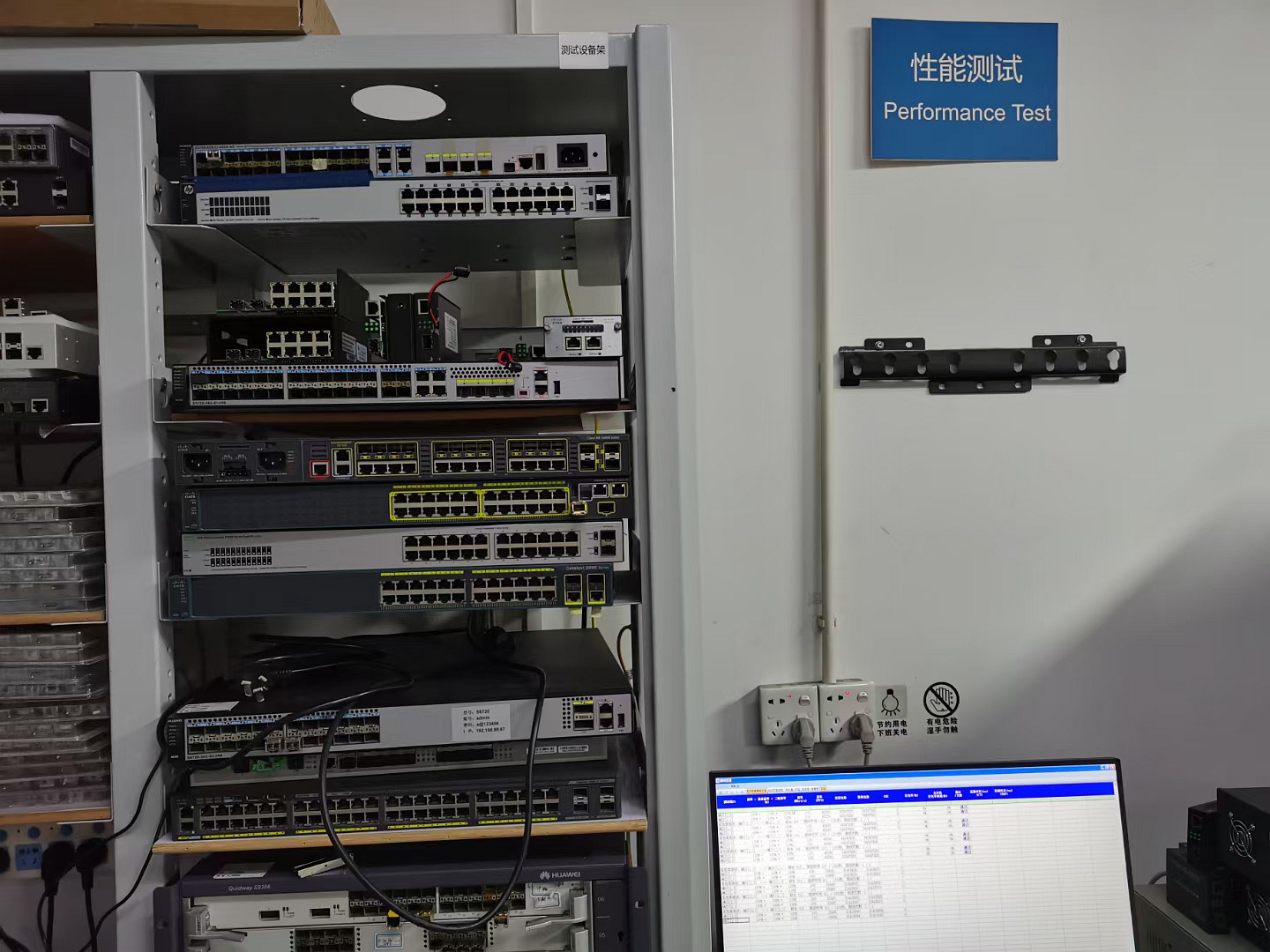
Each batch of transceivers undergoes rigorous optical testing before shipping. Using advanced digital spectrum analyzers and bit-error-rate testers (BERT), our QA team evaluates parameters such as eye diagrams, extinction ratios, center wavelengths, and receiver sensitivity. Thermal chambers simulate temperature extremes to ensure that modules deployed in Anatolian regions with harsh winters and hot summers operate reliably year-round.
Technical and logistics answers for network administrators, telecom operators, and procurement managers in Turkey.
Our standard manufacturing and testing lead time ranges from 3 to 7 working days, depending on order volume. Air freight transit via international carriers (DHL, FedEx, UPS) to major Turkish airports generally takes 3 to 5 days. For larger bulk orders, we also offer combined rail and sea freight options via the Middle Corridor, which takes approximately 18 to 25 days to arrive at major customs terminals.
Yes, all of our transceivers are programmed with vendor-specific EEPROM coding prior to dispatch. During order placement, our technical team confirms your target host switch model to ensure the modules handshake correctly without triggering system alerts.
Every module is tested on host switches in our lab to verify bit error rates (BER < 10^-12) and optical power levels. We also conduct high/low temperature tests (-40°C to +85°C) to ensure stability in the outdoor enclosures and cabinets used across Turkey’s varied climates.
Our production facility and products carry ISO 9001, UL, CE, FCC, and RoHS certifications. We supply all compliance certificates and test logs to support importation through Turkish customs and verification by BTK inspectors.
Yes, we offer OEM and ODM services. Our engineering team can customize transceivers and active devices (such as ONUs and media converters) to match specific wavelengths, distance profiles, or firmware parameters required for your network designs.
Contact our technical sales team for comprehensive compatibility charts, pricing tiers, and customized solutions for your projects in Turkey.
 Soras Tech