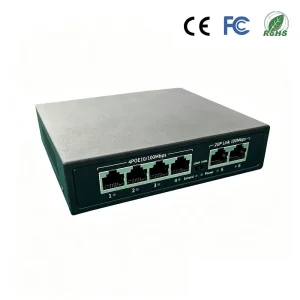
Explore our top-performing products designed for high-density, low-latency, and robust enterprise communications.
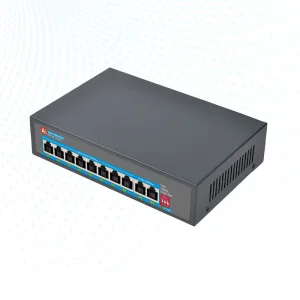
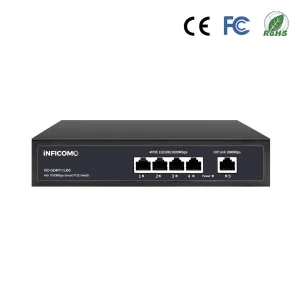

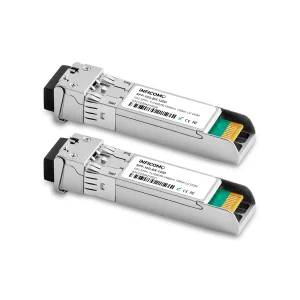

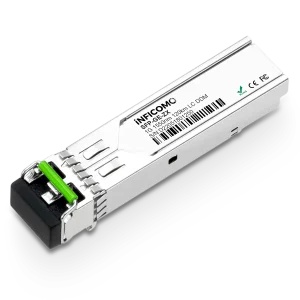
Understanding the transition to 802.11ax technology and its architectural impacts on modern fiber backbones and optical terminals.
As digital ecosystems expand, the demand for fast, reliable, and high-density connectivity has led to a paradigm shift in wireless communication. Wi-Fi 6, based on the IEEE 802.11ax standard, addresses the network bottlenecks of Wi-Fi 5 (802.11ac) by delivering four times the capacity in dense user environments. This technological leap relies on key innovations like Orthogonal Frequency Division Multiple Access (OFDMA), Multi-User Multiple-Input Multiple-Output (MU-MIMO) in both uplink and downlink directions, and Target Wake Time (TWT).
Information Gain: Traditional Wi-Fi standards struggled in crowded scenarios due to inefficient packet scheduling. OFDMA solves this by dividing a single channel into sub-carriers (Resource Units), allowing multiple clients with diverse bandwidth requirements to communicate simultaneously. This reduces latency by up to 75% compared to legacy architectures.
To fully leverage Wi-Fi 6 speeds, the underlying optical and wired infrastructure must adapt. A high-performance Wi-Fi 6 Access Point or ONU (Optical Network Unit) cannot perform to its potential if constrained by a legacy 10/100Mbps Ethernet backhaul. Fiber termination equipment (GPON/XPON ONT) and modern PoE switches must scale to gigabit and multi-gigabit capacities to ensure end-to-end efficiency. This is where Soraslink's integrated product portfolio bridges the gap between optical WAN and wireless LAN.
Splits wireless bands into narrow sub-carriers, allowing simultaneous high-efficiency transmission for multiple endpoints.
Assigns distinct colors to localized networks, preventing co-channel interference in high-density office buildings or campus networks.
Allows devices to schedule check-ins with the access point, reducing power draw and extending IoT sensor battery life.
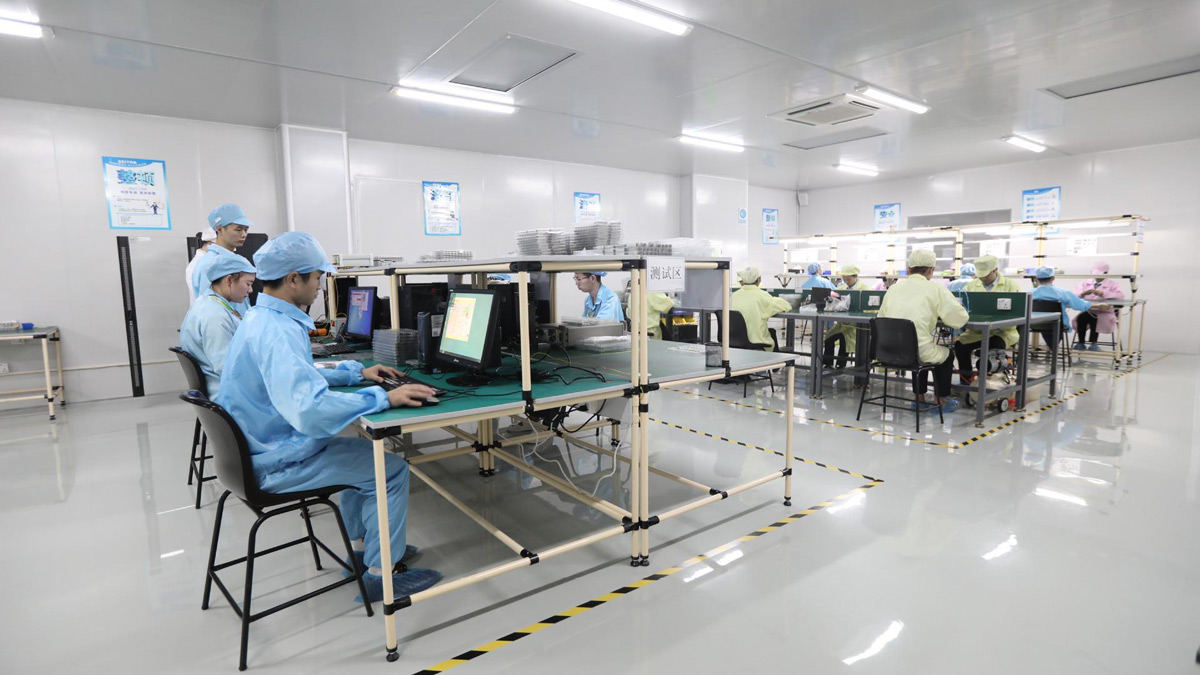
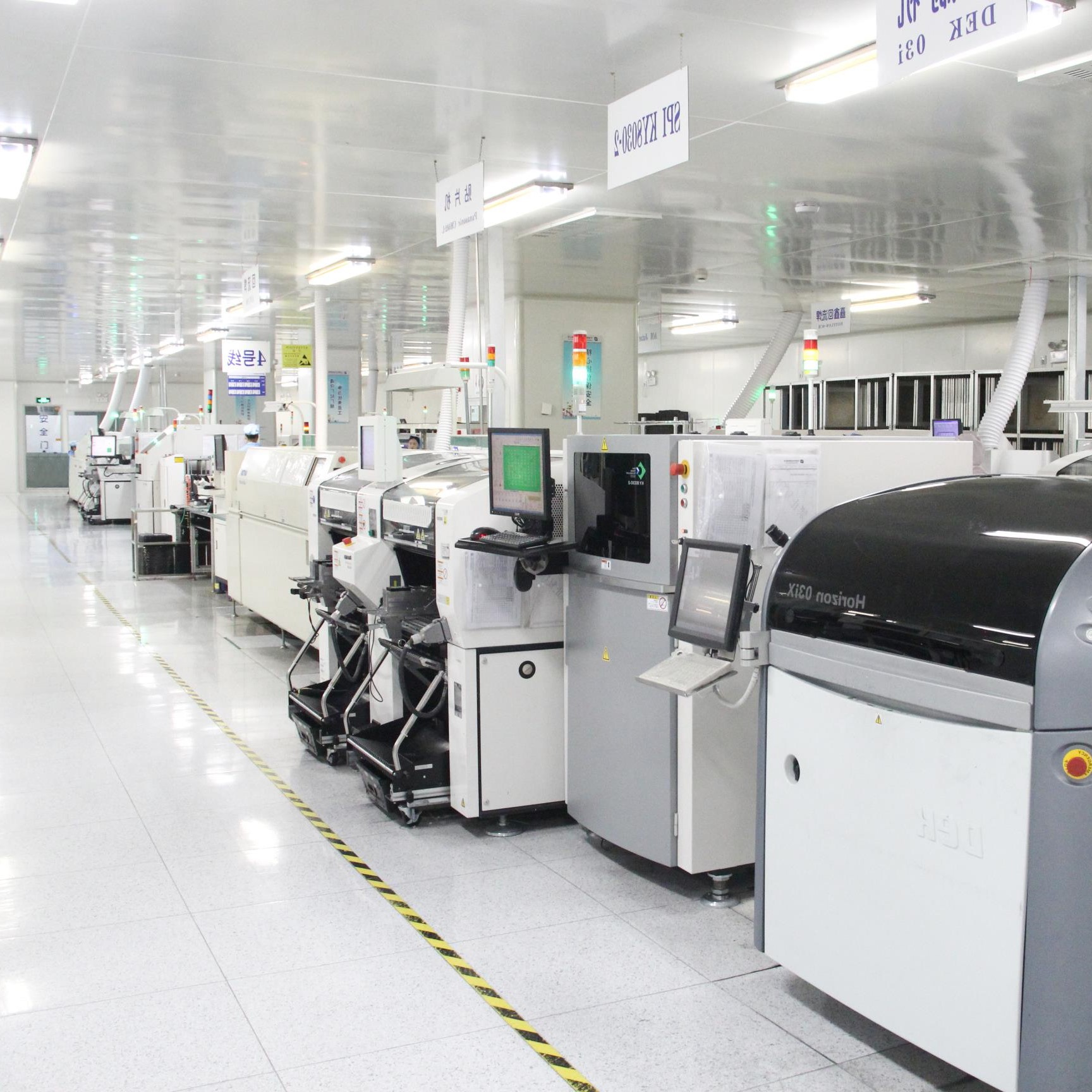
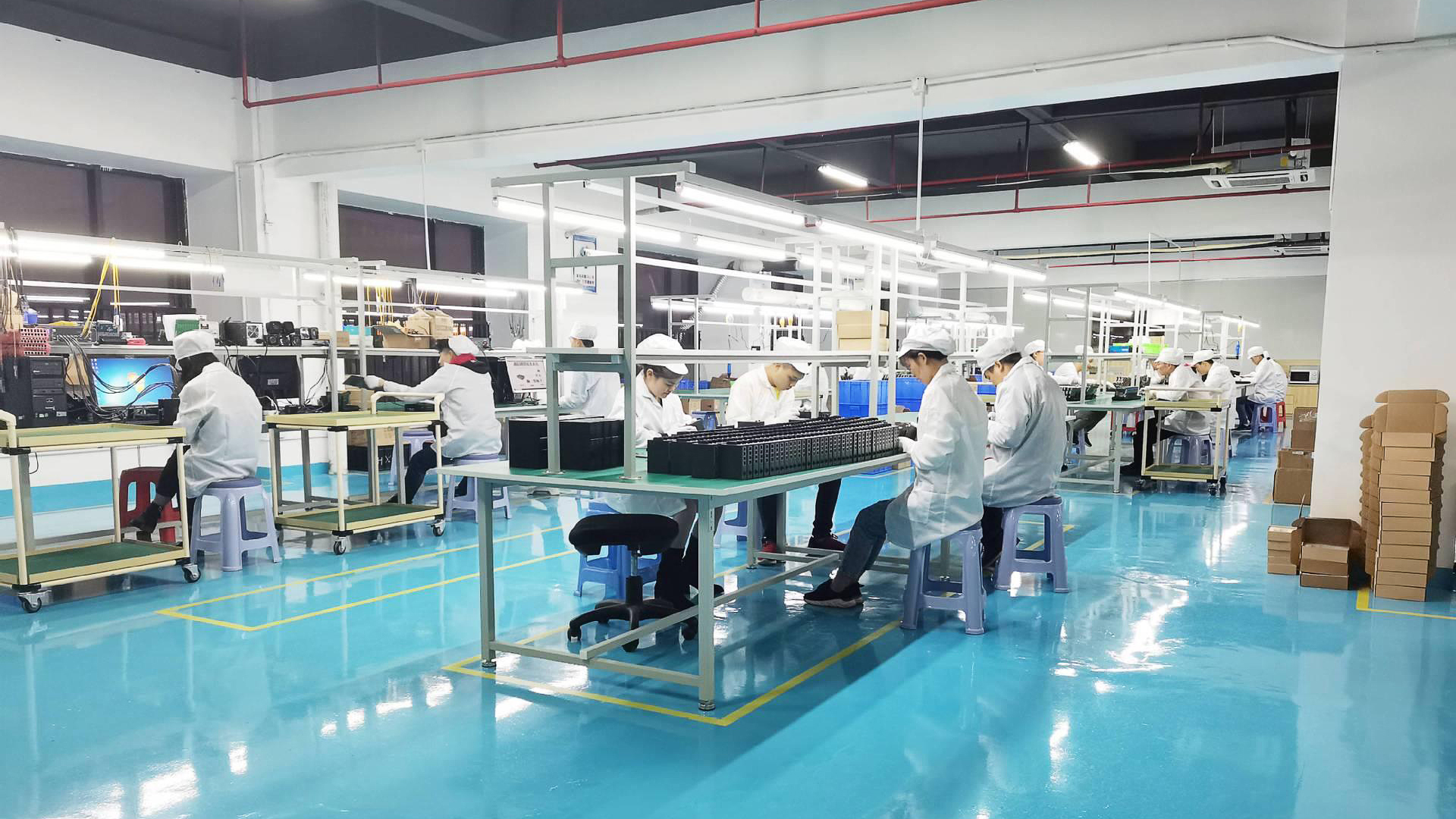
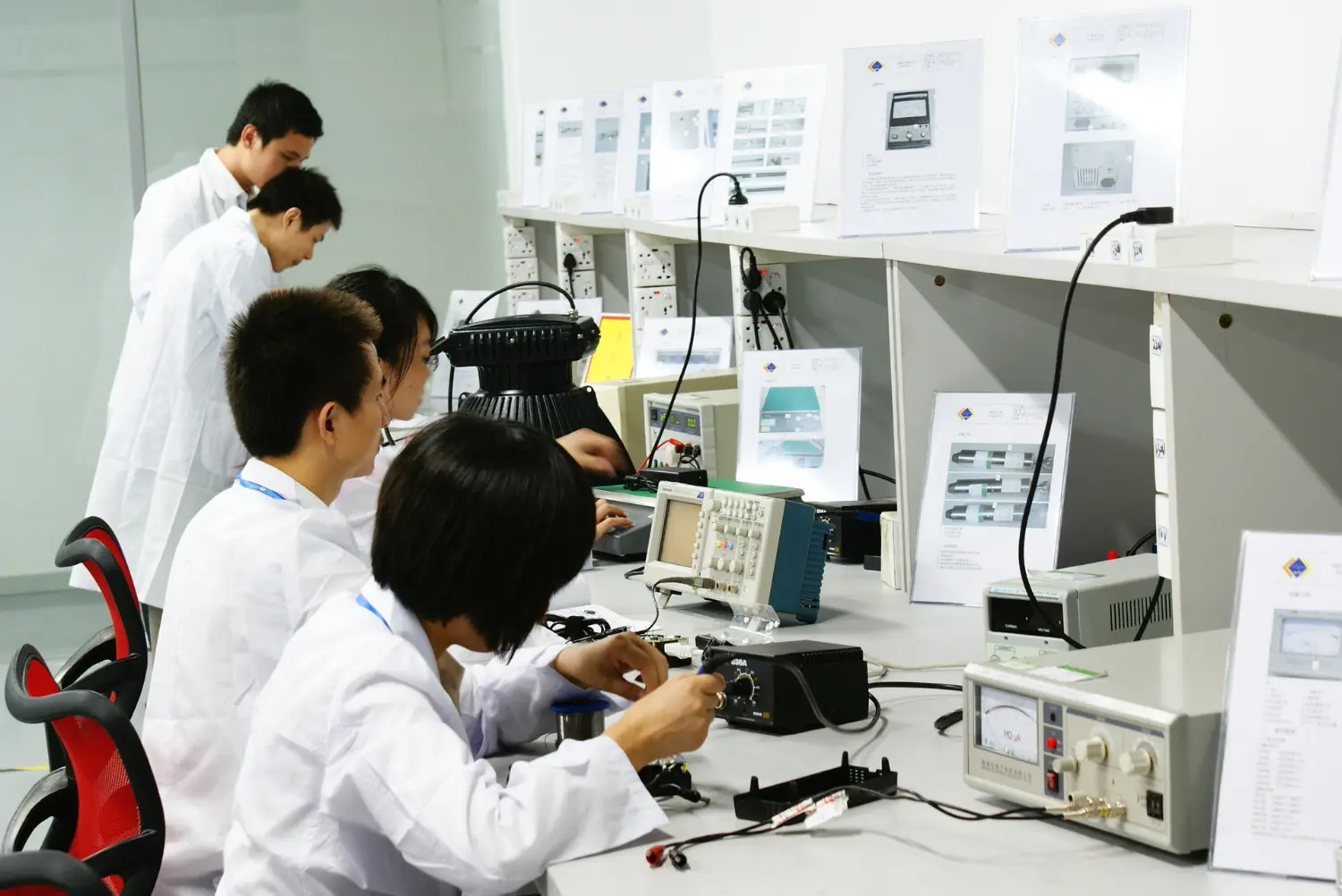
Inside our state-of-the-art facility in Guangdong, China: Bridging engineering design with mass-production efficiency.
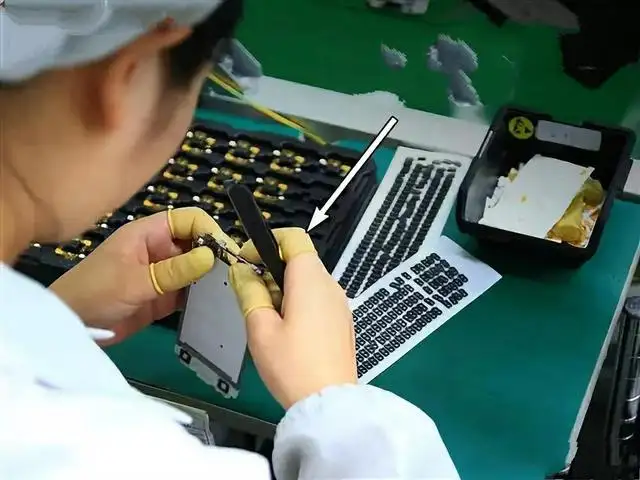
Shenzhen Soras Technology Co., Ltd. is a manufacturer of optical transmission and network equipment with over 10 years of industry experience. Based in Guangdong, China, our business focuses on advanced R&D, structural design, SMT (Surface Mount Technology) assembly, and optical-electronic calibration. We collaborate with telecommunications companies worldwide, delivering OEM/ODM solutions to client specifications in more than 60 countries across South America, North America, and Europe.
| Business Profile Element | Operational Specifications & Capacity Indicators |
|---|---|
| Manufacturer Name | Shenzhen Soras Technology Co., Ltd. (Soraslink) |
| Primary Location | Guangdong, China (Global Logistics Center) |
| Primary Product Spectrum | FTTH ONU & OLT, SFP Transceivers, Fiber Media Converters, PoE Switches, Passive Optical Splitters |
| Year Established | 2021 (R&D and manufacturing roots trace back over 10 years) |
| Global Compliance & Approvals | ISO 9001:2015, UL, CE, FCC, RoHS Compliant |
| Major Export Regions | North America, South America, Western/Eastern Europe, Southeast Asia |
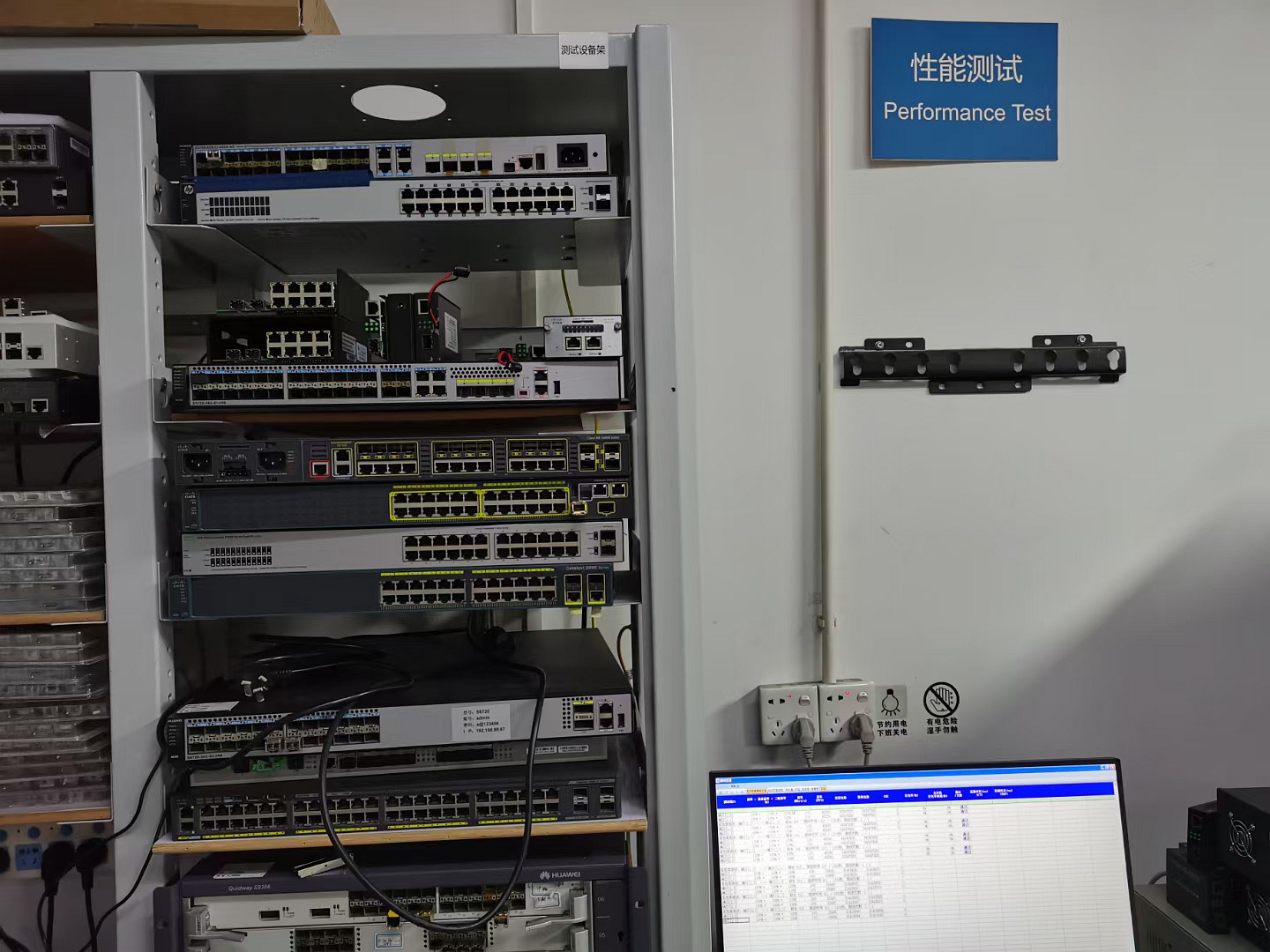
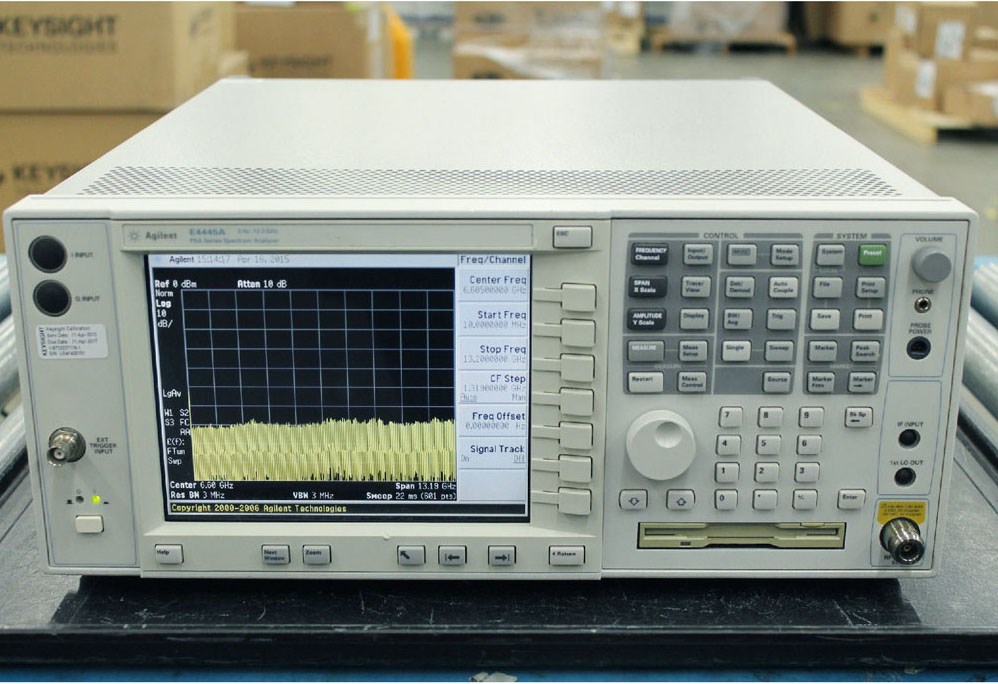
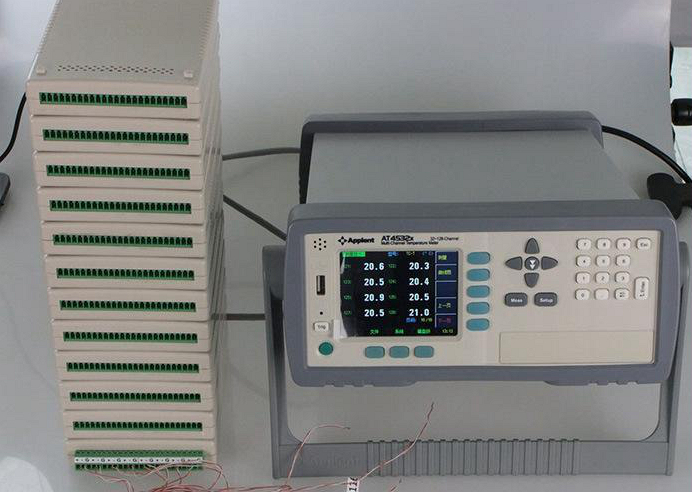
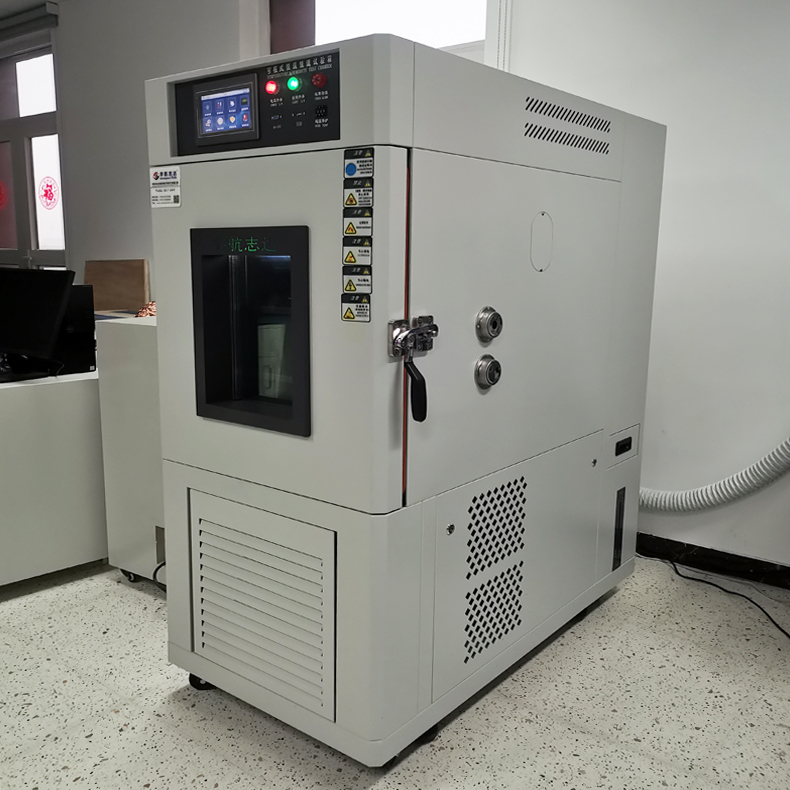
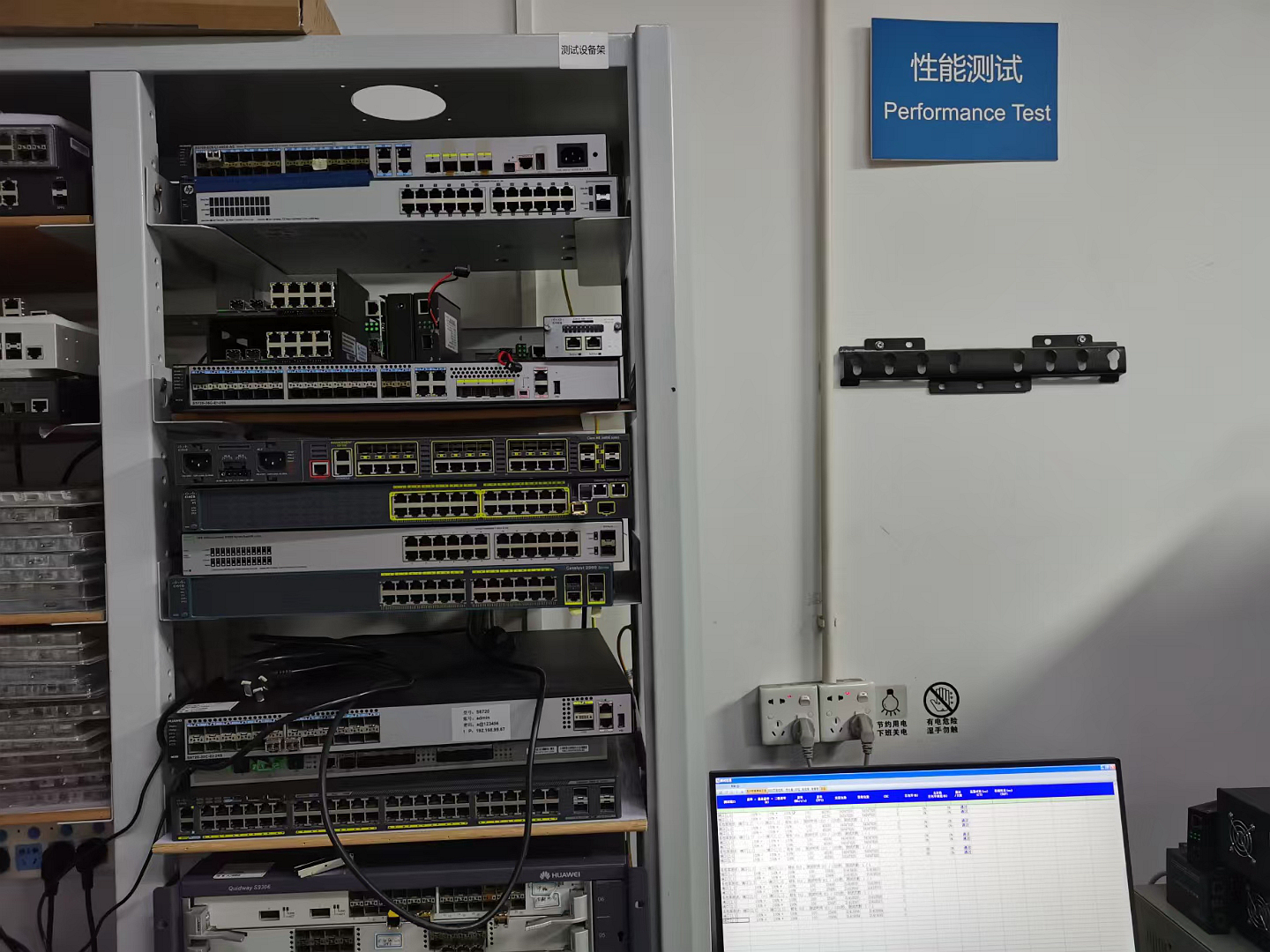
To ensure high optical performance and a low failure rate, we maintain testing equipment and environmental simulation chambers. Each GPON ONU, PoE Switch, and SFP transceiver undergoes an 8-stage testing sequence before packaging.



Analyzing the integration of optical transport networks and next-gen wireless protocols for operators and enterprise integrators.
The transition from GPON (Gigabit Passive Optical Network) to XG-PON and XGS-PON represents a key infrastructure milestone. Legacy GPON supports 2.488 Gbps downstream and 1.244 Gbps upstream, shared among up to 64 or 128 subscribers. With Wi-Fi 6 ONUs operating at theoretical peak speeds over 3 Gbps, standard GPON lines face performance bottlenecks when multiple active subscribers request peak bandwidth simultaneously.
Soraslink's R&D focuses on developing hardware that supports this transition. By integrating GPON/XPON and XGS-PON MAC layers with Wi-Fi 6 (and upcoming Wi-Fi 7) basebands on the same SoC (System-on-Chip), we minimize packet conversion latencies. Below is our technology evolution map for terminal devices:
GPON ONU + Dual-Band Wi-Fi 5 (802.11ac) providing standard triple-play residential internet services.
XPON (GPON/EPON auto-sensing) + Wi-Fi 6 (802.11ax) supporting 1024-QAM and high-density deployments.
XGS-PON ONT + Wi-Fi 6/6E providing 10 Gbps symmetrical fiber backhaul to feed multi-gigabit wireless channels.
50G-PON & Wi-Fi 7 (802.11be) integration, utilizing 320MHz channel bandwidths and multi-link operations.
How Shenzhen's high-tech clustering reduces design cycles, secures component availability, and lowers total cost of ownership.
Sourcing networking equipment from a specialized manufacturer in Shenzhen, China, offers distinct advantages. The region's dense industrial cluster provides immediate access to silicon vendors, custom injection molding, passive components, and testing facilities. This proximity shortens typical hardware design cycles (from schematic capture to functional prototype) to under 8 weeks.
For global buyers, compliance and software adaptation are key sourcing risks. Soraslink manages these through structured firmware localization and strict hardware standards:
Answers to key engineering questions about optical networks, PON technology, and hardware customization.
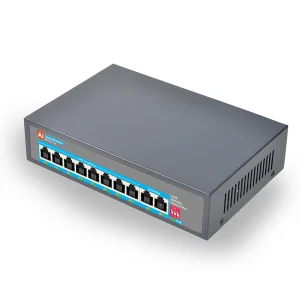
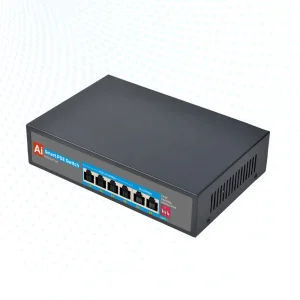
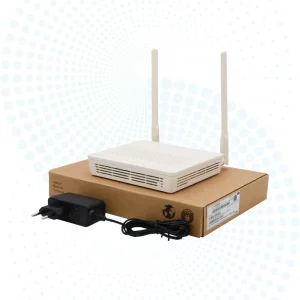
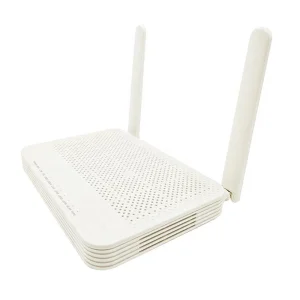
Review our additional network infrastructure components, built to withstand continuous industrial use.

 Soras Tech