The global infrastructure for digital communications is scaling at an unprecedented rate. Driven by the mass adoption of 5G networks, Fiber-to-the-Home (FTTH) rollouts, AI-driven hyperscale data centers, and advanced IoT deployments, the demand for specialized networking hardware has reached a critical turning point. At the heart of this physical infrastructure lies the chassis system—the specialized enclosure that provides structural integrity, electromagnetic shielding, environmental isolation, and thermal control to active optical and electrical components.
Modern telecommunication service providers, large scale ISPs, and system integrators no longer rely solely on generic off-the-shelf rackmount cases. The necessity of minimizing latency, maximizing port density, and meeting stringent local electrical standards has made OEM/ODM chassis manufacturing a core component of supply chain strategy. Today, a network chassis is not merely a piece of folded sheet metal; it is a highly engineered subsystem configured with customized backplanes, thermal ducting, dust-proofing, power distribution architectures, and intelligent system management controllers.
Deployments at the network edge require compact, rugged, and highly modular chassis solutions capable of operating outside traditional cleanroom data centers.
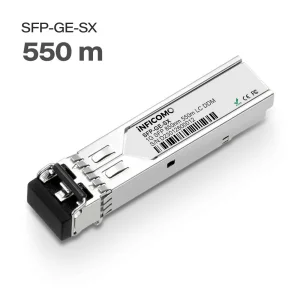
Optical distribution networks require optimized card slots that facilitate maximum SFP/SFP+ and GPON ONT module insertion within minimal vertical rack space (1U, 2U, or 4U units).
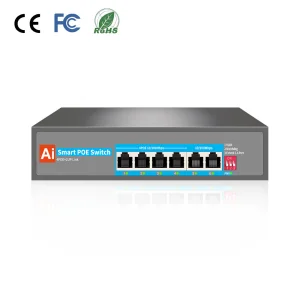
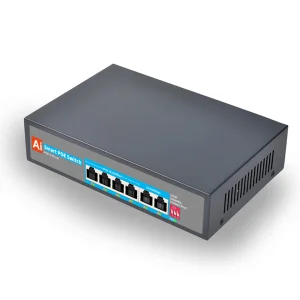
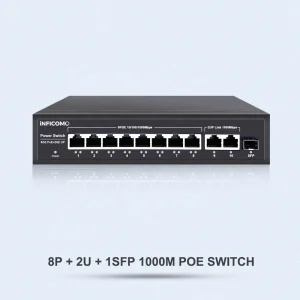
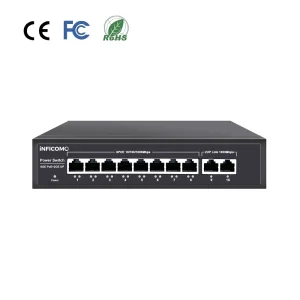
Integrating higher capacity PoE switches (such as 120W models) demands active air-cooling and computational fluid dynamics (CFD) modeled internal chassis structures to prevent thermal throttling.
A chassis cannot operate under a one-size-fits-all methodology. Different application environments place drastically different stresses on physical and electrical design components. In this context, OEM/ODM manufacturers like Shenzhen Soras Technology Co., Ltd. custom-build hardware enclosures to excel across specific global deployment topologies:
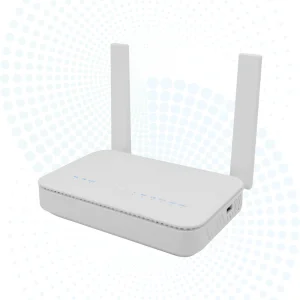
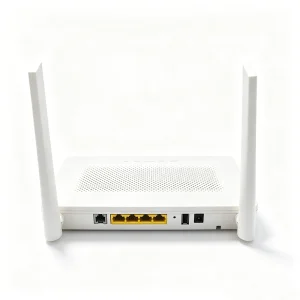
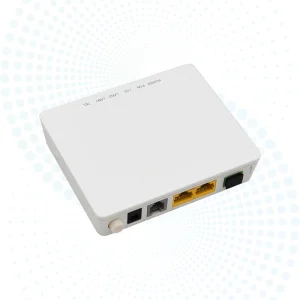
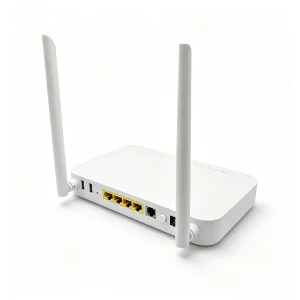
Within Fiber-to-the-Home (FTTH) networks, the chassis system must house and protect OLT (Optical Line Terminal) and ONU (Optical Network Unit) equipment. Outdoor fiber distribution cabinets require IP65-rated, double-walled aluminum or stainless-steel chassis structures. These cabinets feature integrated passive thermal dissipation loops and hydrophobic seals to prevent moisture ingress. These structures ensure stable operations for high-end customer premise equipment such as the AX3000 WiFi6 GPON Terminal and HG8145V5 dual-band ONT modems in high-humidity or variable temperature micro-climates.
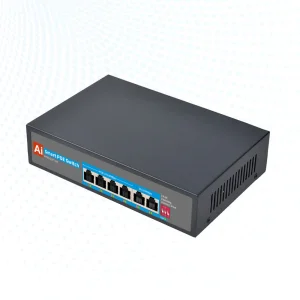
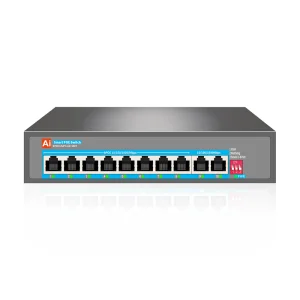
For municipal surveillance networks, security integrators require industrial-grade PoE switches engineered within highly ruggedized, compact fanless chassis. These enclosures operate under pole-mounted outdoor boxes. The mechanical chassis acts as a primary heatsink, featuring high-thermal-conductivity interfaces that route heat away from the main PCB to the external ribbed aluminum casing. Soras' AI Watchdog-enabled switches are housed in EMI-shielded, surface-hardened steel housings to survive electrical surges, heavy electromagnetic interference (EMI) from high-voltage lines, and vibrations.
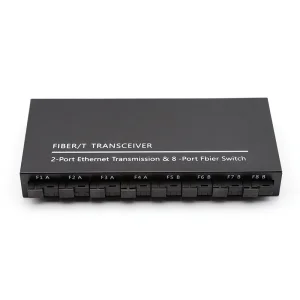
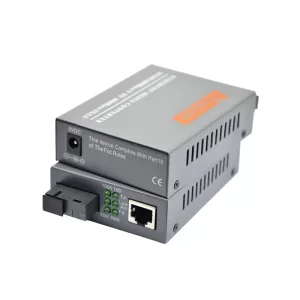
Inside central offices, rack space is billed at a premium. 19-inch standard sub-racks require modular sliding-card chassis designs that support hot-swappable fiber media converters and SFP/SFP+ transceiver interfaces. Cable management ears, integrated bend-radius guides, and optical fiber storage trays are designed directly into the chassis. This layout avoids physical stress on delicate single-mode or multi-mode fiber runs, maintaining link stability across 10G and 100G pipelines.
The progression of high-bandwidth systems demands corresponding improvements in chassis manufacturing capabilities. As networking speeds migrate towards 400G and 800G, standard metal boxes can no longer support physical layer requirements. The Soras Technology R&D engineering team focuses on three core pillars in our current and future chassis roadmap:
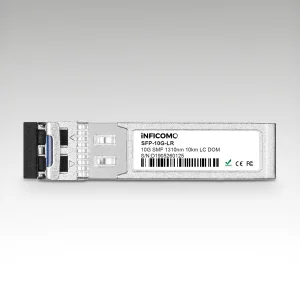
Transitioning from basic internal fan ventilation to liquid-cooled cold plates and phase-change material (PCM) integration. This development ensures high-power transceivers (such as 10GBASE-LR SFP+ modules operating at 10km distances) maintain stable internal junction temperatures, preventing performance drops and laser degradation.
By using conductive elastomer gaskets, honeycombed ventilation apertures, and nickel-plated internal partitioning, the chassis effectively blocks EMI between switching power units and optical transmitters, ensuring a low Bit Error Rate (BER).
Implementing toolless rail systems, modular card insertion configurations, and blind-mate power connection interfaces. This design permits network operators to scale networks from 1GE to 10GE without decommissioning the underlying chassis rack frame.
With over a decade of domain expertise, Shenzhen Soras Technology Co., Ltd. stands as a primary innovator and manufacturer of high-reliability optical transmission and networking equipment. We deliver custom solutions to telecom operators, ISP networks, and distributors across 60+ countries throughout Europe, North America, and East Asia. Leveraging advanced production methodology, our corporate capabilities ensure high-volume, precision manufacturing with full adherence to international technical standards.
Our facility incorporates automated SMT assembly lines, functional validation booths, environmental simulation systems, and rigid quality assurance frameworks to ensure all active networking boards and chassis components leave our factory in perfect working order.
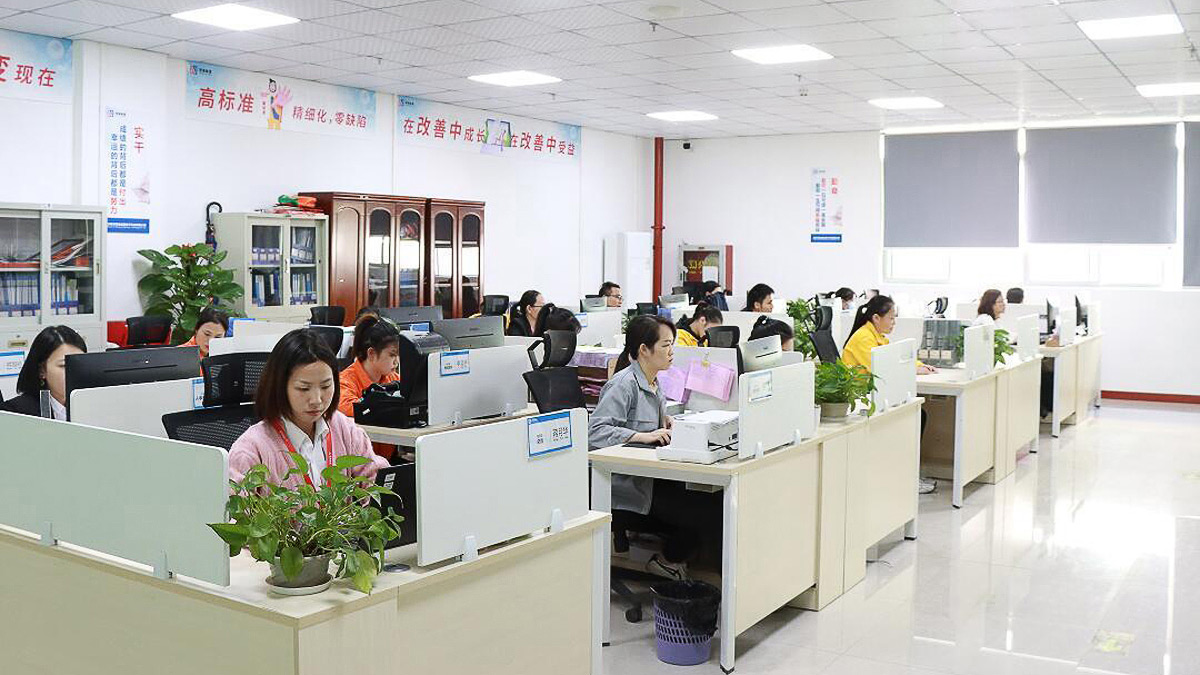
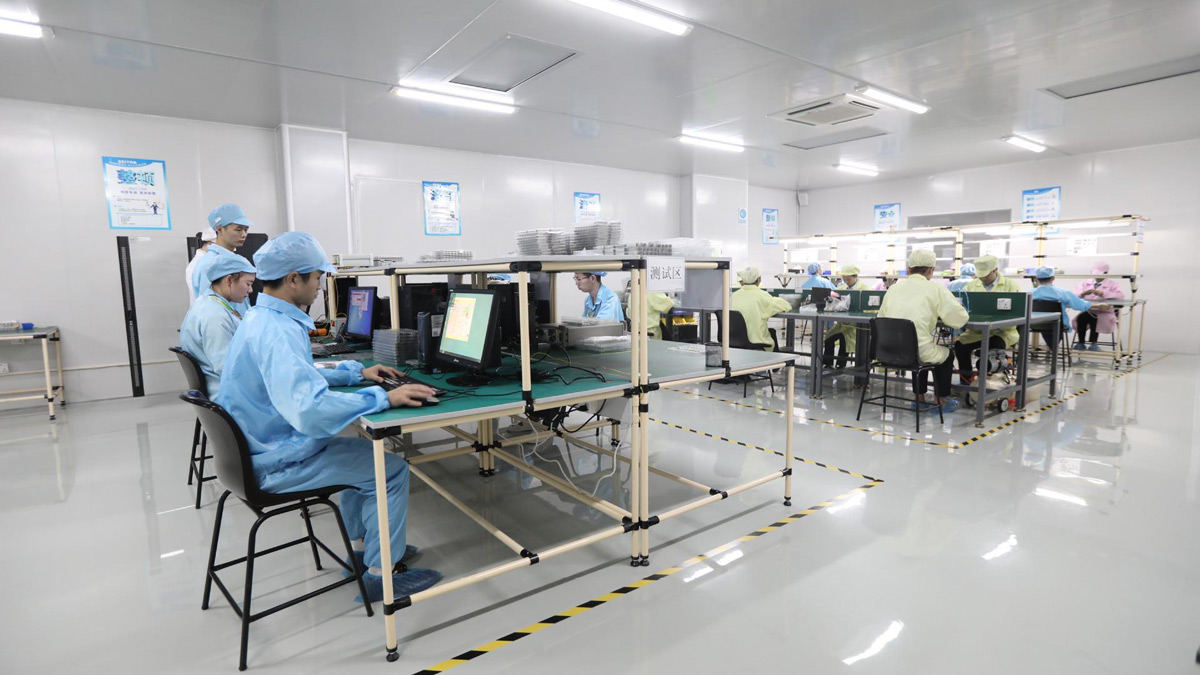
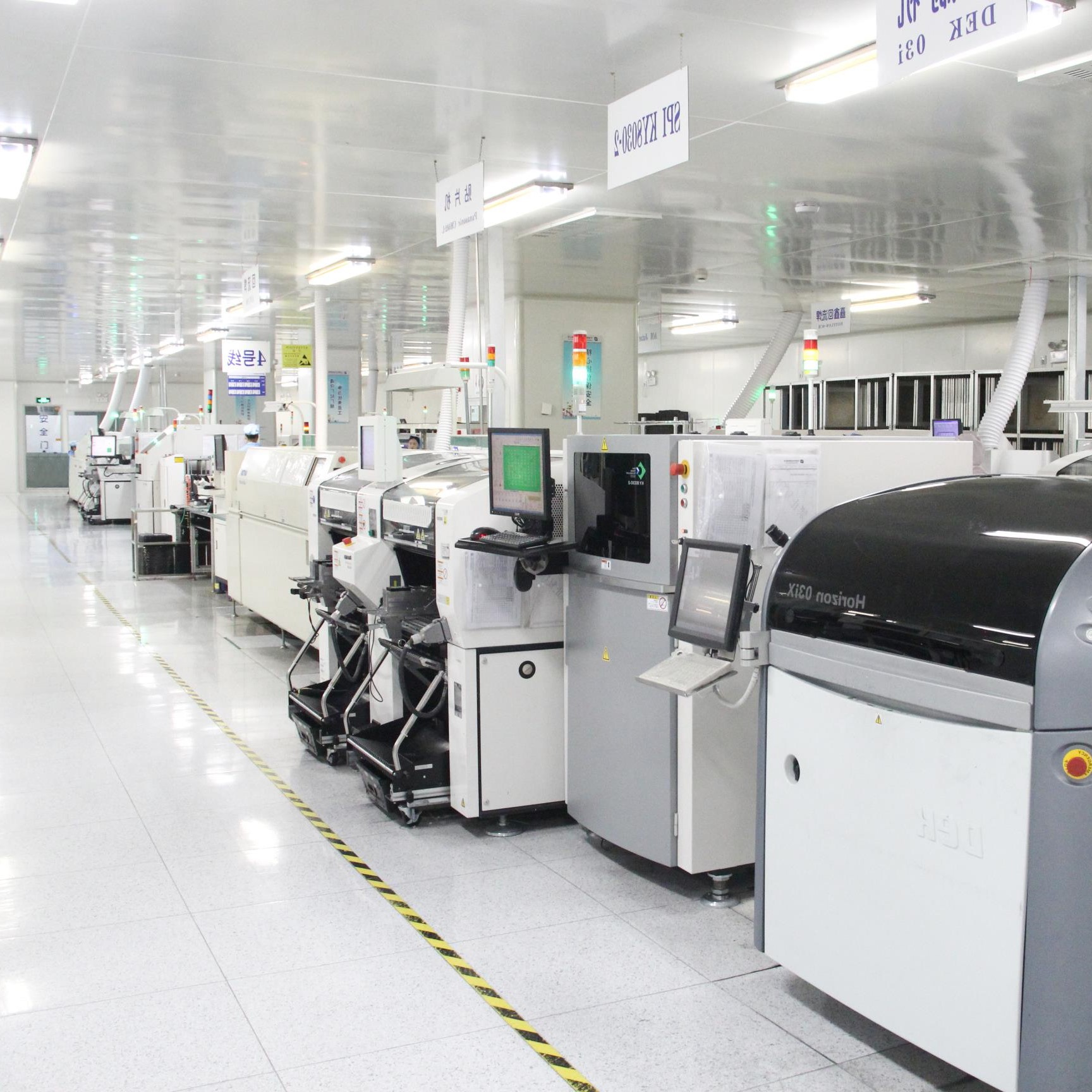
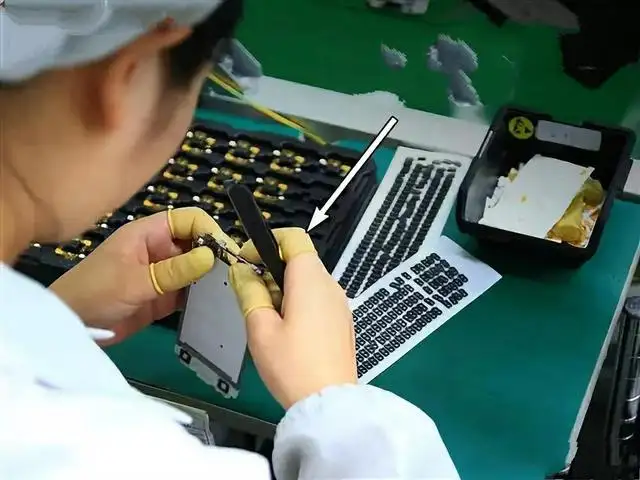
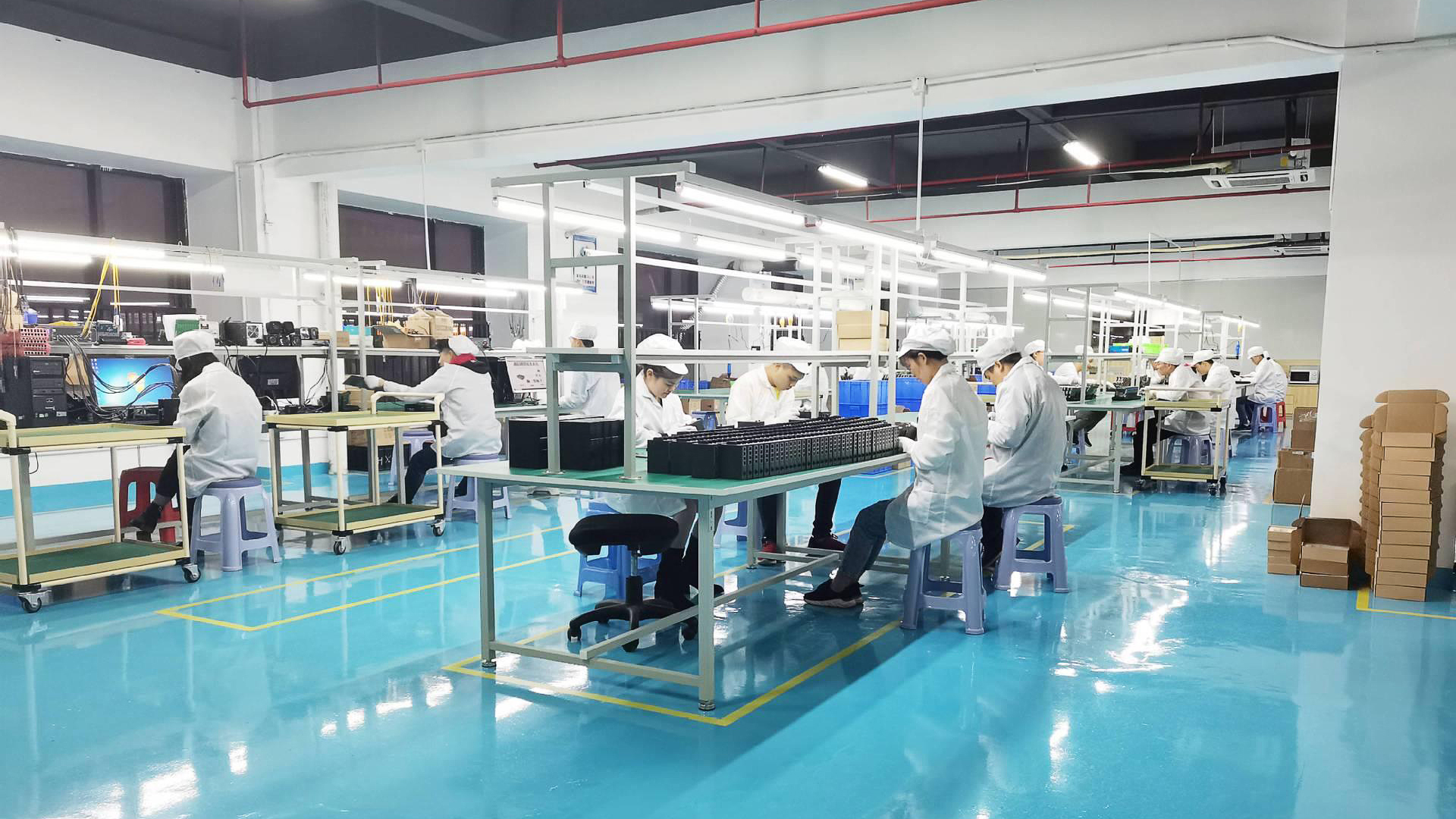
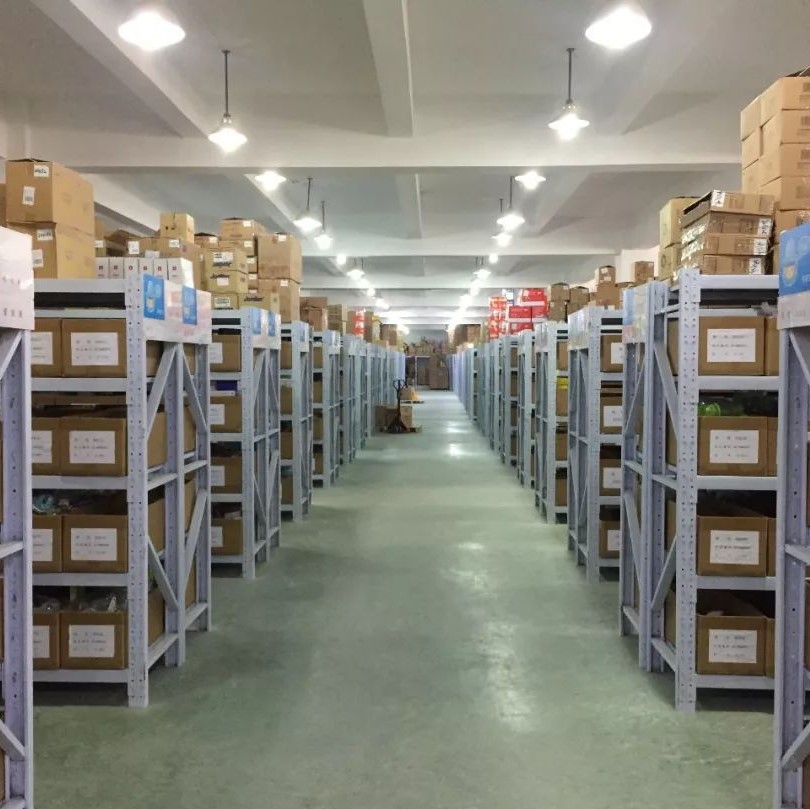
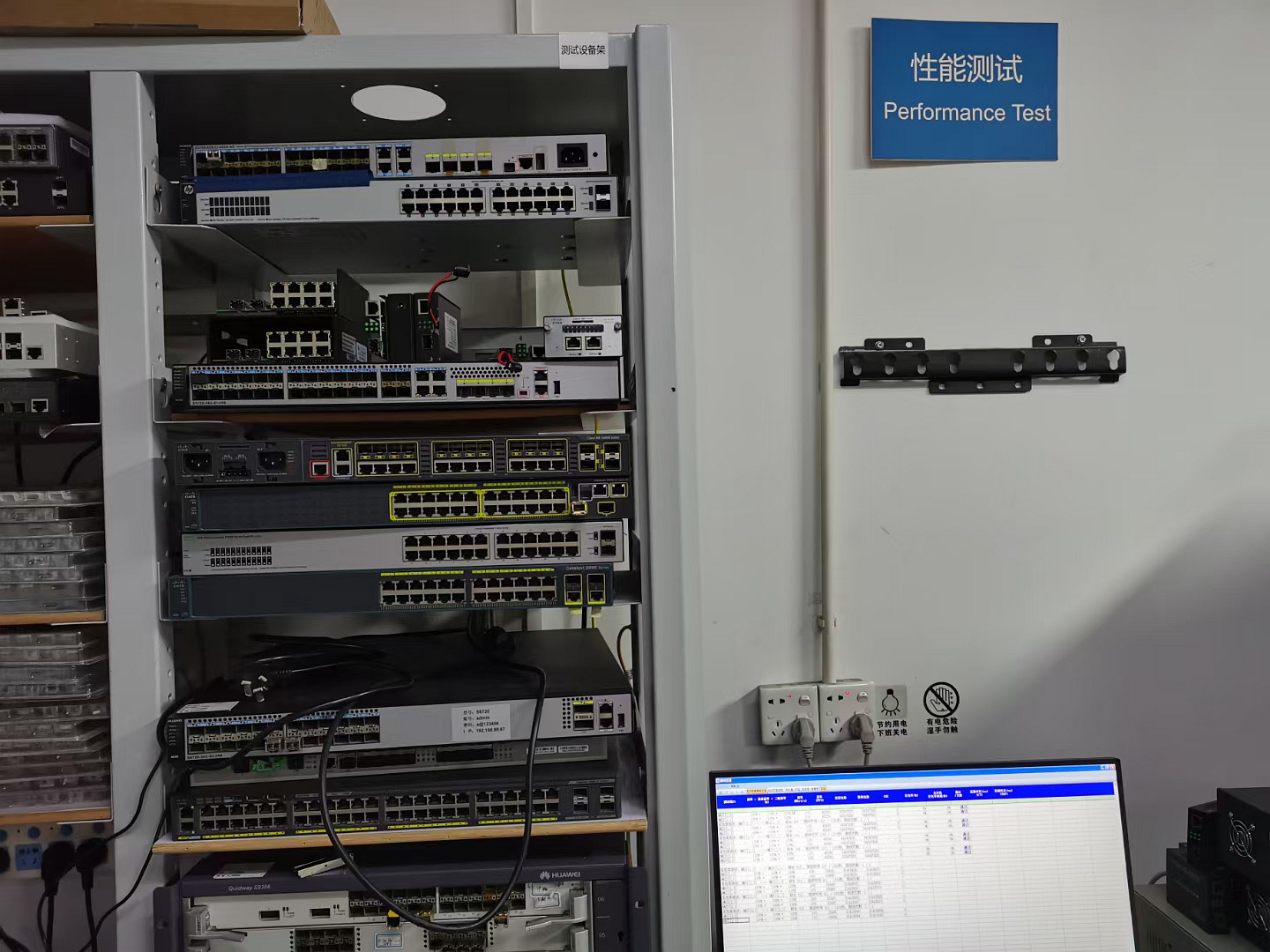
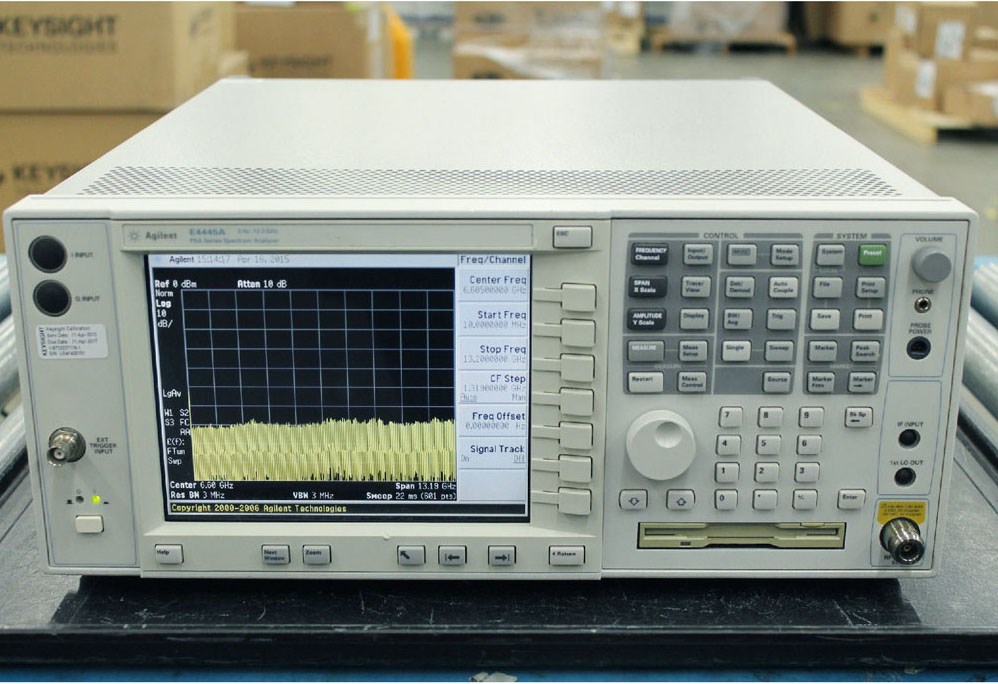
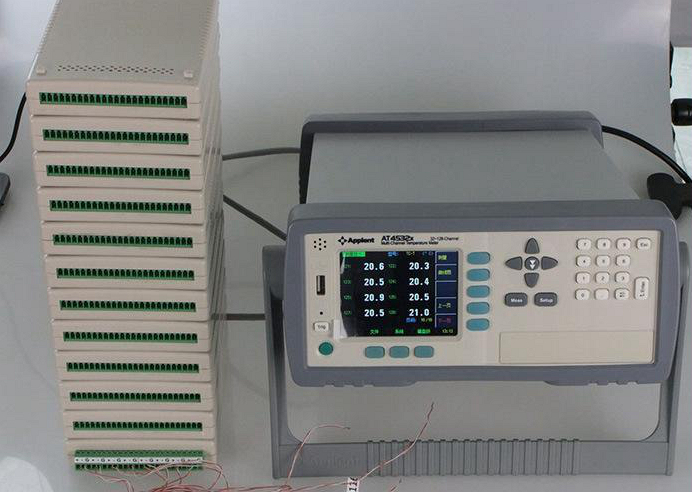
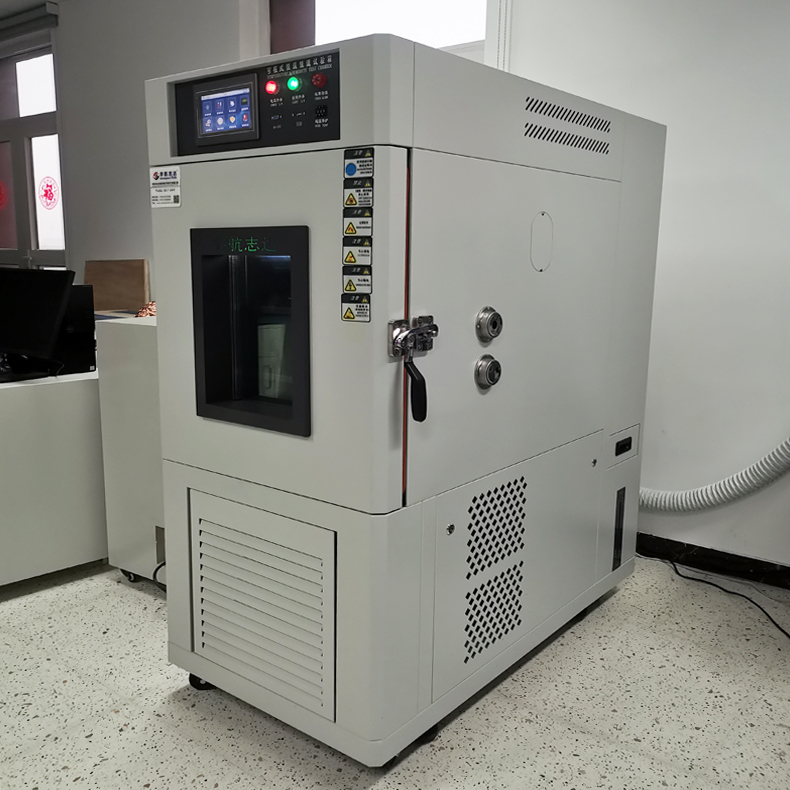
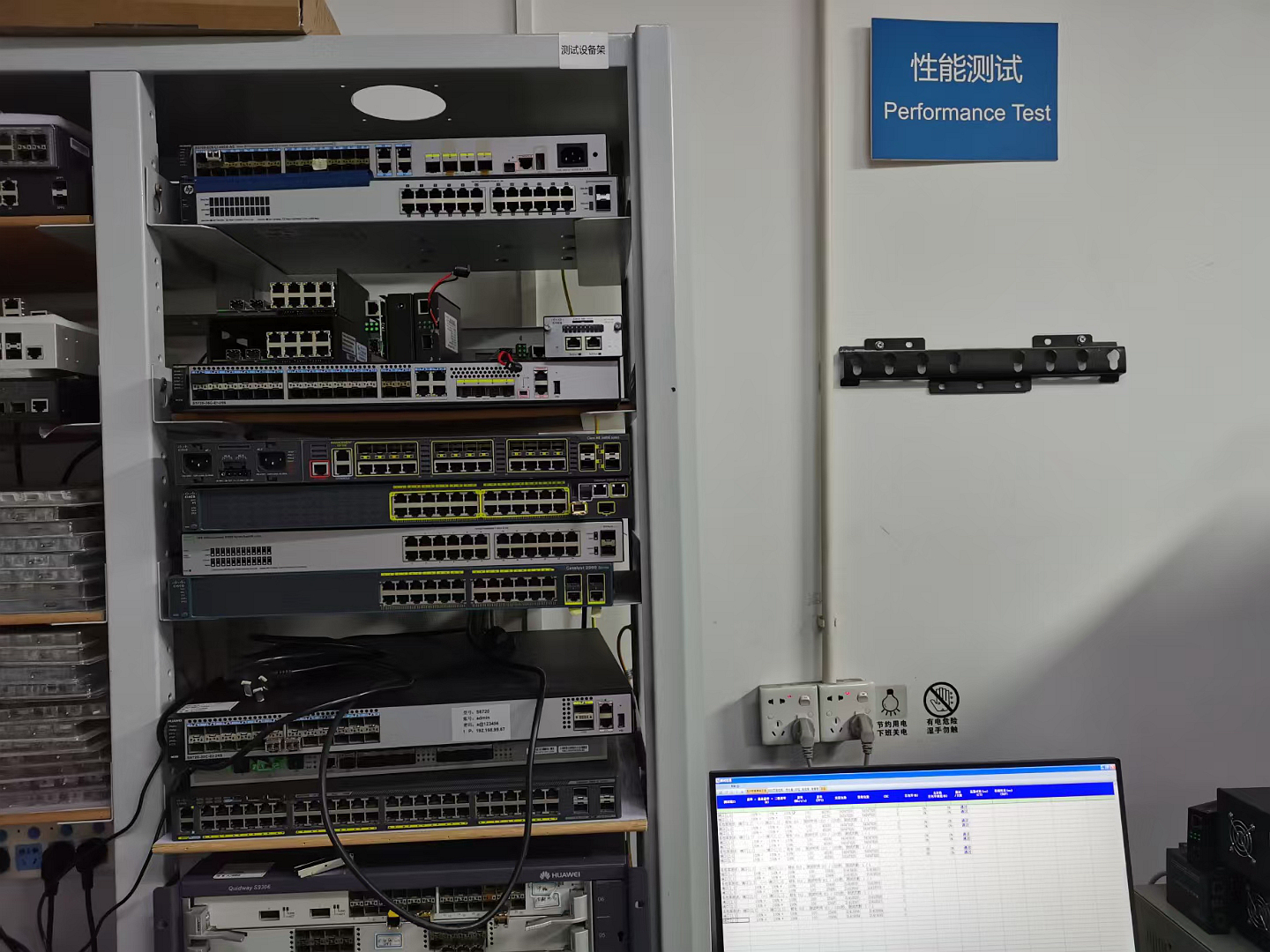
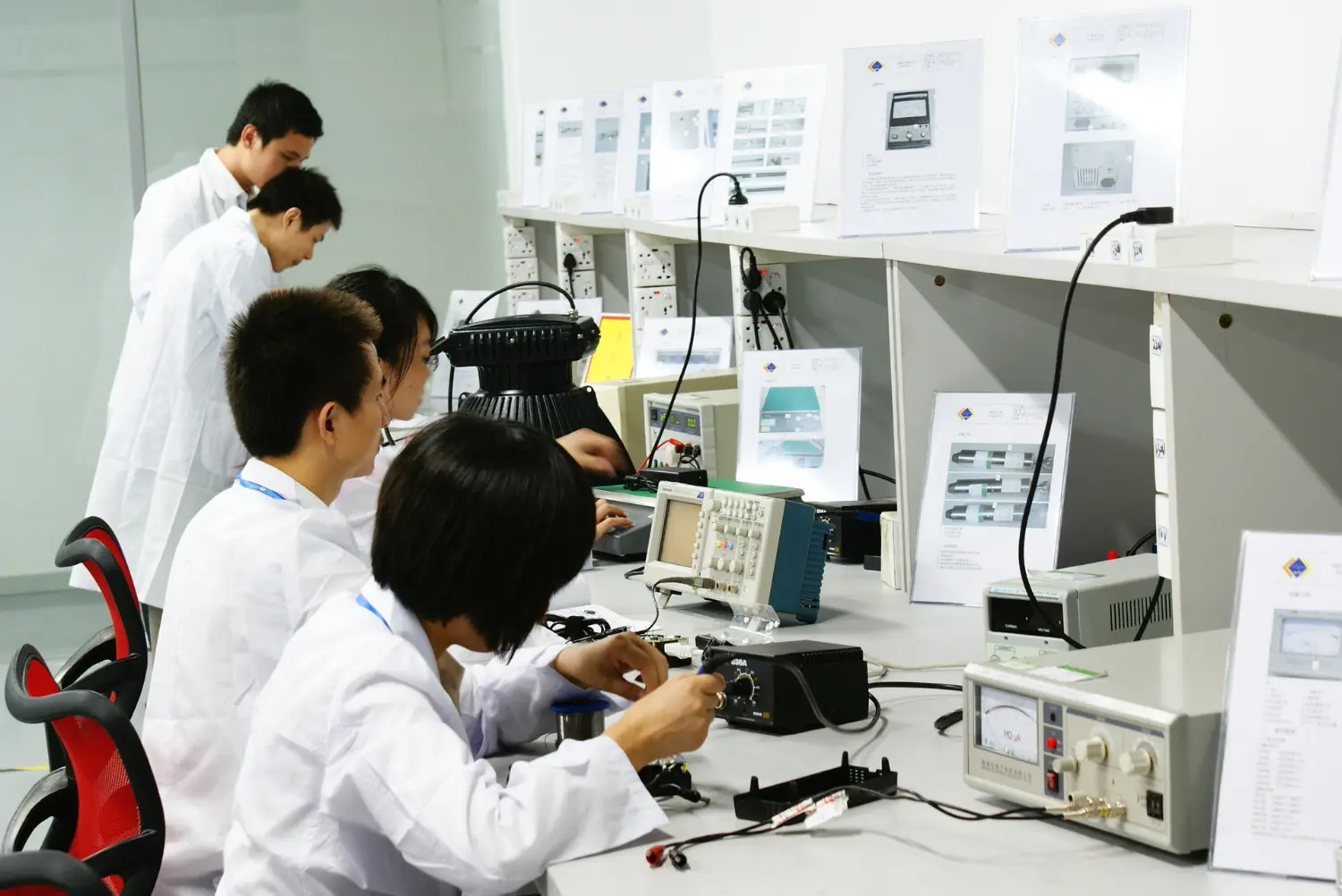
Operating out of the primary electronic industrial center of Shenzhen (Guangdong, China), Soras Technology leverages a vast supply chain ecosystem. The rapid realization of complex OEM/ODM designs requires close proximity to mechanical raw materials, precision electronic component distributors, and highly skilled engineering talent. The "Shenzhen Speed" allows our team to guide projects from initial 3D CAD modeling and thermal CFD simulation to physical CNC-machined prototypes within rapid turnaround times.
Our localized supply chain offers specific advantages:
A telecom-grade chassis cannot exist in a vacuum; it must strictly adhere to regional safety, hazardous substance, and electro-technical directives. A failure to comply can lead to severe custom delays, legal challenges, and system-wide failures. Soras guarantees complete compliance, providing documentation to ease localized certifications:
Our factory processes are structured around a rigid quality control system, maintaining detailed traceability indexes for all raw metals, components, and active chipsets.
All active switches, GPON ONUs, and media converters are engineered to pass EN 55032 Class A electromagnetic emission thresholds and FCC Part 15 subpart B standards.
Electrical insulations, PCB substrate materials, and internal power cabling comply with UL 94 V-0 flame-retardant standards. All solder joints and metal components are strictly lead-free.
 Soras Tech