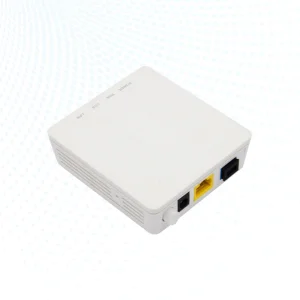
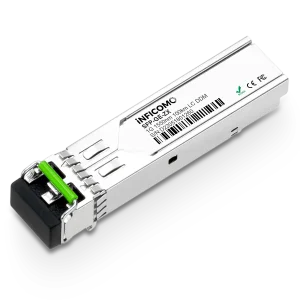
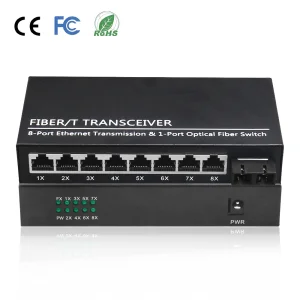
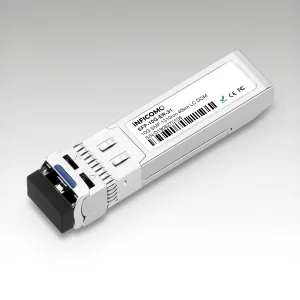
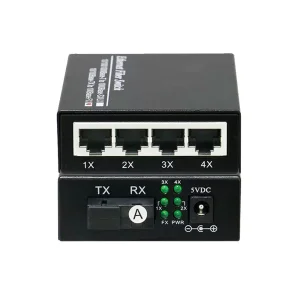
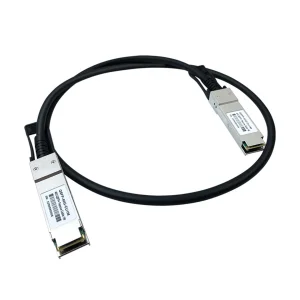
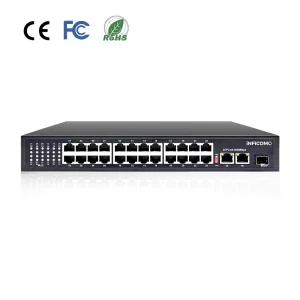
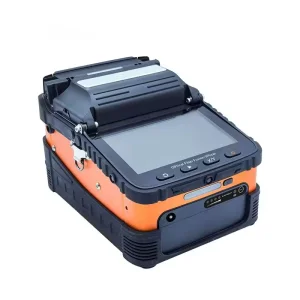
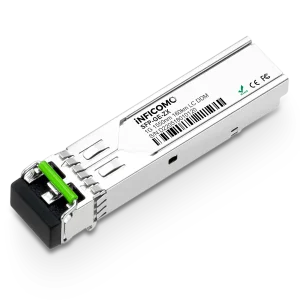
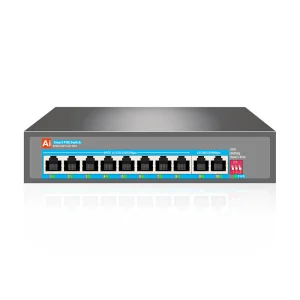
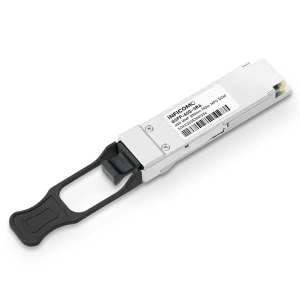
Premium hardware engineered to integrate seamlessly with OM4 multimode distribution systems, providing low-latency, high-bandwidth connections.
Analyzing the parameters, performance characteristics, and the foundational role of OM4 multimode fiber (50/125 μm) in high-speed datacenters.
As corporate cloud platforms, artificial intelligence workloads, and high-frequency trading infrastructure expand globally, high-bandwidth multimode optical fiber remains the bedrock of localized networking. OM4 multimode fiber (50/125 μm), designed for laser-based transmitters, stands as the critical medium for ultra-fast Short-Wavelength Division Multiplexing (SWDM) and parallel transmission systems within modern hyperscale datacenters. Operating primarily at 850 nm and 1300 nm wavelengths, OM4 fiber solves the link budget limitations inherent in legacy OM3 systems.
"With a minimum effective modal bandwidth (EMB) of 4700 MHz·km at 850 nm, OM4 fiber provides the transmission reach and attenuation tolerance required to support seamless pathways to 40G, 100G, and even 400G ethernet architectures."
Understanding the exact physics of light propagation in OM3, OM4, and OM5 fibers is critical for optical network engineers. OM4 fiber utilizes a graded-index profile designed to reduce modal dispersion, the primary limiting factor for bandwidth over distance in multimode setups.
| Fiber Type | Core/Cladding (μm) | Light Source | Overfilled Launch (OFL) Bandwidth (850nm) | Effective Modal Bandwidth (EMB) (850nm) | Max 100G Reach (SR4/SR10) |
|---|---|---|---|---|---|
| OM3 | 50 / 125 | 850nm VCSEL | 1500 MHz·km | 2000 MHz·km | 100 Meters |
| OM4 | 50 / 125 | 850nm VCSEL | 3500 MHz·km | 4700 MHz·km | 150 Meters |
| OM5 | 50 / 125 | 850-953nm VCSEL | 3500 MHz·km | 4700 MHz·km (at 850nm) | 150 Meters (Supports Multi-λ) |
OM4 optical fiber supports high-density MPO/MTP modular cabling schemes, mitigating the risks of signal degradation caused by insertion losses in dense patch panels. By utilizing laser-optimized core elements, top manufacturers in China deliver OM4 solutions with an ultra-low attenuation factor (≤2.3 dB/km at 850 nm), ensuring robust link budgets for complex enterprise networks.
Addressing the critical metrics and compliance standards required by international telecom operators and systems integrators.
For global procurement managers, sourcing OM4 fiber assemblies and optical components from China requires strict evaluation criteria. Sourcing teams prioritize partners who can demonstrate complete supply chain traceability, superior manufacturing consistency, and robust testing mechanisms. In modern optical procurement, it is not merely the price point that dictates vendor selection; rather, the total cost of ownership (TCO) and reliable engineering take precedence.
Enterprise requirements dictate maximum Insertion Loss (IL) thresholds of <0.25dB for standard OM4 connections, and <0.15dB for ultra-low-loss MPO terminations. Minimizing optical loss at patch points allows for extra connection junctions in hierarchical data networks.
Cables must resist micro-bending issues during high-density tray routing. Standard compliance with ITU-T G.651.1 bend-insensitive properties is crucial to prevent operational downtime in narrow space layouts.
Safety regulations demand that imported fiber cables carry Low Smoke Zero Halogen (LSZH) or Plenum (OFNP) ratings, ensuring compliance with local building codes across Europe and the Americas.
Architecting robust communication infrastructures using state-of-the-art optical routing and active media conversion systems.
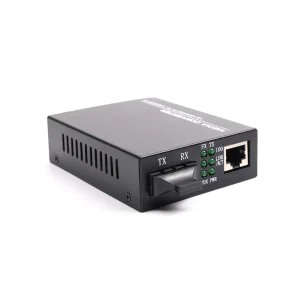
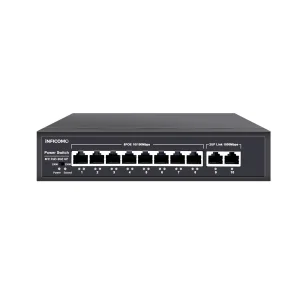
Modern enterprises require comprehensive hardware solutions that tie optical transport directly into active network hardware. This includes media conversion, POE deployment, and high-speed transceivers. By aligning OM4 distribution panels with optimized active equipment, network architects can deploy scalable structures that minimize latency and bottleneck risks.
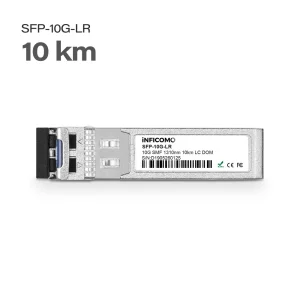
In massive hyperscale settings, Spine-Leaf cabling layouts using OM4 base systems require high-capacity transceivers (such as QSFP+ and SFP+ modules) and low-loss distribution trunks. Using high-density MPO trunk assemblies combined with active fiber media converters allows operators to link legacy copper-based local area systems directly to high-capacity optical backbones without introducing system delay.

Your Premier Partner for Optical Transmission Equipment and Advanced Network Components.
Shenzhen Soras Technology Co., Ltd. is a leading manufacturer of optical transmission equipment and network equipment with more than 10 years of experience. We rely on high-quality management and technological innovation, committed to providing customers with high-quality, cost-effective, high value-added products and solutions.
Today, we work closely with telecommunications companies around the world. We have strong technical force and an experienced R&D team; products can be developed according to customer requirements, and we also accept your OEM and ODM orders. Currently, our products are exported to more than 60 countries, with our main markets located in South America, North America, and Europe. Our main products include: Fiber Media Converters, SFP Modules, PoE Switches, ONU, OLT, and supporting FTTH accessories.
Our core operational ethos stands firm on "superior quality, professional service, competitive price, integrity-based". We believe this is not only our responsibility but also the best pathway for long-term cooperative development. Soraslink looks forward to working with you to build the communication architectures of tomorrow!
| Business Type | Manufacturer / OEM / ODM |
| Country / Region | Guangdong, China |
| Main Products | FTTH ONU & OLT, SFP Transceivers, Fiber Media Converters, PoE Switches, Fiber Optic Cable Equipment |
| Total Employees | 11 - 50 People |
| Annual Revenue | US$5 Million - US$10 Million |
| Year Established | 2021 |
| Key Markets | South America, North America, Western Europe, Domestic Market (24%), Eastern Asia (15%) |
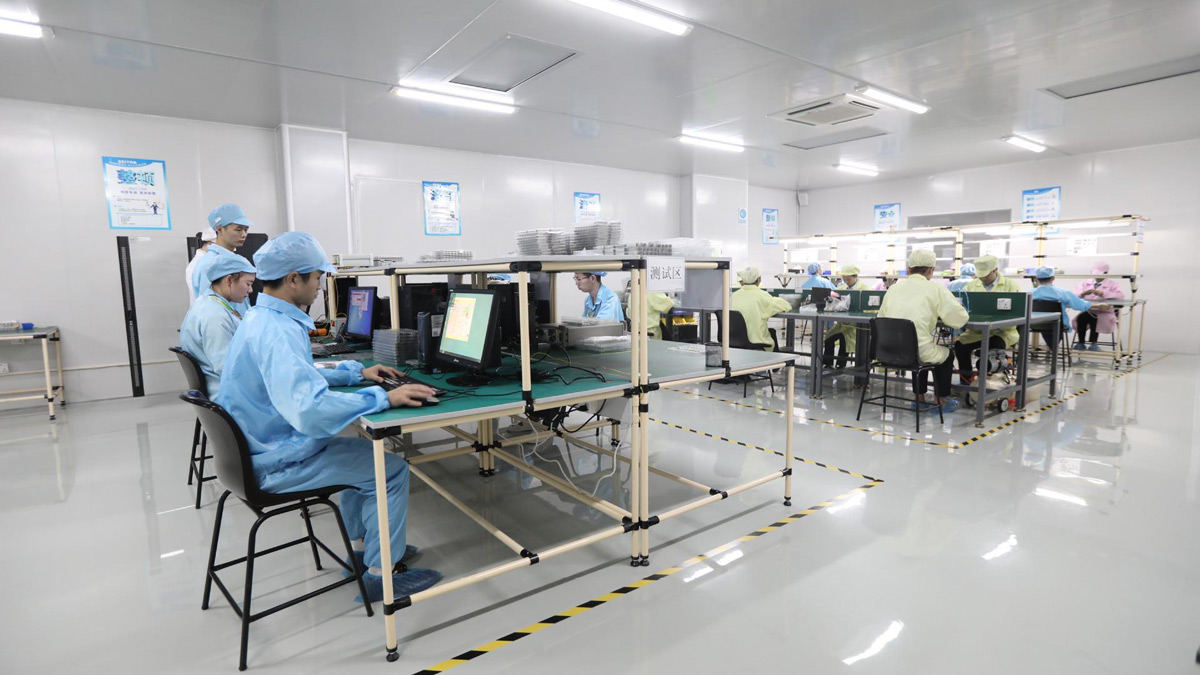
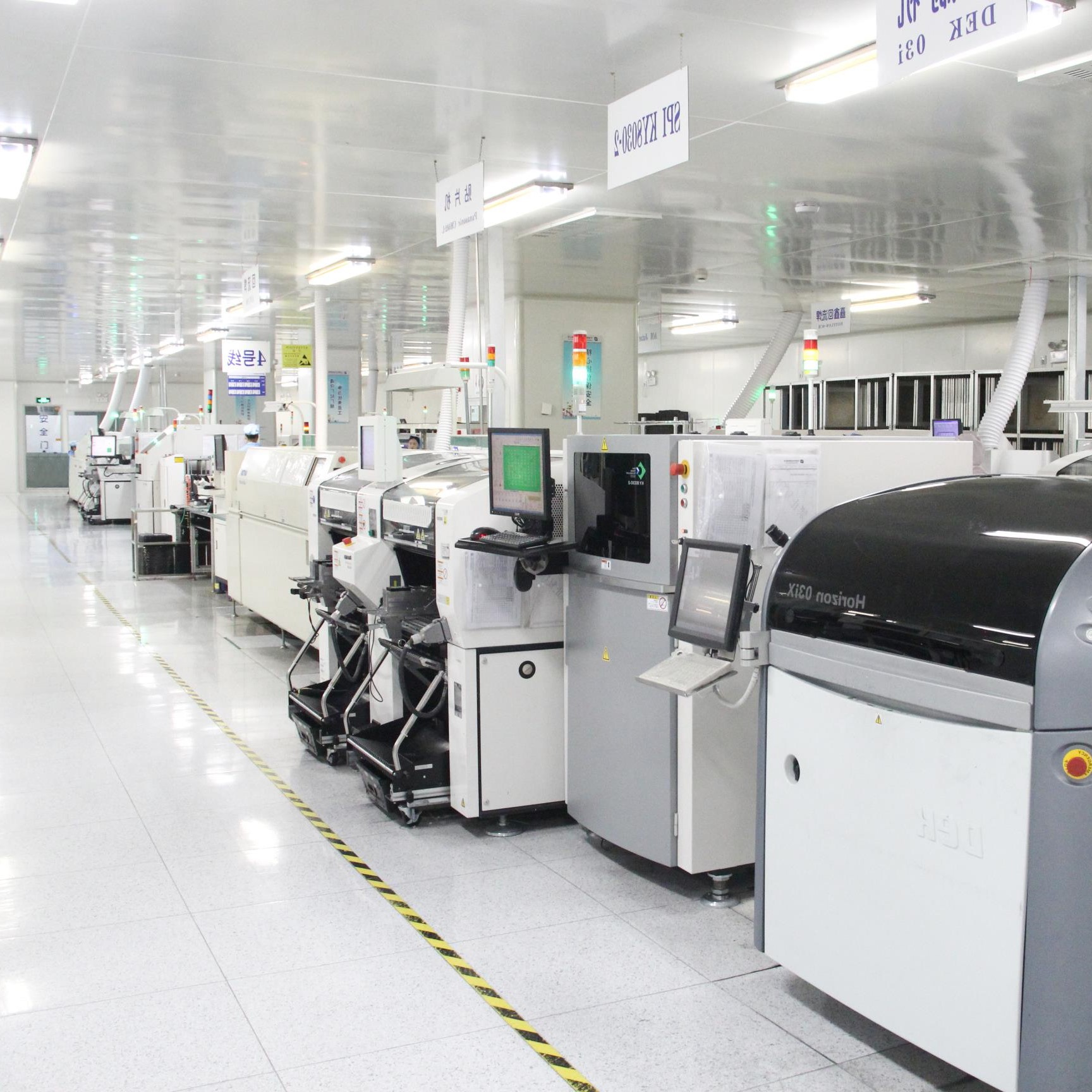
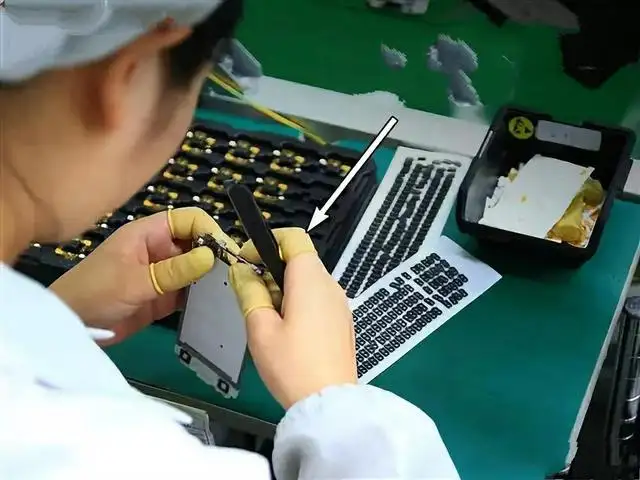
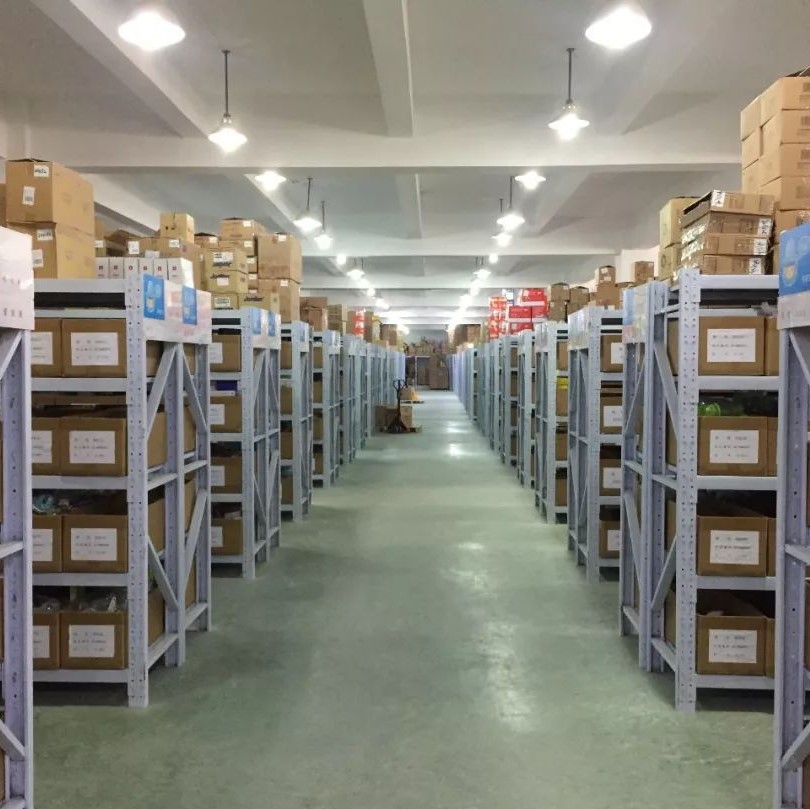
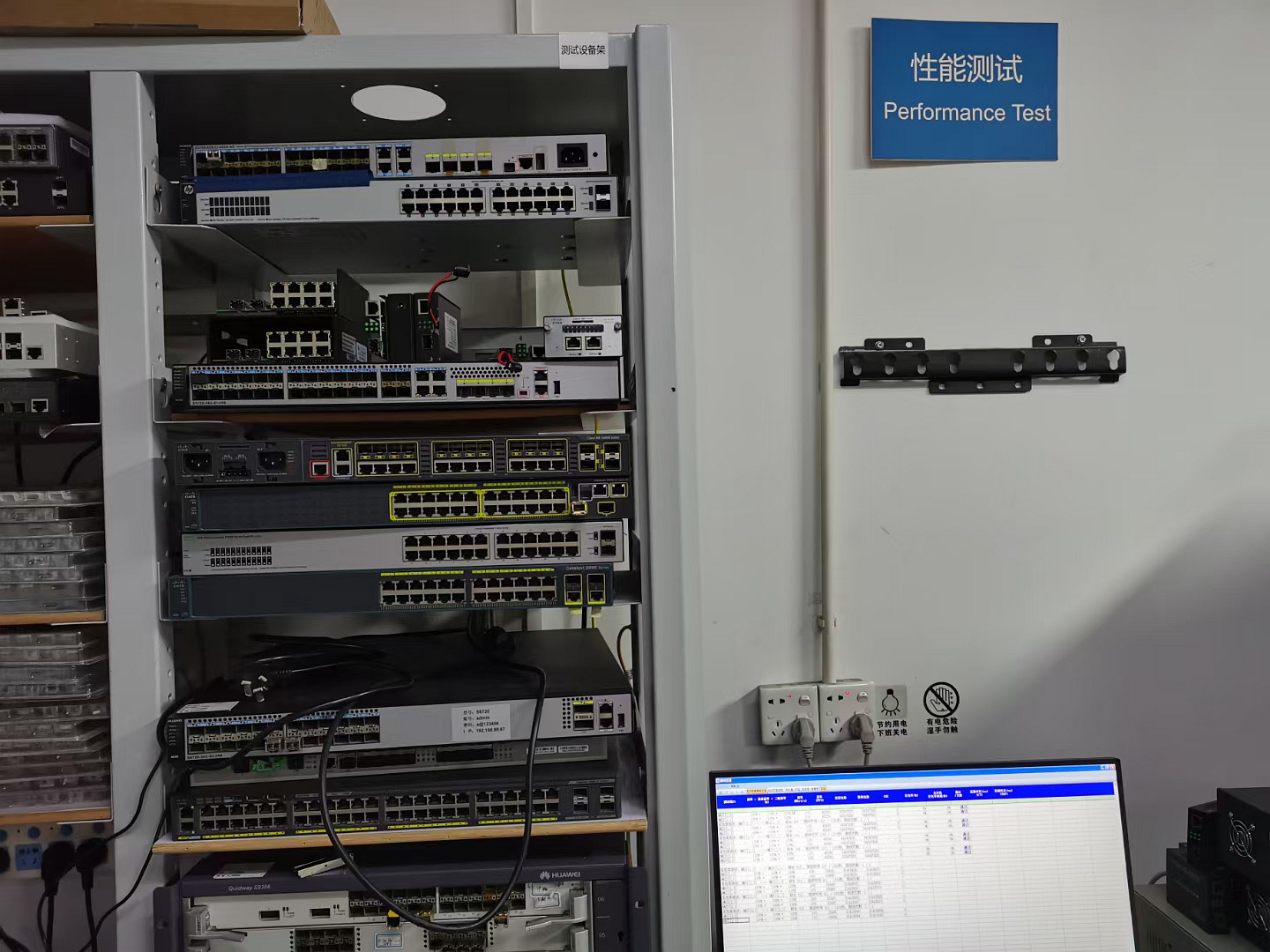
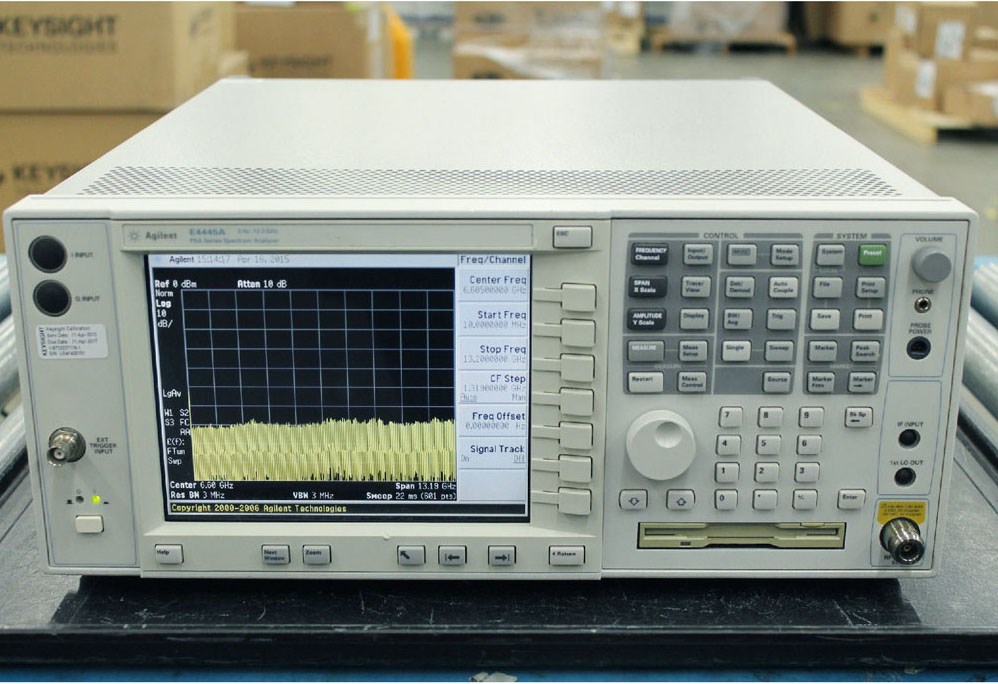
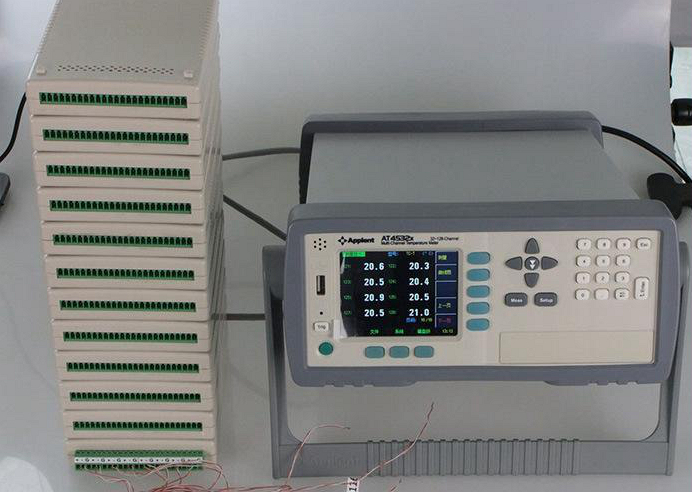
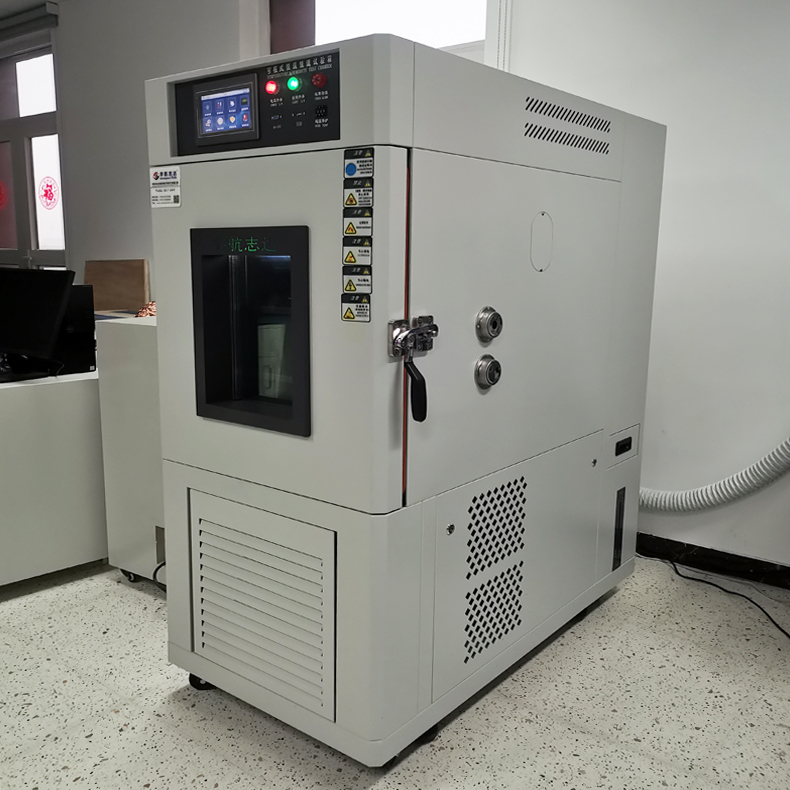
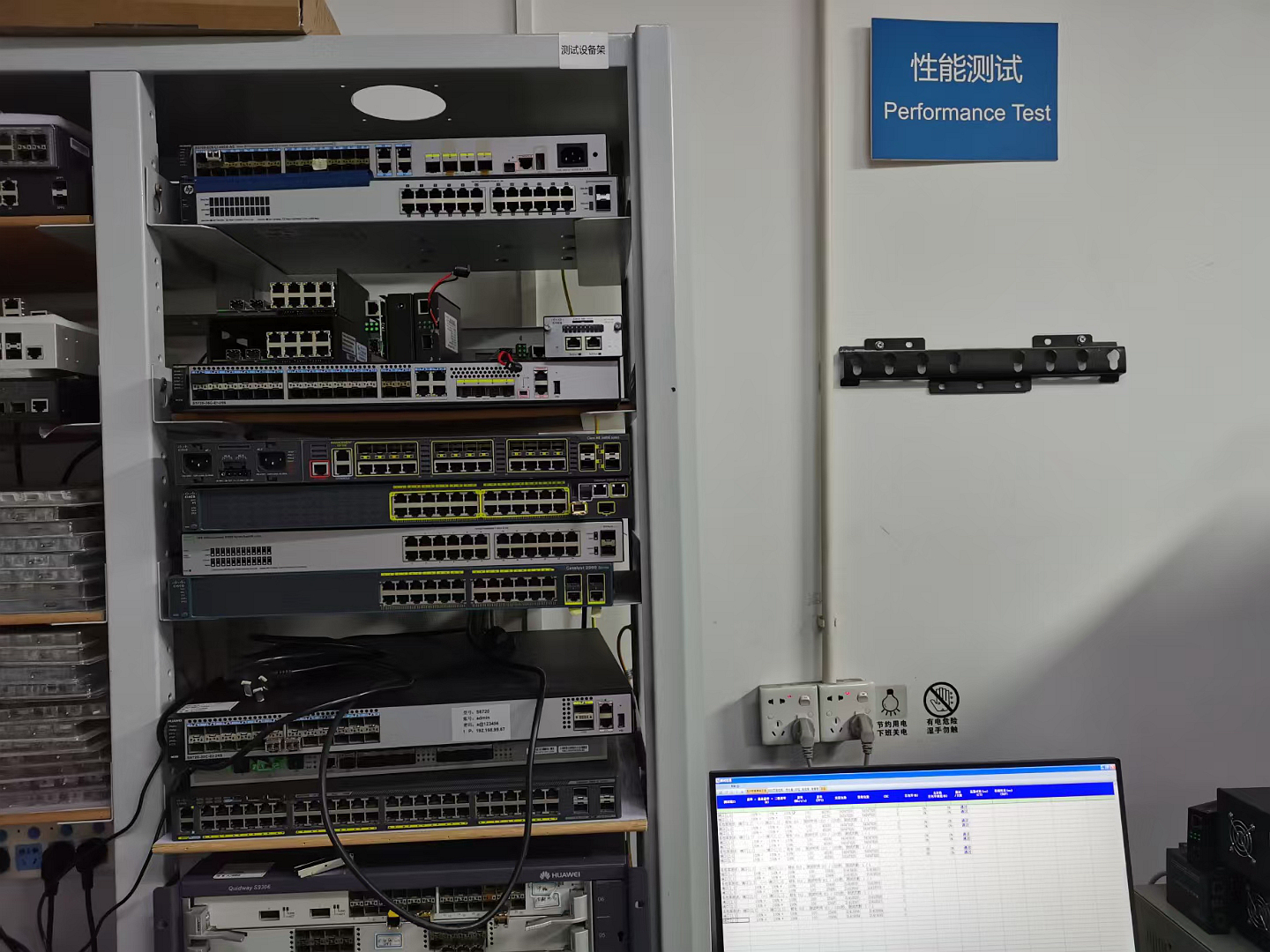
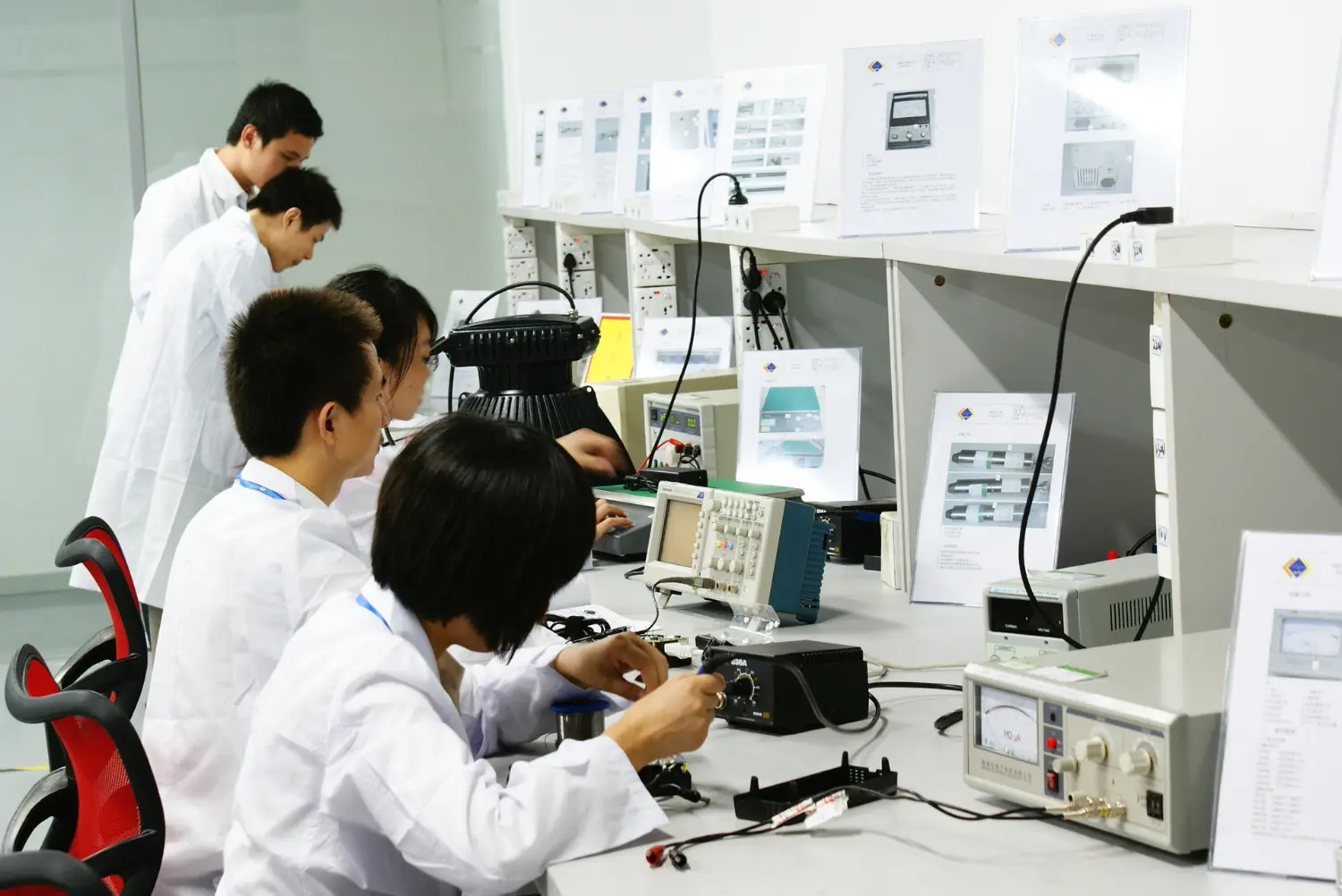
A visual walk-through of Soras's manufacturing excellence, precise assembly lines, and environmental calibration processes.


Bridging the gap between current OM4 deployments and next-generation optical developments like OM5, SWDM, and Co-Packaged Optics.
As transmission technology progresses towards 400G and 800G, the role of multimode fiber continues to evolve. While OM4 remains the most cost-effective and highly deployed solution for links up to 150m at 100G, technological developments such as OM5 Wideband Multimode Fiber (WBMMF) are entering the market to support Short-Wavelength Division Multiplexing (SWDM). SWDM allows for the transmission of multiple wavelengths on a single multimode fiber pair, effectively quadrupling the transmission capacity without requiring additional cabling cores.
Furthermore, the integration of Silicon Photonics and Co-Packaged Optics (CPO) in switch designs will change standard patch setups. CPO brings the optical transceivers closer to the switch silicon, reducing electrical trace losses and total power consumption. High-density OM4 and OM5 fiber fanouts with MPO/MTP interfaces will act as the physical connection pathways, bridging these integrated switch components directly to regional distributors.
Soras continues to monitor these industry shifts, refining our production capabilities for fiber transceivers, high-capacity media converters, and switches to ensure compatibility with advanced optical media developments.
In-depth responses to core engineering and procurement questions related to OM4 multimode systems and hardware selection.
Explore our secondary lineup of active transceivers, switches, and splicing machinery designed to support enterprise optical backbones.
 Soras Tech