A technical review of modern interconnect layouts, optical performance metrics, and industrial standards driving next-generation enterprise networks.
Modern telecom architectures rely on structured fiber optic patch panels to manage cross-connect paths, splice arrangements, and terminal exits. Standardized designs reduce spatial foot-prints, mitigate optical loss, and streamline fiber routing configuration inside Server Racks and ODFs.
Reliability is paramount. By enforcing ISO 9001, UL, CE, FCC, and RoHS standards, China-based manufacturers deliver optical panels designed to resist critical environmental hazards while securing minimal Insertion Loss (IL) and optimal Return Loss (RL) specifications across long-distance links.
Sliding modular cassettes allow engineers to hot-swap LC, SC, or MTP/MPO adapters without disrupting existing live fiber links. This structural versatility minimizes network downtime in critical enterprise operations, hyperscale data centers, and carrier-grade metropolitan networks.
A Decade of Technical Innovation in Optical Transmission Systems and Global Telecommunications Equipment Manufacturing.
Shenzhen Soras Technology Co., Ltd. is a leading manufacturer of optical transmission equipment and network equipment with more than 10 years of experience. We rely on high-quality management and technological innovation, committed to providing customers with high quality, cost-effective, high value-added products and solutions.
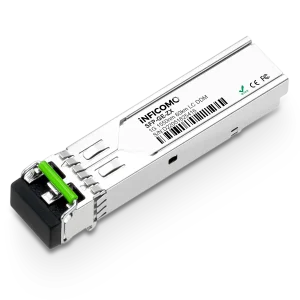
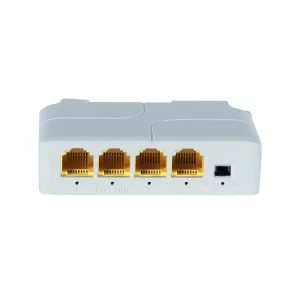
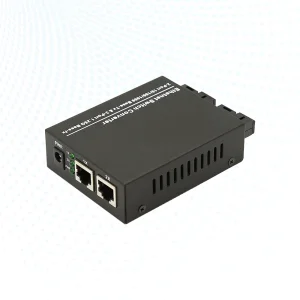
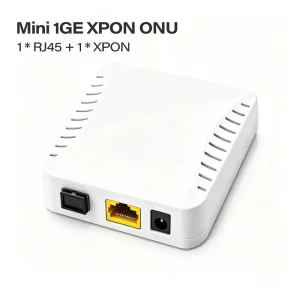
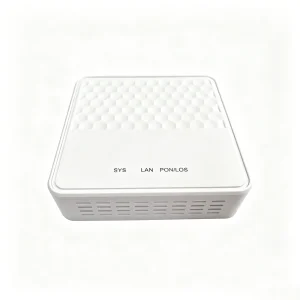
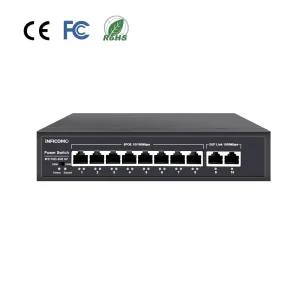
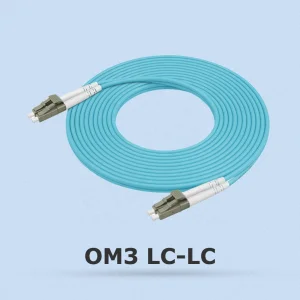
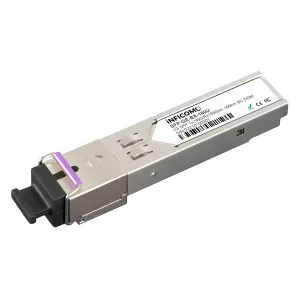
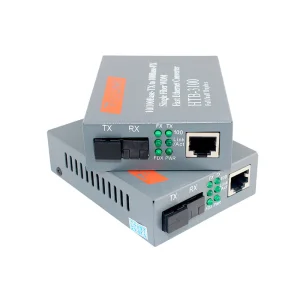
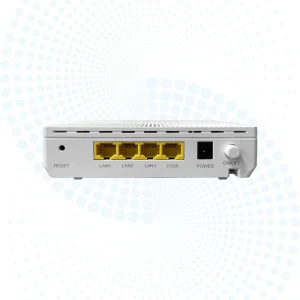
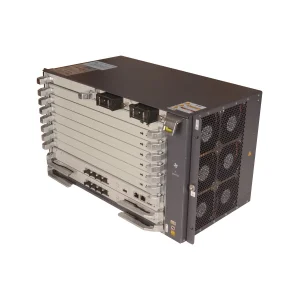
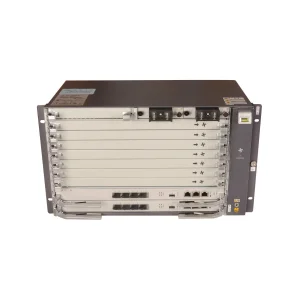
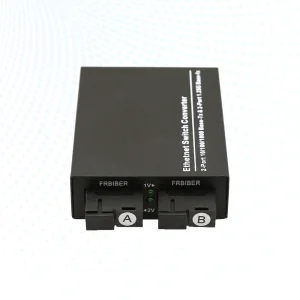
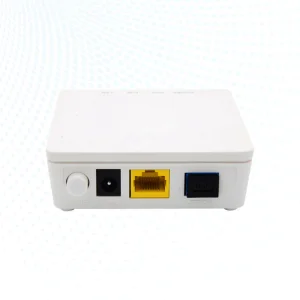
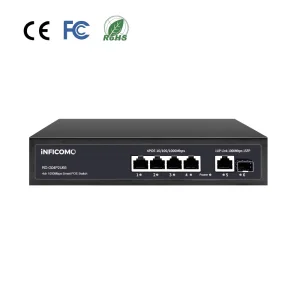
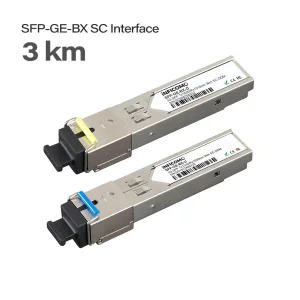
Today, we work closely with telecommunications companies around the world. We have a strong technical force and experienced R & D team. Products can be customized and engineered according to customer requirements, and we fully support and execute OEM and ODM orders. Now our products are exported to more than 60 countries, with major markets in South America, North America, and Europe. Our comprehensive product portfolio includes Fiber Media Converters, SFP Modules, POE Switches, ONUs, OLTs, and supporting passive fiber optics.
| Business Type | Country / Region | Main Products Portfolio | Certified Standards |
|---|---|---|---|
| Manufacturer / OEM / ODM Supplier | Guangdong, China (Shenzhen Hub) | FTTH ONU & OLT, SFP Modules, Fiber Media Converters, PoE Switches, Patch Panels | ISO 9001, UL, CE, FCC, RoHS Compliant |
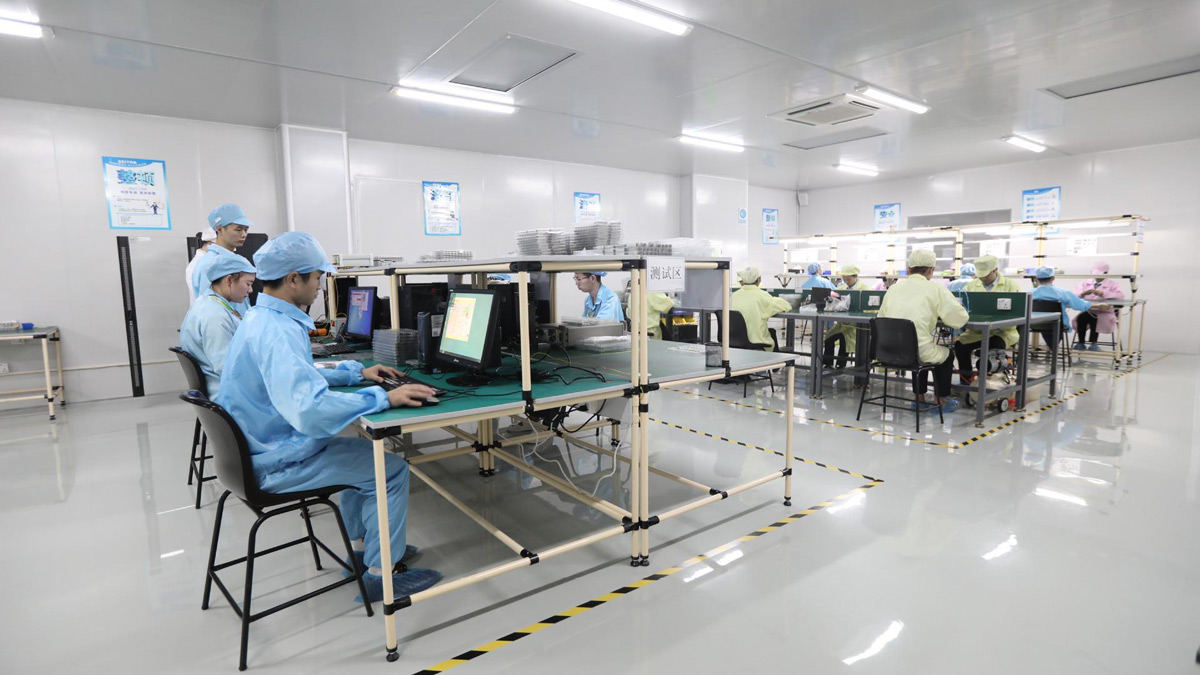
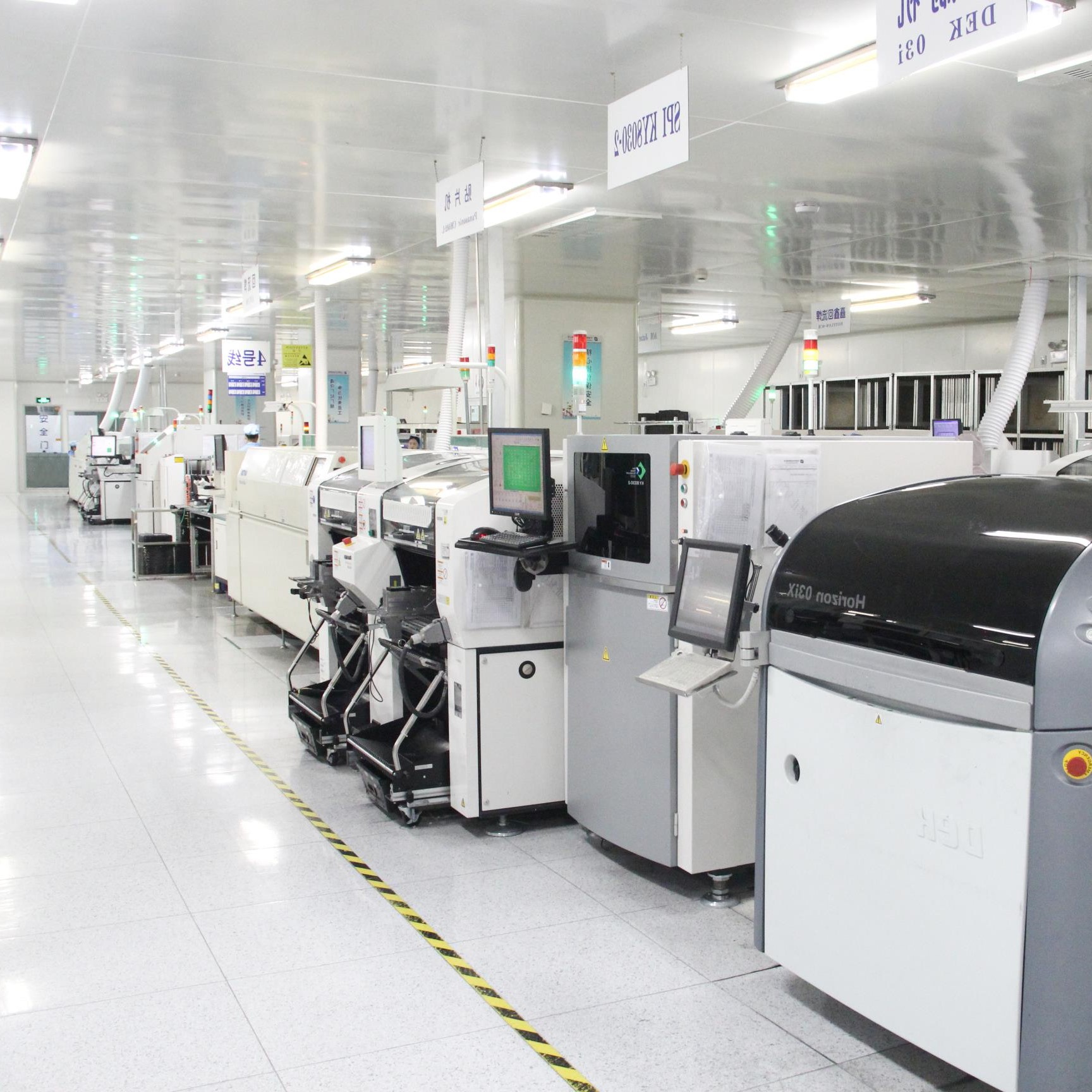
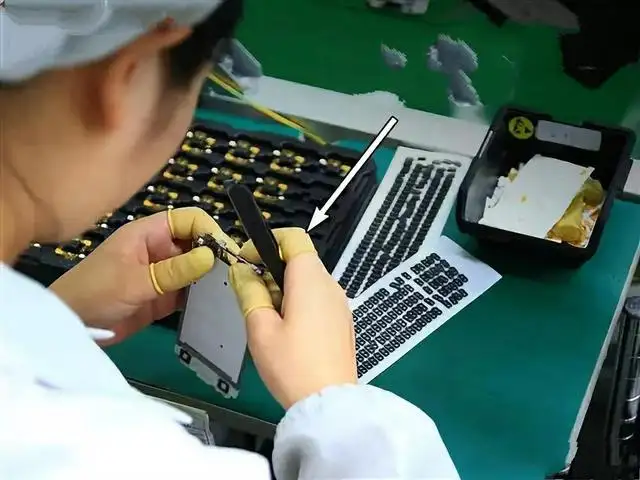
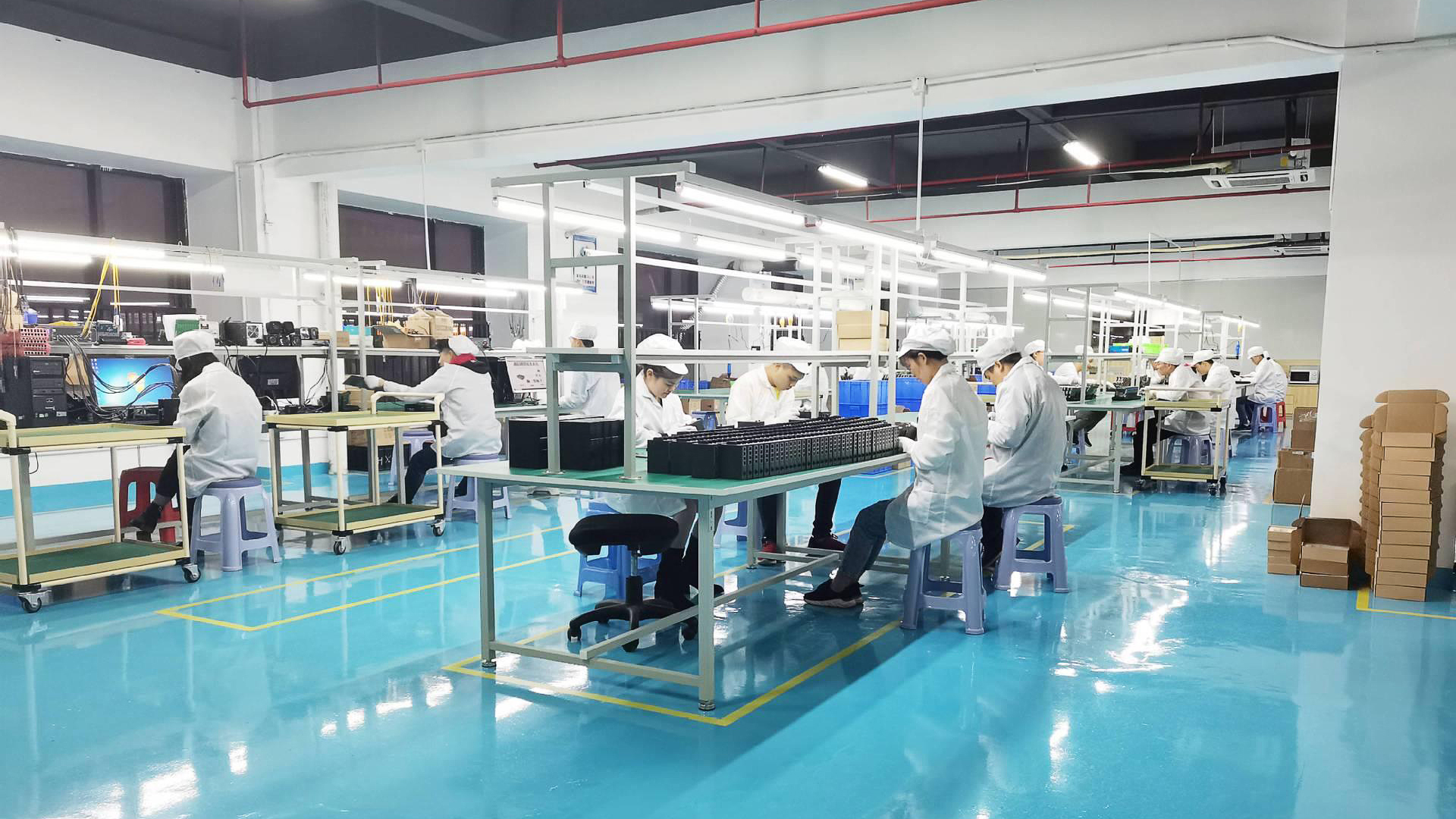
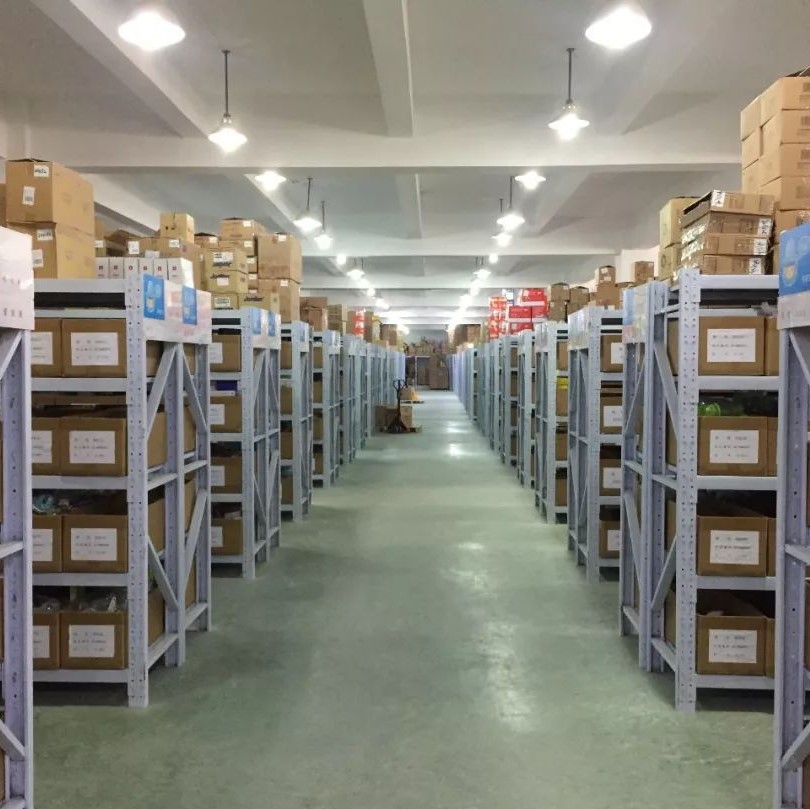
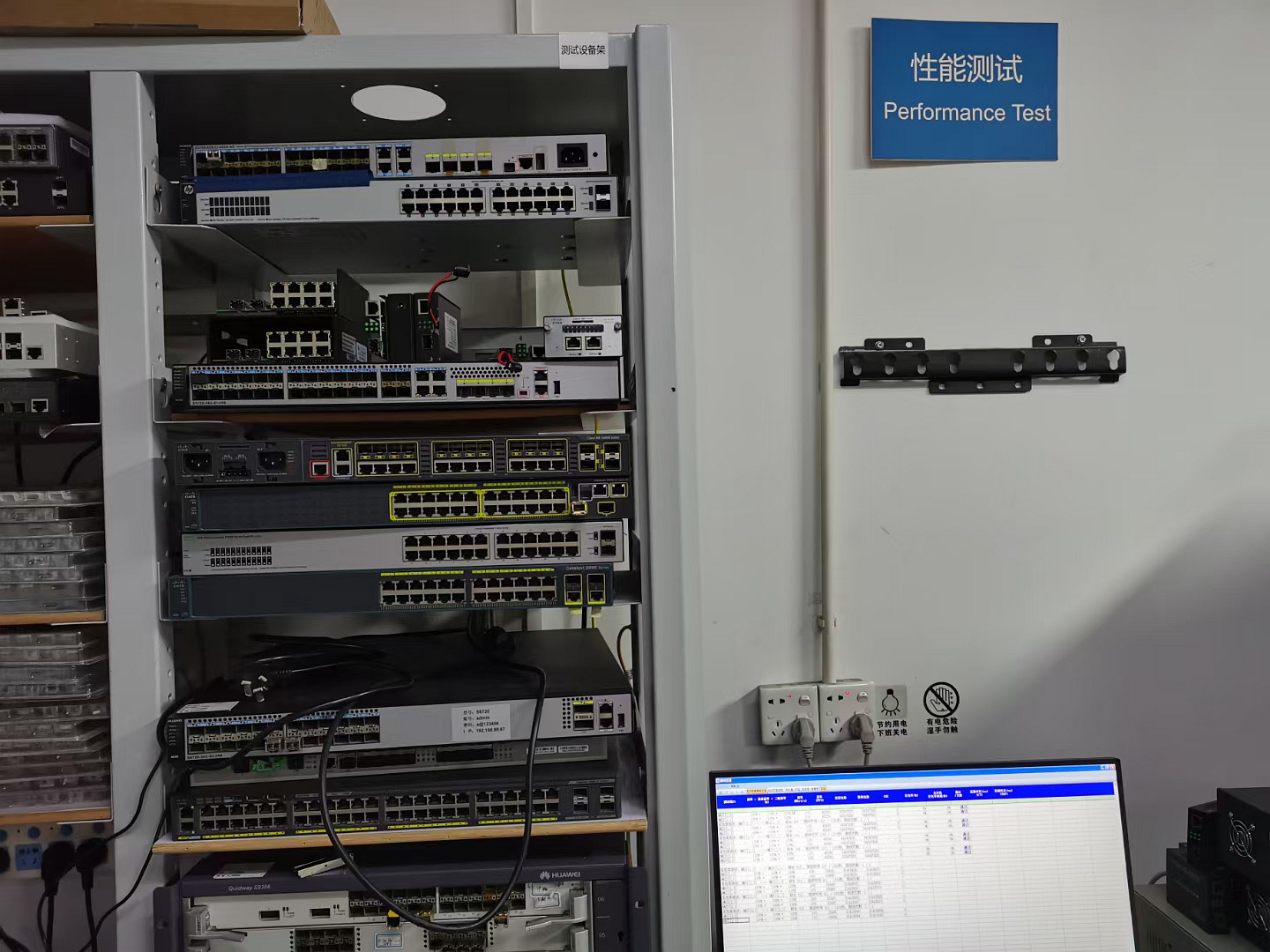
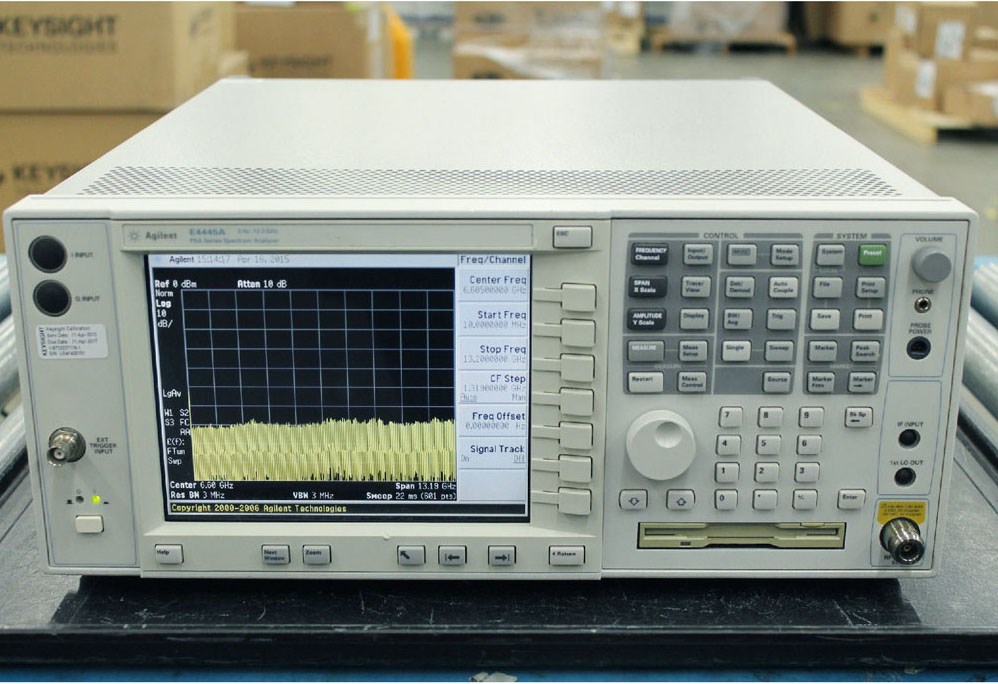
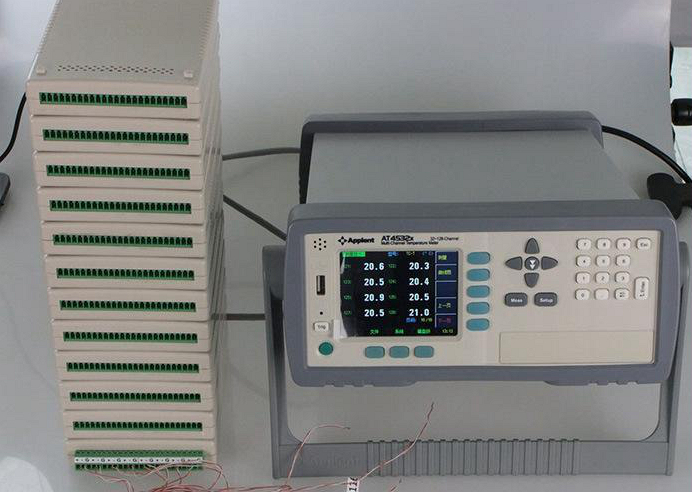
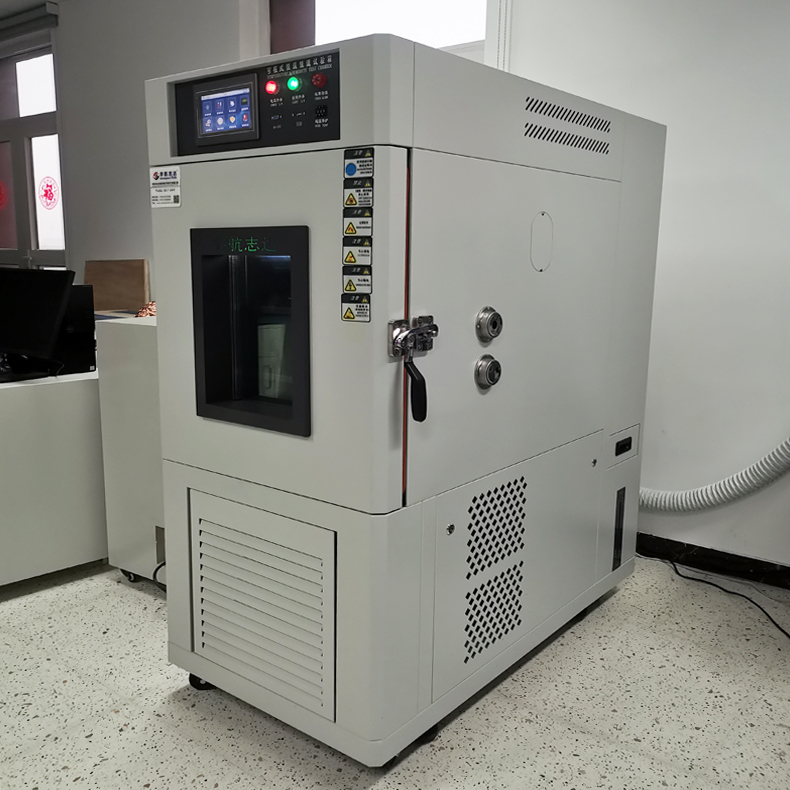
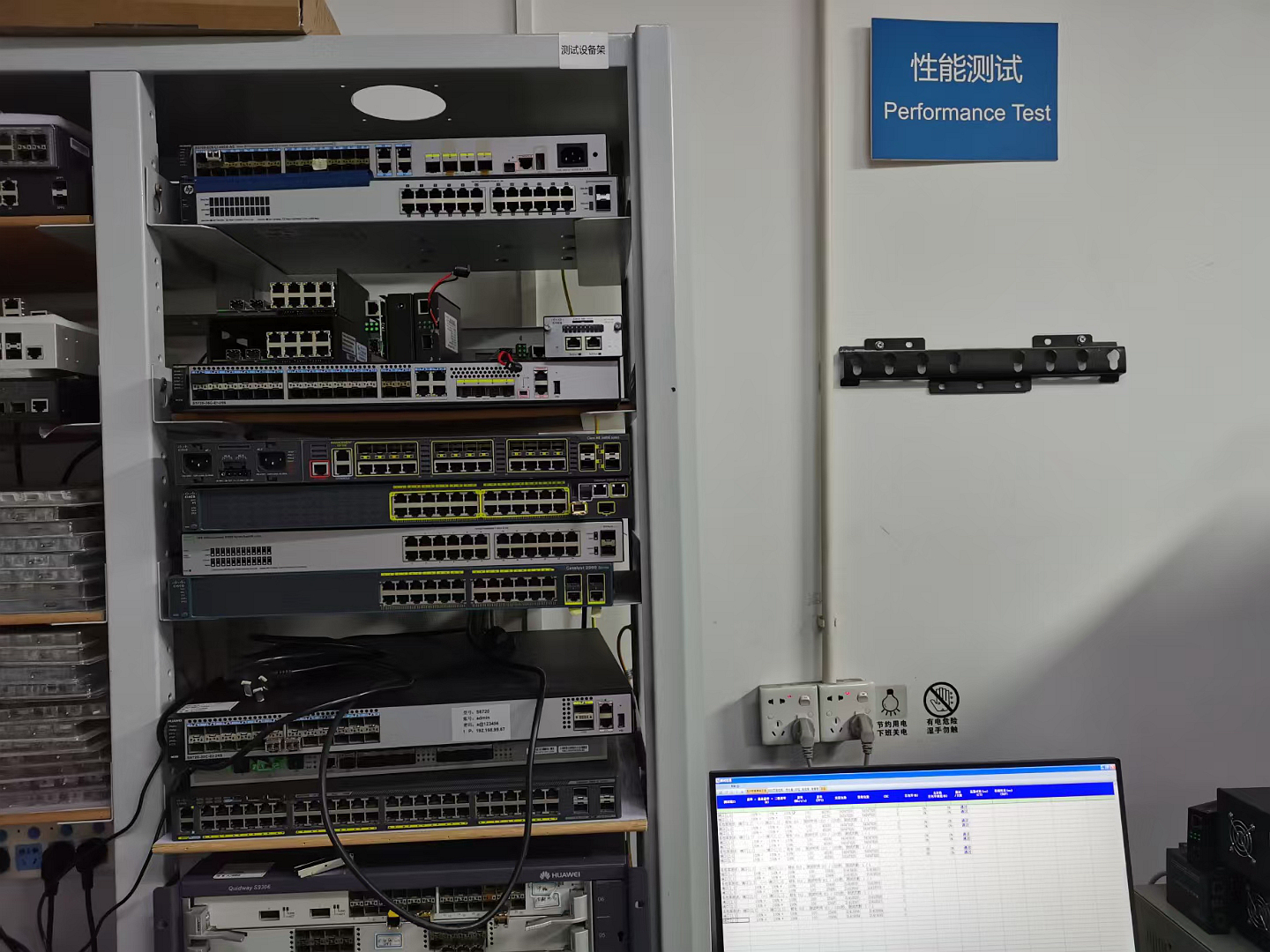
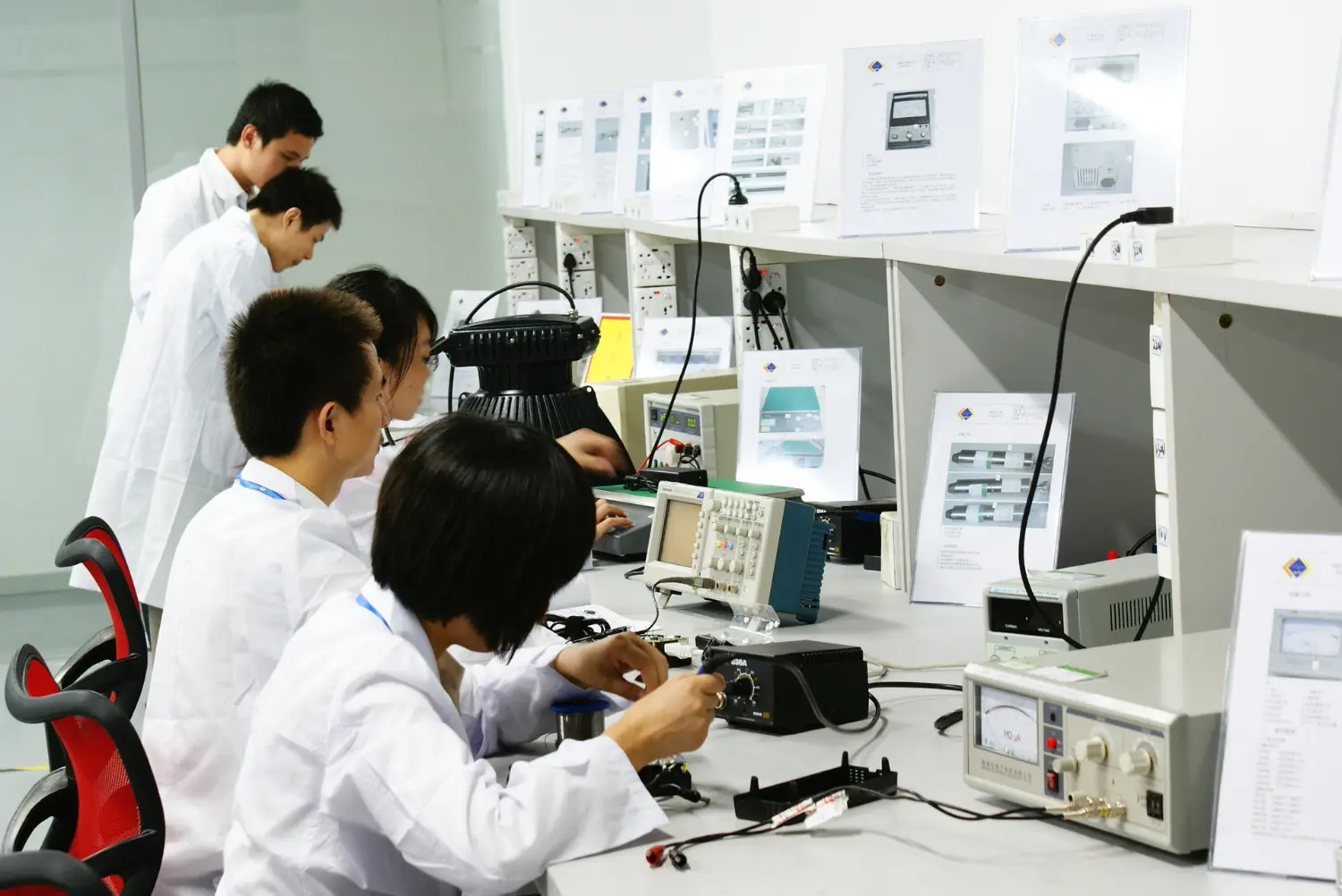
A deep look inside our manufacturing lines, SMT automation, and high-low temperature simulation chambers.
Developing and assembling optical equipment requires a high degree of precision. By integrating surface mount technology (SMT) and automated optical inspection, Soras guarantees component placement reliability. This vertical integration within the Pearl River Delta industrial cluster allows rapid procurement of high-grade raw components, reduced lead times, and structural resilience against market fluctuations.

How Soras components integrate into regional FTTH, Enterprise, and Smart Automation Infrastructures.
In regions like South America and Europe, ISPs deploy GPON, EPON, and XG-PON technologies to deliver high-speed broadband to households. Our GPON OLT and ONU systems work in unison with high-density optical distribution frames (ODFs) to manage subscriber distribution, ensuring reliable connections and seamless bandwidth scaling.
Modern urban surveillance setups require robust fiber-to-the-node configurations. High-performance industrial PoE switches paired with media converters transmit high-bandwidth security feeds over extended distances back to central monitoring facilities, relying on rack-mount patch panels for physical link organization.
Modern data centers demand low-latency, high-density interconnections. Ultra-high-density MTP/MPO fiber patch panels and optical transceivers provide the layout scalability needed for 100G, 400G, and future 800G Ethernet infrastructures, maintaining signal integrity and reliable structural pathways.
As transmission speeds scale up, manual connection tracing becomes a bottleneck. The next generation of fiber patch panels will incorporate Automated Infrastructure Management (AIM) systems. Using integrated sensors, these intelligent panels dynamically trace connections, report port status in real-time, and flag faults instantly, streamlining troubleshooting in hyperscale topologies.
Crucial hardware specifications that ensure high durability, low insertion loss, and reliable performance across varying environmental conditions.
Soras Patch Panels utilize cold-rolled steel housing with electrostatic powder coating to prevent corrosion in high-humidity environments. Integrated bend-radius limiters ensure patch cords stay within standard parameters, avoiding micro-bending attenuation.
All passive and active hardware undergoes high-low temperature testing cycles from -40°C to +85°C. This testing ensures stable operation across regions with diverse climates, from extreme industrial heat to freezing high-latitude environments.
Our manufacturing plant operates in full compliance with ISO 9001 quality management guidelines. Our finished products carry UL, CE, FCC, and RoHS certifications, facilitating smooth customs clearance and integration into highly regulated Western markets.
Common inquiries regarding modern optical networks, hardware compatibility, and deployment best practices.
 Soras Tech