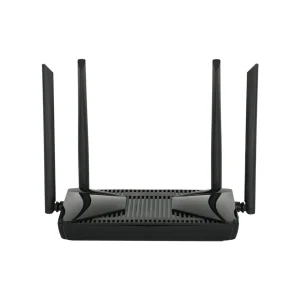
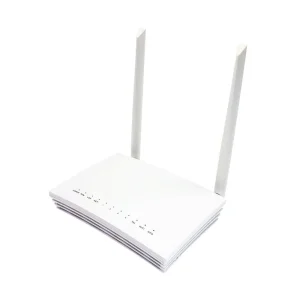
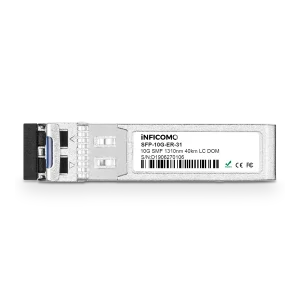
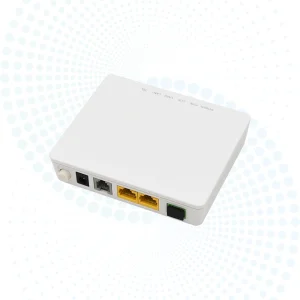
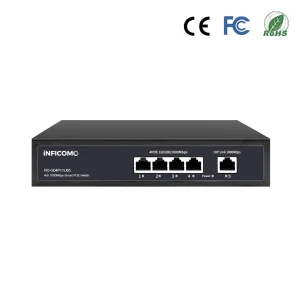
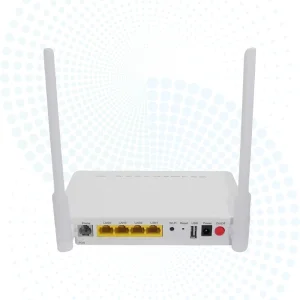
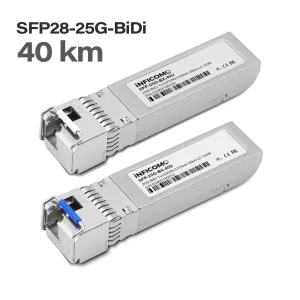
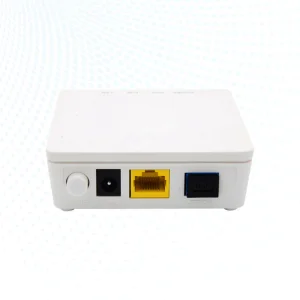
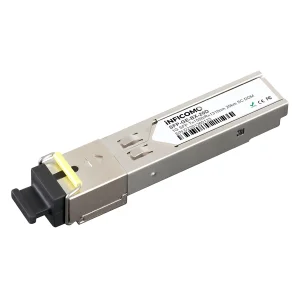
Explore our production lineup covering active modules, passive multiplexers, and multi-functional FTTH terminal equipment.
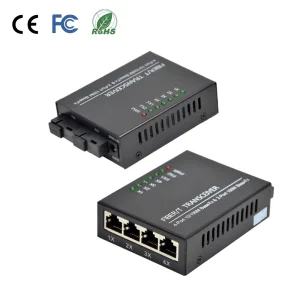
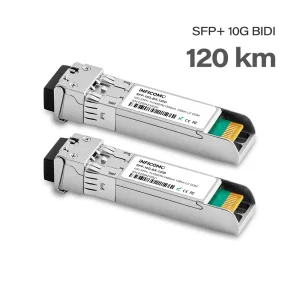
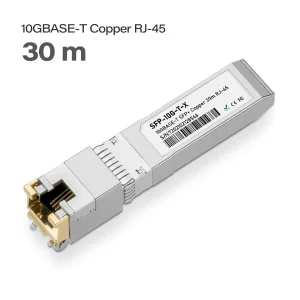
As cloud data platforms and massive artificial intelligence model training environments expand, optical interconnection infrastructure requires unprecedented density. The standard Single-Fiber LC and SC systems have reached physical layout thresholds inside typical 19-inch racks. Enter MPO (Multi-Fiber Push-On) Connectors.
MPO systems consolidate 8, 12, 24, 32, or even 48 optical fibers within a single compact interface. This structural integration yields space-saving margins of up to 90% inside fiber routing channels, enabling high-velocity 100G, 400G, and 800G optical routes.
Utilizing injection-molded MT ferrules aligned with high-precision stainless steel guide pins (male/female configurations), MPO connectors maintain micron-scale tolerances. This keeps typical insertion losses below 0.35dB and back reflection to optimum thresholds.
Proper pathing of transmit (Tx) to receive (Rx) signals is vital in high-density installations. MPO systems utilize Type A (straight-through), Type B (crossover), or Type C (pair-flipped) polarity schemes to ensure correct end-to-end signal tracking.
A premier manufacturing ecosystem based in Guangdong, China, processing high-tier active modules, fiber switches, and high-density termination paths for over a decade.
Shenzhen Soras Technology Co., Ltd. is a leading manufacturer of optical transmission equipment and network equipment with more than 10 years of experience. We rely on high-quality management and technological innovation, committed to providing customers with high quality, cost-effective, high value-added products and solutions.
Today, we work closely with telecommunications companies around the world. We have strong technical force and an experienced R&D team. Products can be developed according to customer requirements, and we also accept your OEM and ODM orders. Currently, our products are exported to more than 60 countries, with the main markets being South America, North America, and Europe.
Our main products include Fiber Media Converters, SFP Modules, POE Switches, ONU, OLT, and supporting optical products. We have passed ISO 9001, UL, CE, FCC, and RoHS certifications. Our motto remains: "superior quality, professional service, competitive price, integrity-based". We believe this is not only our responsibility, but also the best way forward for long-term development. Soraslink looks forward to working with you!


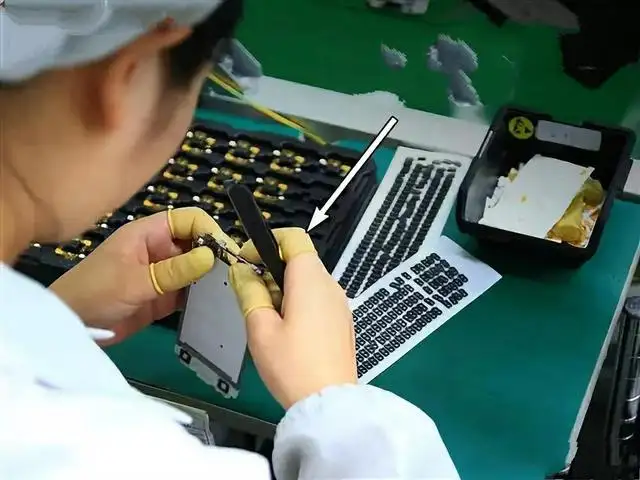


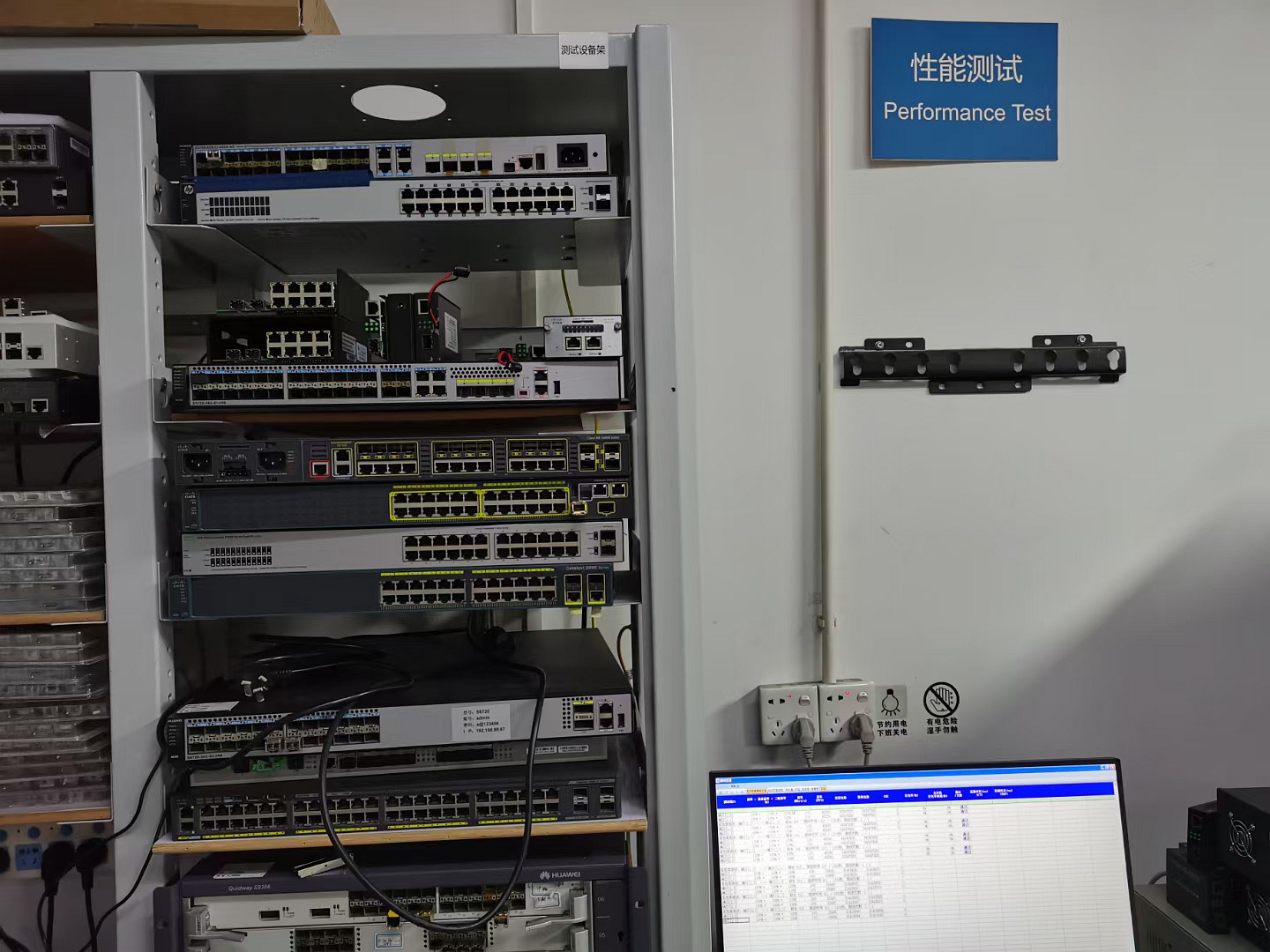
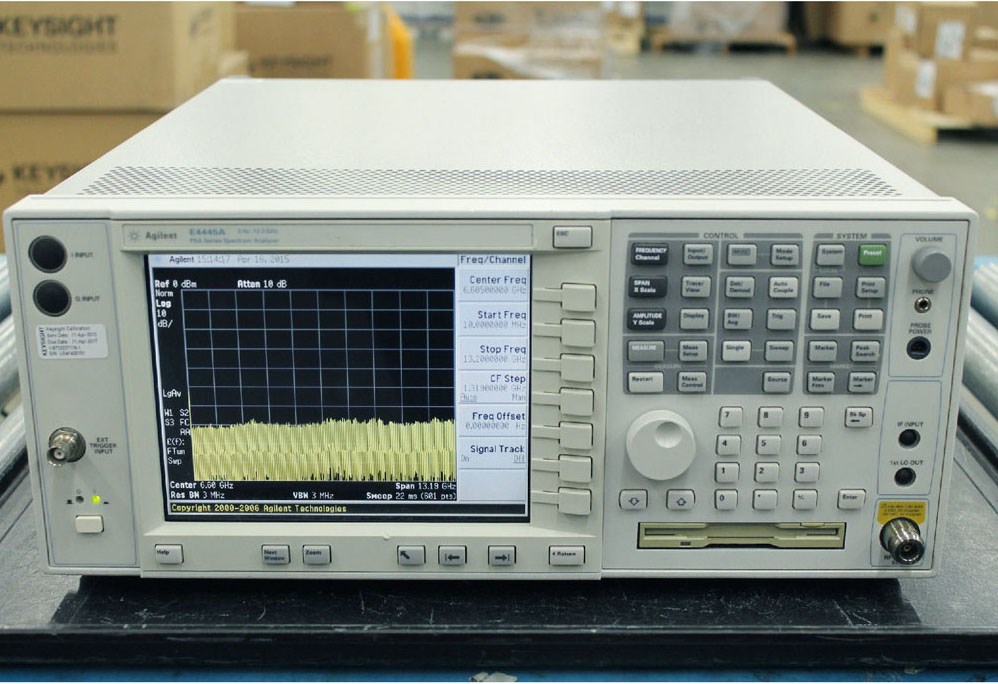
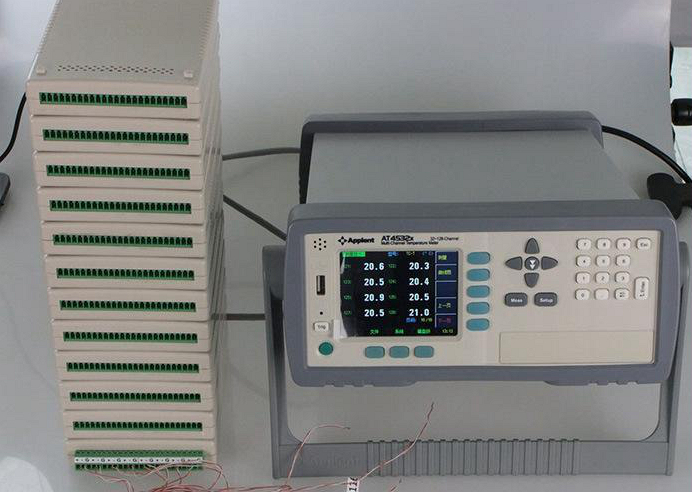
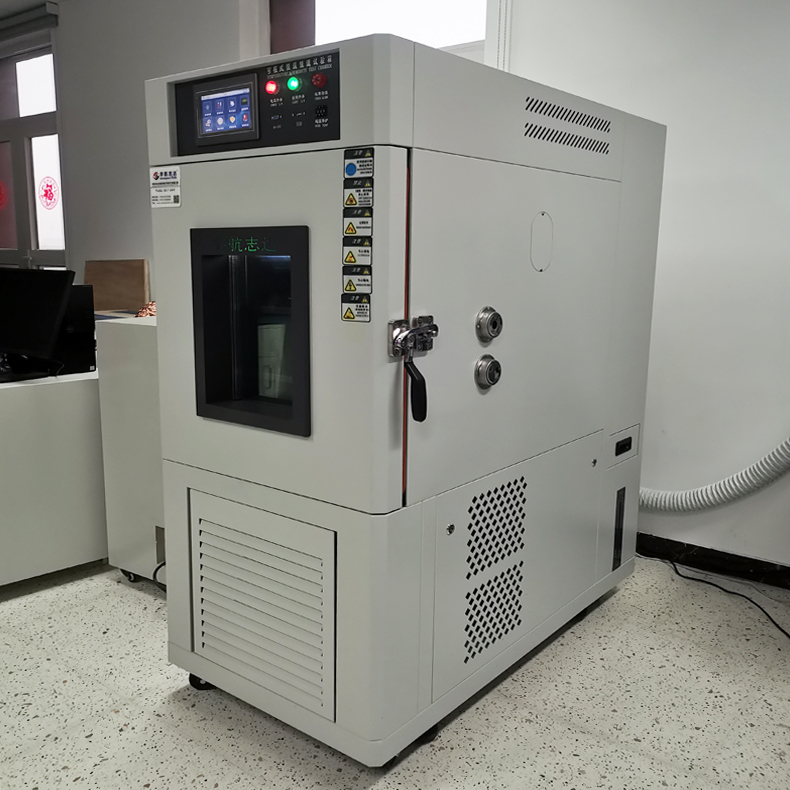
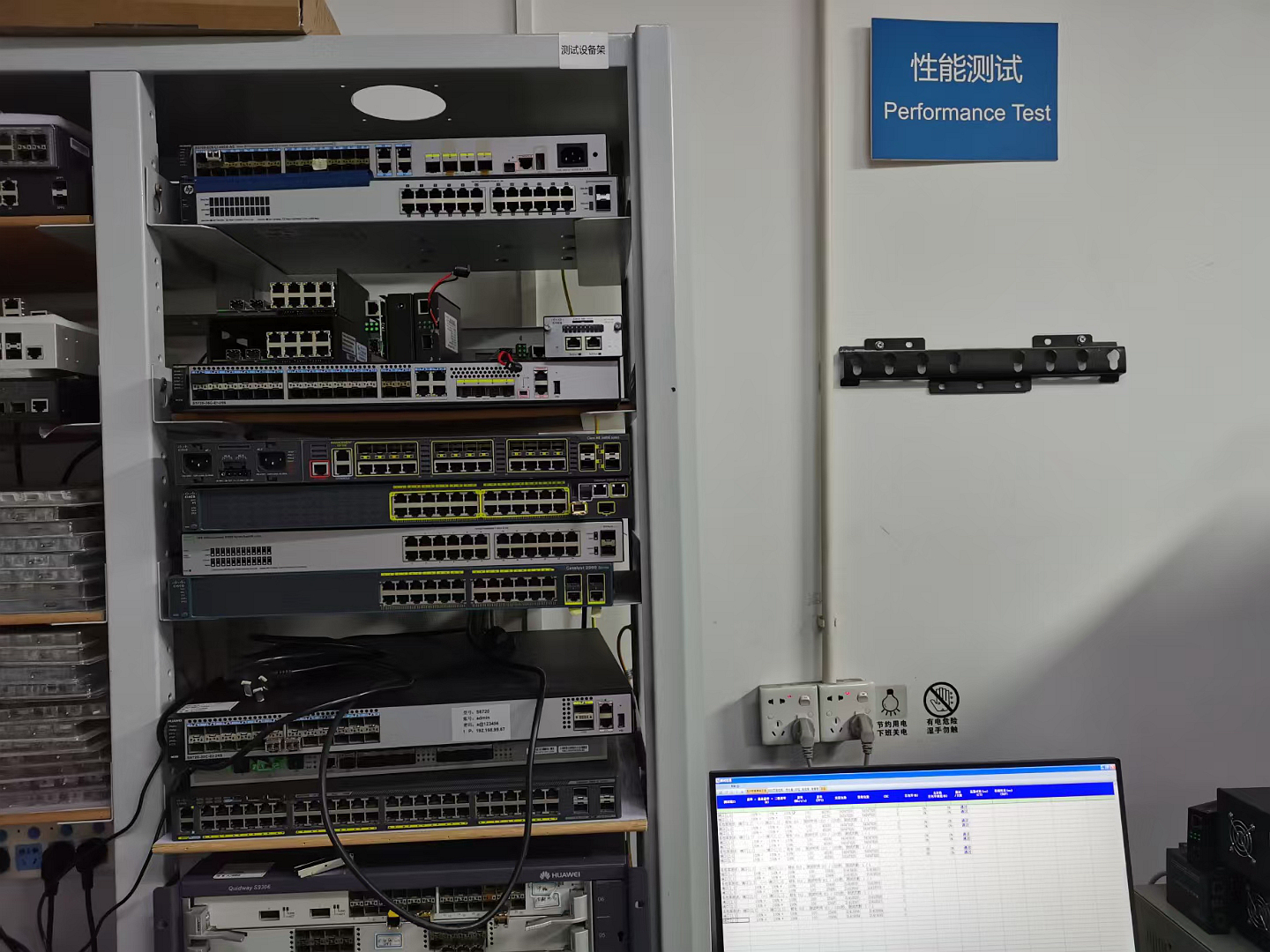
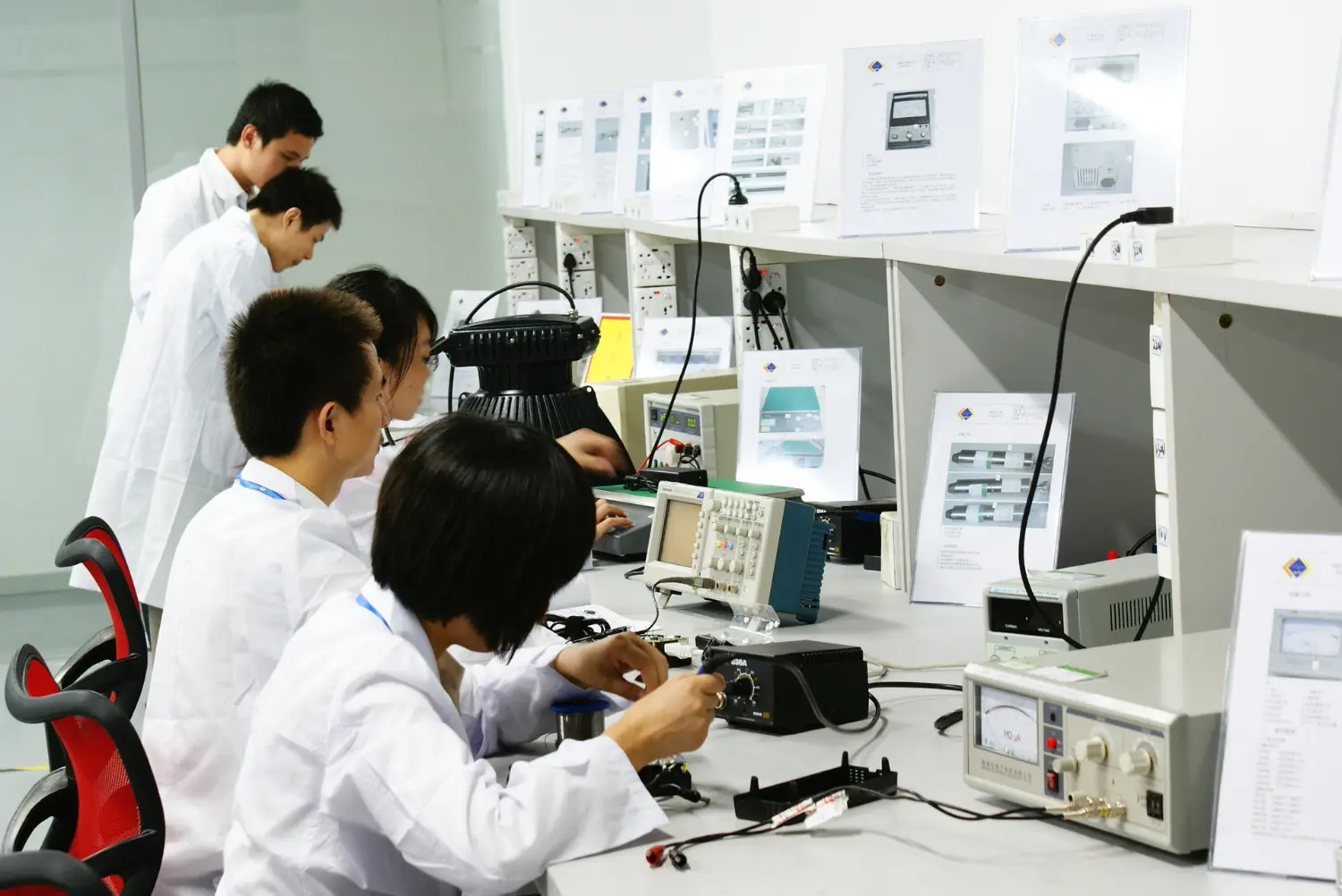

Transparent profile detailing established structure, target markets, and manufacturing compliance data points.
| Parameter Block A | Parameter Block B | ||
|---|---|---|---|
| Business Type | Manufacturer | Country / Region | Guangdong, China |
| Main Products | FTTH ONU & OLT, SFP Module, Fiber Media Converter, PoE Switch, Fiber Optic Equipment | Total Employees | 11 - 50 People |
| Total Annual Revenue | US$5 Million - US$10 Million | Year Established | 2021 |
| Company Certifications | ISO 9001, UL, CE, FCC, RoHS | Product Certifications | CE, FCC, RoHS, Carrier Interoperability Tests |
| Patents Portfolio | Proprietary Structural Designs & Firmware Frameworks | Trademarks | Soraslink |
| Main Markets | Domestic Market (24.00%), Eastern Asia (15.00%), North America (15.00%), Europe, South America (covering 60+ countries globally) | ||
For system integrators and telecommunications operators across Europe and international markets, the CE Mark is not just a regulatory label—it is a fundamental stamp of quality, safety, and operational reliability.
MPO patch cords and trunks intended for building installations must comply with the Construction Products Regulation (CPR). This mandates fire resistance profiles (like LSZH - Low Smoke Zero Halogen) to safeguard infrastructure and public safety under flame-exposure criteria.
For active elements associated with MPO systems—such as MPO-to-SFP+ breakout systems or media converter chassis—strict adherence to standard electromagnetic emission limits prevents cross-device interference inside crowded server racks.
European environmental directives govern all components of our MPO connectors, ensuring ferrules, boot materials, push-pull tabs, and internal alignment mechanics remain completely free of hazardous materials.
Every batch of MPO connectors undergoes a multi-phase testing protocol to ensure CE requirements and GR-1435-CORE standards are met:
How local integration, automated processing, and localized material sourcing enable Shenzhen manufacturers to offer unmatched value.
Shenzhen hosts a dense concentration of optical component manufacturers. This close proximity allows us to secure premium components, such as high-grade US Conec MT ferrules, with minimal lead times.
Advanced polishing machines, multi-channel interferometers, and automatic optical alignment systems reduce human error and ensure uniform consistency across high-volume production runs.
Our facility can dynamically scale production lines to meet sudden spikes in demand from global telecom rollouts, delivering custom configurations in a fraction of the time required by local assemblers.
Selecting MPO connections requires balancing network specifications with your budget. The guide below outlines key considerations for sourcing managers:
Choosing the right fiber configuration is essential to support target protocols:
Polishing angles significantly impact optical performance and return loss:
How MPO interfaces are adapting to keep pace with the demands of artificial intelligence clusters and massive neural networks.
To reduce signal loss at high speeds, optical engines are being moved directly onto the switch silicon substrate. This architecture relies on external laser sources connected via high-fiber-count MPO arrays.
Next-generation optical standards utilize 16-fiber parallel channels to transmit up to 100G per lane. As a result, 16-fiber and 32-fiber MPO connections are becoming the standard interface for top-of-rack switches.
Very Small Form Factor (VSFF) connectors like MDC and SN are emerging to challenge traditional high-density formats. However, MPO interfaces remain the preferred choice for backbone connections due to their robust design and proven durability.
Technical and regulatory answers for network engineers, procurement teams, and system installers.
MPO (Multi-Fiber Push-On) is the generic industry standard defined by IEC-61754-7. MTP® is a registered trademark of US Conec and refers to a proprietary, high-performance MPO connector. MTP connectors feature mechanical improvements, including a floating ferrule that maintains physical contact under load, and guide pins with rounded tips to minimize debris generation during mating.
CE certification ensures that optical patch cords and assemblies comply with EN 50575 safety standards, part of the Construction Products Regulation (CPR). This regulation defines fire safety requirements for cables installed in walls and ceilings. Additionally, CE certification verifies compliance with RoHS directives, guaranteeing that all components are free of hazardous substances.
Standard multimode MPO connectors typically specify a maximum insertion loss of 0.75dB. In contrast, premium low-loss configurations limit insertion loss to 0.35dB (with typical performance closer to 0.15dB). Minimizing insertion loss is critical in complex networks that feature multiple patch panels, as it helps prevent exceeding the optical budget.
Type A (Straight-Through) maps Pin 1 to Pin 1, using a key-up to key-down orientation. Type B (Reversed) maps Pin 1 to Pin 12, reversing the fiber sequence via a key-up to key-up orientation. Type C (Pairs Flipped) flips adjacent pairs (mapping Pin 1 to Pin 2, and Pin 2 to Pin 1) to maintain proper transmit-and-receive channels in duplex links.
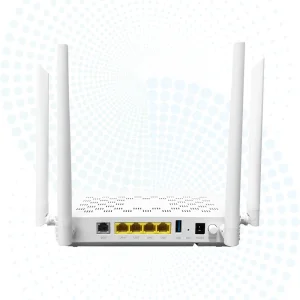
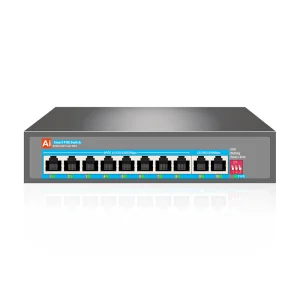
Explore our line of active optics, Gigabit switches, and FTTH gateways to complete your network deployments.

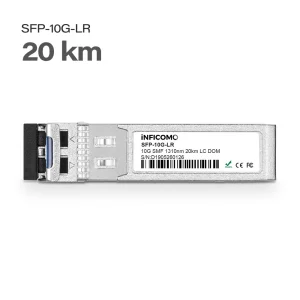
 Soras Tech