Why Do You Need Optical Transceivers for Your Network?

Time:2026-07-14 Author:Madeline
0%

In today's digital landscape, networks thrive on speed and efficiency. Optical transceivers play a vital role in enhancing network performance. These compact devices enable high-speed data transmission over optical fibers. As technology advances, the demand for faster, more reliable connections increases.

Optical transceivers convert electronic signals into optical signals and vice versa. This conversion is crucial for long-distance communication. Without them, data transfer would be slower and less efficient. The growing reliance on cloud services and data centers makes these devices indispensable.

Businesses need to understand the impact of optical transceivers on network reliability. Choosing the right transceivers can prevent costly downtimes. Despite their benefits, not all optical transceivers are created equal. Each network has unique requirements. It's important to reflect on the specific needs of your infrastructure. This careful consideration ensures optimal performance and success.
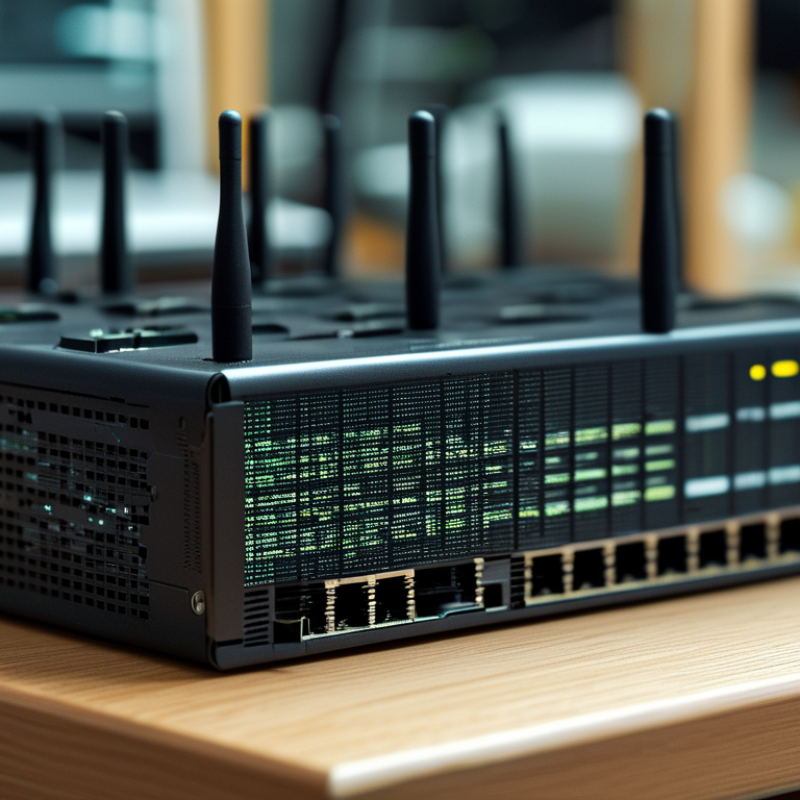
Why Do You Need Optical Transceivers for Your Network?

What are Optical Transceivers and How Do They Work?

Optical transceivers are critical components in modern networks, facilitating high-speed data transmission. These devices convert electrical signals into optical signals and vice versa. By using light to send data, they can achieve significantly higher speeds compared to traditional copper connections. Reports estimate that the optical transceiver market will reach over $11 billion by 2026, reflecting their growing importance in network infrastructure.

In essence, optical transceivers work through a combination of lasers and photodetectors. The lasers generate light signals that encode data. These signals travel through fiber optic cables and can cover long distances with minimal signal loss. According to market research, the demand for fiber optics is estimated to grow at a CAGR of 10.5% from 2021 to 2028. This indicates an increasing reliance on optical transceivers for data centers and telecommunications.

However, the reliance on these components also brings challenges. Ensuring compatibility and performance can be complex. Many organizations grapple with choosing the right transceiver for their specific needs. Testing and validation take time and resources. Network administrators must constantly adapt to evolving technologies and standards, making this a dynamic yet sometimes daunting landscape.

The Importance of Optical Transceivers in Modern Networks

Optical transceivers play a crucial role in modern networking. They convert electrical signals into optical signals and vice versa, facilitating high-speed data transmission. These devices support various applications, including data centers, telecommunications, and enterprise networks. The capacity to transmit data over long distances with minimal signal loss is essential for efficient communication.

In many organizations, optical transceivers are the backbone of connectivity. They ensure that data can travel quickly and reliably between different network components. Using optical fibers instead of traditional copper wiring can enhance bandwidth and reduce latency. This is particularly important as data demands grow exponentially.

However, not all optical transceivers are created equal. Some might face compatibility issues or suffer from lower performance than expected. Ensuring all devices work seamlessly together requires careful planning and evaluation. Organizations might need to reassess their current optical transceiver choices to better meet evolving needs. The importance of these small devices is often overlooked, yet they are central to maintaining network integrity and speed.

Why Do You Need Optical Transceivers for Your Network? - The Importance of Optical Transceivers in Modern Networks

Parameter Description Importance
Data Rate The speed at which data is transmitted over the network, typically measured in Gbps. Higher data rates enable faster data transmission and reduce latency in applications.
Distance The maximum length over which signals can be transmitted without significant loss. Longer distances allow networks to expand and connect across greater physical spaces.
Form Factor The physical size and shape of the transceiver that determine its compatibility with devices. Proper form factor ensures that transceivers fit into existing hardware, maximizing efficiency.
Wavelength The specific light frequency used for transmission, often within the fiber optic spectrum. Choosing the right wavelength helps optimize signal quality and distance capabilities.
Compatibility The ability of the transceiver to work with different networking equipment. Ensures seamless integration within the network infrastructure, reducing compatibility issues.
Cost The price of the transceiver, which can vary based on specifications and features. Budget considerations are important for network planning and scalability.

Types of Optical Transceivers and Their Applications

Optical transceivers are vital components in modern networks. They facilitate data transmission over optical fibers, ensuring high-speed communication. Different types of optical transceivers are designed for specific needs. Knowing these types can help organizations optimize their network infrastructure.

There are several common types of optical transceivers, including SFP, SFP+, and QSFP+. The SFP (Small Form-factor Pluggable) is versatile and widely used for connecting various network devices. SFP+ offers enhanced speed and efficiency, suitable for high-bandwidth applications. QSFP+ caters to even greater demands, supporting multiple channels in a compact design. This variety allows for flexibility and scalability in network designs.

Applications for optical transceivers are diverse. They are used in data centers, telecommunications, and enterprise networking. Each environment demands reliability and speed. However, not every transceiver fits every application. Misalignment between type and purpose can lead to performance issues. It’s crucial to evaluate network requirements and future growth when selecting transceivers.

Key Benefits of Using Optical Transceivers for Network Performance

Optical transceivers play a crucial role in enhancing network performance. They convert electrical signals into optical signals and vice versa. This conversion allows for faster data transmission over longer distances. Industry reports indicate that networks using optical transceivers experience a significant reduction in latency. Many organizations have reported latency improvements of up to 70%, which is vital for real-time applications like video conferencing.

Moreover, optical transceivers can support higher bandwidths. Recent studies show that optical networks can handle data rates exceeding 100 Gbps. In contrast, traditional copper-based solutions struggle to meet these demands. The ability to transmit large amounts of data efficiently is essential for modern businesses. However, managing such systems requires expertise. Without proper configuration, the potential benefits may not be fully realized.

The reliability of optical transceivers is another notable advantage. They are designed to operate in various environmental conditions, contributing to network stability. Reports indicate that organizations using fiber optics report fewer outages compared to those relying on copper solutions. Despite these benefits, it is important for IT teams to continuously monitor and update their systems. Some may overlook the necessity for regular maintenance, leading to unforeseen issues. This highlights the need for awareness and adaptability in network management.

Future Trends in Optical Transceiver Technology and Networking Solutions

Optical transceivers are vital for enhancing network performance. They convert electrical signals to optical signals and vice versa. This conversion enables faster data transmission over long distances. Industry reports estimate that the optical transceiver market will reach $10 billion by 2025. The growing demand for bandwidth fuels this surge. As more devices connect to networks, the need for efficient data transfer becomes critical.

Future trends show increased adoption of advanced technologies. Bi-directional and multi-rate transceivers are gaining popularity. These innovations reduce the number of required ports and cabling. The shift toward 5G and edge computing is changing networking landscapes. This transition demands versatile and high-speed connectivity solutions. According to a market analysis, over 70% of data centers are expected to upgrade their optical fibers within three years.

However, challenges exist. The complexity of integration can lead to operational issues. Not all networks are ready for these changes. Moreover, training is necessary for personnel to handle new technologies effectively. Organizations must consider these factors when planning upgrades. Balancing performance with practicality remains a task in progress.

Future Trends in Optical Transceiver Technology

The bar chart illustrates the expected market growth rate of optical transceivers from 2023 to 2027. As network demands increase, the adoption and utilization of optical transceivers are projected to experience significant growth, highlighting the importance of these components in modern networking solutions.

FAQS

: What are optical transceivers?

: Optical transceivers convert electrical signals into optical signals and vice versa. They enable high-speed data transmission.

Why are optical transceivers important in networks?

They enhance connectivity, allowing for quick and reliable data transfer. They minimize signal loss over long distances.

What types of optical transceivers are common?

Common types include SFP, SFP+, and QSFP+. Each type serves various network needs and capacity demands.

Where are optical transceivers used?

They are used in data centers, telecommunications, and enterprise networks. Each application requires reliability and speed.

How do optical transceivers affect network latency?

Networks with optical transceivers report latency reductions up to 70%. This improvement is key for applications like video conferencing.

What bandwidth can optical networks handle?

Optical networks can support data rates exceeding 100 Gbps. Traditional copper solutions struggle to meet such demands.

What should organizations consider when choosing transceivers?

Organizations must evaluate network requirements and future growth. Misalignment can lead to performance issues.

How can proper maintenance of optical transceivers impact networks?

Regular monitoring and updates are crucial. Neglect can lead to unforeseen issues and reduce network performance.

Are all optical transceivers compatible?

Not all transceivers are created equal. Compatibility issues can affect performance and require careful planning.

What is a common mistake with optical transceiver use?

Some organizations overlook the importance of regular maintenance, leading to unexpected network outages and disruptions.

Conclusion

Optical transceivers are critical components in modern networking, enabling high-speed data transmission over fiber-optic cables. These devices convert electrical signals into optical signals, and vice versa, facilitating efficient communication over long distances. Understanding how optical transceivers operate is essential for optimizing network performance and ensuring reliability.

The importance of optical transceivers cannot be overstated, as they are integral to maintaining high bandwidth and low latency in today's data-driven environments. Various types of optical transceivers serve a multitude of applications, from data center connectivity to telecommunications. The key benefits of utilizing optical transceivers include enhanced speed, reduced signal degradation, and increased network capacity. As technology evolves, future trends in optical transceiver development promise even greater advancements in networking solutions, paving the way for faster and more efficient data transmission.

Madeline

Madeline

Madeline is a dedicated marketing professional with a wealth of expertise in our company's core offerings. With a keen understanding of the industry, she brings a unique perspective to her role, consistently delivering high-quality content that highlights the superior aspects of our products. As......