In today's fast-paced digital landscape, businesses need reliable, high-speed connectivity. The emergence of 10G BiDi technology provides a significant solution. According to a recent report by the International Data Corporation (IDC), data traffic will increase by 20% annually in the coming years. Companies must adapt to this rising demand for bandwidth.
10G BiDi, or Bi-Directional transceivers, utilizes two wavelengths to transmit and receive data on a single optical fiber. This technology doubles the capacity and efficiency of existing fiber infrastructures. Research shows that companies implementing 10G BiDi experience up to 30% lower operational costs. These savings come from reduced cabling and easier maintenance.
However, the adoption of 10G BiDi is not without challenges. Organizations must assess existing systems to ensure compatibility. Innovative businesses can leverage this technology not only for faster speeds but also for enhanced reliability. Investing in 10G BiDi can lead to substantial growth and performance improvements. Yet, it demands careful planning and a willingness to evolve.
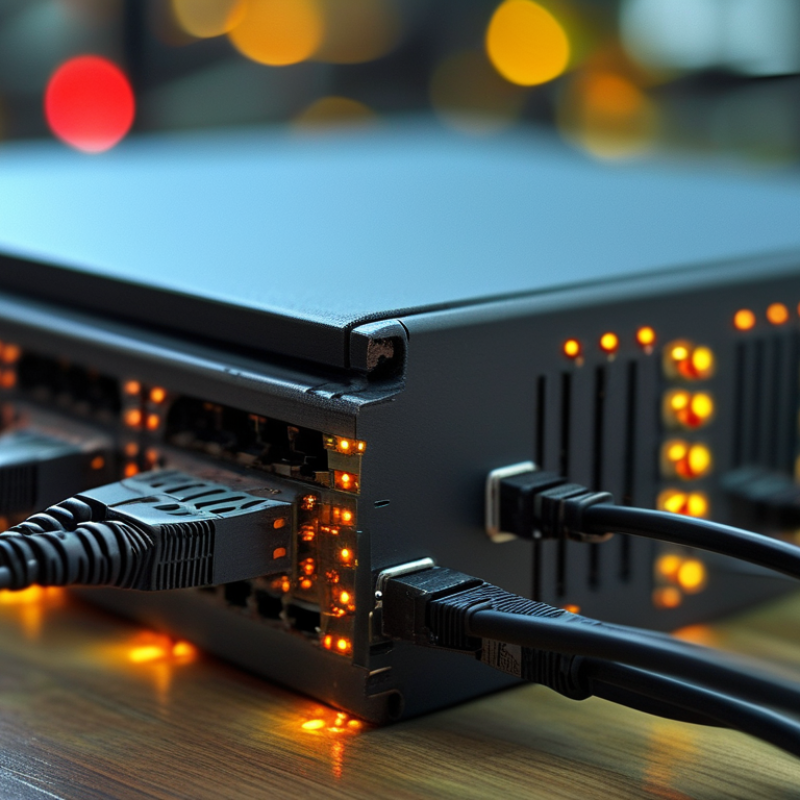
10G BiDi technology is changing how businesses handle data transmission. It uses two wavelengths for both send and receive functions on a single fiber. This means you can double your bandwidth without needing more fibers. It’s efficient and cost-effective, allowing companies to grow without heavy infrastructure investments.
Implementing 10G BiDi can provide significant advantages. For example, businesses can enhance their network performance while reducing the physical footprint. This compact solution is especially useful for data centers with limited space. It allows quick upgrades to existing networks, but organizations must ensure they maintain efficient cooling and management practices.
However, transitioning to 10G BiDi isn't without challenges. Companies must evaluate their current systems, which can be time-consuming. Some may find integration more complex than anticipated. This requires careful planning and skilled personnel to manage the upgrade effectively. Yet, with the right approach, the benefits can outweigh the initial hurdles.
10G BiDi technology offers a significant advancement in data transmission, allowing bi-directional communication over a single fiber. This means that both sending and receiving signals can occur simultaneously. Such capability enhances bandwidth efficiency. It is ideal for high-demand scenarios, such as data centers and enterprise networks. The use of different wavelengths on one fiber eliminates the need for multiple fibers, reducing infrastructure costs.
Tips: Understand your network needs. Assess whether upgrading to 10G BiDi can optimize your current setup. Monitoring your existing bandwidth will reveal potential bottlenecks.
The technology operates using wavelength division multiplexing. Each channel transmits data at different wavelengths. This clever method maximizes the existing fiber infrastructure. Businesses can upgrade to faster speeds without significant overhauls. However, integration may require thoughtful planning. Ensure compatibility with current systems. Testing different configurations may reveal optimal setups.
Tips: Always keep an eye on emerging trends. Regularly update your knowledge about fiber optics advancements. Small adjustments can lead to big improvements in performance.
10G BiDi technology offers significant benefits for business connectivity. This innovation utilizes dual wavelength light on a single fiber strand, allowing for both transmission and reception. A report by MarketsandMarkets highlights that the global optical fiber market is expected to reach $8 billion by 2025, underlining the growing need for efficient data solutions.
The advantages of 10G BiDi include reduced infrastructure costs. By allowing two-way communication on one fiber line, businesses can save on installation and maintenance. According to a recent study, companies can cut capital expenses by approximately 30% compared to traditional methods. Additionally, 10G BiDi supports high data rates, enhancing network performance. With data consumption expected to grow by 25% annually, adopting this technology prepares businesses for future demands.
Reliability is another critical aspect. BiDi technology minimizes physical cable requirements, which reduces potential points of failure. However, businesses need to consider compatibility with existing systems. Transitioning to 10G BiDi may require updates, potentially leading to temporary disruptions. Organizations should weigh these factors carefully before making a decision. Adopting this technology can lead to streamlined operations and significant long-term savings.
10G BiDi technology is gaining traction across various industries. Its ability to transmit data in both directions over a single fiber strand greatly improves efficiency. In the telecommunications sector, service providers can enhance network capacity without deploying additional infrastructure. This leads to significant cost savings and faster service delivery.
In smart city applications, 10G BiDi plays a vital role. For instance, traffic management systems can utilize this technology to relay real-time data. It supports improved communication between sensors, traffic lights, and control centers. Moreover, the healthcare industry benefits as well. Hospitals can ensure rapid data transfer between devices, improving patient care quality. The seamless sharing of medical records through telemedicine platforms fosters better outcomes.
Despite numerous advantages, organizations must weigh the challenges involved. The initial investment may be substantial. Not all existing infrastructures are ready for such upgrades. Strategic planning and careful implementation are critical to maximizing the potential of 10G BiDi in any setting. Engaging with experts in the field can provide insights that facilitate smoother transitions. This careful approach ensures that businesses leverage the full range of benefits this technology offers.
As businesses evolve, the demand for faster network capabilities increases. This is where 10G BiDi technology comes into play. By utilizing both wavelengths on a single fiber, 10G BiDi effectively doubles the data transmission without needing additional fibers. This can significantly reduce infrastructure costs and physical space requirements.
Future trends indicate a growing reliance on high-speed internet. Industries like cloud computing, streaming, and IoT are booming. A lack of adequate bandwidth could hinder growth and operational efficiency. Adopting 10G BiDi allows businesses to stay competitive in this rapidly changing environment. It supports increased data flow and improves connection reliability.
However, transition challenges exist. Some companies may struggle with the integration of new technology. Knowledge gaps can lead to implementation issues. It's essential to evaluate existing infrastructure and staff expertise before adopting 10G BiDi. This careful consideration will ensure smoother transitions and maximize the potential benefits of this advanced technology.
| Dimension | Description | Impact on Business |
|---|---|---|
| Speed | 10G BiDi transport speeds up to 10 Gbps. | Enables faster data transfer, enhancing productivity. |
| Cost Efficiency | Reduced deployment costs by utilizing existing fiber infrastructure. | Lower total cost of ownership for businesses. |
| Scalability | Easily scalable solutions to meet future demands. | Supports business growth without major overhauls. |
| Simplicity | Streamlined installation and connectivity processes. | Reduces setup time and complexity for IT teams. |
| Reliability | Enhanced performance over greater distances without signal degradation. | Improves uptime and reliability of business operations. |
: 10G BiDi technology allows simultaneous sending and receiving signals over a single fiber. This enhances bandwidth efficiency.
It reduces infrastructure costs by utilizing wavelengths on one fiber. This saves space and improves data transmission.
Integration can be difficult for some businesses. Knowledge gaps may create implementation issues worth reflecting on.
Monitoring existing bandwidth helps identify potential bottlenecks. This knowledge can guide technology upgrades effectively.
It transmits data at different wavelengths through a single fiber. This maximizes the use of existing fiber infrastructure.
Industries like cloud computing and streaming will benefit greatly. High-speed internet is essential for their growth.
Evaluate current systems and staff expertise. Careful planning can help ensure a smoother transition.
As demand for high-speed internet grows, 10G BiDi becomes more essential. It supports reliable connections in evolving markets.
Regular updates on fiber optics advancements can lead to significant improvements. Even minor changes can enhance efficiency.
Understanding your network needs helps optimize setups effectively. This assessment reveals whether upgrades will truly be beneficial.
10G BiDi technology is a revolutionary advancement in optical communication that enables the simultaneous transmission of data over a single fiber by using different wavelengths. This method provides a cost-effective solution to increase bandwidth without the need for additional fibers, making it an attractive option for businesses looking to enhance their connectivity. By understanding the technical aspects of how 10G BiDi operates, organizations can leverage its capabilities to improve data transmission and efficiency.
The key advantages of 10G BiDi for business connectivity include reduced infrastructure costs, simplified network design, and increased scalability for future growth. Its real-world applications span various industries, offering improved communication in data centers, enterprises, and telecommunications. As the demand for higher data rates continues to rise, adopting 10G BiDi is essential for businesses aiming to stay competitive and foster growth in an increasingly connected world.
